Hold Off On Cutting Back Frost Nipped Plants In The North Carolina Mountains
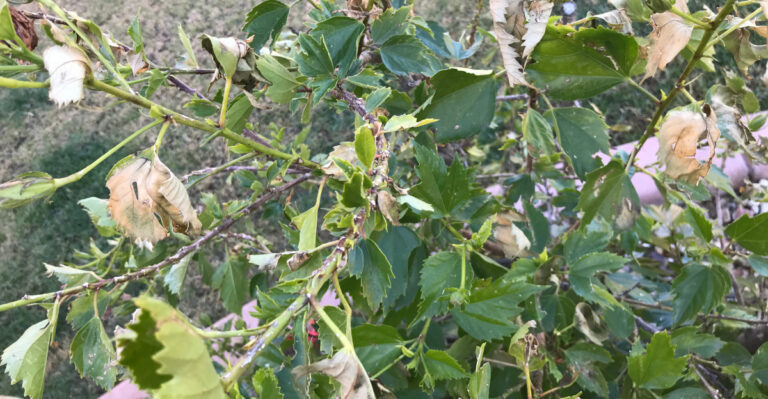
The first frost makes a garden look tired overnight. Leaves blacken, stems droop, and the instinct to clean up is strong.
In the North Carolina mountains, it pays to wait. Frost damage often looks worse than it is, and many plants still have energy to move down to their roots.
Cutting too soon interrupts that process. Foliage left in place also protects the crown during the first cold snaps.
Warm spells can follow early frosts, and cutting stimulates tender growth that the next cold night will damage. Some plants need cleanup, and others do better untouched.
Patience also helps wildlife, since seed heads and stems shelter insects and feed birds. Knowing what to leave and when to act keeps your plants stronger next spring.
1. Damaged Foliage Still Protects The Crown
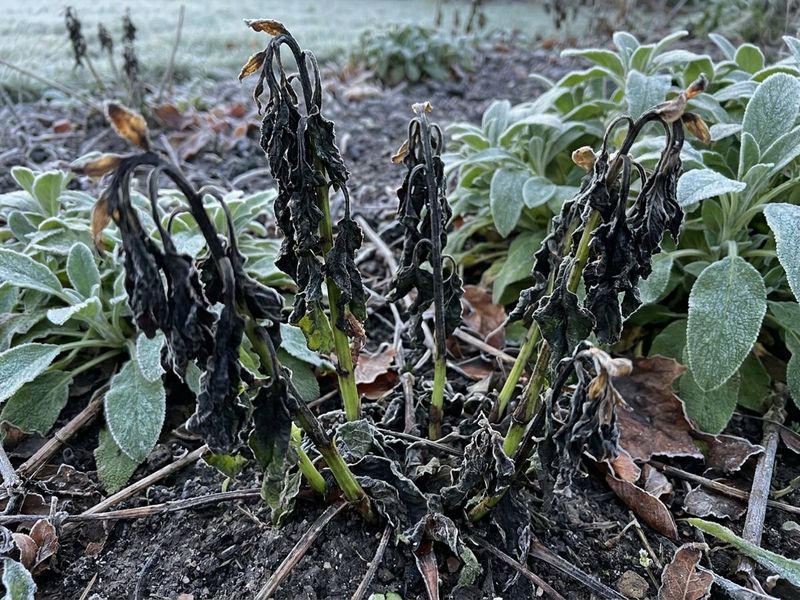
Those crispy brown leaves might look messy, but they are quietly doing an important job. Think of them as a winter coat your plant already owns.
Even after frost turns the top growth brown or black, it still forms a cover over the crown, which is the spot where stems meet the roots.
The crown matters because it holds the buds that will become next year’s growth. When old leaves and stems stay in place, they block some of the cold air and wind that would hit the crown directly.
That small buffer can soften the blow of the harder freezes that come later in the season. Mountain gardeners face a special challenge here. In places like Boone, Asheville, and Highlands, the first frost is rarely the last word.
It usually arrives in October and is followed by weeks of freezing nights, icy winds, and temperatures that keep sliding lower until late winter.
A plant stripped bare after that first frost has nothing left to shield it. All those cold snaps that follow hit the crown with full force.
Leaving the old growth alone gives your perennials and shrubs a fighting chance through the long season ahead.
So what should you actually do? Let frost nipped perennials and shrubs stand right where they are through winter. You can trim back anything that flops onto a walkway, but keep the rest in place.
Once spring arrives and you spot fresh green shoots pushing up from the base, that is your signal. Clip away the old brown material then, taking care not to snip the new growth. Your plants will thank you with a strong, healthy start.
2. Pruning Can Trigger Tender New Growth
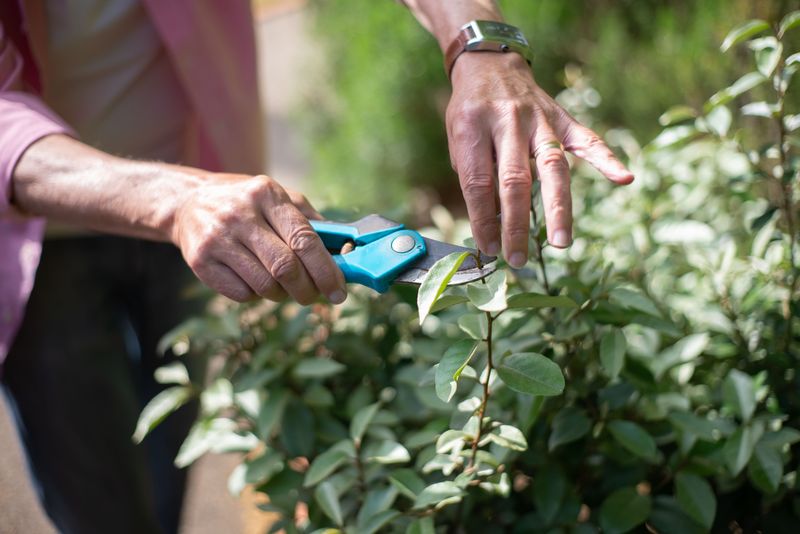
Every cut you make sends a message to your plant. Prune a shrub, and it hears one thing loud and clear: time to grow. That response is great in spring, but it can cause big trouble in late fall and early winter.
When you trim shrubs and woody perennials after a frost, many of them try to replace what they lost. If a mild spell follows, they may push out fresh shoots.
Those new stems are soft, full of water, and have not had time to toughen up for cold weather. Then the temperature drops again. That tender growth freezes quickly, turning mushy and brown.
Your North Carolina Garden Changes Every Week. Your Plan Should Too.
Gardening in North Carolina changes quickly throughout the season. Every Friday you’ll receive a simple weekly plan showing exactly what to plant, prune, fertilize, harvest, and protect so you never miss the right timing.
Worse, the plant has spent stored energy making shoots it cannot keep, leaving it weaker going into the coldest months.
Mountain weather makes this risk even bigger. A sunny November afternoon near Waynesville can feel almost like September, with temperatures in the sixties.
A day or two later, a hard freeze can sweep in and drop things into the teens overnight. Those quick swings fool plants into thinking it is safe to grow. Pruning just adds fuel to that confusion.
Holding off keeps your shrubs sleepy and steady until the season truly changes. Here is a simple plan to follow. Put the pruners away for woody plants like hydrangeas, butterfly bush, roses, and abelia once frost has touched them.
Even if they look ragged, resist the urge to shape them up. Save all trimming and shaping for late winter or early spring, depending on the plant. By then, the worst cold has usually passed, and any new growth will have a much better shot at thriving.
3. It’s Hard To Tell What’s Truly Damaged
Looks can fool you, especially after a cold night. A plant that seems totally ruined in November might be bursting with leaves by May. Frost has a way of making things look far worse than they really are.
Right after a freeze, leaves often turn brown, limp, or blackened. Underneath that sad surface, though, the stems and buds may still be perfectly healthy.
Cold damage to woody shrubs is especially tricky, since the real story often stays hidden until new growth starts in spring.
Gardeners who cut early sometimes remove wood that would have leafed out just fine. That means fewer flowers, a smaller plant, and a longer wait for it to fill back in. It is a lot like judging a book by a torn cover.
In the North Carolina Mountains, this problem pops up often. Plants here face a long stretch of cold, and some shrubs, like gardenias or certain hydrangeas, may look rough for months.
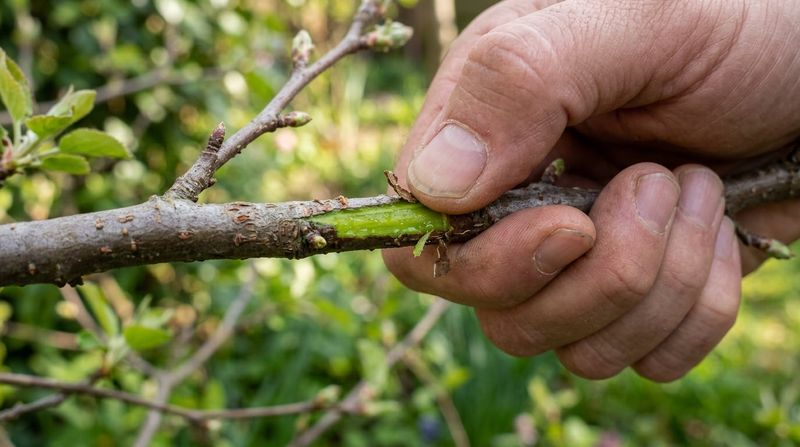
Patience gives you the full picture before you make any cuts. When spring arrives, try the scratch test. Use your thumbnail or a small knife to gently scrape a tiny spot of bark on a stem.
Green, moist tissue underneath means that part of the stem is still healthy. If you find brown, dry tissue, move a little lower on the stem and test again. Keep going until you hit green.
Then cut just above that point, or remove only the stems that show no new growth at all. Waiting until buds swell or leaves appear makes the job even easier. Nature basically draws you a map of where to trim.
4. Marginally Hardy Perennials Survive Better With Stems Left On
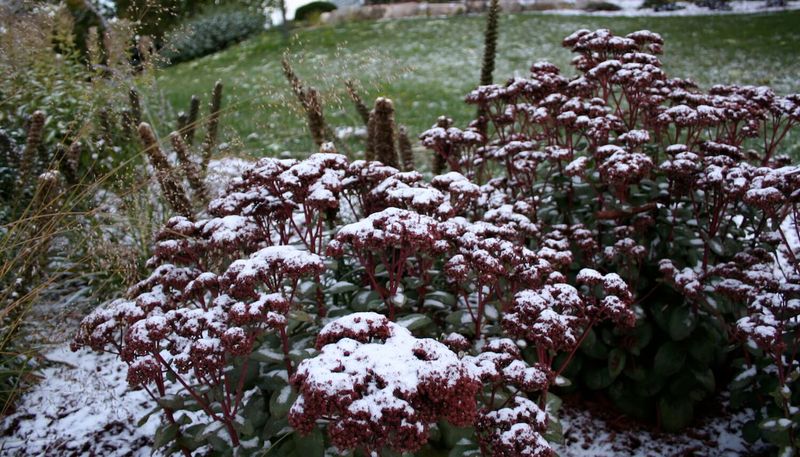
Some plants live right on the edge of what mountain winters allow. Lantana, many salvias, and some gardenias fall into this group.
They might breeze through winter in Charlotte or Raleigh, yet struggle when they are planted at higher elevations.
For these borderline plants, old stems can make a real difference. Standing stems help protect the crown from cold.
They also keep water from running into freshly cut stem ends, where it can freeze or cause rot right at the base of the plant.
Gardeners in the Piedmont often cut lantana back in fall with no trouble. Up in the mountains, the same habit can backfire. Colder nights and longer freezes mean these plants need every bit of help they can get.
Elevation is the reason. Many mountain towns sit thousands of feet higher than the Piedmont, and winters run noticeably colder.
A perennial rated as hardy in one part of the state can become a gamble just a couple of hours west.
Fortunately, a few easy steps improve the odds. Leave the stems of borderline perennials standing all winter long.
Wait for the ground to cool, usually after a few hard freezes, and then spread a few inches of mulch around the base.
Shredded leaves, pine straw, or shredded bark all work well. Mulching after the soil cools helps keep the ground at a steadier temperature instead of letting it warm and freeze over and over.
Come spring, watch the base of each plant. Lantana in particular can be slow to wake up, sometimes not showing new growth until late May. Once fresh shoots appear, cut the old stems down.
5. Stems And Leaves Catch Snow And Leaves For Insulation
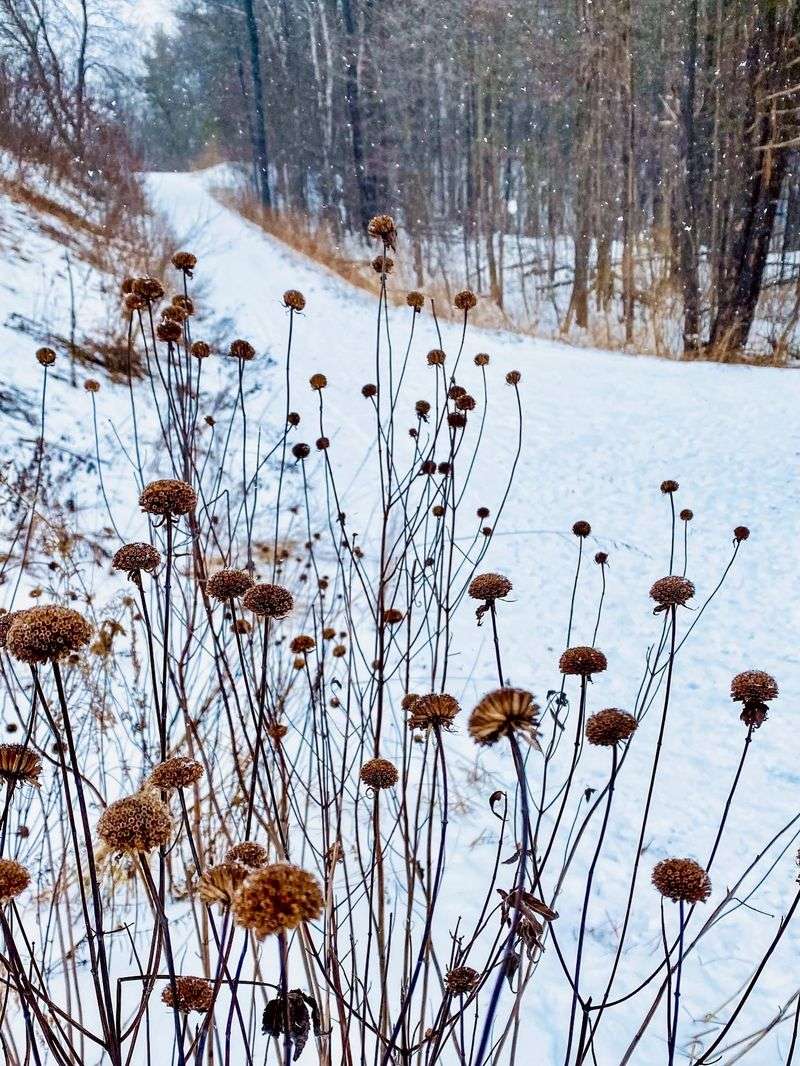
Snow might seem like the enemy of a garden, but it is actually a fantastic blanket. Fluffy snow is full of tiny air pockets, which help hold warmth in the soil.
Standing plant stems help keep that blanket right where your plants need it. Upright stems and dried foliage work like little fences. They trap fallen leaves and drifting snow around the base of each plant.
Together, that material builds a natural layer that guards roots and crowns from deep cold. It also helps with freeze and thaw cycles. When soil freezes, thaws, and freezes again, it can heave plants right out of the ground and expose their roots.
A cozy layer of snow and leaves keeps the soil temperature steadier, so that shifting happens far less.
Mountain gardens see more snow and stronger winds than most of North Carolina. Places like Beech Mountain can get several feet of snow in a winter.
Without stems to hold it, wind can sweep beds bare and leave plants exposed to bitter air. Putting this to work is easy, and it even saves you time. Leave stems standing in your perennial beds through winter.
Let some fallen leaves drift in and settle around the plants instead of hauling them away. Try not to rake your beds completely bare in fall. A clean, empty bed may look neat, but it gives up a lot of free protection.
If leaves pile up too thickly on small plants, simply spread them out a bit. In spring, pull back the extra leaves once the soil warms. Then you can tuck them into your compost pile.
6. Seed Heads And Stems Help Wildlife
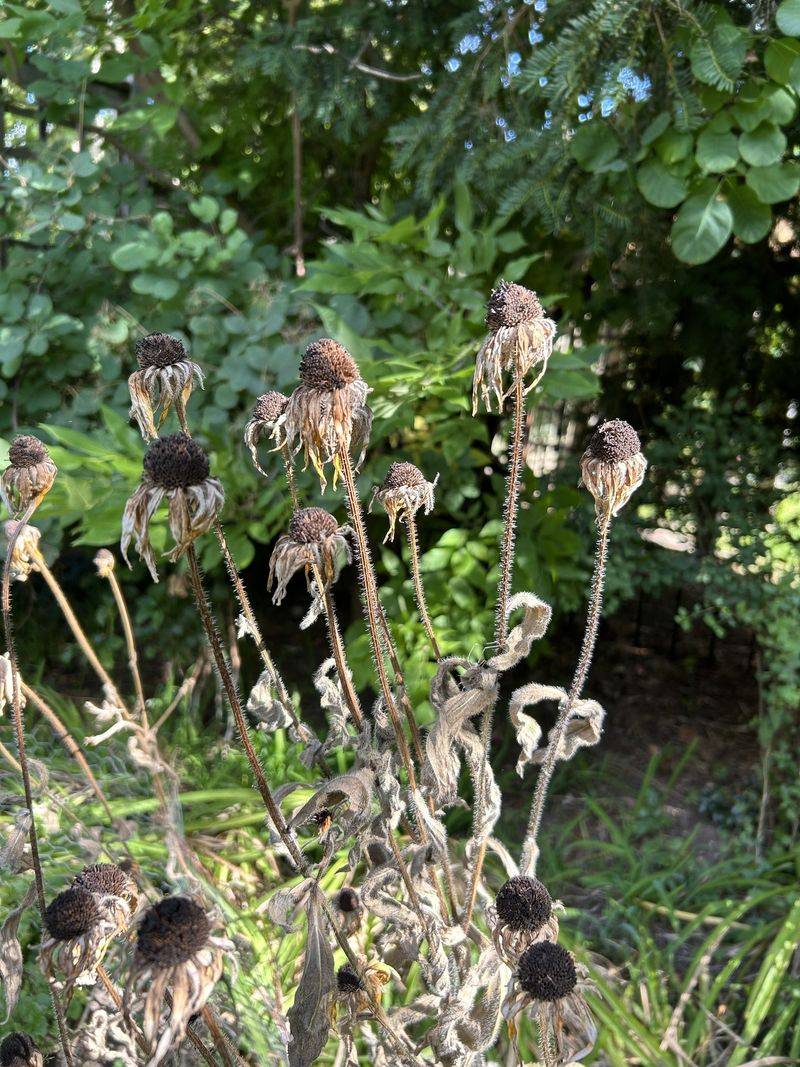
A goldfinch clinging to a coneflower on a snowy morning is one of winter’s best shows. That little moment only happens if the seed heads are still standing. Your garden can become a winter diner for birds with almost no extra work.
Seed heads from coneflowers, black-eyed Susans, and ornamental grasses are packed with food. Goldfinches, juncos, chickadees, and sparrows all visit gardens to pick at them through the cold months.
When natural food runs low, those seeds become especially valuable. Birds are not the only guests. Hollow and pithy stems give shelter to native bees and other helpful insects.
Some small bees spend winter tucked inside old stems, then emerge in spring ready to pollinate your flowers and vegetables.
Winters in the North Carolina Mountains are long, and food can be scarce for months. Birds burn a lot of energy staying warm on frigid nights.
Every seed head left standing helps them make it to spring. The beneficial insects you shelter return the favor later. Many eat garden pests, while others pollinate fruit trees, berries, and blooms.
A garden full of these helpers needs fewer sprays and gives bigger harvests. Leave healthy stems and seed heads standing until spring. When it is finally time to cut back, try a different approach.
Instead of trimming everything to the ground, leave some stems at heights between about eight and twenty inches.
Those stubs become nesting spots for stem nesting bees in the new season. New growth will quickly hide them, so your garden still looks tidy. You get a cleaner bed and a thriving bee population at the same time.
7. Some Plants Should Still Be Cleaned Up

Patience is a great rule, but every good rule has exceptions. Not every frost nipped plant deserves a spot in your winter garden. Knowing which ones to clear makes the whole plan work better.
Start with annuals and warm season vegetables. Tomatoes, peppers, basil, squash, zinnias, and marigolds will not bounce back after a hard frost.
Once they turn black and mushy, pull them up and add healthy plants to the compost pile.
Plants with disease problems are another story. Peonies with leaf spots, along with phlox or bee balm covered in powdery mildew, can carry those problems into next year.
Cut back that foliage and bag it rather than composting it, since many home compost piles do not get hot enough to destroy disease spores.
Hostas can also use some attention. After frost, their big leaves collapse into slimy heaps that make perfect hiding spots for slugs.
If slugs chewed holes in your hostas this year, clear away those soggy leaves to cut down on eggs and hiding places.
Everything else can wait. Leave healthy perennials and shrubs standing so they keep their natural protection.
That way, you are removing problems without stripping away the cover your garden depends on.
The mountains have cool, damp weather much of the year, which helps fungal diseases spread. A targeted fall cleanup cuts down on that risk in a smart, focused way. Rather than clearing the whole yard, you only tackle the trouble spots.
Think of it as cleaning with a purpose. A little effort now means fewer headaches next summer and a garden that is ready to shine when warm days return.