Prune These 7 Plants In October For A Head Start On Next Season In North Carolina
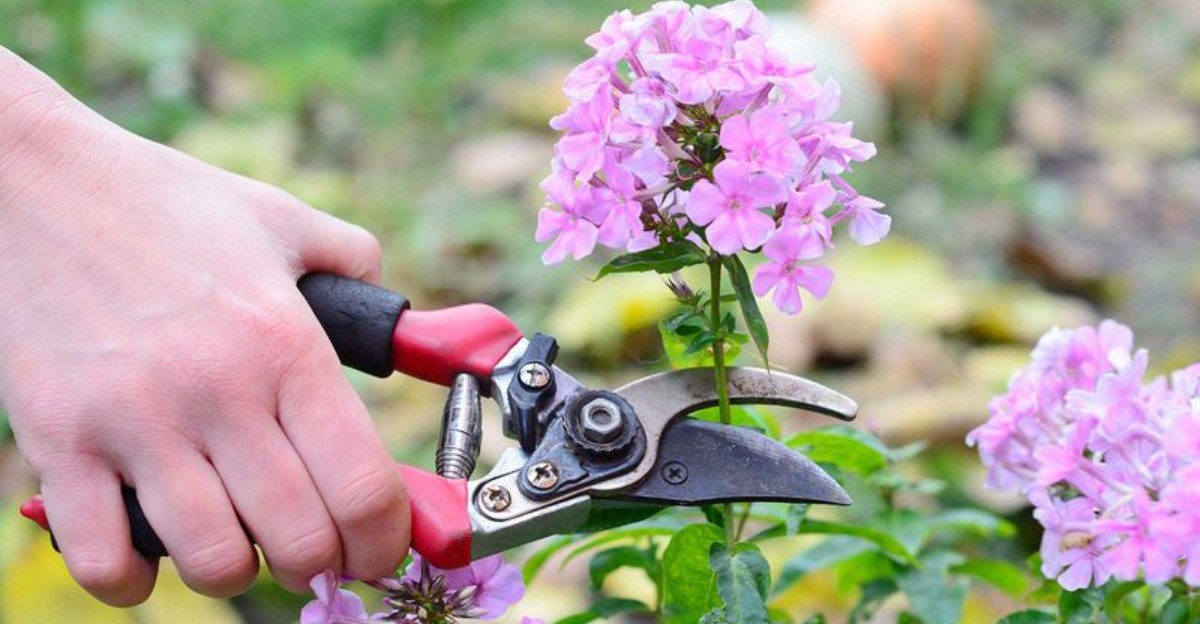
Some plants reward you for picking up the pruners in October. While others wait, these seven are ready for a trim now. Cutting at the right time cleans up messy growth, improves shape, and removes weak stems before winter weather arrives.
It also gives plants room to put energy into strong, healthy growth when spring returns. North Carolina’s mild fall helps, because cuts have time to heal before the cold sets in. The trick is knowing which plants fit this list.
Pruning the wrong plant now can cost you flowers, so the choice matters. These seven are safe, simple to prune, and likely to repay your effort. A short afternoon of work this month can make spring chores much lighter, and your garden will look sharper all season.
1. Peonies Benefit From A Clean Cut In Fall
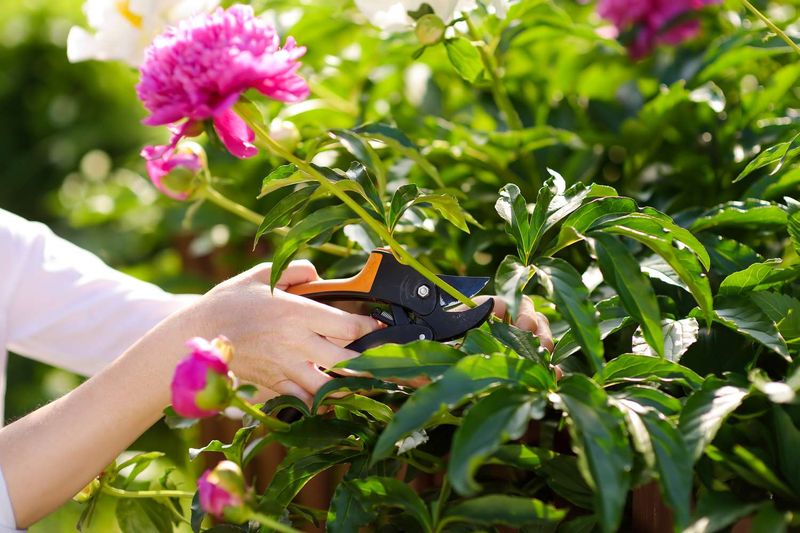
Ask any longtime peony grower about their secret, and many will point to a pair of pruners in October.
Herbaceous peonies put on a stunning spring show, but by late season their leaves often look tired, spotted, and a little sad. That tired look is usually more than cosmetic.
Fungal diseases like botrytis blight and leaf blotch, sometimes called measles, settle into peony foliage as summer wears on.
The spores ride out the winter on old leaves and stems lying on the soil. When spring rains arrive, those spores splash onto tender new shoots and start the cycle all over again.
Cutting the plants back breaks that cycle. Wait until the leaves turn yellow or until after the first frost, since the foliage keeps feeding the roots until then. Then snip each stem to about an inch or two above the soil line.
Go slowly near the base of the plant. Peonies form small pink or red buds, often called eyes, right at or just below the soil surface, and those buds hold next spring’s stems. A careless cut or a rough rake can damage them.
Skip the compost pile for these trimmings. Home compost rarely gets hot enough to destroy fungal spores, so bag the foliage and put it out with the trash instead. Clearing fallen leaves from around the crown helps too.
North Carolina summers are famous for thick, sticky humidity, and peony diseases love every minute of it.
Gardeners in the Piedmont and the Mountains, where peonies grow best thanks to colder winters, see these problems often. A quick fall cleanup gives your plants a fresh, healthy start when those glossy red shoots push up in March.
2. Bearded Iris Needs A Fall Cleanup
Bearded iris may look tough as nails, but a tiny moth has other plans. The iris borer moth flies in late summer and fall, laying its eggs on old, dried iris leaves and nearby debris. Those eggs sit quietly all winter, waiting.
Come spring, the eggs hatch into small caterpillars that chew their way into new leaves. From there, they tunnel down into the rhizomes, the thick roots that store the plant’s energy.
Your North Carolina Garden Changes Every Week. Your Plan Should Too.
Gardening in North Carolina changes quickly throughout the season. Every Friday you’ll receive a simple weekly plan showing exactly what to plant, prune, fertilize, harvest, and protect so you never miss the right timing.
Damaged rhizomes often turn soft and smelly as bacterial soft rot moves in behind the borers.
A good fall cleanup removes many of those eggs before they ever hatch. It also cuts down on iris leaf spot, a fungal disease that leaves brown, oval marks with reddish edges on the foliage. Fewer spotted leaves this fall means fewer spores next spring.
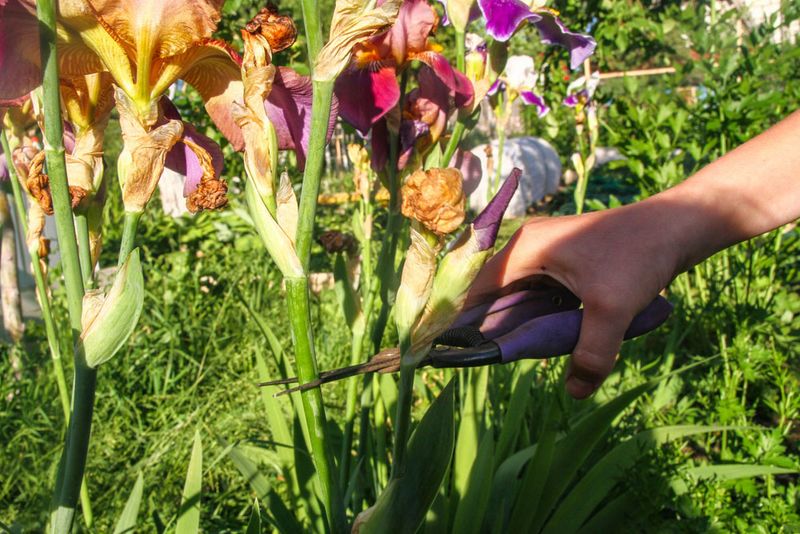
Start by trimming the leaves back to about 4 to 6 inches tall. Many gardeners cut them in a neat fan shape, angled like a little upside-down V, which looks tidy and lets rain run off. Pull away every brown or dried leaf you find.
Next, clear out fallen leaves, mulch, and other debris from around the rhizomes. Bearded iris actually likes the tops of its rhizomes to sit in the sun, so keep heavy mulch away. Bag all trimmings instead of tossing them on the compost pile.
Across North Carolina, iris leaf spot shows up often after warm, rainy stretches. Borers are less common here than in northern states but still pop up, and both problems slowly weaken clumps over the years.
An hour with your pruners in October keeps those sword-shaped leaves strong and the spring blooms coming.
3. Daylilies Look Tidier With Old Foliage Removed
Few plants are as easygoing as the daylily, which is exactly why so many North Carolina yards have a row of them along the driveway or mailbox.
They shrug off heat, poor soil, and dry spells with hardly a complaint. By October, though, even these champs start to look a bit messy.
Old daylily leaves turn yellow, then brown, then flop over into a tangled mat. That mat isn’t just an eyesore. Fungal leaf spots and leaf streak can linger on the old foliage, and slugs love hiding in the cool, damp layers underneath.
Clearing it away solves several problems at once. Your bed looks neater all winter, pests lose their cozy shelter, and you’ll spot the fresh green shoots right away in spring.
Some reblooming and evergreen types stay green longer, so trim only the foliage that has truly faded.
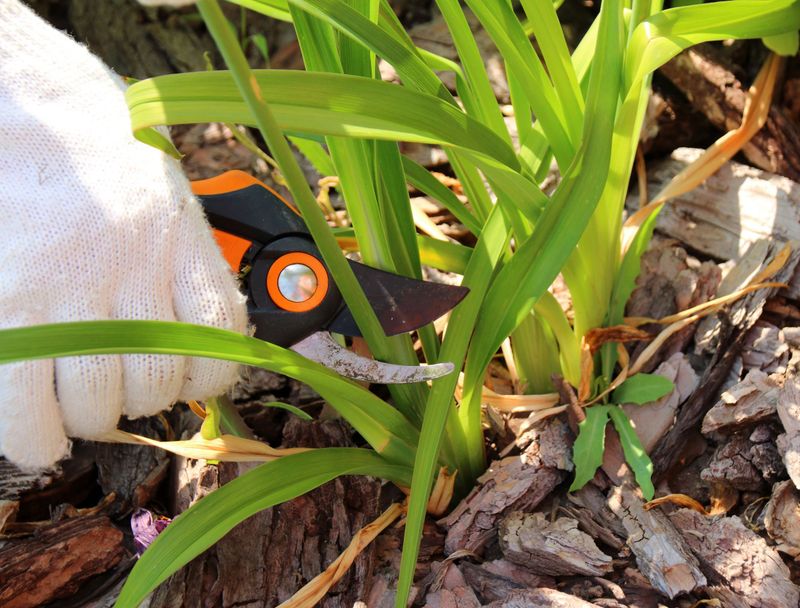
Once the leaves have yellowed or browned, grab a handful and cut them back to a few inches above the ground.
Hand pruners work fine for small clumps, while hedge shears speed things up for long rows. Afterward, rake away loose leaves and debris so nothing is left sitting on the soil.
While you’re down there, take a look at how crowded the clumps are. If the center seems thin or the plants bloomed less this year, fall is a fine time to divide them. Dig up the clump, pull or slice it into sections with a few fans each, and replant at the same depth.
Daylilies rank among the most widely grown perennials in home gardens across the state, from coastal cottages to mountain cabins. A simple fall trim keeps those beds looking cared for and ready to bloom again.
4. Cut Back Phlox And Bee Balm With Powdery Mildew
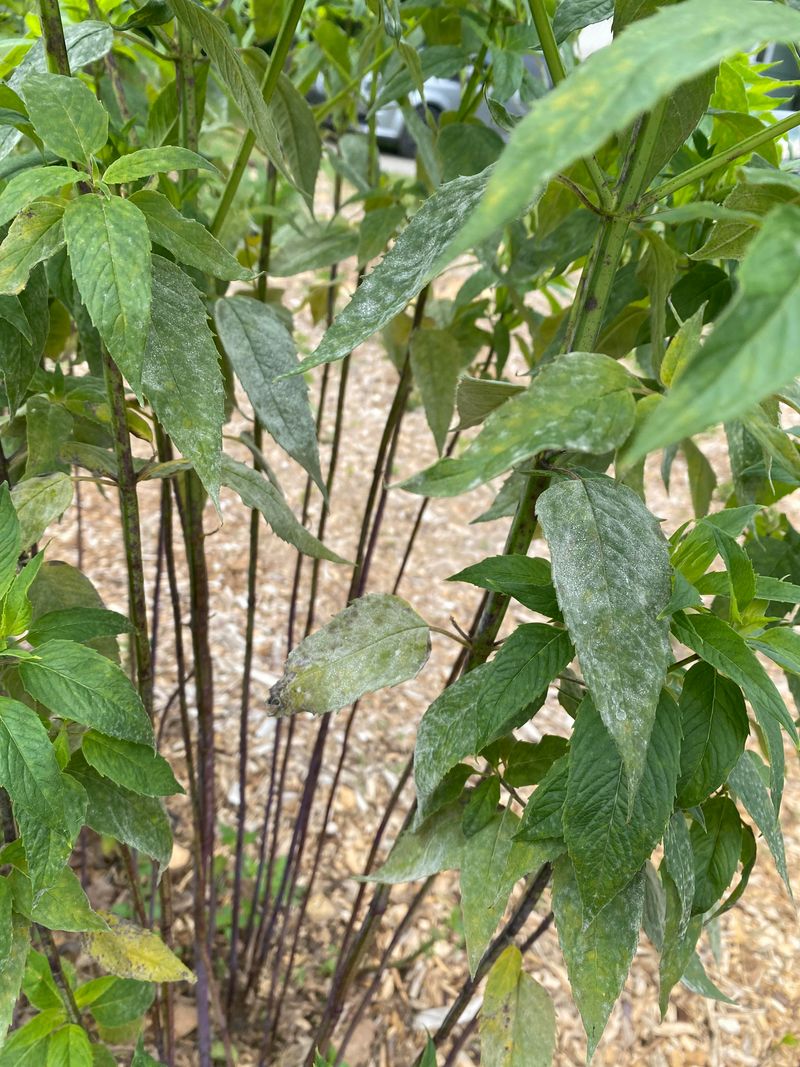
Have you ever noticed a white, dusty coating on your garden phlox or bee balm by August? It looks like someone sprinkled flour over the leaves. That coating is powdery mildew, one of the most common fungal problems on these two summer favorites.
Both plants are pollinator magnets. Hummingbirds zip to bee balm’s shaggy red blooms, and butterflies sip from the sweet-smelling clusters on tall phlox. Sadly, the mildew loves them just as much, and it can leave leaves curled, yellow, and dropping early.
Here’s the good news. The fungus survives the winter on infected stems and leaves left in the garden, so removing that material lowers the amount of disease waiting for next year. It won’t erase mildew completely, but it gives your plants a real advantage.
After flowering ends or once the foliage starts to fade, cut the stems back to a few inches above the ground. Bag the clippings and send them out with the trash rather than composting them. Rake up any fallen leaves while you’re at it.
Crowded clumps trap moisture and block breezes, which mildew enjoys. Fall is a smart time to thin or divide large clumps so each plant has room to breathe next season. Bee balm spreads fast, so pulling a few runners is easy work.
North Carolina weather sets the stage for this disease. Warm days paired with humid nights create the exact conditions powdery mildew needs, especially in mid to late summer.
Pair your fall cleanup with mildew-resistant varieties like ‘David’ phlox or ‘Jacob Cline’ bee balm, and you’ll enjoy cleaner leaves next year.
5. Remove Spent Canes From Blackberries And Raspberries
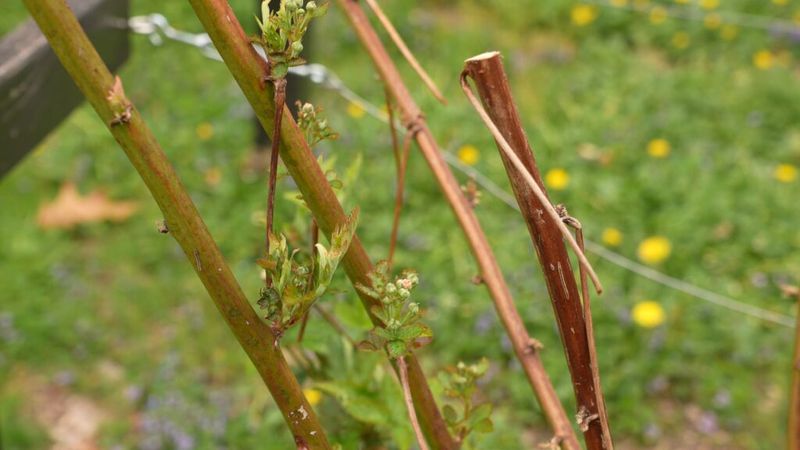
Blackberry season in North Carolina feels like summer itself, with sticky purple fingers and buckets of fruit for cobbler. Once the picking ends, though, your patch has a job for you. Those canes that just fed you need to go.
Blackberries and summer-bearing raspberries grow on a two-year schedule. In year one, a new cane, called a primocane, grows tall and leafy. In year two, it becomes a floricane, flowers, bears fruit, and then naturally declines for good.
Leaving the old canes in place only crowds the patch. They block sunlight, trap humid air, and give shelter to pests and diseases like cane blight and anthracnose.
Removing them sends the plant’s energy toward the young canes that will carry next year’s harvest.
Telling them apart is easier than it sounds. Fruited canes usually look gray or brown, woody, and peeling, while first-year canes stay green and flexible. Cut every fruited cane right at ground level with sharp loppers, and wear thick gloves if your variety has thorns.
Next, thin the new canes, keeping only the strongest and healthiest ones. For blackberries, many growers leave about four to six canes per plant or per foot of row. Hold off on tipping or shortening those new canes until late winter, when the plants are fully at rest.
Blackberries rank among the most popular home garden fruits across the state, and they grow well from the coast to the foothills.
Our muggy summers, however, make good airflow a must. A clean, open patch dries faster after rain, stays healthier, and rewards you with sweeter berries next June.
6. Cut Back Yellowed Asparagus Ferns
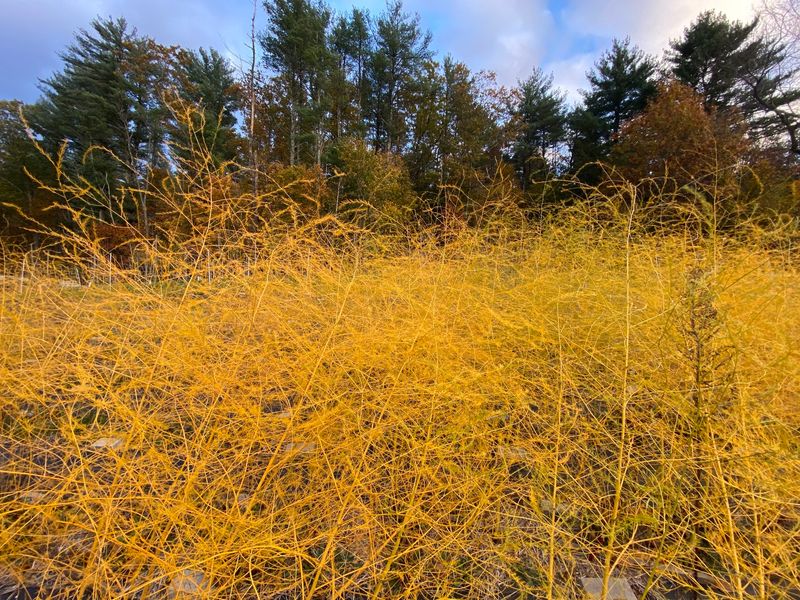
Patience pays off with asparagus. A healthy bed can keep producing spears for 15 to 20 years or more, which makes it one of the longest-lasting crops in any vegetable garden. Part of that long life comes down to how you treat the feathery ferns each fall.
After harvest ends in late spring, the spears you leave behind grow into tall, airy ferns. All summer, those ferns soak up sunlight and send energy down to the crowns underground. That stored energy fuels next spring’s spears, so timing matters a lot.
Wait until the ferns turn yellow or brown before you cut anything. Cutting green ferns too early robs the roots of food they still need. In most of North Carolina, the color change shows up in October or November, often after a light frost.
Once the ferns have faded, cut every stem down to ground level. Gather up the debris and bag it or haul it away from the garden.
Old ferns give adult asparagus beetles a place to spend the winter, and they can carry spores of diseases like rust and purple spot.
Finish the job by spreading a few inches of compost or shredded mulch across the bed. The layer adds nutrients, helps protect the crowns from temperature swings, and keeps winter weeds from taking over. In spring, the spears will push right through it.
Asparagus beetles, both the common and the spotted kind, show up in many home beds across the state.
Foliar diseases also thrive during our warm, wet growing season. A tidy fall cleanup means fewer chewed spears and healthier plants when harvest time rolls around again.
7. Remove Broken, Damaged, And Diseased Wood From Shrubs And Trees
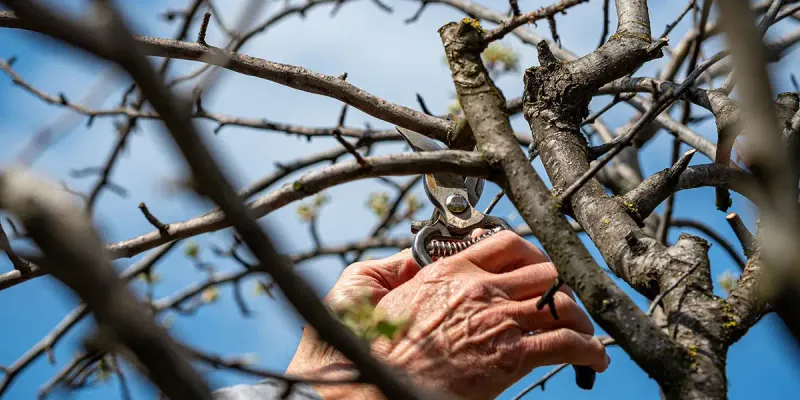
October isn’t the month for big pruning jobs on most trees and shrubs, but one task is always in season. Removing broken, damaged, and diseased wood is the safe, smart cut you can make almost any time of year. Arborists often call it the three D’s of pruning.
Heavy shaping in fall can backfire. Big cuts may push out tender new growth that cold weather quickly damages, and shrubs like azaleas, forsythia, and many hydrangeas have already set next year’s flower buds.
Shear them now, and you could lose your spring blooms. Taking out problem branches works differently.
Diseased limbs can spread fungus or cankers to healthy parts of the plant, while brittle, lifeless wood invites boring insects. Cracked or hanging branches also become hazards when winter weather arrives.
Start with clean, sharp tools. Hand pruners handle small twigs, loppers manage branches up to about an inch and a half thick, and a pruning saw takes care of bigger limbs.
Cut back to healthy wood or just outside the branch collar, the slightly swollen ring where a branch meets the trunk.
Leaving that collar intact helps the tree seal the wound on its own. If you’re working on a diseased plant, wipe your blades with rubbing alcohol or a diluted bleach solution between cuts so you don’t carry the problem along.
Save shaping and heavier trimming for the right season for each plant. North Carolina winters can bring serious ice storms, especially across the Piedmont.
A coating of ice adds heavy weight to every branch, and weak or damaged limbs are often the first to snap onto roofs, cars, and power lines. A careful October check helps your trees ride out the storms safely.