What Florida Palms Need In October Before Growth Slows Down
Your palms are about to shift into low gear, and what they get this month sets the tone until spring.
Florida’s cooler nights send a quiet signal through every frond, and the growth that looked unstoppable all summer starts to taper off. Some owners ride the wave and do nothing.
Others rush in with a handful of old habits that stopped helping weeks ago.
A short window opens right now. Miss it and the tree slides into winter with gaps it never gets to fill.
Hit it right and fronds come back thicker, greener, and tougher against the first real cold snap.
Different palms want different things, and one wrong move can cause damage that shows up slowly, then all at once.
Look at your palms with a critical eye this week. The next few weeks matter more than they appear.
1. Plan Your Fall Palm Feeding Around Your Region
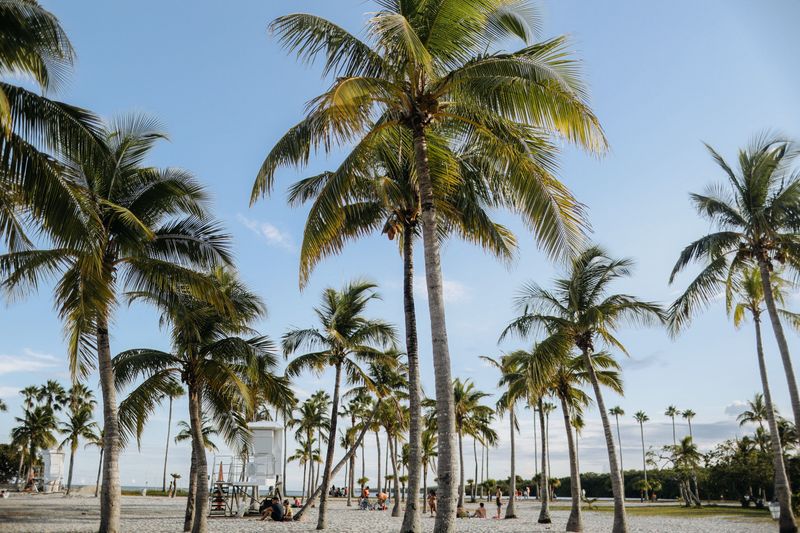
Florida is a long state, stretching from cool Panhandle pines down to the warm Keys. That means a palm in Tallahassee and a palm in Miami live on very different clocks.
Before you buy a single bag of fertilizer, think about where you live. Your region decides when your palms stop growing fast and when they need their last big meal of the year.
Soil makes timing even more important. Most yards sit on sandy ground that drains like a kitchen sieve, so nutrients wash away quickly after heavy rain.
Because of that, palms here usually need feeding three or four times a year. Spring through fall is the main window, while winter feeding is often unnecessary since growth slows down.
Here is a simple way to plan. Grab a calendar and mark your past feeding dates, then look ahead at your local cool-weather patterns.
North Florida gardeners tend to wrap things up earlier. Central and South Florida folks get a little more time to work with, which can feel like bonus innings in a ball game.
A quick call to your county extension office can help, too. Those experts know your local weather and soil, and their advice is free.
Planning ahead takes only a few minutes. Your palms will reward that effort with stronger fronds and better color all year long.
2. North Florida’s Last Feeding Usually Comes In Late Summer
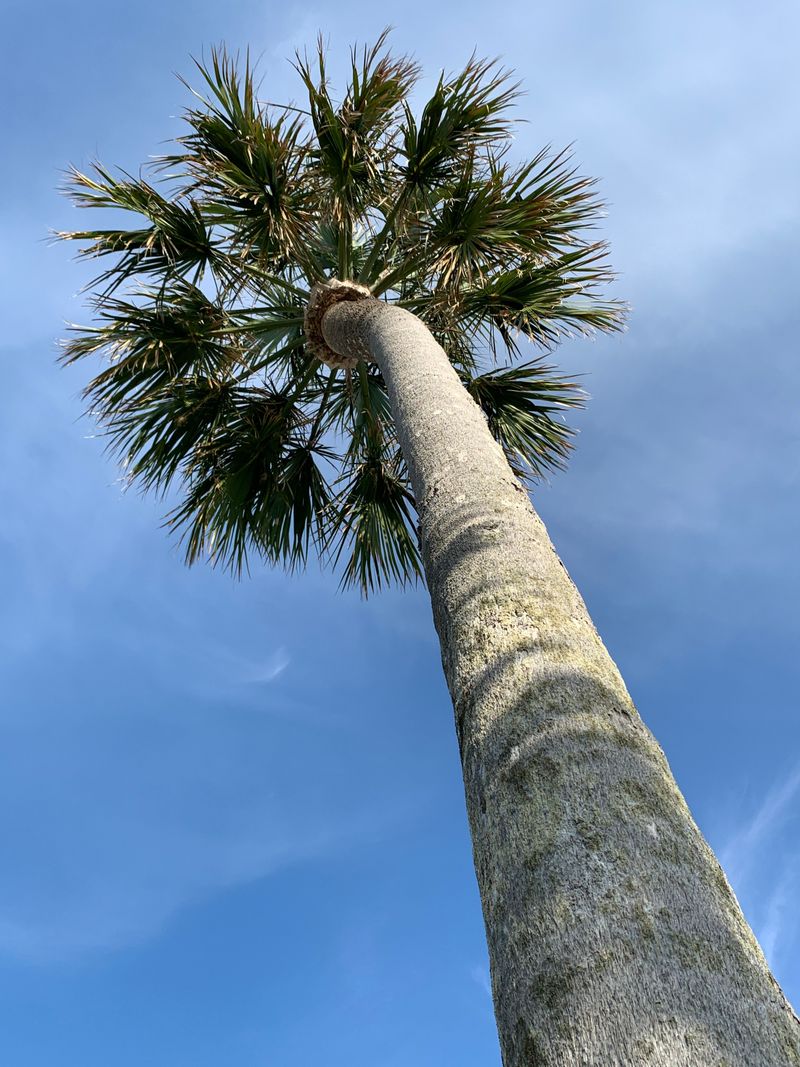
Up near Jacksonville and Pensacola, the first chilly morning can sneak in sooner than you expect. One week you are sweating, and the next you are digging for a light jacket.
That early cool down changes the feeding plan for palms. In North Florida, the last real feeding of the year usually happens in late summer or early fall.
Why so soon? Palms need time to soak up those nutrients before they shift into a slower, resting mode for winter.
Feeding too late can cause trouble. Fresh fertilizer may push out soft new growth right when cold nights arrive, and tender fronds handle chilly air poorly.
So what should North region gardeners do in October? Mostly, enjoy the view and keep an eye on things.
Your Florida Garden Changes Every Week. Your Plan Should Too.
Gardening in Florida changes quickly throughout the season. Every Friday you’ll receive a simple weekly plan showing exactly what to plant, prune, fertilize, harvest, and protect so you never miss the right timing.
Walk around your palms and check their color. Note any yellow or spotted fronds so you can plan better feeding next spring.
You can also check your watering habits. Cooler weather means palms drink less, so ease up on sprinklers if the soil stays damp.
Think of October as a rest stop on a road trip. The hard driving is done, and now you just keep the car in good shape.
Your palms already got their big meal. Now they need calm days, steady care, and a little patience from you.
3. Central And South Florida Palms Get A November Feeding
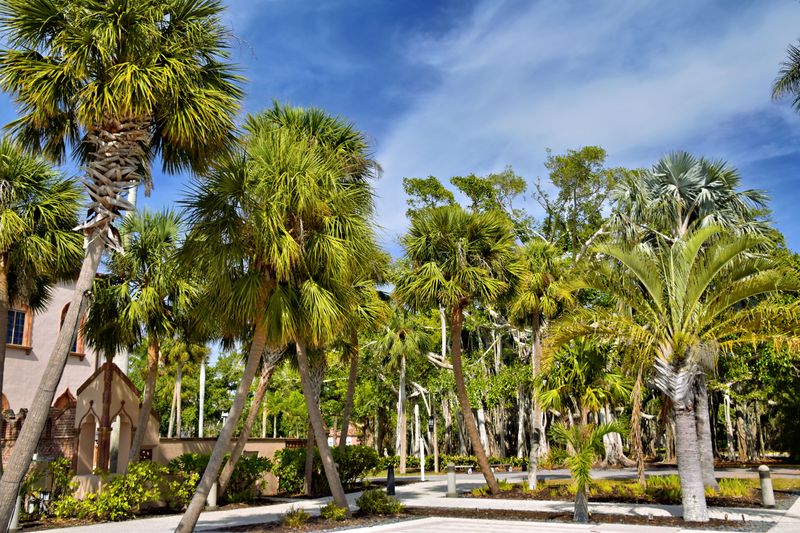
Good news for folks in Orlando, Tampa, Naples, and Miami. Your growing season runs longer, so your palms get one more meal before winter.
In Central and South Florida, experts often suggest a fertilizer application in October or November. That late feeding helps palms build up a pantry of nutrients for the cooler months.
Picture a squirrel stashing acorns before winter. Your palm is doing something similar, storing energy in its tissues so it stays healthy when growth slows.
Southwest Florida homeowners should pay extra attention here. Skipping the fall application is a common mistake in that area, and palms can end up short on nutrients heading into winter.
Short on nutrients often shows up as yellow, spotted, or frizzled fronds. Those signs can take months to fix, so prevention is much easier than repair.
Try to pick a dry, calm day for feeding. Heavy rain right after spreading can wash some of that fertilizer away before roots grab it.
Water lightly afterward to help the granules settle into the soil. A quick soak is plenty, so there is no need to flood the yard.
Set a reminder on your phone so the date does not slip by. A few minutes of work now can mean greener, fuller palms when spring rolls around.
4. Use An 8-2-12-4Mg Palm Fertilizer
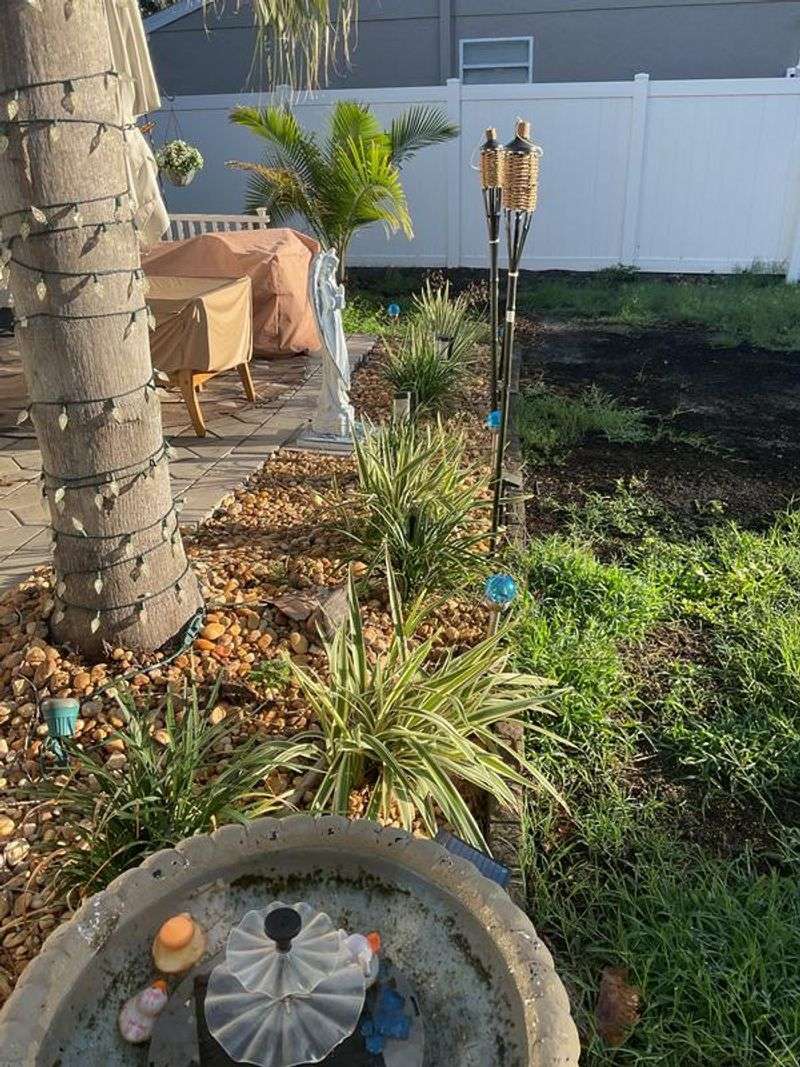
Walk down the garden aisle and you will see dozens of colorful bags. Choosing the right one for palms is easier once you know a simple number code.
The University of Florida recommends a slow-release granular fertilizer labeled 8-2-12-4Mg. Those numbers tell you exactly what is inside the bag.
The 8 stands for nitrogen, which helps leaves grow green. The 2 is phosphorus, kept low because our soils often have enough already.
The 12 is potassium, and it is the star of the show. Palms here often run low on potassium, which can cause spotted or yellow older fronds.
The 4Mg means magnesium. A shortage of magnesium often shows up as a bright yellow band along the edges of older leaves.
Good palm blends also include micronutrients like manganese and iron. These tiny helpers keep new fronds from looking weak or frizzled.
Fun fact: regular lawn fertilizer can actually cause trouble for palms. Lawn blends are heavy on nitrogen, which can make potassium shortages even worse.
Slow-release matters, too. The nutrients trickle out over weeks instead of washing away in the first big storm.
Read labels carefully and look for that number pattern. Once you spot it, you can shop with confidence and skip the guesswork.
5. Spread It Under The Whole Canopy, Not Around The Trunk
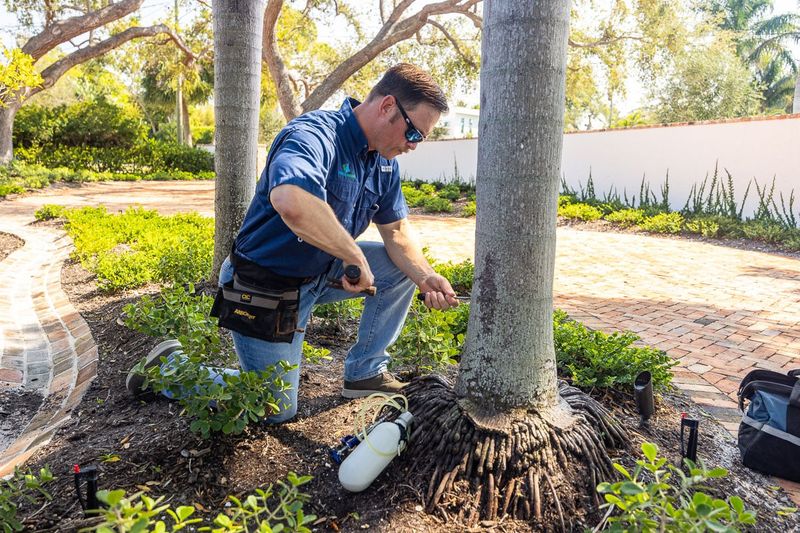
Plenty of folks dump fertilizer in a neat little ring right against the trunk. It looks tidy, but it misses where the palm actually eats.
Palm feeder roots spread out wide, often reaching the edge of the canopy and beyond. That outer edge is called the dripline, the spot where rain drips off the fronds.
For the best results, spread granules evenly across the whole area under the canopy. Aim for a light, even sprinkle, like seasoning a big pan of popcorn.
Keep fertilizer at least 18 inches away from the trunk. Piling it against the base can harm the trunk tissue over time.
If you use Milorganite brand products, the company suggests staying about two feet away. Checking the label for distance tips is a smart habit with any brand.
A handheld spreader makes this job quick. Walk slow circles around the palm, moving from near the trunk out past the dripline.
Sweep any granules off sidewalks, patios, and driveways afterward. Stray fertilizer can wash into storm drains and end up in lakes or bays.
Many counties have rules about fertilizer near water and during the rainy season. Look up your local ordinance so you stay on the right side of the law and help protect local waterways.
6. Keep Yellowing Fronds On The Palm
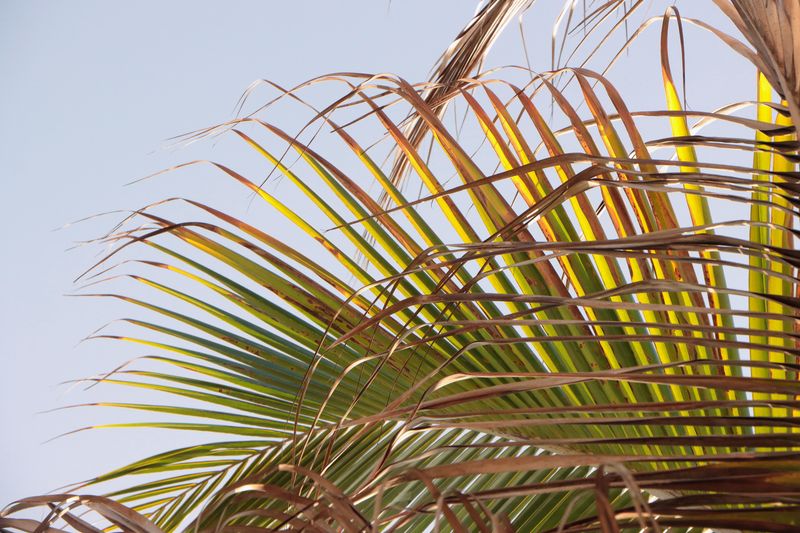
A yellow frond can look like a messy hair day for your palm. The urge to grab the pruners is real, but hold off for now.
Those fading fronds are still working. Your palm pulls nutrients like potassium and magnesium out of older leaves and moves them up to feed new growth.
Think of it like scraping the last bit of peanut butter from the jar. The palm wants every useful scrap before letting that frond go.
Cut a yellow frond too soon, and you take away that stored food. The shortage can get worse, and more fronds may start turning yellow.
Yellowing often signals a nutrient problem rather than old age. Magnesium and potassium shortages are both very common in palms.
So what can you trim? Fronds that are fully brown, dried out, or broken are fair game since they have nothing left to give.
Flower stalks and seed pods can come off as well. Removing them can cut down on messy fruit drop around your patio.
If yellow fronds keep showing up, look at your feeding plan. A proper palm fertilizer often fixes the cause over time.
Patience pays off here. Leave those golden fronds alone, and your palm can recycle what it needs.
7. Never Cut Above The 9 And 3 O’Clock Line
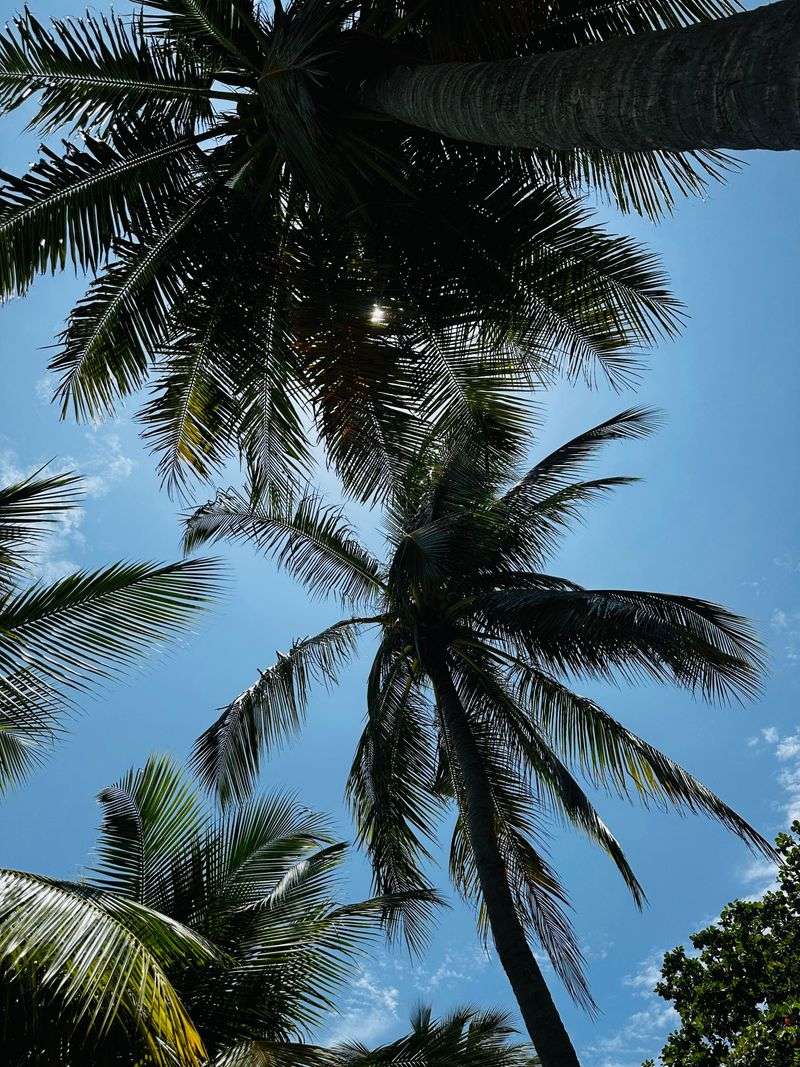
Here is a pruning trick you can picture in two seconds. Imagine your palm crown is a big round clock face.
Draw an invisible line straight across from 9 o’clock to 3 o’clock. Fronds hanging below that line can be trimmed if they are brown, broken, or badly damaged.
Everything above the line should stay put. Those green fronds are the palm’s solar panels, turning sunlight into food.
Arborists call this the 9-3 rule. It keeps the crown full and round instead of looking like a shaved feather duster.
Over-pruning can cause real harm. A thin crown may leave the trunk open to sunburn and make the palm more attractive to pests and disease.
Before you start, gather clean, sharp tools. Wiping blades with rubbing alcohol between palms helps keep diseases from spreading tree to tree.
Cut close to the trunk, but avoid gouging the bark. Small wounds can let in fungus and insects.
Tall palms are a job for pros with proper gear. Ladders and heavy fronds make a risky combo for weekend gardeners.
Fun fact: a healthy palm crown often holds dozens of fronds. Keeping most of them means more energy for strong roots and steady growth through winter.
8. Skip The Hurricane Cut
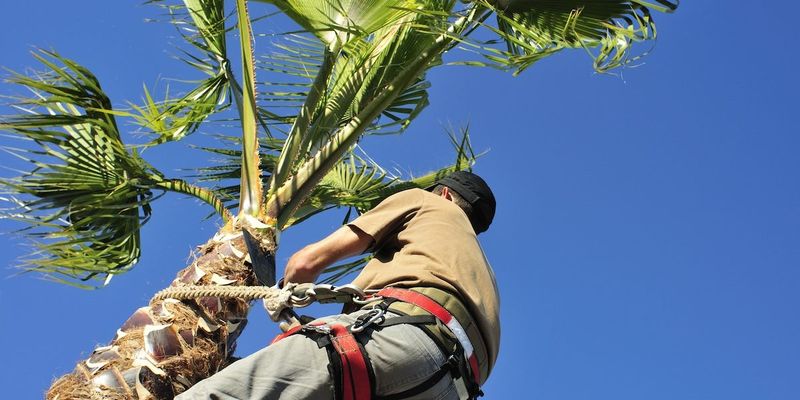
You have probably seen them on drives around town. Palms stripped down to a tiny tuft on top, like a pineapple with a bad haircut.
People call this the hurricane cut. The idea is that fewer fronds mean less wind damage during storms.
Sadly, that idea backfires. Experts at UF/IFAS and other tree groups strongly advise against it.
Green fronds make food through photosynthesis. Take most of them away, and the palm has to burn through its stored energy just to get by.
A hungry palm grows weaker over time. The trunk may narrow, a condition some call pencil pointing, and the tree can become more likely to snap.
Those leftover fronds also flap around with no neighbors to shield them. A full crown bends together in the wind, which spreads out the force.
Bugs and diseases love a stressed palm, too. Weak trees send out signals that pests seem to find quickly.
If a tree service suggests this cut, it is okay to say no thanks. Ask them to follow the 9-3 rule instead.
Storm prep can still happen. Remove coconuts, seed pods, and truly brown fronds that could fly loose, and let the healthy green crown do its job.
9. Proper Feeding Can Help Palms Handle Cold
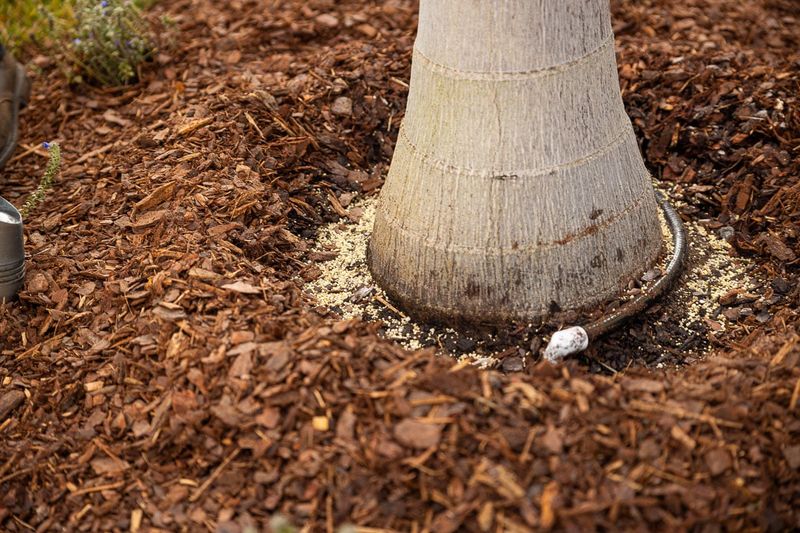
Every few winters, the state gets a cold snap that sends everyone scrambling for blankets and sweaters. Palms feel that chill as well, though they cannot exactly put on a hoodie.
A well-fed palm usually handles stress better than a hungry one. Good nutrition helps build stronger roots, steadier growth, and better defense against pests.
That is why the fall feeding matters so much in Central and South Florida. An October application helps palms tuck away reserves before winter weather shows up.
Slow-release fertilizer is the friend here. It feeds gently over time instead of giving a sudden burst that could trigger tender new growth.
Soft new fronds are more sensitive to cold. Feeding right before a freeze could leave your palm with fragile leaves at the worst moment.
Watch the forecast as winter nears. If a cold front is coming, wait until it passes before any extra yard work.
Watering also helps. Moist soil holds warmth better than dry soil, so a light drink a day before a cold night can give roots some comfort.
Remember that some palm types handle chill better than others. Sabal palms shrug off cool weather, while coconut palms prefer staying toasty.
Steady care through the year is the real secret. Feed smart, prune lightly, and your palms can face winter with confidence.