Hardy Cyclamen Is Blooming In North Carolina Shade Now And Keeps Its Leaves All Winter
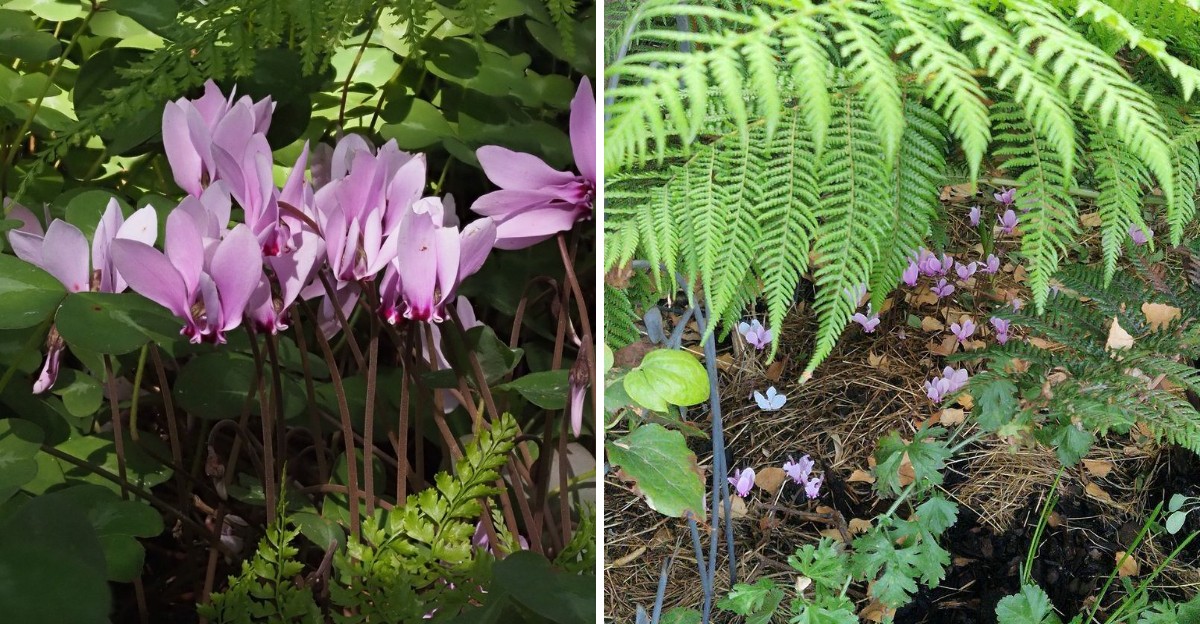
While most shade plants are fading, hardy cyclamen is just getting started. Small pink and white flowers rise from the ground in autumn, each one swept back like a tiny butterfly wing. The leaves appear after the flowers, and they are worth admiring too.
Each one has a silver pattern that looks like marble. They stay green through the winter, then fade in late spring when the plant goes dormant. That unusual schedule makes cyclamen a good fit for dry shade under trees, where little else will grow.
Once settled, it comes back year after year and slowly spreads. It is small, so it rewards close viewing. Plant it where you will walk past, and it brightens the quietest part of the year.
1. It Flowers In Fall When Most Shade Plants Are Finished
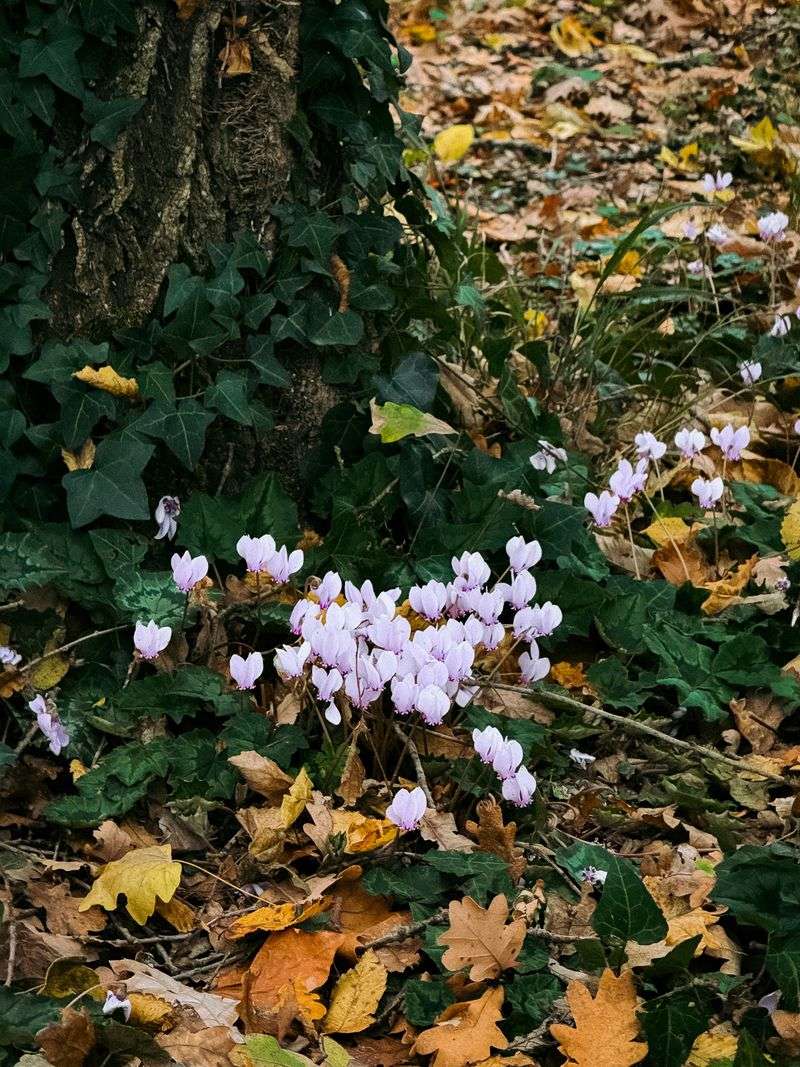
Most woodland gardens start to fade by September, but hardy cyclamen is just getting warmed up.
Known by its scientific name, Cyclamen hederifolium, it grows from a round tuber that sits near the soil surface. In late summer and fall, it sends up a surprise burst of blooms.
The flowers look a bit like tiny butterflies or shooting stars. Each one has pink or white petals that sweep backward, and they float on short stems only a few inches tall. Some even carry a soft, sweet scent if you lean close.
Timing is what makes the plant so special. Hostas are flopping, ferns are browning, and summer bloomers have called it quits. Then, out of bare ground, these bright little flowers appear and give the whole bed a fresh start.
Because the plant is so small, where you put it really matters. Choose a spot in part shade to full shade where you will see it up close every day. Good places include the edge of a walkway, the front of a shady border, or the ground around the base of a big tree.
Planting in groups also helps. A cluster of five or more creates a carpet of color that catches your eye from across the yard. A single plant tucked in the back will likely go unnoticed.
For gardeners in the North Carolina Piedmont and Mountains, hardy cyclamen fills an important gap.
Fall shade gardens here often lack flowers, especially under thick tree canopies. A few of these cheerful plants can turn a quiet corner into a spot neighbors stop to admire on their afternoon walks.
2. Its Marbled Leaves Stay Through Winter
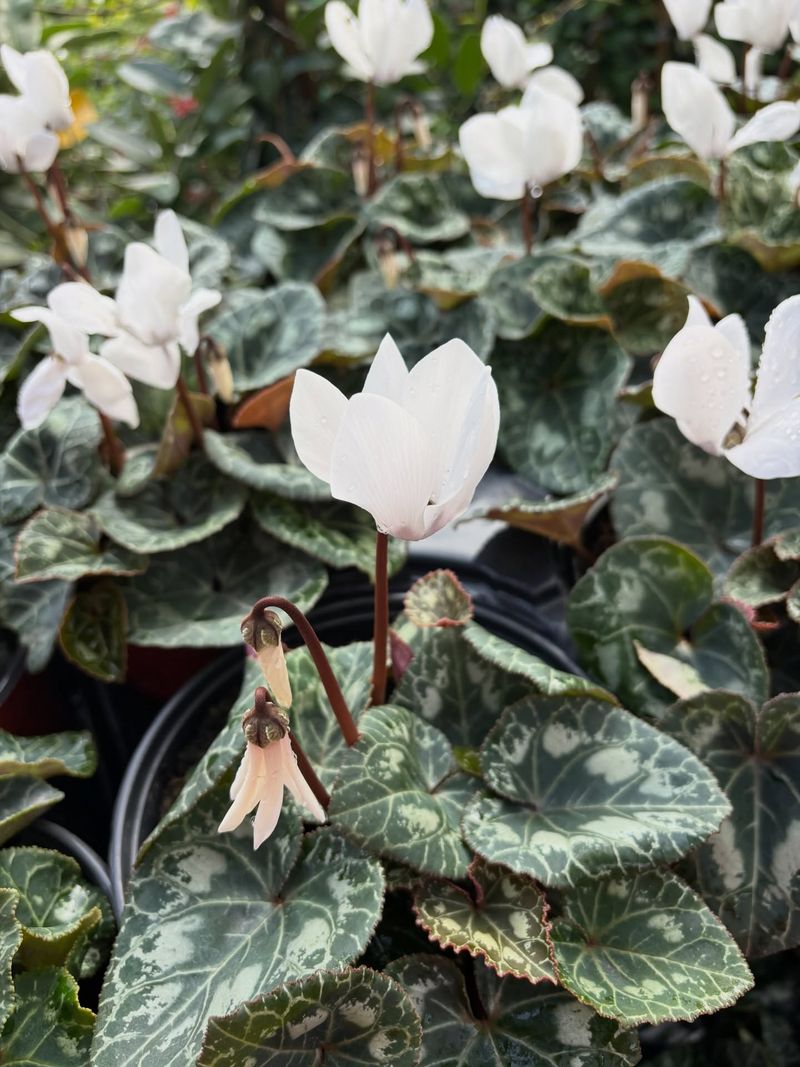
Flowers may grab the first glance, but the leaves steal the show for months. Soon after the blooms appear, or sometimes right alongside them, hardy cyclamen unfurls its foliage. Each leaf is shaped like a heart or an ivy leaf.
Look closely and you will see why gardeners love them. The deep green surface is painted with silver swirls, streaks, and patterns. No two plants look exactly alike, so a patch of cyclamen feels like a collection of tiny works of art.
Better yet, these leaves hang around for a long time. They stay green through fall, right through the cold of winter, and well into spring. While hostas and other perennials have vanished underground, cyclamen keeps the bed looking alive.
Your North Carolina Garden Changes Every Week. Your Plan Should Too.
Gardening in North Carolina changes quickly throughout the season. Every Friday you’ll receive a simple weekly plan showing exactly what to plant, prune, fertilize, harvest, and protect so you never miss the right timing.
Frost and light snow usually do not bother them. On a chilly January morning, the silver markings can sparkle in the low sun. A small patch near a window or front step gives you something lovely to see all season.
Things change once late spring arrives. The leaves slowly turn yellow and then disappear completely, which can worry new growers. Relax, because the plant is simply resting through summer and will return in fall.
A good tip is to mark the spot with a small label or stone. That way, you will not accidentally dig into the tubers while planting something else in summer. Patience pays off when the flowers return.
North Carolina shade gardens often look bare and brown from December to March. Hardy cyclamen solves that problem with steady, patterned greenery under trees, giving your yard some winter charm when it needs it most.
3. It’s Not The Same As Florist Cyclamen
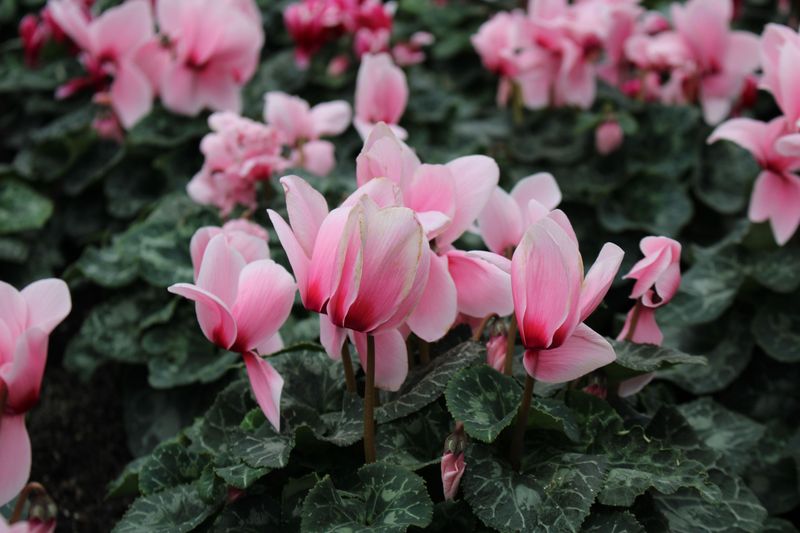
Walk into any grocery store in December and you will likely spot big, bold cyclamen in red, white, and pink. Those plants are beautiful, but they are a completely different type. Mixing them up is one of the most common mistakes gardeners make.
Holiday cyclamen goes by the name Cyclamen persicum, and people often call it florist cyclamen. It has large flowers and wide leaves, and it grows best indoors in a cool room. Outdoors, it simply cannot handle freezing weather.
Hardy cyclamen species are a whole other story. They are much smaller, with dainty flowers and compact leaves, but they are tough. Once planted in the ground, they come back year after year with almost no fuss.
So how do you pick the right one? Read the label carefully at the nursery. Look for Cyclamen hederifolium if you want fall flowers, or Cyclamen coum if you would like blooms in late winter.
Where your plants come from matters too. Always buy nursery-propagated plants or tubers instead of wild-collected ones. Digging cyclamen from the wild has hurt natural populations in Europe and Asia, so a responsible choice helps protect them.
Plant sales hosted by botanical gardens and specialty nurseries are great places to shop. Staff there can often tell you exactly how the plants were grown.
For North Carolina gardeners, knowing the difference can save money and disappointment.
It is tempting to tuck a leftover holiday cyclamen into a flower bed after Christmas. Sadly, one hard freeze in January will usually finish it off, so keep that one inside and plant hardy types outdoors instead.
4. It Thrives In Dry Shade Under Trees
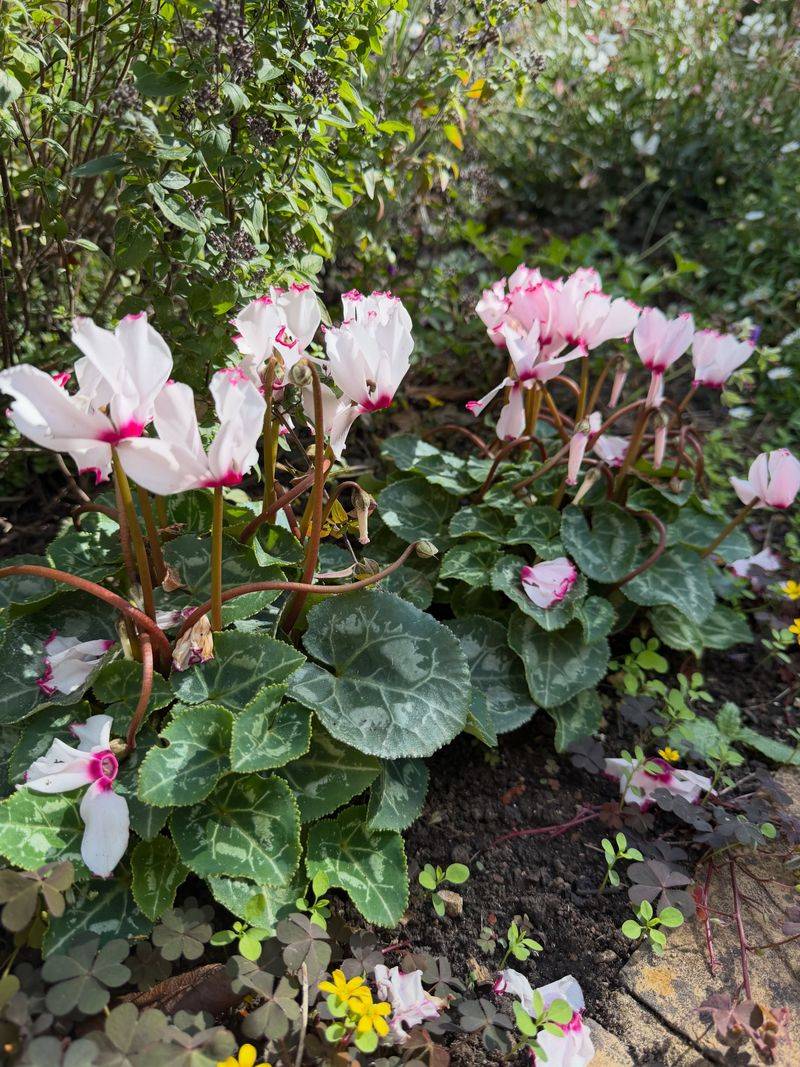
Dry shade under big trees might be the toughest spot in any yard. Roots soak up water, sunlight is scarce, and many plants simply give up. Hardy cyclamen, though, actually seems to enjoy it.
The secret lies in its timing. Cyclamen rests during the hot, dry summer, sitting quietly underground as a tuber. It does its real growing in fall, winter, and spring, when the air is cooler and rain falls more often.
That schedule fits perfectly under deciduous trees, the kind that drop their leaves in autumn. Once the branches go bare, more light reaches the ground. Your cyclamen soaks up that winter sun while the trees above are asleep.
Watering takes very little effort. Give plants a drink only during long dry spells while they have leaves, usually fall through spring. A slow, deep soak every week or two during a drought works much better than frequent sprinkles.
Summer is the time to hold back. Too much water while the plant is dormant can cause the tuber to rot. If your irrigation system runs on a schedule, try to keep it from soaking the cyclamen patch in July and August.
Shrubs work as well as trees. Spots under deciduous azaleas, viburnums, or hydrangeas can also host a happy little colony. Across North Carolina, yards filled with oaks and maples often have bare, dusty ground beneath them.
Grass will not grow there, and most flowers fade quickly. Hardy cyclamen turns that problem area into a cozy, colorful carpet that looks right at home among the roots.
5. Good Drainage And Shallow Planting Are Key
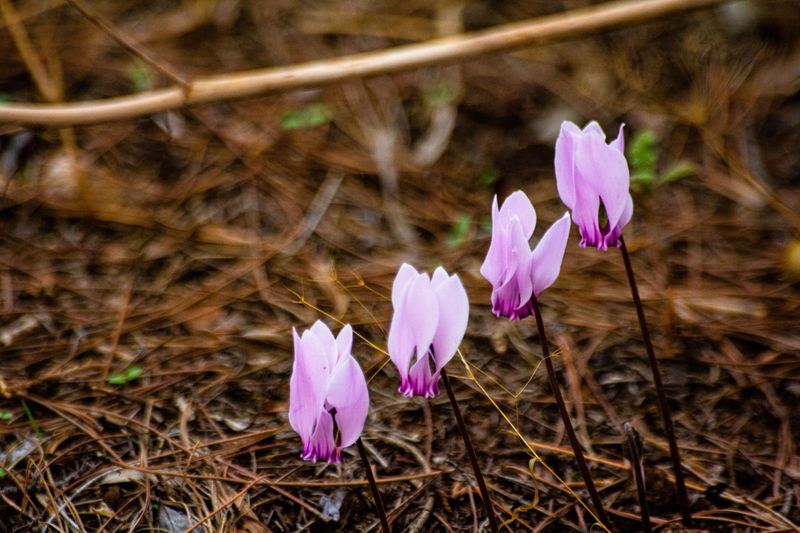
Soggy soil is the number one enemy of hardy cyclamen. Tubers sitting in water for long periods can turn mushy and rot. Getting the planting right from day one saves a lot of heartache later.
Start with the soil. Mix in plenty of compost or leaf mold to loosen it up and help water drain away. Cyclamen likes soil that feels crumbly and rich, similar to the floor of a forest.
Depth matters just as much. In nature, these tubers grow with their tops at or barely below the surface. Planting them too deep often leads to weak plants with few flowers.
Here is a simple method to follow. Set each tuber with the rounded side facing down and the flatter top facing up. Cover it with only about an inch of soil, or even less.
Not sure which side is the top? Look for small bumps or old stem marks, since those show where leaves and flowers sprout. When in doubt, potted plants are easier, because you can plant them at the same level they sat in the pot.
Finish with a light layer of shredded leaves as mulch. Skip thick blankets of bark or heavy mulch, which can trap moisture and smother young growth.
North Carolina gardeners know all about red clay, especially in the Piedmont. That dense soil can stay wet for days after winter rains.
Amending it well, or planting on a gentle slope or in a slightly raised bed, gives your cyclamen the quick drainage it needs to flourish for many years.
6. Ants Help It Spread Over Time
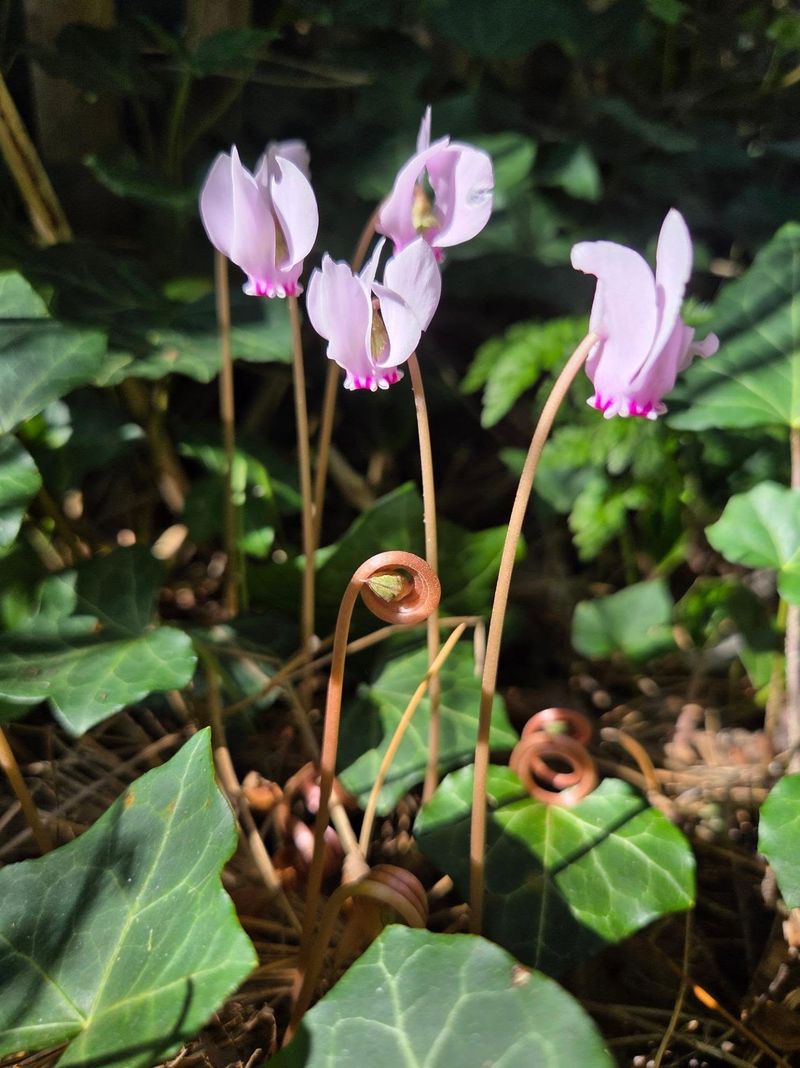
Tiny helpers are hard at work in your cyclamen bed, and you probably never noticed them. Ants play a big role in how this plant spreads. It is one of the coolest partnerships in the garden.
The process begins after the flowers fade. Each flower stem slowly twists and coils downward like a little spring. That coil pulls the round seed pod right down to the ground.
When the pod finally opens, the seeds inside are sticky and covered with a sweet coating. Ants find that sugary layer irresistible. They carry the seeds back toward their nests, eat the coating, and leave the seed itself behind.
Many of those seeds then sprout in new spots nearby. Scientists call this kind of seed spreading myrmecochory, a big word for a simple and clever trick. Plenty of woodland plants, like trilliums and bloodroot, use it too.
Over several years, a handful of cyclamen can turn into a much bigger patch. Seedlings first appear as tiny plants with one small leaf. They take a couple of years to grow large enough to bloom.
You have options with these babies. Let them fill in where they pop up for a natural woodland look. Or gently lift them with a spoon while they are small and move them to new spots.
For North Carolina gardeners, that means more plants without spending more money. With very little effort, a modest planting can become a wide, flowering colony. Every fall, you might discover a few new faces where the ants decided to drop off their treasure.
7. Deer Usually Leave It Alone
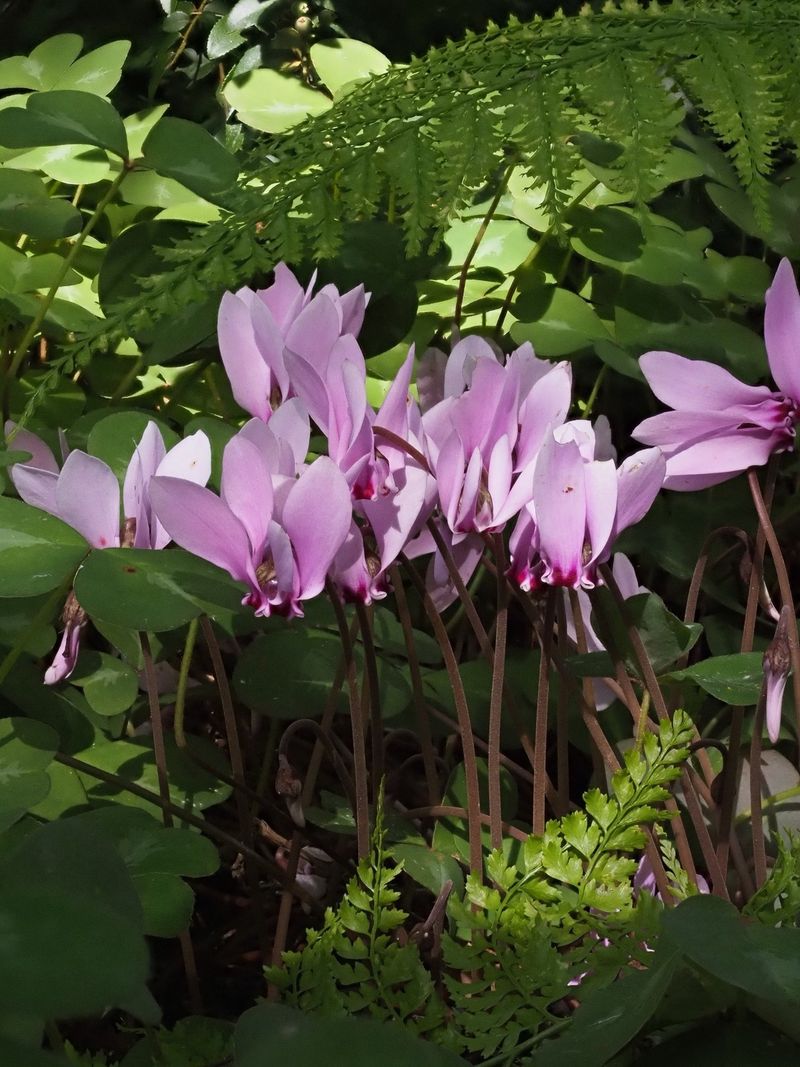
Few things sting like walking outside to find your hostas chewed down to stubs overnight. Deer can be relentless in shady gardens. Luckily, hardy cyclamen is one plant they tend to skip.
Chemistry explains why. The tubers and leaves contain natural compounds that taste bad and are toxic if eaten. Deer and rabbits usually take one sniff and move on to something tastier.
Still, no plant is completely deer proof. A very hungry deer during a hard winter may nibble almost anything. Young plants in a brand-new bed can also get trampled or pulled up by curious animals.
Smart placement makes a big difference. Use hardy cyclamen in shady beds where deer already feast on hostas, daylilies, or other favorites. Mixing it in with other deer-resistant plants, like ferns and hellebores, creates a bed that looks good even with frequent visitors.
Pet owners should take one extra step. Since the tubers are toxic, keep dogs and cats from digging and chewing on them. Dogs that love to dig may need a small fence or a different spot for your planting.
Children should also learn that cyclamen is for looking, not tasting. A quick talk about which garden plants are safe goes a long way.
Deer browsing is a huge challenge across North Carolina, from mountain towns to suburban neighborhoods near Raleigh and Charlotte.
Woodland gardens often take the worst of it. Adding a plant that keeps its good looks through deer season can make shade gardening far less frustrating and much more rewarding.
8. Pair It With Other Shade Plants For Year-Round Interest
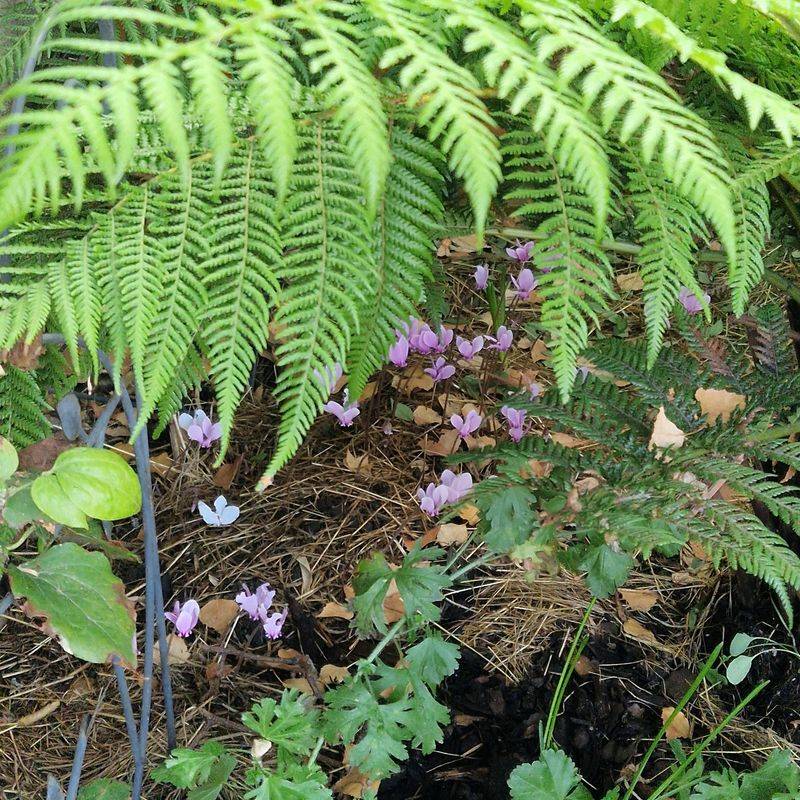
Think of your shade garden as a relay race, where each plant hands off the spotlight to the next. Hardy cyclamen is a perfect runner for the cool season. It shines from fall into spring, then steps aside for summer.
Because it rests during the warm months, it leaves gaps that other plants can fill. Planning for that switch keeps your beds looking full all year. The trick is pairing plants that peak at different times.
Ferns are a great place to start. Evergreen types like Christmas fern keep green fronds all year, while others unfurl in spring. Lenten roses, also called hellebores, bloom in late winter and share the cyclamen love for shade.
Hostas make excellent summer partners. Their big leaves expand just as cyclamen foliage fades, covering the bare spots nicely. Spring bulbs, such as snowdrops and small daffodils, add early pops of color among the silver leaves.
Shrubs offer another smart setup. Tuck cyclamen beneath deciduous shrubs, then let summer perennials take over after it goes dormant. The result is a layered look that changes with the seasons.
Want flowers even longer? Add Cyclamen coum, which blooms in late winter with round leaves and bright magenta, pink, or white flowers. Together with the fall-blooming type, you get cyclamen blossoms for months.
Here in North Carolina, mild winters make this kind of planning especially rewarding.
Combining plants with different schedules means there is always something fresh to enjoy, whether it is October flowers, January leaves, or a May fern. Your shady corners will never feel boring again.