Give Michigan Alliums This In October For Bigger, Better Blooms Next Spring
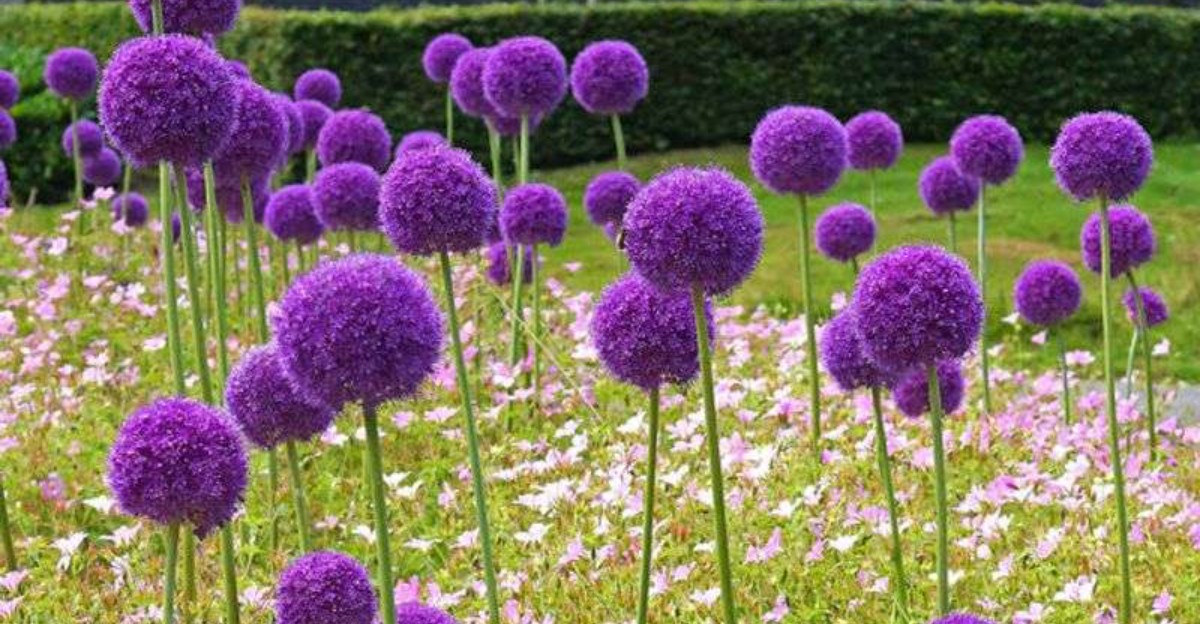
Allium bulbs are easy to plant and easy to get wrong. They produce those round, purple globes that float above the garden in late spring. The size of that show depends on what happens right now, below the surface.
Michigan’s cold winters help alliums, since they need the chill to bloom. The soil, though, makes or breaks them. Bulbs sitting in soggy ground rot long before spring.
One small addition at planting time makes a real difference to how they grow. It supports strong roots and helps the bulb build energy for next year’s flower.
Plant at the right depth, give them this boost, and the reward is larger blooms and bulbs that come back stronger each year.
1. Get New Bulbs In The Ground Now
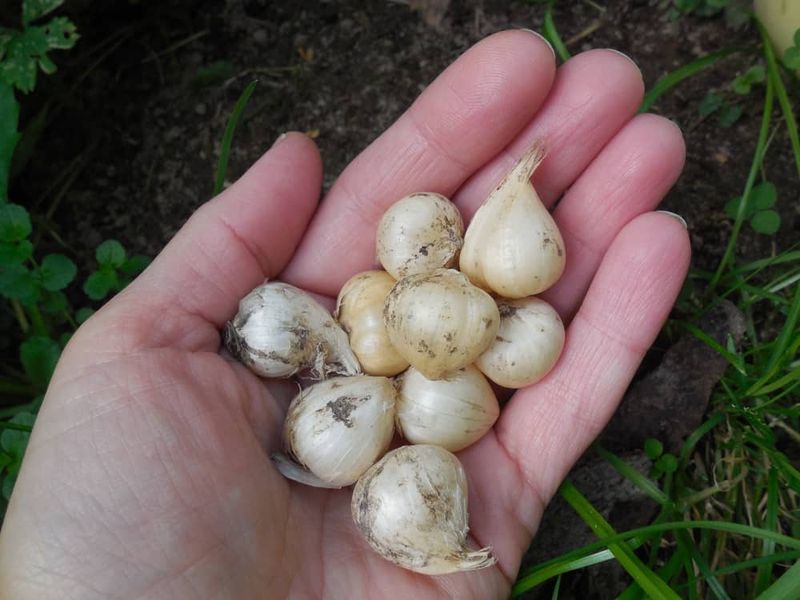
October is the month when smart Michigan gardeners grab a trowel and a bag of allium bulbs.
Popular picks like Globemaster, Purple Sensation, and drumstick allium (Allium sphaerocephalon) all want to go into the ground now. Waiting too long can cost you those big spring globes.
Timing matters because of what happens underground. Allium bulbs need several weeks of cool soil to grow roots before the ground freezes solid. Those roots act like an anchor and a drinking straw, helping the plant take off fast once spring arrives.
Winter does the rest of the work. Alliums need a long, cold stretch to trigger strong flowering, a process gardeners call chilling. Without enough cold, many spring bulbs bloom poorly or produce short, weak stems.
So when should you plant? In the Upper Peninsula and the northern Lower Peninsula, aim for early October. Gardeners in southern Michigan can usually plant from mid to late October, and sometimes into early November when the weather stays mild.
A good rule is to finish a few weeks before your ground usually freezes. That gives roots enough time to settle in. Keep an eye on the local forecast, and if a warm spell hangs around, use it as a bonus planting window.
Michigan is actually a wonderful place for alliums. Our snowy, frosty winters deliver the deep chill these bulbs love, something gardeners in warmer states often have to fake by storing bulbs in the fridge. You get that cold treatment for free.
Shop early for the best selection, since popular varieties sell out quickly in fall. Pick bulbs that feel firm and heavy, with no soft spots or mold. Bigger bulbs usually mean bigger blooms, so it pays to choose the plumpest ones you can find.
2. Plant At The Right Depth
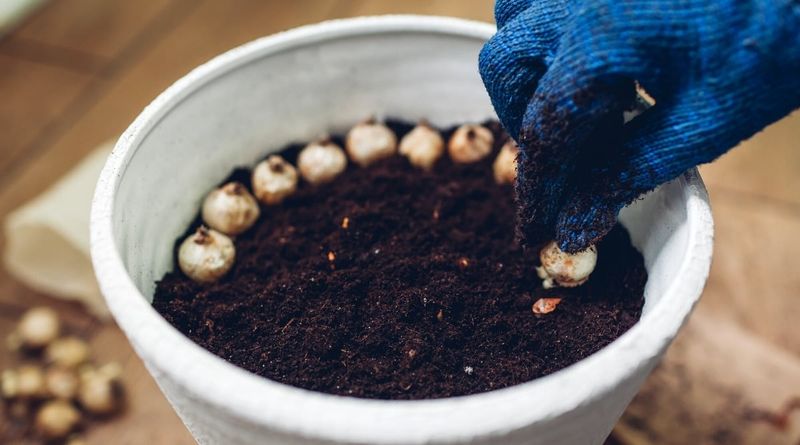
Think of planting depth as a cozy blanket for your bulbs. Too thin, and they shiver through every cold snap. Just right, and they sleep soundly until spring calls them up.
Bulbs planted at the proper depth stay protected from wild temperature swings. The soil around them warms and cools slowly, which keeps them safe. A deep spot also gives roots a firm grip, so tall flower stalks stand straight instead of flopping over in the wind.
Your Michigan Garden Changes Every Week. Your Plan Should Too.
Gardening in Michigan changes quickly throughout the season. Every Friday you’ll receive a simple weekly plan showing exactly what to plant, prune, fertilize, harvest, and protect so you never miss the right timing.
Shallow planting causes trouble. When soil freezes and thaws over and over, it expands and shrinks, slowly pushing shallow bulbs upward. Gardeners call this heaving, and it can leave bulbs sitting right on top of the ground, exposed and unhappy.
Luckily, the rule is easy to remember. Plant each bulb about three times as deep as it is tall. For most alliums, that works out to around 4 to 8 inches, with small drumstick bulbs on the shallow end and giant Globemaster bulbs on the deep end.
Always set bulbs with the pointed end up, since that is where the shoot will grow. If you cannot tell which end is which, look for the flat bottom where roots form and place that side down.
Even a sideways bulb will usually find its way, but upright gives it a head start. Spacing counts too.
Large allium bulbs need about 8 to 12 inches between them so their wide flower heads have room to shine. Smaller types can go closer together for a fuller look.
Michigan winters love to bounce between freezing nights and sunny thaws, especially in March. Proper depth keeps your bulbs snug through all that back and forth, ready to bloom on schedule.
3. Give Them Full Sun
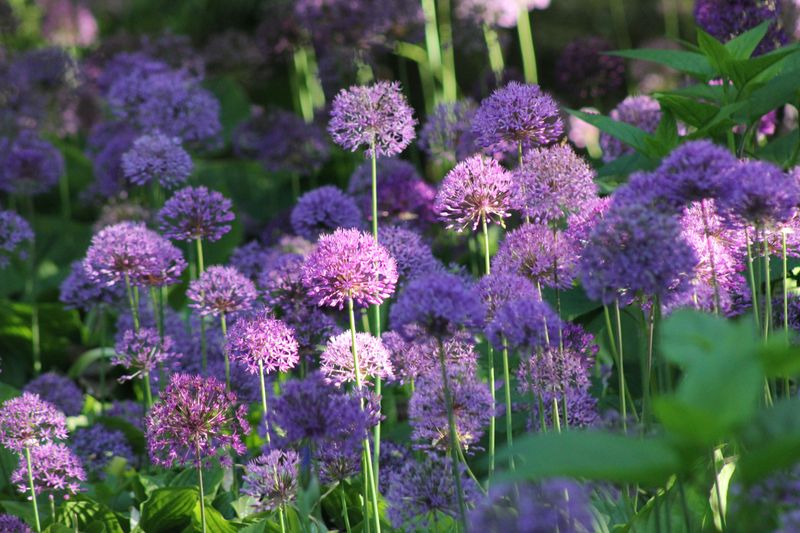
Alliums are true sun worshippers. Give them a bright, open spot, and they reward you with tall, sturdy stems and flower heads that look almost too perfect to be real.
Sunlight is basically food for these plants. Their leaves soak up light and turn it into energy, which gets stored in the bulb and used to build strong flower stalks. Less light means less energy, and that shows up fast.
Alliums grown in too much shade often give you smaller flowers and thinner stems. Those weak stalks tend to lean toward any light they can find, which leaves your garden looking a little tipsy. Nobody wants a crooked purple pom-pom.
When choosing a planting spot, look for at least six hours of direct sun in spring. Remember that trees leafing out can change the light, so a spot that looks sunny in October may not be in May.
Steer clear of deep shade under evergreens, since those branches block light all year long. Here is a clever design trick.
Allium foliage starts to turn yellow and floppy around bloom time, which can look messy. Plant your bulbs among perennials like catmint, hardy geraniums, or daylilies, and their fresh leaves will hide the fading allium foliage beautifully.
Just make sure those neighbors do not grow so tall that they shade out the alliums. Shorter, bushy perennials work best as partners. Timing makes this tip extra useful in Michigan.
Our alliums usually bloom in late spring, right as surrounding perennials are filling in. Picking a sunny, well-planned spot now means your globes rise above their leafy friends instead of getting lost in the crowd.
4. Make Sure The Soil Drains Well
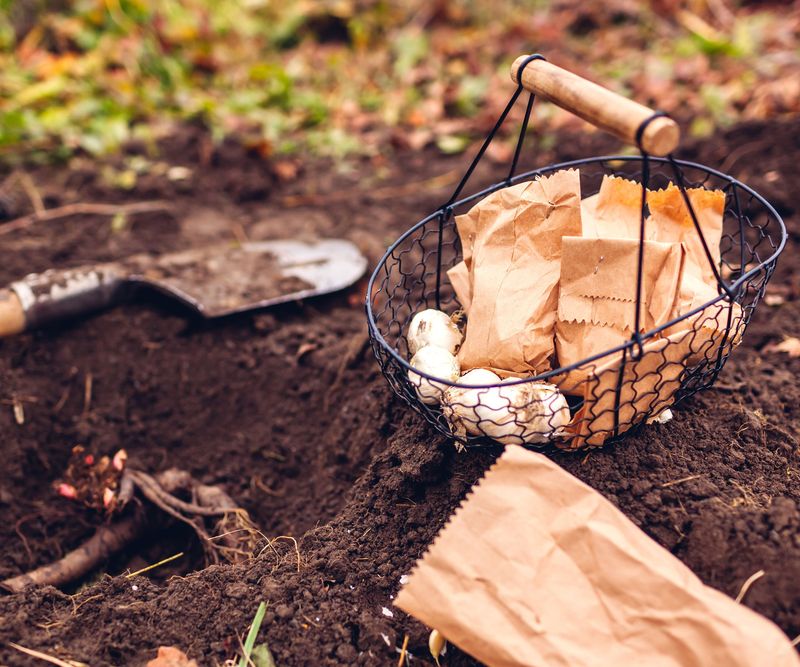
Soggy soil is the number one enemy of allium bulbs. They can handle bitter cold with no complaints, but sitting in water for weeks is another story. Bulbs are packed with stored food, and when soil stays wet too long, they can rot.
A rotted bulb will not bloom, and often it will not come back at all. Spring snowmelt is the riskiest time, since water soaks into beds that are still partly frozen and has nowhere to go.
Want to test your drainage? Dig a hole about a foot deep and fill it with water. If it is still standing there after several hours, your spot needs some help before you plant.
Start by choosing well-drained soil whenever you can. If you have heavy clay, work compost into the whole planting area, not just the hole. Amending only the hole can create a little bathtub where water collects around the bulb.
Raised beds are a great fix for stubborn wet spots. Gentle slopes also work well, since extra water naturally runs downhill and away from the bulbs. Avoid low areas where puddles form after rain.
Michigan gardeners face a double challenge here. Many parts of the state have heavy clay soil, and our big winter snowfalls melt all at once in early spring. Together, they can leave beds soggy for weeks right when bulbs are waking up.
A little planning now saves a lot of disappointment later. Loose, crumbly soil that drains quickly keeps bulbs healthy and firm. It also lets roots spread easily, which helps every plant grow stronger.
5. Add Compost, Not Bone Meal
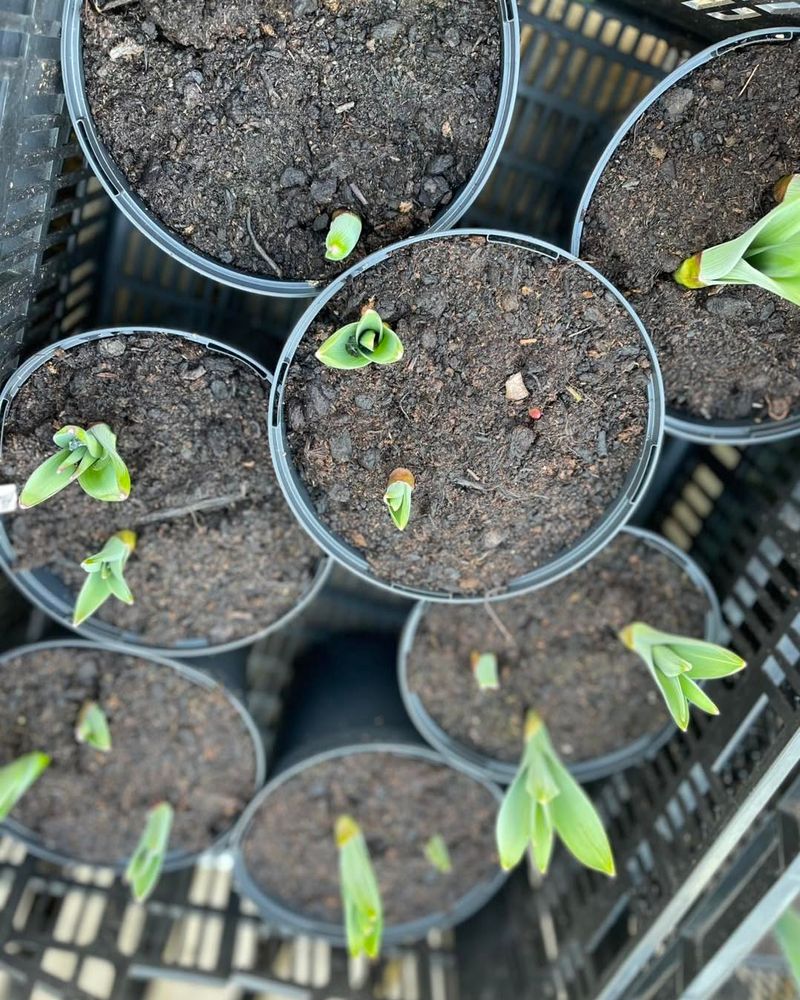
Old garden advice says to toss bone meal into every bulb hole. It sounds smart, but modern research tells a different story, and compost wins this contest easily.
Compost does two jobs at once. It improves soil structure, making clay looser and sandy soil better at holding moisture. It also releases gentle nutrients slowly, feeding the soil life that helps bulbs thrive.
Bone meal mainly adds phosphorus. Many garden soils already have plenty of it, so adding more often does nothing helpful. Worse, its meaty smell can attract animals that dig up freshly planted bulbs.
Squirrels, skunks, and even neighborhood dogs may follow that scent right to your flower bed. Alliums themselves are not tasty to most critters, but digging animals can still toss them around while searching. Skipping bone meal removes that temptation.
Before planting, mix an inch or two of compost into the whole bed. If you want to know exactly what your soil needs, grab a soil test kit from Michigan State University Extension. The results tell you which nutrients are low and which ones you can skip.
Hold off on heavy fertilizer in fall. Instead, give alliums a light feeding with a balanced fertilizer in spring as the shoots poke through the soil. That timing matches when the plants are actively growing and can use the boost.
Fall in Michigan is prime digging season for squirrels. They are busy burying acorns and walnuts, and freshly turned soil already catches their eye. Keeping strong smells out of the bed helps your bulbs stay right where you put them.
6. Water After Planting If The Soil Is Dry
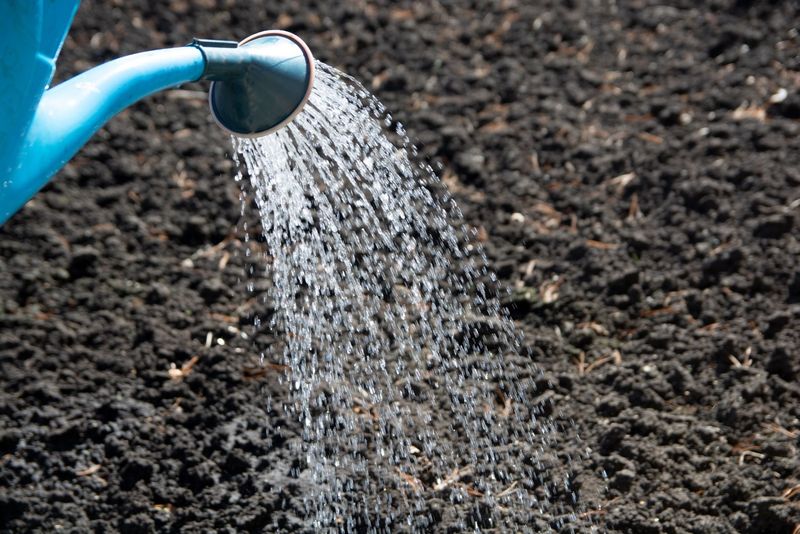
Many gardeners plant their bulbs, brush off their hands, and walk away until spring. That works fine in a rainy fall, but a dry autumn calls for one more step.
Bulbs need moist soil to grow roots before winter arrives. Roots simply cannot form well in dusty, dry ground. When fall weather stays dry, root growth slows down, and bulbs head into winter less prepared for a big spring show.
After planting, give the bed a deep, thorough soaking if the soil feels dry. Aim to wet the soil several inches down, right where the bulbs are sitting. A slow, steady soak works better than a quick splash, since water has time to sink in instead of running off.
Over the next few weeks, check moisture by pushing a finger or small trowel a few inches into the soil. If it feels dry at bulb level, water again. Damp is the goal, not soggy, so do not overdo it.
Keep watching during long dry stretches. Continue watering as needed until the ground begins to freeze. Once the soil is frozen, the bulbs are settled in, and you can put the hose away for the season.
This advice is especially timely in Michigan right now. Parts of Lower Michigan have been abnormally dry this fall, and the western Upper Peninsula has slipped into serious drought. Many gardens are missing the steady autumn rain bulbs usually count on.
A few minutes with the hose can make a real difference. Well-rooted bulbs wake up stronger, grow faster, and push up those tall, eye-catching flower heads.
7. Divide Crowded Clumps While They’re Dormant
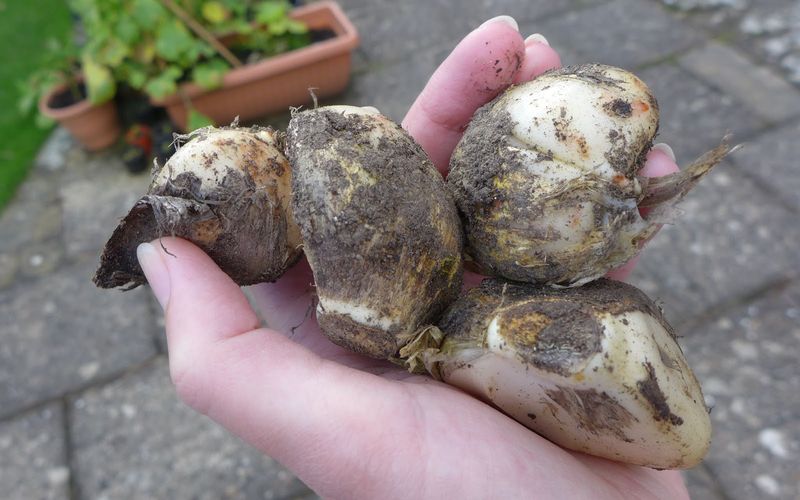
Some alliums are generous little plants. Year after year, they quietly make more bulbs underground, and before long one bulb has turned into a packed family reunion.
That sounds like a bonus, and at first it is. Over time, though, those bulbs end up competing for space, water, and nutrients. The result is often more leaves but smaller flowers, which is the opposite of what most gardeners want.
If an older planting is blooming less or producing shrinking flower heads, crowding is a likely cause. Drumstick alliums and other types that multiply readily are common candidates. Dividing them is simple and very rewarding.
Fall is a great time to tackle the job, since the bulbs are dormant and resting. Use a garden fork to dig around the clump, starting a few inches out so you do not slice into bulbs. Lift the whole clump gently from the soil.
Next, separate the bulbs with your fingers, pulling them apart carefully. Replant the largest, firmest bulbs at the proper depth and spacing in a sunny, well-drained spot. Those big ones have the most stored energy and will bloom best next spring.
Smaller offsets still have plenty of value. Plant them in another part of the garden, where they can grow into blooming size over a season or two. You can also share them with friends, neighbors, or a local garden club.
For Michigan gardeners with established beds, dividing every few years keeps blooms big and bold. It also costs nothing, turning one clump into a whole new drift of purple globes.
8. Mulch After The Ground Starts To Freeze
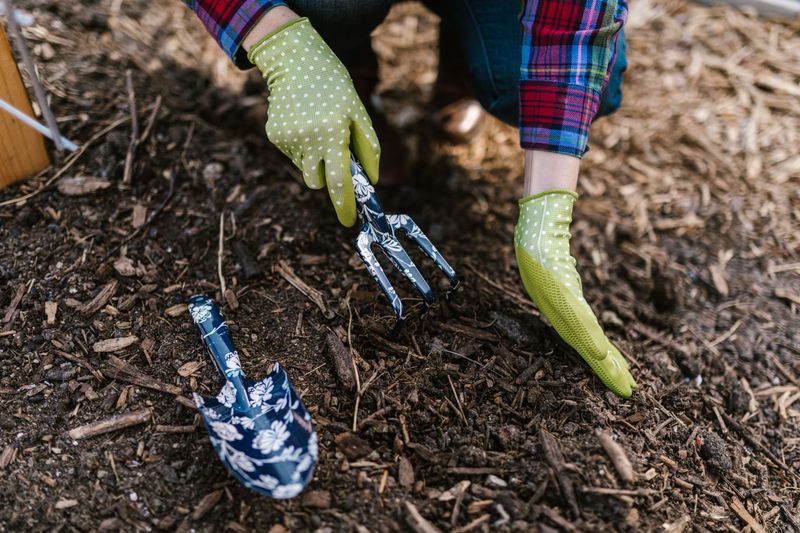
Here is the final touch, and it might be the easiest one on the list. A fluffy layer of mulch tucks your allium bulbs in for their long Michigan winter.
Mulch works like insulation for the soil. It keeps ground temperatures steadier and cuts down on freeze and thaw cycles. Fewer swings mean less heaving, so bulbs stay safely buried instead of being pushed toward the surface.
Timing is the secret. Wait until the ground starts to freeze, usually in late November or December depending on where you live. Mulching too early can keep soil warm enough to invite mice looking for a cozy winter home.
Once the soil has a frozen crust, spread 2 to 3 inches of shredded leaves or straw over the bed. Shredded leaves are free and easy to make, since running a mower over a leaf pile does the trick. Whole leaves can mat down into a soggy layer, so chopping them first works better.
When spring arrives and green shoots start poking up, gently pull the mulch back. That lets sunlight reach the new growth and helps soil warm up. You can leave a thin layer around plants to hold moisture and block weeds.
One more reason to love alliums? Their oniony scent means deer, rabbits, and squirrels rarely bother them. While tulips often become a buffet, alliums usually stand tall and untouched.
Michigan winters are long, and snow cover can come and go. Snow is a great natural blanket, but bare, windy stretches leave beds exposed. Mulch fills that gap, keeping bulbs comfortable until spring.