How Long Michigan Gardeners Should Soak Seeds To Help Them Germinate Faster
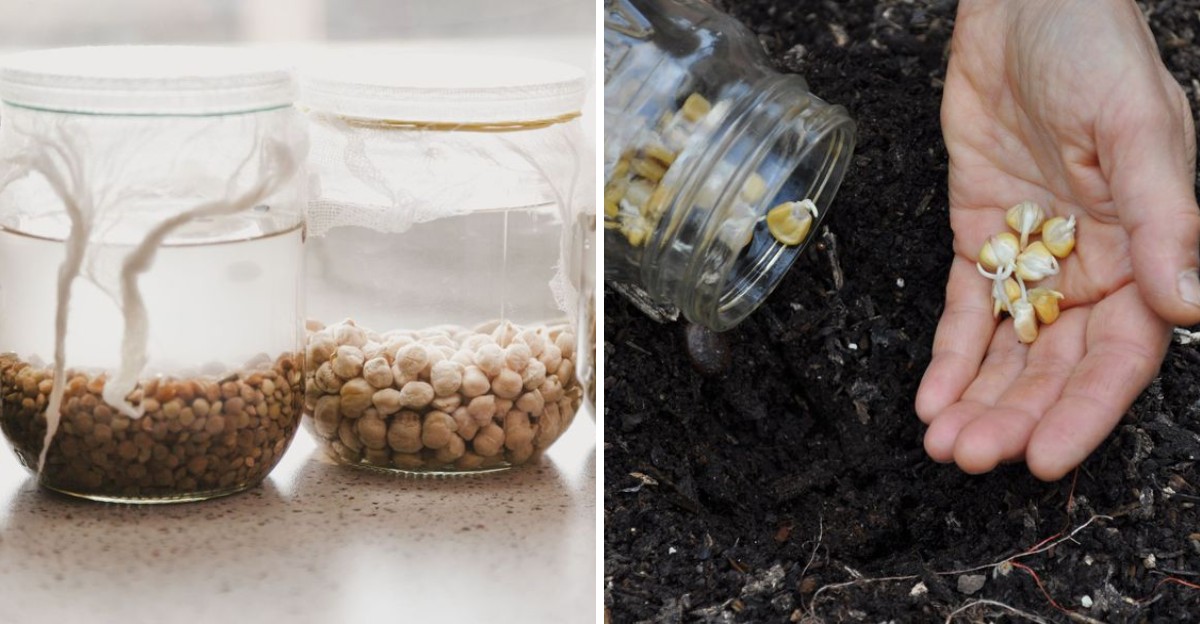
Michigan spring has a habit of dragging its feet, and gardeners pace the yard like it is a waiting room. The soil is cold, the seed packets are stacked on the kitchen table, and patience is running thin.
A small kitchen move can help: a bowl of lukewarm water and a handful of seeds. A good soak softens tough seed coats, so big seeds like peas, squash, and sunflowers can wake up sooner once they land in the ground.
Not every seed wants a bath, though. Tiny seeds turn into sticky clumps, beans can split, and some fragile varieties do better dry.
Matching the soak to the seed is what separates a head start from a soggy mistake. The seeds will not say thank you out loud, but the sprouts will.
1. Why Soaking Seeds Helps Michigan Gardens Get Going
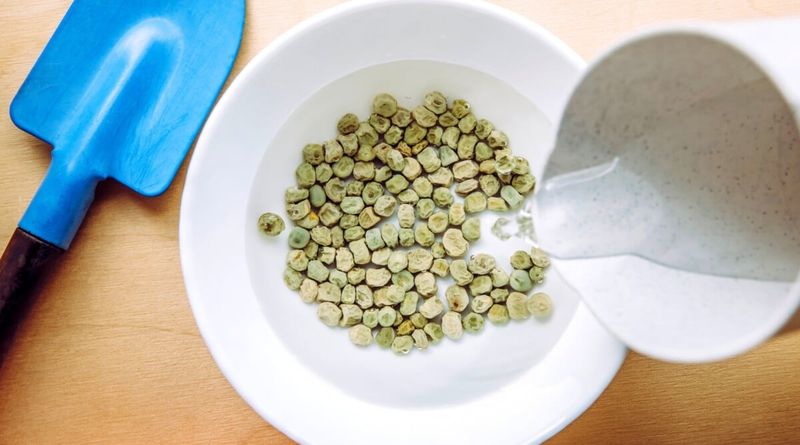
Every seed is a tiny packed lunch with a sleeping plant inside. Before it can wake up, it needs to drink enough water to soften its outer shell.
Soaking jump-starts that drinking process before the seed ever touches soil. In cool Michigan ground, seeds can sit for days slowly soaking up moisture, and some may rot or get eaten by hungry critters while they wait.
A short bath indoors speeds things up. Many gardeners see sprouts two to five days sooner, which is a big deal when frost can hang around until late May.
Not every seed needs this treatment, though. Tiny seeds like lettuce, carrots, and basil are so small that soaking makes them clumpy and hard to plant.
Big, tough seeds are the real winners. Peas, beets, squash, and sunflowers all respond well to a good soak.
Beans are the exception, and the bean section below explains why.
Here is a tidbit to share at the dinner table. Some seeds found in ancient storage sites have sprouted after hundreds of years, and a few after far longer, once they finally got water.
The basic rule is simple to remember. Use lukewarm water, not hot, and pull seeds out once they look plump and slightly swollen.
Oversoaking can starve seeds of air, so a timer is your friend. With the right timing, you can have a garden that pops up faster and stronger.
2. Peas Love An Overnight Bath In Springs
Ask any old-timer at a Michigan farmers market, and they will tell you peas go in early. Many folks plant them around St. Patrick’s Day or as soon as the soil can be worked.
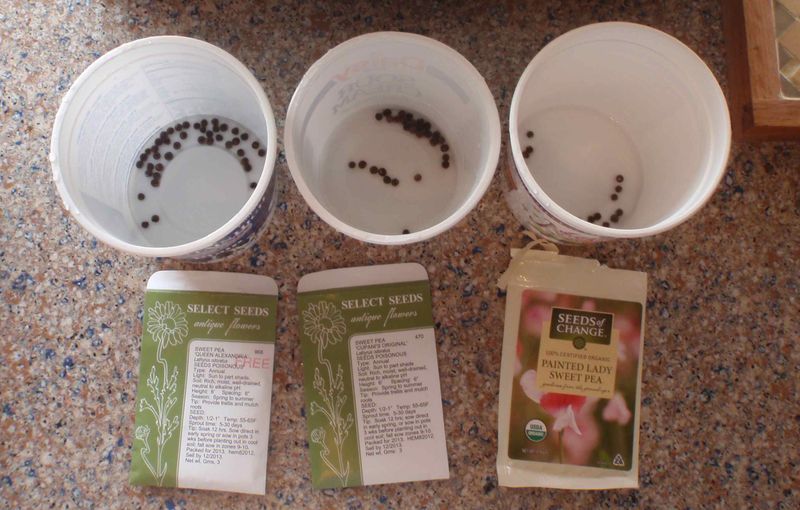
Cold, wet soil can slow peas down, so a soak gives them a real boost. Aim for 8 to 12 hours, which is basically one good night of sleep.
Drop the peas in a bowl of room temperature water before bed. By morning, they will look wrinkled or puffy, and that means they are ready.
Try not to go past 24 hours. Peas left too long can split open or start to smell sour, which is a sign they ran out of oxygen.
Plant them right away after soaking. Wrinkled peas that sit around drying out can lose the head start you just gave them.
Your Michigan Garden Changes Every Week. Your Plan Should Too.
Gardening in Michigan changes quickly throughout the season. Every Friday you’ll receive a simple weekly plan showing exactly what to plant, prune, fertilize, harvest, and protect so you never miss the right timing.
A clever bonus step is coating soaked peas with a garden inoculant powder. It helps the roots team up with helpful soil bacteria that feed the plant nitrogen.
Sugar snap, snow, and shelling peas all handle this soak the same way. Your kids can help, too, since peas are big enough for small fingers.
Within about a week to ten days, you should see little green loops pushing up. That is a happy sight on a chilly spring morning.
3. Beans Usually Do Better Without A Soak
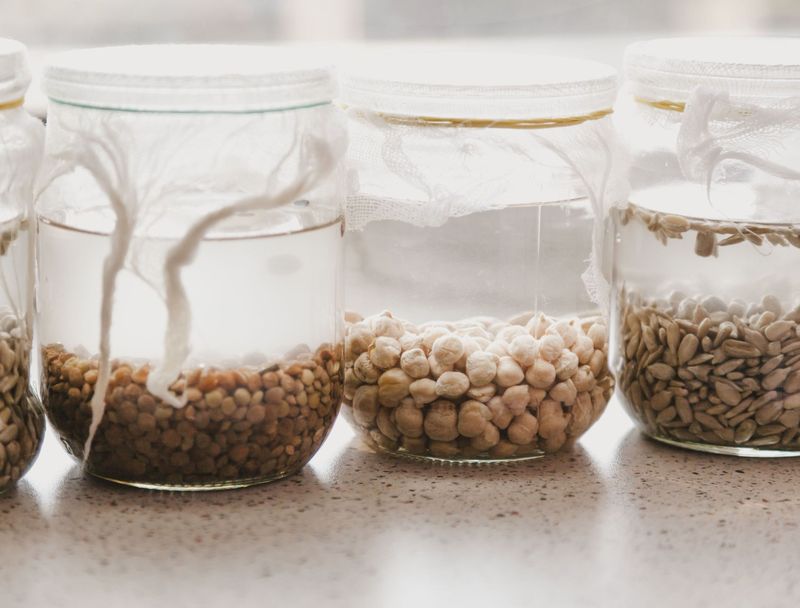
Beans are a little dramatic about water. Give them too much, and they crack like an egg dropped on the floor.
Green beans, pole beans, and dry beans usually do not need a soak at all. Extension experts generally advise against soaking bean seeds, since the damage can outweigh any head start.
Some gardeners give snap beans a very short soak of 2 to 4 hours in warm water, but skipping it is the safer choice.
The reason is in how beans are built. Their seed coat swells fast, and if it pulls away from the inside too quickly, the seed can split and fail to sprout.
Cold conditions make that kind of soaking injury worse.
Gardeners usually plant beans in late May or early June, when soil reaches about 60 degrees. Beans germinate best in soil between 60 and 70 degrees, so warm soil does most of the work.
A thorough watering after planting is what really counts.
If your spring has been cool and soggy, wait instead of soaking. Soaked seed planted into cold soil invites rot, and beans are frost tender, so hold off until frost danger has passed.
Another handy option is pre-sprouting between damp paper towels. Check them daily and plant once a tiny white root appears.
Handle pre-sprouted beans gently, since the tiny roots snap easily. Plant them about one inch deep with the scar side facing down if you can spot it.
For garden trivia lovers, Michigan ranks second in the nation for dry bean production and leads the country in black beans. The Thumb region grows more of them than anywhere else in the state.
4. Squash And Pumpkins Like A Steady Soak
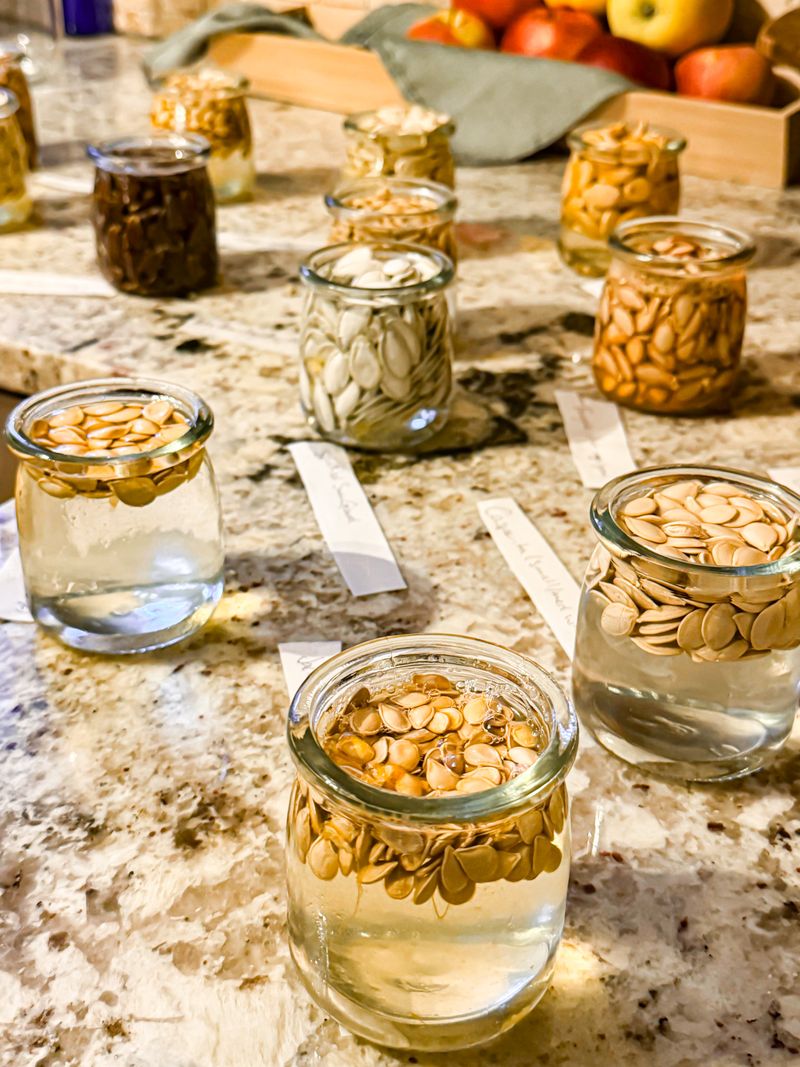
Nothing says autumn in Michigan quite like a pumpkin patch glowing orange in October. Getting there starts with a flat, tough seed in early summer.
Squash, pumpkin, zucchini, and cucumber seeds have thick coats. A soak of 4 to 8 hours softens them up nicely and can shave days off sprouting time.
Warm water works best for this group. Fill a jar with water that feels pleasant on your wrist, then let the seeds float for the afternoon.
Some seeds will sink and some may stay on top. Floaters are not always duds, so plant them anyway and see what happens.
Timing matters a lot for these heat lovers. Wait until frost danger has passed.
In southern Michigan that is often mid to late May, with Memorial Day a common safe planting rule of thumb, and early June is more typical farther north.
Since these crops grow fast and spread wide, a quicker start gives fruit more time to ripen. Big pumpkins need about 100 days, which can be tight in cooler counties.
A helpful trick for giant pumpkin growers is gently sanding the seed edges with a nail file before soaking. Just a few light rubs let water slip in faster.
Plant soaked seeds in small hills of warm soil, about an inch deep. Then stand back, because these vines love to roam.
5. Beets And Chard Benefit From Long Soaks
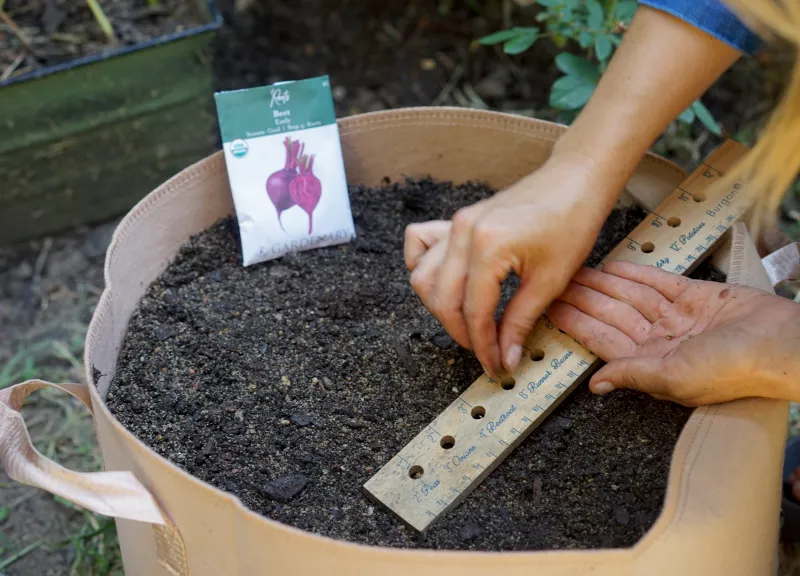
Here is a sneaky secret about beets: each little knobby seed is actually a cluster of several seeds. That is why beet rows often come up crowded.
Those corky clusters soak up water slowly, so they appreciate a longer bath. Aim for 12 to 24 hours to help them wake up.
Swiss chard is a close cousin and works the same way. Its seeds look nearly identical to beet seeds, bumpy and brown.
Change the water once halfway through if you go the full day. Fresh water keeps things clean and gives the seeds a bit more oxygen.
Many Michigan gardeners sow beets in April and again in late summer for a fall crop. Soaking helps a lot in August, when dry soil can make sprouting spotty.
After planting, thin seedlings to about three inches apart. The thinnings make a tasty little salad, so nothing goes to waste.
Some growers add a splash of compost tea to the soaking water. It is not required, but plenty of folks swear it gives seedlings a greener look.
Keep the soil moist for the first week after planting. Beets can sulk if the top layer dries into a crust, so a light mulch of grass clippings helps.
6. Standard Sweet Corn Can Get A Head Start In Michigan Fields
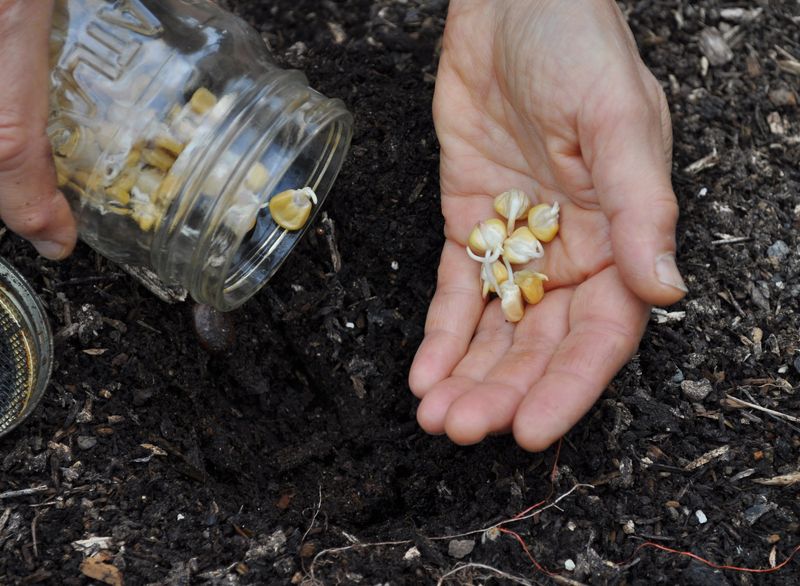
Few summer treats beat buttery sweet corn picked that morning from a Michigan farm stand. Growing your own at home is easier than many people think.
Soaking is optional for standard sweet corn. Corn sprouts fine from dry seed in warm, moist soil, but a soak of about 8 to 12 hours can help kernels emerge sooner and more evenly.
Dry seed often catches up within a few days, so the benefit tends to be a modest head start.
Use room temperature water and keep the bowl out of direct sun. Kernels should look plump and a little brighter when they are ready.
Do not stretch it to two days. Trials that pushed soaking to 48 hours saw germination drop, and corn left in water too long can grow mold.
Supersweet (sh2) varieties are the exception. Their shriveled kernels crack easily when soaked, and several sources advise skipping the soak for them.
They also struggle in cold soil, so wait until soil reaches about 65 degrees and plant dry seed.
Cold soil is a risk for any soaked corn seed, because cold water entering the kernel can damage its cells. For standard types, wait until soil has warmed to at least 55 degrees, with closer to 60 being the safer target.
Plant kernels about one to two inches deep. Put them in blocks of short rows rather than one long line, since corn relies on wind to pollinate.
Crows and squirrels adore freshly planted corn. A light row cover for the first two weeks can save you a lot of replanting frustration.
Native peoples of the Great Lakes grew corn for centuries alongside beans and squash. That trio is known as the Three Sisters.
7. Sunflowers And Nasturtiums Enjoy A Soak
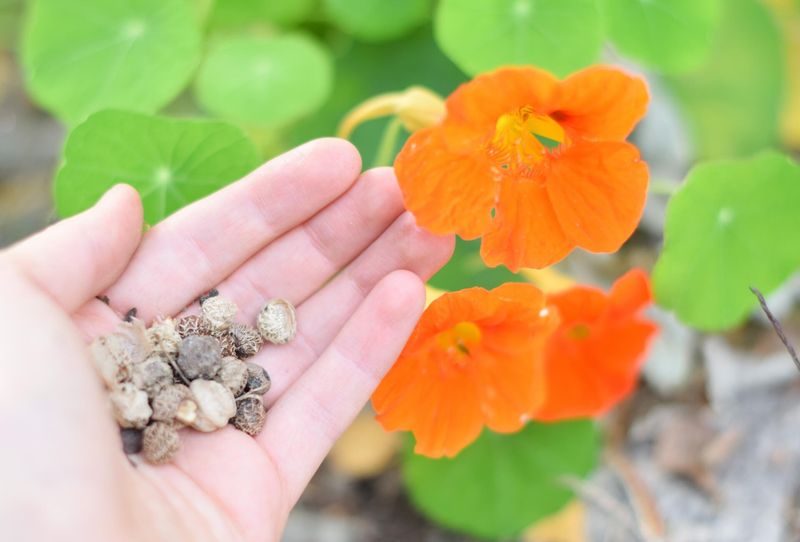
Flowers deserve a little spa treatment, too. Sunflowers and nasturtiums both have sturdy seeds that wake up faster after a soak.
Sunflower seeds do well with 2 to 8 hours in water. Nasturtiums, with their wrinkly, pea-like seeds, prefer a longer soak of 8 to 12 hours.
Morning glories also belong in this club. Their hard seeds sprout much better after a gentle nick with nail clippers and an overnight soak.
Plant these flowers once Michigan nights stay above 50 degrees. Cold soil can slow them down even after soaking.
Sunflowers grow tall fast, so pick a sunny spot away from low plants they might shade. Giant types can tower over a garage roof by August.
Nasturtiums are a gardener’s sidekick. Their peppery leaves and blooms are edible, and they can lure aphids away from your veggies.
A sweet idea for families is planting a sunflower house. Sow seeds in a square, leave a doorway, and let kids enjoy a leafy hideout by midsummer.
Birds will thank you in fall when the heads fill with seeds. Goldfinches especially love to perch and snack on ripe sunflowers.
8. Tiny Seeds Gardeners Should Skip Soaking
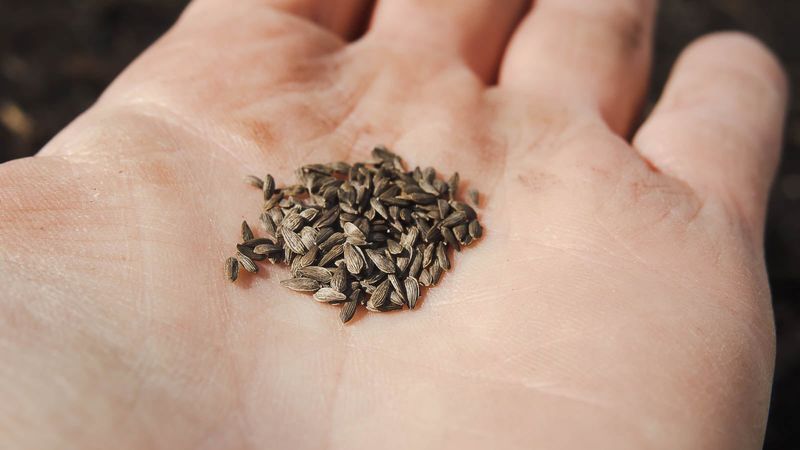
Not every seed wants to go swimming. Some are so small that a soak turns them into a soggy, sticky mess.
Lettuce, carrots, radishes, basil, and most herbs fall into this group. Their thin coats already soak up water quickly from moist soil.
Wet tiny seeds clump together like glitter on glue. That makes it really hard to spread them evenly in a row.
Carrots are a special case because they can be slow to sprout. Instead of soaking, try covering the row with a board or burlap to hold moisture until sprouts appear.
Lettuce actually needs light to germinate. Press the seeds gently onto the soil surface rather than burying them deep.
Many Michigan gardeners mix tiny seeds with dry sand before sowing. The sand helps spread them out and shows you where you already planted.
Peppers and tomatoes sit in the middle. A short soak of a few hours is fine, but starting them indoors in warm trays matters much more.
Seed tape is another handy shortcut for small seeds. You can buy it or make your own with toilet paper strips and a dab of flour paste.
9. Smart Soaking Tips For Every Garden
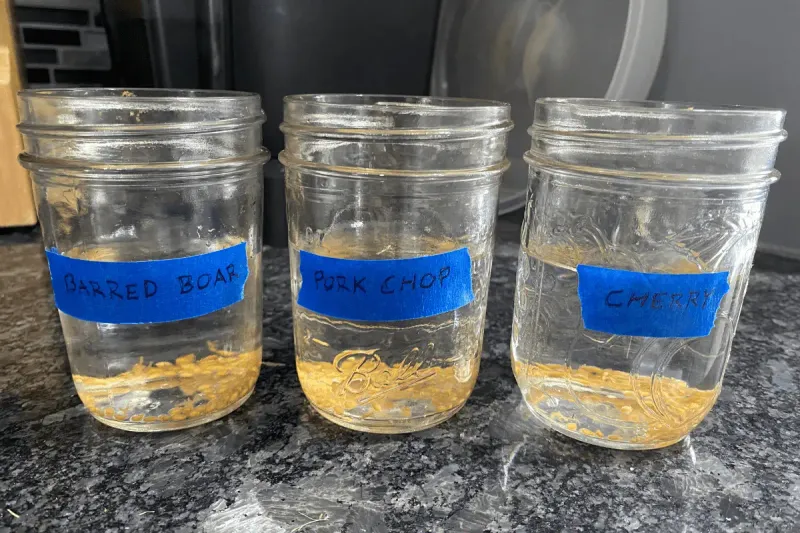
A little organization goes a long way on planting day. Grab some jars, a marker, and masking tape before you start.
Label each container with the seed type and the time you started soaking. It sounds fussy, but mixed-up seeds can turn your garden plan into a guessing game.
Use lukewarm water, roughly the temperature of a baby bottle. Hot water can harm the tiny plant inside, while ice cold water slows things down.
Rainwater or water that sat out overnight works great. City water is usually fine, too, so do not stress if that is all you have.
Plant within a few hours of draining. Soaked seeds that dry out again may struggle, so have your beds ready before you begin.
Keep an eye on the weather. A sudden cold snap is common in Michigan, so check the ten day forecast before soaking anything that hates frost.
Write down what you soaked and how fast it came up. Over a few seasons, your notes become a personal guide that fits your yard better than any book.
Finally, have fun with it and let curiosity lead. Try soaking half a packet and planting the other half dry, then compare which row wins the race.