The Best Low-Maintenance Texas Trees That Need Almost No Water
Texas cities roll out watering restrictions almost every year. Sprinklers get limited to one or two days a week, sometimes less, while thirsty yards bake under triple-digit heat.
Trees that depend on regular watering can suffer badly during those stretches. Leaves scorch, branches thin out, and some trees never fully recover. Other trees barely notice.
They’ve spent thousands of years adapting to Texas droughts, rocky soil, and long stretches without a drop of rain. Once their roots are established, many can get by on rainfall alone.
They don’t need constant pruning, feeding, or fussing, either. Some offer generous shade. Others bring spring blooms, fall color, or food for birds and wildlife.
Planting one of these tough trees means less worry, a lower water bill, and a yard that keeps looking good even when the hose has to stay coiled up.
1. Texas Persimmon: The Quiet Survivor With Peeling Bark
Walk through a rocky hillside in Central Texas and you might spot a small tree with bark so smooth it almost looks polished.
That is the Texas persimmon. Its gray outer bark peels away in thin strips, showing soft white and pink patches underneath.
Many people grow it just for that bark. It looks great all year, even in winter when the branches are bare. The tree usually stays between 10 and 20 feet tall, so it fits nicely in small yards and side gardens.
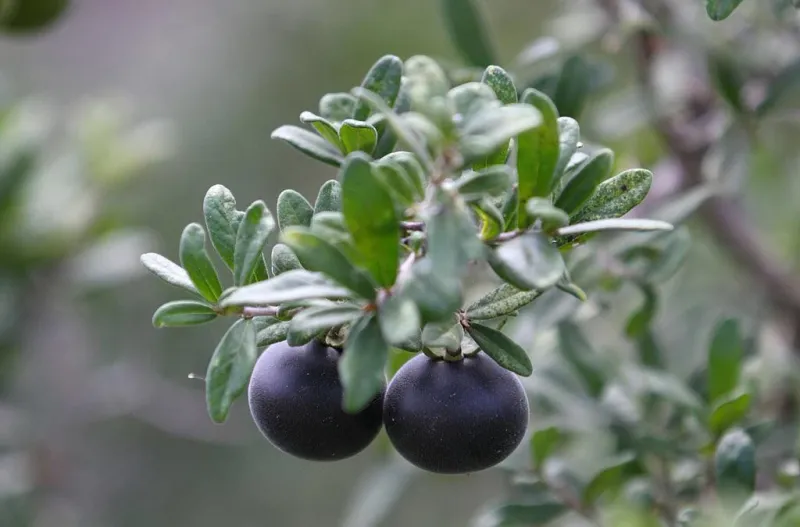
Birds and animals love this tree too. Female trees grow small, round fruits that turn black when ripe in late summer.
Mockingbirds, raccoons, and even foxes come running for a snack. The fruit is safe for people as well, though it can stain sidewalks and hands a deep purple color.
So why is it such a great low-water pick? Texas persimmon grew up in dry, rocky soils across Central, South, and West Texas.
It sends roots deep to find moisture, and it can handle long stretches without rain. Once established, it rarely needs a drink from you.
Here are a few simple care tips. Water it about once a week for the first summer after planting. After that, you can mostly leave it alone. Skip the fertilizer, because this tree likes lean soil.
Plant it where you can enjoy that bark up close, like near a patio or along a walkway. Just keep fruiting trees away from light-colored concrete.
If you want a mess-free option, look for a male tree at your local native nursery. Fun fact: the wood is so dense that people once used it to make tools and engraving blocks.
2. Desert Willow: A Hummingbird Magnet That Laughs At Heat
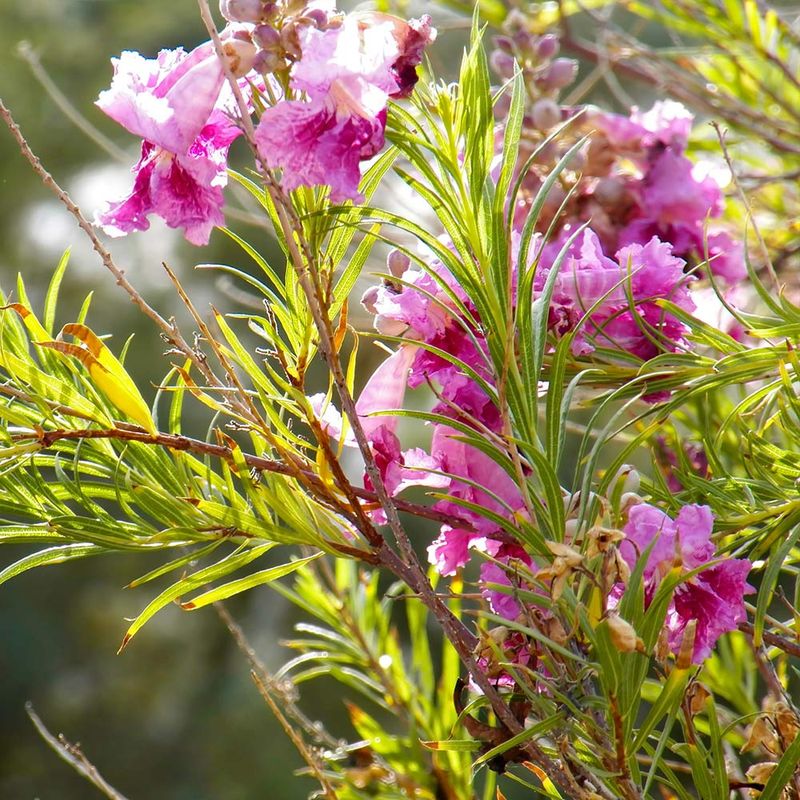
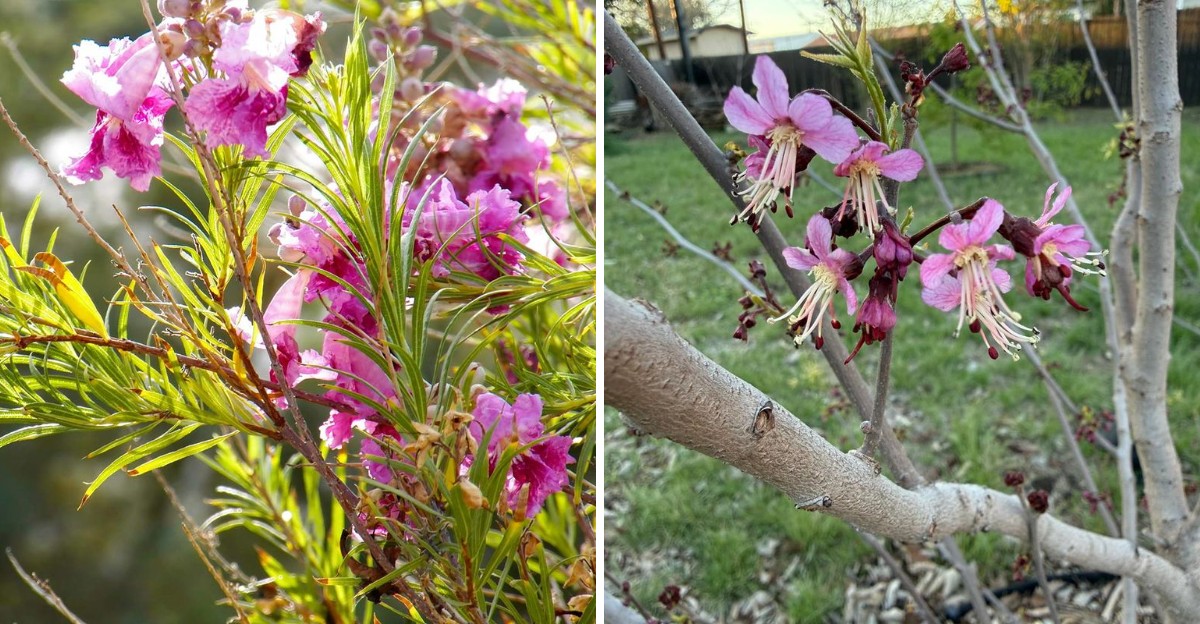
Hummingbirds have a favorite tree in West Texas, and it is not hard to see why. The desert willow is covered in pink, purple, or white blossoms that look a lot like tiny orchids. Those flowers keep coming from late spring all the way into fall.
Despite its name, desert willow is not a true willow at all. It just has long, skinny leaves that look like willow leaves. It is actually related to the catalpa tree and the trumpet vine.
Your Texas Garden Changes Every Week. Your Plan Should Too.
Gardening in Texas changes quickly throughout the season. Every Friday you’ll receive a simple weekly plan showing exactly what to plant, prune, fertilize, harvest, and protect so you never miss the right timing.
Toughness is where this tree really shines. It handles scorching heat, dry wind, and months with barely any rain. In fact, too much water can cause problems. Soggy soil makes the roots rot, so good drainage matters more than anything else.
Got heavy clay in your yard? Plant your desert willow on a small mound or slope. Mixing in some gravel or sand around the planting area also helps water drain away fast.
The tree usually grows 15 to 25 feet tall with a loose, airy shape. Some gardeners prune it into a single trunk, while others let it grow as a big, bushy shrub. Both styles look lovely.
Bees and butterflies visit the flowers too, so your yard will buzz with life all summer. After blooming, the tree makes long, thin seed pods. Some people like the look, while others snip them off to keep flowers coming.
Plant it in full sun for the best show. Shade means fewer blooms. Give it a deep soak every week or two during its first year, then cut back.
Newer varieties like Bubba and Burgundy offer darker flowers and stronger growth, so ask your nursery what they carry.
3. Texas Mountain Laurel: Grape Soda Scent In Late Winter
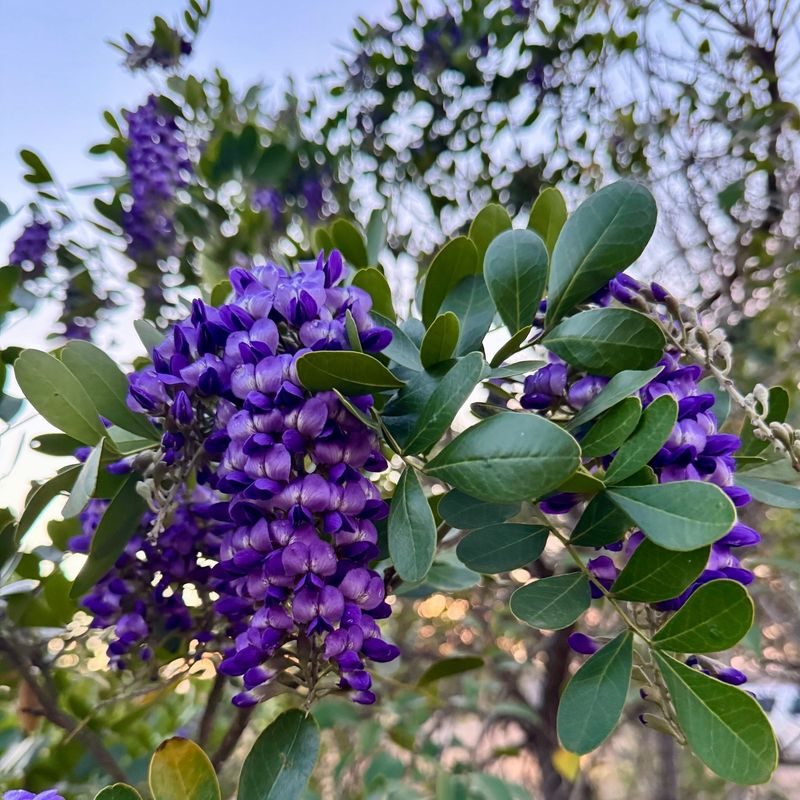
Ask any Texan what spring smells like, and some will say grape soda. They are talking about the Texas mountain laurel. Its purple flower clusters smell almost exactly like grape candy or Kool-Aid.
The blooms show up in late winter to early spring, when most other trees still look sleepy. Big, droopy bunches of violet flowers hang from glossy green leaves. Bees go wild for them, and so do neighbors walking past.
Patience is the key with this one. Texas mountain laurel grows slowly, sometimes only a few inches each year. Over time, it reaches about 15 to 25 feet tall. The reward is a sturdy evergreen that stays green and shiny all year long.
Rocky, alkaline soil suits it perfectly. That is the kind of chalky, limestone ground found all over the Hill Country. Once its roots take hold, it can handle long dry spells without any help from you.
There is one big warning. The tree makes fuzzy pods filled with bright red seeds. They look like little beads, but they are highly toxic if swallowed. Families with small kids or curious dogs should pick up fallen pods or plant the tree away from play areas.
Care is simple. Water weekly during the first year. After that, a deep soak during extreme drought is plenty. Never plant it in a soggy spot.
Keep an eye out for small green caterpillars called genista caterpillars. They sometimes chew the leaves in spring and summer.
Pick them off by hand or spray a natural treatment called Bt. Plant it near a window or front door. That way, you can enjoy the sweet smell every spring.
4. Honey Mesquite: The Ranch Legend With Roots Like A Well
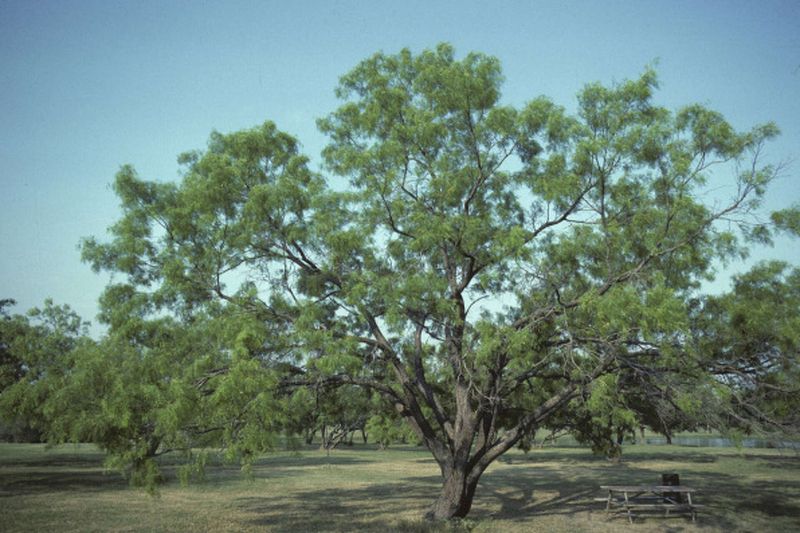
Cowboys and ranchers have known about this tree for a very long time. Honey mesquite can survive almost anything the Texas weather throws at it. Its roots have been found reaching more than 150 feet deep, hunting for underground water.
That deep root system is the secret to its toughness. While other trees struggle in a drought, mesquite just keeps going. It handles heat, wind, and poor soil like a champ.
Looks matter too, and mesquite has plenty of charm. The leaves are small and feathery, almost like lace.
They create light, dappled shade instead of a dark, heavy shadow. That means grass and flowers can still grow underneath.
The tree often grows with a twisty, wide shape that looks great in a natural yard. Most reach 20 to 30 feet tall. In spring, fuzzy yellow flower spikes appear, and bees turn the nectar into tasty honey.
Later, the tree makes long bean pods. Deer, birds, and other wildlife love to eat them. People have ground the pods into flour for hundreds of years too. It has a sweet, nutty flavor.
Now for the downside. Wild mesquite has sharp thorns that can poke through shoes and tires. If you plan to plant one near a sidewalk, driveway, or play area, choose a thornless variety. Nurseries often sell these under names like Maverick.
Once planted, water it a few times during the first summer. After that, you can pretty much forget about it. Too much watering can actually make it grow weak and floppy.
Bonus tip: fallen mesquite branches make excellent wood for grilling and smoking meat. Your backyard barbecue will thank you.
5. Lacey Oak: A Hill Country Gem With Blue-Green Leaves
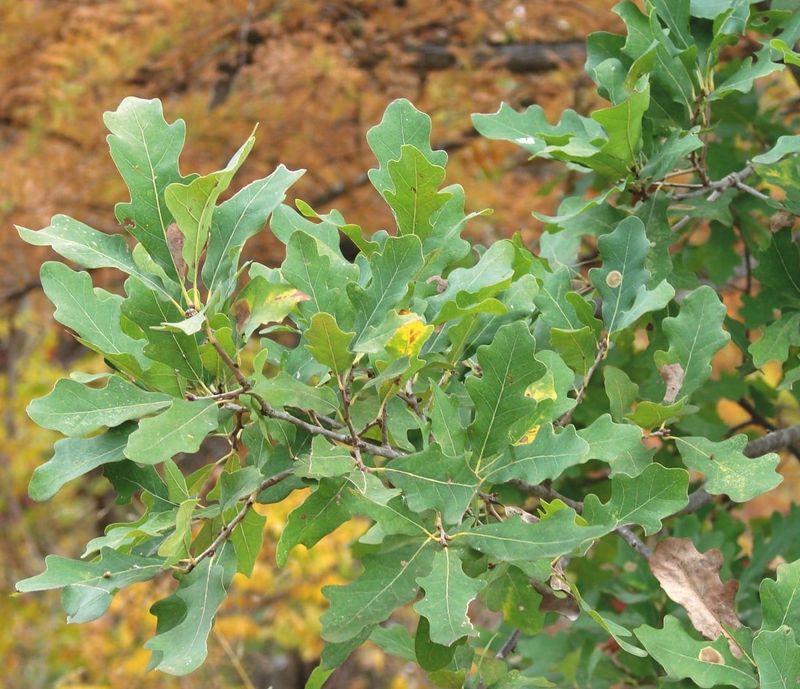
Few trees have leaves quite like the Lacey oak. They have a soft, dusty blue-green color that stands out from every other tree in the yard. In spring, new leaves can even show hints of pink or peach.
Lacey oak comes from the Texas Hill Country, where it grows on rocky slopes and canyon walls. It is a rare tree in the wild, which makes it a special find for home gardeners. Some people call it canyon oak or smoky oak.
Size is another big plus. Most Lacey oaks only reach 20 to 30 feet tall. That makes them a smart pick for smaller yards where a giant live oak would take over.
Shallow soil is no problem at all. Lots of Texas homes sit on thin dirt over solid limestone. Many trees struggle there, but Lacey oak feels right at home. It handles drought well once its roots settle in.
Here is another reason to love it. Oak wilt is a serious disease that has hurt thousands of Texas oaks. Red oaks are very likely to catch it. Lacey oak belongs to the white oak group, so it holds up much better against the disease.
Still, take smart steps. Avoid pruning oaks between February and June, when the beetles that spread oak wilt are most active. Paint any fresh cuts with wound paint right away.
For care, water your young tree every week for the first year or two. Mulch around the base helps keep roots cool. After that, nature will handle most of the work.
In fall, the leaves may turn shades of gold and brown before dropping. It is a calm, classy tree.
6. Mexican Buckeye: Pink Blooms And Quirky Seed Pods
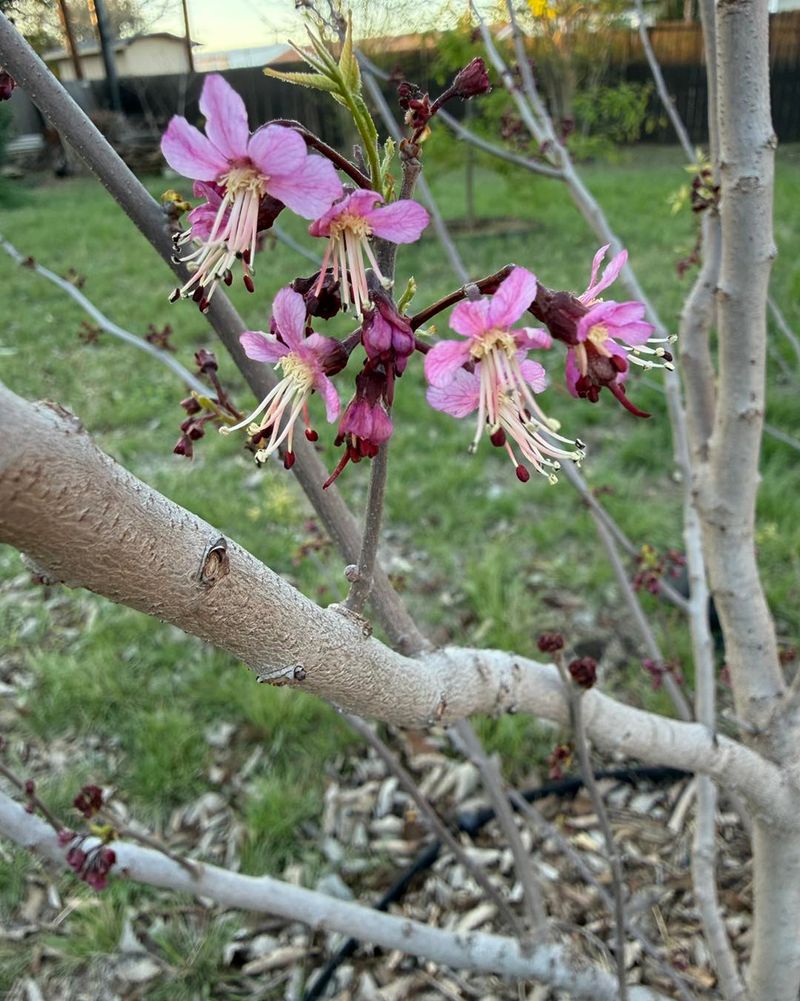
Sometimes the best trees are the ones people do not know about yet. Mexican buckeye is one of those hidden treasures. In early spring, its bare branches suddenly burst with clusters of bright pink flowers.
The blooms often open before the leaves arrive, so the whole tree glows pink. They smell sweet too. Bees and butterflies are some of the first visitors after winter, and they rely on early flowers like these.
Do not let the name fool you. Mexican buckeye is not a true buckeye, though it is a cousin in the soapberry family. It is native to Texas and grows wild on limestone hills and canyons.
The seed pods are the most fun part. Each one has three sections and looks a bit like a small leather pouch. As the pods dry out and crack open, you can see shiny, dark seeds inside. Kids often find them fascinating.
Fascinating, yes, but not edible. The seeds are toxic if eaten, so teach children to look and not taste. Keep pets away from fallen seeds as well.
Growing this tree is easy. It loves rocky, alkaline soil and needs very little water once it is settled. It usually stays between 8 and 15 feet tall, so it works well as a small accent tree or even a large shrub.
Fall brings another treat. The leaves turn a cheerful golden yellow before dropping. You get spring color and autumn color from the same plant.
Plant it in full sun or part shade. Give it a deep watering each week during its first season. After that, it mostly takes care of itself, even in hot, dry summers.
7. Cedar Elm: The Toughest Shade Tree In The Lone Star State
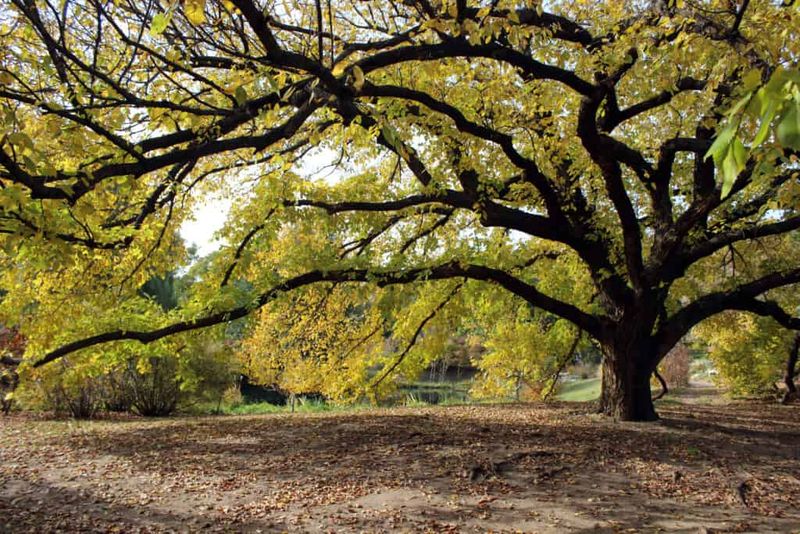
Ask a Texas arborist to name one shade tree that can handle almost anything, and cedar elm will likely top the list. It grows in heavy clay, rocky ground, and even poor city soil. Heat and drought barely slow it down.
Many parking lots and city streets across Texas are lined with cedar elms. There is a good reason for that. Cities need trees that stay healthy with little care, and cedar elm delivers.
Shade lovers will be happy here. This tree grows into a medium to large size, often reaching 40 to 60 feet tall. Its wide branches spread out and cool down a hot yard. A well-placed cedar elm can even lower your summer energy bill.
The leaves are small and a little rough, almost like sandpaper. Because they are tiny, they break down quickly when they fall. That means less raking for you in autumn.
Fall color is a nice surprise. In October and November, the leaves turn a warm golden yellow. It is one of the few big native trees that adds bright color to Texas yards.
Care tips are simple. Water deeply once a week for the first two years while the roots spread out. After that, it can handle dry summers on its own. Prune young trees in winter to help them form a strong shape.
Plant it at least 15 feet from your house, since it will grow large. Give it full sun for the best growth.
Here is a fun fact. Cedar elm got its name because it often grows near cedar trees in the wild. It is not related to cedars at all, just a good neighbor.