Texas Native Plants That Handle A Wet El Niño Winter
Texas gardeners have spent years filling their yards with tough, drought-loving plants. It makes sense in a state where dry spells are almost guaranteed. But those same plants can run into trouble when the weather flips the other way.
An El Niño winter often brings cooler temperatures and far more rain than usual to much of Texas. Soil stays soggy for weeks.
Low spots turn into puddles. Plants that prefer sharp drainage can sit with wet roots for too long, leading to rot and slow decline.
Not every native minds the extra moisture, though. Some grow naturally along creeks, in river bottoms, and in low-lying prairies where water collects after storms. They’re built to handle both soaking rains and the dry spells that follow.
Adding a few of these flexible natives can help your yard stay healthy no matter which way the weather swings.
1. Bald Cypress
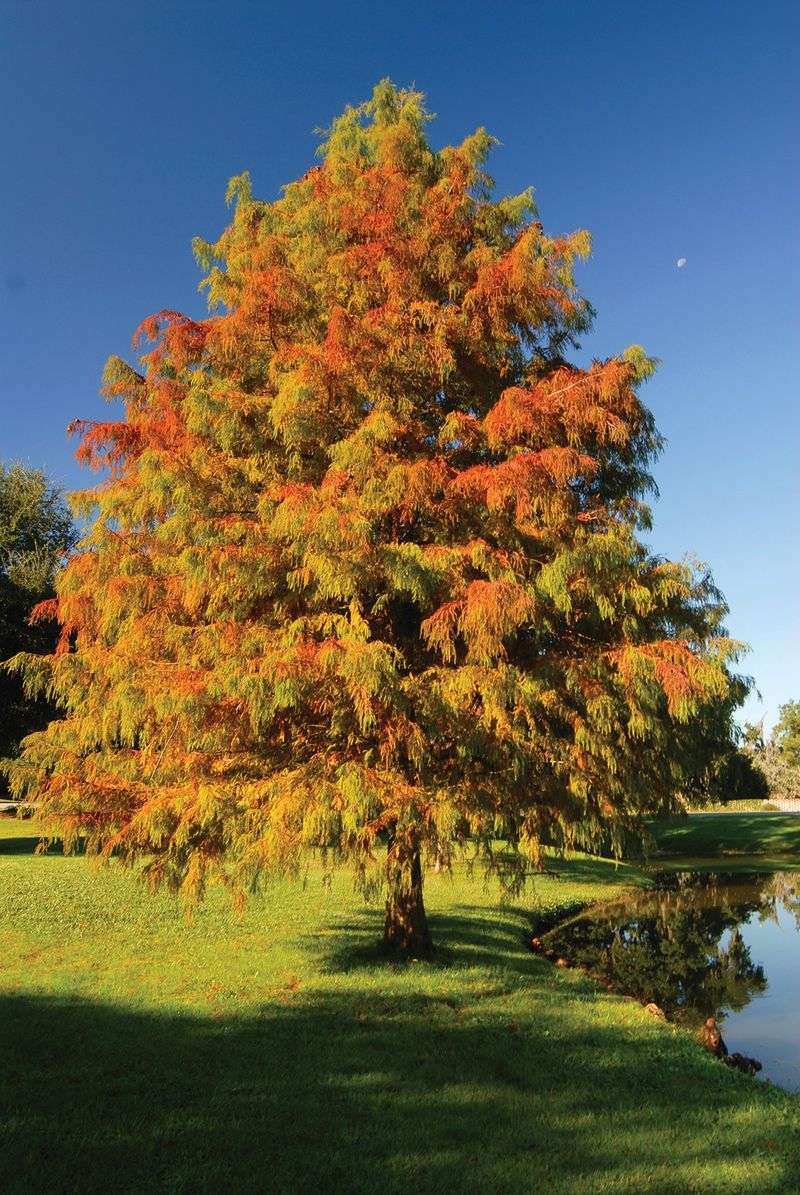
Few trees love a flood quite like the bald cypress. Along the Guadalupe and Frio rivers, some of these giants have stood with their feet in water for hundreds of years.
If your yard has a spot that turns into a pond every winter, this tree might be your best friend.
Bald cypress grows naturally along rivers, lakes, and swamps. Its roots are built to handle soil that stays soaked for weeks.
In very wet places, it even grows bumpy wooden “knees” that poke up from the ground. Scientists still argue about what the knees do, but they sure make the tree fun to look at.
Here is a twist that surprises many people. Once a bald cypress settles in, it can also handle dry spells pretty well.
That makes it a smart pick for Texas yards that flip from soggy to parched in just a few months. You get one tree that works in both seasons.
Despite looking like an evergreen, the bald cypress drops its needles each fall. Before they fall, the needles turn a warm rusty orange.
That is where the “bald” part of its name comes from. In spring, soft green needles return and look almost feathery.
Give this tree plenty of room, because it can grow 50 to 70 feet tall. Plant it in full sun, ideally in a low area where rain collects. Water it during its first summer so the roots can spread deep.
Fun fact: the oldest known bald cypress trees are more than 2,000 years old. Planting one is like leaving a gift for many future generations.
2. Possumhaw Holly
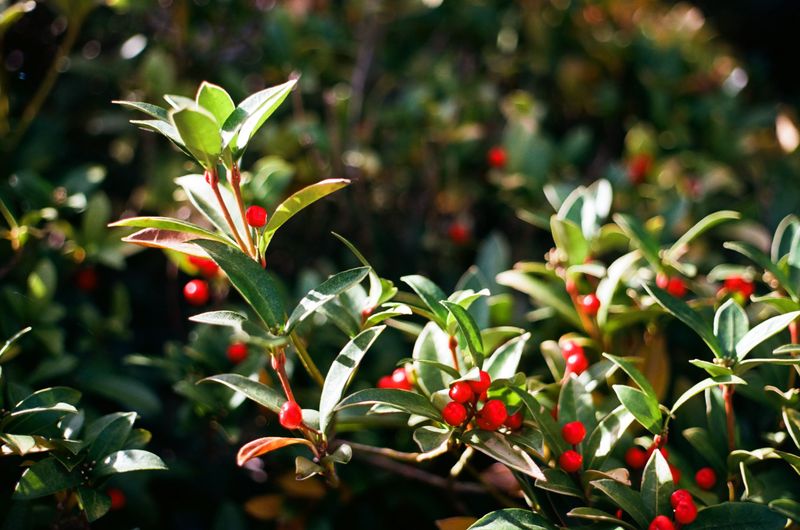
Bare branches covered in glowing red berries can brighten even the dreariest January afternoon. That is the magic of possumhaw holly. While other shrubs look tired in winter, this one puts on its best show.
Unlike the holly you might picture at Christmas, possumhaw is deciduous. That means it drops its leaves in late fall.
Once the leaves are gone, the berries stand out like tiny ornaments. They often stay on the branches until late winter or early spring.
Your Texas Garden Changes Every Week. Your Plan Should Too.
Gardening in Texas changes quickly throughout the season. Every Friday you’ll receive a simple weekly plan showing exactly what to plant, prune, fertilize, harvest, and protect so you never miss the right timing.
Heavy clay soil is common across much of Texas, and it can drain very slowly. Possumhaw does not mind one bit. In the wild, it grows along creeks and bottomlands where the ground stays wet after storms. So a soggy El Niño winter barely bothers it.
Birds adore this plant. Robins, cedar waxwings, mockingbirds, and bluebirds all stop by for a snack. During long rainy stretches, when food is hard to find, those berries can be a real lifesaver for hungry flocks.
One tip matters a lot here. Only female plants make berries, so buy from a nursery that labels them. A male plant nearby helps the females produce more fruit, though wild males in your area may do the job.
Possumhaw usually grows 10 to 20 feet tall. You can let it grow as a small tree or keep it shrubby with light pruning. It handles full sun or part shade. And yes, possums really do eat the berries, which is how it got its funny name.
3. Wax Myrtle
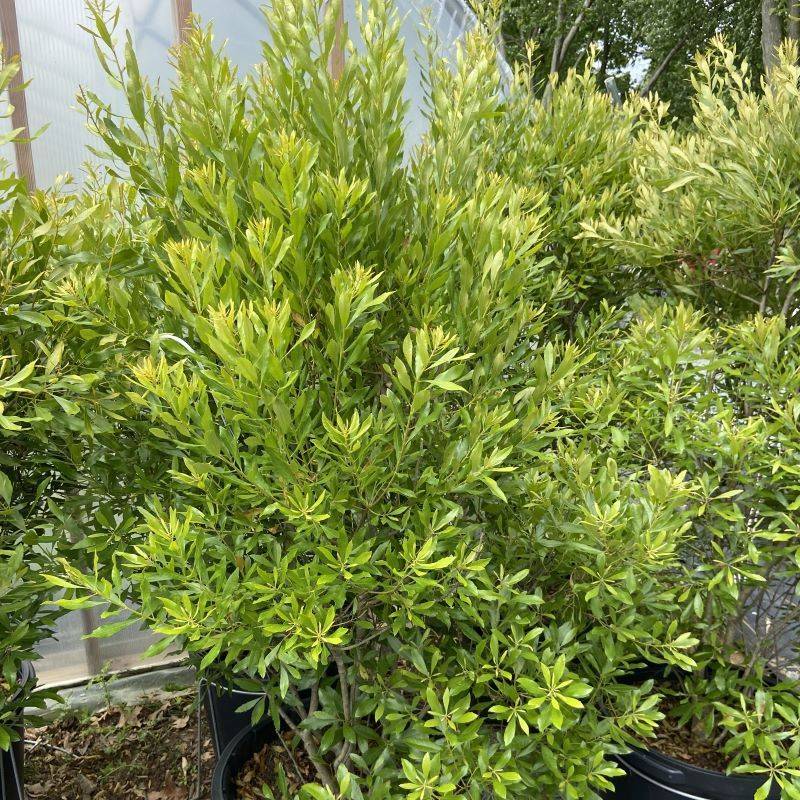
Crush a wax myrtle leaf between your fingers and take a sniff. You will notice a spicy, fresh scent that reminds some people of bay leaves. Early American settlers loved this plant so much that they boiled its berries to make candles.
That old candle trick worked because the berries are coated in a pale, waxy layer. It took a lot of berries to make just one candle.
Today, we mostly leave those berries for the birds, and they are grateful. Yellow-rumped warblers in particular rely on them during winter.
Wax myrtle has a special talent. It handles wet soil and dry soil with equal ease. That is a big deal in Texas, where a rainy winter can turn into a scorching summer fast. Many shrubs pick one side, but wax myrtle plays on both teams.
Its narrow leaves stay green all year long. That makes it a great choice for a living privacy screen or a windbreak. You can trim it into a neat hedge, or let it grow loose and natural. Left alone, it can reach 15 feet or more.
Planting is simple. Choose a spot with full sun to part shade. It grows fairly fast, so you will not wait forever to see results. Water it regularly during the first year, then mostly let nature take over.
A quick heads-up: wax myrtle can send up new shoots from its roots. Pull them if you want a tidy look. Or let them fill in for a thicker hedge that birds can hide in.
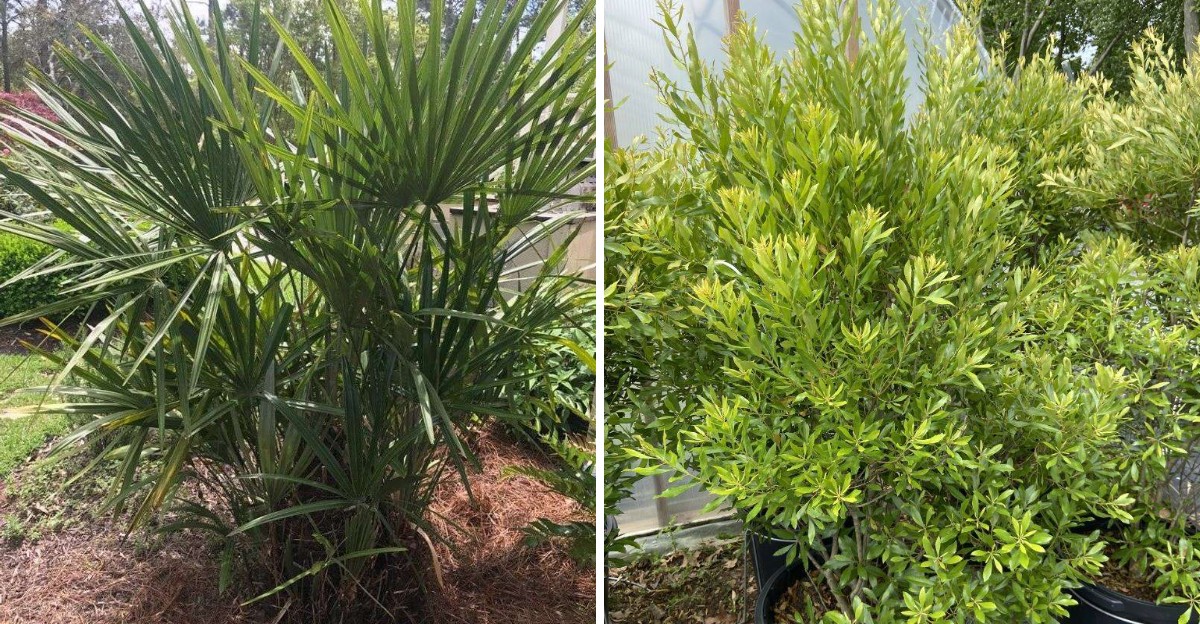
4. Dwarf Palmetto
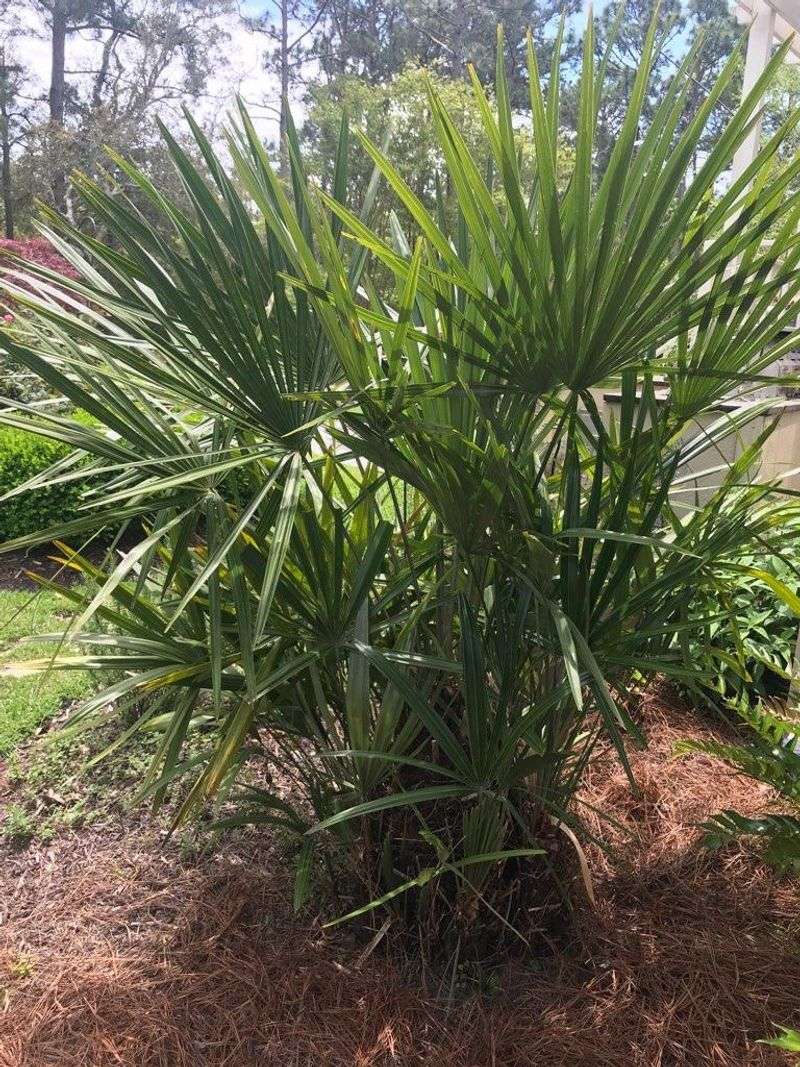
Palms in Texas usually make people think of beaches and sunny resorts. But one little palm grew up right here in muddy river bottoms. Meet the dwarf palmetto, a tough native that laughs at cold, wet weather.
Walk through Brazos Bend State Park, and you will see whole carpets of these plants. They grow naturally in floodplains and wet woods across much of Texas. When the river spills over, the palmettos just sit tight and wait it out.
Most palms struggle with chilly temperatures. Dwarf palmetto is different. It can handle freezing nights far better than most of its tropical cousins. Its stiff, fan-shaped leaves stay green all winter, adding a cool jungle look to your yard even in January.
Here is something odd about this plant. In many cases, its trunk grows underground, so you only see the leaves.
Each fan can stretch three to five feet wide. The plant usually stays about four to six feet tall, which fits nicely in smaller yards.
Patience is the key word with dwarf palmetto. It grows slowly, especially in its first few years. Buy a decent-sized plant if you want quicker results. Once it gets going, it needs very little care at all.
Plant it in part shade to full sun. It does well in soggy spots, but it can also handle average garden soil. Try it under tall trees, near a pond, or in a rain garden. In summer, it sends up tall stalks of tiny cream flowers that bees enjoy.
5. Southern Blue Flag Iris
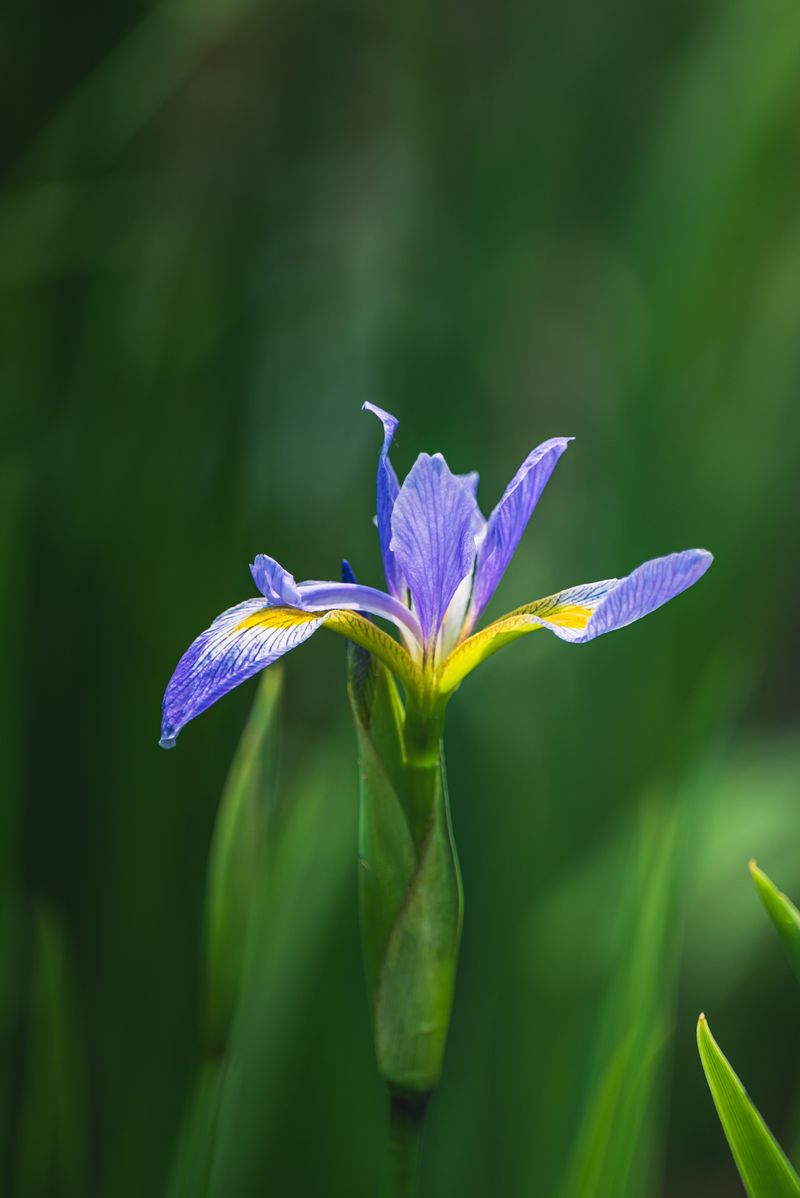
Got a ditch that never seems to dry out? Instead of fighting it, why not fill it with flowers? Southern blue flag iris is happiest with its roots sitting in mud or even a few inches of water.
In East Texas, you can find this iris growing wild in marshes, roadside ditches, and along pond edges.
It has tall, sword-shaped leaves that look neat all season. When spring arrives, it opens big violet-blue blooms with yellow and white markings on the petals.
Those markings are not just for looks. They act like little runway lights that guide bees toward the nectar. As bees crawl inside, they pick up pollen and carry it to the next flower. Nature really thought this one through.
A wet El Niño winter is a gift for this plant. All that extra water helps the roots grow strong before spring bloom time. Many gardeners notice bigger and better flowers after a rainy season.
Rain gardens are a perfect home for blue flag iris. A rain garden is a shallow dip in the yard that catches runoff from roofs and driveways.
The plants soak up water and help clean it before it flows away. You can also tuck iris into pots set inside a backyard pond.
Plant it in full sun to part shade for the most flowers. Every few years, dig up and divide crowded clumps in fall. Share the extras with friends. One caution: the roots are not safe to eat, so keep curious pets away.
6. Eastern Gamagrass
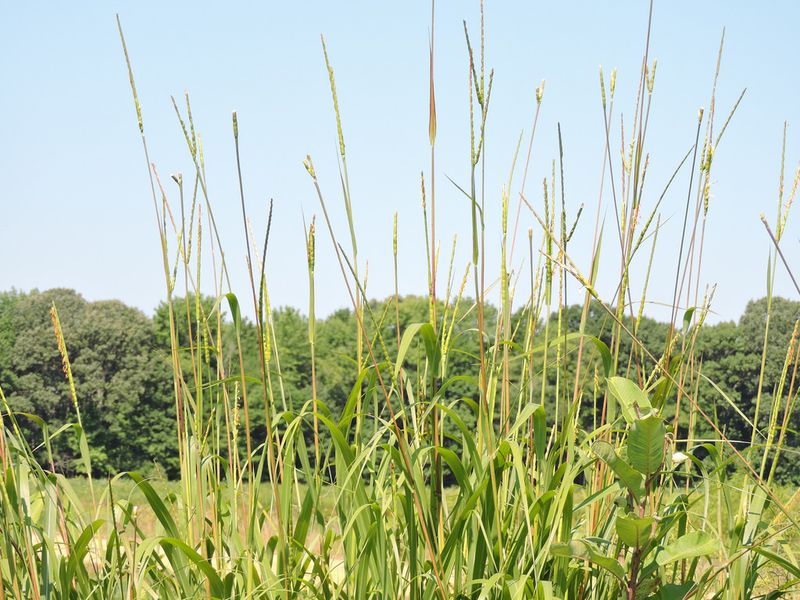
Old-time Texas ranchers had a nickname for eastern gamagrass. They called it “ice cream grass” because cattle would gobble it up before touching anything else.
That tasty reputation almost wiped it off many prairies, but it is making a comeback in home landscapes.
Eastern gamagrass is a big, bold bunchgrass. A single clump can grow three to six feet tall and just as wide.
Its wide blades arch gracefully, a lot like a fountain. In summer, it sends up odd seed stalks that look a bit like tiny corn cobs. In fact, it is a distant cousin of corn.
Heavy clay can be a real headache for gardeners. It holds water like a sponge in winter and cracks like a sidewalk in summer. Gamagrass handles both extremes. Its roots dig deep, sometimes many feet down, which helps it stay strong when rain stops.
Those deep roots do more than keep the grass alive. They also break up tough clay and help water soak into the ground. That means fewer puddles and less runoff in your yard over time. It is like having a free soil helper.
Use gamagrass along a drainage swale, at the back of a garden bed, or as a soft screen. It looks great mixed with native wildflowers. Birds and small animals use the clumps for shelter during storms.
Care is simple. Plant it in full sun to part shade. Cut it back to a few inches in late winter so fresh green growth can shoot up in spring.
7. Golden Groundsel
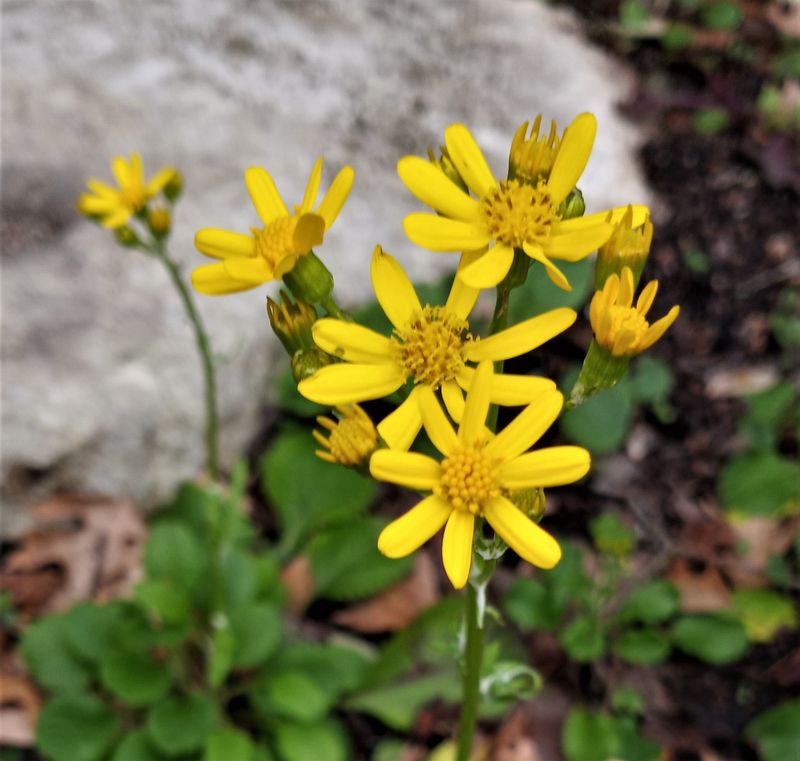
Just when winter feels like it will never end, golden groundsel pops up with a burst of sunshine. Its bright yellow, daisy-like flowers often appear in late winter.
That timing is perfect, since the blooms usually show up right as the rainy season starts to fade.
Shady, damp corners are tricky spots for most plants. Grass gets thin, and many flowers refuse to bloom. Golden groundsel actually prefers those spots. It forms a low carpet of rounded, glossy leaves that stay green through the cold months.
As a groundcover, it spreads slowly to fill in empty patches. It usually stays under a foot tall, with flower stalks rising a little higher.
Use it under trees, along a shady path, or near a downspout where water collects. It also looks lovely tucked between stepping stones.
Early pollinators love it. On warm winter days, small native bees and flies come out looking for food. Golden groundsel is one of the first meals of the year for them. Planting it gives these tiny helpers a head start.
Getting started is easy. Plant it in fall or early winter in rich, moist soil with part to full shade. Add a layer of leaf mulch to help keep the ground cool and damp. During long, hot summers, it may slow down, so give it a drink if the soil gets very dry.
Keep in mind that this plant is not meant for snacking. Its leaves are not safe for people or pets to eat. Enjoy it with your eyes instead.