Kissing Bugs Start Crawling Toward Arizona Bedrooms As Nights Cool, So Check These Spots Tonight
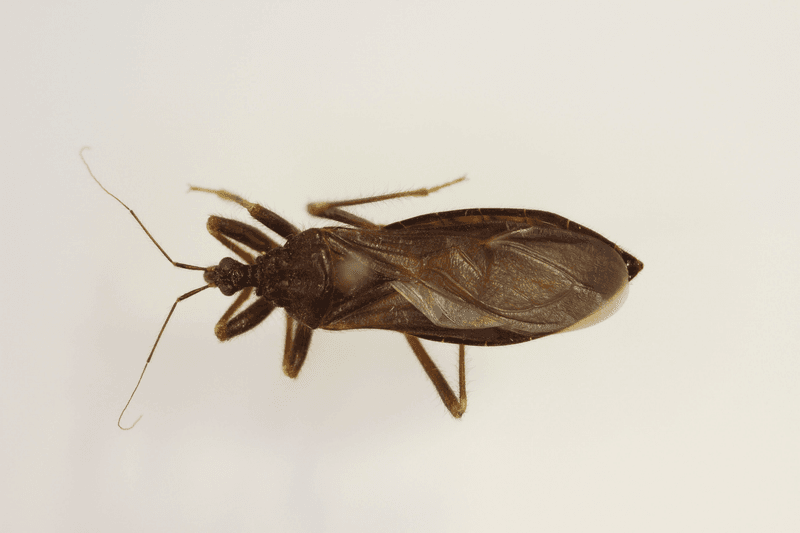
When the desert air finally cools after sunset, Arizona’s kissing bugs start looking for a warm, dark place to settle in. Sometimes that place is your bedroom.
These cone-nosed insects are drawn to body heat and the air we breathe out, and some carry a parasite that can cause Chagas disease. A quick check of a few key spots tonight can help keep them out of your sleep space and back in the desert where they belong.
1. Between Mattresses and Under the Headboard
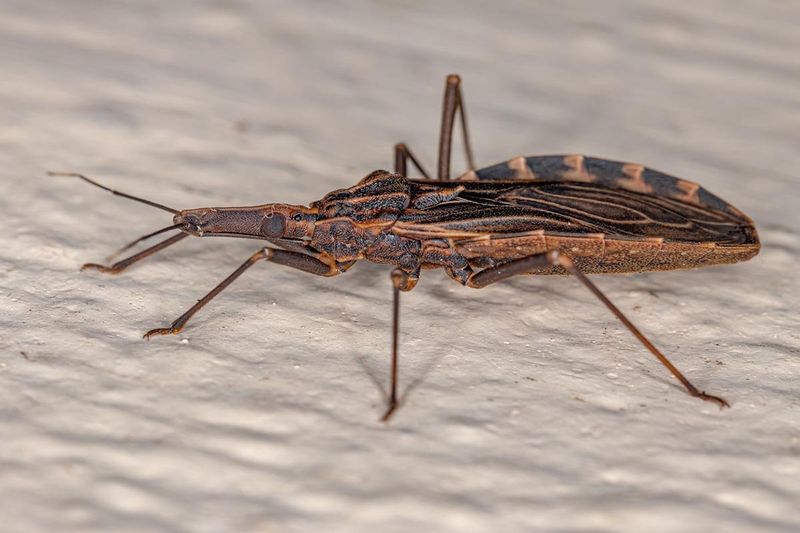
Picture a bug that tracks you down by the warmth of your skin and the breath leaving your lungs. That is exactly how a kissing bug finds its way to a bed, and once it arrives, it wants a hiding place close to its next meal.
The seam between your mattress and box spring is prime real estate. So is the shadowy space behind and under a headboard, especially one mounted flush against the wall.
Grab a flashlight and lift each corner of the mattress slowly. Look for a dark, flat insect about three-quarters of an inch long, often with orange or reddish markings along the edge of its body.
Also scan for tiny dark spots or shed skins, which can hint that a bug has been resting there. Run the light along the headboard frame, paying attention to joints, screw holes, and decorative grooves.
If your bed sits tight against a wall, pull it out at least a foot. That small gap may make it harder for crawling insects to reach you from baseboards.
Tuck in sheets so they stay off the floor, too. A blanket draped to the carpet works like a ladder, and kissing bugs are happy to climb it.
2. Folds of Curtains Near the Bed

Drapes seem harmless, but to a nighttime insect they are a cozy tent. Thick, pleated curtains near a bed offer deep shade, a soft grip for tiny legs, and a short crawl to wherever you sleep.
Kissing bugs like to rest during the day and move after dark. A curtain fold beside the window gives them both cover and a handy launch point.
Since these bugs are also pulled toward light, a lamp glowing by the window at night can guide them straight to the fabric.
Start at the top of the rod and work down. Gently spread each pleat open and shine a light inside.
Check the bottom hem too, especially if the fabric pools on the floor. Pooled curtains look elegant, yet they create a dim, quiet nook where a bug can tuck itself away for hours.
Shake curtains out over a hard floor once a week during fall. Consider hemming extra-long panels so they hang just above the ground.
Moving bedside lamps a bit farther from windows after sunset can help too. Small habits like these may make your window area far less appealing to drifting bugs looking for shelter.
3. Pet Beds and Sleeping Corners
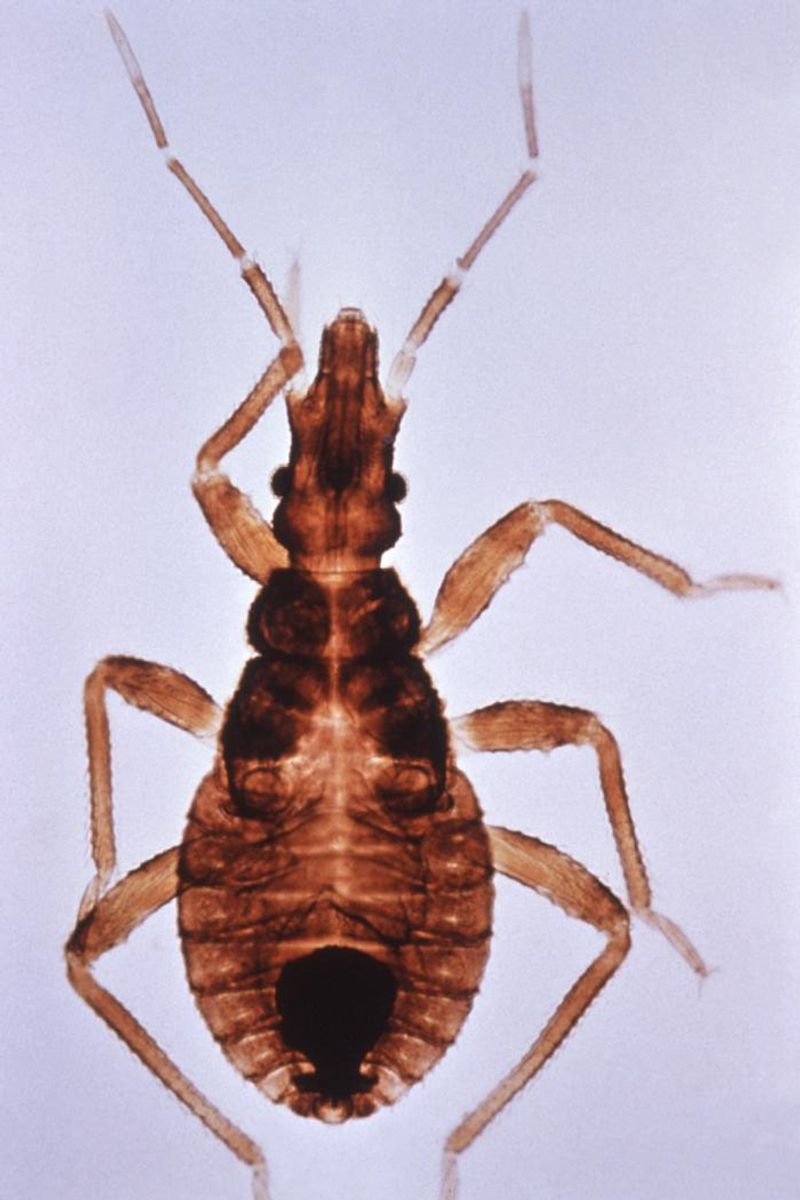
Your dog may love sleeping at the foot of your bed, and kissing bugs might love that arrangement even more. Pets give off plenty of body heat and carbon dioxide, which makes them a magnet for these blood-feeding insects.
Your Arizona Garden Changes Every Week. Your Plan Should Too.
Gardening in Arizona changes quickly throughout the season. Every Friday you’ll receive a simple weekly plan showing exactly what to plant, prune, fertilize, harvest, and protect so you never miss the right timing.
Dogs in Arizona can also catch Chagas, so a pet’s sleeping spot deserves just as much attention as your own. Flip the pet bed over and check the underside, the seams, and any zippers.
Look closely at the floor beneath it, where shadows stay deep all day.
Fabric beds with thick bolsters are especially worth inspecting. Bugs can wedge themselves into the rolled edges and stay hidden.
Washing covers in hot water every week or two during autumn is a simple way to stay ahead of any visitors.
If your pets sleep outside, now is a good season to bring them in at night when possible. Outdoor doghouses sit closer to the wild hosts kissing bugs normally feed on, like pack rats.
A pet sleeping indoors on a clean, elevated bed is often easier to protect. Keep the bed away from walls and closets, and your furry friend gets a safer night too.
4. Bedroom Closets
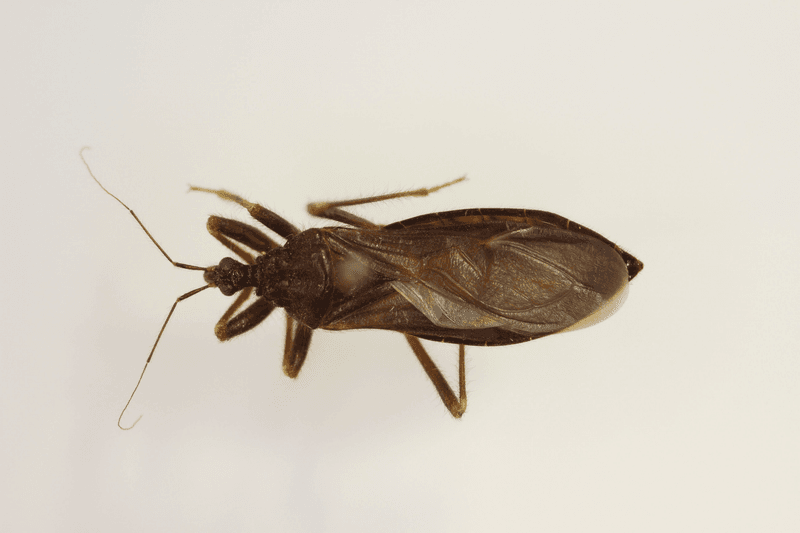
Few spots in a house stay as dark and undisturbed as a closet. Shoes pile up, boxes stack in the corners, and the door stays shut for days.
For a light-shy insect that rests by day, that is basically a five-star hotel.
Closets become even more tempting when pets nap nearby or when the closet shares a wall with the bed. A kissing bug can hide there until evening, then wander toward the warmth of a sleeping person.
Clear the floor first. Lift shoes, shake out bags, and slide storage bins away from the walls so you can see the baseboards.
Pay close attention to the back corners and any gaps where carpet meets trim. Clothes hanging all the way to the floor deserve a quick look as well.
Keeping closet floors tidy is probably the most helpful habit here. Plastic bins with snug lids are less inviting than open cardboard boxes, which offer layered hiding places.
A small battery-powered motion light inside the closet can make the space feel less like a cave. The fewer dark piles you have, the fewer places a bug can settle in unnoticed.
5. Cracks, Baseboards, and Electronics
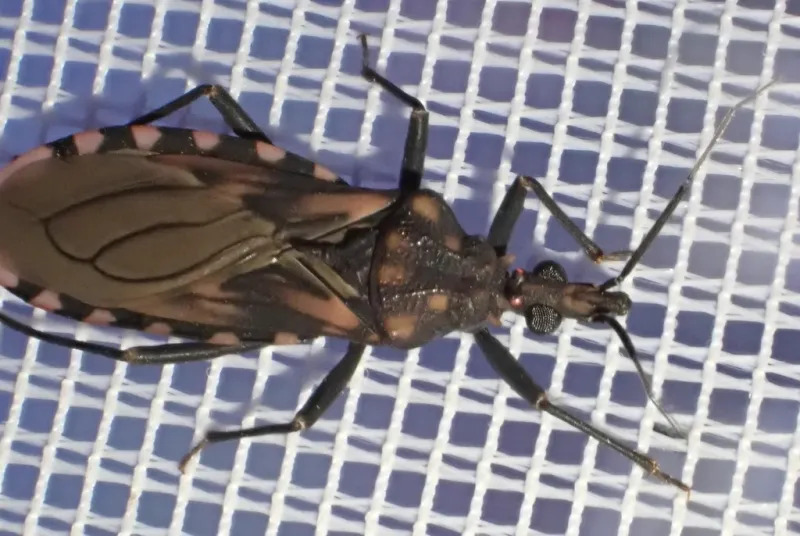
Here is a fun fact: a kissing bug’s flat body lets it slip into gaps you might barely notice. A crack along the baseboard or a loose piece of trim can work like a secret hallway inside your bedroom walls.
Get down low with a flashlight and trace the edge where the floor meets the wall. Gaps behind baseboards, holes around outlets, and spaces under loose flooring all deserve a glance.
Look behind nightstands and dressers, too, where cords and dust gather in the shadows.
Electronics can be sneaky hiding places. Bugs sometimes crawl under or inside TV stands, game consoles, and speakers, especially pieces that stay warm and rarely move.
Check beneath these items and along any cable bundles running across the floor.
Once you find gaps, seal them. A tube of paintable caulk costs only a few dollars and can close many small openings in an afternoon.
Foam outlet gaskets help behind switch plates. Filling these cracks may also make your room less inviting to scorpions, which Arizona homeowners know love the same tight spaces.
One weekend project can cut down on more than one unwelcome guest.
6. Windows, Screens, and Door Gaps
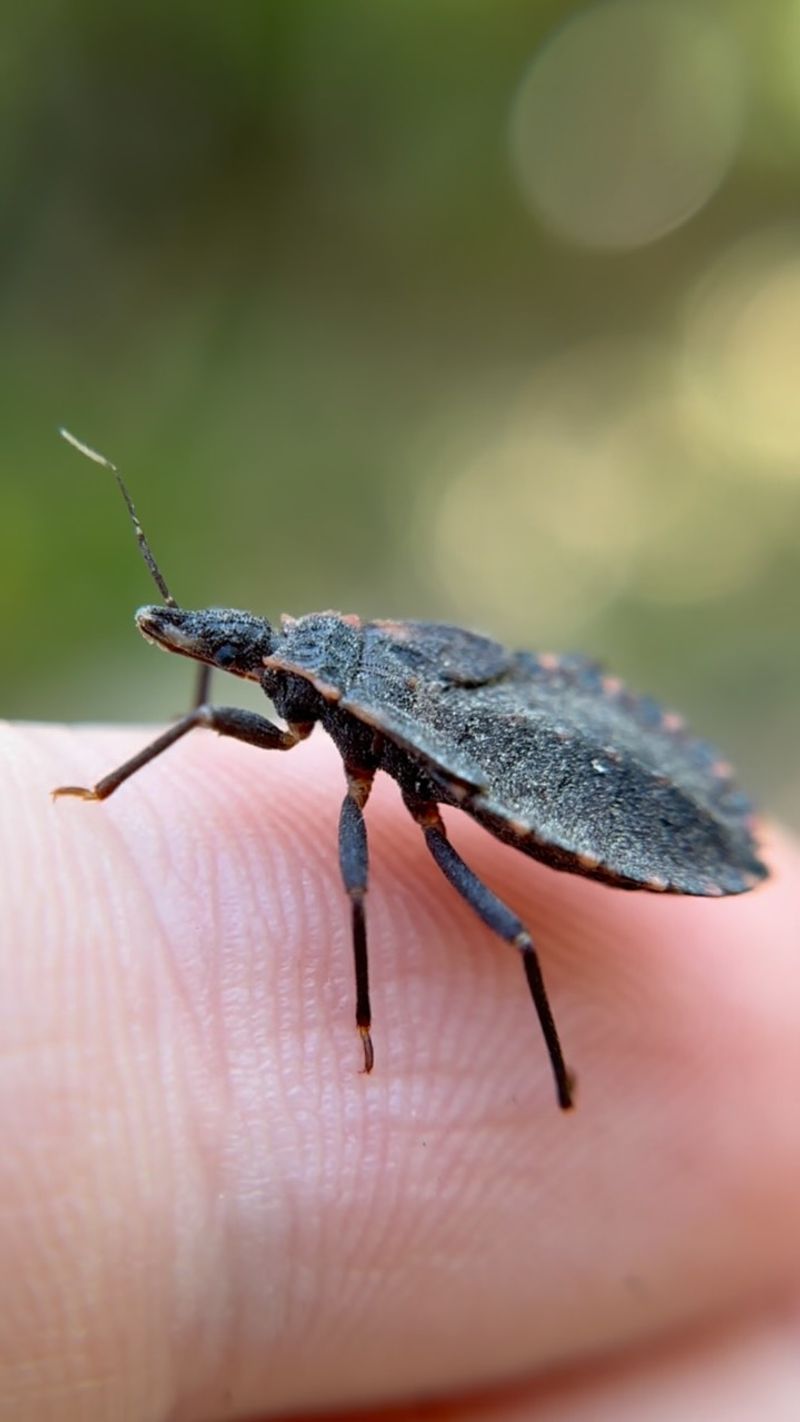
Kissing bugs do not need an open door. An opening around a quarter inch wide can be enough to let one wander inside, and many Arizona homes have more of those than owners realize.
Take a slow walk around your bedroom windows this evening. Run your fingers along screen frames and look for tears, bent corners, or spots where the mesh pulls away.
Even a tiny rip near the bottom can become a doorway for a bug drawn to your indoor lights.
Next, check exterior doors, especially sliding patio doors that lead toward bedrooms. Shine a flashlight from inside while someone stands outside at night.
If they can see light leaking under or around the door, a bug can find that gap too.
Weather stripping and door sweeps are easy fixes from any hardware store. Replacing a torn screen panel is often a simple afternoon job.
Keep doors firmly closed after sunset, since that is when these insects tend to travel. Bonus: tighter seals can also help hold cool air in during summer, which matters when the thermometer climbs past 110 degrees.
Better seals mean fewer bugs and possibly lower power bills.
7. Outdoor Lights by Bedroom Windows
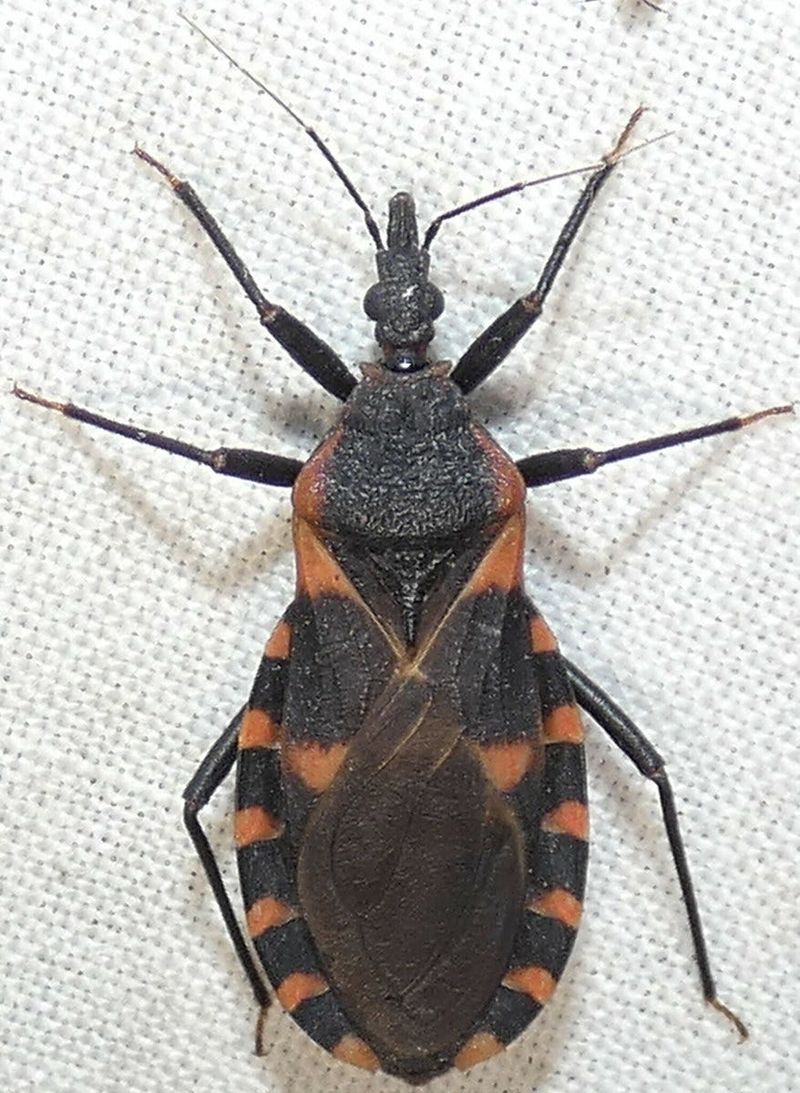
Ever notice how a porch light becomes a bug party by nine o’clock? Kissing bugs are part of that crowd.
They fly toward light at night, and a bright fixture near a bedroom window can steer them right up to your walls.
Step outside after dark and look at which lights are on near sleeping areas. Bright white or bluish bulbs tend to draw more flying insects.
Swapping them for warm yellow bug-style bulbs may make those fixtures less attractive to night travelers.
Motion-sensor lights are another smart move. They stay off most of the night but still switch on when you need them.
Timers work too, especially for decorative landscape lighting that does not need to glow until dawn.
Indoors, think about lamps near windows. Closing blinds after sunset or moving reading lights away from glass can reduce the glow that leaks outside.
Less light also helps local wildlife. Bats that feed on mosquitoes and moths navigate darker yards more comfortably, so a dimmer property can welcome helpful hunters while discouraging unwanted visitors.
Fewer bright spots near windows simply gives kissing bugs one less reason to come calling.
8. Pack Rat Nests Near the House
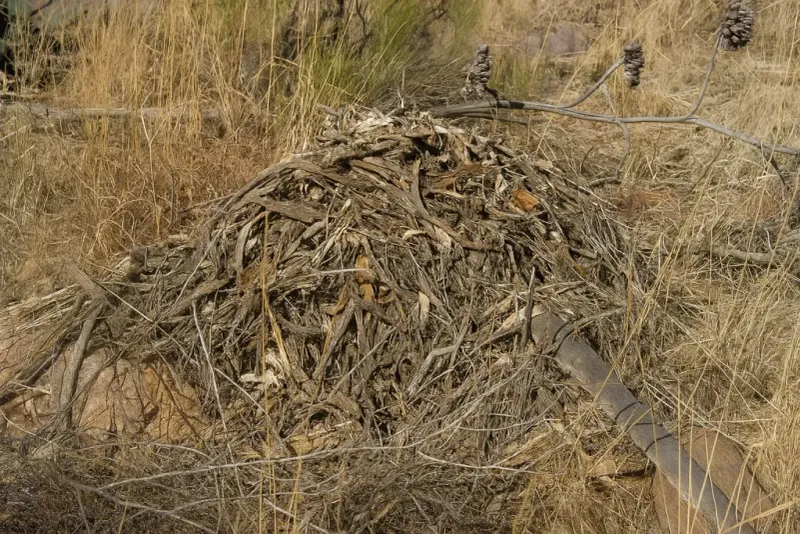
Behind most kissing bug problems sits a messy little architect: the pack rat. These woodrats build bulky nests from sticks, cactus pads, and desert debris, and kissing bugs happily live inside them, feeding on the rodents.
Homes in the foothills around Phoenix and Tucson often have pack rats close by. When a nest sits right against a foundation or under a deck, the bugs living in it are only a short walk from your bedroom.
Walk the edges of your property during daylight. Look under prickly pear and cholla, beneath sheds, along block walls, and inside engine compartments of rarely used vehicles.
A nest usually looks like a dome-shaped pile of twigs and junk, sometimes three feet wide.
Nests closest to the house deserve the most attention. Clearing nests near your home while leaving distant ones out in the open desert may encourage bugs to stay farther away instead of scattering toward you.
Wear thick gloves, long sleeves, and a mask when disturbing nests, or call a wildlife pro. Encouraging natural predators like owls and gopher snakes can also help keep rodent numbers in check over time.
9. Woodpiles, Rocks, and Yard Debris
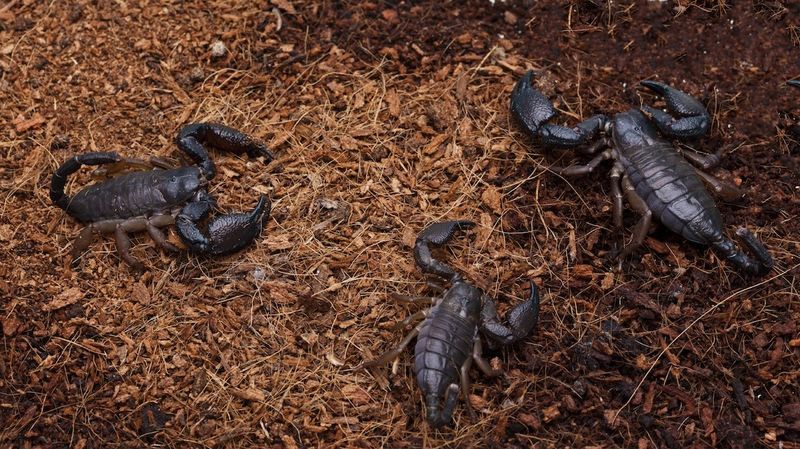
A tidy yard is not just about looks in Arizona. Piles of firewood, spare lumber, loose rock, and dry leaf litter offer shady cover for kissing bugs, scorpions, and the rodents both rely on.
Try the twenty-foot rule. Anything stacked within roughly twenty feet of your house is worth moving, trimming, or clearing out.
Firewood can be stored on a raised rack farther from the walls, ideally off the ground and away from bedroom windows.
Do not forget smaller hideouts. Flip over flowerpots and check beneath patio furniture cushions.
Pop open irrigation boxes, where cool moisture collects, and inspect the gaps in old rock walls.
Keeping your landscape low-fuss can help here. Native plants like desert spoon, brittlebush, and globe mallow need little cleanup compared to thirsty lawns, and they do not drop heavy mats of leaves.
Raking gravel areas now and then keeps debris from building up. Leave natural habitat for lizards and birds at the outer edges of your yard instead of against the house.
That way, helpful wildlife still has a home, while hiding spots near sleeping areas stay scarce.
10. Your Own Bedding at Lights-Out
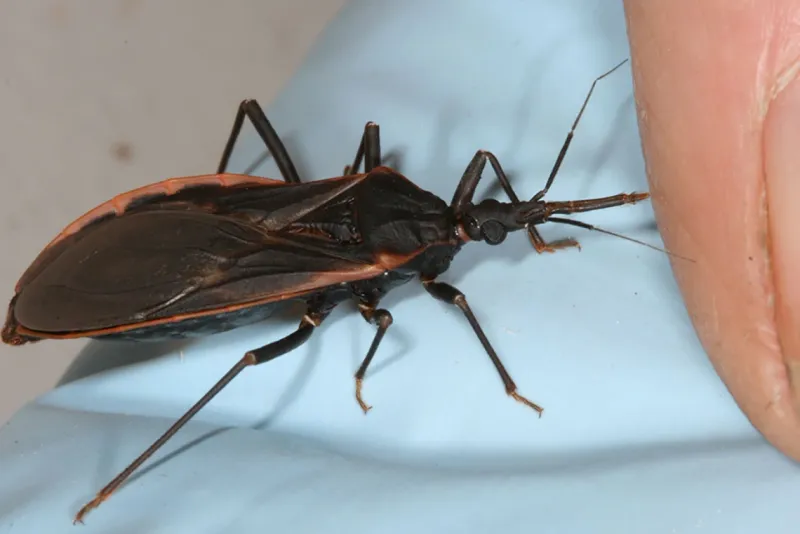
Think of it as a nightly ten-second ritual. Before you climb into bed, pull back the covers and give everything a quick shake.
It sounds simple, yet it is one of the easiest ways to catch a kissing bug before it catches you.
Light-colored sheets make the job easier, since a dark insect stands out against pale fabric. Check under pillows and along the edge of the fitted sheet too.
Bites usually happen while people sleep, often near the face, so a fast scan now can save you trouble later.
If you do spot one, avoid squishing it with bare hands. Use a glass jar or a sealable bag to scoop it up.
Some local health offices accept bugs for identification, which can help you learn whether the species near you carries parasites.
Keep a small flashlight on your nightstand through fall. Bugs may stay active until mid to late autumn, even as temperatures drop.
Pair this habit with sealed cracks, smart lighting, and a cleaner yard, and you stack the odds in your favor. No single step is perfect, but together they make your bedroom a much tougher target.