What It Really Means When Texas Peppers Stop Producing In Ninety-Five Degree Heat
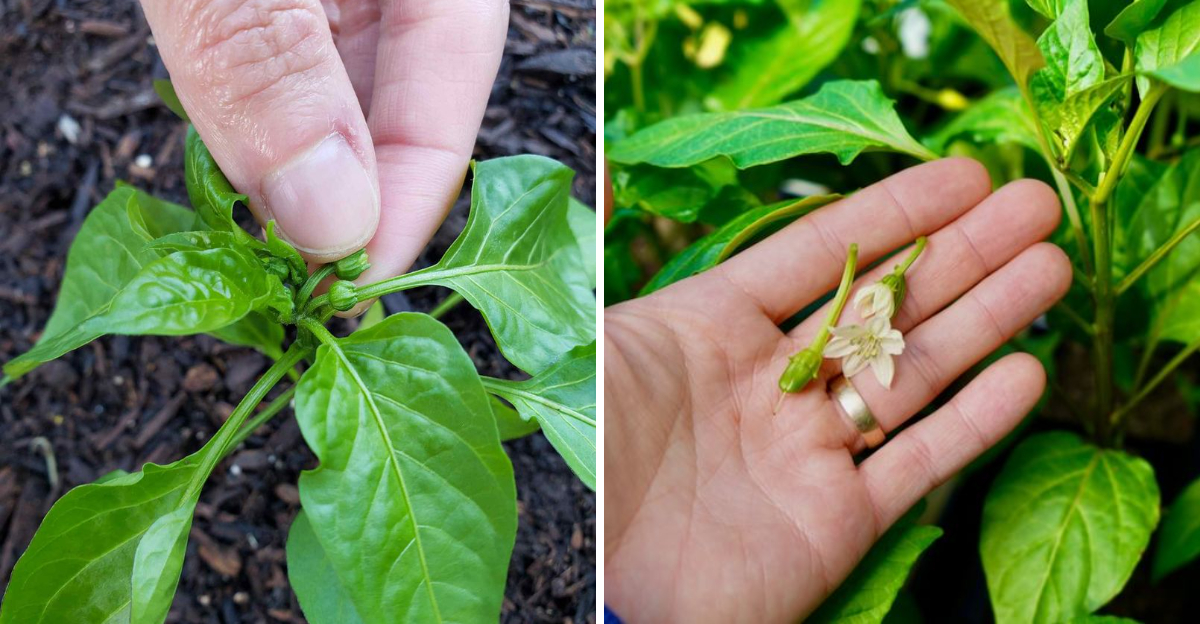
Your pepper plants look healthy. The foliage is green, the plants are standing strong, and there’s no obvious sign of disease or pest damage.
But the fruit has stopped coming, and no matter what you do, the plants just sit there looking perfectly fine and producing absolutely nothing.
If this is happening to your Texas pepper plants right now, the heat is almost certainly involved. But not in the way most people think.
A pepper plant stopping production in extreme heat is not a sign that something is wrong with the plant. It’s a sign that the plant is doing exactly what it was designed to do under difficult conditions.
Understanding the biology behind what happens to peppers when temperatures push past ninety five degrees changes how you respond to the situation, and responding correctly makes all the difference in whether you get a productive second flush once conditions ease.
Most Texas gardeners either give up on their peppers too early or intervene in ways that make recovery harder.
1. The Heat Has Temporarily Disrupted Fruit Set
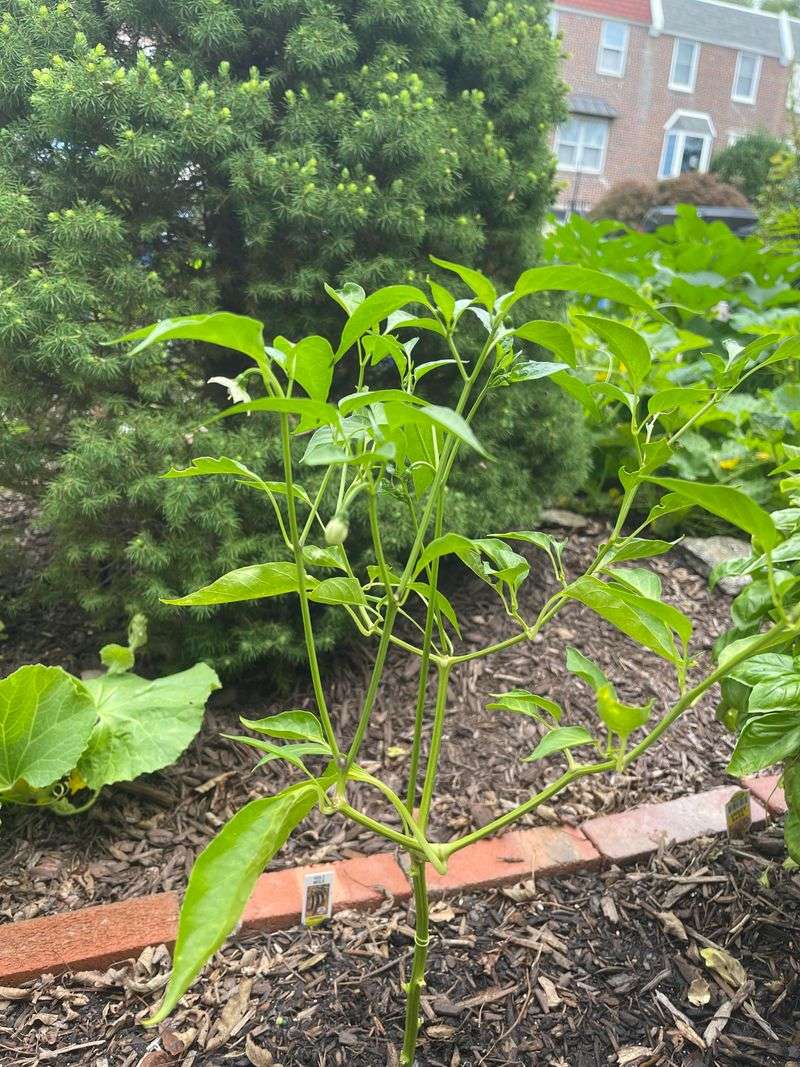
Picture this: your pepper plant looks perfectly healthy, it is covered in flowers, and yet your basket stays empty week after week. That frustrating situation is almost always caused by heat disrupting what gardeners call fruit set.
Fruit set is the moment when a flower gets pollinated and starts turning into an actual pepper. When temperatures climb above 95 degrees Fahrenheit during the day, that process breaks down.
The Daytime temperatures above 95 degrees can seriously reduce fruit set and overall yield in pepper plants. The heat damages pollen, making it less viable.
Even when bees visit the flowers, pollination may fail because the pollen itself cannot do its job properly in such extreme conditions.
Here is the part that surprises a lot of gardeners: your plant is not necessarily in serious trouble. It may look lush and green.
It may keep pushing out new flowers. But underneath all that activity, the plant has essentially hit a pause button on reproduction.
It is conserving energy and waiting for conditions to improve before committing resources to growing new fruit.
Knowing this should actually bring some relief. You do not need to pull up your plants or assume something went terribly wrong with your soil or your watering routine.
The plant is responding exactly the way nature designed it to respond when the environment becomes too harsh for successful reproduction. Your job right now is simply to keep the plant alive, healthy, and ready to produce again once temperatures moderate.
Stay patient and trust the process.
2. Hot Nights Are Preventing Flowers From Developing Normally
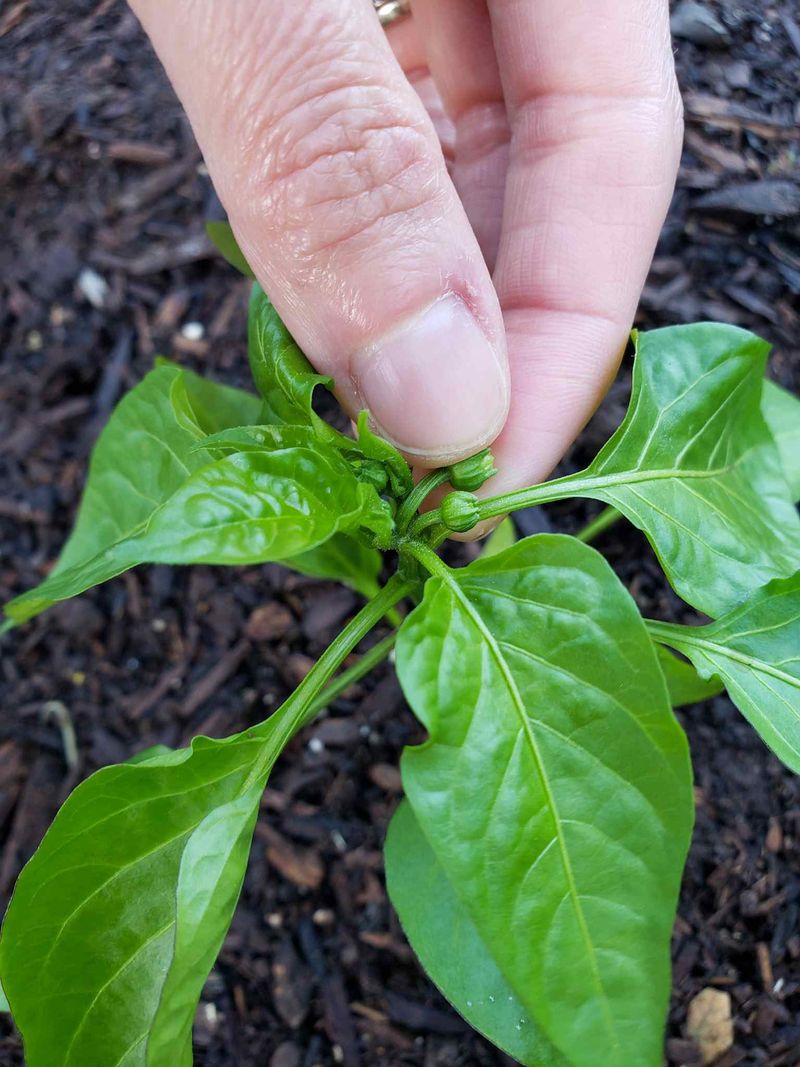
Most gardeners focus all their attention on the blazing afternoon sun, but nighttime temperatures might actually be doing even more damage to your pepper crop.
When nights stay above roughly 70 to 75 degrees Fahrenheit, pepper flowers and their pollen cannot recover from the stress they experienced during the day. That recovery window is critical, and without it, flower development goes sideways.
Your Texas Garden Changes Every Week. Your Plan Should Too.
Gardening in Texas changes quickly throughout the season. Every Friday you’ll receive a simple weekly plan showing exactly what to plant, prune, fertilize, harvest, and protect so you never miss the right timing.
Think of your pepper plant like an athlete who ran a brutal race in the heat. If that athlete never gets a cool, restful night to recover, they cannot perform well the next day either.
Pepper plants work the same way. Warm nights keep the plant stressed around the clock, and that constant stress makes it nearly impossible for flowers to develop into healthy, fruit-producing blossoms.
The combination of scorching days and warm nights creates what scientists call a double stress effect.
Daytime heat damages pollen viability, and nighttime warmth prevents the plant from resetting and preparing for the next round of flowering. Together, these two factors hit pepper production harder than either one would alone.
In Texas, this double stress is extremely common from late June through August. Nights routinely stay in the mid to upper 70s, and sometimes even warmer in cities where heat gets trapped by pavement and buildings.
There is not much a gardener can do to cool down the air, but you can provide shade cloth during the hottest part of the day and make sure your plants have consistent moisture.
Reducing any additional sources of stress gives your plants the best shot at surviving until cooler nights return.
3. The Flowers May Be Dropping Before Tiny Peppers Form
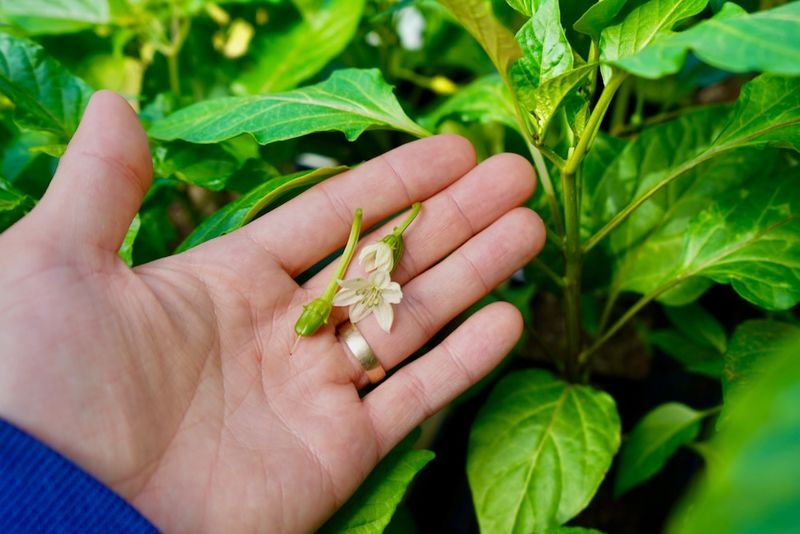
Ever walk out to your garden and notice little flowers scattered on the ground under your pepper plants? That is called blossom drop, and it is one of the most visible signs that heat stress is interfering with your pepper production.
When temperatures climb too high, flower buds and open blossoms can dry up and fall off the plant before they ever get a chance to develop into fruit.
Texas A&M AgriLife Extension specifically lists blossom drop as a direct result of excessively high temperatures in pepper plants.
The flowers form, they open, bees may even visit them, but the heat-damaged pollen and stressed plant tissue mean the flower simply cannot make the transition into a developing pepper. So it falls off instead.
What makes this especially confusing for gardeners is that the plant can look incredibly productive. New buds keep forming and opening.
From a distance, the plant appears to be doing everything right. But up close, you will notice that none of those flowers are sticking around long enough to turn into tiny green peppers.
The plant is cycling through blooms without completing the process. Blossom drop can also be triggered or made worse by sudden changes in watering, strong winds, or pest pressure, so it is worth ruling out those factors too. Check your soil moisture regularly.
Look for signs of aphids or spider mites, which tend to flare up during hot, dry weather. If watering is consistent and pests are not a problem, then heat is almost certainly the main reason your flowers are falling before fruit can form. Hang tight and keep caring for the plant.
4. Bell Peppers Are Likely Struggling More Than Hot Peppers
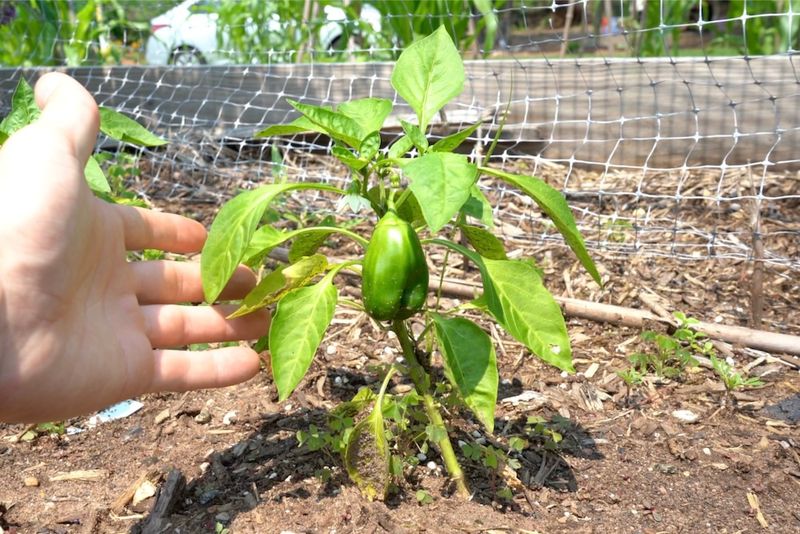
Not all peppers handle Texas summer heat the same way. If you are growing big, beautiful bell peppers alongside jalapeños or serranos, you may have already noticed something interesting: the hot peppers seem to be hanging in there while the bell peppers look like they have completely given up on making fruit.
That is not a coincidence. Large-fruited peppers like bells generally have a harder time setting fruit during extreme heat. They require more energy and resources to develop each individual fruit, and that makes them more sensitive to environmental stress.
When the plant is already struggling just to stay cool and hydrated, it has very little left over to invest in growing something as big and demanding as a bell pepper.
Jalapeños, serranos, cayennes, and other small-fruited hot pepper varieties are somewhat more heat-tolerant by nature.
Their smaller fruit size means they require less energy per pepper, and many of them have genetic backgrounds that include growing in very warm climates.
That said, even tough little jalapeños will slow down or stop producing when temperatures stay extreme for too long.
Did you know that some pepper breeders in the Southwest have been working on developing heat-tolerant bell pepper varieties specifically designed to set fruit at higher temperatures?
If you plan to grow bell peppers in Texas next season, it is worth looking into those newer varieties.
Planting at the right time also helps a lot. Getting your bell peppers in the ground early enough that they can produce before the worst heat arrives gives them a real fighting chance before summer shuts things down.
5. Water Stress May Be Making The Heat Damage Worse
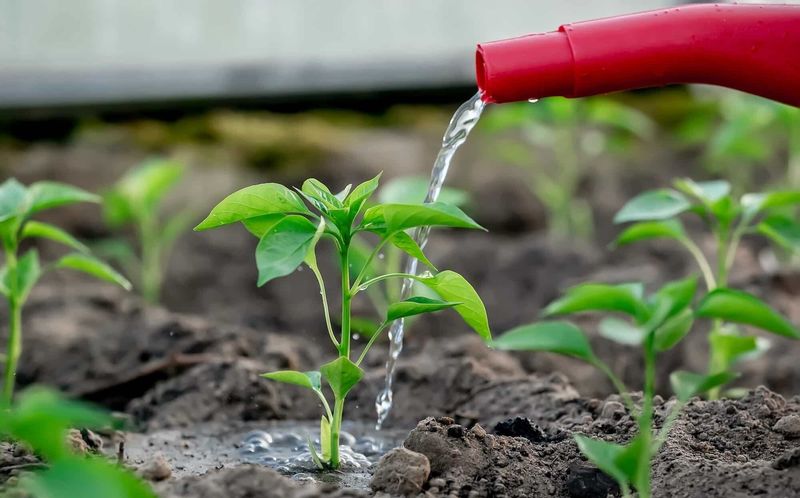
Heat alone is tough enough on pepper plants, but add inconsistent watering into the mix and things get significantly harder for your crop. Water stress is one of the sneaky factors that can turn a manageable heat situation into a full-blown production shutdown.
When pepper plants do not have steady access to moisture, they experience a compounding kind of stress that makes blossom drop worse and can even cause blossom-end rot in the fruit that does manage to develop.
Blossom-end rot shows up as a dark, sunken spot on the bottom of the pepper. It looks like a disease, but it is actually caused by calcium deficiency inside the fruit, and that deficiency happens when uneven watering disrupts how the plant absorbs nutrients.
Keeping the soil consistently moist, not waterlogged, is one of the most effective things you can do to prevent this problem during hot weather.
Mulch is your best friend here. A thick layer of straw, wood chips, or shredded leaves around the base of your pepper plants can dramatically reduce soil temperature and slow down moisture evaporation.
In Texas summer heat, unprotected soil can get hot enough to damage roots and dry out quickly between waterings. Mulch keeps things cooler and more stable underground where it really counts.
One important thing to keep in mind: extra watering cannot force your peppers to set fruit when temperatures are too high. Moisture management reduces stress and keeps the plant healthy, but it does not override the heat problem.
Think of good watering as keeping your plant strong and ready, not as a solution to the heat itself. Healthy roots mean a faster recovery when cooler weather arrives.
6. Production May Resume When Temperatures Moderate
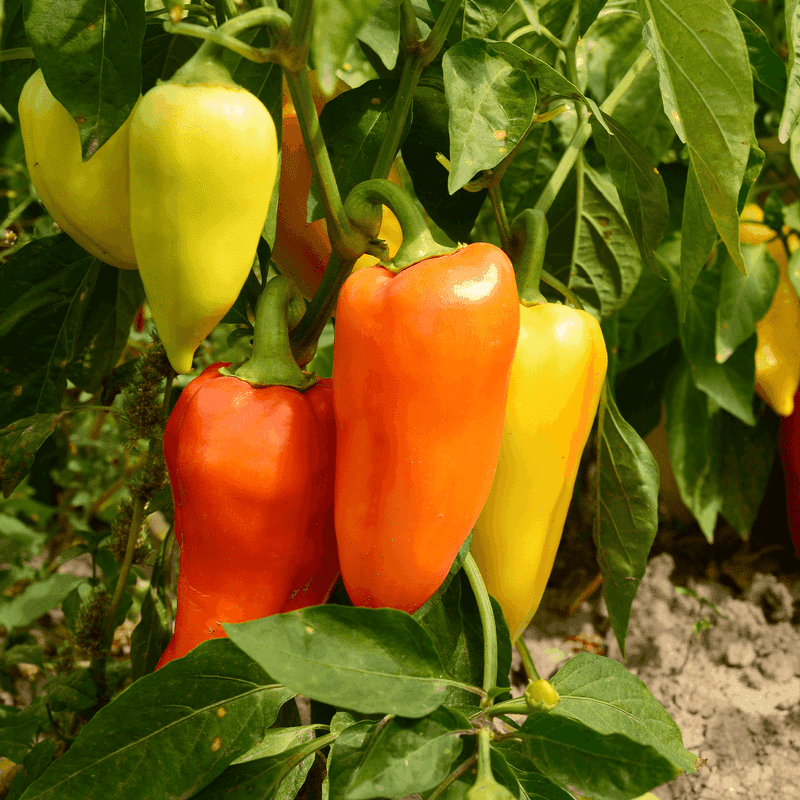
Here is the hopeful part of the story. Pepper plants are remarkably resilient, and most healthy ones that make it through a brutal Texas summer will come roaring back to life once daytime temperatures drop back into the upper 70s and low 80s.
That fall flush of peppers is something experienced Texas gardeners look forward to every year, and it can be genuinely impressive after a long, quiet summer.
When cooler temperatures return, usually sometime in September or October depending on where in Texas you live, the plant begins setting flowers and fruit again with renewed energy.
The stress response that was suppressing fruit set switches off, pollen becomes viable again, and the plant can finally follow through on all those blooms it was producing during the hottest months.
To help your plants prepare for that fall rebound, there are a few things worth doing right now. Keep watering consistently and maintain your mulch layer throughout the summer.
Harvest any peppers that are already on the plant, because leaving mature fruit on the plant can actually signal it to slow down flower production.
Avoid heavy applications of nitrogen fertilizer during extreme heat, since nitrogen pushes leafy growth rather than encouraging fruit set.
Pruning back some of the older, woodier stems in late summer can also encourage a fresh burst of new growth and flowering as temperatures moderate. Some Texas gardeners do a light trim in August to get their plants ready for fall.
With a little patience and consistent care throughout the summer, your pepper plants have an excellent chance of rewarding you with a generous late-season harvest that makes all the waiting feel completely worth it.