Neat Rows Of Tiny Holes Are Showing Up On Missouri Tree Trunks And Insects Are Rarely To Blame
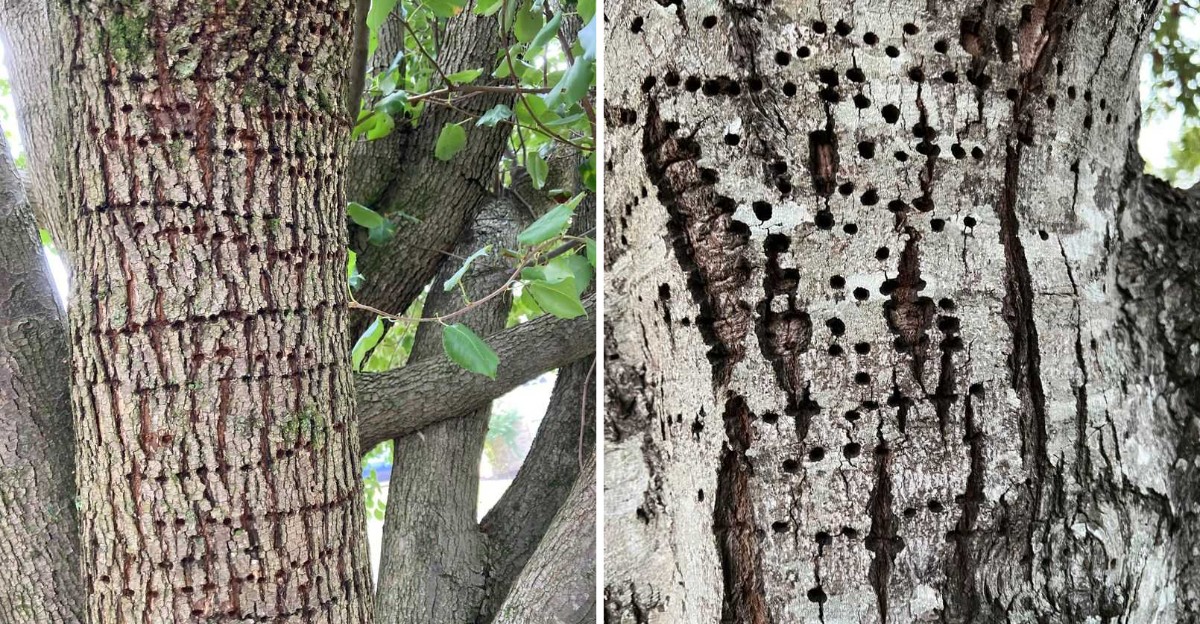
Rows of tiny holes are popping up on Missouri tree trunks, lined up as neat as stitches on a quilt. Beetles and borers are rarely behind them, and the real driller has feathers, a red cap, and a sweet tooth.
The bird carves these little wells to make the tree leak sugary sap for an easy meal. It visits the same holes again and again, sipping from them like a kid at a juice box.
Personally, I love that a backyard maple can turn into a busy little restaurant in October. You need to check your own trees closely this month for fresh rows with shiny wet edges.
Hummingbirds, chipmunks, and even butterflies sometimes show up to share the sweet leftovers in Missouri woods. So should you worry about those holes, or simply enjoy the strange little show outside your window?
A Woodpecker Is Drilling Your Tree For Sap Instead Of Bugs
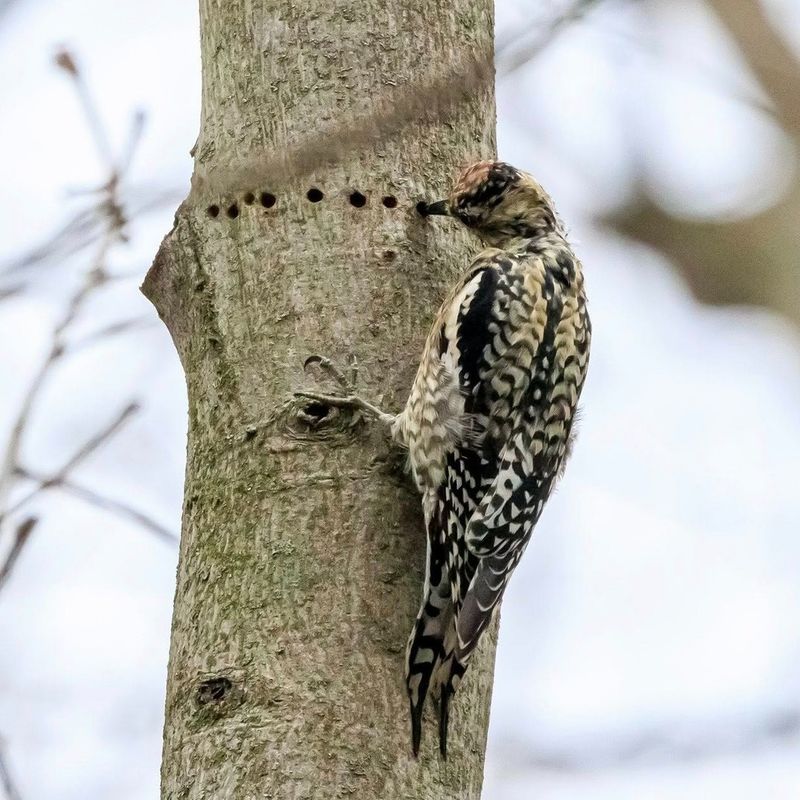
Woodpeckers usually hammer into bark to hunt grubs, but one Missouri visitor has a much sweeter plan in mind. The yellow-bellied sapsucker drills shallow holes to tap flowing sap, much like people tap maples for syrup.
Those neat holes are called sap wells, and the bird keeps them open by pecking at them often. Fresh sap oozes out, and the sapsucker returns later to lap it up with its brushy tongue.
Unlike many woodpeckers, its tongue is not long and barbed for spearing insects deep inside the wood. Instead, tiny hairlike tips on the tongue soak up sap the way a paintbrush holds wet paint.
Bugs still matter to this bird, though, because small insects get stuck in the sticky sap. The sapsucker gobbles those trapped insects too, so each well works like a snack bar and a trap.
Missouri Department of Conservation experts point out that sapsuckers also eat fruit, berries, and tree buds sometimes. Sap remains their signature food, though, and they fiercely guard their favorite wells from other hungry birds.
So when you find a fresh row of holes, an insect outbreak is probably not the real cause. Borer holes tend to be scattered and random, while sapsucker wells look planned, tidy, and almost decorative.
Keep an eye out for a medium-sized bird clinging quietly to the trunk with its stiff tail. Spotting the driller in action feels like catching a sneaky neighbor raiding your snack drawer late at night.
Yellow-Bellied Sapsuckers Pass Through Missouri Every Fall
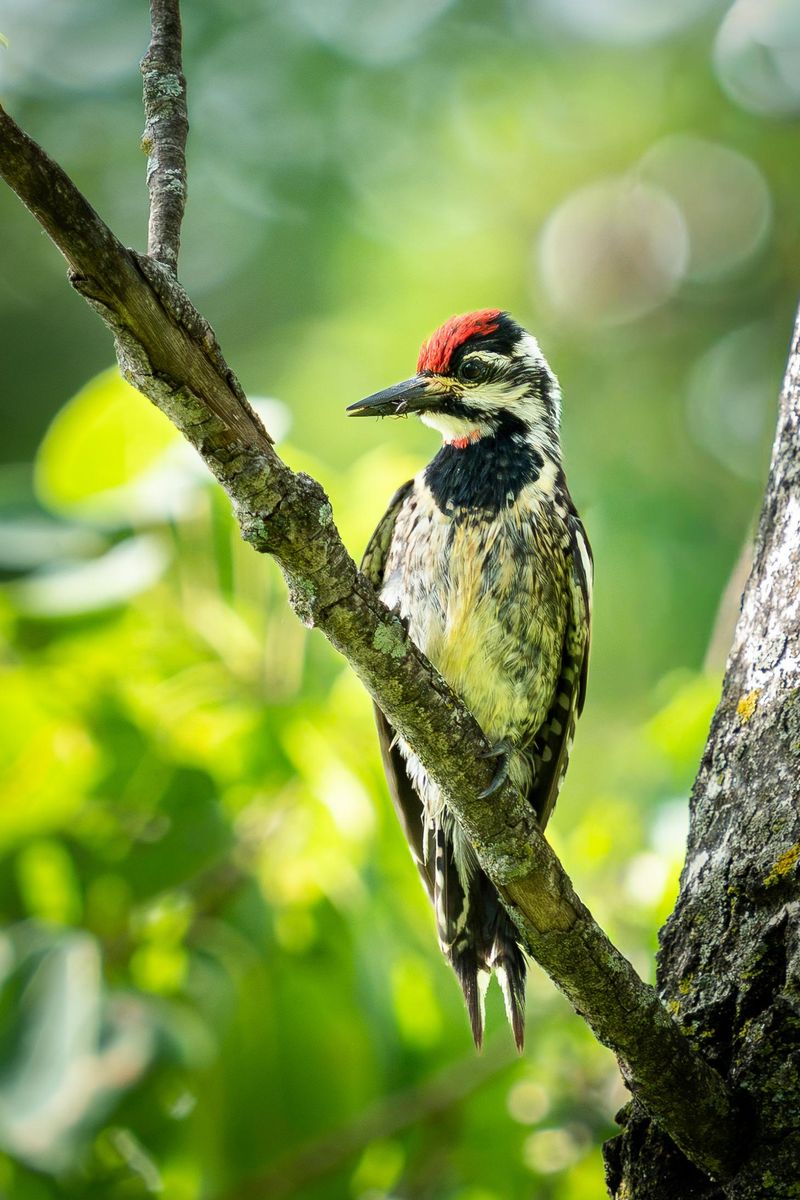
Every fall, a wave of small travelers slips through Missouri on their way to warmer southern winter homes. Yellow-bellied sapsuckers breed far north in Canada and the northern states, then head south as weather cools.
Missouri sits right along their path, so October is a prime month to spot one on your trees. Some keep moving toward the Gulf states, while others settle in for the whole winter in southern Missouri.
Spring brings them through again on the trip back north, but fall visits often feel more noticeable. Leaves are dropping now, so fresh rows of holes and the birds themselves are easier to see.
Your Missouri Garden Changes Every Week. Your Plan Should Too.
Gardening in Missouri changes quickly throughout the season. Every Friday you’ll receive a simple weekly plan showing exactly what to plant, prune, fertilize, harvest, and protect so you never miss the right timing.
Look for a bird about the size of a robin with bold black and white face stripes. Adults wear a bright red forehead, and males add a red throat patch that seems to glow.
Young birds in their first fall look browner and plainer, which can confuse even careful backyard watchers. A long white stripe on the folded wing is a handy clue for any age bird.
Listen closely too, because sapsuckers make a whiny mewing call that sounds a lot like a cranky cat. They sometimes drum on trees in an uneven rhythm, starting fast and slowing down like a skipping record.
Their visits are seasonal, so a few busy weeks of drilling rarely turn into year-round trouble for most yards. Enjoy the show while it lasts, because these colorful guests move along once their travel itch returns.
You Can Spot Their Wells By The Tidy Horizontal Rows
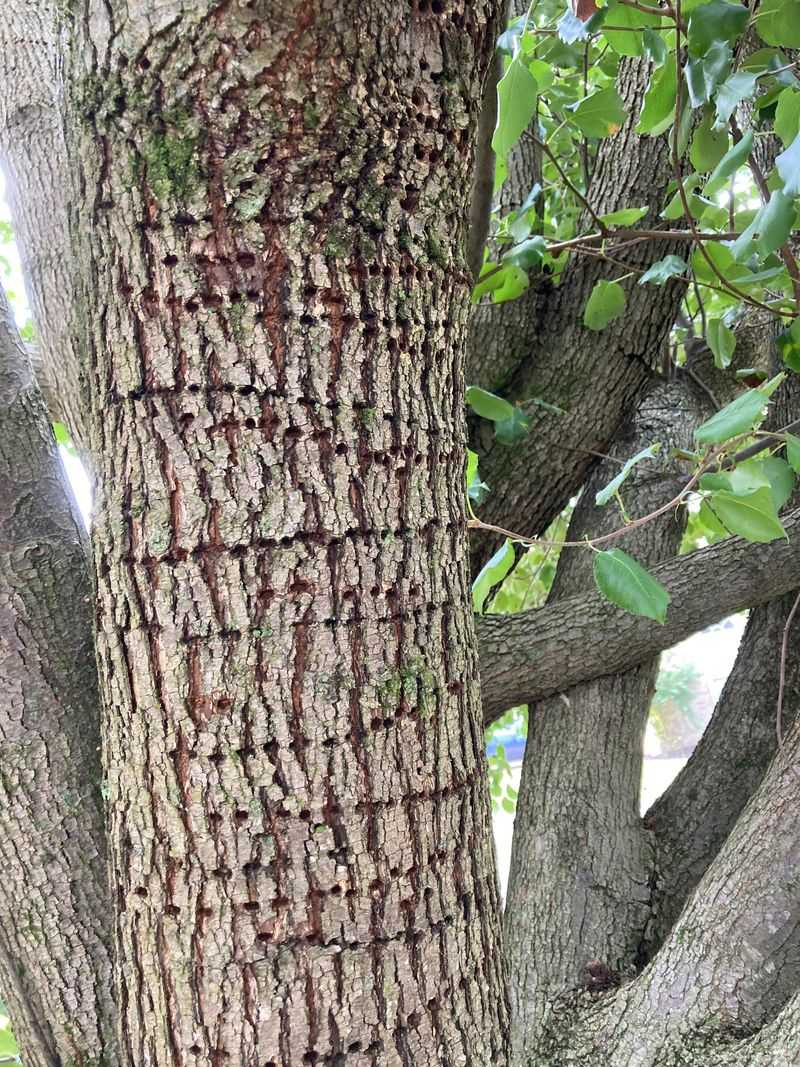
Grab a ruler sometime, and you will find sapsucker wells spaced with surprising precision across the bark. Holes usually run in straight horizontal lines, with new rows stacked neatly above or below the older ones.
Each hole is small, often about a quarter inch wide, roughly the size of a pencil eraser. Over time, the rows can form a grid that looks like someone poked the tree with a fork.
Bird experts at Cornell explain that sapsuckers drill small round holes along with shallow rectangular ones. Round holes reach deeper into the tree, while rectangular ones are kept fresh for a steady sap flow.
The bird returns to the same tree for days or weeks, adding fresh holes as old ones dry. That habit explains the neat stacked look, since each new row lines up close to the last.
Favorite Missouri targets include maples, birches, apple trees, pines, and hickories growing in backyards, parks, or woodlots. Researchers have recorded sapsuckers feeding on more than a thousand different kinds of trees and woody plants.
Fresh wells look moist and bright, sometimes with a dark wet streak running down the bark below. Older wells turn gray and dry, and the bark around them may swell into rough, bumpy ridges.
Run your fingers gently over an old row, and you can feel the healed bumps like braille. Those scars tell a story of past visits, sometimes stretching back many years on a single trunk.
Your Leaking Tree Becomes A Snack Bar For Other Wildlife
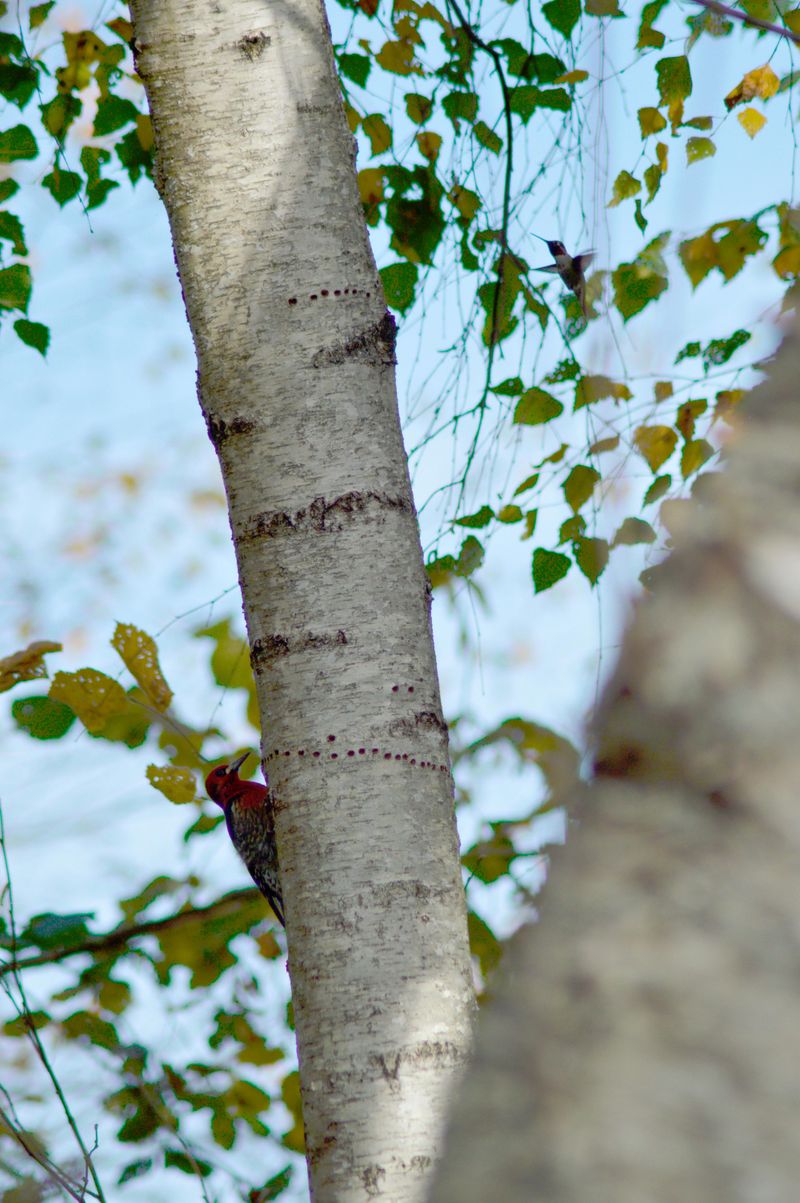
A row of leaking wells works like a free buffet, and word spreads quickly among hungry neighbors. Sapsuckers may do the hard drilling, but plenty of other creatures stop by to sip the sweet sap.
Ruby-throated hummingbirds are known to visit sap wells, especially when blooming flowers are scarce or fading. In early fall, a few late hummingbirds passing through Missouri might grab a sugary sip before heading south.
Squirrels also lick the wells, and chipmunks sometimes join in for a quick, sticky treat before winter. Warblers, nuthatches, and kinglets may visit too, picking at the sweet sap or the tiny insects caught inside.
Butterflies such as red admirals, mourning cloaks, and question marks often enjoy sap as much as nectar. Mourning cloaks even spend winter as adults, so a warm October afternoon may bring one fluttering by.
Wasps, hornets, and ants show up as well, drawn by the sugar like kids to a candy jar. Give these buzzing visitors some space, especially if you plan to inspect the trunk up close.
Small night moths may flutter in after dark to sip the sweet sap, so the tree stays busy well after sunset.
I think a sap-streaked trunk makes one of the best wildlife watching spots in any Missouri backyard. Set a lawn chair nearby on a sunny afternoon, and see who shows up for a sweet taste.
Most Healthy Trees Shrug Off The Damage Just Fine
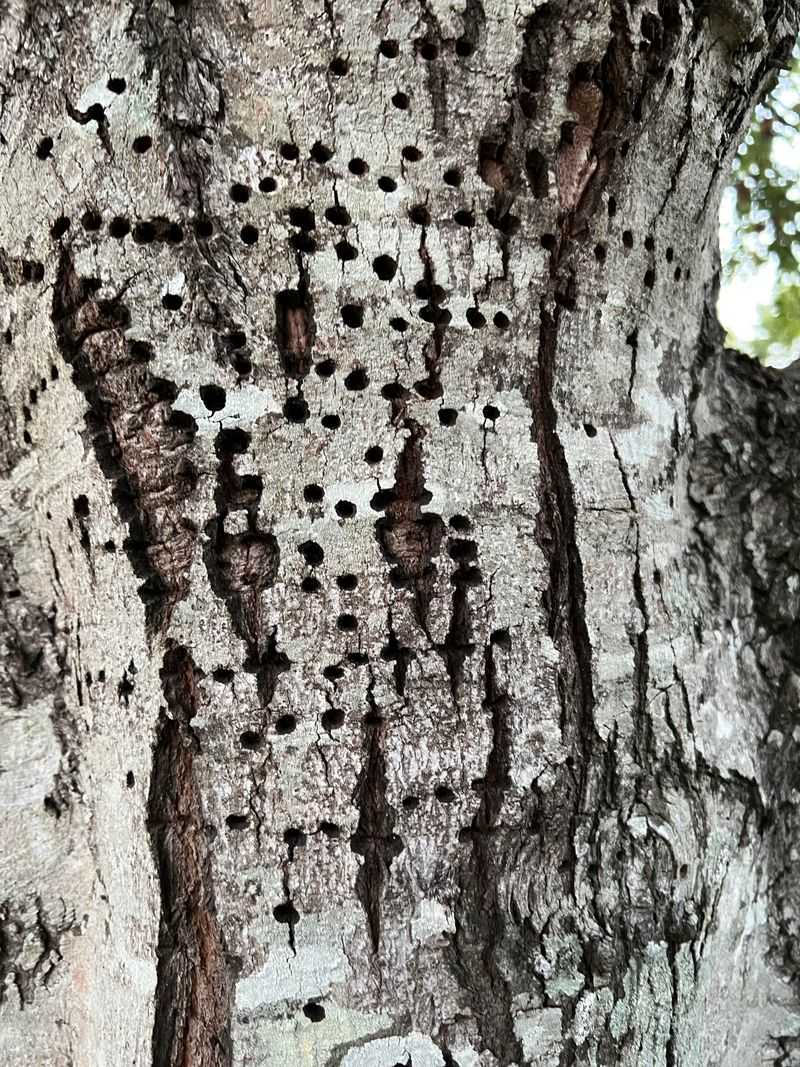
Seeing a favorite tree full of holes can make your stomach drop, but most trees handle it well. University extension specialists in Missouri and nearby states agree that sapsucker damage is usually minor for healthy trees.
The wells are shallow, so they mostly reach the inner bark rather than the deep, solid wood. A strong tree seals over small wounds with new growth, much like your skin heals a scrape.
Trouble can start when birds drill many rows close together, creating a ring of damage around the trunk. Heavy girdling like that is rare, yet it can weaken branches or cause a smaller tree to decline.
Open wounds may also let in fungi, bacteria, or insects, which is worth watching on stressed trees. Woodworkers sometimes notice dark streaks called bird peck in lumber, a lasting mark from old sapsucker visits.
Young trees, thin-barked species, and trees already struggling with drought or disease face the highest risk overall. Big mature oaks or maples usually shrug off a season of drilling without much fuss at all.
Keep your trees in good shape this fall with deep watering during dry spells before the ground freezes. A layer of mulch around the base, kept away from the trunk, helps roots stay cozy through winter.
Avoid painting or sealing the holes, since experts say wound dressings rarely help trees recover any faster. Patience is your best tool here, and a healthy tree will handle most of the healing work itself.
You Can Protect A Favorite Trunk With Simple Burlap Wraps
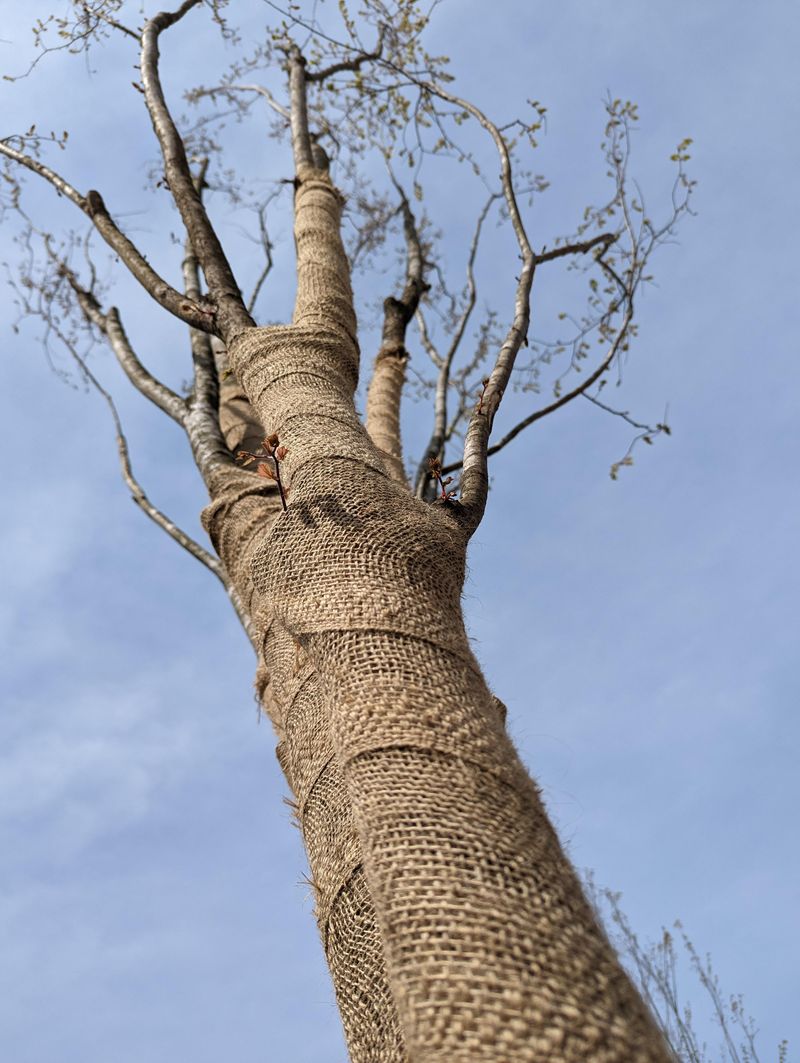
Some trees seem to win the sapsucker lottery, drawing the same birds back year after year. For a trunk getting drilled heavily, a few easy steps can steer the birds toward other feeding spots.
Wrapping the drilled section with burlap or hardware cloth is a common tip from university extension experts. Cover the area loosely, and remove the wrap later so it does not squeeze the growing trunk.
Sapsuckers often choose one or two favorite trees, so protecting those spots usually matters the most. Shiny objects, like strips of reflective tape or old pie tins, may startle the birds for a short while too.
Skip sticky bird repellents on the bark, because the goo can trap birds and coat their feathers. Those messy products often cause more harm to wildlife than the holes ever cause to your tree.
Remember that sapsuckers are protected under the federal Migratory Bird Treaty Act, along with most native birds. Harming or trapping them is against the law, so gentle deterrents are the smart, friendly choice here.
Some gardeners leave one already-drilled tree alone as a decoy, letting the birds focus their attention there. Results vary, but birds that keep using a familiar tree may be less likely to start fresh rows on prized ones.
Check wrapped trees again in late winter, and adjust coverings before the spring migration brings birds back. With a little care, you can protect your favorite trunk and still enjoy these striking fall visitors.