Why Georgia Thanksgiving Cactus Starts Blooming Before The Holiday
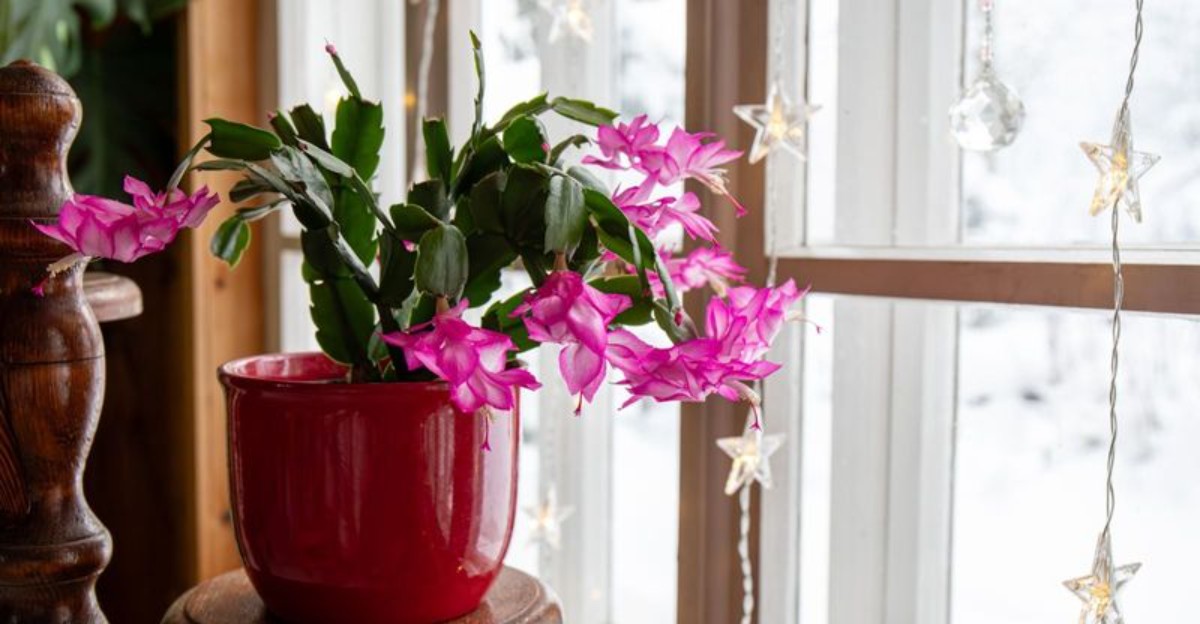
Your Thanksgiving cactus may already be covered in colorful flowers while the holiday is still weeks away, leaving you wondering whether something has changed.
Early blooming does not necessarily mean your plant has a problem. These popular houseplants respond to environmental signals rather than following a holiday calendar.
Shorter daylight hours and cooler nighttime temperatures can encourage flower buds to develop.
For Georgia homeowners, October often brings changing light and temperatures that can influence flowering, especially when plants spend time near windows or outdoors.
Pay attention to where your cactus sits before deciding to change its care routine.
Sudden changes in temperature, lighting, or watering can affect developing buds, so consistency matters once flowering begins. Those early blossoms may simply reflect the conditions your plant experienced during the preceding weeks.
1. Buds Appearing Weeks Before The Turkey Are Nothing Unusual
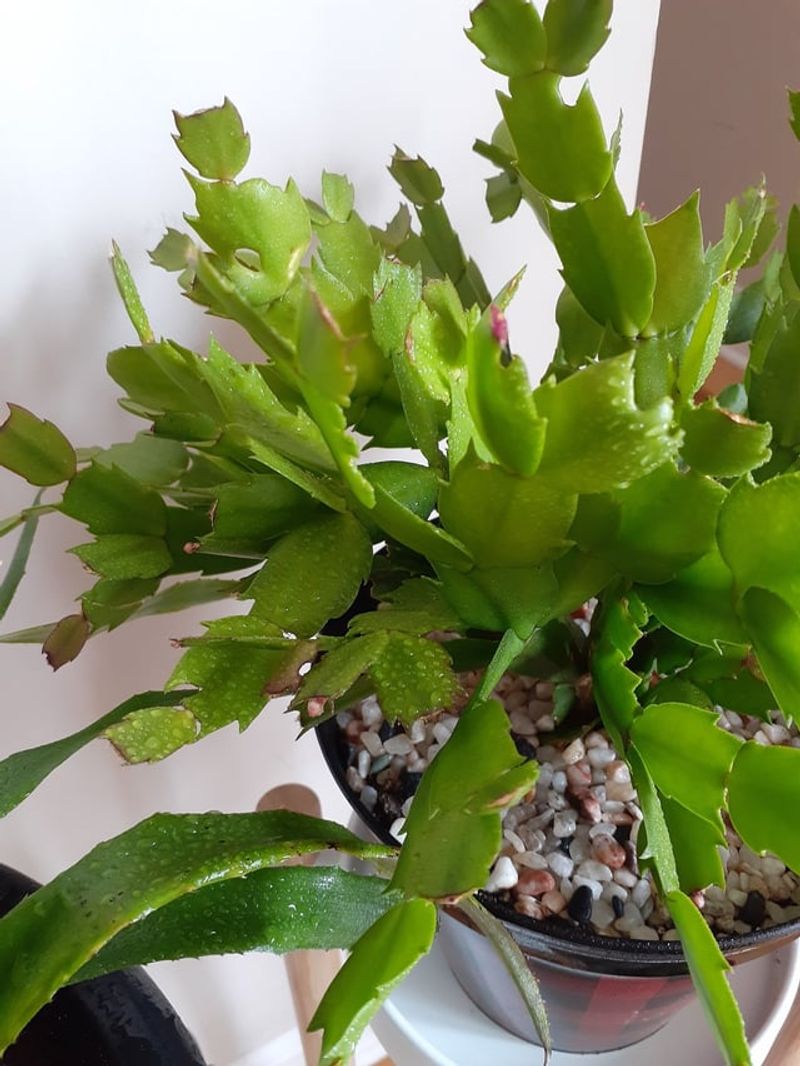
Early buds are not a warning sign. In most homes, Thanksgiving cactus plants start setting buds weeks ahead of the holiday they are named for.
That timing makes sense once you know how these plants work. Schlumbergera truncata forms buds in response to the season, and the flowers often open sometime in November, give or take.
Buds usually show up as tiny bumps at the tips of the flat stem segments.
Over a few weeks, those bumps swell and lengthen, and you start to see a hint of color. From first bump to open flower can take several weeks, though warmth and light can speed or slow things down.
Gardeners in Georgia often spot buds in October, especially on plants that spent the summer on a porch.
So when your plant looks ready a little too soon, try not to change much. Moving it around or repotting it now can stress the plant during a sensitive stage.
Name confusion adds to the surprise, since the Christmas cactus is a close cousin that tends to bloom later.
Look at the stem edges if you are unsure which one you own. Thanksgiving types usually have pointed, claw-like teeth, while Christmas types have smoother, rounder edges.
Enjoy the early start and keep your care steady, because a bud forming early simply means the plant read its seasonal signals right on time.
2. Shortening Days In Early Fall Set The Process Rolling
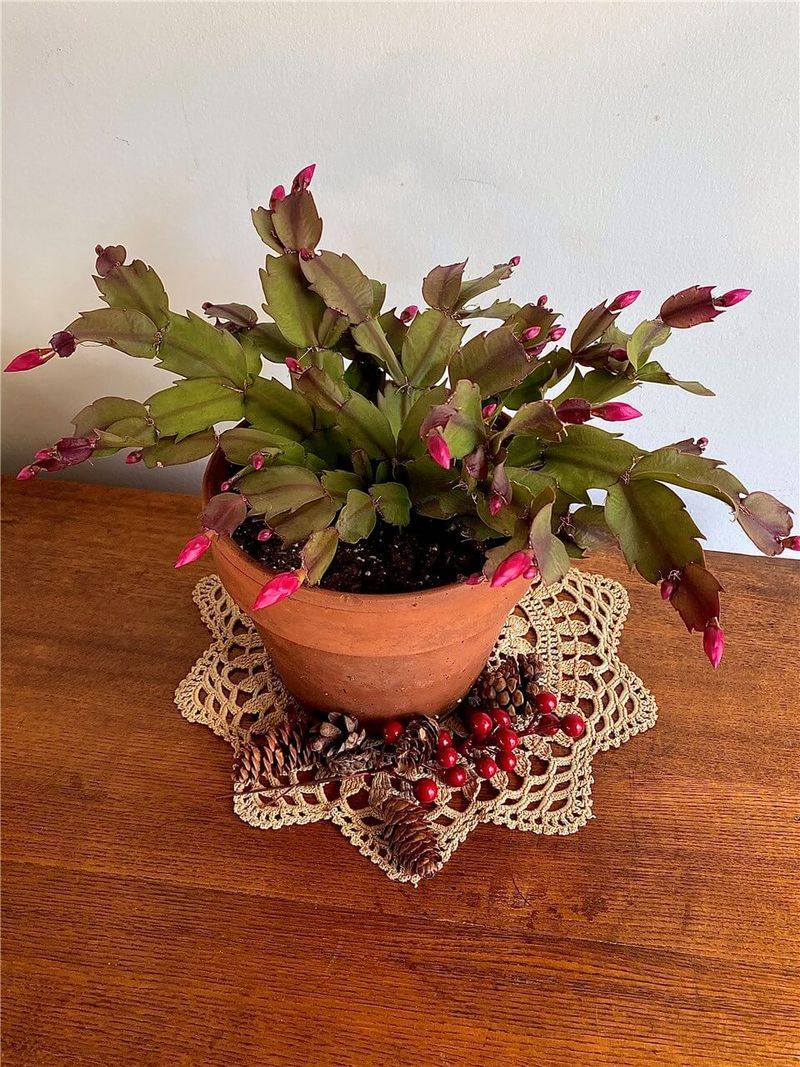
Darkness does the real work here. Thanksgiving cactus is a short-day plant, which means longer nights help trigger flower bud formation.
Once fall arrives, nights stretch out a little more each week. University Extension sources commonly point to long, uninterrupted nights of roughly 12 hours or more as a helpful cue for budding.
Around the fall equinox in late September, day and night length are about even across Georgia.
After that point, nights keep getting longer until late December. Your plant senses that change and begins shifting from growing stems to making flowers.
Indoor lighting can confuse things, though.
A lamp that stays on late in the evening may interrupt the dark period your plant counts on. Even a bright porch light near a window could have some effect, depending on how strong it is.
Your Georgia Garden Changes Every Week. Your Plan Should Too.
Gardening in Georgia changes quickly throughout the season. Every Friday you’ll receive a simple weekly plan showing exactly what to plant, prune, fertilize, harvest, and protect so you never miss the right timing.
If your cactus is slow to bud, think about where it sits after sunset.
A spare bedroom or a room you rarely use at night can work well in early fall. Some people cover the plant or move it to a closet overnight, but bringing it back to bright light during the day matters just as much.
Temperature also plays a role, so light is only part of the story. Still, giving your plant a reliably dark evening is one of the simplest steps you can take.
3. Plants Summering Outdoors Pick Up Cool-Night Cues Sooner
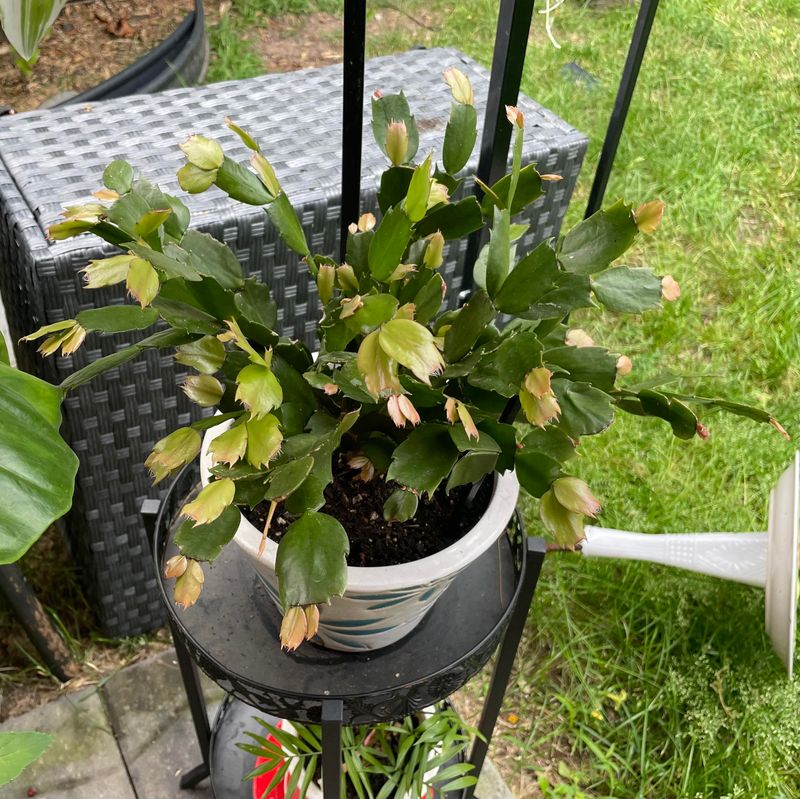
Porch plants often win the race. A Thanksgiving cactus that spends summer outside tends to feel fall changes earlier than one kept indoors all year.
Outside, the plant experiences natural day length without lamps or TV screens adding extra light at night.
It also feels the gradual drop in nighttime temperatures as fall moves in. Inside a home with steady air conditioning, those signals can be muted or delayed.
Many Georgia gardeners move their plants to a shaded porch or under a tree once spring frost danger passes.
Bright, filtered light suits these plants best. Strong afternoon sun can scorch the stems and turn them reddish or yellow, so dappled shade is usually the safer choice.
Keep an eye on the forecast as fall settles in.
Thanksgiving cactus is not frost hardy, so it should come inside before temperatures approach freezing. Timing varies a lot between the mountains of north Georgia and the warmer southern counties.
When you bring the plant indoors, try to choose a cool, bright room.
A sudden jump into a warm, dry living room may stress buds that already started forming. Check the leaves and soil for pests like mealybugs before the move, since bugs can hitch a ride inside.
Outdoor summering is optional, of course, but it often helps plants bloom on time.
4. Cool Fall Nights Here Can Hurry Buds Along
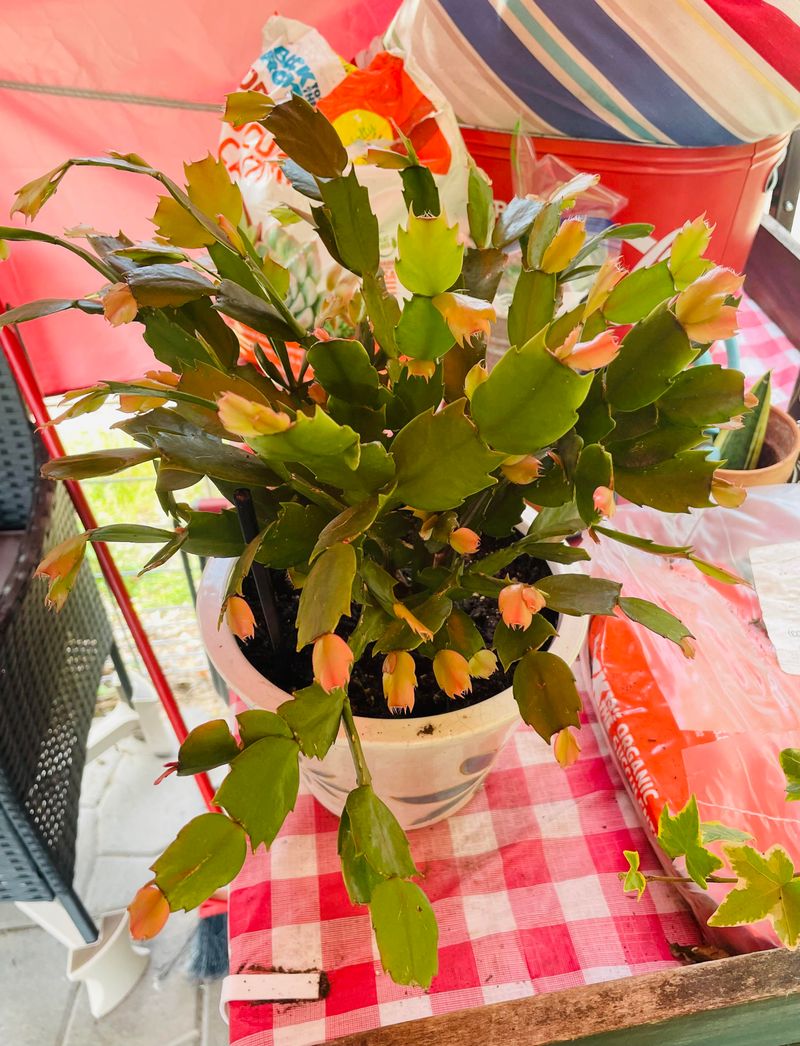
Chilly evenings send a clear message. Cool nighttime temperatures can encourage Thanksgiving cactus to set buds, sometimes even when day length is not perfect yet.
Extension guidance often notes that nights in roughly the 50s Fahrenheit help promote budding.
Warmer nights tend to slow the process, and very warm rooms may hold buds back. That is one reason a cool sunroom or screened porch can be such a good spot in early fall.
Across Georgia, fall cooling arrives at different times.
North Georgia and higher elevations usually see cool nights sooner than coastal or south Georgia areas. A plant in Blairsville may respond earlier than one in Valdosta, though each year brings its own weather swings.
Watch out for cold snaps that dip too low.
Light chill helps, but frost or freezing temperatures can harm the stems and buds. If a cold front is coming, bring the plant inside for the night and return it later if you like.
Wondering why your neighbor’s plant bloomed first? Location, nighttime temperature, and even the pot’s spot on the porch can make a difference.
No single number works for every home.
Pay attention to how your own plant responds from year to year, and you will start to learn the timing that fits your space.
5. A Single Plant Can Keep Opening Flowers For Several Weeks
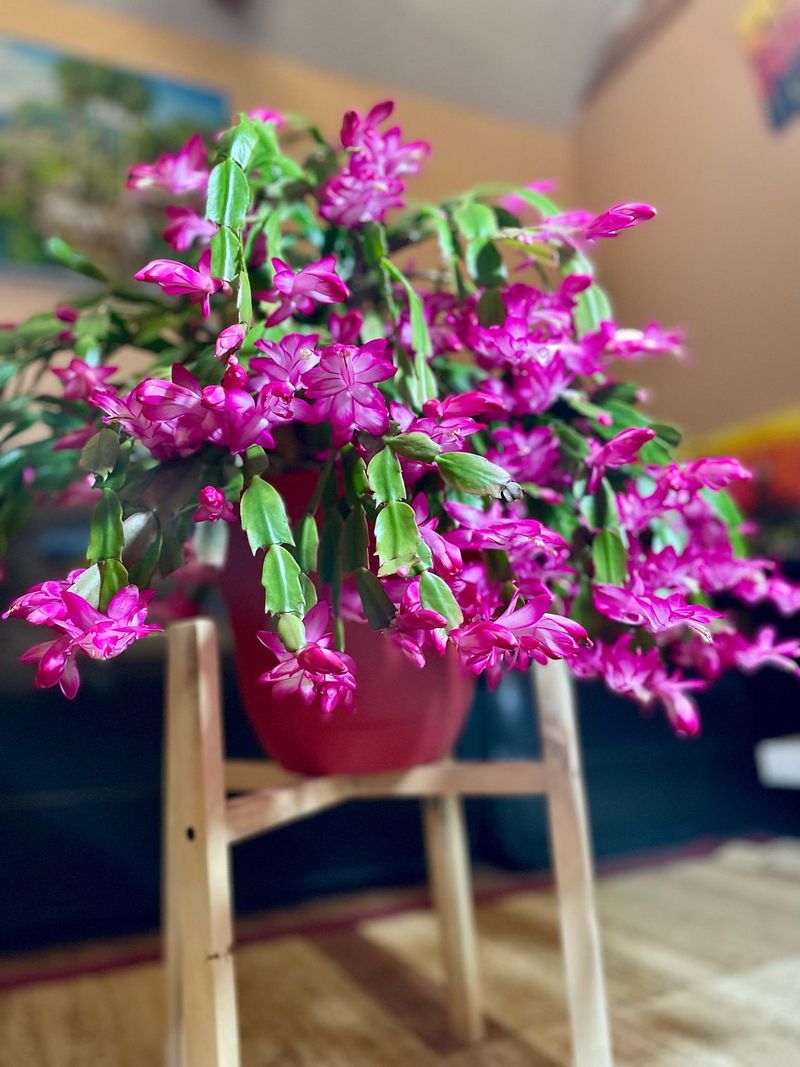
One bloom rarely tells the whole story. A healthy Thanksgiving cactus usually opens its flowers in waves rather than all at once.
Buds form at different stem tips, and they do not all mature on the same day. As one flower fades, another nearby may be just starting to open.
Each individual flower often lasts several days, depending on room temperature and light.
Put those staggered openings together, and a mature plant can stay colorful for several weeks. That is why an early start in October or early November does not mean you will miss blooms on the holiday.
Size matters too.
Bigger, older plants with more stem segments simply have more spots to form buds. A young cutting may produce only a handful of flowers in its first season or two.
Some Georgia gardeners even see a light second flush later in winter or spring.
That bonus round is not something to count on, though. It depends on the plant’s health, its light, and the temperatures it experiences after the main bloom.
Gently pinch off spent flowers if you like a tidy look. It will not hurt the plant and can make the remaining blooms stand out.
Keep watering steady while flowers keep opening, since the plant is working hard during this stretch.
6. Soil Swinging Between Soggy And Bone-Dry Can Make Buds Drop
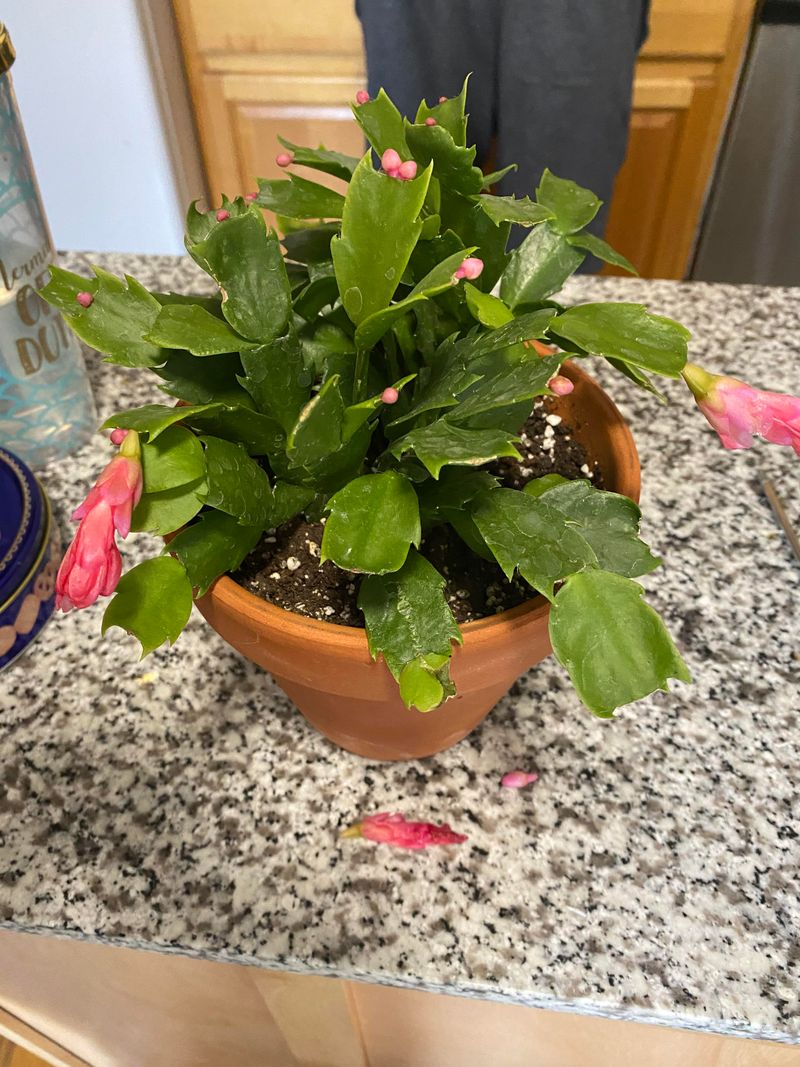
Few things sting like finding buds on the floor. Bud drop is a common complaint with Thanksgiving cactus, and uneven watering is one frequent cause.
When soil stays wet for too long, roots can suffer and struggle to support developing buds.
On the other hand, letting the pot dry out hard can also stress the plant. Swinging back and forth between those extremes seems to make things worse.
Aim for soil that stays lightly moist while buds are forming and opening.
Check by pressing a finger about an inch into the mix. If it feels dry at that depth, water slowly until a little drains from the bottom.
Drainage is a big deal here.
Use a pot with holes and a loose, fast-draining mix, since these plants grow naturally on trees rather than in heavy ground soil. Dump out any water sitting in the saucer after watering.
Humid Georgia summers can hide how quickly soil dries once the heat comes on indoors.
Heating systems pull moisture from the air, so you may need to check the pot more often in late fall. Watering on a fixed schedule can miss those changes.
Keep in mind that bud drop has other triggers too, like sudden moves, drafts, or big temperature swings, so watering is only one piece to review.
7. Keeping Plants Cool And Bright Helps Blooms Last Longer
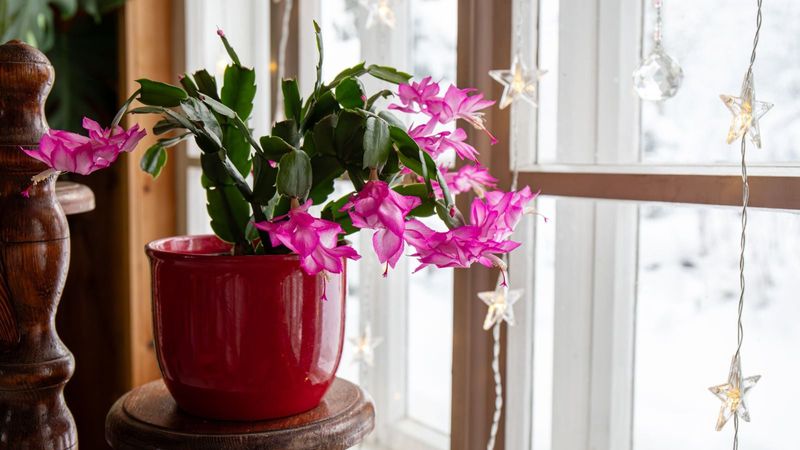
Warm rooms rush flowers to the finish line. Keeping your Thanksgiving cactus a bit cooler while it blooms may help each flower hold its color longer.
Bright, indirect light is the sweet spot.
An east-facing window or a spot a few feet from a sunny south window often works well. Harsh direct sun through glass can be too intense, especially during warmer fall afternoons in Georgia.
Placement near heat sources deserves a second look.
Heating vents, fireplaces, and the top of the fridge can dry the air and warm the plant quickly. Cold drafts from frequently opened doors may also stress the buds and flowers.
Once you find a good spot, try to leave the plant there.
Moving a budding cactus around the house can change its light and temperature suddenly. Some gardeners believe this contributes to bud drop, so a steady location is a reasonable precaution.
Hold off on fertilizer while it is flowering. Most care guides suggest feeding during the spring and summer growth period instead.
After the last flower fades, give the plant a short rest with slightly less water.
Then, as new growth appears in spring, resume regular care and plan for next fall. With cool nights, bright days, and steady watering, there is a good chance your plant will put on another early show before the holiday.