The One Thing You Must Do To Virginia Crape Myrtles Before Fall Ends
Your crape myrtles just finished their big summer show, and now they’re standing around in their bare, peeling bark like actors after the curtain call.
Cute. Also, a little suspicious. Here’s why.
A tiny invasive pest has been quietly moving into Virginia yards, especially in the eastern and central parts of the state.
It’s white, it’s fuzzy, and it has zero respect for your landscaping budget. (Rude, honestly.)
The good news? Fall is a handy time to catch it, since bare branches make it much easier to spot.
One quick walk around the trunk could spare you a sticky, sooty mess next summer.
So grab a flashlight, maybe a toothpick, and your best detective face. Your crape myrtles might have a secret, and you’re about to find out.
1. Why Gardeners Should Check Bark This Fall
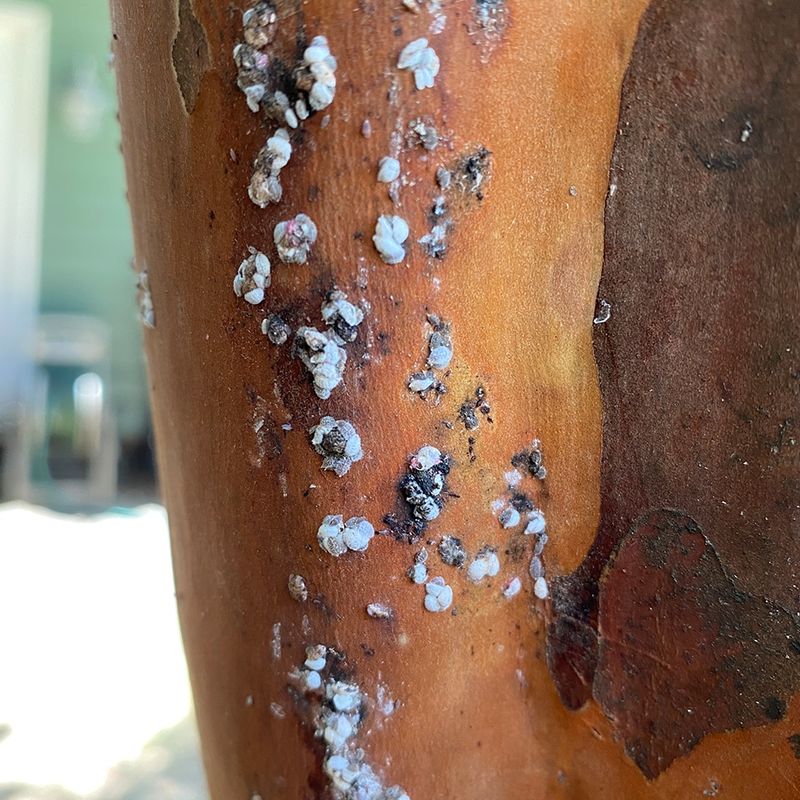
Fall feels like a quiet pause for the garden. Leaves drop, and the trunks of your crape myrtles finally stand bare.
That bare look is a great chance to spot trouble. Crape myrtle bark scale is a tiny insect that hides on stems and trunks, and it is much easier to see once the foliage is gone.
These pests first showed up in Texas around 2004. Since then, they have spread across the South.
In Virginia, the scale was first found in Chesapeake in 2014 and reached the Richmond area by 2020. Today it turns up in many neighborhoods across eastern and central Virginia, while gardeners farther west face a lower risk for now.
Each scale insect sucks sap from the tree. One or two will not hurt much, but a crowd can weaken growth and cut down on those famous summer blooms.
Checking now gives you a head start. Insects that survive the winter will lay eggs as the weather warms, and each female can produce several hundred eggs.
So a short look in October or November can save you a big headache next July. Think of it like checking your car tires before a long road trip.
You do not need special skills or fancy tools. Just walk around each tree slowly and look closely at the bark, the branch joints, and any pruning wounds.
Many homeowners are surprised by what they find. Others are relieved to see clean, healthy bark, and that peace of mind is worth the few minutes it takes.
2. Spotting White Felt Patches On Crape Myrtles
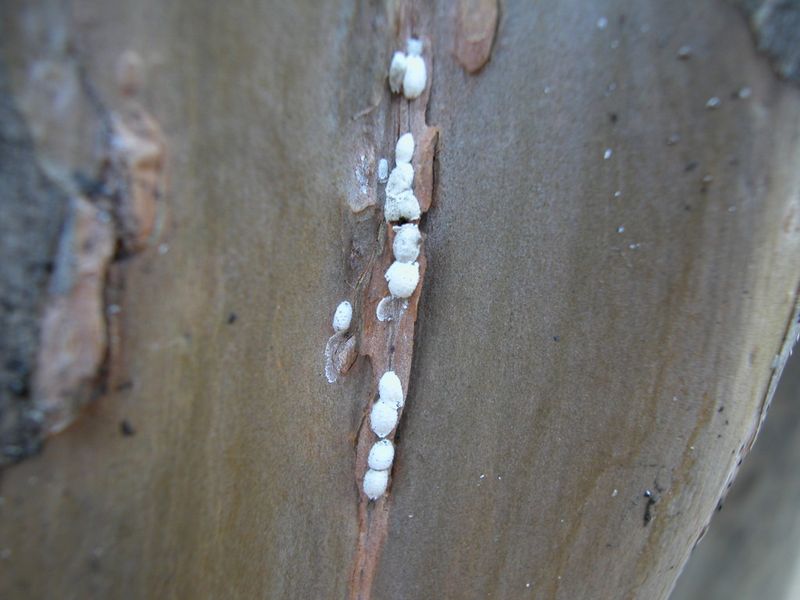
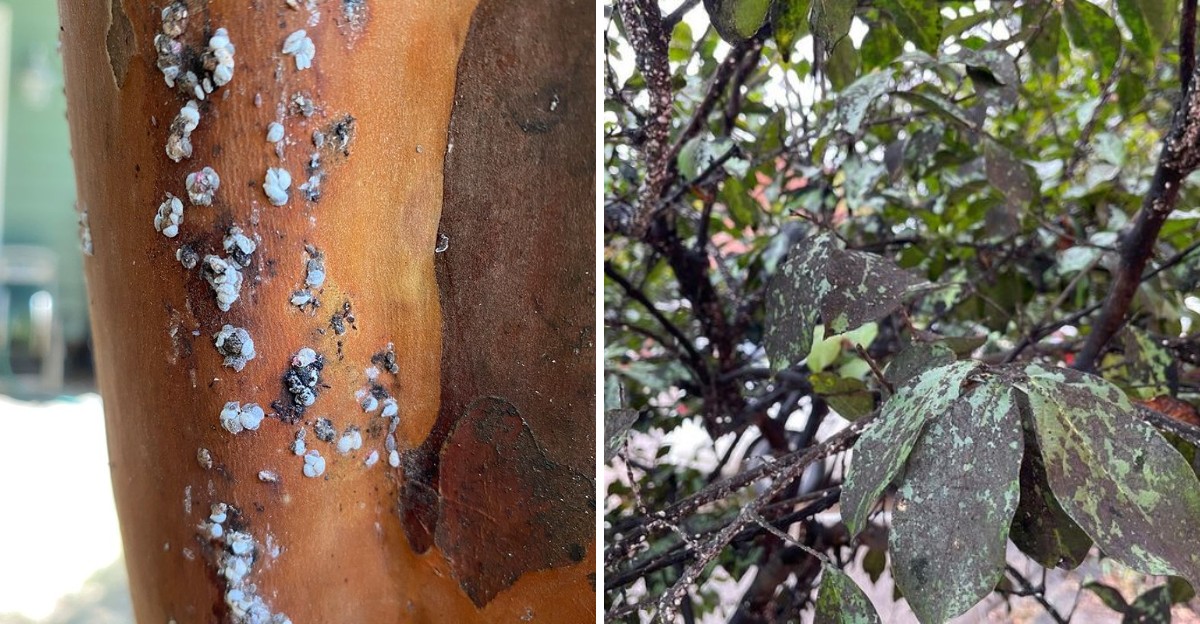
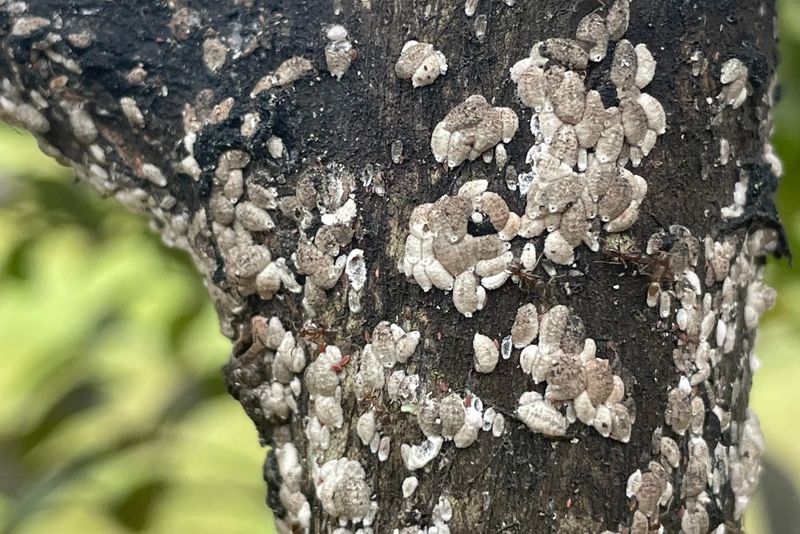
Here is a fun detective trick. Look for tiny white or gray spots that look like bits of felt or lint stuck to the bark.
Those fuzzy dots are the adult female scales. They usually gather in branch crotches, around old pruning cuts, and in rough cracks where bark peels.
Each bump is only about the size of a pinhead. From a few steps away, a heavy cluster can look like someone splashed white paint on the tree.
Do not confuse them with lichen, which is usually green or gray and flat. Lichen is harmless and common on trees across Virginia.
Your Virginia Garden Changes Every Week. Your Plan Should Too.
Gardening in Virginia changes quickly throughout the season. Every Friday you’ll receive a simple weekly plan showing exactly what to plant, prune, fertilize, harvest, and protect so you never miss the right timing.
Want to be sure? Gently press one of the white spots with a toothpick or your fingernail.
If it pops and leaks a pink or reddish liquid, you have found crape myrtle bark scale. That pink ooze is the easiest way to confirm it, and kids often love helping with this test.
Bring a small flashlight even on sunny days. Shadows in branch joints can hide whole colonies.
Check low and high branches if you can reach them safely. A step stool helps on taller trees.
Take a photo with your phone when you find something. Pictures make it easy to compare later or show a local extension agent for a second opinion.
3. Black Sooty Mold Is A Warning Sign
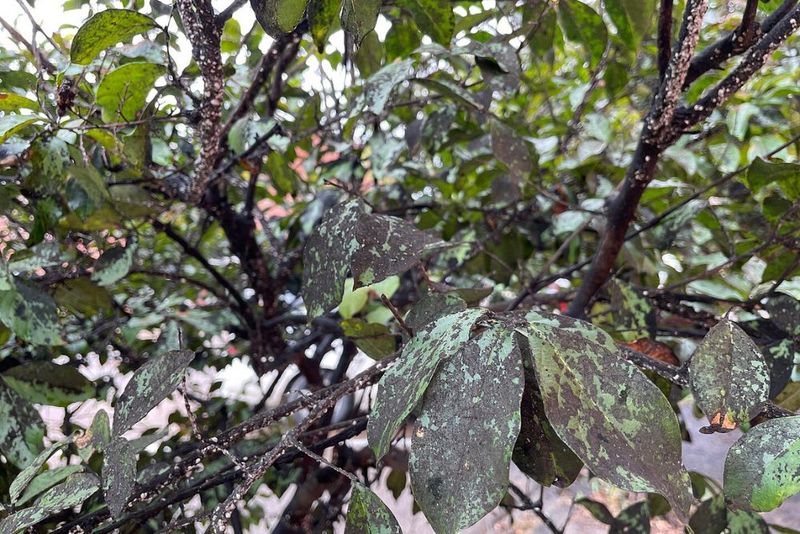
Ever noticed a crape myrtle that looks like it rolled in charcoal? That black coating is called sooty mold, and it is a big clue.
Scale insects drink plant sap and give off a sweet, sticky waste called honeydew. The honeydew drips onto bark and leaves, and a black fungus grows on top of it.
The mold itself does not eat the tree. Still, it blocks sunlight from leaves and makes the plant look grimy and tired.
Many Virginia homeowners first blame dirt or car exhaust. In truth, the black film often means a scale problem is hiding underneath.
Run your hand along the trunk. If it feels tacky or sticky, honeydew is likely present.
Look at what sits under the tree too. Patio furniture, cars, and sidewalks below may have sticky spots or dark stains.
Ants are another giveaway. They love honeydew and may march up and down the trunk collecting the sugary treat.
If you see black mold and ants together, slow down and inspect closely. Chances are good you will find those white felt bumps nearby.
The bright side is that sooty mold fades once the insects are under control. Rain and time will slowly wash it away.
4. The Easy Ten Minute Inspection Routine
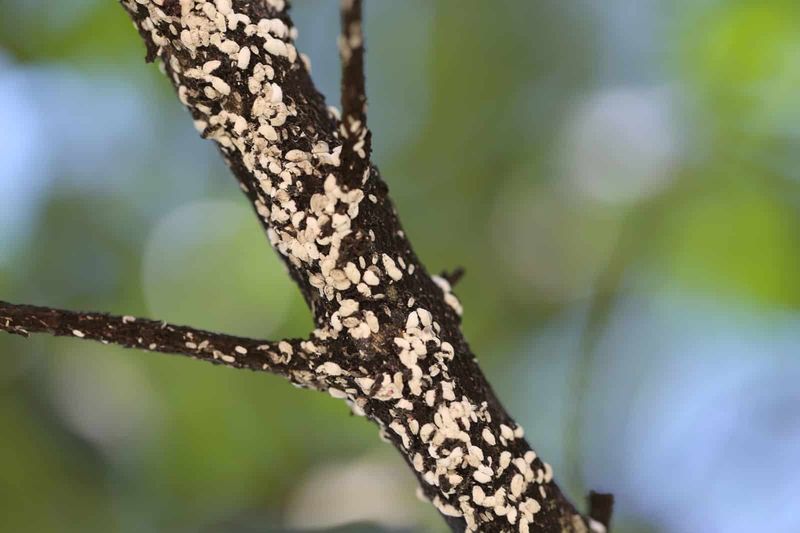
Good news for busy people. A full check of one tree takes about ten minutes once you know the routine.
Start with the main trunk. Look closely at the bark from the base up, paying attention to cracks and any loose, peeling spots where scale likes to tuck in.
Next, move up the main stems one at a time. Pay extra attention to the spots where branches split apart.
Then look for old pruning cuts. Those rough knobs, sometimes called crape murder scars, give insects perfect hiding places.
After that, scan the smaller twigs. Bend a few down gently and check the undersides of young horizontal branches, since the scale often gathers there instead of on sunny surfaces.
Finally, step back and look at the whole tree. Black patches or shiny sticky areas are worth a closer peek.
Keep a simple notebook or phone note for each tree. Write the date, what you saw, and how heavy the problem looked.
Many Virginia gardeners repeat this check in early spring too. Comparing your notes shows whether things are getting better or worse.
Pack a little kit: a flashlight, a magnifying glass, gloves, and a toothpick for the squish test. Toss it in a bucket so it is ready to grab.
Doing the routine with a friend or child makes it faster and more fun. Two sets of eyes catch more.
5. Scrubbing Bark Gently
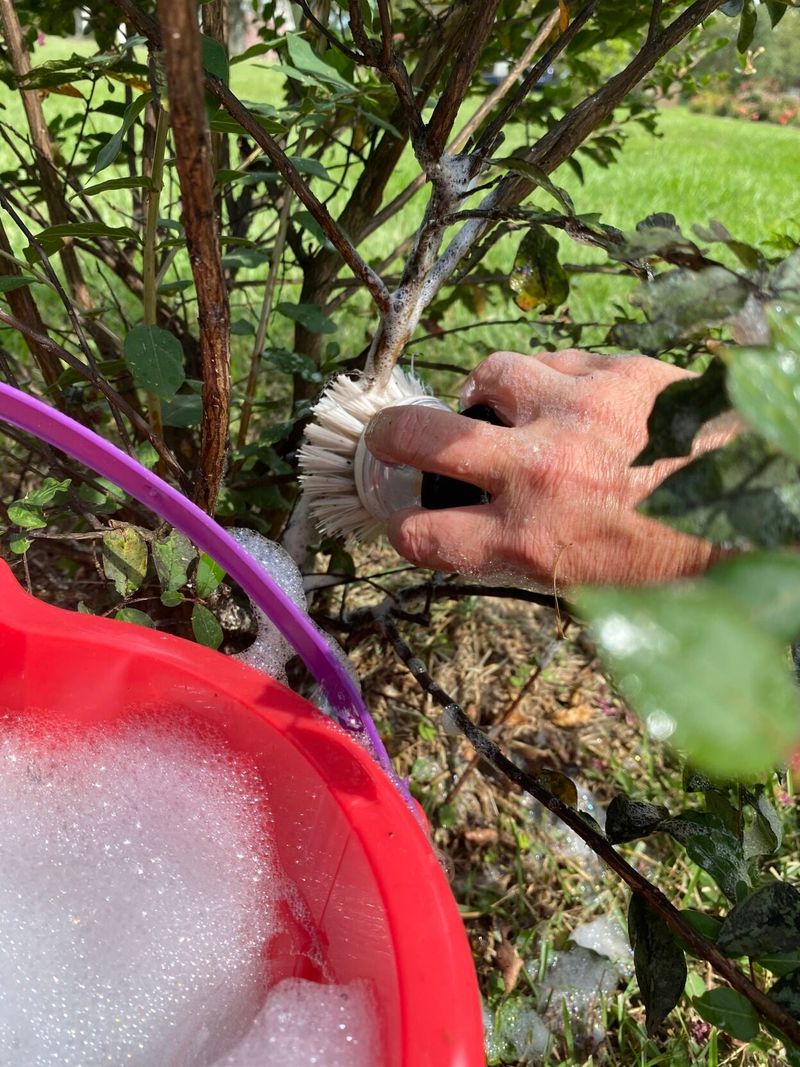
Sometimes the simplest fix works wonders. A soft brush and a bucket of soapy water can knock off a surprising number of scale insects.
Mix a few squirts of mild dish soap into warm water. Dip a soft-bristle brush and scrub the infested areas in gentle circles.
Avoid wire brushes or scrapers. Crape myrtle bark is thin and beautiful, and rough tools can scar it.
Scrubbing removes many adult females and their egg sacks. It also clears away sooty mold, so the bark looks clean and cinnamon-bright again.
Rinse with a garden hose when you finish. A gentle spray is plenty.
For small trees, this method alone may handle a light problem. For bigger trees, focus on the lower trunk and the worst spots you can reach.
Fall is a smart time for scrubbing in Virginia. The weather is mild, the leaves are down, and you can see every bump clearly.
Plan to repeat in late winter if the scale returns. Insects missed the first time will be easier to spot after a fresh cleaning.
Wear old clothes because things can get messy. Your neighbors may stare, but your trees will thank you next summer with fuller, brighter flowers.
6. Dormant Oil Timing For Winters
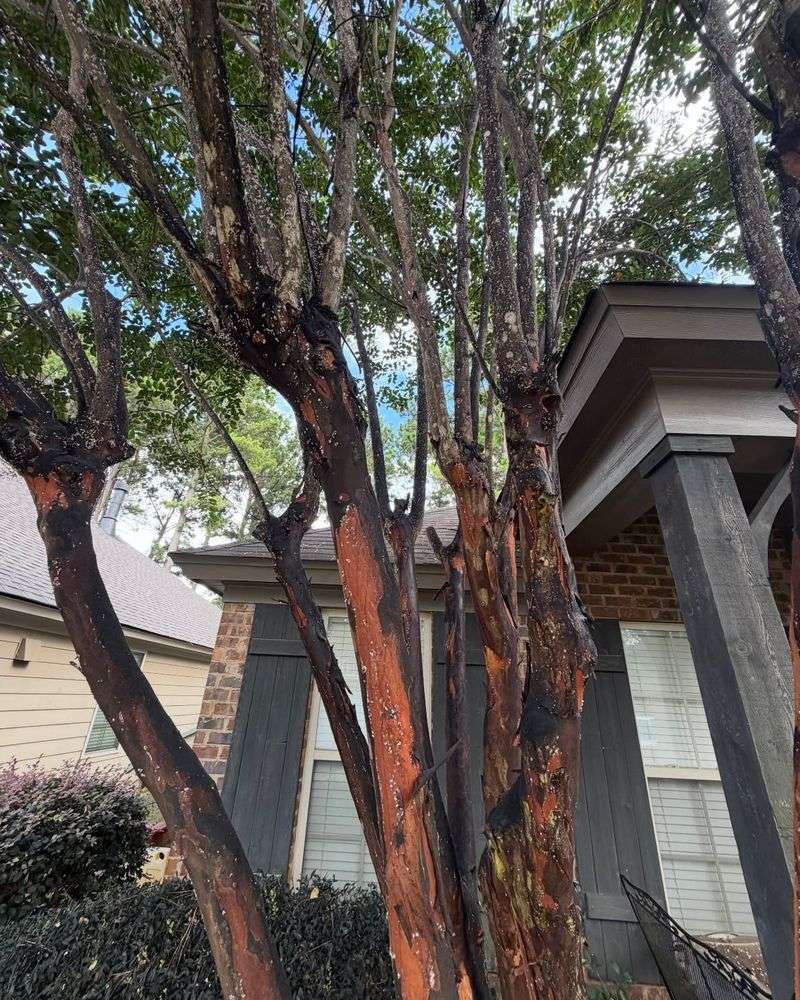
Think of horticultural oil as a cozy blanket the insects really do not want. It coats them and blocks the tiny holes they breathe through.
Before you stock up, here is the honest scoop. Virginia Cooperative Extension lists dormant oil as an option for crape myrtle bark scale but notes it has not been fully researched.
The Texas A&M Forest Service describes it as optional and not proven effective, though it may help reduce scale numbers.
If you decide to try it, timing matters. Dormant oil is applied when trees are bare and resting, which in most of the state means late fall through late winter.
Your fall inspection tells you whether it is worth considering. If you found scale, mark your calendar for a possible treatment on a mild day.
Follow the label’s temperature guidance, which often calls for a day above 40 degrees with no freeze expected soon after. Calm wind helps the spray land where you aim.
Soak the bark thoroughly. Branch crotches, loose bark, and rough spots need the most coverage since insects hide there.
Read the product label carefully every time. Labels list the right mix, safety gear, and how often to apply.
Many local garden centers in Virginia carry ready-to-use oils. A pump sprayer makes the job much easier than a small spray bottle.
Oil is a gentler choice for beneficial bugs because it only works on what it touches. Lady beetles that visit later in spring are mostly spared.
Think of oil as a possible add-on to scrubbing rather than a sure fix. Combined with a good fall cleaning and regular checks, it may help keep scale numbers down heading into spring.
7. Friendly Ladybugs Help Crape Myrtles
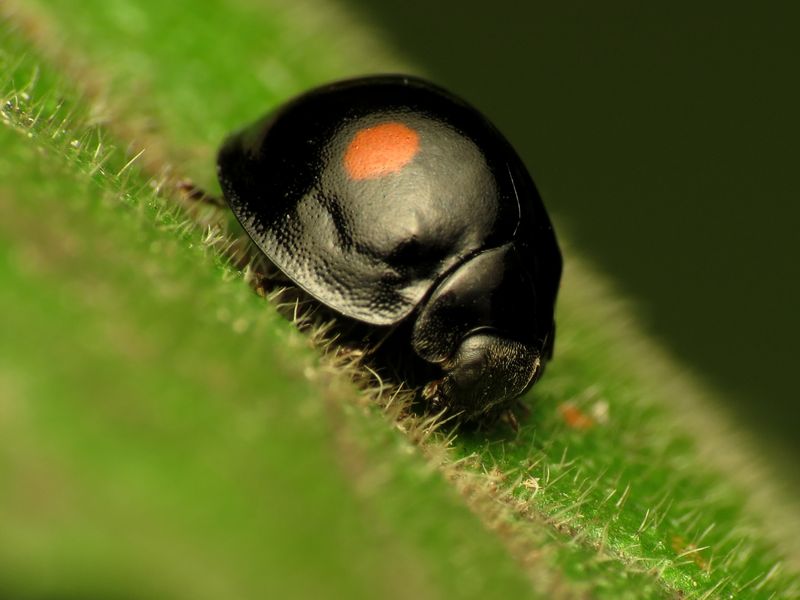
Not every bug on your tree is a bad guy. Some tiny helpers are already working the night shift for free.
The twice-stabbed lady beetle is a shiny black ladybug with two red spots. It loves to munch on scale insects and their eggs.
Fun fact: its funny name comes from those two red spots, which look like little wounds. Gardeners across Virginia are happy to see them.
Lacewings and some small wasps also feed on scale. A healthy yard full of flowers and plants invites these allies to stick around.
Heavy sprays of harsh insect killers can harm these good bugs. That is one reason to start with gentle steps like scrubbing and oil.
During your inspection, look for lady beetle larvae too. They look like tiny gray alligators, which surprises many people.
If you see lots of helpers, you might wait a little before treating. Nature may handle part of the job for you.
Plant native flowers like coneflower, goldenrod, and asters nearby. They feed beneficial insects with nectar and pollen when prey runs low.
Leaving a few leaves under shrubs also gives helpers a place to spend winter. A slightly messy corner can be a bug hotel worth keeping.
8. Smart Pruning Habits
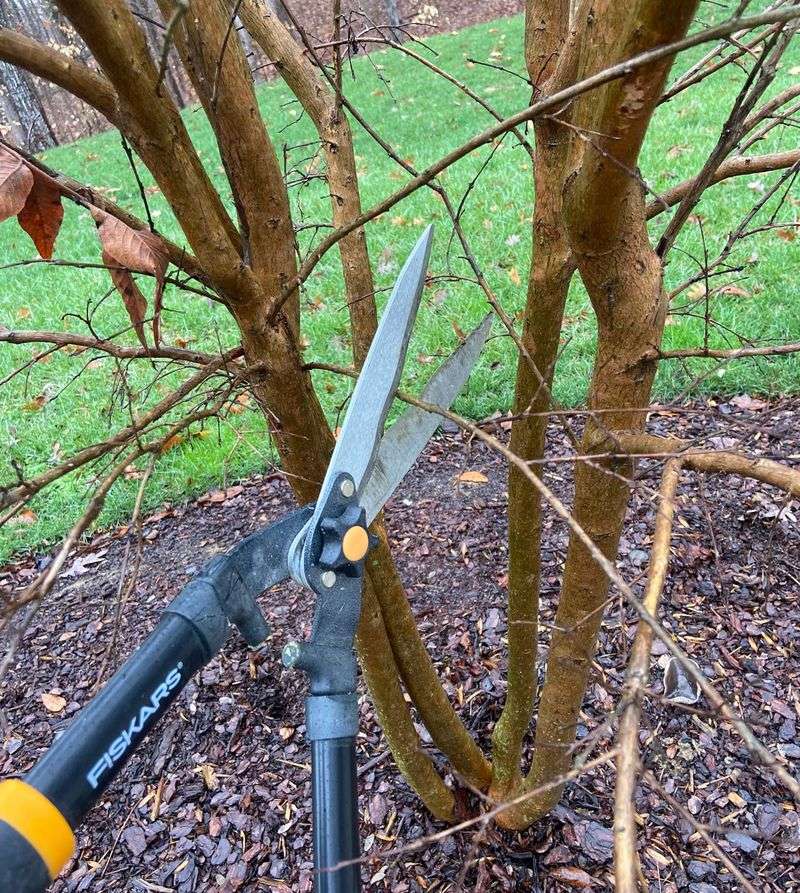
Let’s talk about those chopped-off knuckles you see on crape myrtles around town. Many folks cut their trees back hard every year, but the habit can invite trouble.
Heavy topping leaves rough stubs and thick knobs. Scale insects love tucking themselves into those bumpy spots.
Gentle pruning keeps bark smoother and easier to inspect. It also shows off the lovely peeling trunks crape myrtles are famous for.
Wait until late winter to prune in Virginia. Cutting too early can encourage new growth that cold snaps may harm.
Remove crossing branches, weak twigs, and suckers at the base. Keep cuts clean and close to a branch collar.
If you find branches heavily coated in scale, prune those out first. Bag the cuttings and put them in the trash instead of the compost pile.
Clean your pruners between trees with rubbing alcohol. Crawling baby scales can hitch a ride on tools and gloves.
Better airflow inside the canopy helps too. More sunlight and breeze make the tree a less cozy home for pests.
Choosing the right size variety for your spot cuts down on pruning in the first place. Dwarf and medium types fit small yards without constant trimming.
9. When To Call Experts For Help
Some jobs are just bigger than a bucket and brush. Knowing when to ask for help is a smart gardener move, not a weakness.
Call a pro if scale covers most of a large tree. Tall trunks and high branches can be hard and risky to treat from a ladder.
Certified arborists may recommend systemic treatments, often applied in spring. These products move through the tree and reach insects you cannot see.
Your local Virginia Cooperative Extension office is another great resource. Staff and Master Gardener volunteers can help identify samples and suggest next steps, often for free.
Bring a clear photo or a small twig sealed in a plastic bag. Include notes from your fall inspection to give them the full story.
Ask about the timing of any treatment. The Henrico County Extension office advises against applying foliar insecticides while crape myrtles are blooming, since bees visit the flowers.
Neighbors matter too. If your trees have scale, there is a good chance nearby crape myrtles do, so share what you learned.
Working as a street or neighborhood team can slow the spread. The scale can travel on wind and birds, and it often arrives on infested nursery plants, so inspect any new crape myrtle closely before bringing it home.
A quick fall look, a few gentle fixes, and a call when needed keep your trees glowing. Next summer, those bright pink and purple blooms will be your reward.