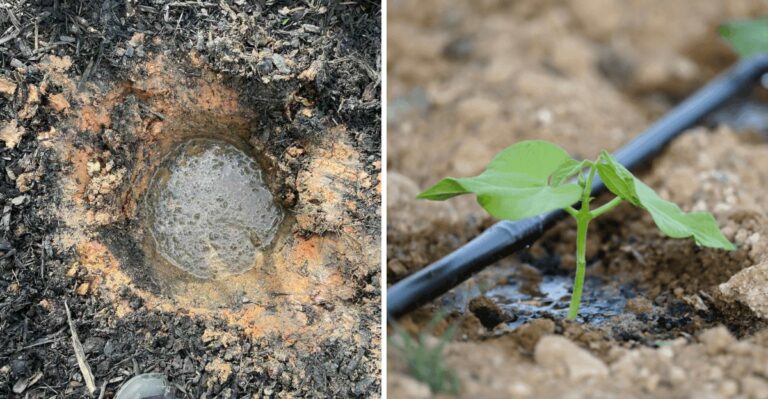
Can A California HOA Fine You For A Brown Lawn During A Water Emergency?
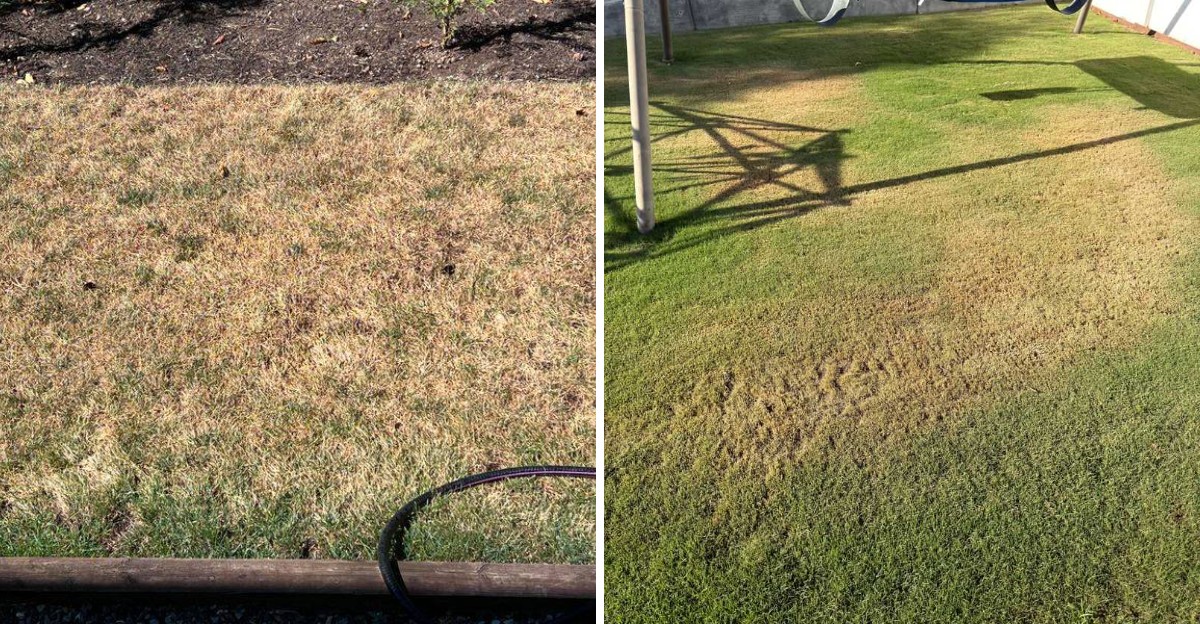
A front lawn fading to the color of toast can feel like an act of good citizenship during a dry stretch.
Sprinklers run less, water bills ease, and the yard settles into a dusty rest.
Then an envelope from the homeowners association arrives, and the tone inside feels anything but restful.
Situations like this have played out across California during past droughts, often leaving homeowners unsure where they stand.
The answer depends on timing, official paperwork, and a few lines in state law that many residents have never read.
Some protections apply only under specific conditions. Others last well beyond the dry months.
Knowing the difference turns a stressful letter into a manageable conversation.
Not While A Drought Emergency Is Declared
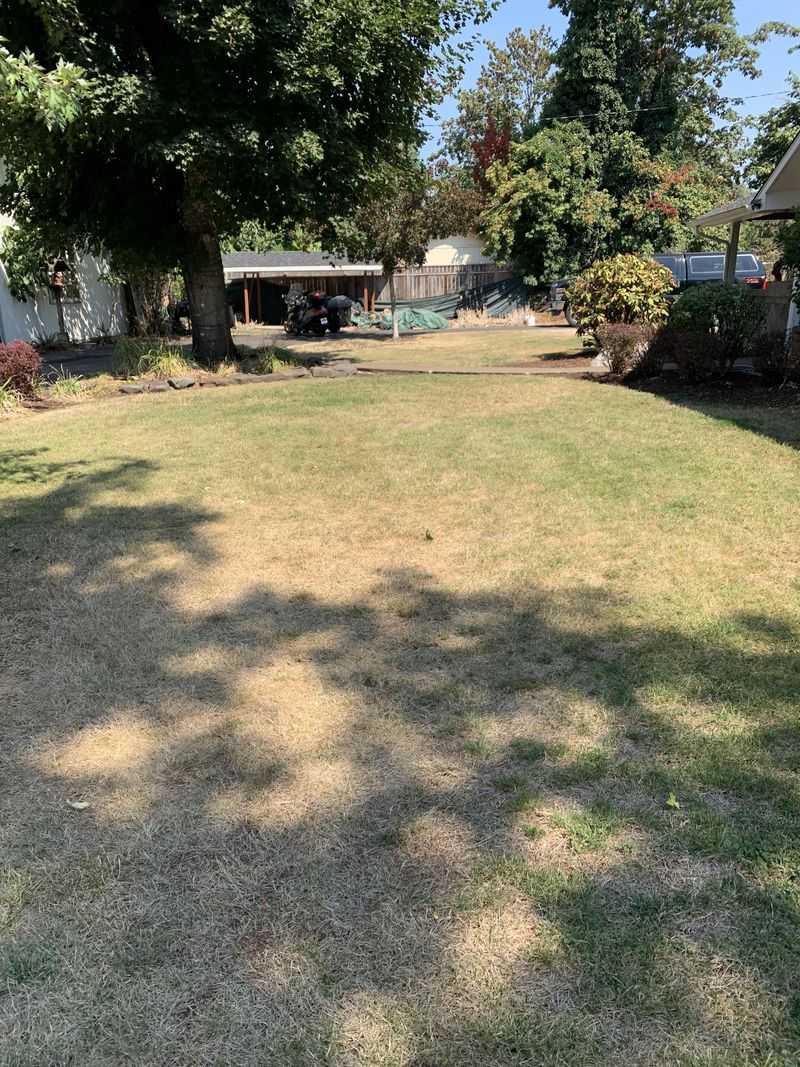
A sprinkler timer switched off and a yard turning crispy can draw HOA attention. During a declared drought emergency, however, California law limits what an association can do about it.
Civil Code Section 4735, part of the Davis-Stirling Act, provides that protection.
Under subdivision (c), an association generally can’t impose a fine or assessment against an owner for reducing or eliminating the watering of vegetation or lawns during that period.
That covers both trimming a schedule and turning the water off completely.
A brown lawn caused by saving water, in other words, isn’t fair game for a penalty while the emergency lasts. The board can still send letters, though.
Many homeowners pay these fines simply because they’ve never heard of the law, and knowing it creates a much stronger position.
A few catches apply. The protection covers watering choices rather than every part of yard care, so trash, broken fences, or weeds overtaking the driveway remain separate issues.
Associations that use recycled water for landscape irrigation fall outside this particular rule as well.
The emergency also has to be real and official, not just a dry summer.
The law works like a shield with clear edges. It covers water saved during a declared crisis, and the items ahead show exactly where those edges sit.
Those boundaries matter most when a letter arrives and the clock starts ticking.
State Law Bars Fines For Reduced Watering During Declared Droughts
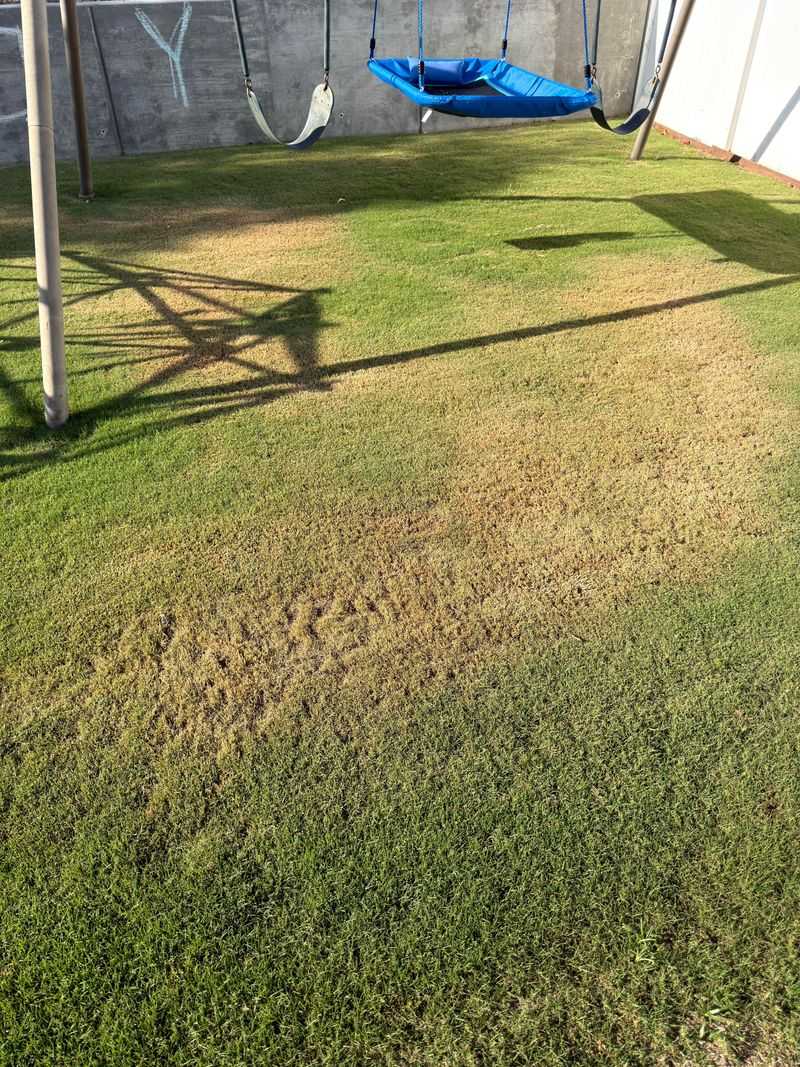
Lawmakers in Sacramento spotted a problem during the 2012 to 2016 drought. The state urged residents to save water while some HOAs threatened fines for yellow grass.
Legislation passed in 2014, including Senate Bill 992, settled that clash in favor of conservation.
Section 4735(c) bars fines or assessments against an owner for reducing or eliminating watering during a declared drought emergency, whether the cut is partial or complete.
Owners decide how far to reduce.
The same law includes a lasting benefit. Under subdivision (e), water-efficient landscaping installed in response to the emergency can’t be required to come out once the emergency ends.
A related section, 4736, voids rules requiring owners to pressure wash home exteriors and exclusive use areas during a declared drought emergency.
Records help support these protections. A quick note of when watering changed and why, plus a photo of the sprinkler timer, goes a long way.
Your California Garden Changes Every Week. Your Plan Should Too.
Gardening in California changes quickly throughout the season. Every Friday you’ll receive a simple weekly plan showing exactly what to plant, prune, fertilize, harvest, and protect so you never miss the right timing.
Copies of water bills showing lower use add further proof, especially when they compare the same months year over year.
Those records matter because a board may later claim brown patches came from neglect rather than conservation.
Clear documentation ties the yard to water savings and to the emergency dates. With the facts lined up, the case stays strong even when the grass fades.
Saving everything in one folder, paper or digital, keeps it ready if a hearing follows.
The Emergency Must Be Officially Declared
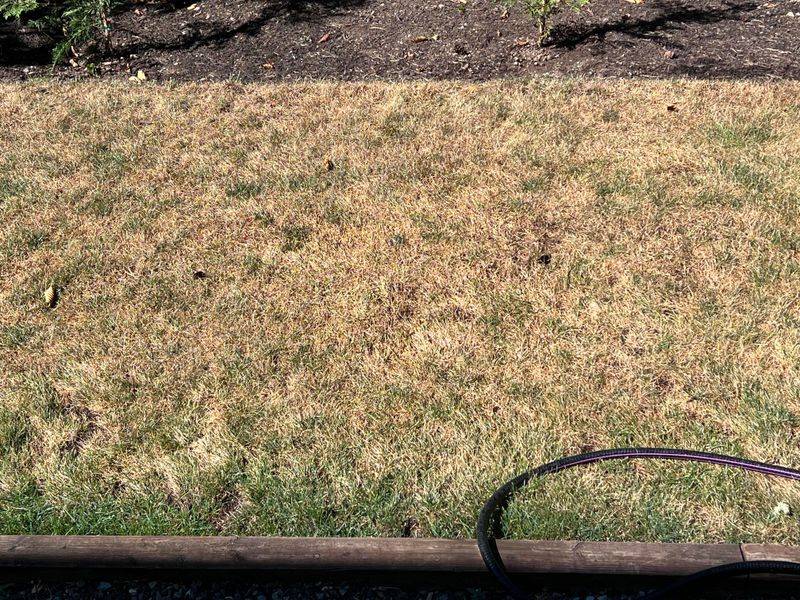
A hot, dusty August doesn’t count on its own. The fine protection in Section 4735(c) applies only during a period covered by an official drought emergency declaration.
Two kinds of declarations qualify. The Governor can declare a state of emergency due to drought, covering the whole state or certain counties.
A local government, such as a city or county, can also declare a local emergency due to drought.
Either one triggers the shield. The key lies in checking which areas the order covers and when it starts and ends.
California governors have issued drought proclamations before, later lifting them for many counties while keeping others in place for months longer.
Some homework helps before the sprinklers go off. The Governor’s office news releases, county websites, and local water agency pages usually show current status.
Water agencies often post the current drought stage and any watering limits right on the homepage. A dated screenshot preserves that evidence.
A common mix-up deserves attention too. Watering day limits from a water district differ from a declared emergency, though those limits still apply and deserve following.
The HOA fine protection ties specifically to the emergency declaration itself.
Once a declaration ends, yard care timing can start to matter again, so following local news through the rainy season pays off.
Fall rains don’t automatically end a declaration, since official action is required.
HOAs Cannot Prohibit Low Water Plants
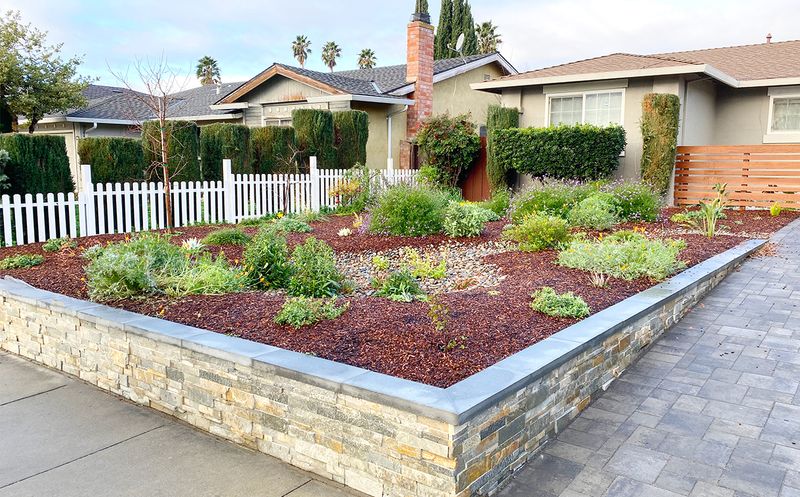
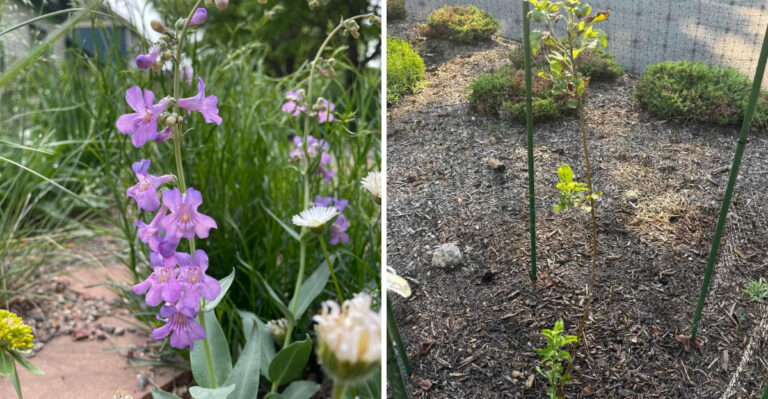
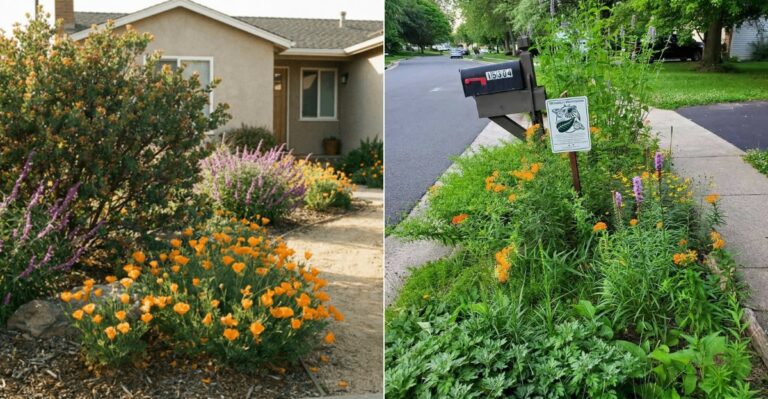
Swapping thirsty grass for lavender, sage, and California poppies makes good sense in a dry state. Some older HOA rules tried to block that kind of makeover.
Civil Code Section 4735 knocks those rules down.
Under subdivision (a), a governing document provision is void and unenforceable if it prohibits low water-using plants as a group or as a replacement for existing turf.
It also voids rules banning artificial turf or other synthetic surfaces resembling grass. These protections apply year round, drought or no drought.
Freedom isn’t a free-for-all, though. Associations may still apply landscaping rules or guidelines, such as plan review, as long as they don’t ban these choices outright.
A board might ask for a drawing, a plant list, or certain materials, and many HOAs require architectural approval before major yard changes.
Submitting plans first avoids disputes later and keeps neighbors informed.
Many California water agencies also offer turf replacement rebates, some paying homeowners per square foot of lawn removed. Rebates often require pre-approval, so checking before digging matters.
Fall makes an excellent planting season for California natives, since cooler weather and winter rains help roots settle in.
In fire-prone areas, Zone 0 rules favor noncombustible surfaces within five feet of the house, so gravel or pavers fit better there than bark mulch.
A water-wise yard can save money, cut chores, and look sharp throughout the year.
Fines Outside Emergencies Can Still Apply
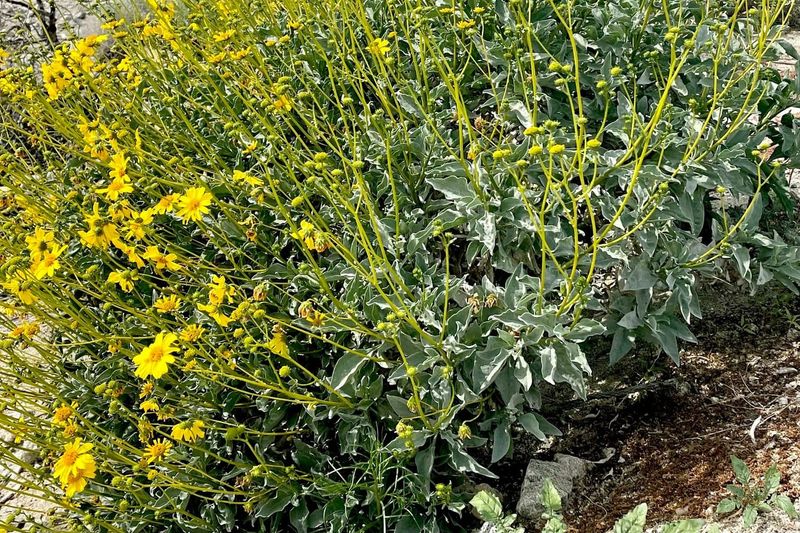
Rain returns, reservoirs fill, and the drought order lifts. A brown lawn may then land back on the board’s radar, since the fine protection no longer covers watering choices.
During normal times, associations can enforce reasonable landscaping rules in their governing documents, provided those rules follow state law.
A rule asking owners to keep yards maintained and free of brown patches may apply once the emergency ends, and fines can follow when the proper process is used.
Planning ahead takes the sting out. Reseeding, laying new sod, or applying to replace turf with low water plants or artificial turf all offer workable paths.
Section 4735(a) protects those replacement choices year round, which makes a permanent switch especially appealing.
The calendar deserves close watching. Saving the date the emergency ended locally, and noting next steps, builds a helpful record.
A notice arriving soon afterward justifies a written request for a reasonable timeline to restore or redesign the yard, and many boards agree when owners show good faith.
Drought-friendly changes made during the emergency also carry protection. Under Section 4735(e), owners can’t be required to remove water-efficient landscaping installed in response to the emergency.
Details still vary, so governing documents or an attorney can confirm how the rules apply to a particular property.
Fall and winter rains make reseeding or replanting far easier than summer work, which helps owners respond quickly.
Appearance Rules Can Still Be Enforced
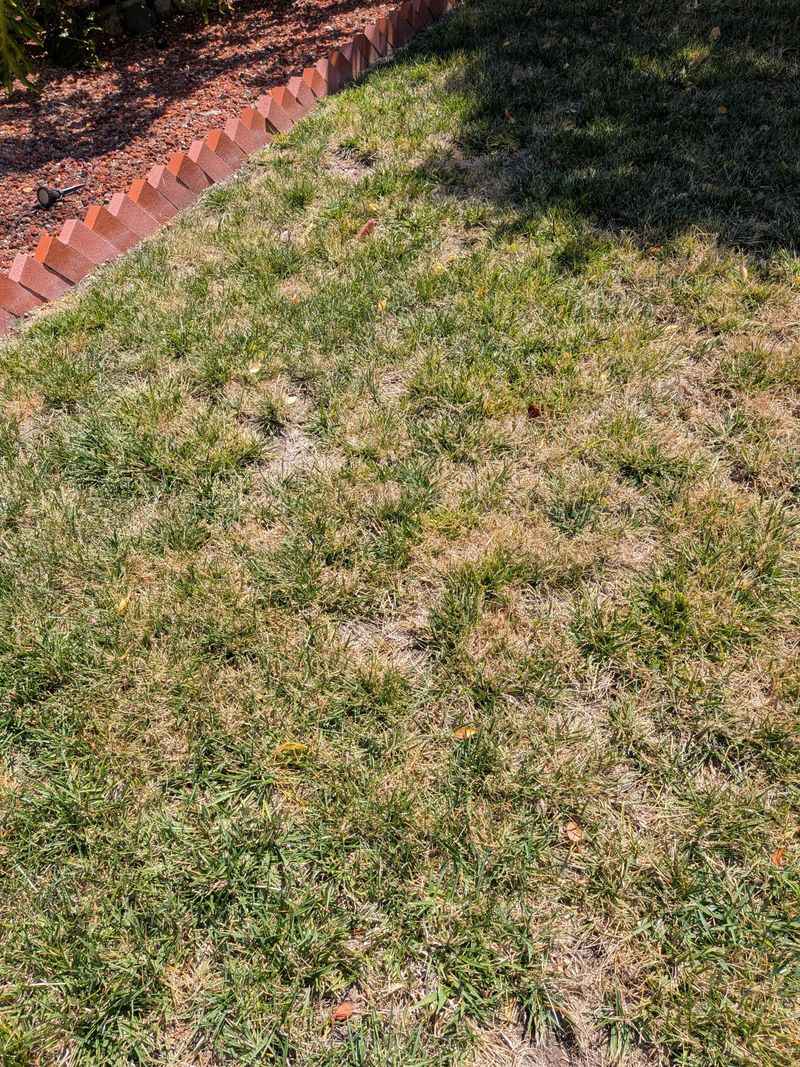
Brown grass carries protection during a declared drought. A yard full of knee-high weeds, broken pots, and an old couch tells another story entirely.
Appearance and maintenance rules that follow state law can still be enforced, emergency or not.
The drought shield covers watering choices rather than every kind of mess. An HOA may still require owners to remove trash, trim overgrown shrubs, control weeds, or fix damaged fences.
A brown lawn can still look cared for. Mowing short, raking old leaves, and edging walkways all make the yard look intentional.
Pulling weeds before they set seed helps too, and mulch around trees beyond five feet of the house holds moisture and gives a neat finish.
Trees deserve special attention. A mature tree weakened by lack of water can create safety hazards, so many agencies suggest a deep, slow soak even during cutbacks.
Healthy trees also shade the house and keep it cooler. A water district’s tree watering tips offer helpful guidance.
Fire safety may come into play as well. Dry, overgrown brush can raise fire risk, and local fire rules may require clearing it.
In designated fire areas, Zone 0 rules add requirements within five feet of the home, with CAL FIRE and local fire agencies confirming details.
A tidy, trimmed yard satisfies both the fire marshal and the HOA. Clean lines go a long way toward proving that dormant doesn’t mean neglected.