What Florida Gardeners Should Know Before Planting Fall Tomatoes
Homegrown tomatoes in December can sound like a stretch for most of the country.
Gardeners in the southern half of Florida often enjoy one of their best seasons now, once summer heat lets up. Farther north, the calendar is less forgiving, and plants set out late may run out of mild weather before fruit ripens.
Location shapes most decisions, from variety choice to how late planting can happen. Plants also need steady warmth to set fruit, so cool snaps can slow a promising crop.
Pests that thrive in warm, humid weather add another layer of risk, especially insects that spread plant diseases.
Check the days to maturity on any transplant, then count backward from your area’s typical first frost.
Small timing differences can decide whether you pick ripe tomatoes or green ones when the cold arrives.
1. Timing Depends Heavily On Which Part Of The State You Garden In
Your zip code shapes your tomato calendar more than any seed packet does. Florida stretches a long way from north to south, and the growing seasons shift along with it.
UF/IFAS Extension generally suggests fall tomato planting from about August into September in North and Central Florida.
Up north, the window is fairly tight. Plants need enough warm weeks to grow and ripen fruit before the first frost, which can arrive sometime in late fall or early winter.
Central Florida gardeners usually get a bit more breathing room, though cold nights still show up some years.
South Florida runs on a different schedule altogether, with fall and winter often treated as the main tomato season. You can read more about that in the next section.
Local weather also plays a role that no chart can fully predict. A warm October or an early cold front can push your results in either direction.
Checking your county Extension office planting guide is a smart first step, since it reflects conditions closer to home.
Keep a simple notebook of planting dates and first harvests each year. Over a few seasons, those notes will tell you more about your own yard than any general guideline can, especially if you garden in a cooler pocket or near the coast where temperatures behave a little differently.
2. South Florida Can Grow Tomatoes Through The Cooler Months
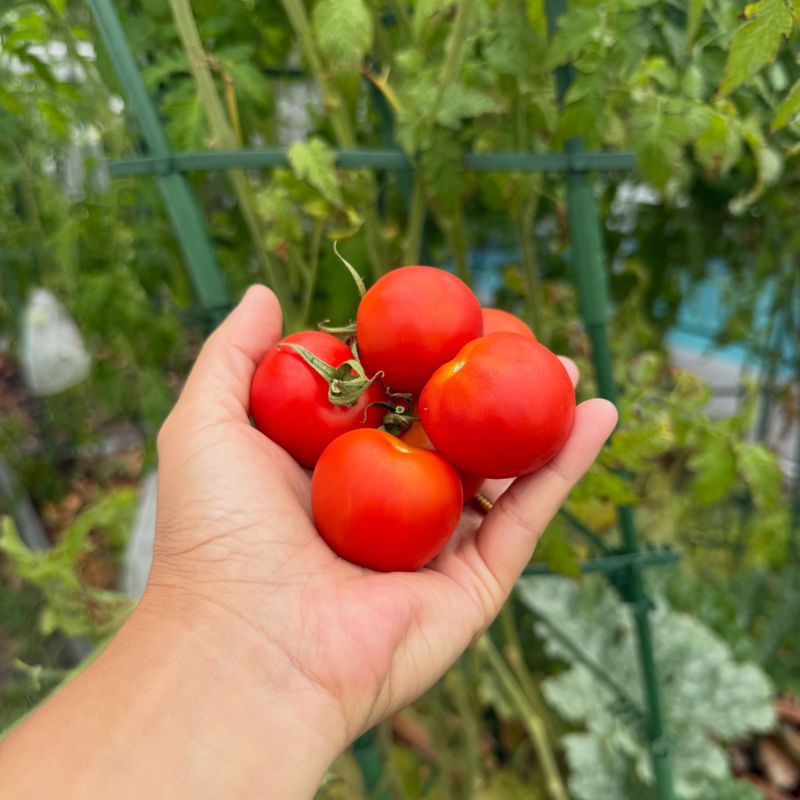
Winter in South Florida is not a break from gardening. It is often the best stretch of the year for tomatoes.
UF/IFAS lists roughly August through March as the planting window there, so gardeners can stagger plantings across several months.
Frost is rare in much of South Florida, though not impossible in some inland spots. That mild weather lets plants keep producing when northern gardens have mostly shut down.
Summer is the hard season down south, not winter.
Heat, heavy rain, and disease pressure tend to make summer tomatoes difficult, which is why many local gardeners take that time off from them.
Staggered planting can stretch your harvest. Putting in a few new plants every month or so may give you ripe fruit over a longer period, although results depend on your care and the weather each year.
Your Florida Garden Changes Every Week. Your Plan Should Too.
Gardening in Florida changes quickly throughout the season. Every Friday you’ll receive a simple weekly plan showing exactly what to plant, prune, fertilize, harvest, and protect so you never miss the right timing.
Early fall plantings may still face hot days and lingering storms.
Watch soil moisture closely during those first weeks, since sandy soil can dry out fast in the sun. Once the drier season settles in, plan on watering more yourself, because rain often becomes less frequent during the cooler months in the southern part of the state.
Mulch helps hold moisture and keeps fruit off bare soil, which is a small step with real benefits.
3. Starting With Transplants Shortens The Race Against Cold Weather
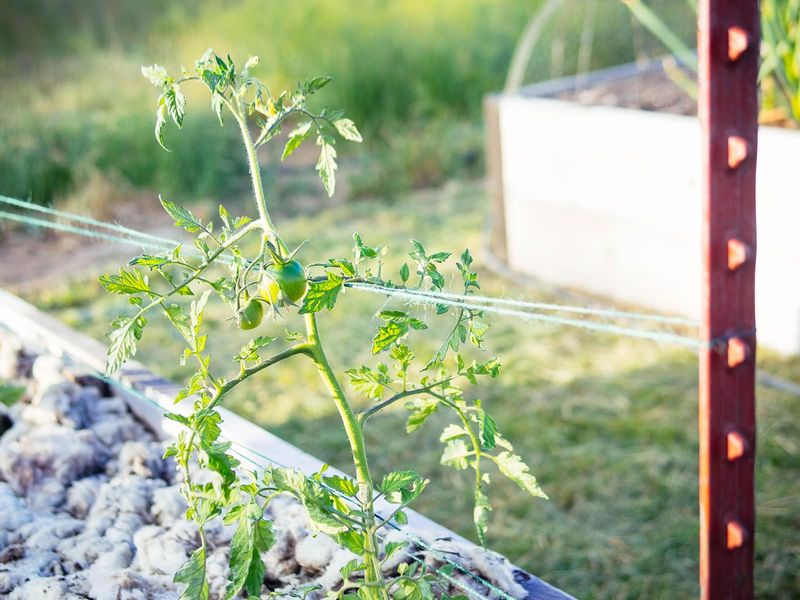
Weeks matter in a fall garden. Starting tomatoes from seed indoors takes time that northern gardeners may not have to spare.
Transplants give you a head start because the seedling stage is already done when you bring them home.
Most young tomato plants are ready to set out several weeks after seeding. Buying healthy plants, or starting your own seeds early in summer, moves your harvest closer to warm weather and further from possible frost.
Pick sturdy plants with deep green leaves and no spots.
Skip any with yellowing foliage, tiny flying insects underneath, or roots circling tightly around the pot. Those problems can follow plants into your garden.
Planting a little deeper usually helps tomatoes. Stems can grow new roots along the buried part, which may give plants a stronger base in loose sandy soil common across Florida.
Hot afternoons can stress new transplants, so evening or cloudy-day planting is often easier on them.
Water well right after planting and keep the soil evenly moist while roots settle in. Some gardeners also use light shade cloth for the first several days if temperatures stay high, then remove it once the plants look perky and steady.
4. Whiteflies Can Spread Tomato Yellow Leaf Curl Virus In Fall
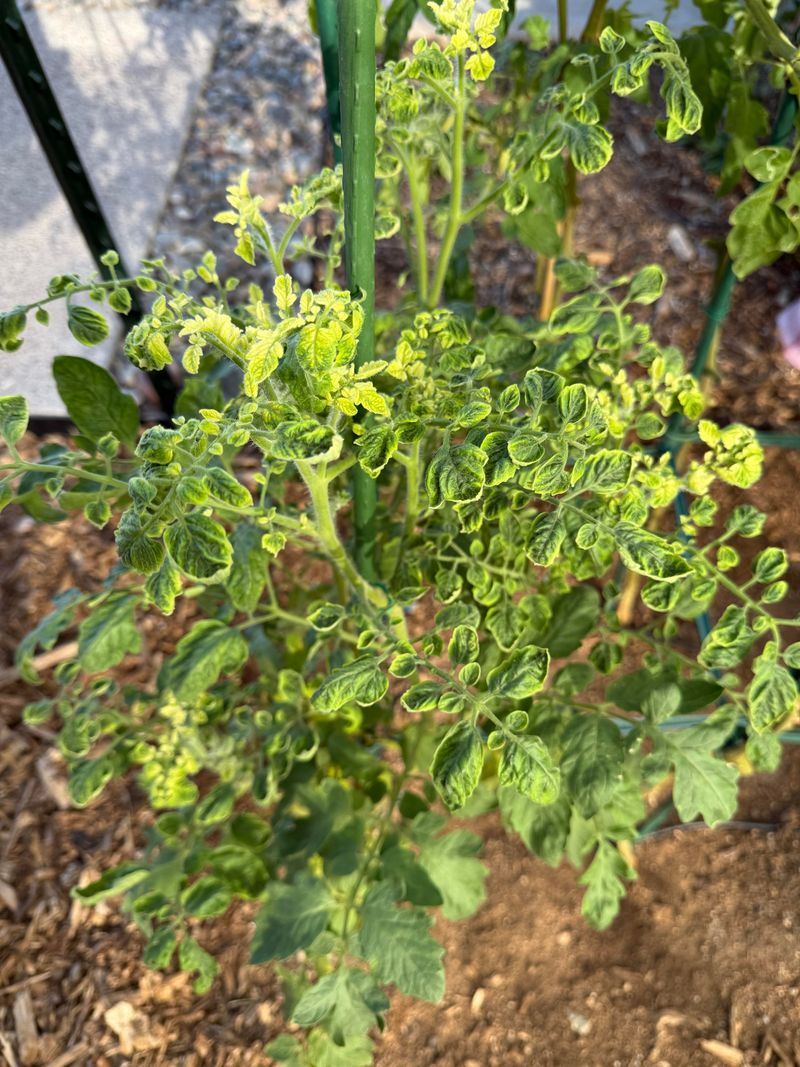
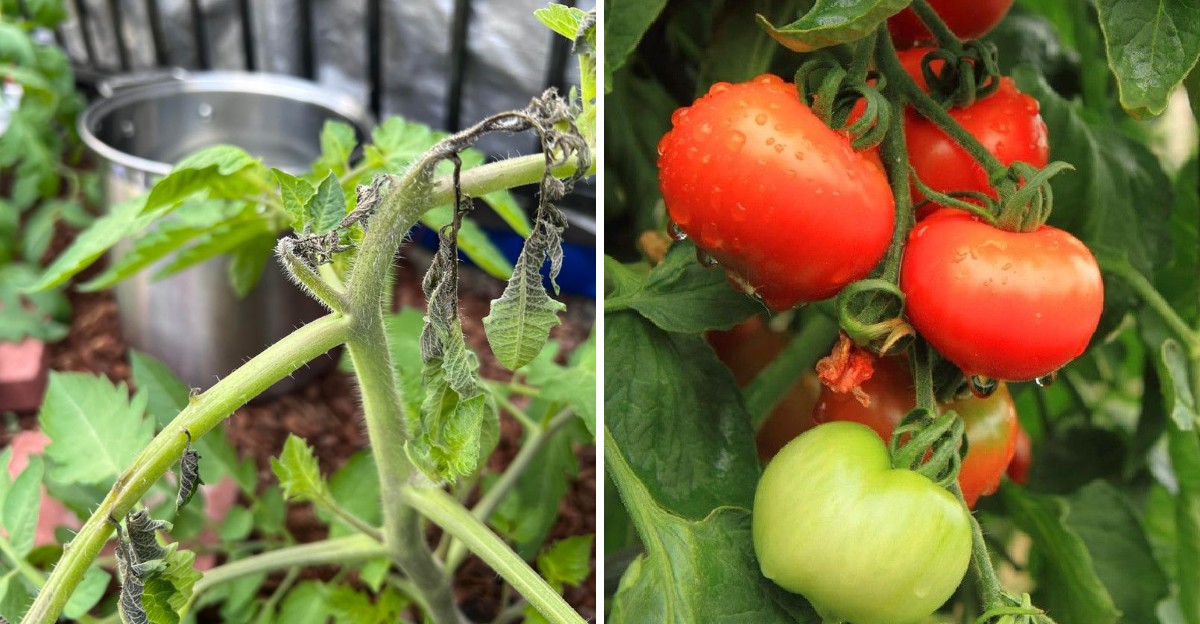
Tiny insects can bring big trouble. Silverleaf whiteflies are known carriers of tomato yellow leaf curl virus, a disease that UF/IFAS lists as a serious tomato problem in Florida.
Fall can be an active time for whiteflies, especially while weather stays warm.
Infected plants often show small, curled leaves with yellow edges and stunted growth. Young plants that pick up the virus early usually suffer the most, often producing little fruit.
Flip a few leaves over every week.
Whiteflies tend to gather on the undersides and flutter up when disturbed. Yellow sticky cards can help you notice them early, though cards alone will not solve a heavy problem.
Curled or yellow leaves can have other causes too, like nutrient issues or other diseases. If you are unsure, your county Extension office can help with diagnosis.
Pull out plants that clearly show the virus, since infected plants can serve as a source for further spread by whiteflies.
Removing old tomato plants and weeds near your garden before planting may reduce local whitefly numbers. Some gardeners also cover young transplants with fine insect netting for the first weeks, which can offer protection during the stage when plants are most vulnerable.
5. Heat-Tolerant Varieties Set Fruit Better During Warm Early Fall Nights
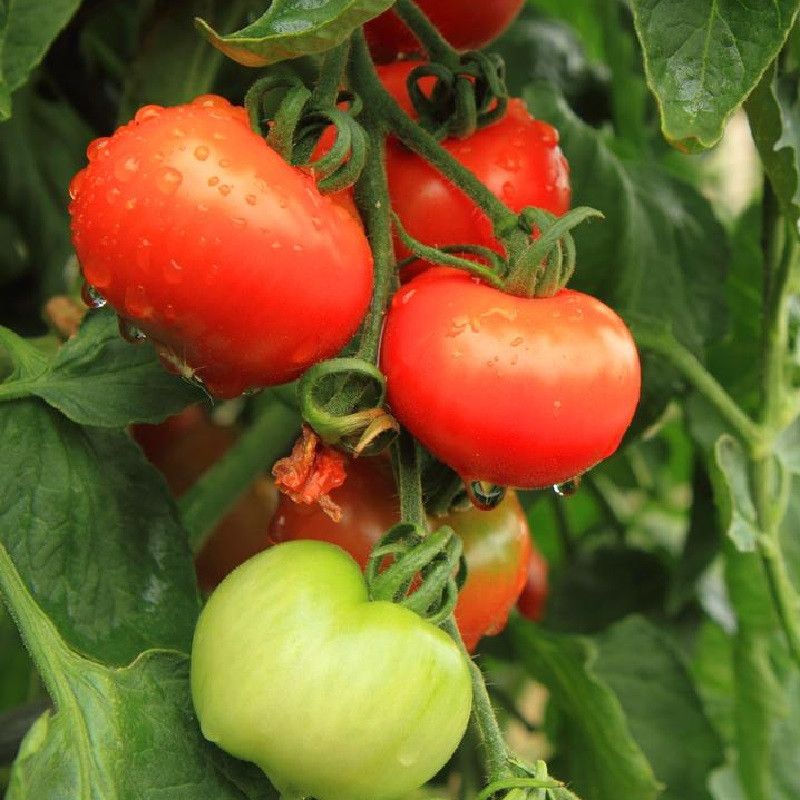
Flowers without fruit can be frustrating. Warm nights early in the fall season are a common reason tomatoes bloom but fail to set much fruit.
High temperatures can interfere with pollen, so blossoms may drop before any tomato forms.
September and even October can stay quite warm in Florida, so this problem is not limited to summer. Choosing varieties bred to handle heat can improve your odds.
Look for seed or plant labels that mention heat tolerance or heat setting.
Varieties sold under names such as Heat Master, Solar Fire, or Florida 91 were developed with warm conditions in mind. Your local Extension office or garden center can suggest ones that perform well nearby.
Even heat-tolerant types have limits. Very hot stretches may still reduce fruit set, and results can vary with humidity, plant health, and care.
Gently shaking flowering stems on calm, dry mornings may help release pollen in some cases.
Steady watering and moderate fertilizing also support flowering. Too much nitrogen tends to push lots of leafy growth with fewer blooms, so follow label rates or soil test advice rather than adding extra food when fruit seems slow to appear.
6. Resistant Varieties Help Reduce Virus And Nematode Problems
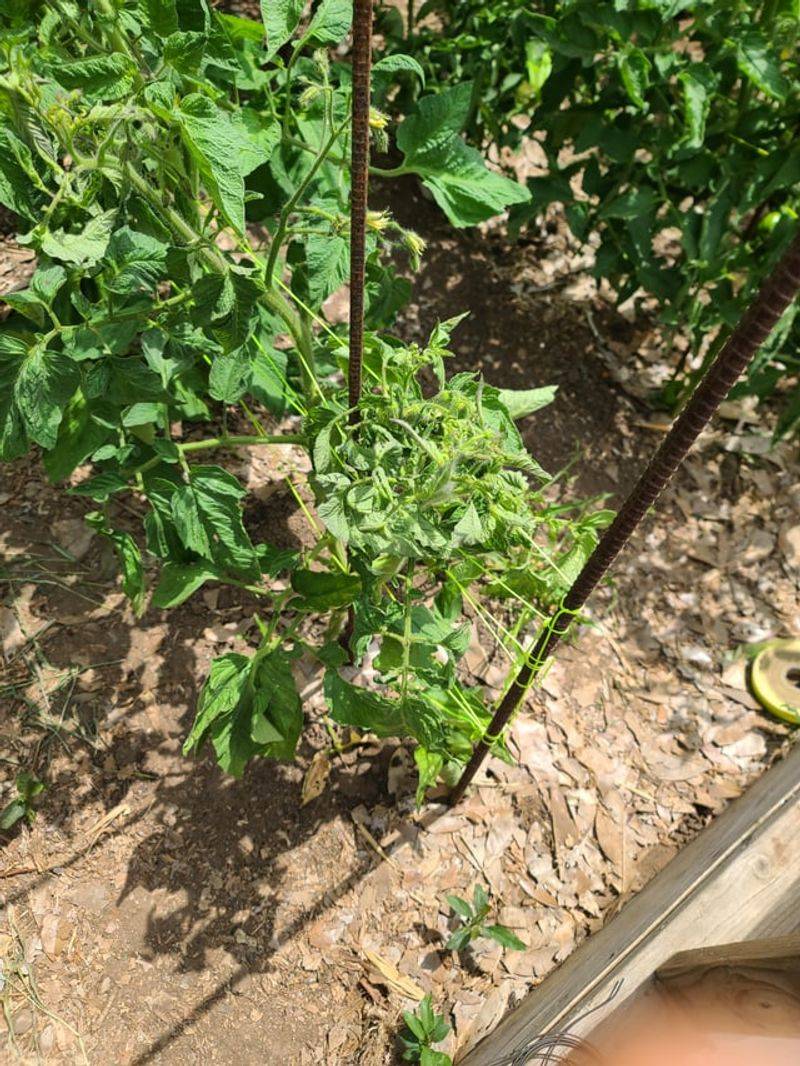
Prevention starts at the plant tag. Seed packets and nursery labels often list letter codes that tell you which diseases or pests a variety can resist.
Root-knot nematodes are a common issue in Florida’s sandy soils, and they can cause knotty, swollen roots that weaken plants.
Varieties marked with an N on the label carry resistance to some root-knot nematodes. That resistance can help, though it may not hold up as well in very hot soil.
Tomato yellow leaf curl virus resistance is also available in several varieties.
Labels may show TYLCV on the tag, and UF/IFAS has released types bred for Florida conditions. Resistant plants can still get infected, but they often handle the virus better than susceptible ones.
Keep in mind that resistance is a tool rather than a cure. Good spacing, crop rotation, and clean garden habits still matter.
Rotating tomatoes away from the same bed each season can lower pest buildup in soil.
Gardeners dealing with stubborn nematode problems sometimes switch to large containers or raised beds with fresh soil mix. Adding compost may also help soil health over time, though results vary from yard to yard.
7. Frost Cloth Can Protect Late Plants During Northern Cold Snaps
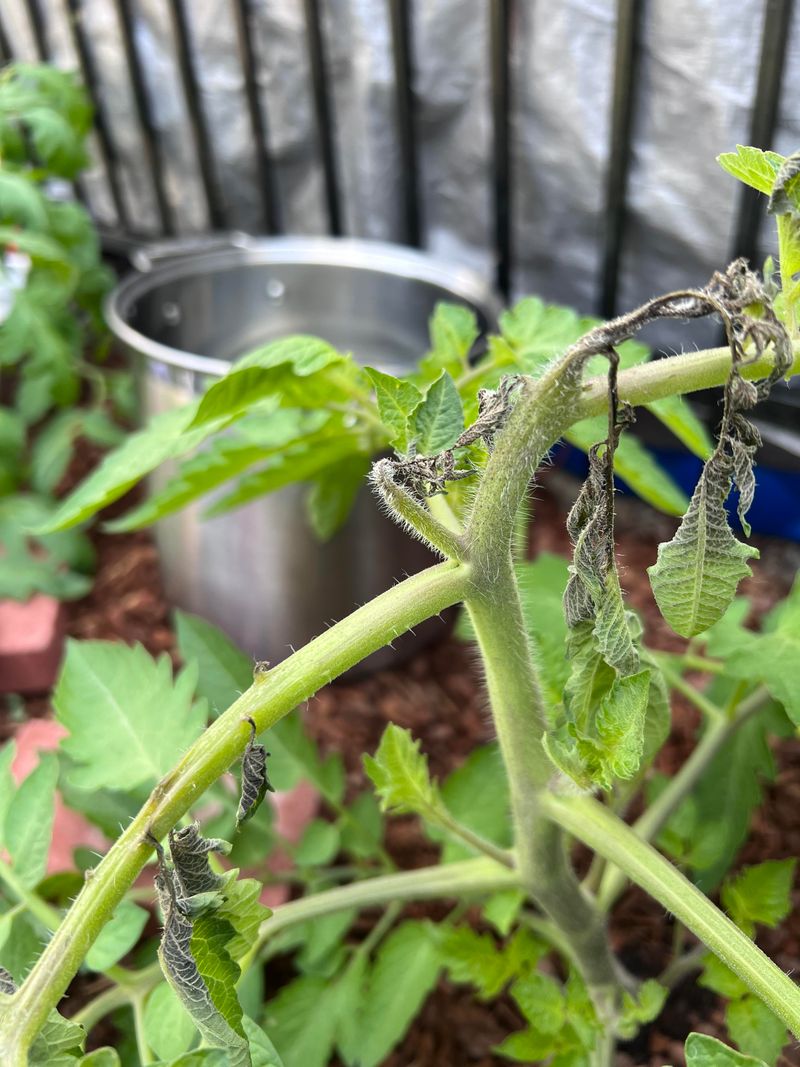
One clear, cold night can undo weeks of work. Tomatoes are sensitive to frost, and cold snaps can reach North Florida and sometimes Central areas during late fall and winter.
Frost cloth gives gardeners a simple way to hold in some ground warmth overnight.
Drape the cloth over plants before sunset when a cold night is forecast. Let it reach all the way to the ground, then weigh down the edges with bricks or soil so heat stays trapped.
Stakes or hoops can keep fabric from pressing on tender leaves.
Remove the cover the next morning once temperatures climb. Leaving it on during a sunny day may overheat plants underneath.
Protection has limits, though. Light frost covers can help during mild cold, but a hard freeze may still harm plants even when they are covered.
Watering soil a day before a cold night may help, since moist soil tends to hold heat better than dry soil.
Green tomatoes that are close to full size can be picked before a hard freeze. Many will ripen indoors at room temperature, giving you a final harvest even if the plants outside do not make it through the cold.