How To Design A Fall Porch Container With Mums, Pansies, And Ornamental Kale In North Carolina
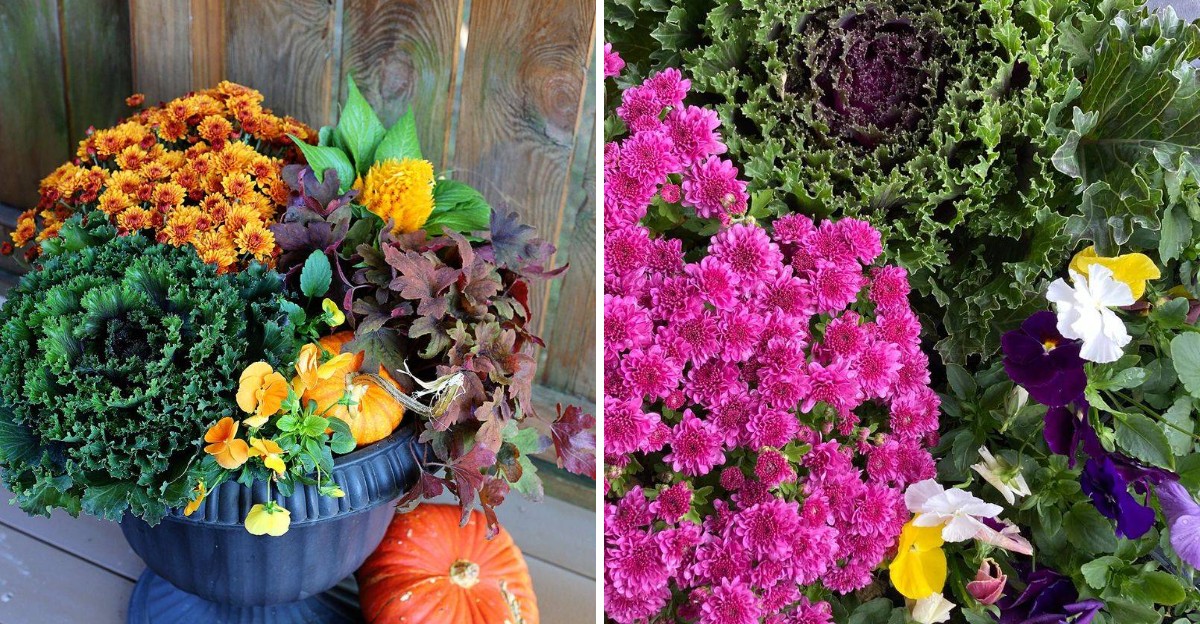
A great fall container looks effortless, but it follows a simple formula. Start with something tall or bold for height. Add a rounded, colorful plant for the middle.
Finish with something that spills over the edge. Mums, pansies, and ornamental kale each play one of those roles well. Kale gives structure, and its ruffled leaves deepen in color as nights cool.
Mums supply bold blooms, and pansies tuck in around the edges with a long season. Color matters too, so pick two or three shades and repeat them. Drainage is the secret that keeps everything healthy.
A pot without holes drowns plants fast. With a little planning, your porch can look polished from now until the holidays.
1. Start With A Large Container And Good Drainage
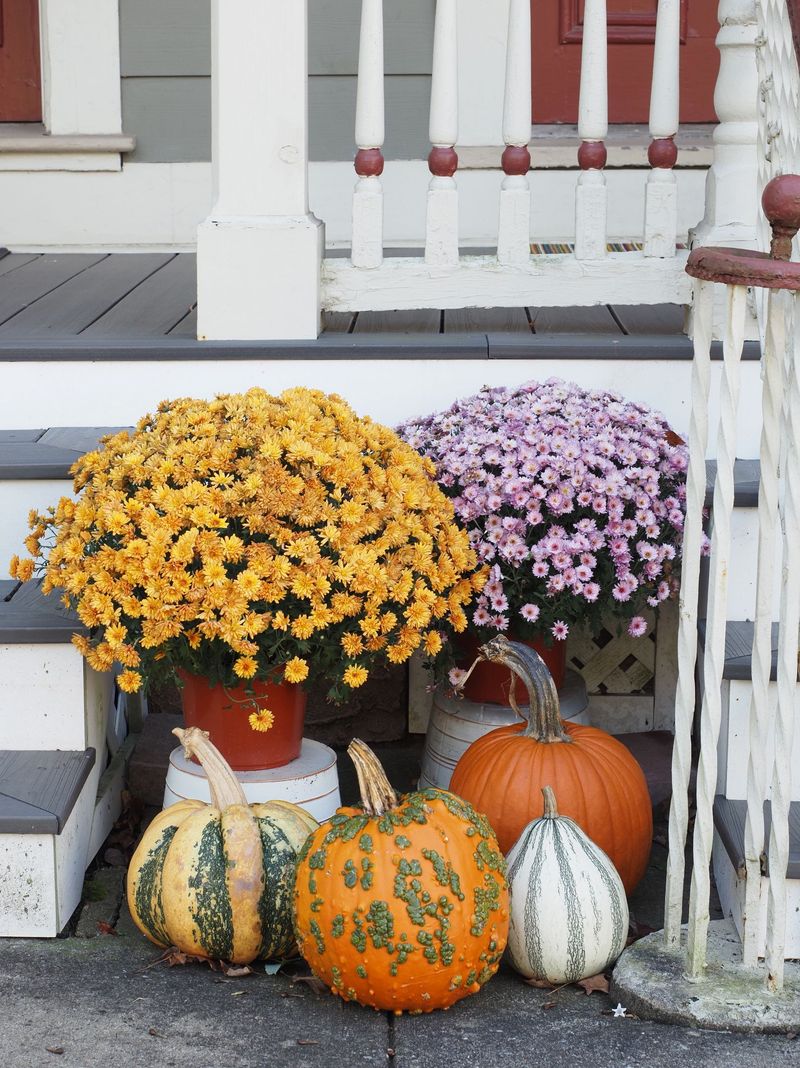
Every great fall display begins long before the first mum goes in. The container you pick is the foundation, and a small or poorly made pot can sink your plans before they ever get started.
Size matters more than most people think. A bigger pot holds more soil, and more soil means moisture lasts longer between waterings.
Mums, pansies, and ornamental kale also need room for their roots to spread, so a roomy home keeps them happy and growing.
Aim for a container at least 14 to 18 inches wide. Before you buy, flip it over and look for drainage holes. If there are none, either drill a few yourself or choose a different pot, because roots that sit in water will soon turn mushy and rot.
Next comes the soil. Grab a bag of quality potting mix instead of scooping dirt from your yard. Garden soil packs down hard in pots, which squeezes out air and holds too much water. Potting mix stays light and fluffy, giving roots the oxygen they crave.
One small trick makes a big difference. Set your container on pot feet, bricks, or a plant stand so water can flow out of the bottom freely. A pot sitting flat on the porch floor can trap water underneath and even stain your boards or concrete.
North Carolina falls can bring heavy rain, especially when tropical storms roll through in September and October.
A container without solid drainage can fill up like a bucket in a single afternoon. Planning ahead now protects your plants and saves you from replacing soggy flowers later in the season.
2. Use The Thriller, Filler, And Spiller Approach
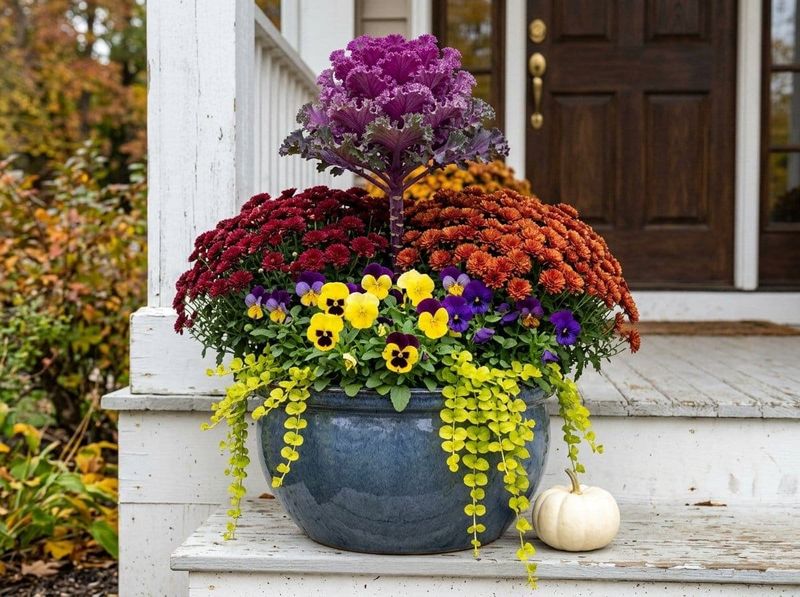
Garden designers have a secret recipe, and it only has three ingredients. Thriller, filler, and spiller might sound like a movie lineup, but together they create containers that look polished and full.
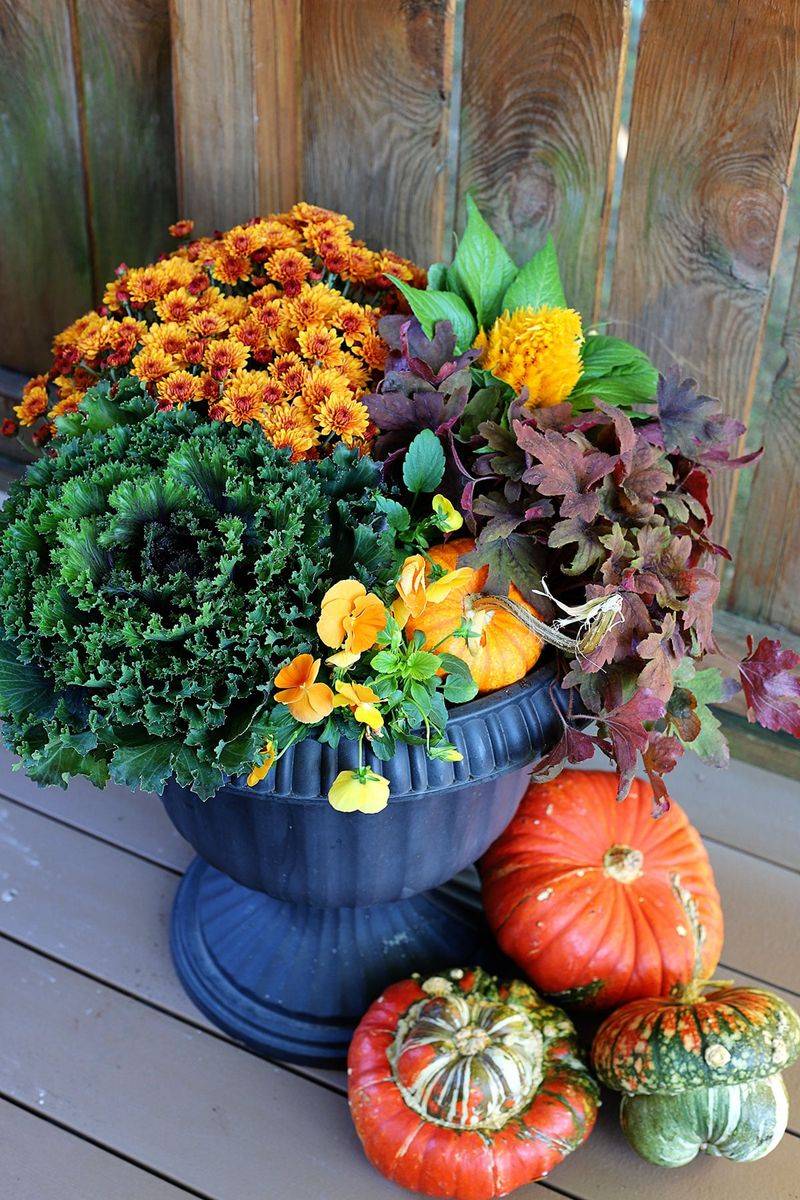
A thriller is the star of the show. It stands tall in the center or back of the pot and draws the eye right away. A bushy mum or a big, frilly ornamental kale works beautifully here.
Fillers come next. These rounded plants surround the thriller and fill the empty spaces so no bare soil peeks through. Pansies are ideal fillers because they stay compact and bloom in nearly every color you can imagine.
Your North Carolina Garden Changes Every Week. Your Plan Should Too.
Gardening in North Carolina changes quickly throughout the season. Every Friday you’ll receive a simple weekly plan showing exactly what to plant, prune, fertilize, harvest, and protect so you never miss the right timing.
Spillers finish the look by tumbling over the edge of the pot. Trailing pansies, violas, and sweet alyssum soften the rim and make the planting feel relaxed and natural. Sweet alyssum even adds a light honey scent that guests notice as they walk by.
Want a little extra drama? Tuck an ornamental grass like purple fountain grass or carex behind the mum. The fine blades add height and movement, swaying gently whenever a breeze passes.
Layering plants this way gives your container depth from every angle. Instead of a flat row of flowers, you get a design that rises, fills, and flows, much like the planters you see at garden centers.
For North Carolina homeowners, this formula fits almost any spot. A pair of matching pots can frame a front door, while smaller versions brighten porch steps or sit beside a mailbox. Once you learn the pattern, you can repeat it every season with new plants.
3. Pick A Color Scheme That Ties It Together
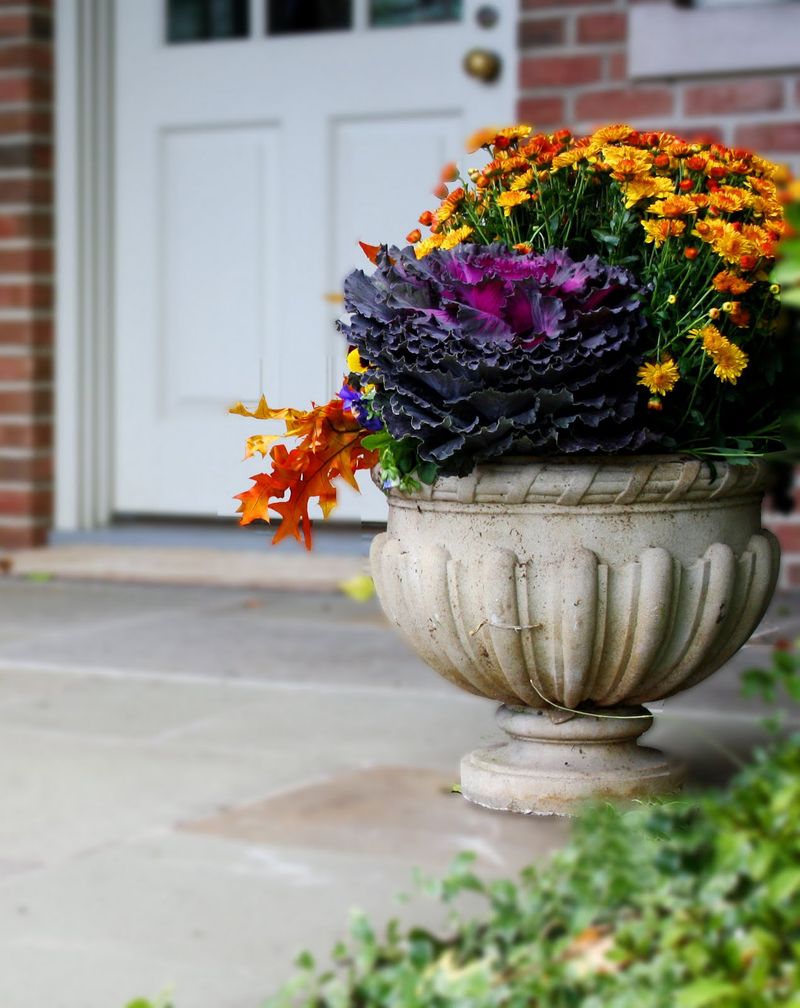
Walk past two porches, and one always catches your eye more than the other. Often the difference comes down to color. A planned palette looks clean and confident, while a random mix can feel busy.
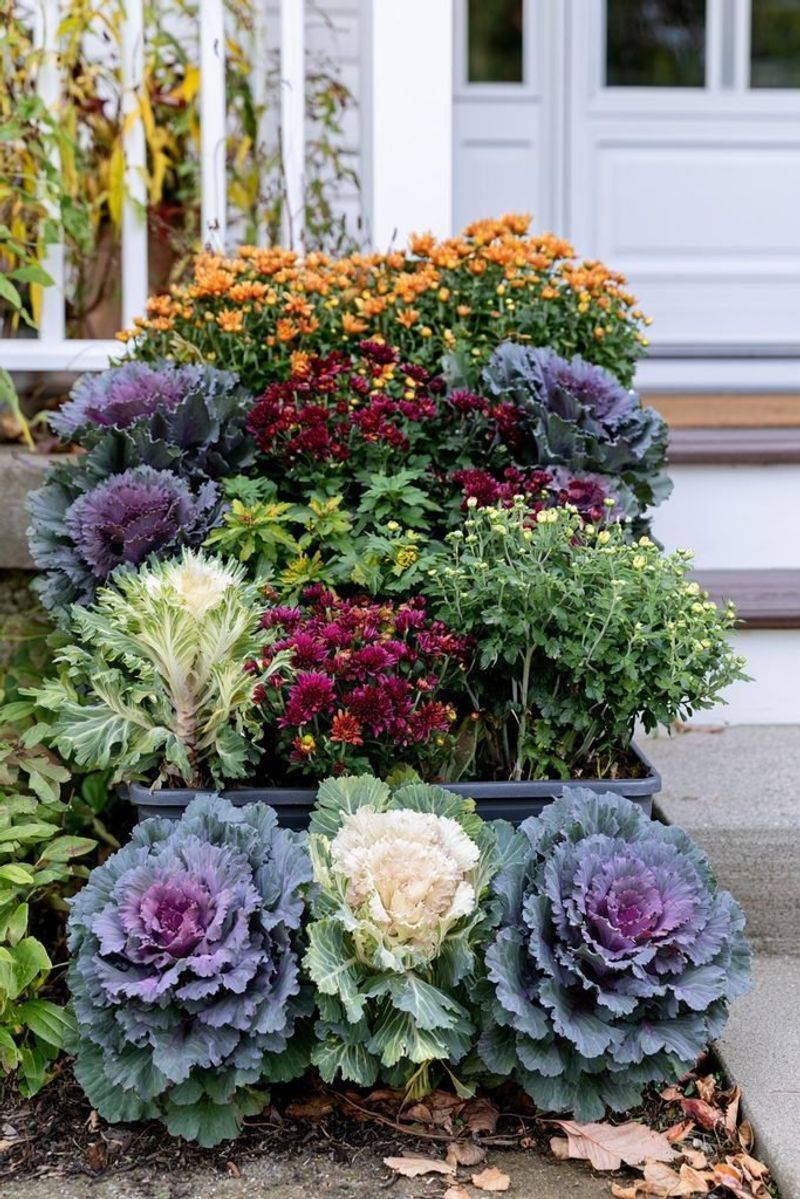
Fall plants hand you plenty of options. Mums glow in orange, gold, bronze, red, and white. Pansies show up in purple, yellow, blue, and cream, and ornamental kale adds swirls of pink, purple, and white.
For bold contrast, try bronze or orange mums with deep purple pansies and purple kale. Orange and purple share a warm-meets-cool contrast, so they make each other pop. The effect feels warm, cheerful, and very autumn.
Prefer something calmer? Pair white mums with white and pale yellow pansies plus white ornamental kale. The soft tones look elegant and fresh, and they shine at dusk when bright colors fade into shadow.
Your house can guide you, too. Look at your front door, shutters, or porch trim and pick plants that match or complement them. A red door looks striking beside golden mums, and a gray house brightens up with pink kale and magenta pansies.
Sticking to two or three main colors keeps things simple. You can always add accents later with pumpkins or a fall wreath. Color planning really pays off in North Carolina.
Containers here often stay on display from October well into winter, so you will look at them for months. Choosing shades you truly love means your porch keeps making you smile every time you come home.
4. Plant Close Together For An Instant Look
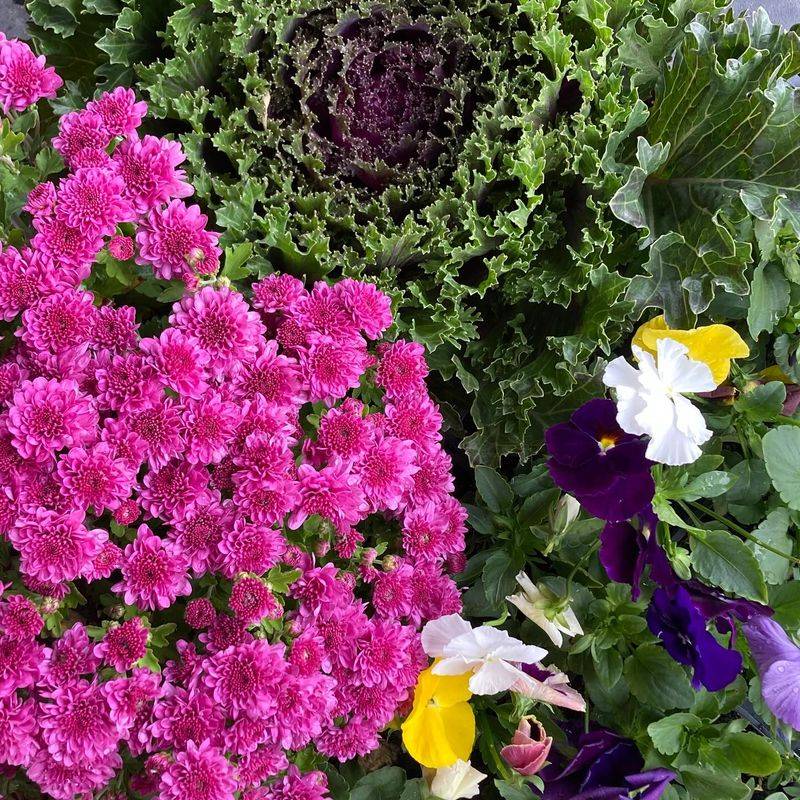
Summer gardeners learn to leave space between plants. Fall rules are different, and breaking that old habit gives you a fuller container right from day one.
Cool weather slows plant growth. Summer annuals like petunias can double in size within weeks, but mums, pansies, and kale stay closer to the size you buy. If you space them far apart, gaps may linger all season.
Packing them snugly solves the problem. Your container looks lush and finished the moment you step back, with no waiting required.
Start by sliding each plant out of its nursery pot. If the roots circle tightly, gently tease them apart with your fingers so they can reach into fresh soil. Be kind here, since a light touch works better than tearing.
Set the largest plant first, then work outward. Place each one close enough that the leaves nearly touch their neighbors. It may feel crowded, but that is exactly the goal.
Fill every gap with potting mix and press lightly to remove air pockets. Keep the soil level about an inch below the rim. That small space gives water a place to collect so it soaks in instead of running off the sides.
Finish with a slow, deep watering until it drains out the bottom. That first drink helps roots settle into their new home.
North Carolina gardeners host plenty of fall gatherings, from football parties to Thanksgiving dinners. A tightly planted container looks ready for company right away, so your porch shines when friends and family arrive.
5. Place Containers Where They Get Enough Sun
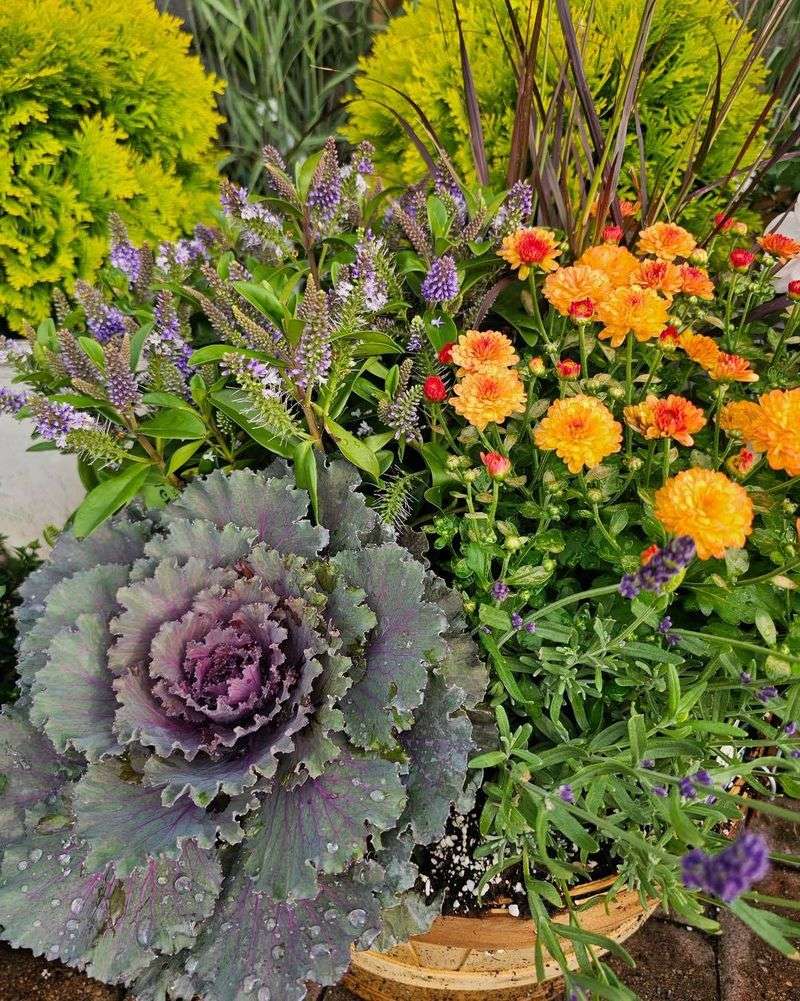
Sunshine is the fuel that powers your fall display. Without enough of it, even the healthiest plants from the garden center will start to look tired.
Mums, pansies, and ornamental kale all perform best with at least six hours of sun each day. Mums open more buds and hold their blooms longer in bright light. Pansies keep pumping out new flowers, and kale develops its richest pinks and purples.
So where should your pots go? Spend a day watching how light moves across your porch. Note which spots stay bright from morning through afternoon, then set your containers there.
Covered porches can be tricky. A deep roof might keep rain off, but it also blocks light, leaving plants stretching and pale. Move pots toward the edge of the porch or onto the front steps where open sky reaches them.
Uneven light causes plants to lean toward the sun. A simple fix is to give each container a quarter turn every week or so. Your plants will grow evenly and look balanced from every side.
A plant caddy with wheels makes rotating heavy pots much easier. Your back will thank you, especially with large containers full of damp soil. Season changes matter here in North Carolina.
Fall days grow shorter, and the sun sits lower in the sky than it does in summer. A porch that felt sunny in July can turn surprisingly shady by November, so check your spots again as the weeks go by and shift containers when needed.
6. Water And Feed With Care
Here is a mistake many people make: they keep watering in fall the same way they did in August. Cooler air changes everything, and your watering habits should change too.
Containers still dry out faster than garden beds because their soil is exposed on all sides. Yet chilly temperatures mean plants drink far less than they do in summer heat. Watering on a fixed schedule can leave roots soggy one week and thirsty the next.
Your finger is the best tool. Push it into the soil about an inch deep, and if it feels dry, grab the watering can. If it still feels moist, wait another day and check again.
Morning is the ideal time to water. Aim at the base of the plants rather than over the leaves, since wet foliage overnight can invite mildew and leaf spots. Morning watering also lets any splashes dry quickly in the sun.
Pansies and kale appreciate a light snack every few weeks. Choose a fertilizer made for cool weather, such as one with nitrate nitrogen, because plants absorb it better in chilly soil. Mums usually need little feeding once they are already in bloom.
Pinch off faded pansy flowers as you water. Removing old blooms encourages the plant to make fresh ones instead of seeds.
Water wisdom matters a lot in North Carolina. Much of the state has faced drought conditions, and many towns set limits on outdoor irrigation.
Hand watering containers is usually allowed and uses water wisely, so your porch stays beautiful while you follow local rules.
7. Plan For Mums To Fade And Kale To Shine
Think of your fall container as a story with several chapters. The opening act belongs to the mums, but the ending stars a different cast entirely.
Mums bloom for several weeks before their flowers turn brown and crispy. A hard freeze speeds things up. Pansies and ornamental kale, on the other hand, laugh at the cold and keep going strong.
Kale actually gets better as nights grow cooler. Once temperatures dip below about 50 degrees, the centers turn brighter shades of pink, purple, or creamy white. Many people find their kale looks its best in December.
When the mums finish, pull them out and fill the space with something fresh. Extra pansies keep the color going, while a dwarf boxwood or small evergreen gives year-round structure. Ornamental grasses add soft texture and height.
Seasonal touches make the transition fun. Tuck small pumpkins and gourds around the base in fall. Swap them for pine boughs, holly, pinecones, or red berries when the holidays arrive.
Severe cold snaps occasionally sweep through, even in the Piedmont and coastal areas. When single digits or icy winds are forecast, drape a frost cloth over your pots or slide them against the house where it stays warmer.
Pansies bounce back quickly after a freeze once the sun returns. The payoff in North Carolina is huge.
Thanks to our mild winters, a container planted in October can glide right into a winter display that lasts until spring. One planting, a few smart swaps, and your porch stays welcoming for half the year.