Why Fall Broccoli Sometimes Forms Tiny Button Heads In North Carolina
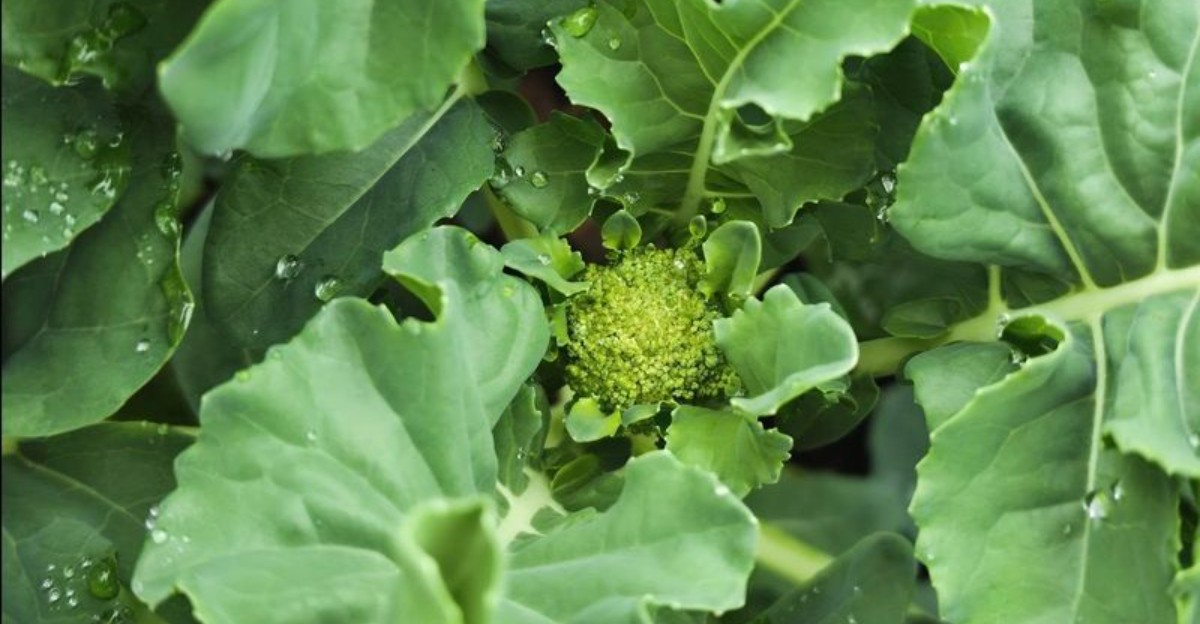
A broccoli plant that produces a tiny head far too early is a frustrating sight. Gardeners call it buttoning. The plant behaves as though it must flower right now.
Stress is usually the trigger. A sudden cold snap, a long dry spell, or low nutrients can all send that signal. Transplants that are too old, or have crowded roots in their pots, are also prone to it.
North Carolina’s up-and-down fall temperatures make buttoning more common than many gardeners expect. Once a plant buttons, it rarely recovers into a full head. The better strategy is prevention.
Healthy transplants, steady moisture, and good feeding set broccoli up to grow large, tight heads instead of tiny ones.
1. Transplants Were Too Old Or Root-Bound
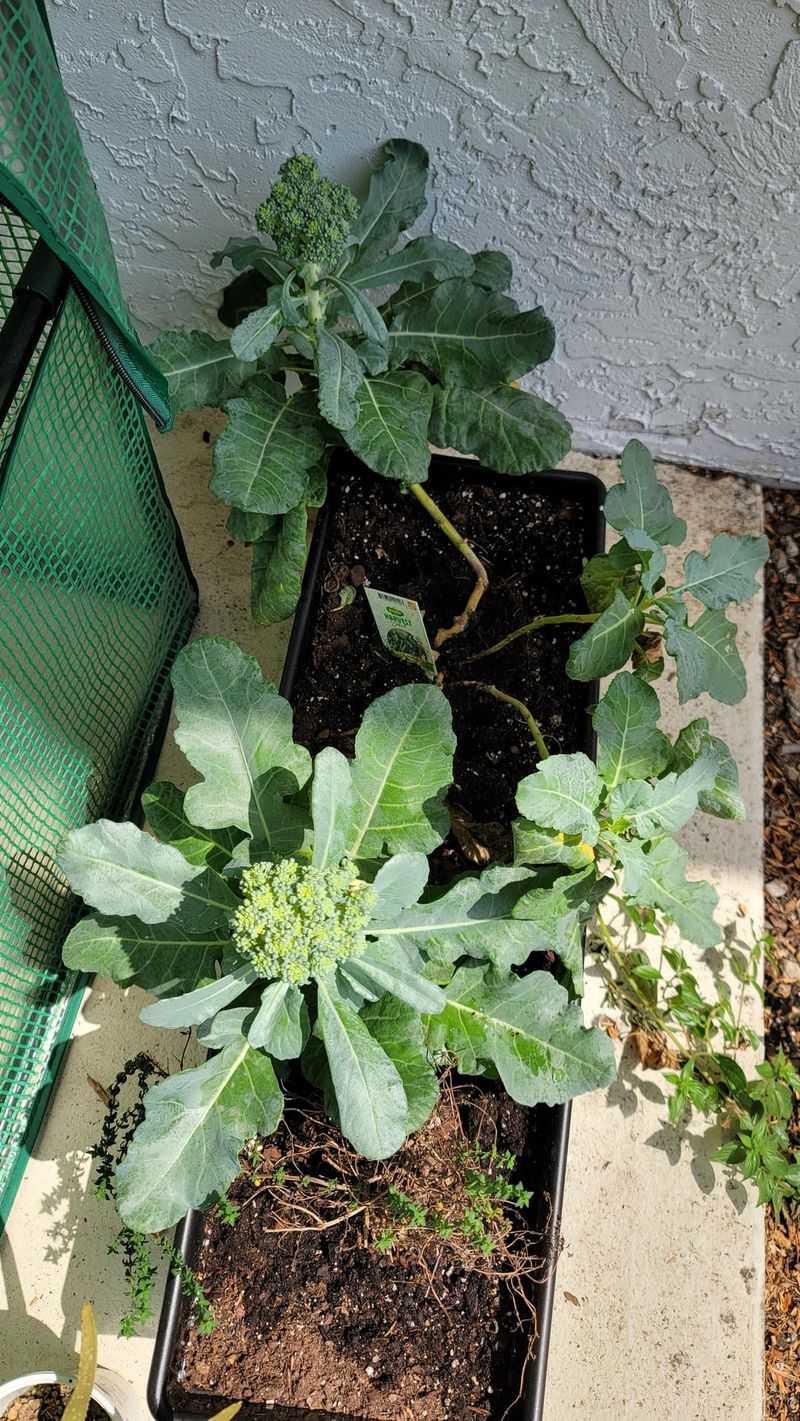
Every big broccoli head starts with a good beginning, and that beginning sits in a tiny pot at the garden center. A seedling that looks green on top can hide a tangled mess of roots below. When roots run out of room, the whole plant feels stressed.
Stressed young broccoli often panics in its own way. Instead of building a strong frame of wide leaves, it skips ahead and forms a small, early head called a button.
Since leaves are the energy factory for the head, a plant with only a few of them simply cannot make a large crown later.
Shopping smart fixes most of this problem. Look for young plants with about four to five true leaves, which are the leaves that look like real broccoli leaves, not the first round seed leaves. Gently slide a plant out of its pot if the store allows it.
Thick roots wrapping around and around the soil are a warning sign, and any plant already showing a tiny head should stay on the shelf.
Timing at home counts too. Try to plant your new transplants within a day or two of buying them, and keep them watered and shaded until they go in the ground. If you see a few circling roots, loosen them softly with your fingers before planting.
North Carolina gardeners face a special challenge here. Fall broccoli transplants often sit at garden centers through hot late summer weeks, drying out between waterings and baking on sunny benches.
Arriving early in the shipping season, or asking staff when new plants came in, gives you the freshest choices. Growing your own seedlings indoors is another great way to control their age and keep them happy.
2. Cold Snaps Hit Young Plants
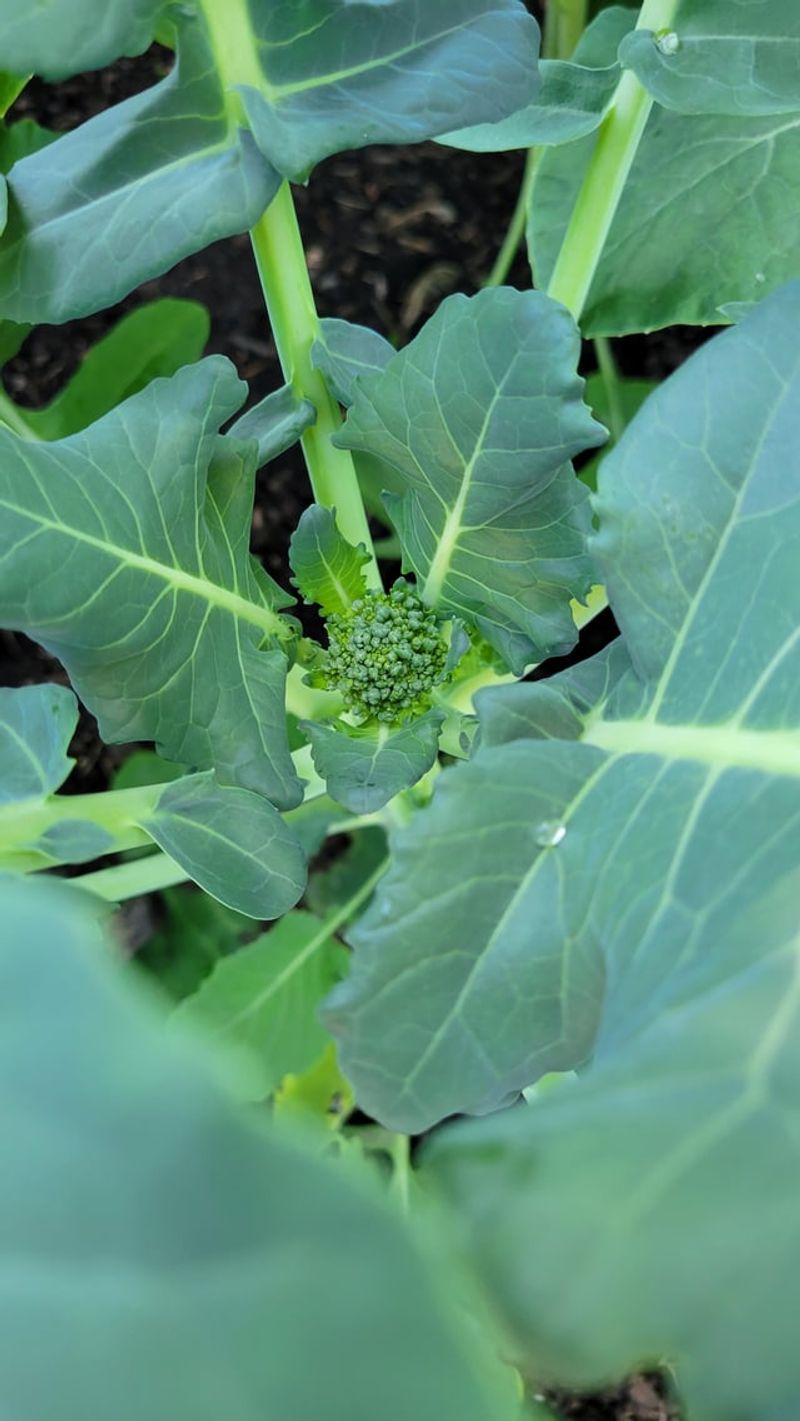
Broccoli loves cool weather, so it sounds strange that cold could cause trouble. The catch is all about timing. A grown plant shrugs off chilly nights, but a baby plant reacts very differently.
When young broccoli sits through several days of cold temperatures, usually below about 50 degrees, it can get confused. The plant acts as if winter is coming fast and it must hurry. So it skips much of its leafy growth and pushes out a small head far too early.
Researchers and extension experts have seen this pattern for years, and it explains many disappointing harvests.
Your North Carolina Garden Changes Every Week. Your Plan Should Too.
Gardening in North Carolina changes quickly throughout the season. Every Friday you’ll receive a simple weekly plan showing exactly what to plant, prune, fertilize, harvest, and protect so you never miss the right timing.
Planting early enough is your strongest defense. Aim to have plants well grown, with plenty of big leaves, before cold weather settles in. A sturdy plant with a full set of leaves will handle chilly nights and keep growing toward a nice crown.
Even good timing cannot stop every surprise, though. Keep a roll of floating row cover handy in your shed. This light fabric lets in sun and rain while trapping some warmth from the soil at night.
Drape it loosely over young plants when the forecast drops, and pin the edges down with rocks or soil so wind cannot lift it. Pull it back on warm, sunny days so plants do not overheat.
Fall weather in North Carolina loves to swing back and forth. One week might bring warm, summery afternoons, and the next can deliver crisp nights in the 40s. Gardeners in the Mountains and Piedmont see these swings most often.
Checking the weather app each evening becomes a simple habit that protects your young plants and your future dinner plans.
3. Planting Too Late Leaves Too Little Time
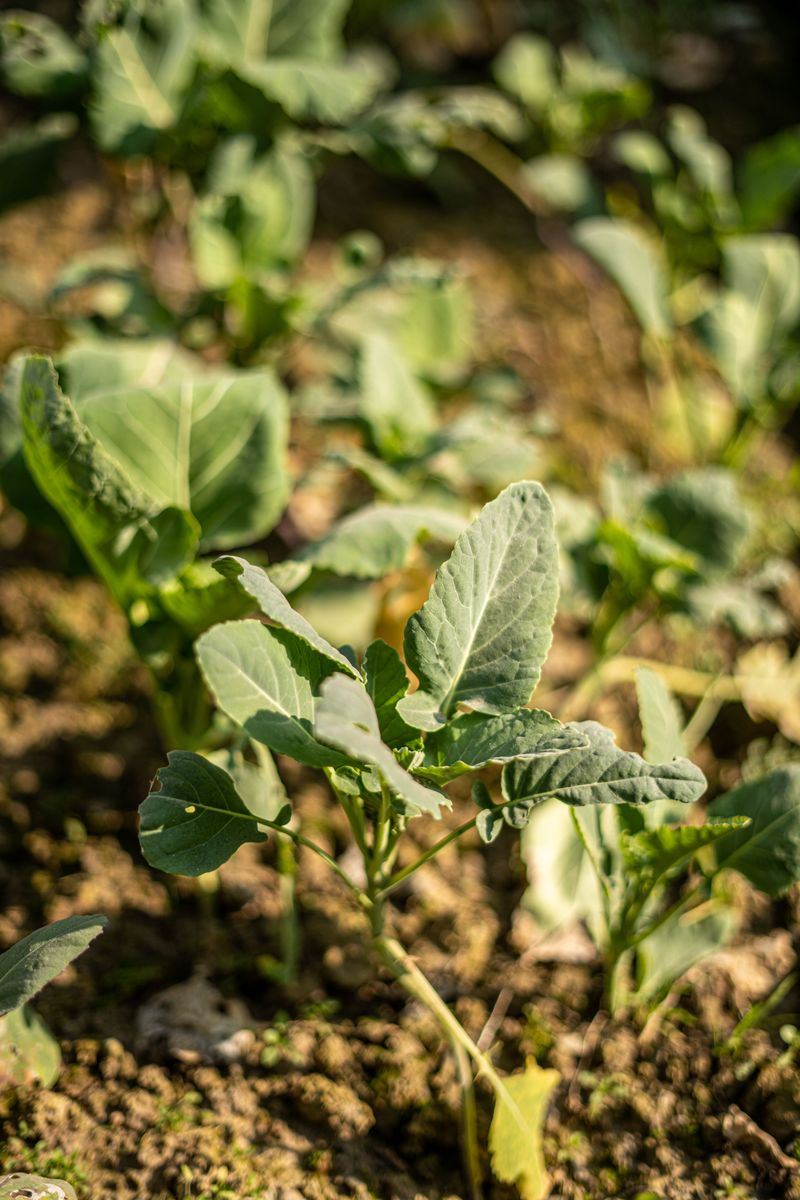
Think of broccoli as a builder that needs a full work season. First it puts up the walls, which are its leaves, and only then does it add the roof, which is the head. Cut the season short, and the roof ends up tiny.
Plants set out too late in fall run into two problems at once. Days grow shorter, so there is less sunlight to fuel growth. Cooler temperatures also slow everything down.
With less time and less energy, the plant forms its head before it has enough leaves, and you get a small crown or a button.
Good timing depends on where you live in the state. In the Mountains, set out fall broccoli transplants from late July into August. Piedmont gardeners should plant during August. Down in the Coastal Plain, the window runs from August into early September.
Those dates are guides, not strict rules. A cooler than normal year might mean planting on the early side, while a long, warm fall gives you a little extra breathing room. Many gardeners keep a simple notebook with planting dates and harvest results.
After a few seasons, that notebook becomes your best local guide. North Carolina stretches from high mountain peaks to sandy coastal towns, so first frost dates can differ by several weeks across the state.
A friend in Boone and a cousin in Wilmington should not plant on the same day. Your county extension office can share local frost dates and planting calendars for free, which makes it much easier to hit the sweet spot.
4. Dry Soil Stresses The Plants
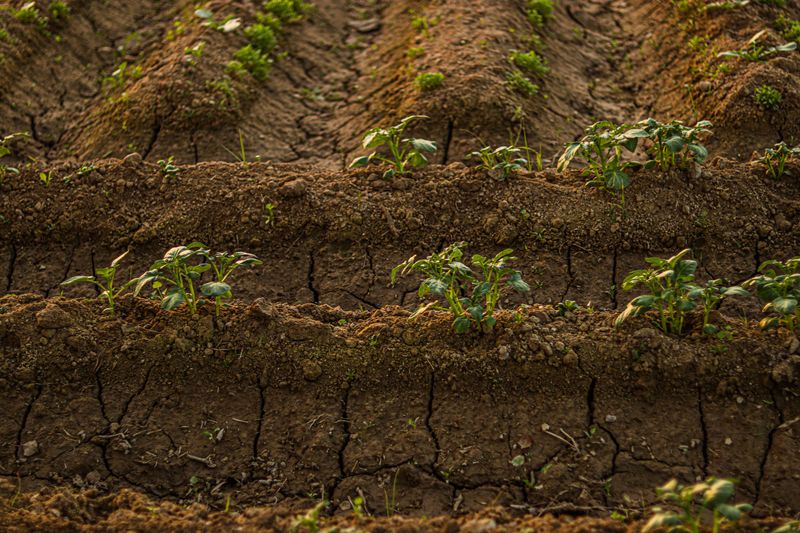
Cracked soil and droopy leaves tell a story every gardener recognizes. Broccoli is a thirsty crop, and it notices quickly when water runs short. Even a few dry days during key growth can change the final harvest.
Steady moisture lets broccoli build large, healthy leaves. When the soil dries out, growth slows down, and the plant feels threatened. As a stress response, it may form a small head early, trying to finish its job before conditions get worse.
Deep watering works far better than quick sprinkles. During dry weather, water deeply about once or twice a week, aiming for about an inch of water per week. A simple rain gauge or even a tuna can set in the garden helps you measure.
Deep soaking encourages roots to grow downward, where the soil stays cooler and moister.
Mulch acts like a cozy blanket for the soil. Spread a few inches of straw, shredded leaves, or pine straw around your plants, keeping it slightly away from the stems. That layer slows evaporation, keeps roots cool, and saves you work.
Watering rules matter this year, too. Much of North Carolina has been in drought, and some towns limit sprinkler use. Hand watering with a can or hose, or using drip irrigation and soaker hoses, puts water right at the roots with very little waste.
Drip lines are especially handy because they deliver slow, even moisture while you go about your day. Pair them with a cheap timer, and your broccoli gets a steady drink even on your busiest weeks.
5. Plants Didn’t Get Enough Nitrogen
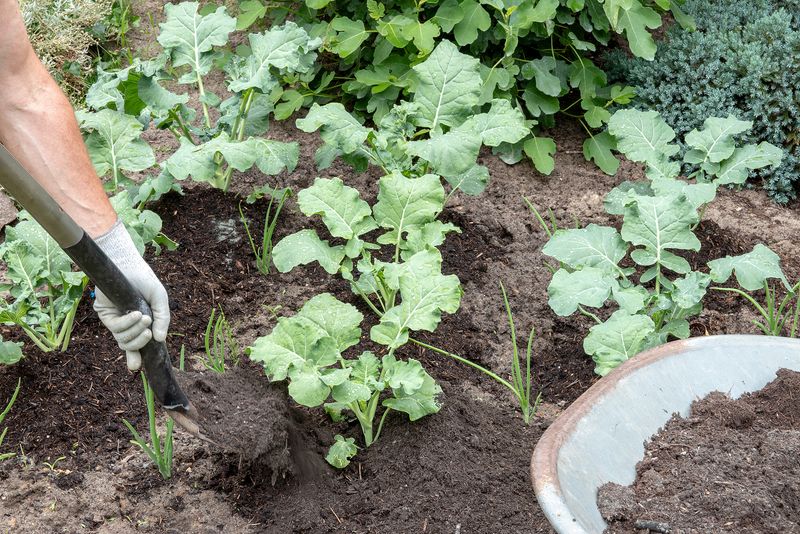
Hungry plants rarely grow big heads, and broccoli has a serious appetite. Gardeners call it a heavy feeder, meaning it pulls lots of nutrients from the soil. Nitrogen is the one it craves most.
Here is how the chain works. Nitrogen helps broccoli grow large green leaves, and those leaves capture sunlight to make the energy that builds a big head. When nutrients run low, plants stay small and pale, and they may form buttons instead of full crowns.
Start with a soil test before planting. In North Carolina, the Department of Agriculture offers soil testing, and it is free for much of the year, with a small fee during the busy season.
The results tell you exactly what your soil needs, including whether you should add lime. Next, work a few inches of compost into the bed.
Compost feeds the soil, holds moisture, and gives roots a soft place to spread. Then apply fertilizer based on your soil test recommendations rather than guessing.
Broccoli also enjoys a second meal. About three to four weeks after transplanting, side-dress your plants by sprinkling a nitrogen fertilizer in a band a few inches from the stems. Water it in well so it reaches the roots.
Follow the label rate, because too much can burn plants. Many North Carolina soils, especially sandy Coastal Plain soils and red Piedmont clay, are naturally low in organic matter.
Heavy rains from summer storms and hurricanes can also wash nitrogen away quickly. Regular compost and a timely side-dressing help your broccoli keep eating well all season.
6. Heat At Planting Time Slowed Them Down
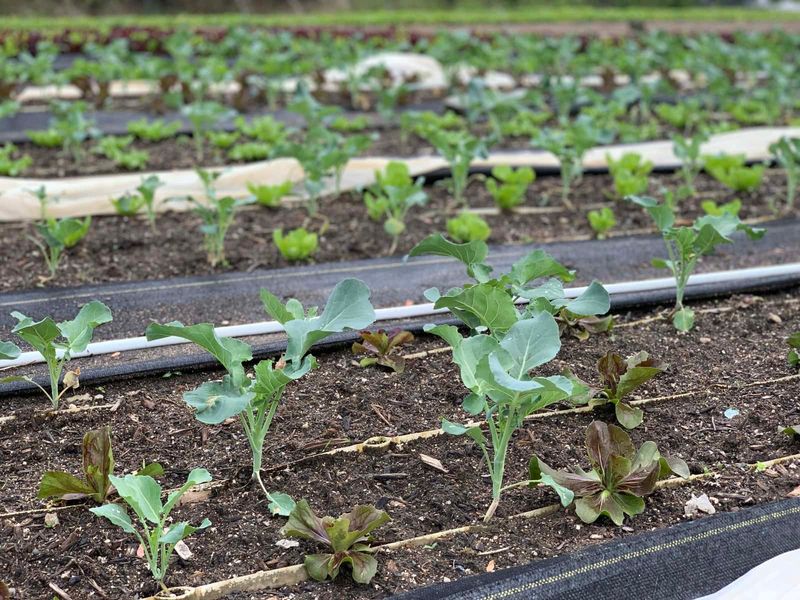
August in North Carolina can feel like stepping into a warm, wet towel. Gardeners sweat, dogs nap in the shade, and tender broccoli transplants struggle. Yet that steamy month is exactly when many of us plant fall broccoli.
Freshly planted seedlings have small root systems that cannot pull up much water yet. Under strong sun and high heat, they lose moisture through their leaves faster than roots can replace it.
Plants that struggle to settle in often grow poorly for weeks, and that early setback can lead to small heads later in fall.
A few simple tricks make planting day much easier on your plants. Choose a cloudy day, or plant in the evening after the sun drops low. Cooler hours give roots a full night to recover before facing another hot afternoon.
Water each transplant in well right after planting, soaking the soil around the root ball. For the first few days, offer temporary shade if the weather is hot.
Shade cloth, an old sheet on stakes, a lawn chair, or even a cardboard box propped on the sunny side all work nicely. Remove the shade once plants perk up and stand tall.
Keep the soil evenly moist while roots grow outward, checking daily during the first week. Push a finger into the soil, and if it feels dry an inch down, it is time to water.
Patience during these early days pays off in a big way. A transplant that settles in smoothly keeps growing leaves without pause, and those leaves become the engine for a full, tasty head.
7. Crowding And Weeds Compete For Resources
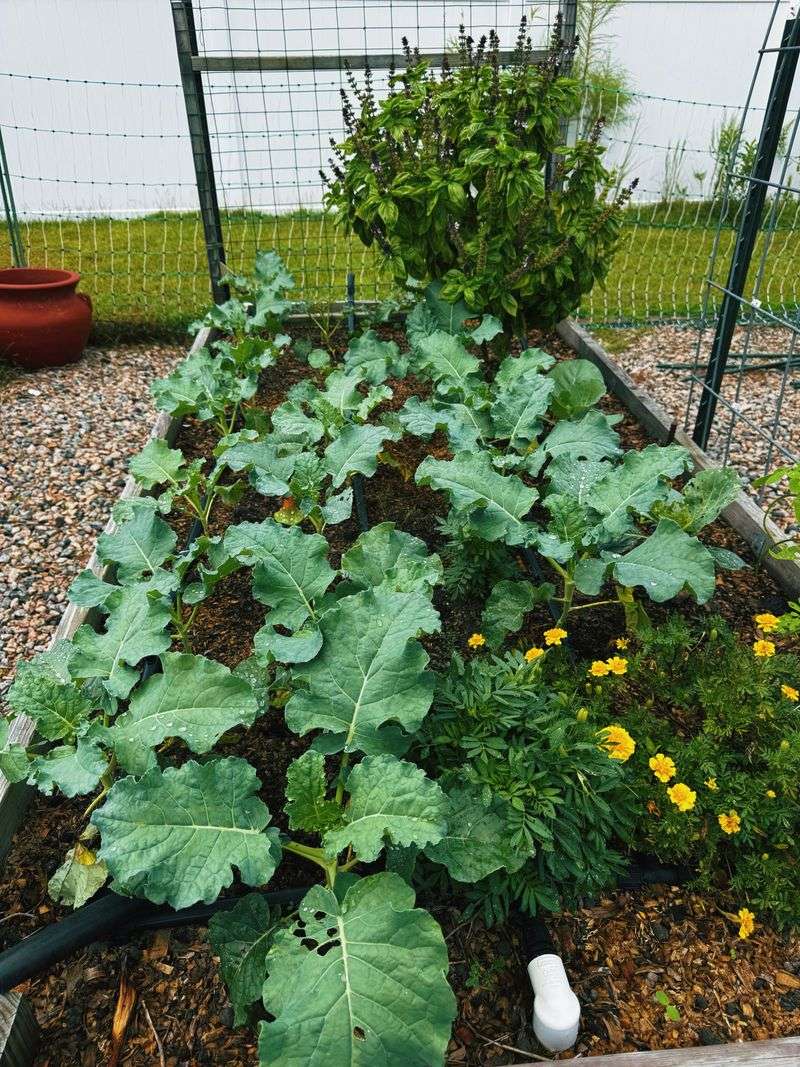
Squeezing in just one more plant feels tempting when you have a whole flat of seedlings. Unfortunately, broccoli does not enjoy sharing. Crowded plants and weedy beds are quiet thieves that steal your harvest.
Every plant in a bed competes for the same water, nutrients, and sunlight. When broccoli sits too close to its neighbors or gets surrounded by weeds, it receives less of everything.
Leaf growth slows, and fewer leaves mean less energy for the head, so crowns end up smaller. Proper spacing gives each plant room to shine. Set broccoli about 18 inches apart in rows about 2 to 3 feet apart. Raised beds can use a similar 18 inch grid.
That space might look empty at first, but full-grown broccoli plants spread wide and will fill it quickly. Weeding matters most while plants are young.
Small broccoli cannot shade out weeds yet, so pull or hoe them often during the first month. Weeds are much easier to remove when they are tiny, and a quick ten minute stroll with a hoe twice a week keeps things tidy.
Mulch is your best weed partner. A thick layer of straw or shredded leaves blocks sunlight from weed seeds, so fewer of them sprout. It also keeps soil moist, which helps your broccoli twice over.
North Carolina gardeners know how fast weeds can take over. Warm late summer and early fall weather lets crabgrass, nutsedge, and other weeds grow almost overnight.
Staying ahead of them early in the season protects your broccoli and leaves room for big, beautiful heads.