The Watering Mistake Behind Brown Tips On California Peace Lilies
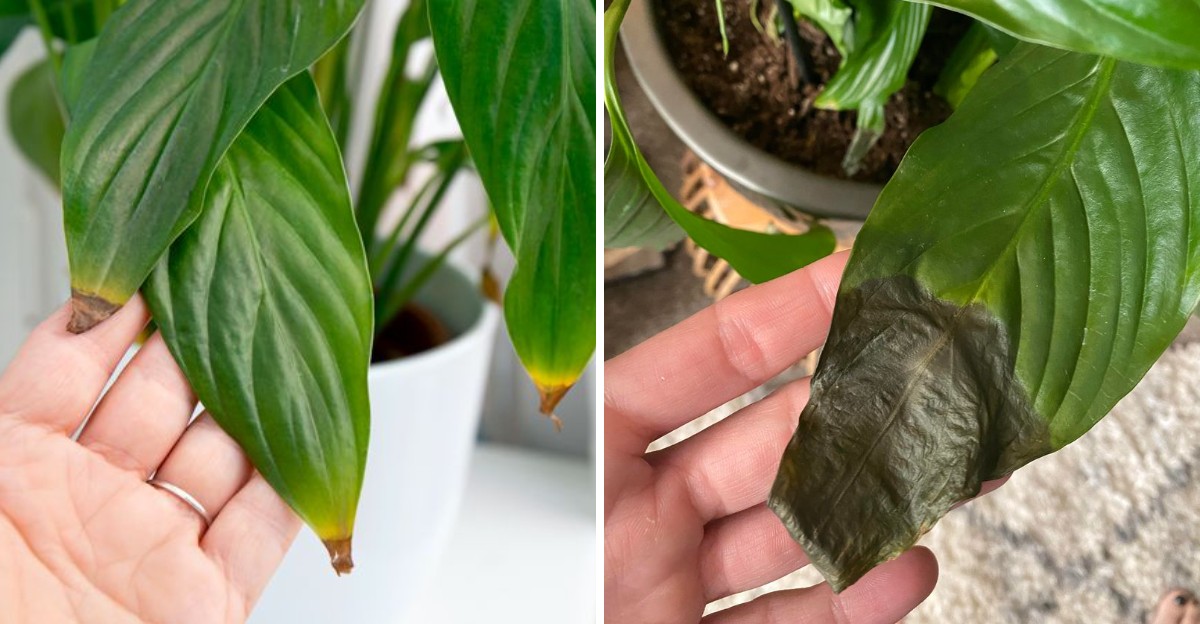
A bright corner of a California living room can make a peace lily look like a portrait of calm. Glossy leaves arch upward, and white blooms rise like small flags.
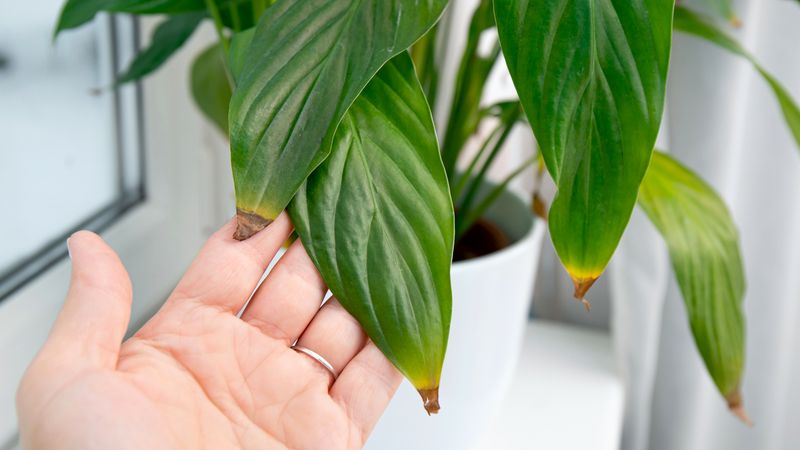
Then the tips start turning brown.
Crisp edges creep inward, a little more each week, even when the plant seems well cared for.
The cause often hides in a routine that feels perfectly reasonable, along with something flowing straight from the kitchen faucet.
California homes add their own twists, from dry indoor air to mineral-heavy water supplies.
Once the pattern becomes clear, the fixes prove surprisingly simple and inexpensive. A few steady habits can help new leaves unfurl clean and green, keeping that calm corner looking its best.
Letting The Soil Dry Out Completely Is The Culprit
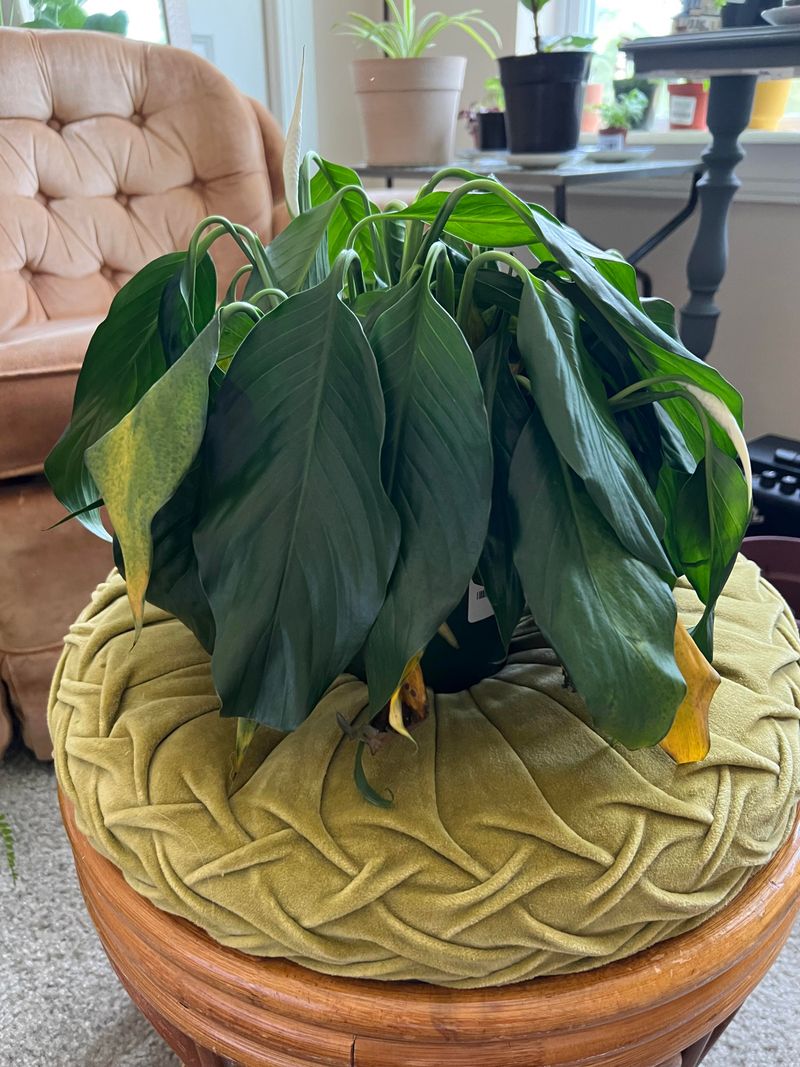
A peace lily slumped over like a tired runner at mile twenty sends a loud signal. Its leaves hang low, and the soil has shrunk away from the pot’s sides.
That dramatic droop means the roots ran out of water.
Peace lilies come from shady, damp rainforest floors in Central and South America. Their fine, thin roots are built for soil that stays moist most of the time.
When potting mix dries out completely, tiny root hairs shrivel and lose their grip on water.
Damaged roots can’t send enough moisture up to the leaves. The plant protects some parts first, and the leaf tips, sitting farthest from the roots, lose out.
They dry, turn tan, and then go crispy brown.
California homes make this worse. Dry indoor air, warm afternoons, and winter heaters all pull water from the soil faster than many people expect.
A pot that stayed damp for a week in spring might dry out in three days during a hot September or a Santa Ana stretch in October.
One droop usually bounces back after watering. Repeated droops leave scars, though, with each episode adding more brown edges.
Every full dry-out works like a small injury that stacks up over time.
Watching the plant beats watching the calendar. A slight softening of the leaves signals readiness for water, well before the big flop.
Pots placed near heater vents or sunny windows usually need the closest watch.
Soaking After A Long Drought Shocks Roots
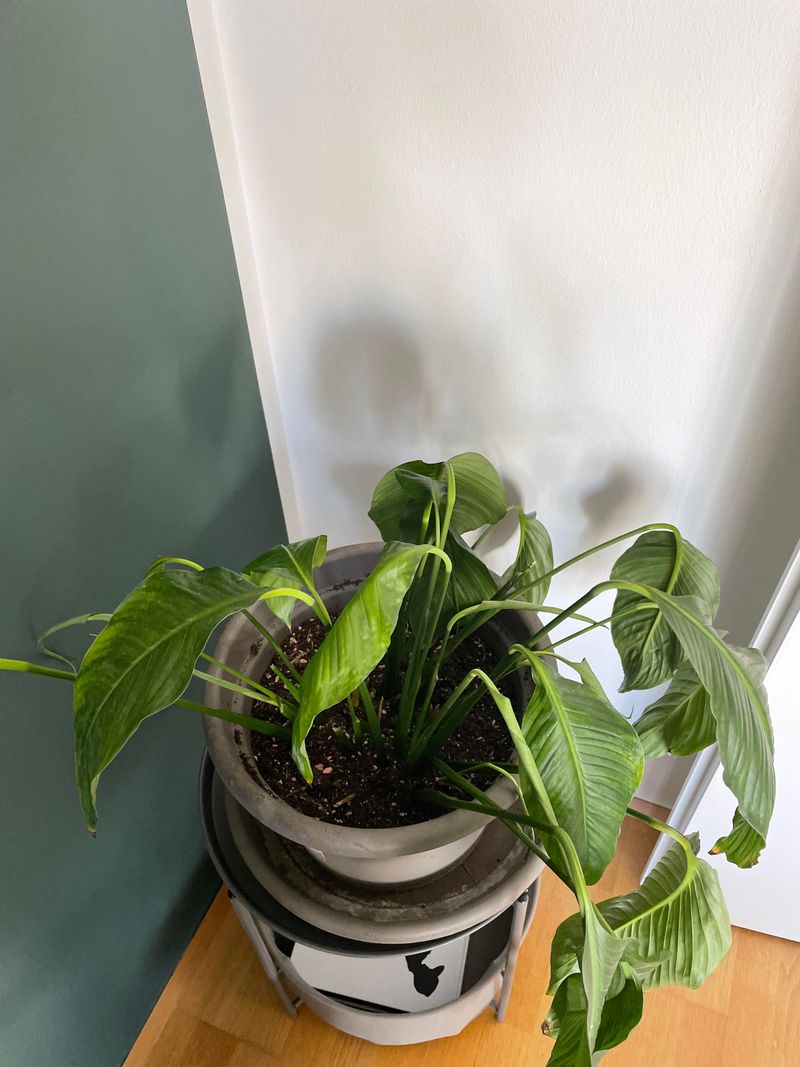
Guilt makes a powerful watering can. After spotting a wilted peace lily, many people pour until water runs everywhere, and the plant perks up within hours.
It seems like a happy ending.
Underneath the soil, the story runs rougher. Roots that dried out are already weakened, and some have shriveled beyond recovery.
Flooding them suddenly can’t undo that harm, and soggy soil can crowd out the air healthy roots need.
Bone-dry potting mix also behaves strangely. Peat-based soil can turn water-repellent, so water rushes down the pot’s sides and out the bottom while the center stays dusty.
The plant takes a double hit. Some roots stay thirsty while outer ones sit in a puddle, and the leaves respond with more brown tips.
Your California Garden Changes Every Week. Your Plan Should Too.
Gardening in California changes quickly throughout the season. Every Friday you’ll receive a simple weekly plan showing exactly what to plant, prune, fertilize, harvest, and protect so you never miss the right timing.
Yellow lower leaves sometimes follow a week or two later.
A gentler rescue works better. Slow, small pours with pauses between them let the soil absorb water gradually.
A very dry pot can sit in a bowl of water for 20 to 30 minutes, letting moisture wick up from the bottom.
Afterward, extra water drains fully and the saucer gets emptied. Smaller, more regular drinks then keep the cycle from repeating.
Steady care beats a dramatic rescue nearly every time, and the plant usually rewards it with healthier new growth.
A note on the calendar after each rescue helps reveal how quickly that particular pot dries out.
Keep Soil Evenly Moist, Not Soggy
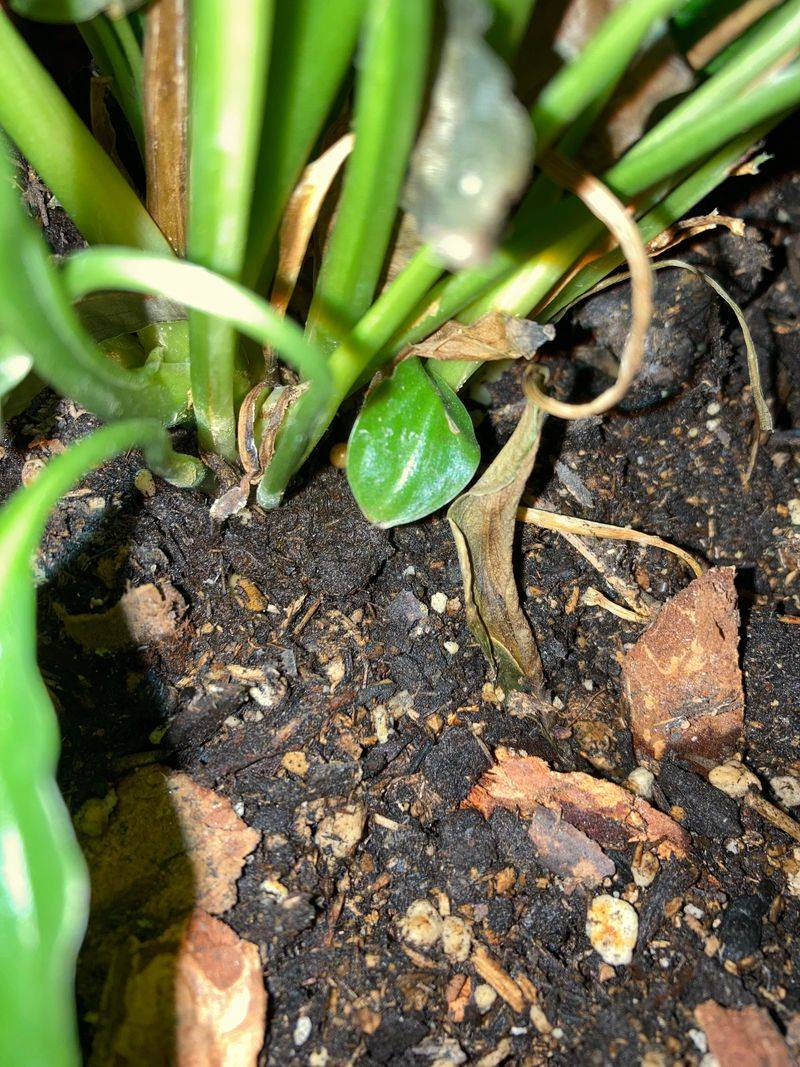
A wrung-out kitchen sponge offers the perfect comparison. It feels cool and damp, yet no water drips when squeezed, the exact feel peace lily soil should have.
A finger makes the best moisture meter. Pushed about one inch into the soil near the pot’s edge, it shows whether the top layer has dried.
Dry soil at that depth signals watering time, while damp soil means waiting another day or two.
Thorough watering works best. A slow pour until a little water drains from the bottom holes gives the whole root ball a drink.
Emptying the saucer after 15 minutes keeps the pot from sitting in a puddle.
Drainage matters as much as watering itself. A pot without holes traps water at the bottom, and roots there can rot.
Rotting roots also cause brown, droopy leaves, which makes the problem confusing to diagnose.
Timing shifts with the seasons. In a warm Southern California summer, watering every four or five days may be needed.
During cool, cloudy winter weeks, once every week or ten days may be plenty. Fall marks the transition, so October checks deserve extra attention.
Lifting the pot helps too. A freshly watered pot feels heavy, while a thirsty one feels surprisingly light.
After a few weeks, the difference becomes easy to judge by feel, and guessing fades away.
Grouping houseplants together raises humidity slightly, which slows drying and helps leaf tips stay healthier.
Tap Water Minerals Burn Leaf Tips
White crust on a pot’s rim tells a story. Those chalky rings are minerals left behind after water evaporates.
Many California cities deliver hard water, especially across Southern California and the Central Valley, where supplies often run mineral-rich.
Each watering adds a small dose of dissolved salts, such as calcium, sodium, and magnesium. Water leaves through the leaves and evaporation, but salts stay behind.
Over months, they pile up in the potting mix.
Plants move water toward leaf tips and edges, and salts travel along, collecting there as water escapes into the air.
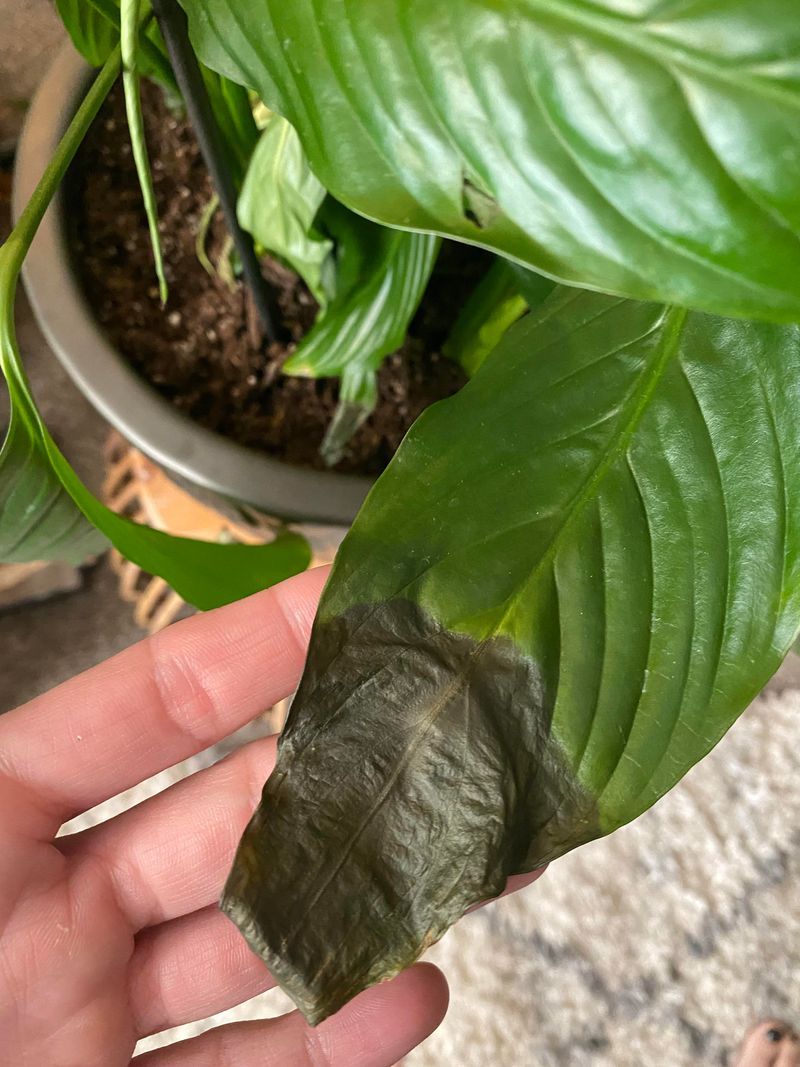
Eventually, the concentration grows high enough to burn the tissue, leaving those classic brown, crispy tips.
Fluoride can add to the trouble. University sources list peace lilies among houseplants that may show tip burn from fluoride, which many cities add to drinking water.
Peace lilies aren’t the most fluoride-sensitive plant, yet salts and fluoride together can push them over the edge.
Dry soil makes everything worse. As potting mix dries, remaining salts concentrate, like soup boiling down on the stove, linking the watering mistake and water quality into one cycle.
Fertilizer adds salts too, so feeding lightly, at half strength during spring and summer, keeps buildup in check.
Letting tap water sit out overnight helps chlorine escape. It doesn’t remove fluoride or dissolved salts, though, which call for the fixes ahead.
Flush The Pot Every Few Months
A trip to the sink or tub gives a peace lily a kind of spa day. Flushing, also called leaching, washes built-up salts out of the potting mix.
Every three or four months suits most homes.
A spot where the pot drains freely makes the best setup. Lukewarm water poured slowly over the soil, about twice the pot’s volume, does the job.
A six-inch pot might need roughly two quarts.
Water dissolves salts as it moves through and carries them out the drainage holes. Gradual pouring soaks the whole root ball rather than racing down the sides.
White crust on the soil surface deserves scraping off first.
The pot works best fully drained before returning to its spot. A pan of salty runoff is best avoided, since roots can pull those minerals right back up.
A quick tilt helps the last water escape.
Flushing works best with the cleanest water available. Collected rainwater or filtered water makes ideal flushing water, though hard tap water still helps.
Some signs say flushing is overdue. Heavy crust, new brown tips despite steady watering, or musty-smelling soil all point to buildup.
Plants older than two years in the same mix may simply need fresh potting soil and a pot one size larger, ideally in spring.
Fall flushing before winter heaters run helps reset the soil for drier indoor months.
Use Rainwater Or Filtered Water
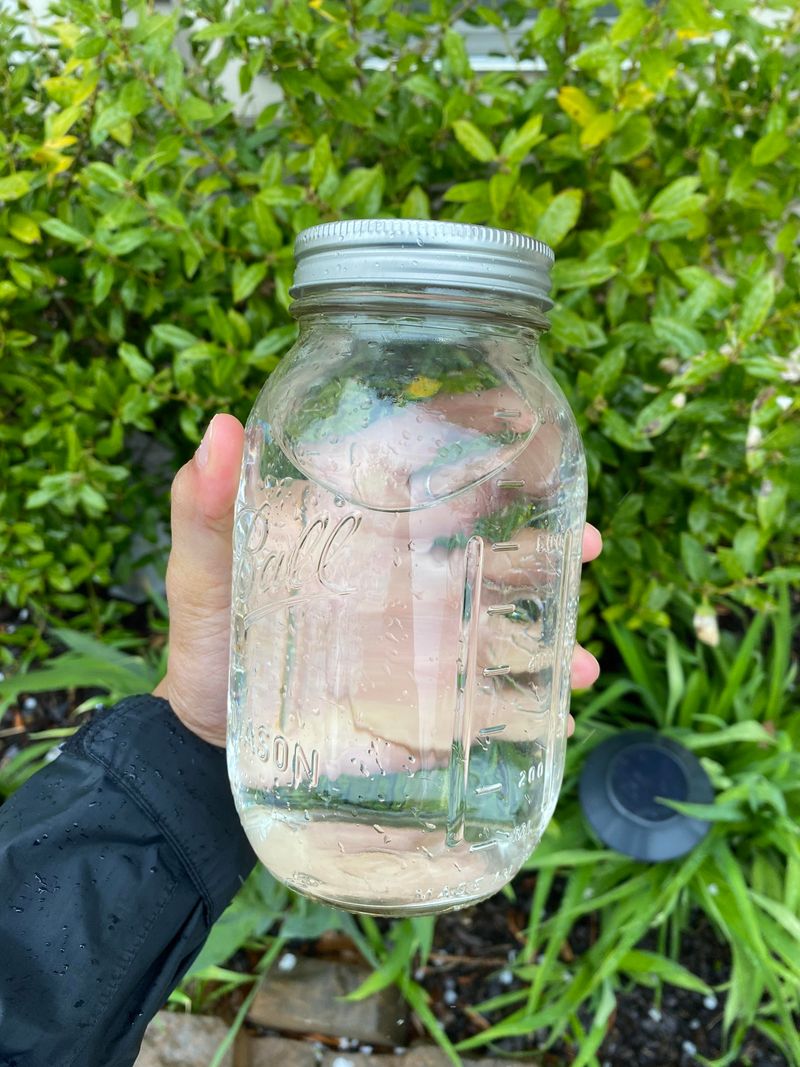
Winter storms in California deliver a free gift for houseplants. Rainwater is naturally low in salts and contains no added fluoride.
A clean bucket or rain barrel can stock up enough for weeks.
Collected rain stores best in a covered container that keeps out mosquitoes and debris. Using it within a few weeks, at room temperature, keeps tropical roots comfortable.
Cold water straight from an outdoor barrel can startle them.
Many California summers bring no rain at all, so filtered water makes a handy backup. Reverse osmosis systems remove most salts and fluoride.
Simple pitcher filters mainly reduce chlorine and some minerals.
Distilled water from the grocery store also works well. It costs a bit more, but one gallon lasts a single peace lily a long time.
Some growers mix half distilled and half tap water to stretch their supply.
Water from a home softener is best avoided. Softeners swap hard minerals for sodium, which is especially rough on roots and leaves, though an outdoor spigot often runs unsoftened.
Cleaner water won’t erase existing brown tips. Clean scissors can trim them along the leaf’s natural shape, leaving a thin brown edge to avoid fresh damage.
The ASPCA lists peace lilies as toxic to cats and dogs, so pots belong out of pets’ reach. The ASPCA Animal Poison Control Center is 888-426-4435, and fees may apply.
New leaves should unfurl with clean green edges, proof the switch was worthwhile.