What To Do In Your Pennsylvania Garden After The First Frost
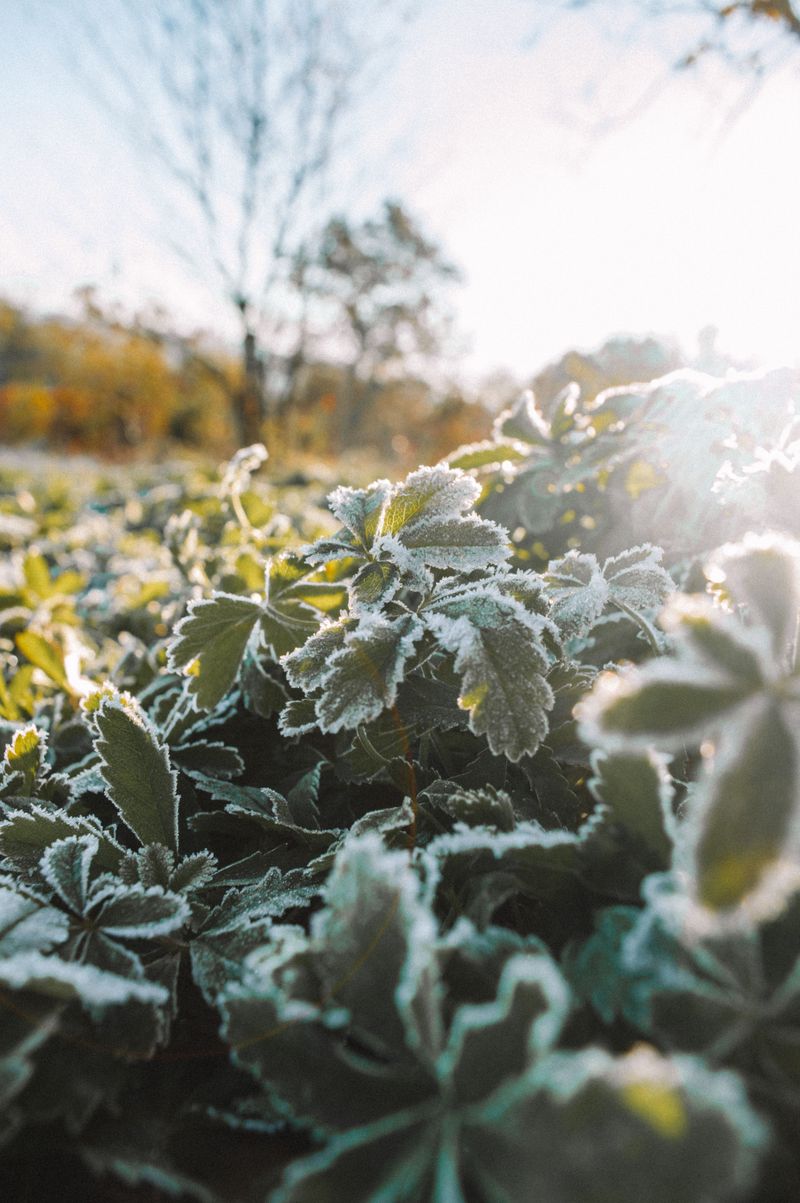
The first frost isn’t the end of the gardening season. In many ways, it’s a starting signal. Overnight, the garden changes.
Tender annuals slump, tomato vines turn limp, and dahlia and canna leaves go black. It can look a little bleak, but that frosty morning also tells you exactly which jobs to tackle next.
Some plants need to come out right away before they turn into a slimy mess. Certain bulbs and tubers are now ready to be dug up and stored.
Hardy vegetables like kale and carrots are at their sweetest, while beds are finally clear enough to clean up, enrich, and prepare for spring. It’s also a reminder to protect hoses, pots, and tools before a hard freeze sneaks in.
What you do in the days after that first frost can save you money, reduce next year’s problems, and give your garden a strong head start.
1. Clear Out Frost-Damaged Annuals And Vegetables
Nothing says the season has changed quite like a row of slumped, black tomato plants. One cold night can turn a lush summer garden into a mushy mess. The good news is that cleanup is simple and pretty satisfying.
Start with the plants that took the hardest hit. Tomatoes, peppers, squash, cucumbers, basil, and summer flowers like zinnias and marigolds cannot handle frost.
Once their leaves turn dark and floppy, they are done for the year. Pull them out by the roots and gather up any fallen fruit or leaves.
Now comes the smart part. Look closely at each plant before you toss it. Did your tomatoes have brown spots from blight?
Did your squash leaves wear a white, dusty coat of powdery mildew? Those plants should go in a trash bag, not your compost pile.
Why does it matter so much? Many plant diseases can hide in old leaves and stems all winter long.
Most home compost piles do not get hot enough to wipe them out. If you spread that compost next spring, you could bring the same problems right back.
Healthy plant material is a different story. Chop up clean stems and leaves and add them to your compost bin. They will break down into rich food for next year’s garden.
Leaving rotting fruit on the ground also invites mice, slugs, and other pests to move in for the winter. A tidy vegetable bed gives them fewer places to hide. Rake the soil smooth when you finish.
Here is a helpful tip. Snap a quick photo or jot notes about where each crop grew this year. Moving tomatoes to a new spot next season helps keep soil diseases from building up.
2. Dig Up Tender Bulbs Before Winter
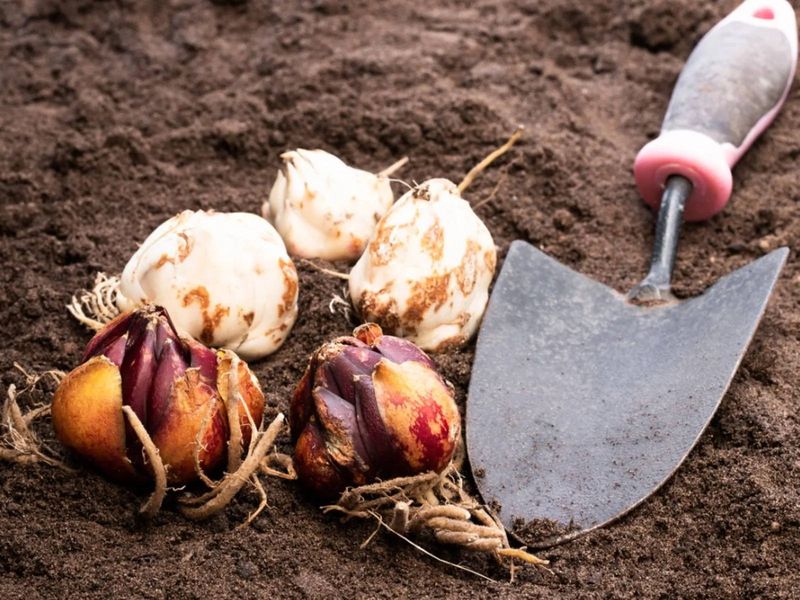
Grandma always said her dahlias were worth more than her silverware. She dug them up every November and treated them like treasure. Your tender bulbs deserve that same kind of love.
Dahlias, cannas, gladiolus, and elephant ears come from warm places. They simply cannot survive a Pennsylvania winter in frozen ground.
Your Pennsylvania Garden Changes Every Week. Your Plan Should Too.
Gardening in Pennsylvania changes quickly throughout the season. Every Friday you’ll receive a simple weekly plan showing exactly what to plant, prune, fertilize, harvest, and protect so you never miss the right timing.
If you leave them outside, they will turn to mush by spring. Digging them up lets you replant the same beauties year after year for free.
Timing is the key. Wait until frost turns their leaves black. That signal tells the plant to stop growing and store energy underground. Then cut the stems down to about four to six inches tall.
Use a garden fork instead of a shovel when you dig. Start about a foot away from the stem and gently lift the clump. Shovels slice tubers too easily, and a cut tuber may rot.
Shake off loose soil, but do not scrub them clean. Lay the bulbs out somewhere dry and airy for a few days. A garage floor or covered porch works well. Label each type with a marker on a craft stick so you remember the colors.
Once they feel dry, pack them in boxes or paper bags with peat moss, wood shavings, or shredded paper. Store them where it stays between 40 and 50 degrees. An unheated basement is often perfect.
Check on them once a month during winter. Toss any that turn soft or moldy. If some look shriveled, mist them lightly with water.
Come May, after the last frost, you can plant them again and enjoy another season of bold blooms.
3. Cut Back Problem Perennials, Leave The Rest
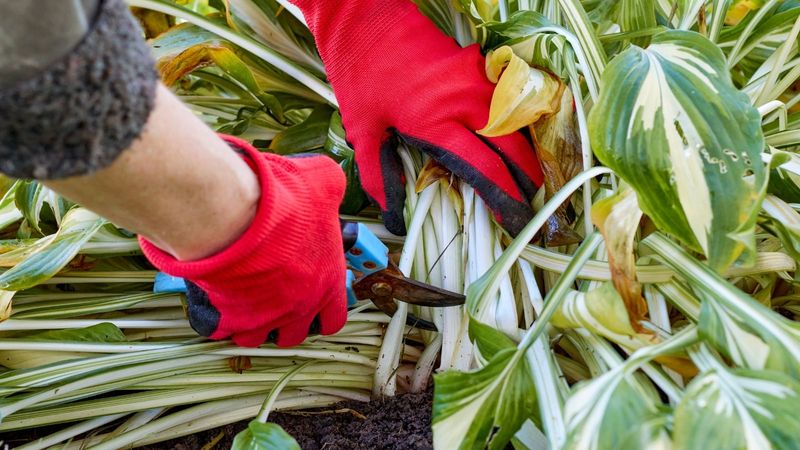
Some perennials make a lovely winter show. Others turn into a slimy hideout for trouble. Knowing the difference can save you lots of headaches next year.
Let’s start with the troublemakers. Peonies often carry a fungus called botrytis that causes brown, spotted leaves.
Hostas turn into a soggy pile after frost, and slugs love to lay eggs under them. Bee balm frequently gets powdery mildew by late summer.
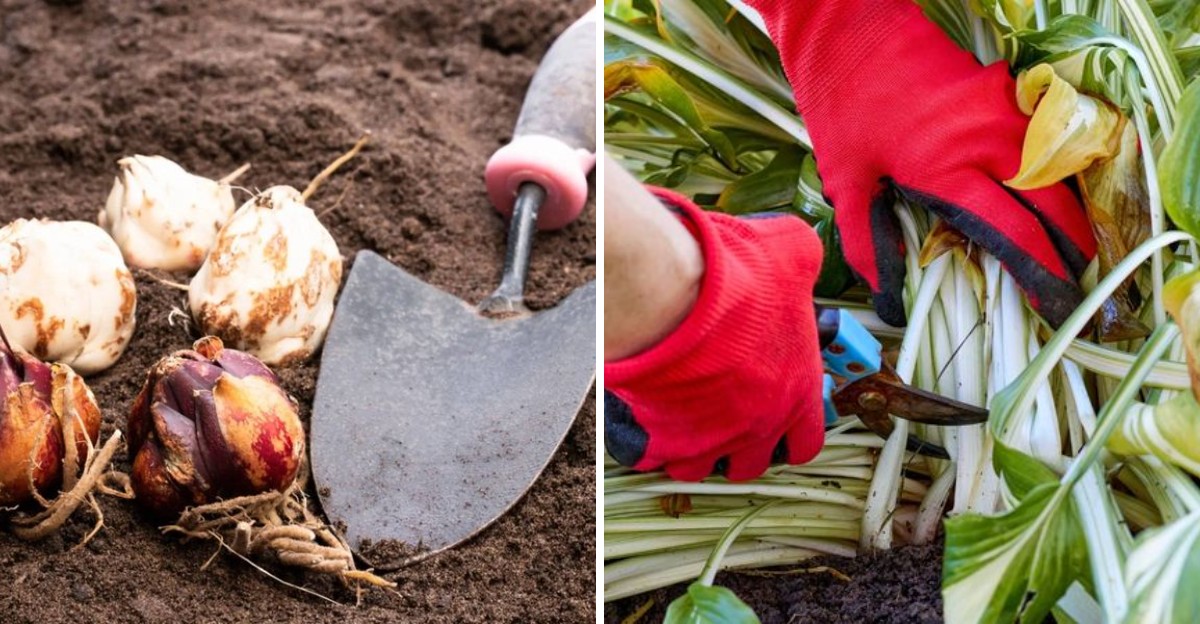
For these plants, grab your pruners. Cut peony stems right down to the ground. Trim hostas and bee balm to just a couple of inches tall. Bag up the leaves instead of composting them, since diseases can linger.
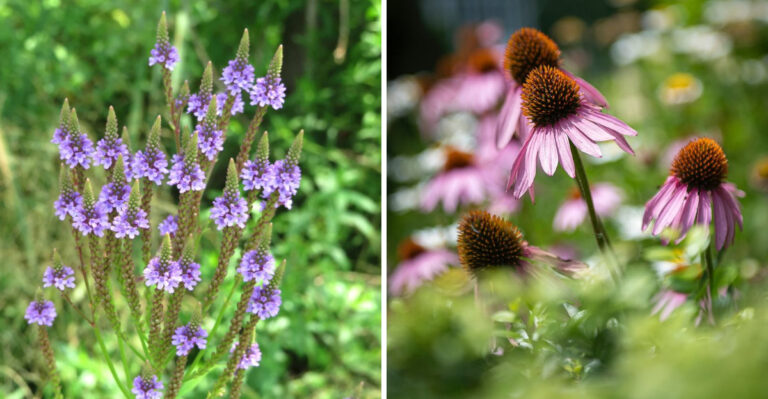
Now for the fun part. You do not have to cut everything! Native plants like purple coneflowers and black-eyed Susans are a gift to wildlife in winter. Their seed heads feed goldfinches, chickadees, and juncos when food is hard to find.
Hollow stems also give shelter to helpful insects. Native bees and ladybugs often spend the cold months tucked inside them. When you leave those stems standing, you are giving garden helpers a cozy place to stay.
Bonus points for beauty too. Dried seed heads look amazing with a dusting of snow. They add shape and texture to an otherwise bare yard.
So when should you tidy those native plants? Wait until spring when daytime temperatures stay above 50 degrees for about a week. By then, most insects have woken up and moved on.
Did you know? Black-eyed Susan is the state flower of Maryland, but it grows wild all across Pennsylvania fields and roadsides. It truly feels right at home here.
4. Keep Cool-Season Crops Going Strong
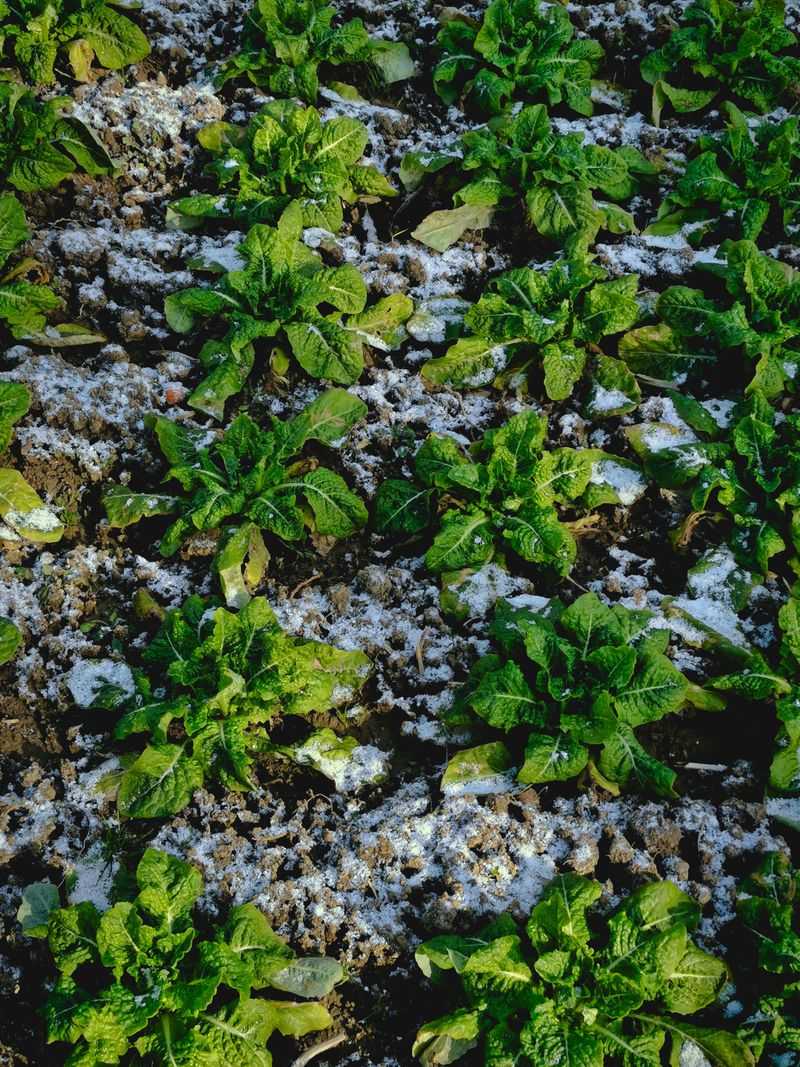
Ready for a tasty surprise? Kale picked after a frost tastes sweeter than kale picked in summer. Your garden is not finished just because the tomatoes gave up.
Here is the science behind it. When cold weather hits, plants like kale, collards, and Brussels sprouts turn some of their starches into sugar.
That sugar works a bit like antifreeze inside the leaves. It protects the plant and makes every bite less bitter.
Hardy crops like these can handle temperatures in the low 20s. Many Pennsylvania gardeners keep picking kale right into December. Brussels sprouts often taste best around Thanksgiving.
Softer greens need a little more help. Lettuce, spinach, and Swiss chard can get damaged on very cold nights.
Cover them with lightweight row cover fabric, often called frost cloth. It traps warmth from the ground and can add several degrees of protection.
Hold the fabric down with rocks, bricks, or garden pins so wind does not blow it away. On sunny days above 50 degrees, pull it back so plants get fresh air.
Root crops have their own trick. Carrots, parsnips, and beets can stay right in the soil. Pile on a thick blanket of straw or shredded leaves, about 8 to 12 inches deep. That layer keeps the ground from freezing solid.
When you want carrots for dinner, just pull back the mulch and dig. Parsnips actually get sweeter the longer they sit in cold soil.
Keep harvesting until the ground freezes hard, usually in late December or January in much of the state. Fresh food from your own yard in winter feels like a small miracle.
5. Finish Planting Garlic And Spring Bulbs
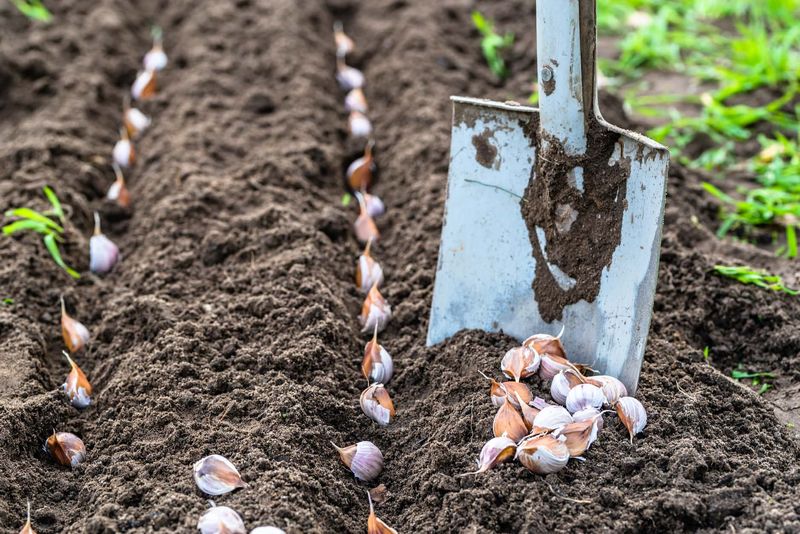
Think of the first frost as a friendly alarm clock. It is telling you that planting time is almost up. If you still have a bag of tulip bulbs sitting in the garage, now is the moment.
Garlic, tulips, and daffodils all need cold weather to grow well. They spend the winter building strong roots underground. Then they burst out of the soil once spring arrives.
The goal is to plant them a few weeks before the ground freezes. In most of Pennsylvania, that means late October through mid-November.
Gardeners in the colder northern counties should aim a bit earlier. Folks near Philadelphia may have extra time.
For garlic, break the bulb into single cloves. Keep the papery skins on. Plant each clove pointy side up, about two inches deep and six inches apart. Larger cloves usually grow larger bulbs next summer.
Tulips and daffodils go deeper, around six to eight inches down. A good rule is to plant bulbs about three times as deep as they are tall. Plant them in groups instead of single rows for a bigger splash of color.
Water everything well after planting. Then add a few inches of mulch to keep the soil temperature steady.
One quick warning. Squirrels and chipmunks love tulip bulbs as a snack. Daffodils, though, taste bitter to them, so critters leave them alone. Mixing in daffodils is a clever way to protect your display.
Fun fact: garlic has been grown by people for more than 5,000 years. Ancient Egyptians even fed it to workers building the pyramids for extra strength.
6. Turn Fallen Leaves Into Garden Gold
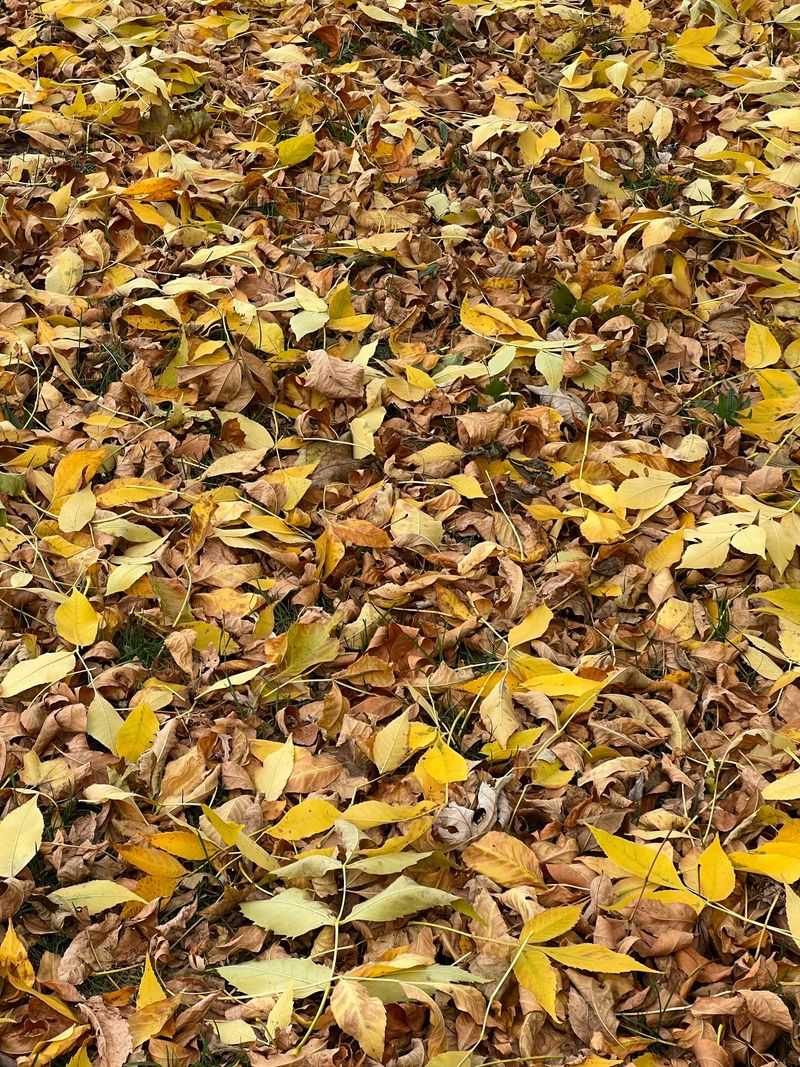
Every fall, Pennsylvania trees drop a free gift right into your yard. Many people bag those leaves and set them on the curb. Gardeners in the know keep every last one.
Leaves are packed with nutrients that trees pulled up from deep in the soil. When they break down, they feed earthworms and helpful tiny creatures. That process turns tired dirt into dark, crumbly soil that plants adore.
Whole leaves have one problem, though. They tend to mat together and form a soggy layer that blocks air and water.
Shredding fixes that. The easiest way is to run your lawn mower over them a few times. A mower with a bag attachment collects them for you.
Once shredded, spread a layer two to three inches thick over empty garden beds. Over winter, rain, snow, and worms will start breaking them down. By spring, much of that layer will have blended into the soil.
Shredded leaves also work wonders in a compost pile. They count as brown material, which balances green stuff like kitchen scraps and grass clippings. Aim for about two or three parts brown for every one part green.
Got extra leaves? Stash a few bags behind the shed. Next summer, when you have lots of green scraps, you will be glad to have them.
Gardeners even have a special name for fully rotted leaves. They call it leaf mold, and it holds water like a sponge. Some people say it is the best soil booster money cannot buy.
Oak and maple leaves are both great choices. Just skip black walnut leaves, since they contain a chemical that can harm vegetables.
7. Drain Hoses And Give Tools Some Care
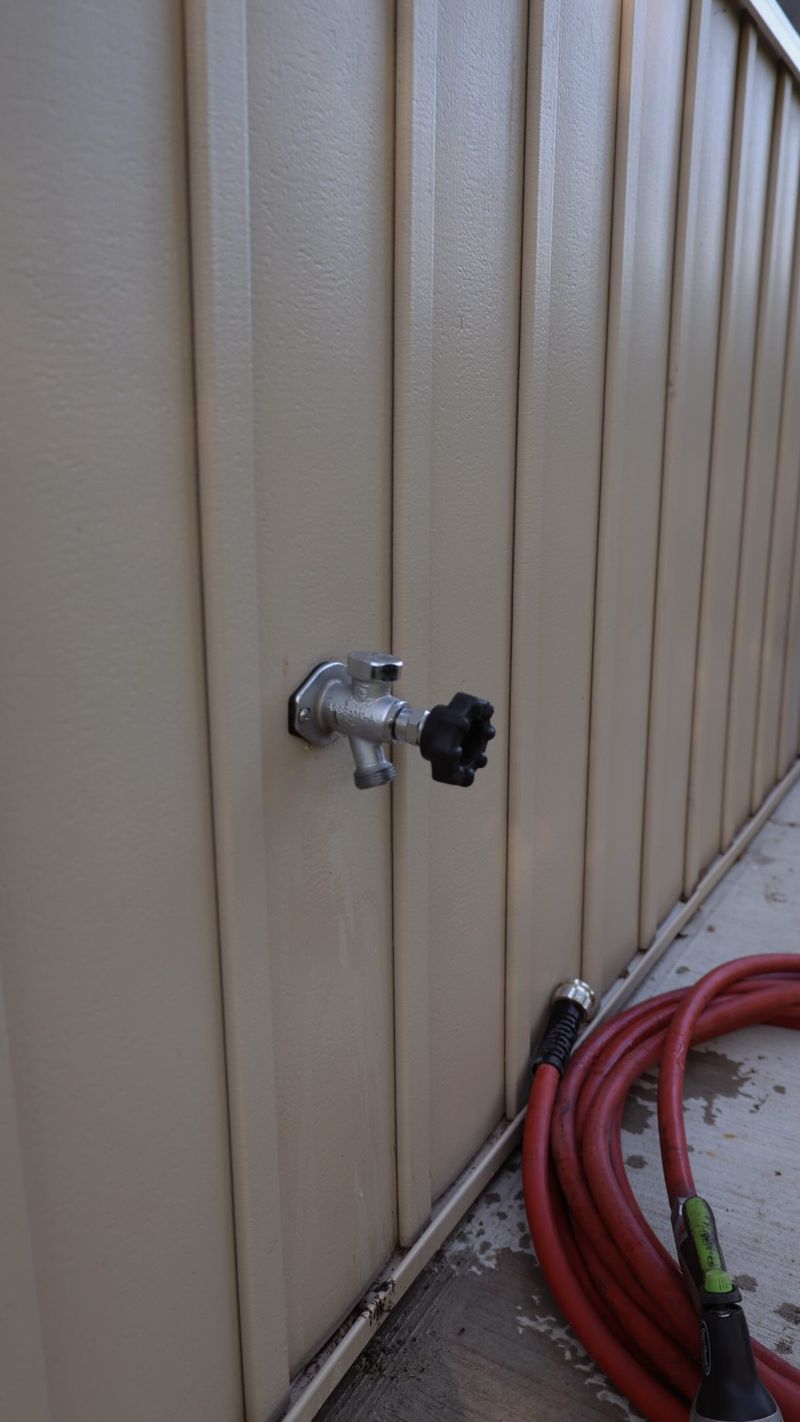
Ask any plumber about Pennsylvania winters, and you might hear a few horror stories. A frozen outdoor faucet can crack a pipe and flood a basement. A few minutes of work now can prevent a very costly mess.
Start with your garden hoses. Unscrew them from the faucet before the first hard freeze. Stretch each hose out on a slope and let all the water drain. Water left inside can freeze, expand, and split the hose.
Coil the hoses loosely and store them in a garage or shed. Cold sunlight and ice make rubber stiff and brittle, so keeping them indoors helps them last for years.
Next, look for the shutoff valve that controls each outdoor faucet. It is usually inside the house, often in the basement.
Turn it off, then open the outside faucet to let leftover water drain out. Some homes have frost-free spigots, but removing the hose is still a must.
Now turn to your trusty tools. Scrape dried mud off shovels, hoes, and trowels with a stiff brush.
Wash pruners and loppers with soapy water, then dry everything well. A little rubbing alcohol on blades helps clear away plant germs.
Rust is the enemy of metal tools. Wipe a thin coat of vegetable oil or light machine oil on blades to keep it away. Sharpen dull edges with a file so they slice cleanly in spring.
Wooden handles need love too. Sand rough spots and rub in some linseed oil to stop cracking.
Hang everything up neatly. When the first warm day of spring arrives, you will be ready to grab your gear and get growing.