Keep These Things Out Of Your Virginia Compost Pile This Fall
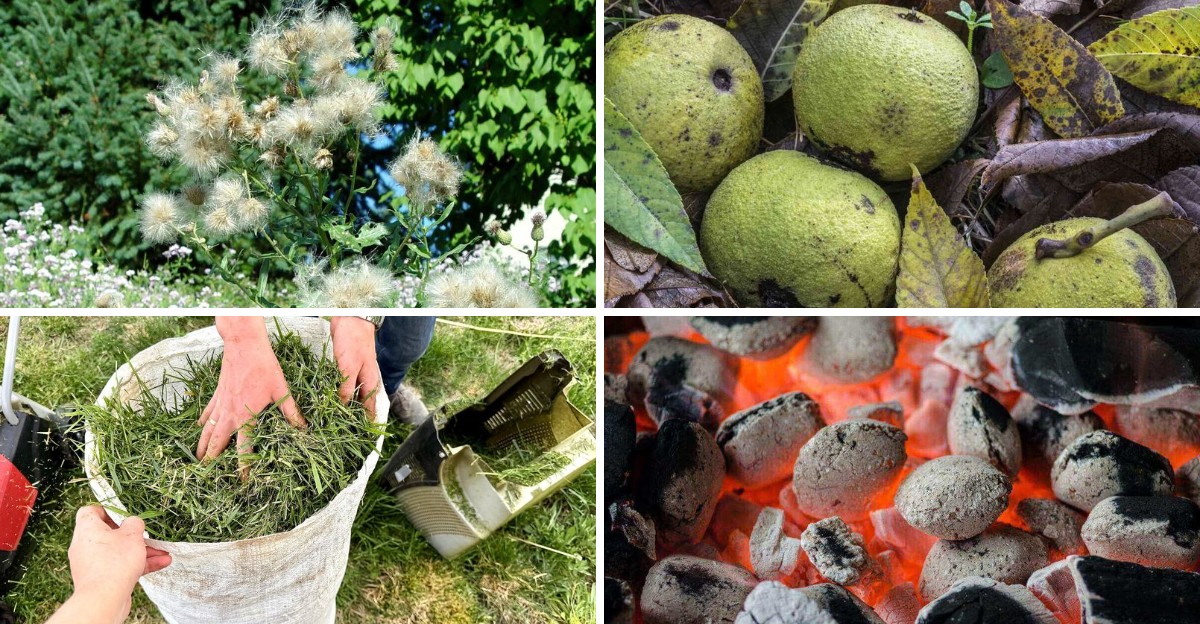
One wrong item tossed in the compost bin this fall could mean weeds, pests, or plant diseases popping up in your garden next spring.
Raking season hands Virginia gardeners a mountain of free material, and the bin starts looking mighty hungry. Not everything in your yard waste deserves a spot in the heap, though.
Some items invite pests, while others carry hidden problems that sneak back into next year’s beds. A few even look harmless and earth-friendly but refuse to break down in a backyard setup.
Knowing what to leave out makes all the difference. It can separate rich, crumbly compost from a smelly, weedy headache.
The list is easy to remember once you know the reasons behind it. Thirteen common items are better left out of the pile this fall.
1. Diseased Plants From Fall Cleanup
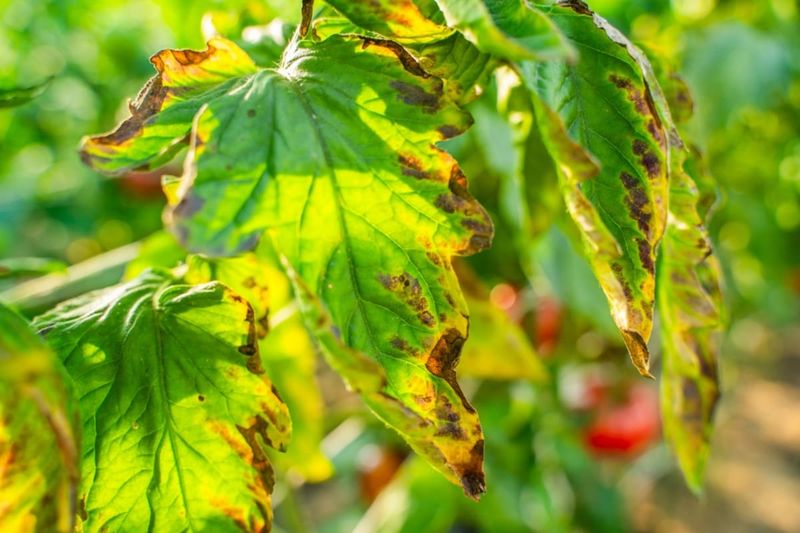
Picture pulling up your tomato vines and spotting brown, blotchy leaves covered in spots. Your first instinct might be to toss them on the compost heap and call it a day.
Hold that thought, because most backyard piles never get hot enough to wipe out plant diseases. Those germs can survive the winter and return when you spread the compost next spring.
Virginia Cooperative Extension advises gardeners to keep diseased plant material out of home compost. Late blight, fire blight, clubroot, and black knot top their list of troublemakers.
Fungal problems like rust, powdery mildew, and Fusarium wilt also belong on the skip list. Viral infections and stubborn bacterial diseases fall into the same category.
Fall cleanup is when these issues show up most often. Pumpkins coated in white mildew and peppers with sunken anthracnose spots are classic examples.
Your safest move is bagging sick plants in plastic and sending them out with the trash. Many towns also accept them through municipal yard waste programs that compost at much higher temperatures.
Here is a handy tip for the season ahead. Clean your pruners with rubbing alcohol after cutting sick plants, so you avoid spreading germs to healthy ones.
Healthy leaves, spent annuals, and clean vines are still welcome in the bin. Sorting a little now saves you from fighting the same disease all over again next summer.
2. Weeds That Have Gone To Seed
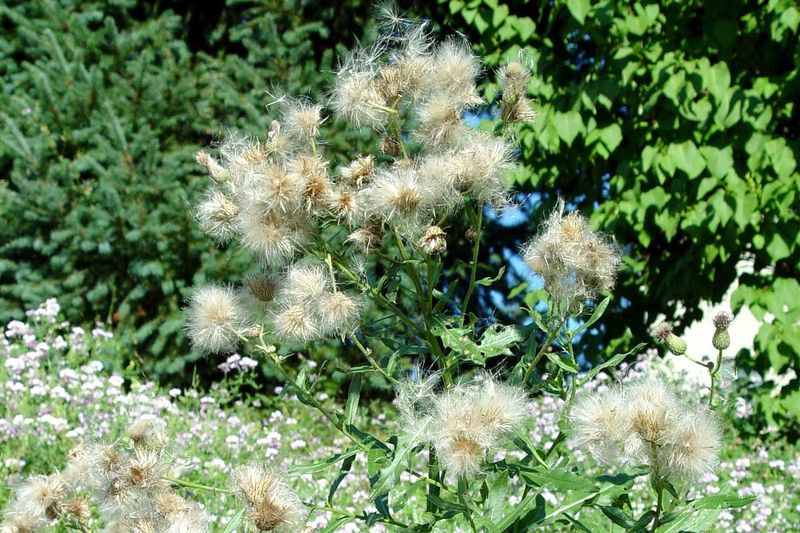
A single pigweed plant can produce well over a hundred thousand seeds. Now imagine scattering all of those across your garden with every shovel of compost.
Seed-bearing weeds are sneaky because the seeds are tough little survivors. Home piles rarely stay hot enough or long enough to finish them off.
Most weed seeds need temperatures of at least 130 degrees to stop being viable. Some hardy types need 145 degrees for nearly a month, which few backyard bins reach.
Virginia Cooperative Extension recommends leaving out the reproductive parts of unwanted weeds. Seed heads, flowering tops, and spreading roots should go somewhere other than your bin.
Even a well-managed hot pile has a weak spot. Seeds can blow in from nearby weeds after the heap cools, starting the whole cycle again.
Your Virginia Garden Changes Every Week. Your Plan Should Too.
Gardening in Virginia changes quickly throughout the season. Every Friday you’ll receive a simple weekly plan showing exactly what to plant, prune, fertilize, harvest, and protect so you never miss the right timing.
One clever workaround is the drowning method. Soak seedy weeds in a covered bucket of water for several weeks until they turn into mushy, lifeless sludge.
Bagging seedy weeds for the trash works well too, especially for crabgrass and foxtail. Pulling weeds before they flower is easier still, and those young plants compost just fine.
Think of it as a small chore that pays off big. Fewer weeds next spring means more time enjoying your garden instead of kneeling in it.
3. Meat, Bones, And Dairy Scraps
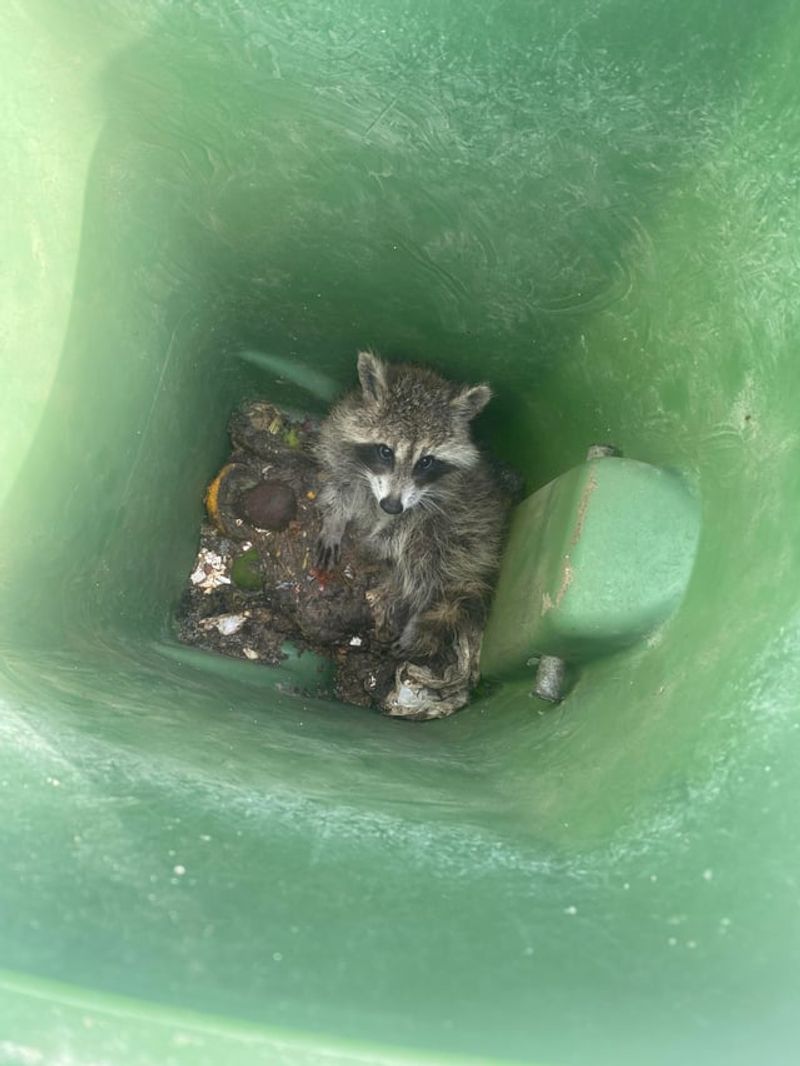
Raccoons in Virginia have excellent noses and zero shame. Leave a chicken bone in your compost, and you might wake up to a backyard buffet scene.
Meat, bones, and dairy are among the quickest ways to attract unwanted visitors. Rats, opossums, stray dogs, and swarms of flies all love the smell of rotting protein.
Odor is another big issue with these scraps. Cheese, milk, and meat break down slowly and can create a stench your neighbors will notice.
Food safety matters here as well. Raw meat and dairy can carry bacteria like E. coli and Salmonella, which may linger in finished compost.
Backyard bins simply lack the steady high heat needed to handle these risks. Commercial facilities are different, and some in Virginia do accept meat and dairy waste.
Check whether your city offers a curbside food scrap pickup service. Several Virginia cities and counties have programs or drop-off sites worth exploring.
Want to recycle kitchen scraps safely at home? Stick with fruit peels, veggie trimmings, coffee grounds, tea bags, and crushed eggshells.
Bokashi fermentation is another option for adventurous composters. It uses special bran to pickle food waste, including small amounts of meat, before burying it in soil.
4. Black Walnut Leaves And Hulls
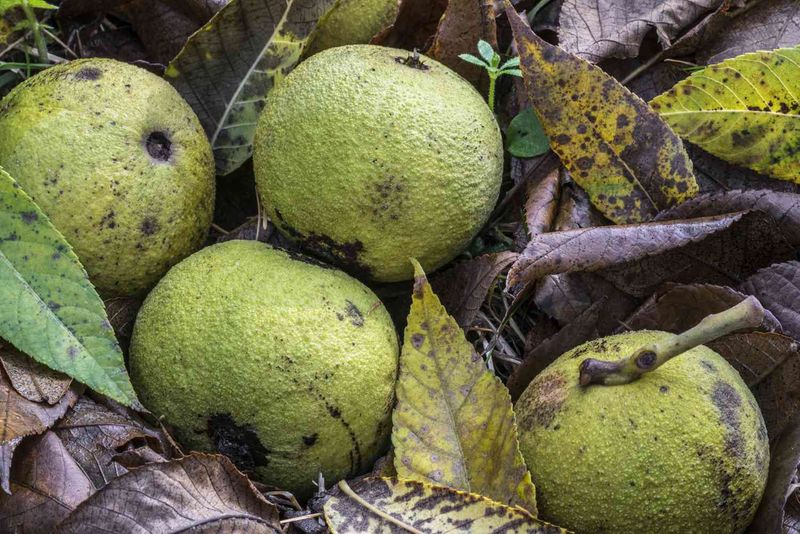
Anyone who has stepped on a black walnut hull knows they stain fingers for days. That dark juice carries something even more powerful than dye.
Black walnut trees produce a natural chemical called juglone. It protects the tree by stunting nearby plants, and it lives in leaves, roots, bark, and hulls.
Tomatoes, blueberries, potatoes, and azaleas are especially sensitive to juglone. Add untreated walnut debris to your garden compost, and those plants may wilt or struggle.
Juglone does break down eventually, but only under the right conditions. A hot pile with good airflow, moisture, and balanced greens and browns helps the process.
Leaves are the easier part, since they hold less juglone and decay faster. Hulls and shells are woody and stubborn, often needing six months or longer.
Black walnuts grow wild across much of the state, so many gardeners face this question each fall. A simple choice is keeping walnut debris in a separate pile far from your veggie compost.
Fun fact for history lovers. Early American settlers used walnut hulls to dye wool and leather a rich brown color.
Not sure whether your compost is ready? Plant a few tomato seeds in a small pot of it first and watch how they grow.
5. Pet Waste From Cats And Dogs
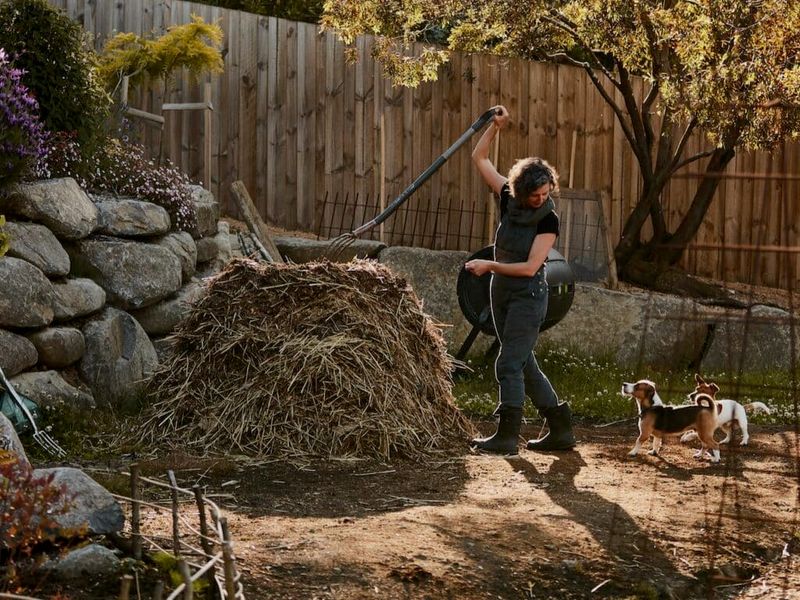
Scooping the yard is nobody’s favorite job. Tossing that waste into the compost might seem like a tidy shortcut, but it creates bigger problems.
Cat and dog droppings can carry roundworms, hookworms, E. coli, and the parasite behind toxoplasmosis. Some of these troublemakers can survive in soil for a long time.
Home compost piles rarely hold the sustained heat needed to destroy them. That means harmful organisms may end up on your lettuce, carrots, or kids’ hands.
Unlike cow or chicken manure, pet waste comes from meat-eating animals. Their droppings are far more likely to contain germs that affect people.
Virginia Cooperative Extension and other experts recommend against composting pet waste, especially for vegetable gardens. The smell can also draw rodents and flies to your yard.
So what should you do instead? Bag it and place it in the trash, which is the simplest and safest choice for most homes.
Rain carries pet waste into Virginia streams and the Chesapeake Bay. Picking it up quickly helps protect local waterways from bacteria and extra nutrients.
Litter brings its own concerns, even the clumping or pine types. Used litter mixes waste with material, so it belongs in the trash along with the droppings.
6. Grass Clippings Treated With Weed Spray
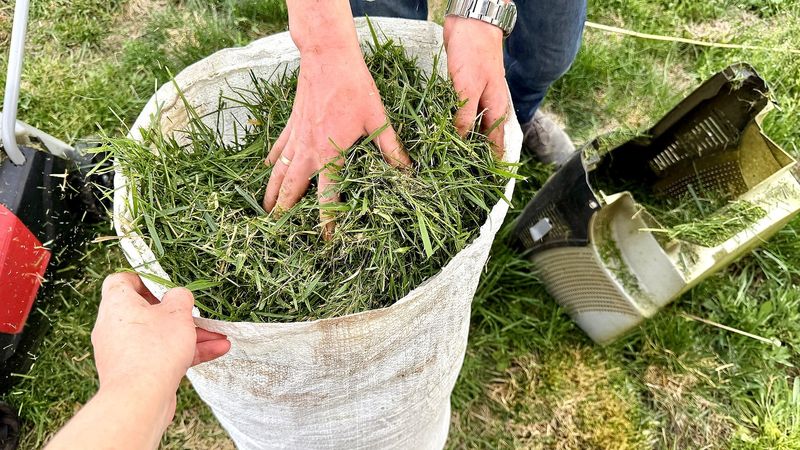
Grass clippings are usually a composter’s best friend. They are full of nitrogen and help heat up a pile in no time.
The trouble starts when your lawn has been sprayed for dandelions or clover. Many broadleaf weed sprays stick around much longer than people expect.
Herbicides in the picolinic acid family are the biggest offenders. Products with clopyralid, picloram, or aminopyralid can stay active for months or even years.
Spread that compost on your garden, and sensitive plants may suffer. Tomatoes, beans, and peppers often show twisted leaves, stunted growth, and smaller harvests.
Virginia Cooperative Extension advises against composting plant material treated with herbicides. Lawn care companies often apply these products in fall, so ask what they use.
Read product labels carefully before adding clippings to your bin. Many labels warn against using treated grass for compost or mulch.
A smart approach is waiting through several mowings after treatment. Another option is leaving clippings on the lawn, where they feed the grass naturally.
Got compost of unknown origin? Try a quick bean test by sprouting a few seeds in it.
Curled, cupped leaves are a warning sign of herbicide residue.
7. Invasive Plants That Can Resprout
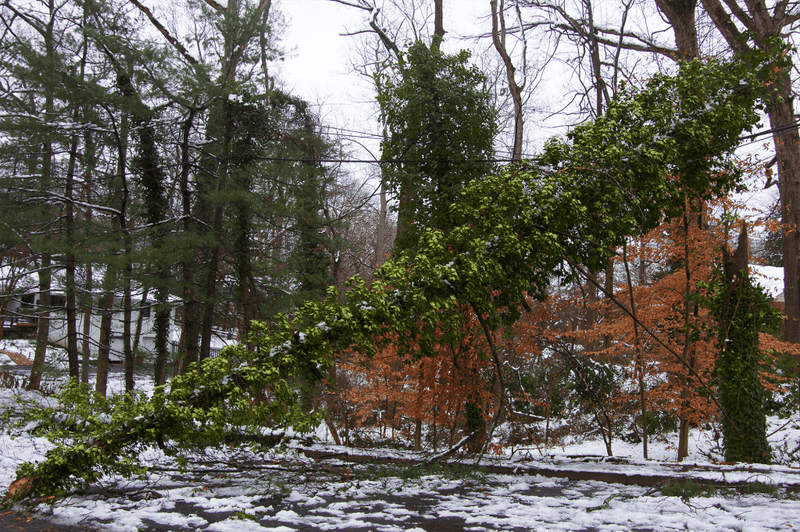
English ivy, Japanese honeysuckle, and kudzu are the houseguests that refuse to leave. Chop them into pieces, and some will happily grow back from each chunk.
Many invasive species regrow from tiny root bits, stem cuttings, or seeds. A compost pile can turn into a nursery for the very plants you pulled.
Fall is a popular time for battling invasives across the state. Leaves drop, vines become easier to spot, and gardeners finally see how far the mess has spread.
Some Virginia localities advise against putting invasive plant debris into yard waste or compost. Instead, they suggest sealing it in plastic trash bags for regular household pickup.
Common culprits to watch for include Japanese stiltgrass, mile-a-minute vine, and tree of heaven. Bamboo and wisteria also spread aggressively from their roots.
Here is a helpful trick for tough vines. Let pulled plants bake in a sealed black bag in the sun for a few weeks before tossing.
Escaped invasives harm far more than your garden. They crowd out native plants that birds, bees, and butterflies depend on for food and shelter.
Consider replacing removed invasives with natives like coral honeysuckle or Virginia creeper. Your local wildlife will notice the upgrade quickly.
8. Glossy Paper And Coated Cardboard
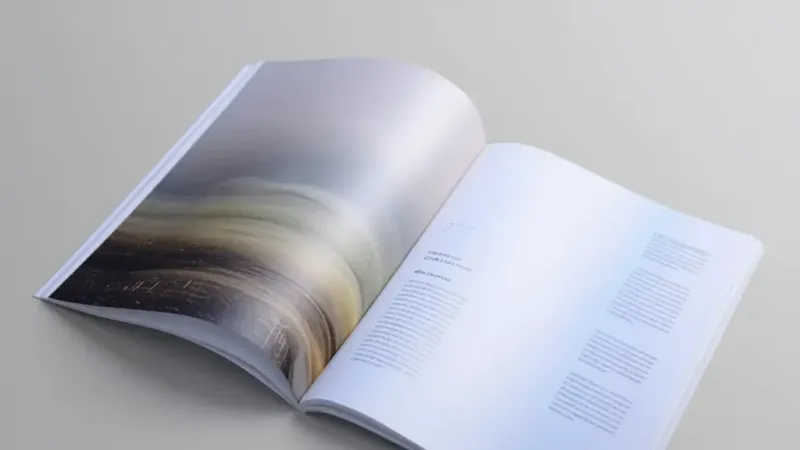
Holiday catalogs start flooding mailboxes in fall, and their shiny pages look like easy compost fuel. Sadly, that pretty gloss tells a different story.
Many glossy papers and coated boxes carry thin layers of plastic or wax. These coatings resist breaking down in a backyard bin and may linger for years.
Worse, those coatings can shed microplastics into your finished compost. Tiny plastic bits are something you definitely do not want in garden soil.
Inks raise another question mark. Modern inks are often soy or vegetable based, but colorful glossy prints may contain dyes with metals or other chemicals.
Some Virginia localities advise against composting glossy paper to avoid contamination. Many recycling programs accept magazines, so the curbside bin is a better home.
Try the tear test whenever you are unsure. If paper peels apart with a shiny film or feels waxy, keep it out of the pile.
Plenty of paper still works great as carbon. Plain brown cardboard, newspaper, paper towels, and egg cartons all break down nicely.
Shred or tear them into small pieces before adding. Smaller bits break down faster and help balance wet kitchen scraps.
9. Charcoal Grill Ash
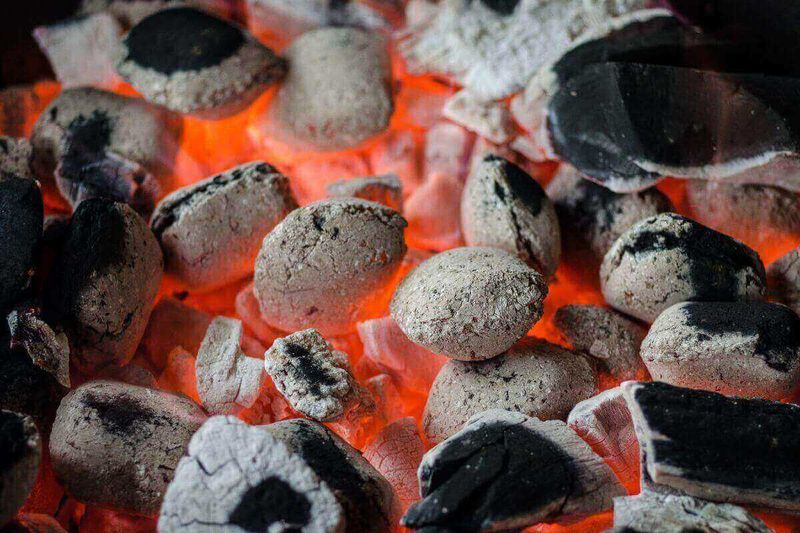
Few things beat a fall cookout before a Virginia Tech or UVA game. Afterward, that grill full of gray ash can look like a handy compost addition.
Briquettes are the main problem here. Many contain binders, fillers, and chemical additives that do not break down and may harm soil life.
Lighter fluid residue makes things even trickier. Self-lighting briquettes soak up those chemicals, which you certainly do not want around vegetables.
Pure hardwood lump charcoal is a bit different. Its ash is similar to wood ash and contains potassium and calcium that plants can use.
Even so, wood ash is highly alkaline and can raise the pH of compost fast. Blueberries, azaleas, and rhododendrons prefer acidic soil and may struggle afterward.
Several localities advise against composting charcoal or wood ash. Bagging cooled ash for the trash is the easy, low-risk route.
Safety first, though. Let ash sit in a metal container for several days, since hidden embers can stay hot surprisingly long.
Curious about your soil’s needs? Virginia Cooperative Extension offers affordable soil tests that tell you whether your garden could use any pH adjustment at all.
10. “Compostable” Plastics That Won’t Break Down At Home
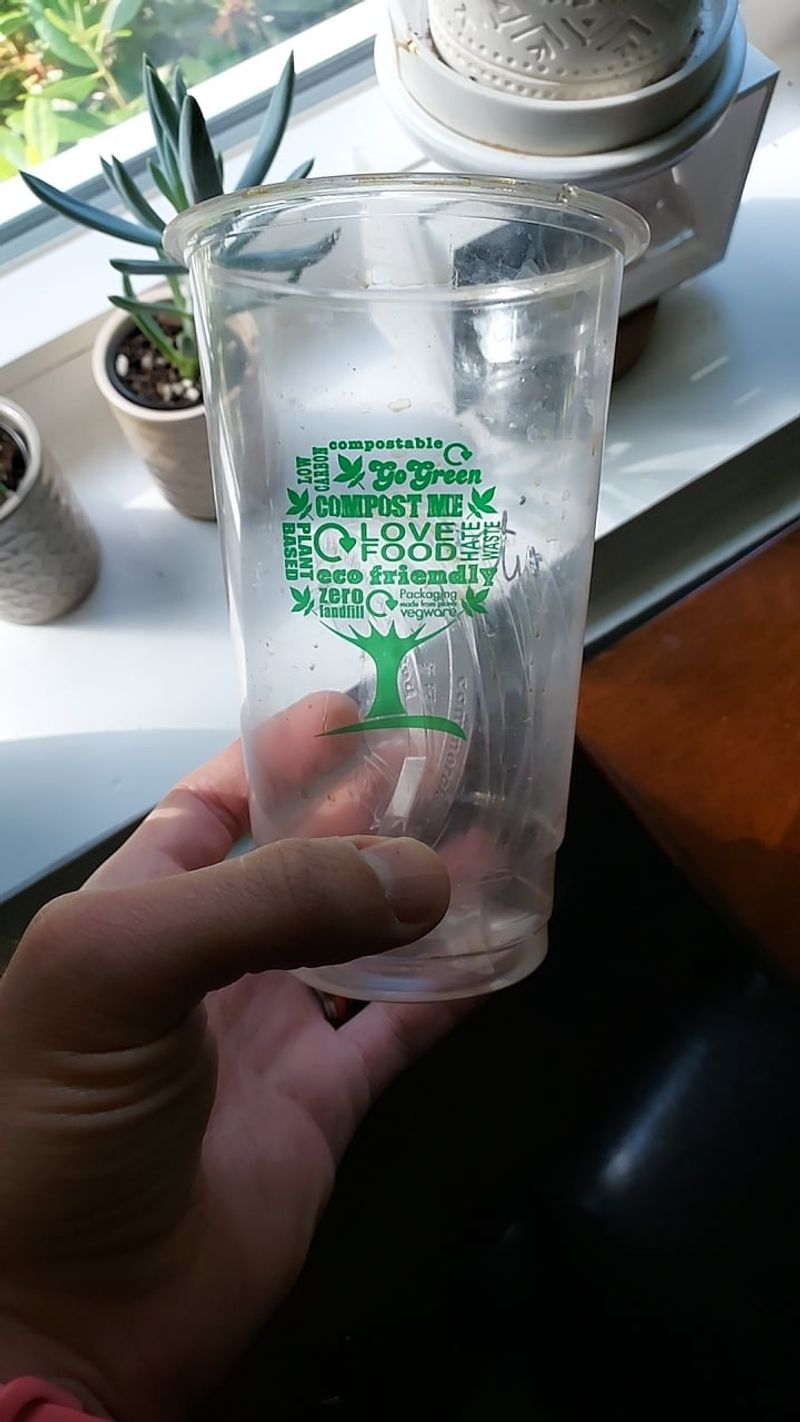
That cup labeled compostable seems like a guilt-free choice at the fall festival. Toss it in your backyard bin, though, and it may still be there next year.
Most compostable plastics are designed for industrial facilities. Those operations keep temperatures high and conditions carefully controlled for weeks at a time.
Backyard piles rarely match that steady heat. As a result, forks, cups, and bags often stay stubbornly intact or crumble into small fragments.
Studies have found many products labeled home compostable still fail to fully disintegrate in real home setups. Plastic bits left behind can end up in your garden soil.
Confusing labels make the problem worse. Words like biodegradable or plant based do not guarantee a product will break down in your bin.
Researchers are working on bioplastics that truly break down at home. Until those reach store shelves, caution is the wise approach.
Look for certifications that specifically mention home composting conditions. Even then, cut items into small pieces and check your finished compost carefully.
A better habit is skipping single-use items when you can. Reusable cups, real silverware, and cloth bags keep your compost clean and your trash can lighter.
11. Cooking Oils And Greasy Leftovers
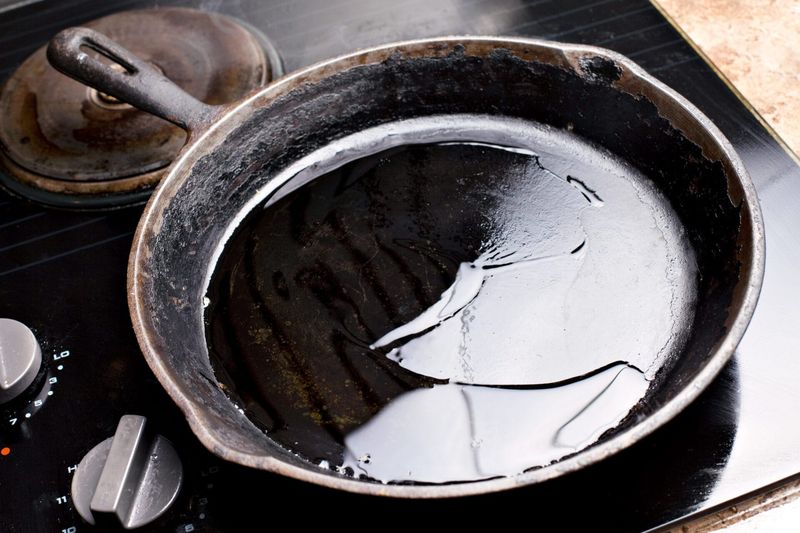
Thanksgiving often means fried turkey, buttery rolls, and plenty of leftover grease. Pouring that oil into your compost might feel resourceful, but it backfires.
Oils coat other materials and block air from reaching helpful microbes. Without enough oxygen, your pile slows down and starts to smell sour.
Grease also clumps and creates soggy, slimy pockets in the heap. Those spots break down slowly and can stall the whole process.
Pests find greasy food irresistible, just like meat scraps. Rats, raccoons, and even bears in western Virginia may come sniffing around.
Small amounts of oil on veggie scraps are usually fine. A little salad dressing on lettuce will not ruin anything in a healthy pile.
Large amounts are another story, especially fryer oil and bacon fat. Let grease cool, pour it into a sealed container, and place it in the trash.
Some localities collect used cooking oil around the holidays for recycling into biodiesel. Check your county website before turkey day.
Pouring oil down the drain is a costly mistake. It hardens in pipes, causing clogs and sewer backups that nobody enjoys fixing.
12. Sawdust From Pressure-Treated Wood
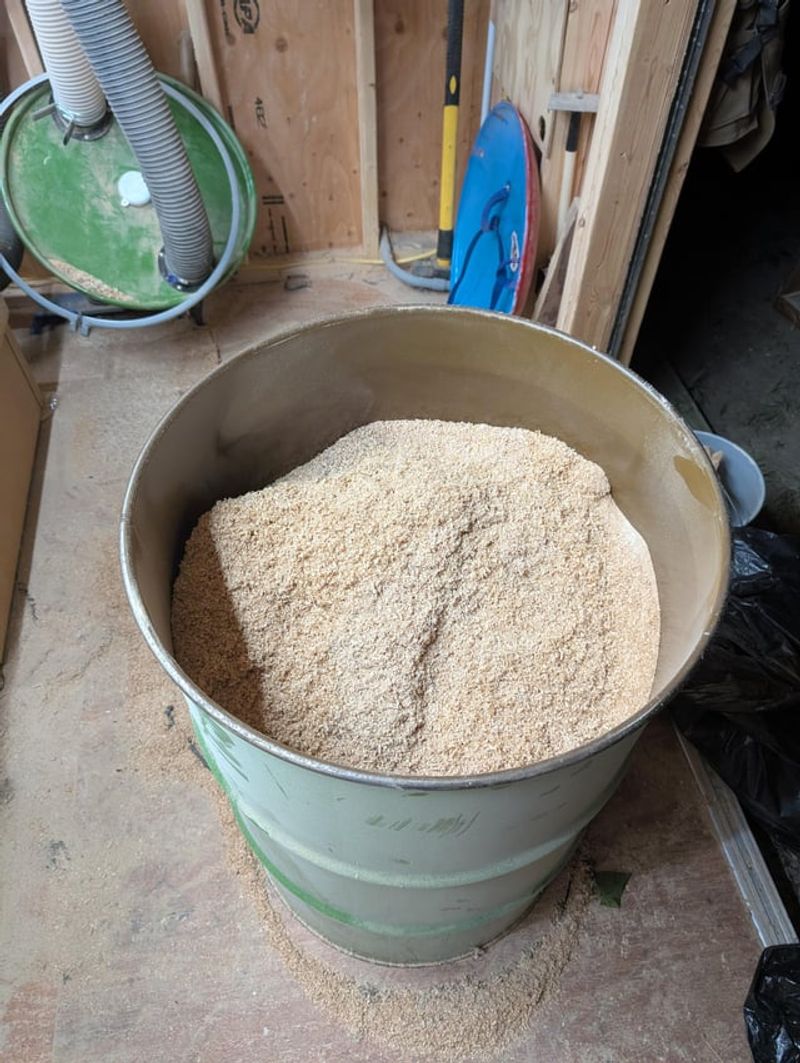
Fall is prime time for fixing up decks before winter weather arrives. All that cutting leaves behind piles of sawdust that look perfect for the compost bin.
Plain sawdust from untreated wood can be a fine carbon source. Pressure-treated lumber, however, is a whole different material.
Treated wood is soaked in preservatives to resist rot and insects. Older boards often contain chromated copper arsenate, while newer ones use copper compounds.
Those chemicals are meant to stop decay, which is exactly what compost needs to happen. They can also build up in soil and reach the plants you grow.
The greenish tint on many boards is a clue that copper is present. Stamped tags or labels on the ends often confirm the treatment type too.
Painted, stained, or sealed wood belongs on the skip list as well. Plywood and particleboard contain glues that do not belong in garden soil either.
Sweep treated sawdust into a bag and toss it with household trash. Burning treated scraps is unsafe, since smoke and ash can release harmful substances.
Wearing a dust mask while cutting is a smart habit. Your lungs will thank you just as much as your garden.
13. Dryer Lint From Synthetic Fabrics
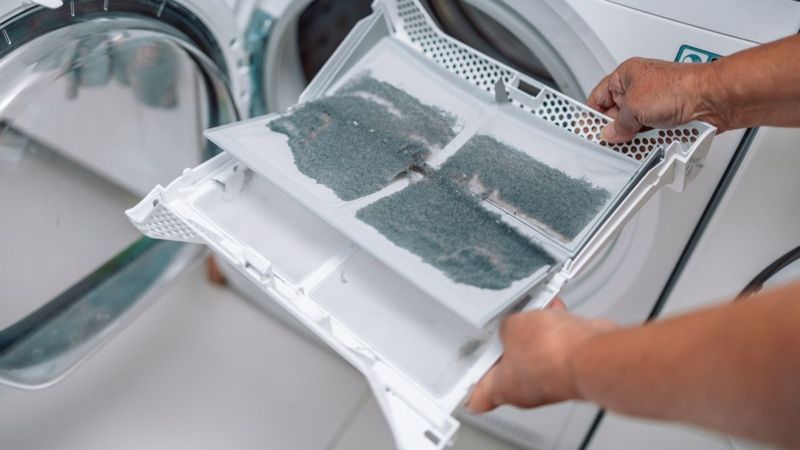
Cozy fleece season is here, and your dryer lint trap knows it. Every load leaves a fluffy gray mat that seems harmless enough for compost.
Lint is basically tiny fibers shed from your clothes. If those clothes are polyester, nylon, acrylic, or fleece, the lint is mostly plastic.
Synthetic fibers do not break down in a compost pile. Instead, they become microplastics that travel into garden soil and nearby water.
Fabric softeners and dryer sheets add another layer of concern. Their coatings and fragrances cling to lint and offer no benefit to soil life.
Lint from natural fabrics is a different story. Pure cotton, wool, or linen loads produce fibers that break down like other carbon materials.
Most households wash mixed loads, which makes sorting nearly impossible. Unless you dry only natural fabrics, the trash can is the better spot.
Cotton-only lint can go straight into your bin. Skip offering it to birds for nests, though, since it soaks up rain and falls apart.
Short pieces of natural twine or pet fur work better.
Washing synthetic clothes in a fiber-catching bag can reduce shedding too. Small changes like these help keep soil and streams a little cleaner.