Why Topping A Hurricane-Damaged Tree Can Create An Even Bigger Problem In Florida
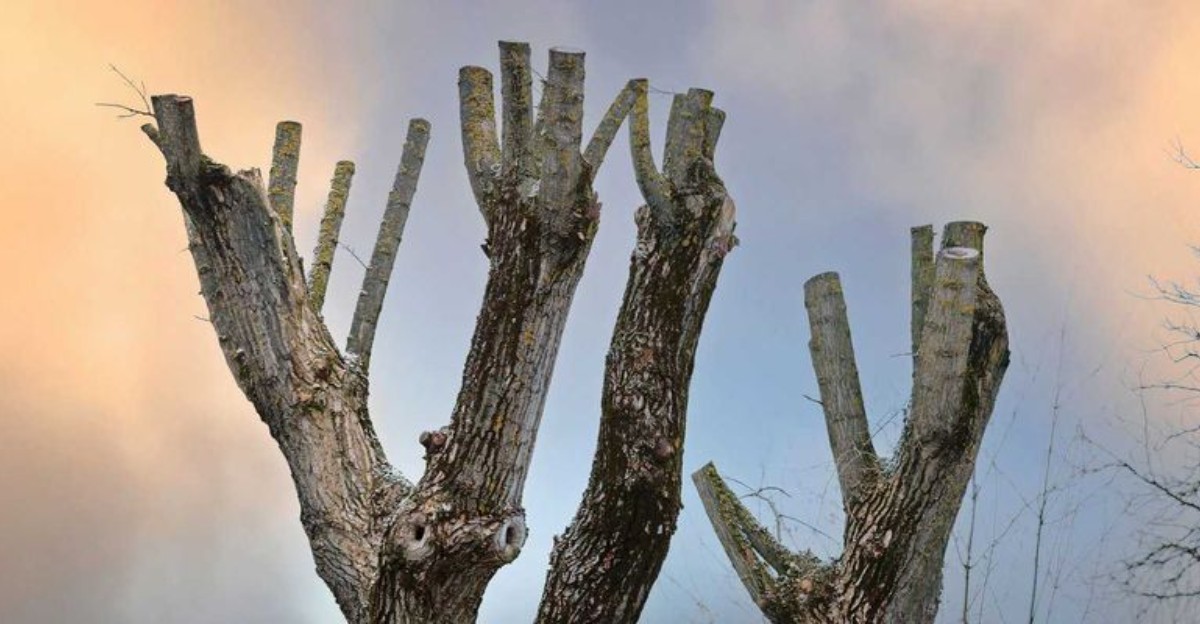
A storm-battered tree looks half-finished, and a chainsaw promises to wrap up the job in an afternoon. Hold that thought.
Neighbors across Florida will be doing exactly that this month. Limbs come off, the crown shrinks to a few stubs, and the yard looks tidy again by supper.
Crews with a truck and a quick quote will tell you it’s the safe call, and some will make it sound like the only one.
Trees keep score, though. What looks like a clean fix on day one sets off a chain of events nobody mentions at the curb.
The bill for that chain arrives months later, and sometimes the tree gets the last word during the very next storm.
Proper options exist, and a few cost no more than the shortcut.
Ask one more question before you sign anything. The answer could save the tree and your wallet.
1. Topping Cuts Back The Whole Canopy At Once
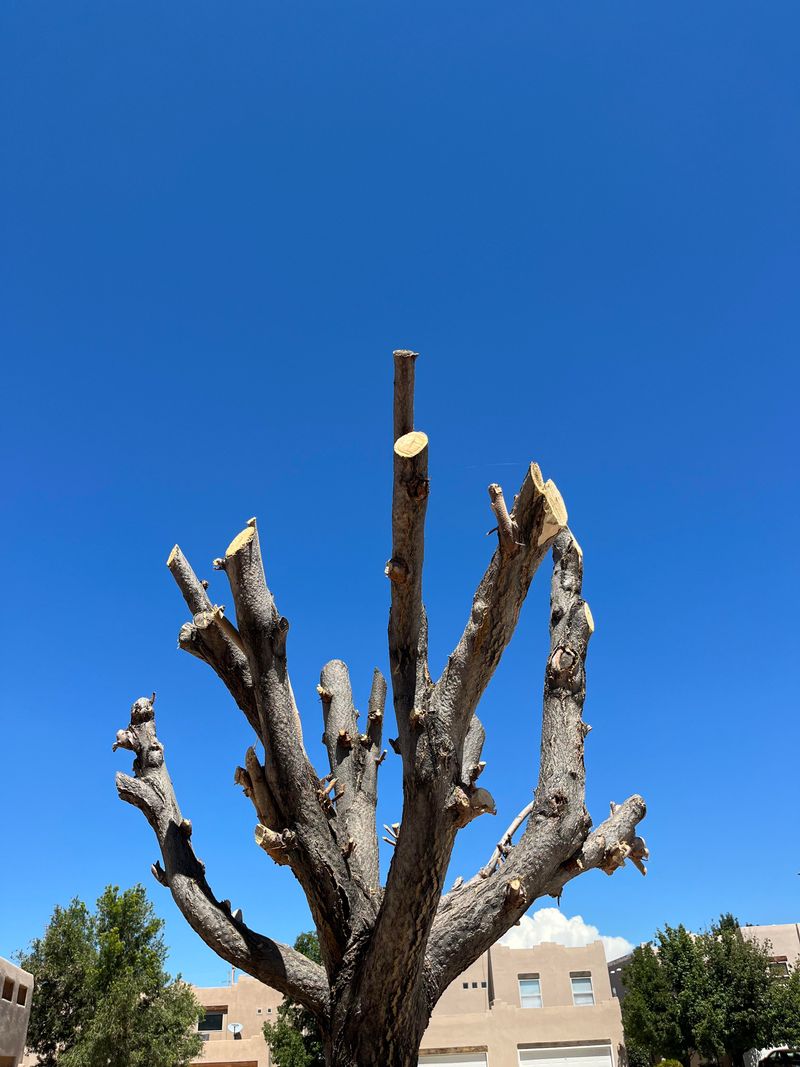
Picture a tree that suddenly loses nearly all its leaves in one afternoon. Topping does just that by chopping main limbs and big branches down to flat, blunt stubs.
Leaves are the kitchen of a tree. They catch sunlight and turn it into the food that feeds roots, bark, and new growth.
When most of the canopy disappears at once, the tree goes hungry fast. It has to burn stored energy just to push out new shoots, and a storm-battered tree has little energy left to spare.
Think of it like running a marathon right after a bad flu. The body simply has nothing extra in the tank.
Florida sun adds another twist. Bark that was shaded for years is suddenly blasted by strong light, and it can scorch and crack like a bad sunburn.
Those big stubs also leave large open wounds all over the tree. Each one is a doorway for trouble, and topping creates many of them in a single visit.
So what should you do instead? Have a certified arborist remove only the broken, hanging, or split limbs first.
Keep as many healthy leaves as you can. A tree with more green left on its branches has a much better shot at bouncing back strong after the storm.
2. It’s Not The Same As Restoration Pruning
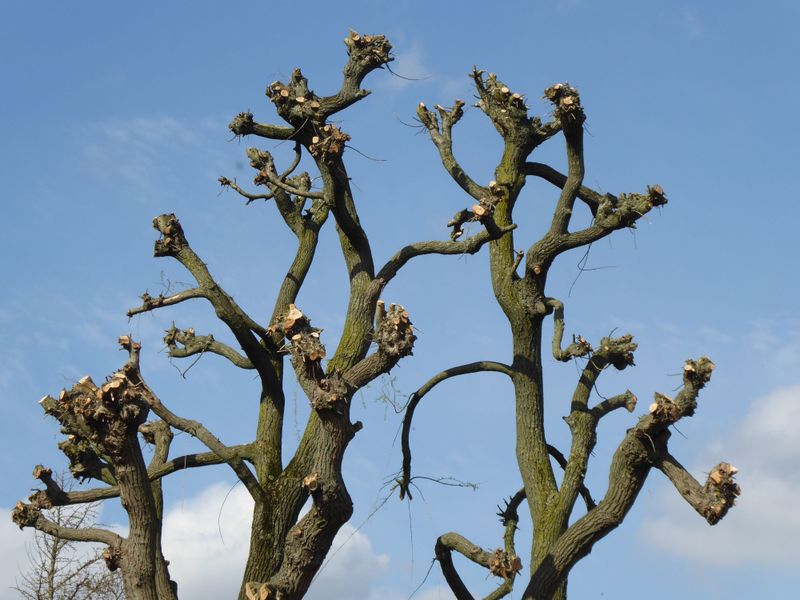
Plenty of folks hear the word trimming and figure all cuts are the same. In the tree world, that idea could not be further from the truth.
Topping slices branches at random spots, usually wherever a ladder reaches or a height looks neat. It ignores how the tree naturally grows and where it can heal.
Restoration pruning works with the tree, not against it. An arborist studies each limb, removes broken pieces, and shapes the crown so it keeps its natural form.
Other proper methods include crown reduction and crown thinning. Reduction lowers height by cutting back to healthy side branches, while thinning opens the canopy so wind can pass through.
Here is a fun fact for your next backyard chat. The International Society of Arboriculture lists topping as an unacceptable practice, and professional arborists widely reject it.
Your Florida Garden Changes Every Week. Your Plan Should Too.
Gardening in Florida changes quickly throughout the season. Every Friday you’ll receive a simple weekly plan showing exactly what to plant, prune, fertilize, harvest, and protect so you never miss the right timing.
Restoration also takes patience. After a hurricane, it often means several visits spread over a few years to rebuild a sturdy structure.
When you call a tree service, ask a simple question. Do they top trees, or do they follow ANSI A300 pruning standards?
A crew that proudly offers topping is waving a red flag. Look for an ISA-certified arborist who talks about structure, healing, and long-term health instead.
3. Decay Can Start Behind Topping Cuts Within A Year
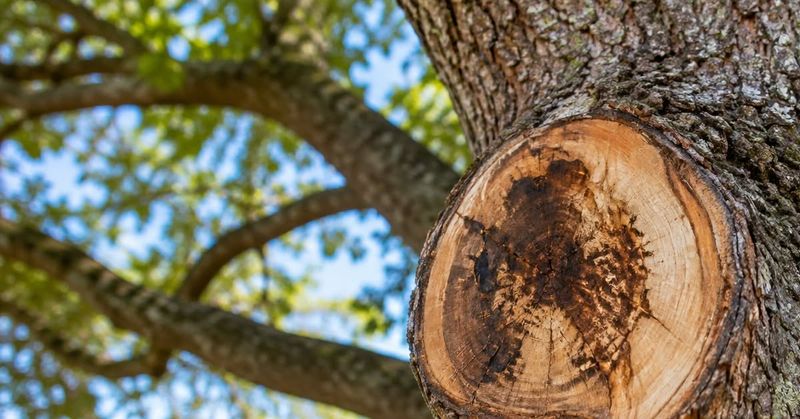
Florida is famous for warm, sticky air that feels like a steamy bathroom. Fungi absolutely adore that kind of weather, and they waste no time moving in.
Big topping cuts leave wide, flat stubs that rarely seal up well. The bare wood sits open to rain, spores, and insects day after day.
Trees do have a clever defense system. Scientists call it compartmentalization, which means the tree builds walls inside its wood to box in an injury.
Small, well-placed cuts are easy for a tree to wall off. Huge stubs scattered across the crown can overwhelm those defenses, especially in a tree already stressed by wind.
Once decay fungi get inside, rot can creep downward behind the cut. It may start within a single year in our humid climate.
The scary part is how quiet it stays. The outside can look leafy and fine while the inside slowly turns soft and spongy.
Keep an eye out for mushrooms, oozing sap, hollow sounds, or dark, crumbly wood near old cuts. Any of those signs is worth a professional look.
The best prevention is simple. Choose proper pruning cuts that a tree can seal, and skip the stubs that roll out a welcome mat for rot.
4. New Sprouts Grow In Weakly Attached
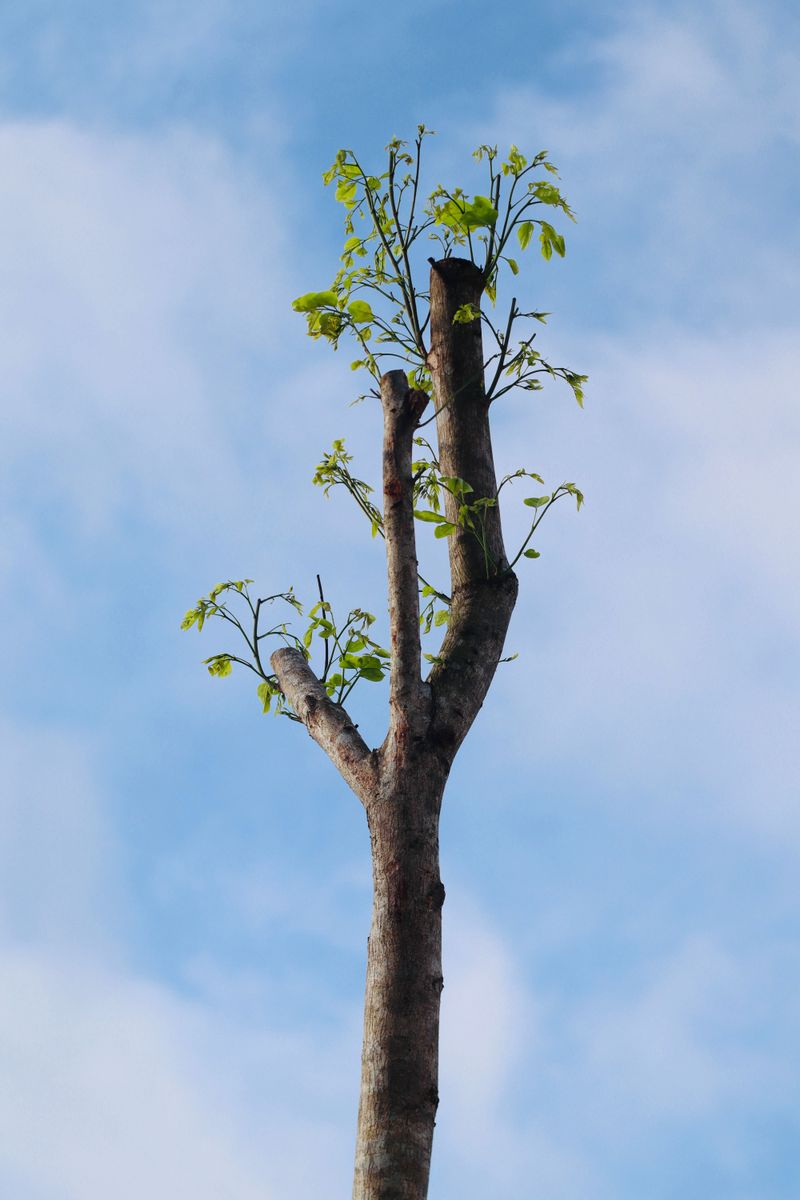
Ever seen a topped tree a few months later, sprouting like a bad hair day? Those wild clumps of thin shoots have a name, water sprouts or epicormic sprouts.
A tree that loses its leaves panics in its own way. It wakes up hidden buds under the bark and pushes out lots of fast shoots to make food again.
At first, that rapid growth looks like great news. The tree seems to be filling in quickly and turning green.
The problem hides where each sprout meets the branch. Normal limbs grow deep, locked-in connections, but water sprouts attach mostly in the outer layers of wood.
Imagine sticking a heavy shelf to a wall with tape instead of screws. It might hold for a while, but it will not stay up when real weight arrives.
As these shoots grow taller and heavier, their weak grip gets tested. Many of them snap off, and the tree sprouts again, starting a frustrating cycle.
A smart arborist can help manage this mess. Over time, they select the strongest, best-placed sprouts to become new branches and thin out the rest.
That steady, careful approach turns a chaotic crown into a stronger one. It takes time, but it beats the endless snap-and-sprout loop.
5. Topped Trees Can Break Apart More Easily In Future Storms
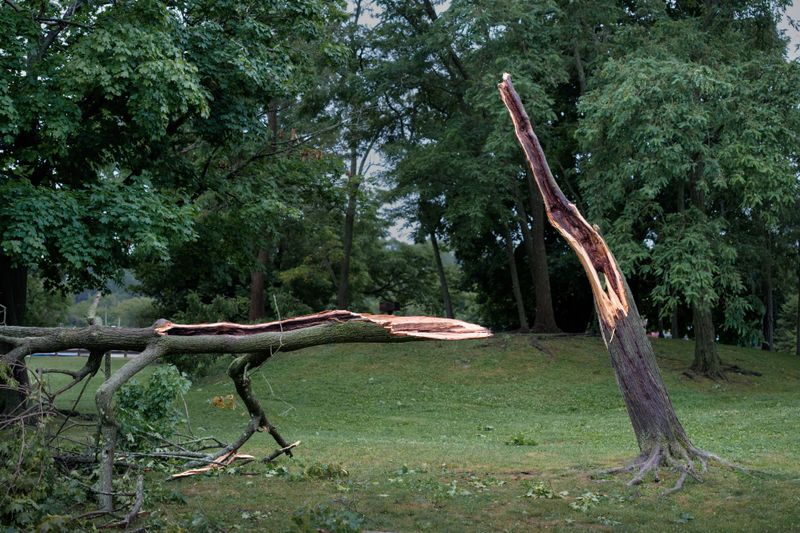
Here is the irony that catches many homeowners off guard. People often top trees to make them safer, yet the result can be a tree that fails faster in the next storm.
Remember those weakly attached sprouts from earlier? Each hurricane season they grow longer, heavier, and more crowded at the very top of the tree.
Strong winds love to grab dense tufts of leaves like a sail. That extra pull lands right on the weak spots where sprouts join old stubs.
Meanwhile, rot may be hollowing out the wood beneath those same stubs. A branch can look solid from the ground while barely hanging on inside.
Put weak joints and hidden decay together, and you have a recipe for broken limbs. Those pieces can land on roofs, cars, fences, or power lines.
In Florida, where storms visit often, that risk adds up year after year. A single topping job can echo through many hurricane seasons.
Want a sturdier tree instead? Ask for structural pruning that builds one strong main trunk and well-spaced limbs.
Thinning the crown a bit also helps wind flow through rather than push against it. Healthy, well-shaped trees tend to bend and sway, while topped ones are more likely to snap.
6. Many Florida Communities Outlaw Or Discourage Topping
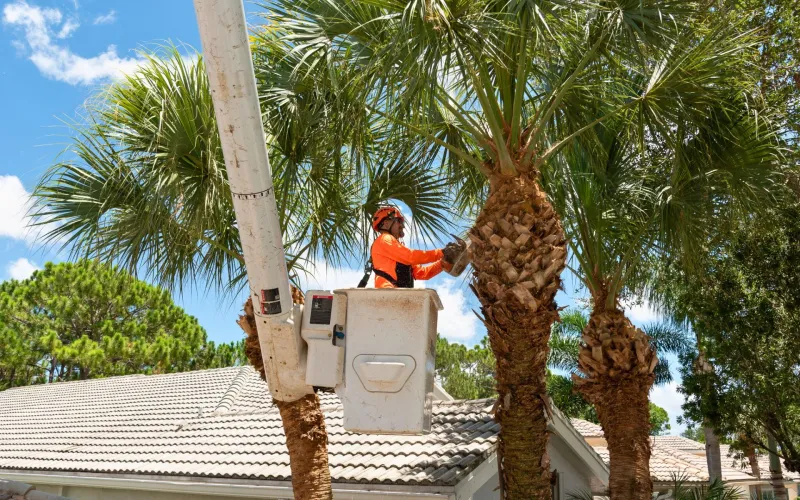
Your neighbors might care more about your tree than you think. Across the state, many cities and homeowner associations ban or strongly discourage topping.
HOAs often include tree rules in their covenants and restrictions. Some specifically call out topping as forbidden, since it harms trees and hurts neighborhood curb appeal.
Breaking those rules can sting your wallet. Associations may issue fines and even require you to pay for restoration work on the damaged tree.
Why so strict? The tree care industry has clear standards, and topping fails them.
The ANSI A300 pruning standard and the International Society of Arboriculture both list topping as unacceptable. Arborists across the country stand firmly against it.
Local governments also value their tree canopy. Shade lowers cooling bills, cuts stormwater runoff, and keeps streets more pleasant during scorching summers.
Before any post-storm cleanup, pull out your HOA documents and skim the landscaping section. A quick call to the management office can save a lot of headaches.
It also helps to get the tree company’s plan in writing. Ask them to note that all work will follow ANSI A300 standards, so you have proof if questions come up later.
A little homework now keeps both your tree and your neighbor relations in good shape.
7. Some Counties Require Permits For Major Pruning
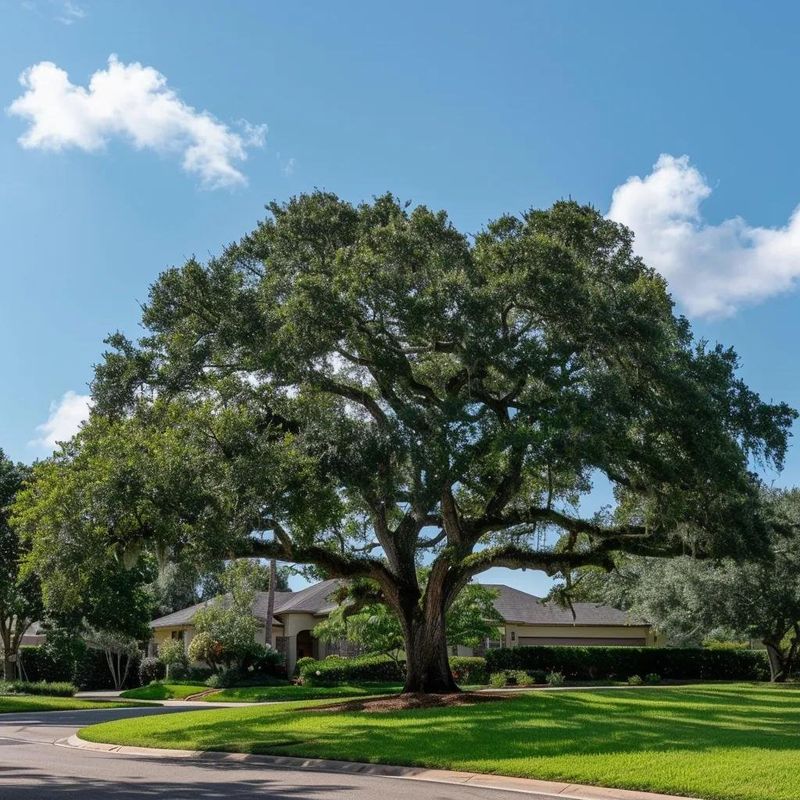
Paperwork is nobody’s favorite part of storm recovery. Still, a quick permit check can save you from surprise fines.
Florida rules vary from county to county and city to city. What is allowed in one town might need approval just a few miles away.
Monroe County, home of the Florida Keys, requires permits for major pruning of trees over six inches in diameter at breast height. That measurement is taken about four and a half feet up the trunk.
Pinellas County generally needs a permit to remove healthy trees four inches or larger. Routine trimming usually does not need one, as long as it follows ANSI A300 standards.
Hillsborough County does not require a pruning permit. Even so, cuts should generally stay under 25 percent of the canopy and meet ANSI A300 rules to avoid violations.
There is also a helpful state law. Florida Statute 163.045 says local governments cannot require a permit on residential property if an ISA-certified arborist or licensed landscape architect documents that the tree poses an unacceptable risk.
So what is the smart move? Call your county or city planning office before big cuts, and ask what applies to your address.
Keep any arborist reports and photos from the storm. Good records make the whole process smoother.
8. Cut Back To A Living Branch At Least A Third Its Size
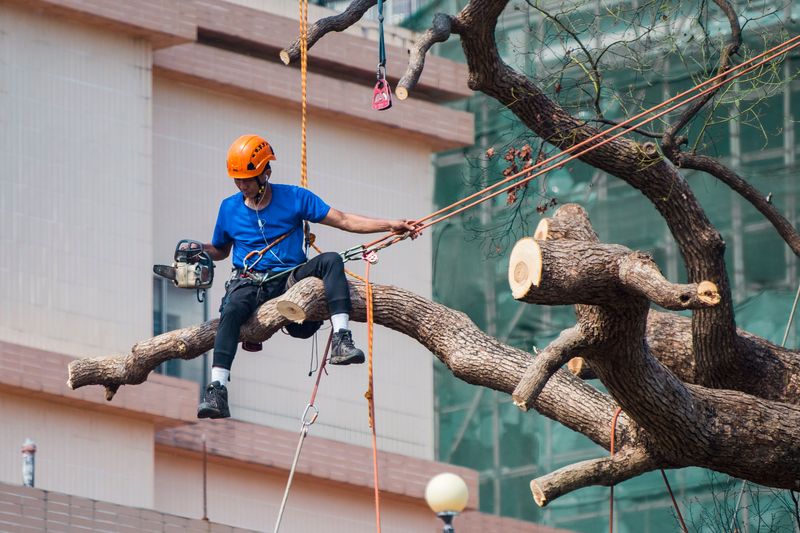
Good pruning has a simple rule of thumb that works like magic. When shortening a limb, cut back to a living side branch at least one-third the diameter of the piece you remove.
Arborists call this a reduction cut. That side branch takes over as the new leader, keeping sap flowing and helping the wound close.
Say a broken branch is three inches thick. You would cut it back to a healthy side branch about one inch thick or more.
Big limbs need extra care, so pros use the three-cut method. First, a small undercut a foot or so out, then a top cut a bit farther out to drop the weight.
The last cut removes the leftover stub. That step keeps bark from tearing down the trunk as the heavy limb falls.
Where you make that final cut matters a lot. Look for the branch bark collar, a slightly swollen ring where the branch meets the trunk.
Cut just outside the collar, not flush against the trunk. That ring holds special cells that help the tree seal the wound and resist decay.
For anything high or heavy, call a certified arborist. Hurricane-damaged limbs can shift without warning, so safety comes first.
9. Plan On Several Prunings Over A Number Of Years
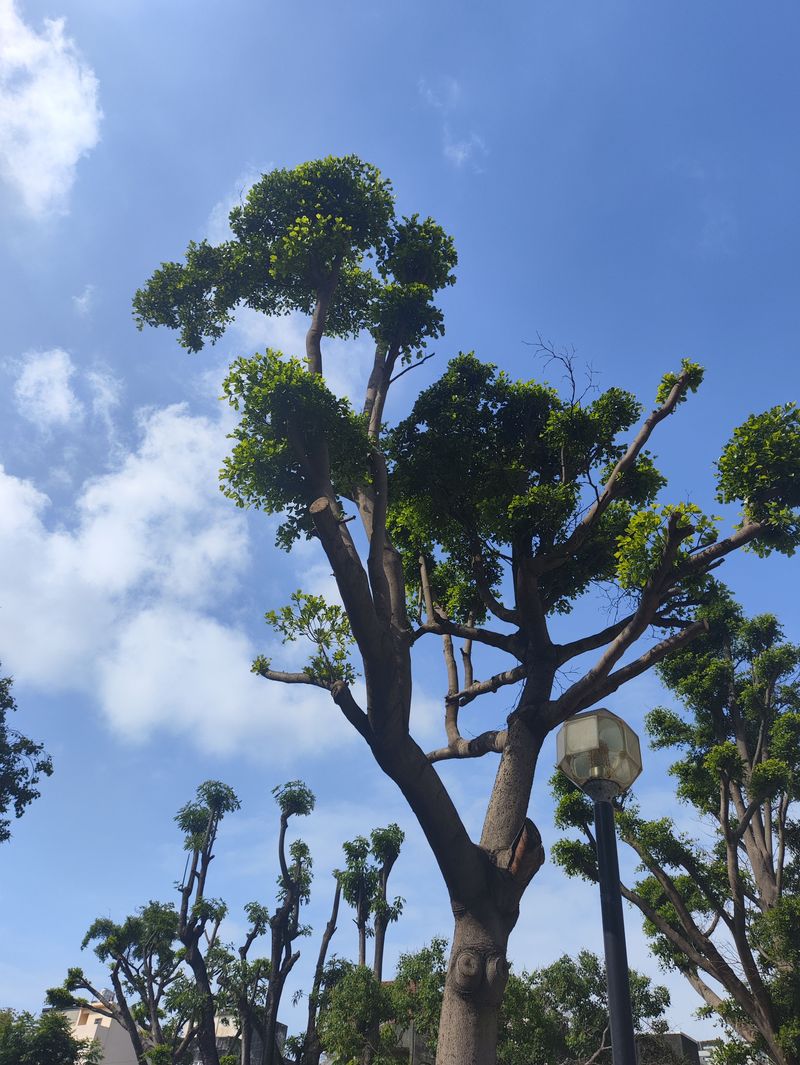
Good things take time, and trees are proof of that old saying. Bringing a storm-damaged or topped tree back to health is more like a slow garden project than a weekend chore.
Most restoration programs last two to five years. Large, mature trees with severe damage may need even longer.
Year one is often the easiest, because it can mean doing very little. Many arborists suggest skipping pruning right after topping so new shoots can harden off.
In the following years, the real shaping begins. The arborist picks the strongest, best-spaced sprouts to become future limbs and removes weaker ones bit by bit.
Each visit builds on the last, a little like braces slowly straightening teeth. Small, steady changes add up to a sturdy, balanced crown.
To stay organized, keep a simple tree journal. Snap photos each season and jot down what was cut and when.
Budget for these visits ahead of time, too. Spreading the cost over several years often feels lighter than one huge bill.
Patience pays off in shade, beauty, and better storm strength. A few careful trims over the years can turn a battered tree into a proud neighborhood landmark again.