How To Prepare Dormant Georgia Bermudagrass For The First Hard Frost
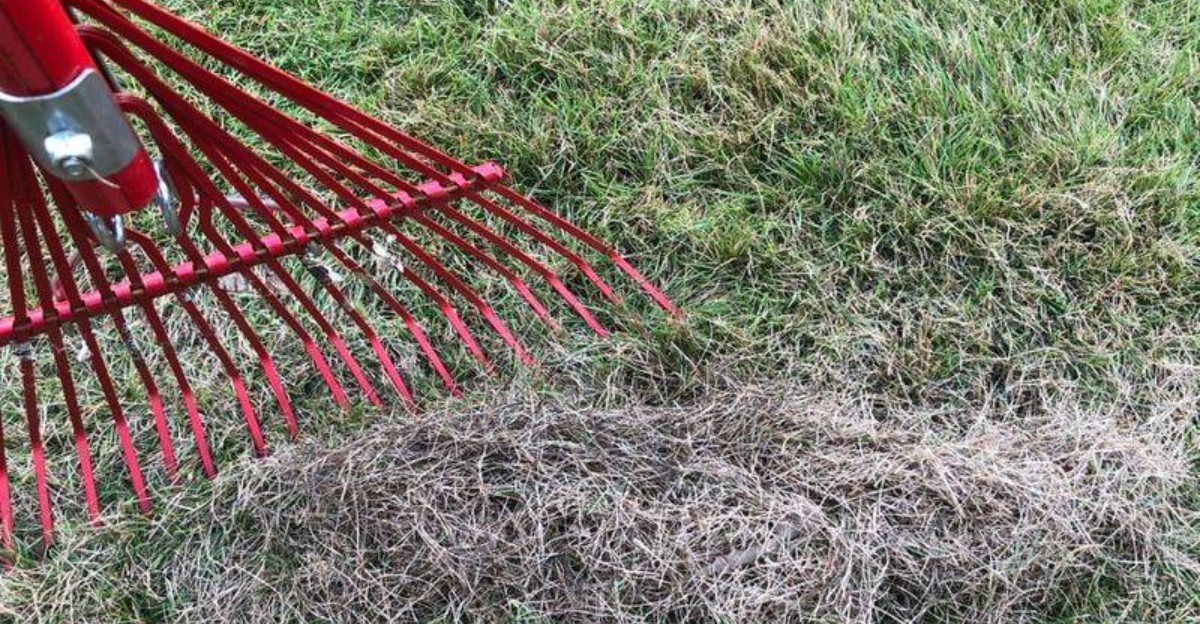
Frosted bermuda blades crunch under your shoes on the first cold morning, and every step can leave a mark.
Footprints like that can show up as darker tracks later, since frozen blades break under weight.
Bermudagrass going dormant for winter is normal, and the tan color alone is nothing to worry about. How the lawn heads into that rest, though, can shape how quickly it greens up in spring.
Hold off on late nitrogen fertilizer, because it can push tender growth that cold weather damages.
Dry soil can add to winter stress, especially after weeks with little rain. Parched Georgia lawns can benefit from occasional deep watering during extended dry spells before winter settles in.
Small choices made now often show up next April as an even green-up instead of patchy, slow recovery.
1. A Tan Lawn After Frost Is A Normal Part Of Dormancy
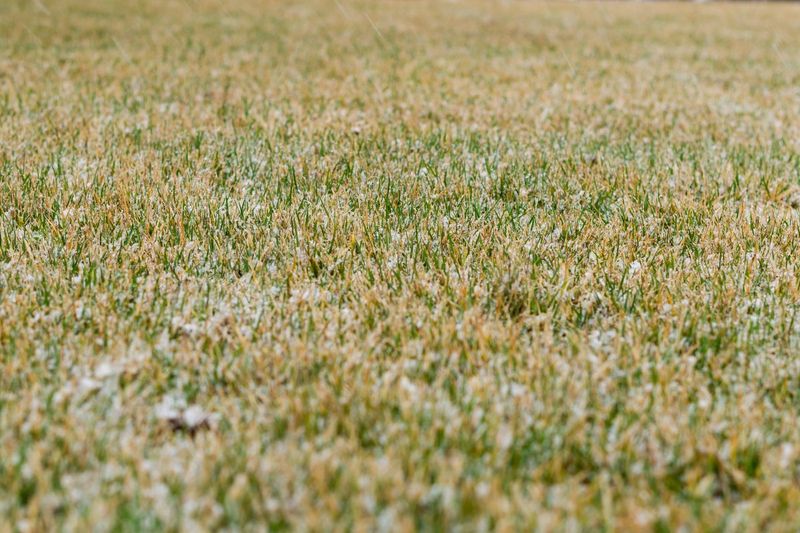
Brown grass in December does not mean you did anything wrong. Bermudagrass is built to go dormant when cold weather arrives, and a tan color is the usual sign.
Once a hard frost hits, the leaf blades lose their green color fairly quickly.
Underneath, the stolons and rhizomes are still alive and resting. Those runners along and below the soil are what push out new growth when spring warmth returns.
Across Georgia, the timing shifts from place to place. North Georgia lawns often turn tan earlier, while lawns near the coast may hold some color longer in mild years.
Patchy color is common during the change, too.
Shaded spots, low areas, and open areas exposed to wind may brown sooner than sunny spots near a driveway or house. A warm spell can even bring a faint green tint back for a short time.
Try not to treat the tan color as a problem to fix.
Extra fertilizer or heavy watering will not keep dormant Bermudagrass green, and those steps can do more harm than good in winter.
Some homeowners overseed with ryegrass for winter color, but that choice brings its own care needs and can compete with Bermudagrass in spring.
Patience is usually the best plan here, since most healthy lawns green up again once soils warm the following spring.
2. Skip Nitrogen Now So The Grass Can Slow Down Naturally
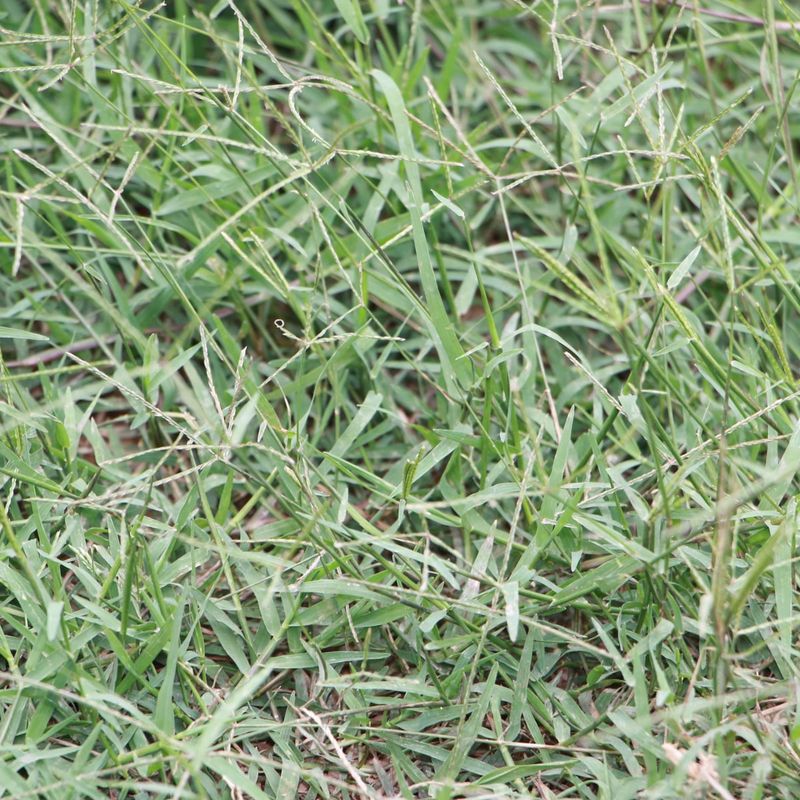
Fertilizer timing matters more than many people expect. Late-season nitrogen tells Bermudagrass to keep growing when it should be slowing down.
University of Georgia Extension guidance generally places the last nitrogen feeding for Bermudagrass in late summer, roughly mid-August to early September.
Feeding later than that can encourage soft, tender growth right before cold weather. That new growth may be more prone to winter injury, and it can also feed cool-season weeds that sprout in fall.
Disease is another concern worth keeping in mind.
Applying nitrogen too late in the season can make Bermudagrass more vulnerable to fungal diseases. Soil conditions, weather, and other factors also influence the risk, so late fertilization is not the only concern.
So what should you do with that leftover bag?
Your Georgia Garden Changes Every Week. Your Plan Should Too.
Gardening in Georgia changes quickly throughout the season. Every Friday you’ll receive a simple weekly plan showing exactly what to plant, prune, fertilize, harvest, and protect so you never miss the right timing.
Store it in a dry place and save it for late spring, after the lawn has fully greened up and is actively growing. In most Georgia yards, that usually happens somewhere in April or May, depending on the region and the weather.
A soil test in fall is a smart move instead. Your county Extension office can process samples and tell you whether lime or other nutrients are needed.
Letting the grass slow down on its own schedule supports a smoother move into dormancy.
3. Adjust Mowing Height To Suit Your Bermudagrass Variety
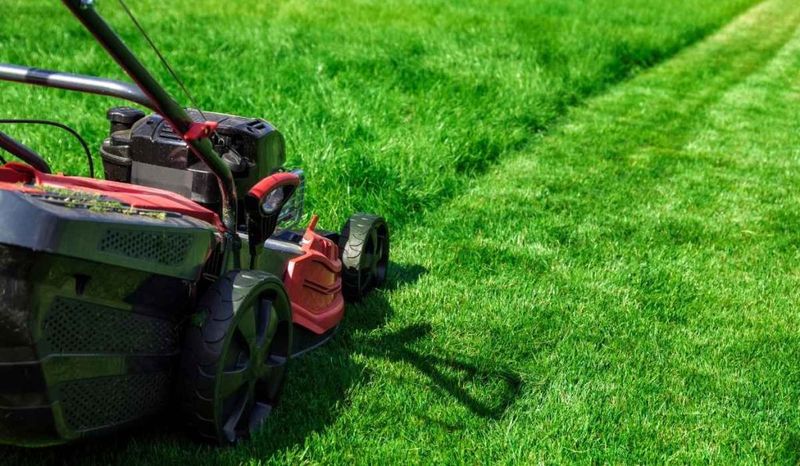
Not every Bermudagrass lawn should be cut the same way. Hybrid types like Tifway 419 and TifTuf are often mowed lower than common Bermudagrass.
Extension recommendations for common Bermudagrass usually fall around 1 to 2 inches, while many hybrids do well a bit lower with the right mower.
Reel mowers handle low heights best, but most homeowners use rotary mowers. If that describes your yard, staying near the higher end of the range is often easier on the grass and the machine.
As growth slows in fall, mowing naturally becomes less frequent.
Some people raise the height slightly for the last few cuts of the season. That small change leaves a bit more leaf tissue, though the benefit for winter hardiness can vary by variety and conditions.
Avoid scalping the lawn right before winter.
Cutting far below the normal height can expose stolons and leave the turf more open to cold injury. Scalping is generally saved for spring green-up, when it helps remove old material.
Once the grass goes dormant, mowing usually stops altogether in most parts of Georgia. An occasional pass may still help if winter weeds start poking up above the tan turf.
Sharp blades matter all year, since clean cuts heal faster than torn tips.
4. Potassium Can Support Winter Hardiness When Soil Levels Are Low
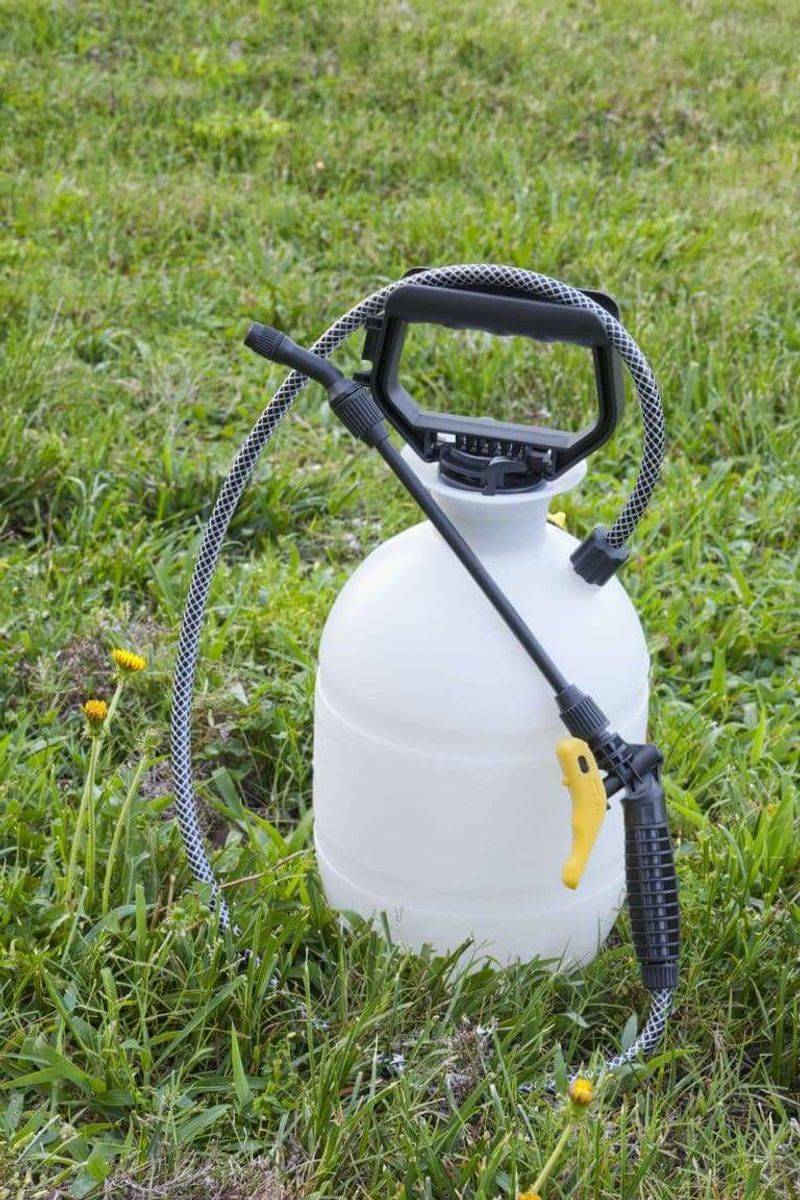
Potassium is the nutrient people often link with stress tolerance in turf. It helps plants manage water and handle cold and drought, which makes it useful heading into winter.
Some fall lawn products combine a pre-emergent weed preventer with potassium and little or no nitrogen.
Those blends can be handy because fall pre-emergent applications target winter weeds like annual bluegrass. Timing usually falls in early fall, before soil temperatures drop enough for those weeds to sprout.
Still, extra potassium only helps when your soil actually needs it.
Many Georgia soils vary a lot from yard to yard, and some already hold enough potassium. Adding more than the lawn needs is unlikely to offer extra cold protection.
That is why a soil test is the smartest first step before buying anything. Results show your potassium level and pH, plus whether lime is recommended.
Read every label carefully before you apply.
Check that the pre-emergent is labeled for Bermudagrass, and follow the listed rate and timing. Avoid products that also contain a high nitrogen amount, since late nitrogen can work against dormancy.
Keep realistic expectations about results. Potassium can support overall plant health, but it will not prevent frost injury on its own, and weather still plays the biggest role.
5. Watering During Dry Spells Reduces Stress Heading Into Winter
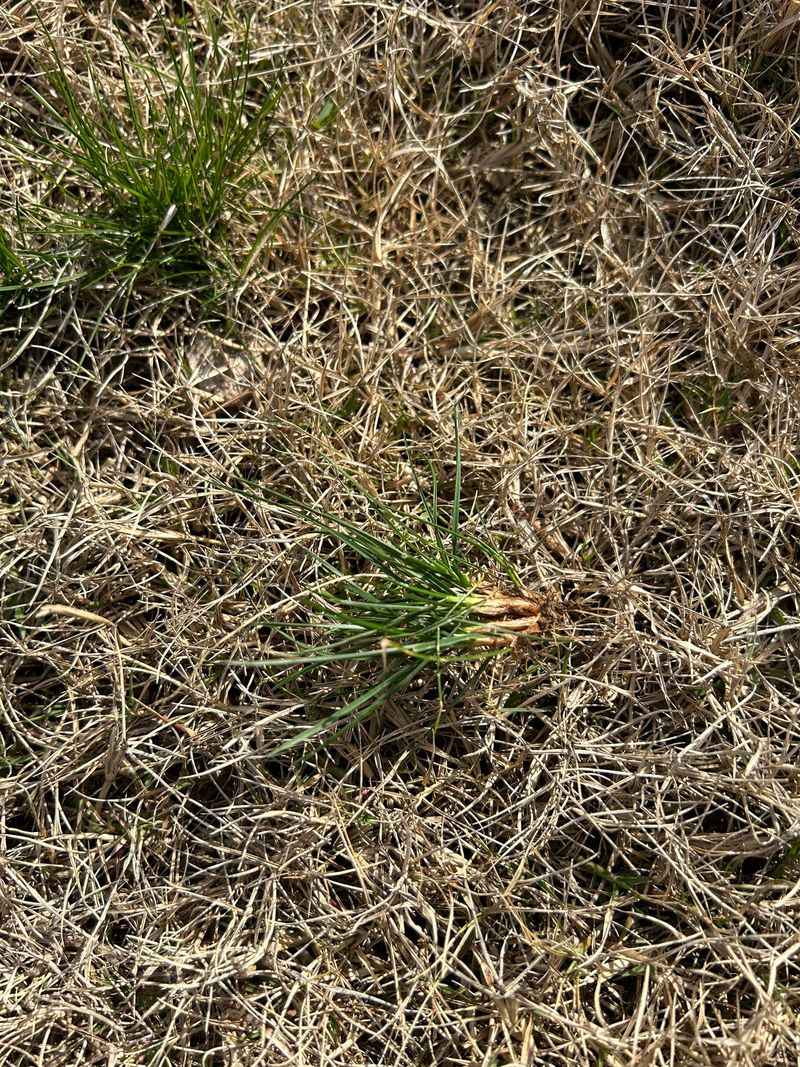
Dry soil and cold air make a rough combination for turf. Fall can bring long stretches without rain in Georgia, even as temperatures start to drop.
Grass going into winter with very dry roots may face more stress than grass with moderate soil moisture.
Dormant Bermudagrass needs much less water than it does in summer. Still, an occasional deep watering during a long dry spell can help keep the roots and runners from drying out too much.
Watch the weather rather than following a fixed schedule.
If rain has been scarce for several weeks and the soil feels dry a few inches down, a single soaking can be helpful. Push a screwdriver into the ground to get a quick sense of moisture.
Morning is usually the best time to water. Grass blades dry during the day, which can lower the chance of disease problems.
Skip watering right before a hard freeze is expected, since ice on surfaces like walks and driveways can become a safety issue.
Overwatering is a real risk, too. Soggy soil in winter can encourage disease and invite weeds that like wet ground.
Sandy soils in south areas drain fast, while red clay holds water longer. Adjust your approach to fit your yard instead of copying a neighbor.
6. Heavy Foot Traffic On Frosted Grass Can Crush The Blades
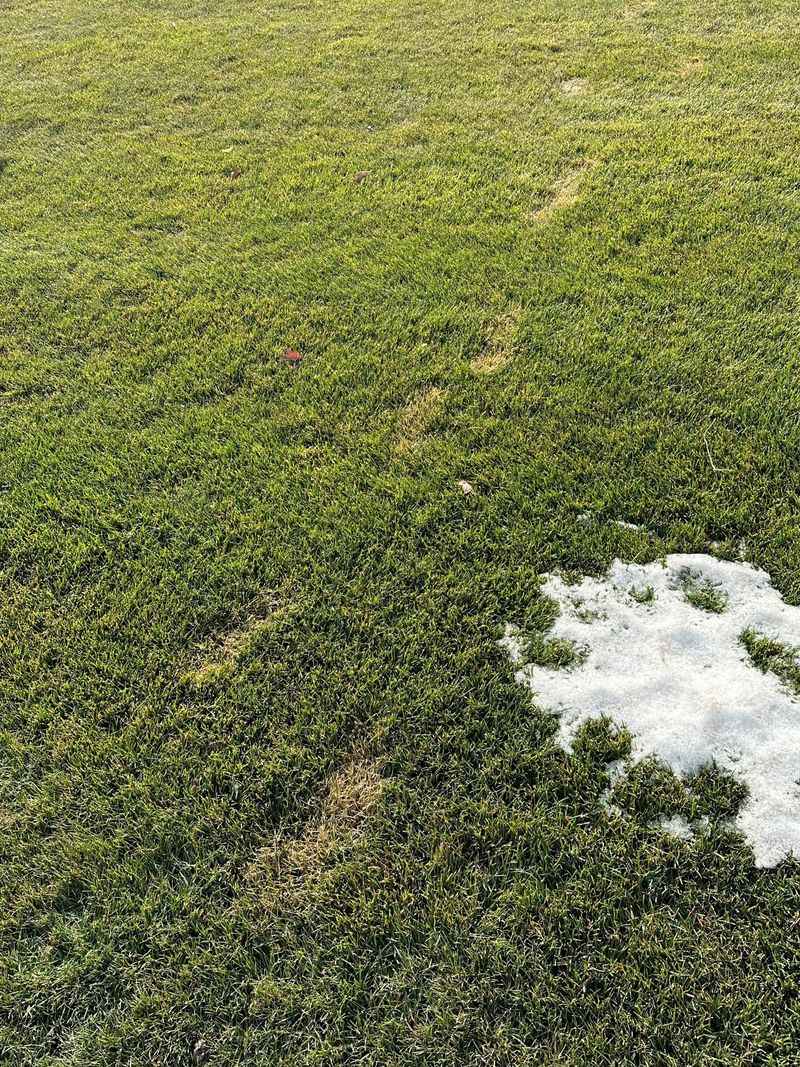
Frosty mornings leave a clear trail behind every step. Walk across a frozen lawn and you may see dark footprints later that day.
Ice crystals form on and inside the grass blades during a frost, which makes them stiff and brittle.
Pressure from feet, pets, or wheelbarrows can break those frozen tissues. Damage is usually limited to leaf blades, but repeated traffic in the same path can thin out the turf over time.
Wait until the frost melts before heading across the yard.
On most sunny mornings in Georgia, that takes only a few hours. Shaded areas near fences or trees may stay frozen longer, so check those spots before walking through.
Kids and dogs can make this tricky. A temporary path of stepping stones or a mulched walkway can keep regular trips off the grass.
Parking cars or trailers on the lawn is worth avoiding through winter, too. Heavy weight can compact soil and press down dormant runners.
Dormant Bermudagrass also recovers slowly because it is not actively growing. Worn areas may stay thin until warm weather returns.
Small changes in routine, like using the driveway or sidewalk on frosty days, can help the lawn green up more evenly next spring.
7. Matted Leaves Left Over Winter Can Hold Moisture Against The Turf
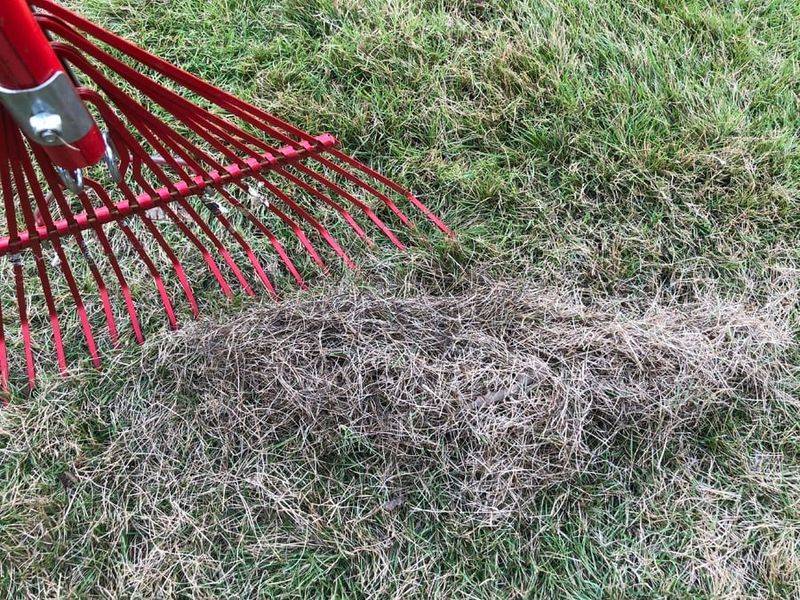
Oak and maple leaves can bury a lawn faster than you think. Once they get wet and pack down, they form a thick mat over the grass.
That layer blocks sunlight and airflow while trapping moisture right against the turf.
Damp, shaded conditions may encourage disease in some lawns. Matted leaves can also smother patches of grass, leaving thin spots that are slow to fill in come spring.
Raking every week or two during heavy leaf drop is usually enough. A leaf blower or a mulching mower can speed up the job.
Mulching works well when the leaf layer is light.
Small shredded pieces settle between grass blades and break down over time. If you still see lots of leaf cover after mowing, bag or rake up the extra.
Leaf fall timing differs across Georgia. Oaks in particular may keep dropping leaves well into winter, so a final cleanup may be needed later than you expect.
Collected leaves have plenty of good uses. Add them to a compost pile, or spread them as mulch under trees and in planting beds.
Clearing the lawn surface also makes it easier to spot winter weeds early. That gives you a better chance of handling them before they spread.