Toxic Mushrooms Are Popping Up In New York Yards. Here’s How To Spot The Dangerous Ones
One soggy night can turn a tidy lawn into a surprise mushroom party. You step outside, and there they are: white domes, orange clusters, and odd little umbrellas poking through the grass.
Fall rain and cool air have fungi popping up across New York yards. Most are harmless neighbors that recycle leaves and wood.
A few, however, hide serious toxins behind innocent faces. Some can upset your stomach for hours, while others can damage the liver with just one bite.
Kids and curious dogs are often the first to find them. That makes knowing what’s growing in your yard more important than ever.
You don’t need a science degree to stay safe. A handful of warning signs can help you spot the troublemakers and protect your family this season.
Fall Rain Brings A Surge Of Mushrooms
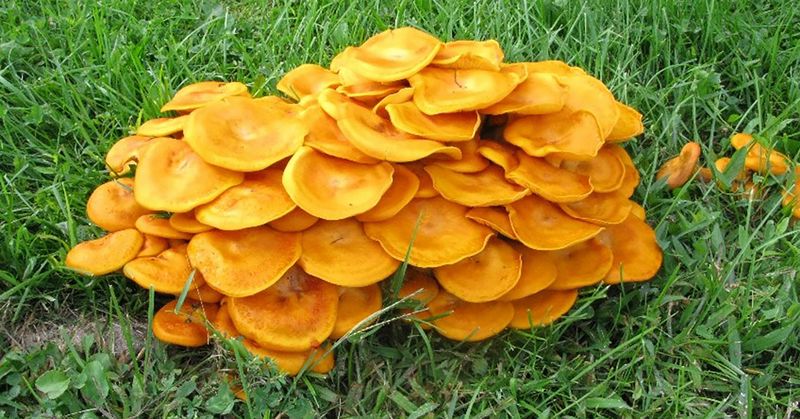
Picture waking up after a soggy weekend and finding a dozen strange caps scattered across your lawn. Overnight, your yard has turned into a tiny fungus village.
Mushrooms love moisture and cool air, so fall is their favorite season. Heavy downpours followed by humid days give them the perfect signal to sprout.
What you see poking out of the grass is only a small part of the story. The real organism, called mycelium, spreads underground like a hidden web of threads.
Mycelium can live quietly in your soil for years without causing trouble. When conditions turn just right, it pushes up mushrooms to release spores.
Homeowners across New York notice this boom every autumn, from Long Island to Buffalo. Shady spots, old tree stumps, and buried roots are common hot spots.
Most yard mushrooms are harmless and help break down fallen leaves and old wood. Some, though, carry toxins strong enough to send a person to the hospital.
Here is a handy habit worth starting this season. Walk your yard the morning after a big storm, since fresh mushrooms pop up fastest then.
Catching them early gives you time to check them before kids or pets do. A quick five-minute stroll can save you a stressful evening later.
Fun fact: some mushrooms can push right through asphalt as they grow. Their swelling cells create surprising pressure, a bit like a tiny hydraulic jack.
Destroying Angels Are White And Highly Toxic
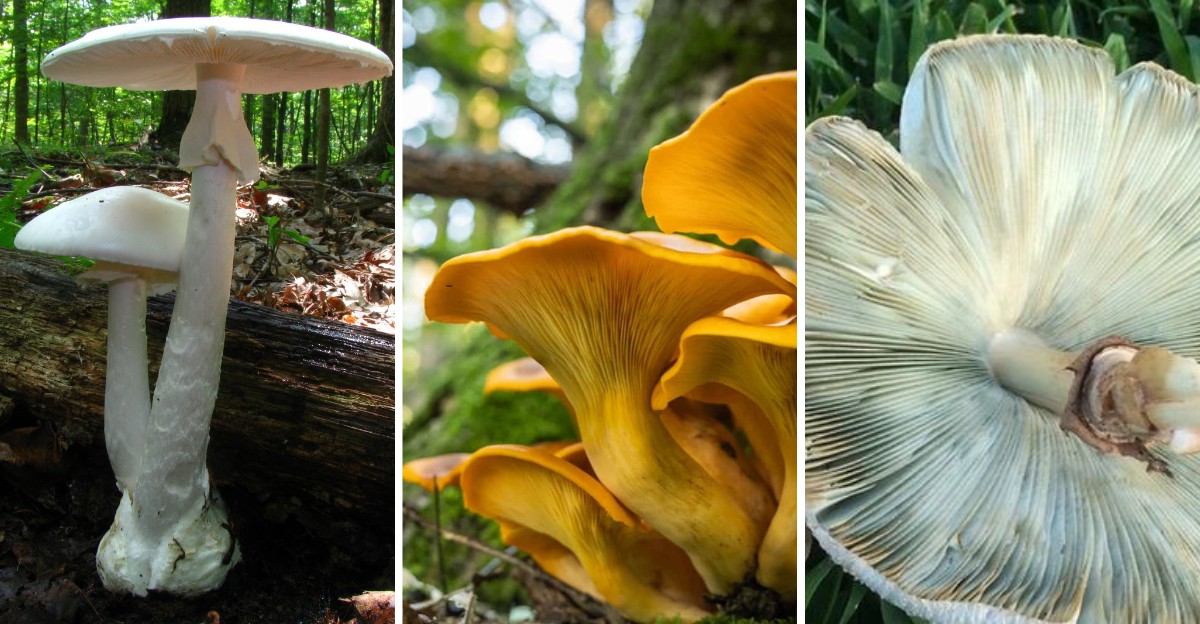
Few things in nature look as innocent as a spotless white mushroom. Destroying Angels use that pure look as the perfect disguise.
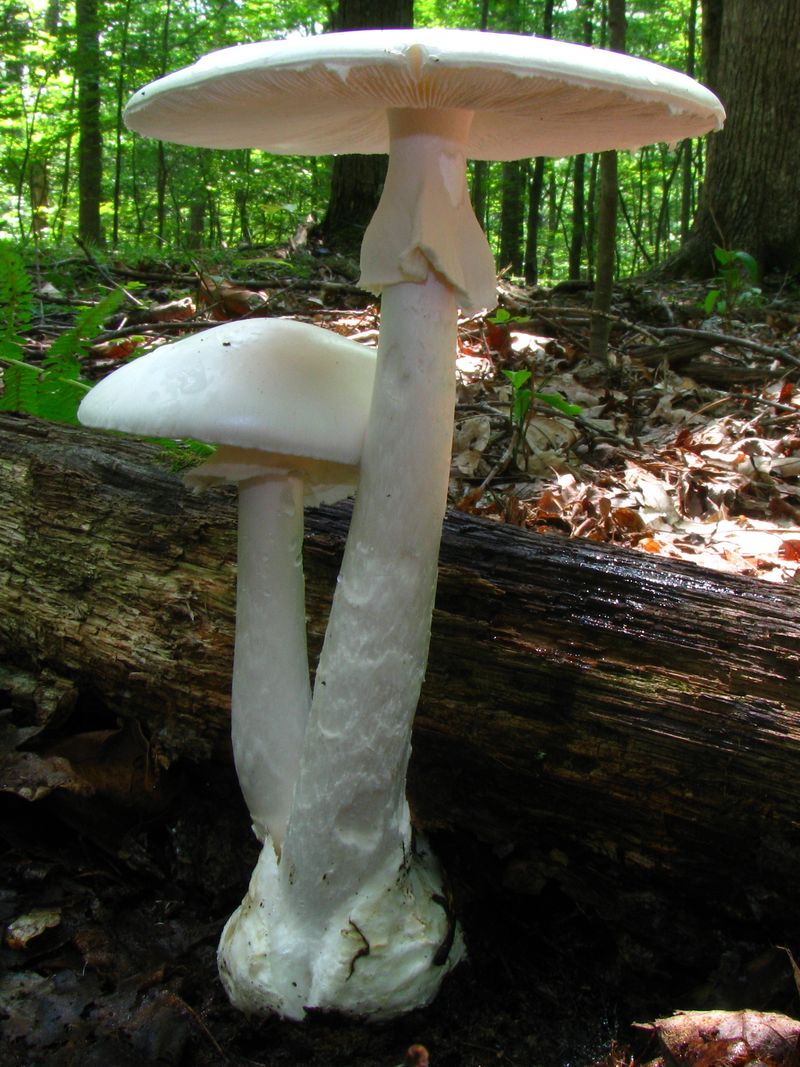
Known to scientists as Amanita bisporigera, they rank among the most toxic mushrooms in New York. They often pop up near oak, birch, and other hardwood trees.
Their poison attacks the liver and kidneys, sometimes causing organ failure. Shockingly, eating just a single cap can be enough to become life-threatening.
Spotting one takes a careful eye, so start at the top. The cap, gills, and stem are all bright white from top to bottom.
Next, look for a thin, skirt-like ring hanging around the upper stem. It may tear or slip away as the mushroom gets older.
Your New York Garden Changes Every Week. Your Plan Should Too.
Gardening in New York changes quickly throughout the season. Every Friday you’ll receive a simple weekly plan showing exactly what to plant, prune, fertilize, harvest, and protect so you never miss the right timing.
The most telling clue hides below ground in a cup-shaped base called a volva. Gently dig around the stem with a stick, and you may find it.
Many people miss that cup because they snap the mushroom off at the soil line. Wearing gloves while digging is a smart move for extra safety.
Trouble does not show up right away, which makes these mushrooms even sneakier. Symptoms can take six hours or more to appear, while damage quietly builds.
A simple rule works best for any white mushroom in your yard. Treat it as dangerous, remove it, and wash your hands well afterward.
Jack-O’-Lantern Mushrooms Glow Orange But Make People Sick
Halloween fans might think these pumpkin-colored beauties are a festive bonus. Sadly, Jack-o’-lantern mushrooms are more trick than treat.
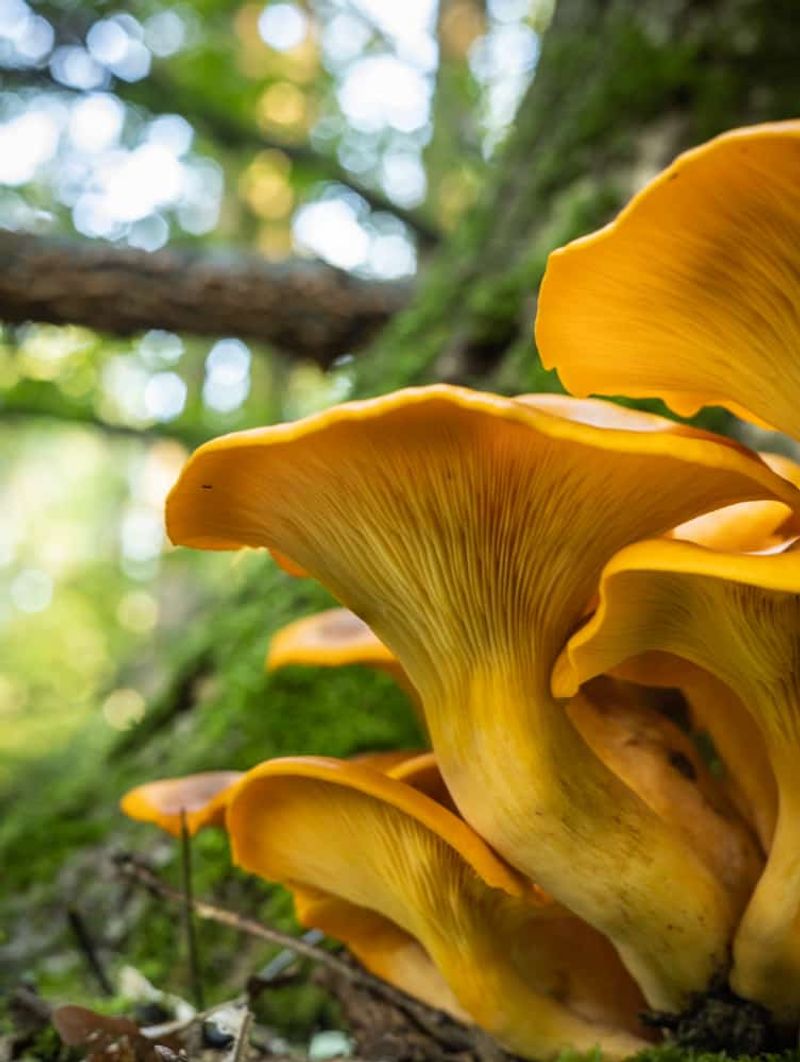
Officially called Omphalotus illudens, they grow across eastern North America, including New York. You will usually find them in thick clusters on rotting hardwood stumps or buried roots.
Their color is hard to miss, ranging from bright orange to deep pumpkin. The gills run down the stem and share the same glowing shade.
Speaking of glowing, here comes the coolest part. Fresh gills can give off a faint green light in total darkness, a trick called bioluminescence.
Hoping to see it yourself takes patience and very dark surroundings. The glow is faint, and fresh, young mushrooms usually shine best.
Eating one brings misery fast, usually within one to three hours. Expect vomiting, cramps, and diarrhea that can drag on for a rough day or two.
Foragers often confuse them with tasty chanterelles, which share a similar orange hue. Chanterelles grow alone from soil and have blunt, ridge-like folds instead of true gills.
Got an old stump in your yard that sprouts orange clusters every fall? Grinding the stump down can reduce future crops over time.
Until then, knock the clusters off and bag them for the trash. Your family gets a safer yard, and the spooky decorations stay plastic.
Green-Spored Lawn Mushrooms Cause Severe Stomach Upset
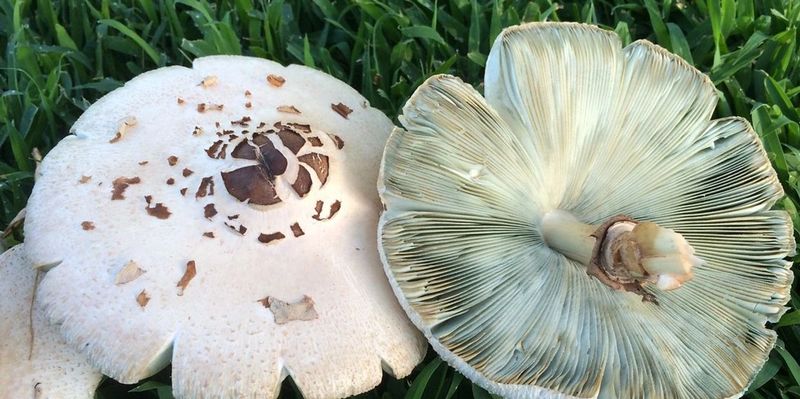
Some people call it the False Parasol, while others use a far less charming nickname: the vomiter. One bite explains that name pretty quickly.
Chlorophyllum molybdites is more common in warmer states, but it does pop up on New York lawns during hot, wet stretches. It often forms large rings or arcs across open, sunny grass.
The cap starts round, then flattens into a wide umbrella that can reach plate size. It looks white to pale tan, sprinkled with brownish scales near the center.
Flip one over and check the gills carefully. Young gills look white, but older ones turn a dusty grayish green.
Want a fun backyard science project that doubles as a safety check? Try making a spore print with a cap and a sheet of white paper.
Place the cap gill-side down, cover it with a bowl, and wait a few hours. A green print confirms the False Parasol, since few lawn mushrooms leave that color.
Eating it causes severe vomiting, diarrhea, and cramps within a few hours. Some people need hospital care for dehydration after a bad reaction.
Dogs are at risk too, since these mushrooms grow right where pets roam. Remove them quickly and keep an eye on pups who love sniffing the grass.
Wear gloves for the spore test and wash up afterward. Toss the paper and mushroom into a sealed bag when finished.
Many Toxic Mushrooms Look Like Edible Ones
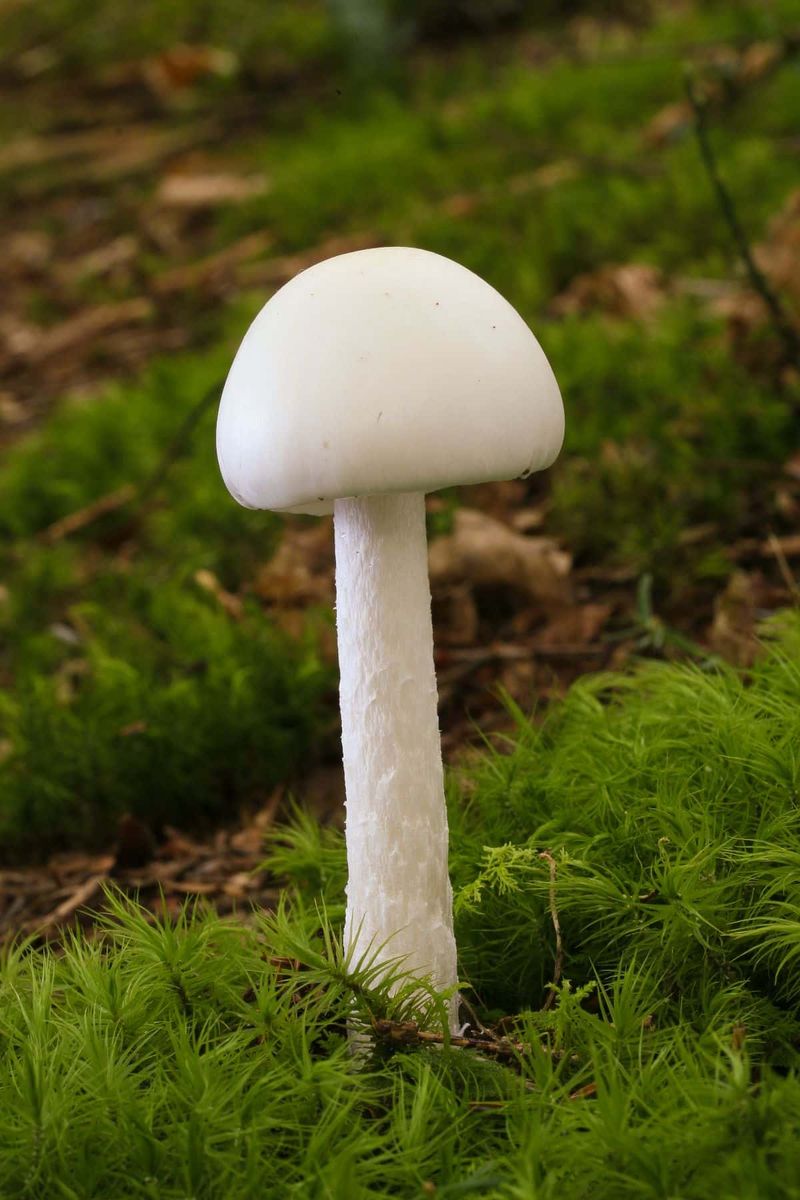
Imagine two twins standing side by side, one friendly and one with a nasty temper. Mushrooms play that same confusing game all season long.
Plenty of poisonous species look almost identical to safe, edible ones. Even experienced foragers have been fooled by these clever copycats.
Destroying Angels, for example, resemble ordinary meadow mushrooms at first glance. Their young, egg-shaped buttons can also pass for harmless puffballs.
Slicing a button in half can reveal the difference. A true puffball looks solid white inside, while a young Amanita shows the outline of a cap and stem.
Jack-o’-lanterns cause similar headaches for people hunting chanterelles. Meanwhile, the False Parasol gets mistaken for edible parasol species with similar shapes.
Many folks believe a few old myths about telling them apart. Silver spoons, nibble marks from animals, and pleasant smells offer no reliable proof of safety.
Cooking will not help either, sadly. Heat, boiling, and freezing leave most mushroom toxins fully active and just as harmful.
Poison control centers see these mix-ups every single fall. Often, a person felt sure about what they picked before getting sick.
Here is an easy takeaway for your household. If a yard mushroom looks like something from the grocery store, treat that likeness as a warning sign.
Remove Mushrooms Where Kids And Pets Play
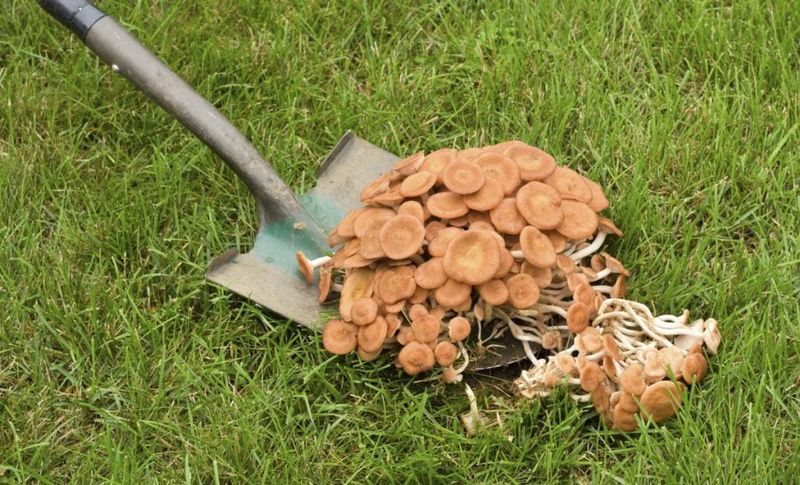
Toddlers explore the world with their mouths, and dogs are not much different. A shiny mushroom in the grass looks like a snack to both.
Young children are among the most common mushroom poisoning cases each year. Pets follow close behind, especially playful puppies that gobble first and sniff later.
Luckily, clearing mushrooms takes only a few minutes. Grab gloves, a plastic bag, and a small trowel before heading outside.
Pull each mushroom out at the base, including any buried cup or root. Seal the bag and toss it into the trash, not the compost pile.
Mowing works well for large patches across open grass. Bag the clippings instead of leaving them scattered where little hands can reach.
Keep in mind that removing caps will not stop new ones from growing. The mycelium underground stays put and may send up more after the next rain.
Plan on quick checks after every wet spell during late summer and fall. Focus on play sets, sandboxes, and favorite dog potty spots first.
Reducing extra moisture can slow things down too. Rake up soggy leaves, trim heavy shade, and fix any spots where water pools.
Families across the state find that a weekly sweep becomes second nature. Making it a routine turns a worry into a simple, manageable chore.
Never Eat Yard Mushrooms Without Expert ID
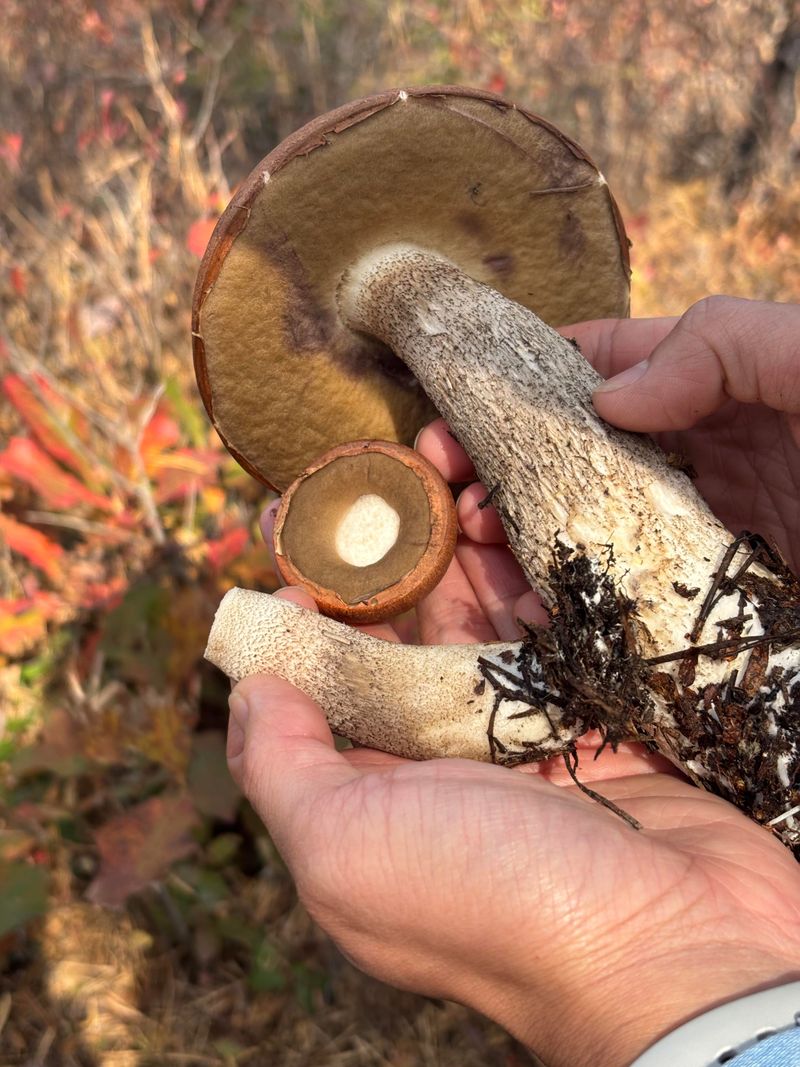
Foraging videos online can make mushroom hunting look easy and fun. Real experts will tell you the truth is much trickier.
Safe identification depends on checking many features together, not just one. Experts look at cap shape, gill color, stem rings, base shape, smell, and spore print.
Color alone can fool you badly. Rain, sun, and age can fade or darken a mushroom until it looks like something else.
Phone apps are handy for curiosity but risky for dinner decisions. Studies have found that many apps misidentify toxic species at worrying rates.
Interesting fact: Many places require expert identification for wild mushrooms sold to the public. If stores need an expert, your backyard snack does too.
Local mycological clubs offer a great way to learn safely. The New York Mycological Society and similar groups host walks and identification sessions.
Members often help beginners sort out what grows nearby. Bring photos showing the top, gills, stem, and base for the best feedback.
A good field guide for the Northeast is another smart investment. Pair it with patience, since true skill takes years to build.
Until an expert confirms your find, keep it off the menu. Admiring mushrooms with your eyes costs nothing and carries zero risk.
Call Poison Control Right Away If Someone Eats One
Panic hits fast when you spot a half-chewed mushroom in your child’s hand. Take a breath, because one quick phone call can make all the difference.
Dial the national Poison Control hotline at 1-800-222-1222 right away. Trained experts answer around the clock, and the call is free and private.
Callers are connected to regional centers that serve every corner of the state. Specialists there know which local species cause trouble and how to respond.
Do not wait for symptoms before calling. Some of the worst toxins take six to twelve hours to show signs.
By then, damage to the liver or kidneys may already be underway. Early treatment gives doctors the best chance to help.
Skip the old advice about making someone throw up. Forcing vomiting can cause extra harm and is not recommended by experts.
Instead, save any leftover mushroom pieces in a paper bag. Snap clear photos of the mushroom and the spot where it grew.
Bring those samples and photos if you head to the hospital. Identification helps doctors pick the right treatment much faster.
For pets, contact your vet or the ASPCA Animal Poison Control Center. Saving these numbers in your phone today takes about thirty seconds.