Spent Coneflower Heads In Your Indiana Garden Are A Winter Buffet For Birds
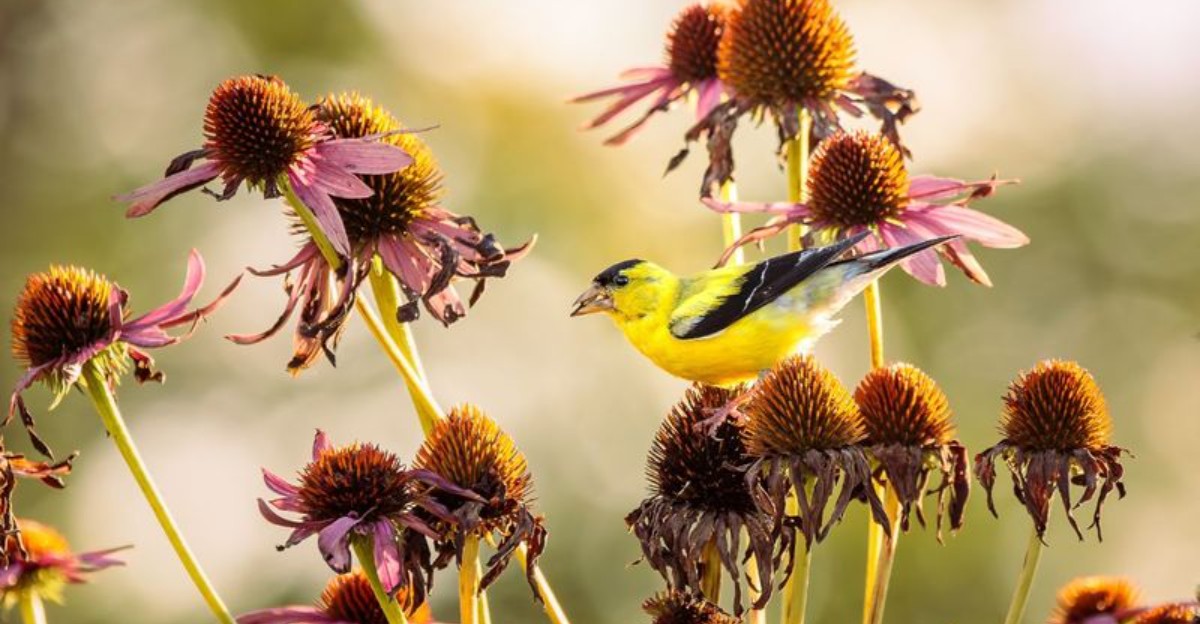
Many American goldfinches stay in Indiana through winter, but the males trade their bright yellow feathers for a dull olive coat. I like how that plain fall color helps them blend into brown garden stems while they hunt for seeds.
Many of those seeds sit tucked inside stiff, spiky flower centers that stay upright long after the petals fall. The prickly shape holds the seeds firmly, so a single seed head can feed visiting birds for weeks.
Some of the seeds that birds drop actually need a long, cold winter before they can sprout in spring. Gardeners call this cold stratification, and Indiana winters usually provide exactly the chill these native seeds expect.
You need only a window and a little patience to watch tiny birds work through a messy-looking garden bed. I believe the scruffiest patch in your yard might be the busiest restaurant on the block this October.
Seed-Packed Heads That Stay Standing All Winter
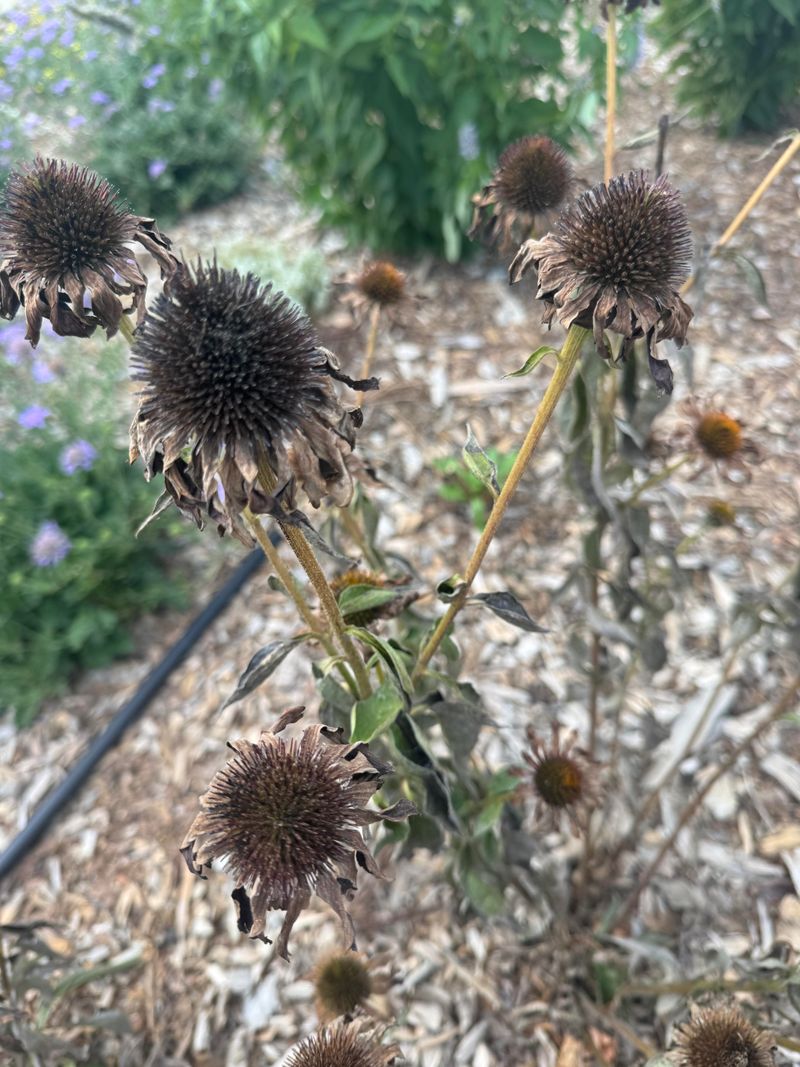
Walk past a patch of purple coneflower in October, and you will see bristly cones perched on stiff stems. Each cone holds dozens of small seeds, and those seeds are a reliable winter meal for several Indiana birds.
Purple coneflower, or Echinacea purpurea, is native to Indiana and grows wild in prairies and open woodland edges. Its stems often stay upright through snow, which keeps the seed heads above the ground where birds can reach them.
The seeds ripen in late summer and fall, but they do not all drop out at the same time. Many stay wedged between the spiny scales of the cone, so birds can pull them out one by one.
That slow release is a big reason extension experts suggest leaving the plants standing through the colder months. A single clump can supply snacks from October into late winter, especially if you have several plants together.
Other native relatives work the same way, including pale purple coneflower, which also grows in Indiana. Black-eyed Susans hold seeds in a similar cone shape, so they make a fine partner nearby.
Birds usually work through the tallest, driest heads first, then move on to shorter or leaning stems. Even a few floppy plants still have value, as long as the cones have not rotted on wet soil.
If you already cut your plants back this fall, there is no need to feel guilty about it. Simply plan to leave a few clumps uncut next year and see which birds show up to investigate them.
Goldfinches Pick The Heads Clean
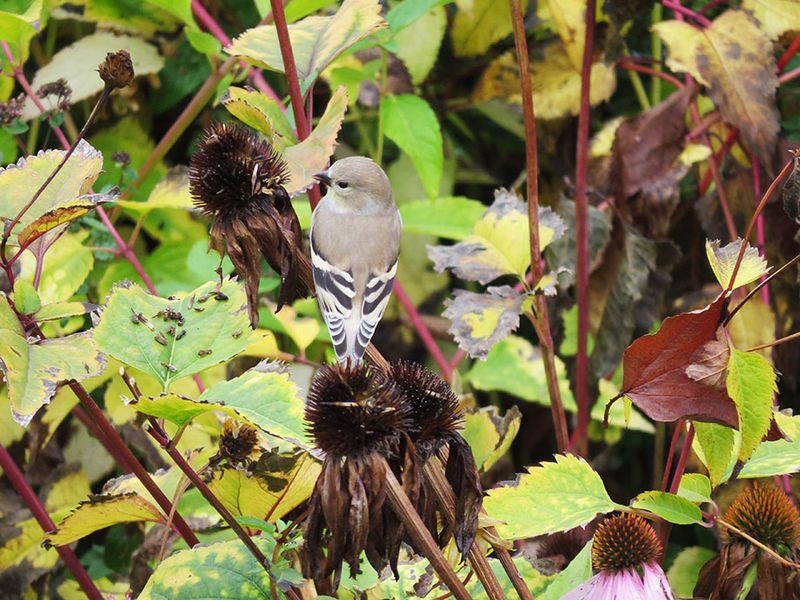
Goldfinches are devoted seed eaters, and purple coneflower is one of the garden plants they readily visit in Indiana. Their small, pointed bills fit neatly between the cone’s spines, letting them pluck out seeds with surprising speed.
According to the Cornell Lab of Ornithology, American goldfinches eat almost nothing but seeds, which is unusual among songbirds. Even their nestlings are fed mostly seeds, so plants like coneflower matter to them all year long.
In fall, you might not recognize them at first because the males lose their bright yellow summer feathers. They turn a soft olive brown with black wings, and they often travel in loose, chattering flocks through winter.
Your Indiana Garden Changes Every Week. Your Plan Should Too.
Gardening in Indiana changes quickly throughout the season. Every Friday you’ll receive a simple weekly plan showing exactly what to plant, prune, fertilize, harvest, and protect so you never miss the right timing.
Watch closely and you may see a goldfinch cling sideways to a stem while it works on one cone. The stem bends under its weight, yet the bird keeps eating, hopping from head to head across the bed.
After a few weeks, the cones may look ragged and empty, which is a sign the birds found them. A busy flock can pick a small patch fairly clean, so planting more clumps stretches the supply further.
Pairing coneflowers with other seed plants, like native sunflowers and asters, gives goldfinches more choices as winter goes on. Some gardeners also hang a nyjer seed feeder nearby, which draws goldfinches in and gets them exploring the flower bed.
Keep in mind that goldfinches visit when they please, so a quiet week does not mean your plants failed. Patience usually pays off, especially on snowy mornings when bare seed heads stand out against the white ground.
Other Winter Birds That Join The Feast
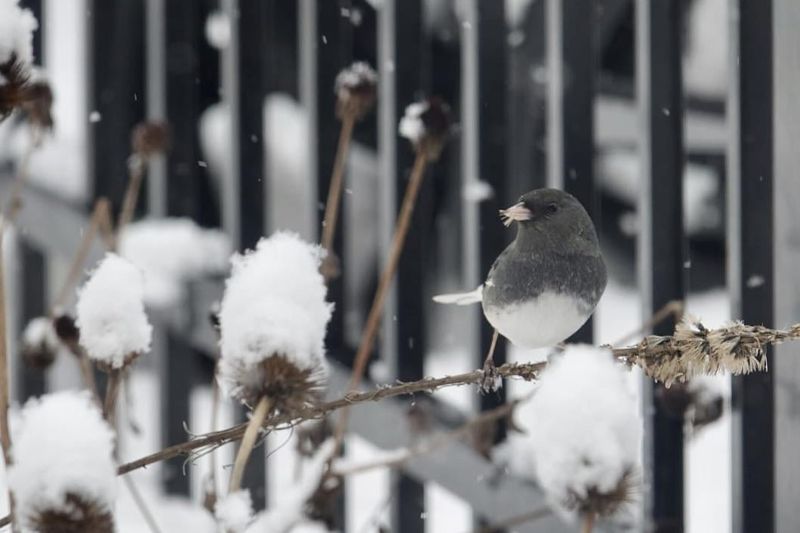
Goldfinches get most of the attention, but a few other winter visitors also find value in standing coneflower patches. Dark-eyed juncos arrive in Indiana each fall from the north and spend the cold months hopping along the ground.
They often pick up seeds that fall from the cones, cleaning up whatever the goldfinches knock loose above them. American tree sparrows and song sparrows forage in a similar way, scratching through leaf litter beneath the stems.
Black-capped and Carolina chickadees sometimes check the heads too, though they are more likely hunting insects than seeds. Downy woodpeckers may tap on the hollow stems of perennials, searching for small insect larvae hidden inside.
Northern cardinals rarely pull seeds straight from coneflower heads, but they will eat fallen seeds on the ground. Bird use of coneflower seed beyond goldfinches is not studied much, so observations vary from yard to yard.
Your own garden notes can be surprisingly useful, especially if you record which birds show up each month. Some people share their sightings with Project FeederWatch, a winter bird count run by the Cornell Lab.
Leaving a layer of fallen leaves under the plants gives ground feeders more places to search for food. A nearby shrub or brush pile also helps, because small birds like quick cover when a hawk passes over.
Together, these simple choices turn a bed of faded flowers into a small winter habitat that many birds use. You may be surprised how much activity a few square feet of standing stems can support on a cold day.
Skipping The Fall Trim Pays Off
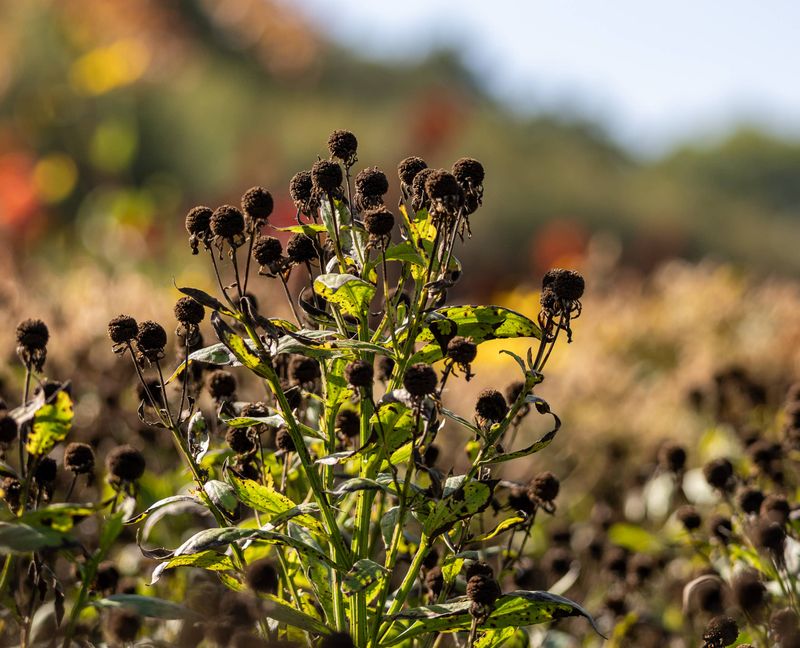
Putting the pruners away in October feels a little strange at first, but your plants and local wildlife benefit. Many university extension services now suggest leaving most perennial stems standing until late winter or early spring arrives.
Seed heads feed birds, but the stems and leaves offer other services that are easy to overlook. Hollow and pithy stems give some native bees a protected place to spend the winter as eggs or larvae.
Fallen leaves around the base shelter beetles, spiders, and other small creatures that birds eat later in the year. Standing plants also catch snow, which can act like a light blanket that insulates the crown and roots.
Some gardeners worry that leftover stems invite disease, and that concern is reasonable for certain plants. Coneflowers usually have few serious winter disease problems, so most healthy clumps can stay up without trouble.
If a plant had leaves spotted with fungus or signs of aster yellows, remove that plant this fall instead. Bag the material or put it in the trash rather than the compost pile to reduce spread.
For a tidier look, you can trim plants along a sidewalk and leave the rest standing farther back. Neighbors often accept a natural bed more easily when the edges look neat and the plan seems intentional.
A small sign that says the bed is a bird habitat can also start friendly conversations on your street. Most of all, skipping the fall trim saves you time during a busy season full of other garden chores.
Volunteer Seedlings That Pop Up Next Spring
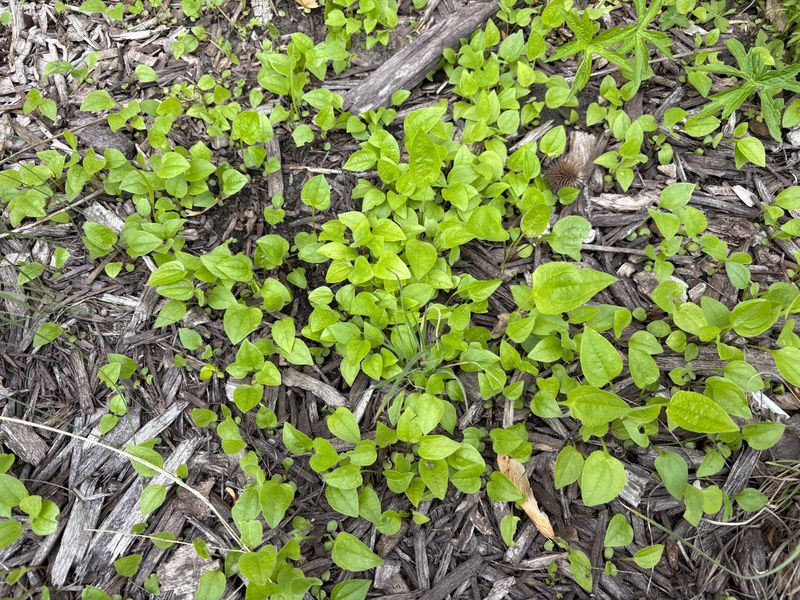
Birds are messy diners, and that is exactly how coneflower patches tend to spread a little each year. Seeds that slip from beaks or cones land on the soil, where winter weather does some quiet work.
Purple coneflower seeds generally sprout best after several weeks of cold, moist conditions, which gardeners call cold stratification. Indiana winters provide that chill naturally, so dropped seeds are often ready to grow once soil warms up.
Next spring, look for tiny seedlings with rough, slightly hairy leaves growing near the parent plants. They can be easy to mistake for weeds, so try waiting until they have a few true leaves.
Volunteer coneflowers usually bloom in their second year, though a few may flower sooner in sunny, well-drained spots. Seedlings from garden hybrids often look different from the parent, sometimes with odd colors or less sturdy stems.
Straight species plants, like native purple coneflower, tend to produce seedlings that look much like the original. If too many volunteers appear, you can dig a few up with a trowel while they are still small.
Share extras with friends, move them to a sunny bare spot, or simply pull them out like other weeds. Bare soil helps seeds reach the ground, so a thick mulch layer under the plants can limit new seedlings.
A light mulch or open patches of soil gives you more volunteers if you want the patch to grow. I enjoy finding these surprise plants, because they show the birds and the garden working together quietly.
Late-Winter Cleanup Before New Growth Starts
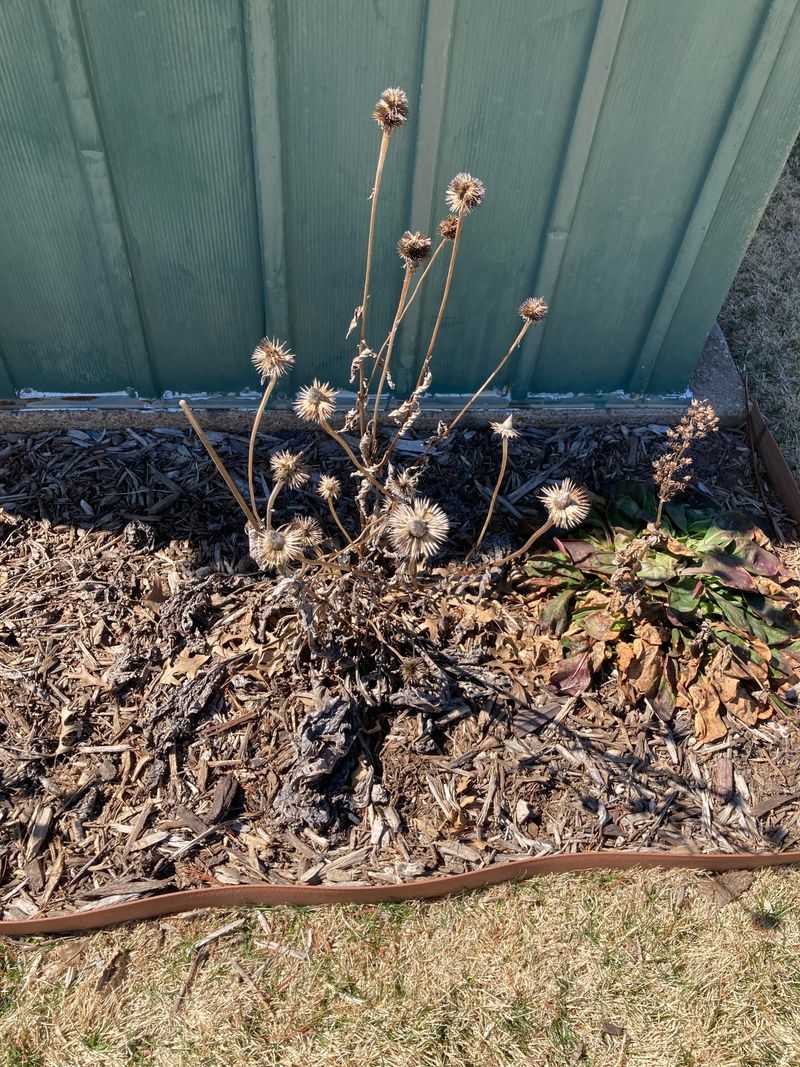
Once the days lengthen in late February or March, it is time to plan your coneflower cleanup. Waiting until then gives birds the full winter to use the seeds, while still clearing space for new growth.
Look at the base of each plant before cutting, since fresh green leaves often appear in early spring. Cutting stems before those shoots grow tall keeps you from snipping tender new leaves by accident.
Many pollinator groups, such as the Xerces Society, suggest cutting stems to varying heights of about eight to twenty-four inches. Those leftover stubs can house stem-nesting bees, and new growth soon hides the cut stalks from view.
Use clean, sharp pruners or hand shears, and work on a dry day when the soil is not soggy. Walking on wet ground can compact the soil around the crowns, which makes it harder for roots to breathe.
Chop the removed stems into smaller pieces and add them to your compost pile or a quiet corner brush pile. Some insects may still be resting in the old stems, so a brush pile lets them finish waking up.
Rake leaves gently away from the crowns, but leave some in nearby beds for ground beetles and other helpers. Finally, check for any volunteer seedlings and mark them with a stick so you remember not to pull them.
A light layer of compost around the clumps is plenty, because coneflowers grow well in average soil. By fall, the cycle starts again, with fresh seed heads ready for the next round of hungry winter birds.