Why Foxglove Looks Magical In A California Garden But Is Not Safe For Pets
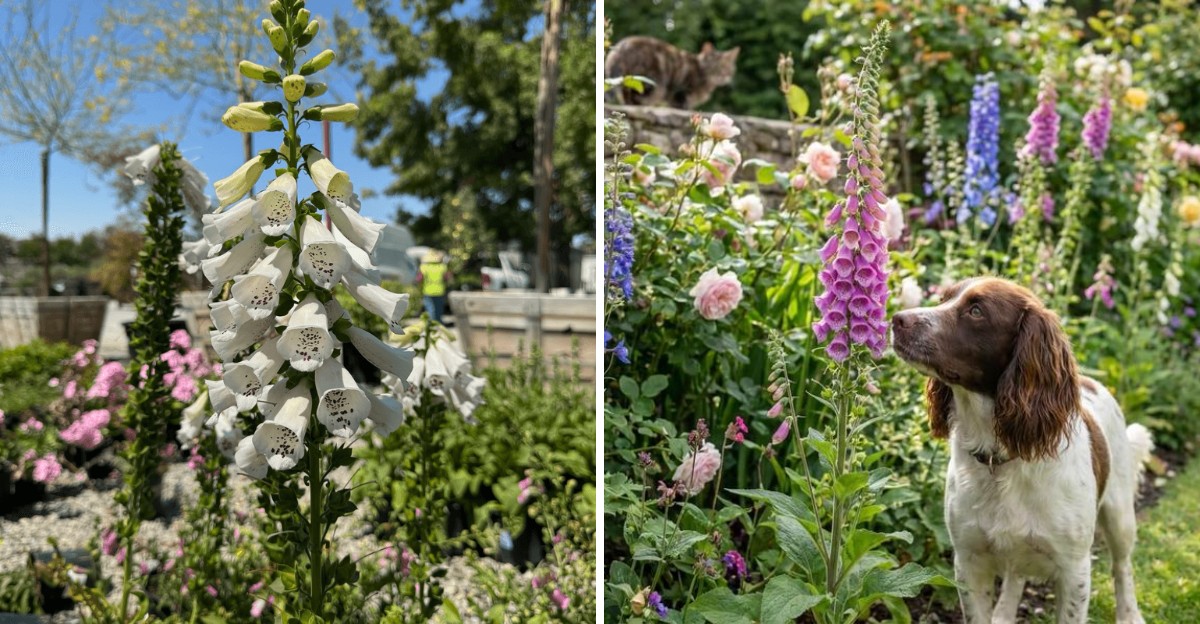
Foxglove is the plant that makes people stop mid-stroll and say, “What is THAT?”
Tall spires, freckled bells, bees bumbling in and out like they own the place. It is a showstopper in a California garden, and honestly, it earns every compliment it gets.
Here is the catch, though, and it is a big one: every part of this beauty contains natural compounds that can seriously affect the heart of a curious dog, cat, or backyard bunny.
Gorgeous and risky at the same time, which is a lot to ask from one flower.
The good news is that you do not have to give up the fairy tale look. A little know-how about where to plant it and how to keep pets safe goes a long way.
1. Towering Fairy Tale Spires Steal The Show
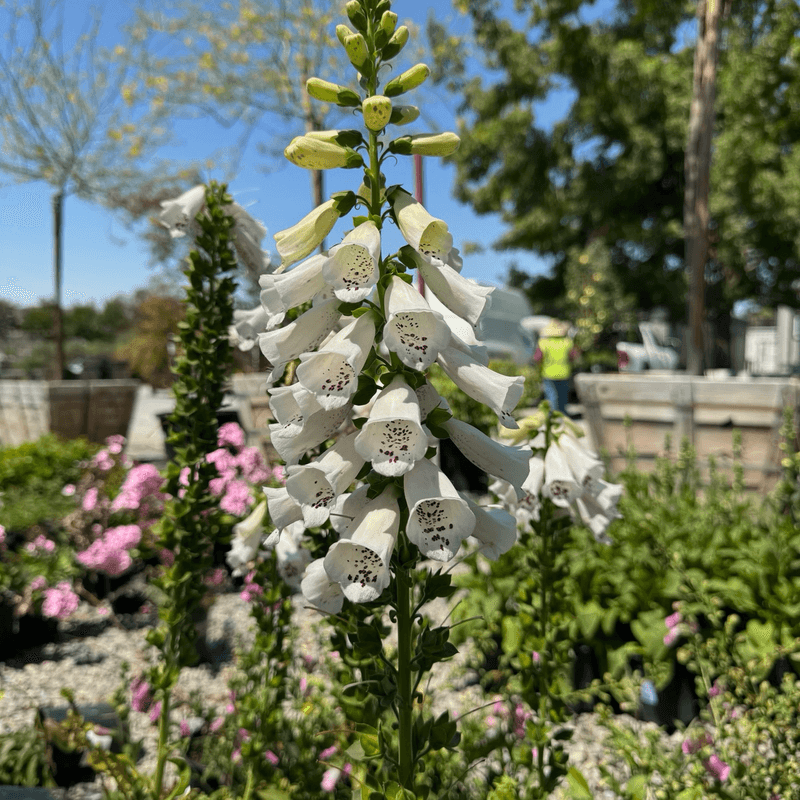
Garden visitors often gasp the first time they see foxglove in full bloom. Spikes can reach four or five feet tall, lined with dozens of drooping bells.
In California, gardeners love how these spires add height to cottage beds without much fuss. They pair nicely with roses, lavender, and native sages that thrive in the mild coastal climate.
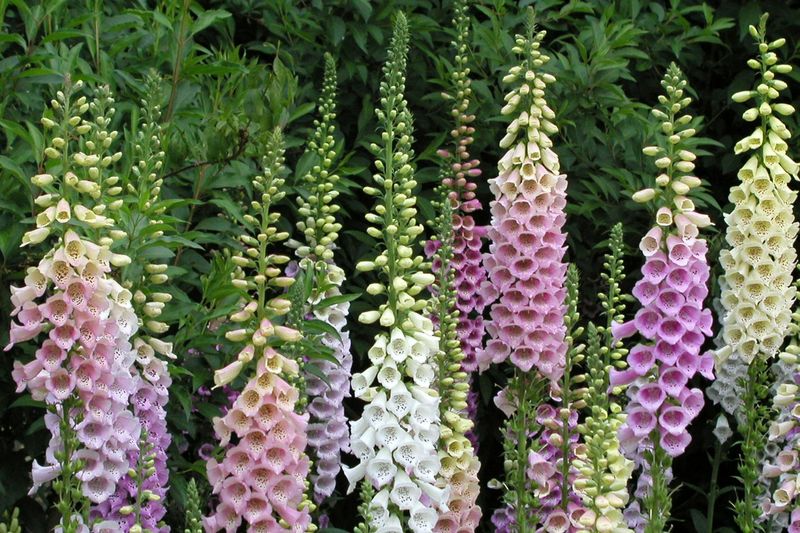
Colors range from soft white and butter yellow to rosy pink and deep purple. Many blooms show tiny speckled spots inside, which act like little landing lights for bees.
Foxglove is usually a biennial, so it grows leaves the first year and flowers the second. Some newer types bloom in their first season, which makes them popular at garden centers.
Fun fact: the name may come from an old tale about foxes wearing the flowers as gloves to sneak quietly. Whether true or not, the story adds to the plant’s storybook charm.
The catch is that every part of the plant contains strong natural chemicals called cardiac glycosides. Leaves, stems, flowers, and seeds all carry them, so beauty and risk grow side by side.
If you want that tall, dreamy look, consider where pets roam before planting. A raised bed behind a low fence can give you the view while keeping paws and snouts at a safer distance.
Planning ahead lets you enjoy the drama without inviting a scary vet visit later on.
2. The Hidden Heart Chemicals That Make Vets Worry
Doctors have used compounds from foxglove plants for more than two hundred years. A heart medicine called digoxin is made from a close relative, woolly foxglove (Digitalis lanata), and it still helps some people with heart problems today.
That history shows how powerful this group of plants is. The common garden foxglove (Digitalis purpurea) carries similar compounds, and a dose meant for a grown human under careful watch is far too strong for a cat or a small dog.
The glycosides in foxglove change how the heart beats. They can make it slow down, speed up, or skip around in an uneven rhythm.
Veterinarians across California see plant poisoning cases every year, especially in spring when gardens burst into color. Foxglove ranks among the plants they take most seriously because heart effects can turn severe quickly.
Your California Garden Changes Every Week. Your Plan Should Too.
Gardening in California changes quickly throughout the season. Every Friday you’ll receive a simple weekly plan showing exactly what to plant, prune, fertilize, harvest, and protect so you never miss the right timing.
Even a small amount can matter for a tiny pet. A puppy chewing a few leaves or a kitten batting and biting a flower may swallow more than you expect.
Dried leaves stay toxic too, so clippings left on the ground are not harmless. Compost piles and yard waste bins can tempt dogs who love to dig and snack.
Keep trimmings bagged and out of reach right after you prune. Wash your hands and tools afterward as well, since sap on fingers could transfer to treats or food bowls.
Understanding the science behind the danger helps you respect the plant instead of fearing it. Knowledge turns worry into smart, simple habits.
3. Warning Signs Every Pet Owner Should Know
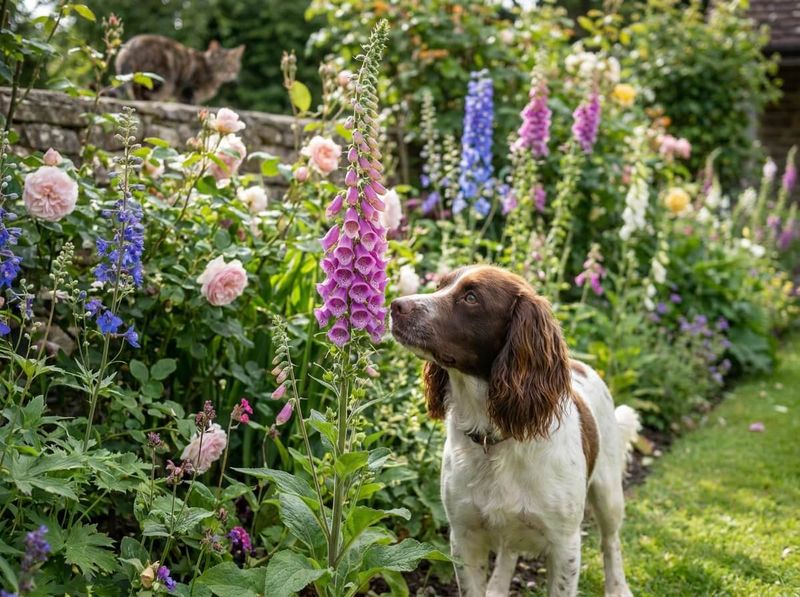
Your dog seems a little off after an afternoon in the yard. Maybe he drooled more than usual or skipped his favorite dinner.
Those small clues can be the first hints of foxglove trouble. Early signs often include vomiting, diarrhea, drooling, and a sudden lack of appetite.
As the chemicals reach the heart, things can get more serious. Watch for weakness, shaking, wobbly walking, or a heartbeat that feels too slow or uneven when you place your hand on the chest.
Cats may hide when they feel sick, so check quiet corners if your kitty goes missing. Pale gums, dilated pupils, and heavy breathing are also red flags.
Symptoms can show up within a few hours, though timing varies by pet size and how much was eaten. Do not wait to see if things improve on their own.
Many California families have pets that roam both indoors and out. A quick daily walk through your garden helps you spot chewed leaves or torn flowers before trouble starts.
Write down what you notice and when it began. Vets find that timeline very helpful for planning treatment.
Trust your gut if something feels wrong. You know your pet’s normal behavior better than anyone, and acting fast gives them the best chance to bounce back.
4. Quick Steps To Take If Your Pet Eats Foxglove
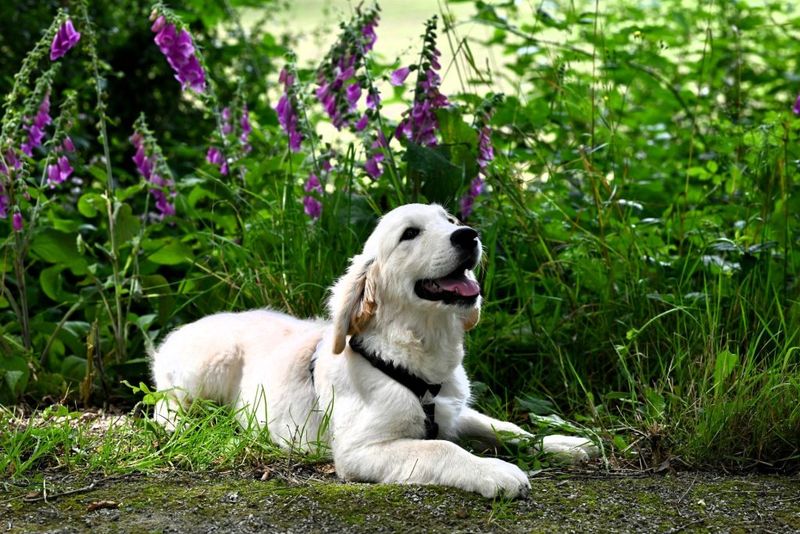
Panic is normal, but a calm plan works better. Keep these steps handy, maybe on a sticky note inside a kitchen cabinet.
First, gently move your pet away from the plant and remove any pieces from its mouth. Do not try to make your pet throw up unless a vet tells you to.
Next, call your veterinarian or an emergency animal hospital right away. You can also reach the ASPCA Animal Poison Control Center at 888-426-4435, which is open all day and night.
Keep in mind that the service charges a consultation fee, so it helps to know that before you call.
Many cities in California, from San Diego to Sacramento, have 24-hour emergency vet clinics. Save the nearest one in your phone today so you are not searching in a hurry.
Bring a sample of the plant or a clear photo with you. That helps the vet confirm what your pet ate and choose the right care.
Treatment may include activated charcoal, IV fluids, heart monitoring, and medicine to steady the heartbeat. Some pets stay overnight so the team can watch them closely.
Pet insurance can ease the cost of emergency care, so it is worth checking your policy. Knowing your coverage ahead of time removes one more worry during a stressful moment.
Quick action can make a big difference. Many pets recover well when they get help early.
5. Why California’s Mild Weather Helps Foxglove Spread
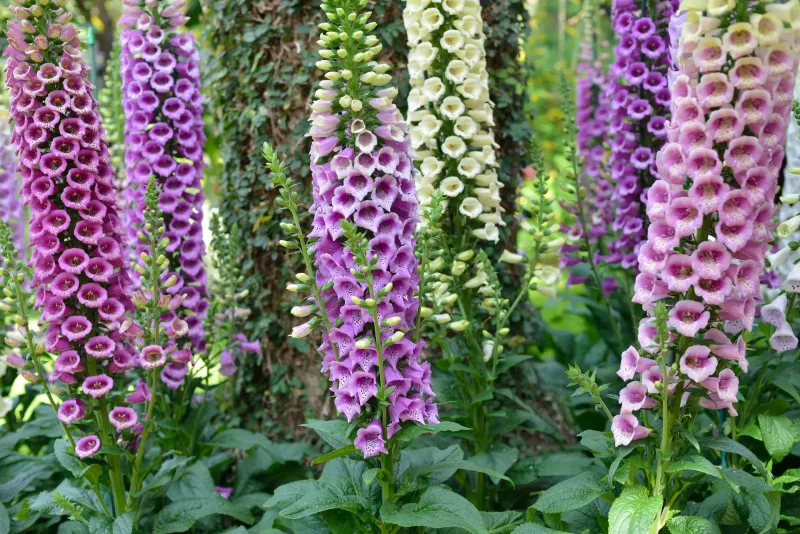
Mild winters and cool, foggy summers feel like a spa retreat for foxglove. Coastal areas and shaded inland gardens give it just what it craves.
In parts of Northern California, foxglove has even escaped gardens and popped up along roadsides and forest edges. One plant can make thousands of dust-like seeds that drift easily on the breeze.
That means a single flower bed can turn into a surprise patch next spring. New seedlings may sprout in lawns, under shrubs, or right beside your dog’s favorite nap spot.
Here is a handy trick: cut flower spikes once blooms fade and before seed pods dry and split. Wear gloves, bag the stalks, and toss them in the trash rather than the compost.
Learn to spot young foxglove leaves, which are fuzzy, soft, and gray green, growing in a low rosette. They can look a bit like comfrey or borage, so check carefully.
Pull unwanted seedlings while they are small and roots come up easily. A quick weekly sweep keeps the plant where you want it.
Hikers with dogs should keep an eye out too. Trails in shady, damp spots may host wild foxglove, so keep pups from grazing on unknown greens.
A little attention keeps the magic contained and your pets safer.
6. Smart Garden Layouts For Homes With Pets
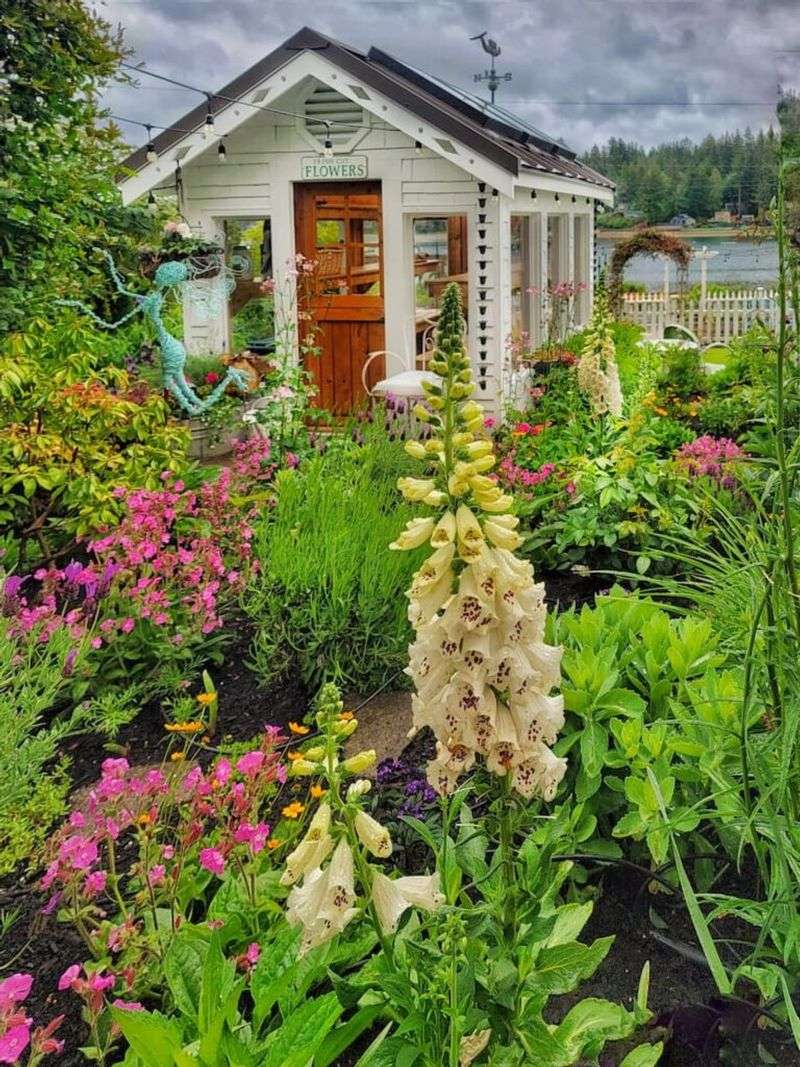
Good design can solve a lot of problems before they start. Think of your yard as two zones, one for show and one for play.
Put any risky plants, including foxglove, in spots your pets rarely visit. A front yard bed behind a picket fence often works well in many California neighborhoods.
Raised planters add height and keep blooms above nose level for many dogs. Decorative wire edging or a short hedge can also act as a friendly barrier.
Give your pets their own fun area with sturdy grass, shade, and a water bowl. Dogs that have toys and space to run are less likely to explore flower beds out of boredom.
Cats are trickier because they climb and jump. Indoor cats with a screened catio can enjoy fresh air without nibbling on garden plants.
Gravel or mulch paths guide traffic and make it clear where paws belong. Some owners use motion-activated sprinklers to gently discourage digging in certain beds.
Training helps too. Teaching a solid leave it command can stop a curious pup before it grabs a bite.
Walk your yard from your pet’s eye level once in a while. You might spot temptations you never noticed while standing tall.
With a bit of planning, both your flowers and your furry crew can thrive.
7. Pet Safe Flowers That Give California Gardens The Same Wow
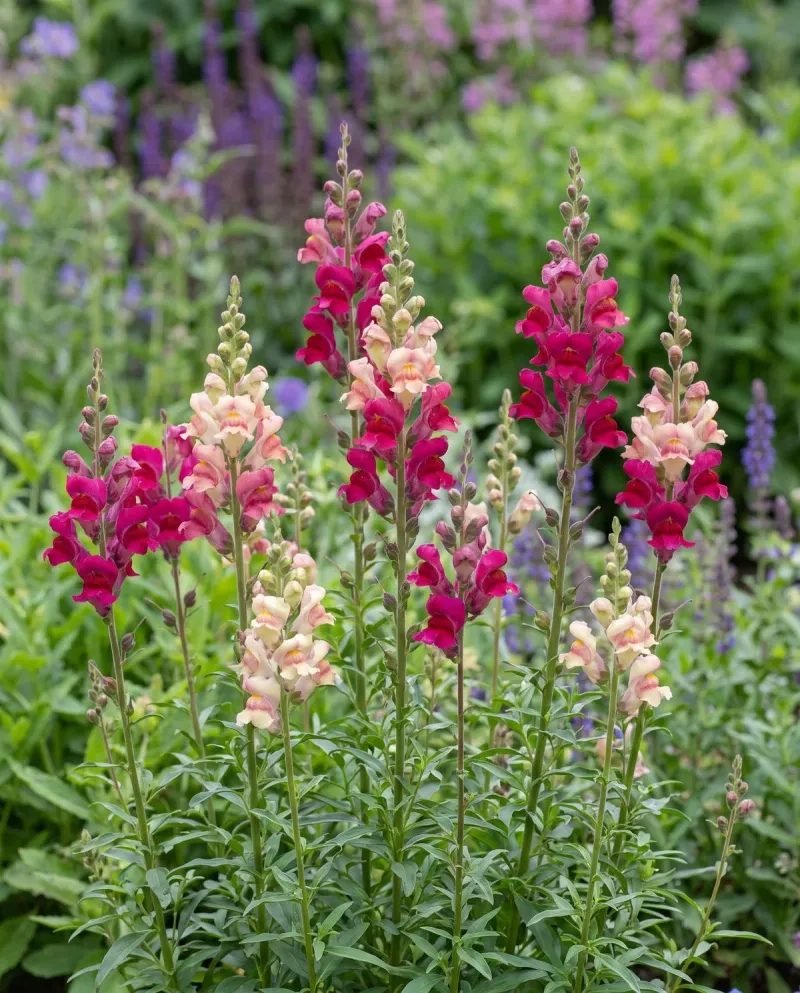
Good news for flower lovers: you can still have tall, dreamy color without the worry. Several pet-friendly plants deliver a similar cottage garden look.
Snapdragons come in bright colors and grow upright spires that kids love to squeeze open like little mouths. The ASPCA lists them as nontoxic to dogs and cats.
Sunflowers add serious height and cheerful color, and the ASPCA lists them as nontoxic too. Zinnias bring bold, long-lasting blooms that bees and butterflies enjoy, and they are also on the ASPCA nontoxic list.
Calendula, sometimes called pot marigold, is another pet-friendly option with warm orange and yellow flowers. Do not confuse it with true marigolds (Tagetes), which the ASPCA lists as mildly toxic.
Hollyhocks and salvias can also add height and charm to a California border. Safety can vary by species and source, so check the exact plant name on the ASPCA toxic and nontoxic plant list before buying.
Native plant nurseries are a great resource too. Staff members often know which local plants suit families with animals.
Mixing heights, colors, and textures gives that layered cottage look many people want. You get the wow factor while your pets can sniff around with fewer worries.
Swapping one risky plant for a safer favorite is a small change. It can bring big peace of mind for years to come.
8. Handling And Pruning Foxglove Safely
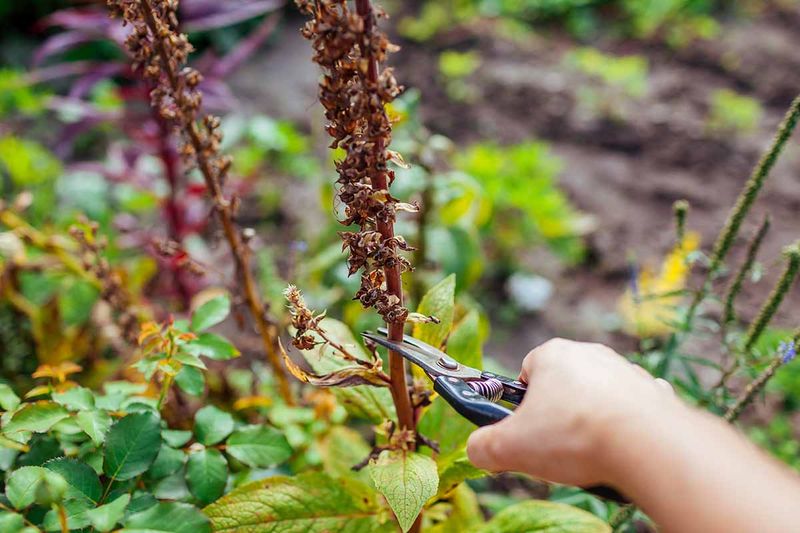
Grandma’s rule in the garden was simple: gloves on, snacks away. That old wisdom fits foxglove perfectly.
Wear sturdy garden gloves whenever you trim, transplant, or deadhead the plant. Sap and leaf bits can irritate skin and should not end up near your mouth.
Keep pets inside while you work so they do not grab fallen leaves. Dogs often think anything you drop is a game or a treat.
Bag all trimmings right away and seal the bag tightly. Put it in a lidded trash bin rather than a green waste bin your dog can tip over.
Many California cities collect yard waste for composting, but foxglove pieces are best kept out of home compost. Toxins can linger in leaves as they break down.
Clean your shears with soap and water when you finish. Wash your hands well before touching food, pet bowls, or toys.
Children should learn about the plant too. Teach them that the pretty bells are for looking, not tasting, and not for making pretend tea.
Keep a simple garden journal noting where foxglove grows and when you pruned it. That record helps if you ever need to tell a vet what your pet might have touched.
Small safety habits become second nature quickly.
9. Sharing Foxglove Facts With Neighbors And Friends
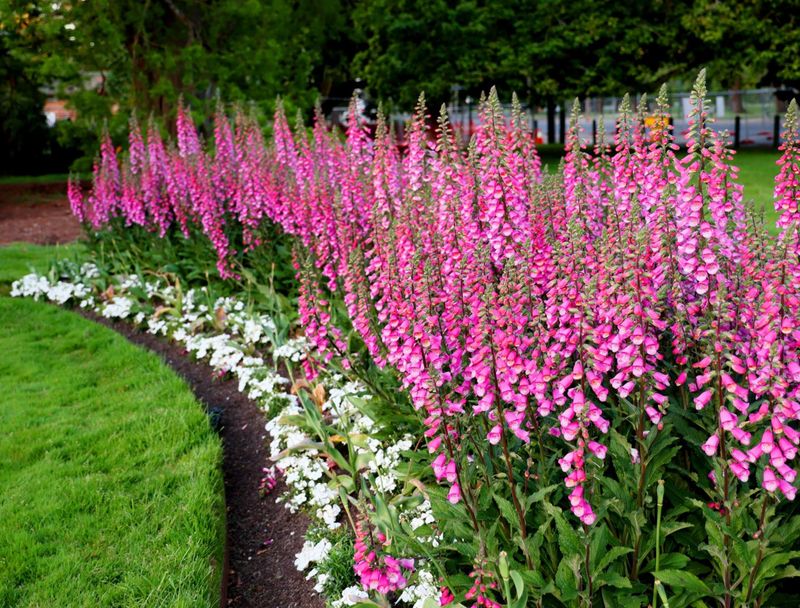
Gardening is often a neighborhood hobby, and so is pet safety. A friendly chat over the fence can protect more animals than you might guess.
Many people buy foxglove without knowing it carries risks. Garden centers in California do not always post warning tags, so shoppers may not realize the danger.
Bring it up in a kind, helpful way. You might say you just learned something surprising and wanted to pass it along.
Dog walkers should watch for foxglove in neighbors’ front yards and park beds. Keeping leashes short near flower borders helps stop quick nibbles.
Community groups, school newsletters, and local social media pages are great places to share tips. A photo of the plant with a short caption can reach hundreds of pet owners.
If you have extra pet-safe seedlings, offer them as a swap for someone’s foxglove. People love free plants, and the trade feels like a gift rather than a lecture.
Pet sitters and dog walkers deserve a heads up too. Point out any risky plants when you share your house rules.
Spreading awareness turns one careful gardener into a whole caring neighborhood. Your pets, and your neighbors’ pets, will be better for it.
Beauty and safety can grow together when people look out for each other.