Your Texas Jade Plant Is Dropping Leaves? Here’s How To Fix It
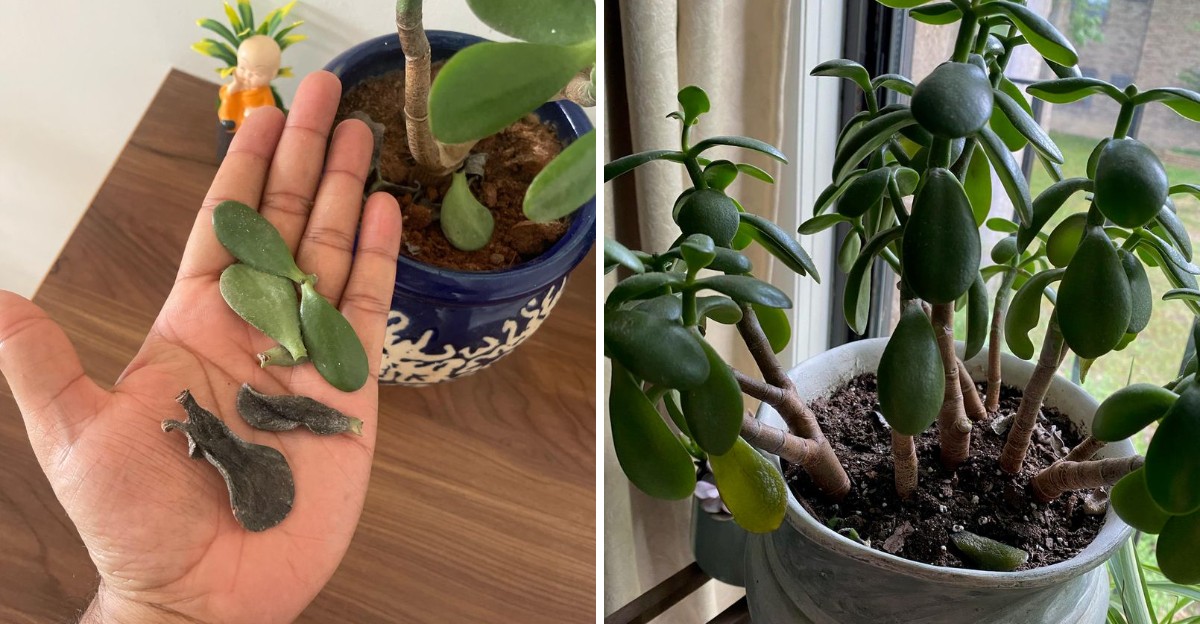
Here’s something many people don’t know about jade plants. A single fallen leaf, left on top of a pot of soil, can sprout tiny roots and eventually grow into a whole new plant.
That’s a fun trick, but it’s not much comfort when your jade is dropping leaves by the handful.
These plump, glossy succulents are usually tough as nails. In Texas, though, they face a lot of ups and downs.
Some spend months on a sunny patio, only to get moved indoors when a cold front blows through. Others sit in humid air with soil that never quite dries out.
Blazing afternoon sun, chilly drafts, overwatering, and sudden changes in light can all push a jade to shed its leaves as a survival tactic.
Leaf drop is usually a fixable problem, though. Once you know what’s causing it, your jade can bounce back fuller and healthier.
1. It’s Getting Too Much Water
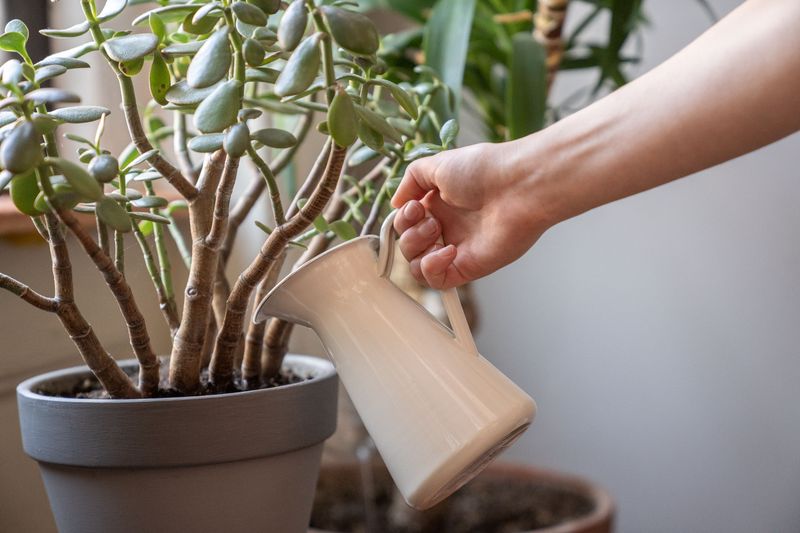
Love can drown a jade plant. Many caring owners water their succulent just like a fern, and that kindness backfires fast. Overwatering is the number one reason jade plants drop their leaves.
Jade plants store water inside their thick leaves and stems. Their roots are built for dry, gritty ground, not wet mud. When soil stays soggy for days, the roots cannot breathe, and they start to rot.
So how can you tell? Look closely at the fallen leaves. If they feel soft, squishy, or look yellow and see-through, too much water is the likely cause. The stem near the soil may also feel mushy or turn dark.
Start by putting the watering can away. Let the soil dry out all the way, from the top down to the bottom of the pot. You can test it by pushing a wooden chopstick deep into the soil. If it comes out damp, wait longer.
If the plant still looks sick, gently slide it out of the pot. Healthy roots are white or light tan and firm. Rotted roots are brown, black, and slimy, and they may smell bad.
Snip off any rotten roots with clean scissors. Then repot the plant in a fast-draining cactus or succulent mix. A pot with a drainage hole is a must, and clay pots help soil dry even faster.
Going forward, water only when the soil is fully dry. In many Texas homes, that might mean every two to three weeks. Your jade will thank you with firm, glossy leaves.
2. It’s Too Dry
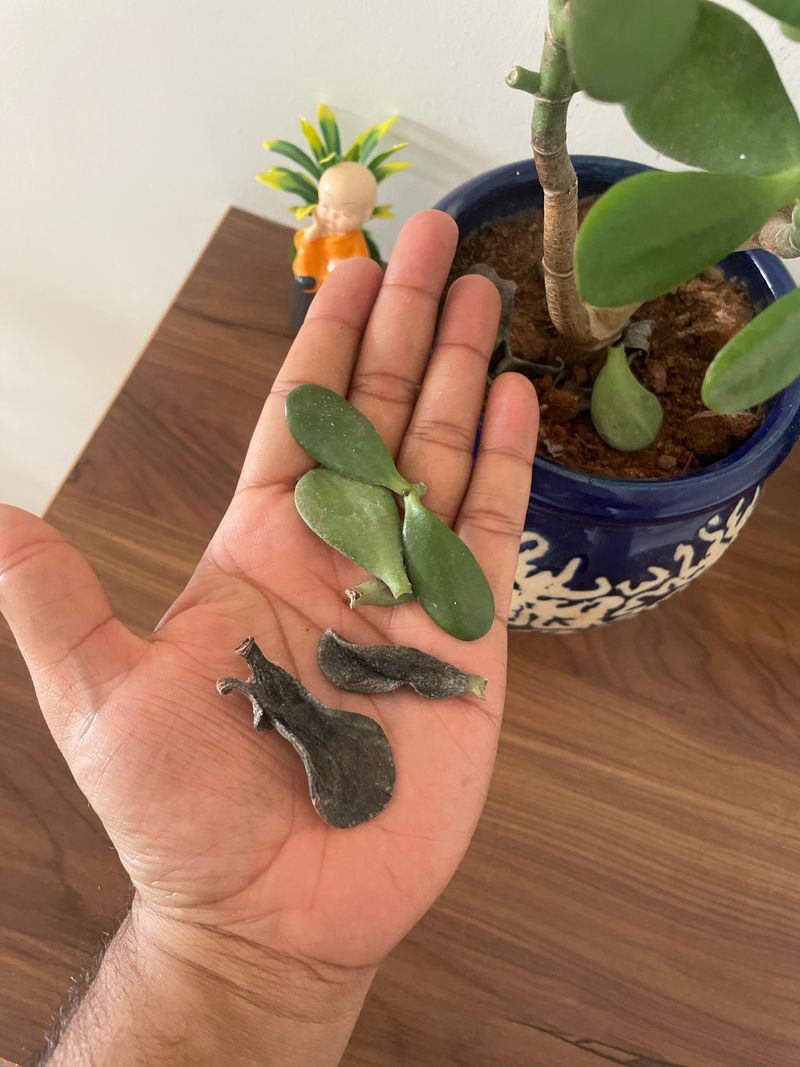
Texas summers do not mess around. When the thermometer hits 100 degrees, a potted jade on a sunny patio can lose moisture faster than you would guess. Even a plant famous for handling drought has its limits.
Here is the interesting part. A thirsty jade looks very different from an overwatered one. Instead of soft, yellow leaves, you will see wrinkled, shriveled, or deflated leaves that feel thin, almost like a raisin. After a while, those tired leaves fall off.
Your Texas Garden Changes Every Week. Your Plan Should Too.
Gardening in Texas changes quickly throughout the season. Every Friday you’ll receive a simple weekly plan showing exactly what to plant, prune, fertilize, harvest, and protect so you never miss the right timing.
Jade plants pull water from their own leaves when the soil runs dry. That is a clever survival trick. But if the dry spell lasts too long, the plant drops leaves to save its energy.
Fixing it is pretty simple. Once you confirm the soil is completely dry, give the plant a deep, thorough drink. Pour water slowly until it runs out of the drainage hole at the bottom.
Then let the extra water drain away. Never let the pot sit in a saucer full of water. Soggy roots will only swap one problem for another.
Within a few days, the wrinkled leaves should start to plump back up. Some badly shriveled leaves may still drop, but new growth will look healthy.
During hot months, check outdoor pots every few days. Small pots and dark containers heat up quickly and dry out faster.
Moving the plant to a slightly larger clay pot or a spot with afternoon shade can help it hold moisture longer. A simple routine keeps your jade happy through the hottest stretch of July and August.
3. It Was Moved Into Harsh Sun Too Quickly
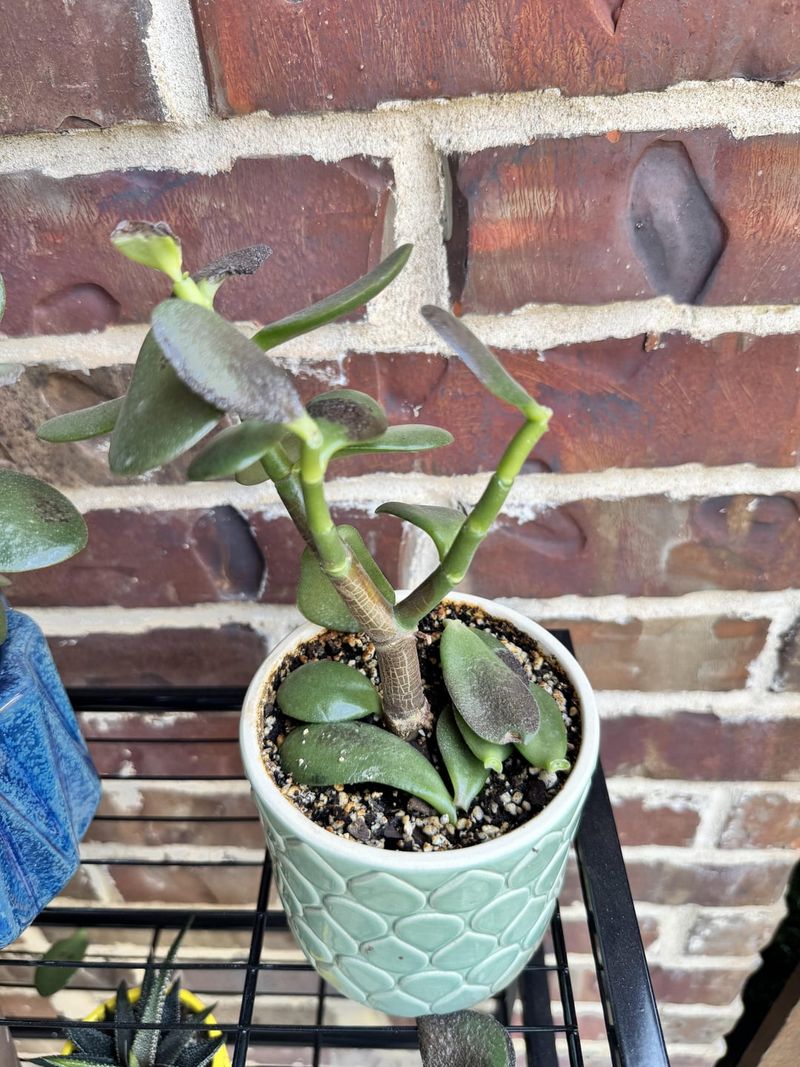
Spring arrives, and you decide your indoor jade deserves some fresh air. You carry it outside, set it in a bright sunny spot, and feel proud. A week later, the leaves have brown patches and are falling off.
What happened? Your plant got a sunburn. Jade plants truly love bright light, but leaves that grew indoors are not ready for full Texas sun. The light outside is much stronger than anything coming through a window.
Think about how your skin reacts after a long winter indoors. One afternoon at the pool can leave you red and sore. Jade leaves react in a similar way, showing white, tan, or brown scorched spots before they drop.
The secret is to go slow. Start by placing your plant in bright shade, like under a porch roof or a tree. Leave it there for a few days so it can get used to being outdoors.
Next, give it an hour or two of gentle morning sun. Each few days, add a bit more time. Over one to two weeks, your jade will toughen up and handle stronger light.
Even then, Texas afternoon sun can be brutal in summer. A spot with morning sun and afternoon shade is usually perfect. Shade cloth also works well if you have no shady corner.
Fun fact: a jade that gets plenty of sun may develop pretty red edges on its leaves. That blush is a sign of healthy sun stress, not damage. Burned spots, on the other hand, will not heal, but new leaves will grow in clean.
4. It’s Not Getting Enough Light Indoors
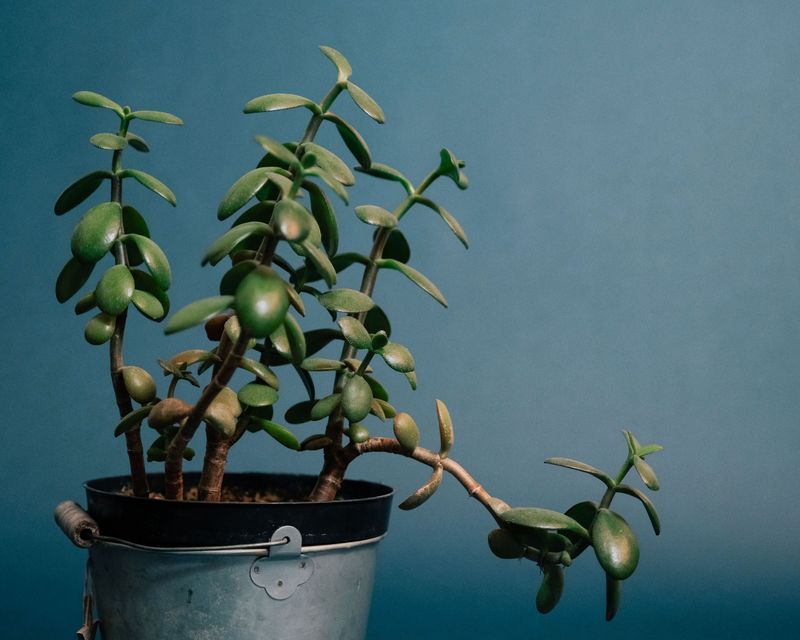
Some jade plants live in the corner of a cozy living room, far from any window. They look nice there for a while. Slowly, though, they begin to stretch, lean, and drop leaves.
Jade plants come from sunny South Africa. They are used to soaking up hours of strong light every day. Inside a home, even a room that seems bright to you may feel like a cave to your plant.
When light is too low, the plant cannot make enough food. It starts to sacrifice older leaves to save energy. You may also notice long, thin stems with big gaps between the leaves. Gardeners call that leggy growth.
The best fix is a better spot. Place your jade near a south-facing or west-facing window. These windows give the most hours of direct sun in Texas homes.
Aim for at least four to six hours of bright light each day. If your plant leans toward the glass, give the pot a quarter turn every week. That way, all sides grow evenly.
No sunny window? A simple LED grow light can work wonders. Keep it about a foot above the plant and run it for twelve to fourteen hours a day.
Leggy stems will not shrink back, but you can prune them. Snip stretched branches just above a leaf pair.
New, compact growth will form, and you can even root the cuttings to make new jade plants for friends. Better light plus a little trim brings back that full, tree-like shape.
5. A Cold Front Caught It Outside
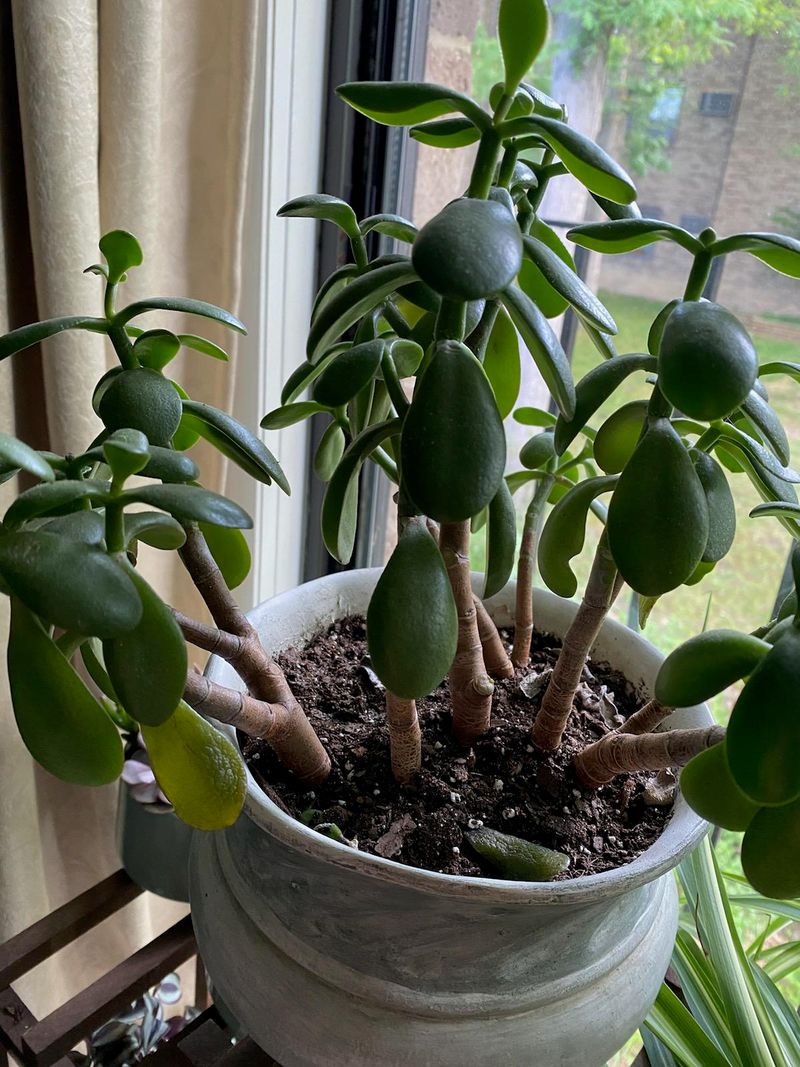
Texas weather loves surprises. One day it is 75 degrees in January, and the next morning a blue norther blows through and drops temps into the 30s. Plenty of jade plants have been caught outside by one of those sneaky cold fronts.
Jade plants are frost-tender. Their leaves are packed with water, and when that water gets too cold, it can freeze. Ice crystals break the plant cells from the inside.
The damage often shows up a day or two later. Leaves may turn dark, glassy, or mushy, and then they fall off. Stems can go soft too if the cold was severe.
Your best defense is paying attention to the forecast. Once nighttime lows dip toward 40 degrees, plan to move your jade indoors. A garage, sunroom, or bright spot inside the house all work well.
Remember the winter storm of 2021? Many Texans learned how fast a freeze can sneak up. Keeping your plants on a rolling plant caddy makes quick moves much easier when bad weather is coming.
If your plant already got hit, do not panic. Bring it inside to a bright, cool spot. Wait a week or so before trimming, because damage takes time to show.
Then cut away mushy leaves and soft stem parts with clean shears. Hold off on watering until the plant shows signs of recovery.
As long as the main stem and roots are firm, your jade has a great chance of pushing out fresh leaves by spring.
6. It’s Stressed By Drafts Or A Sudden Move
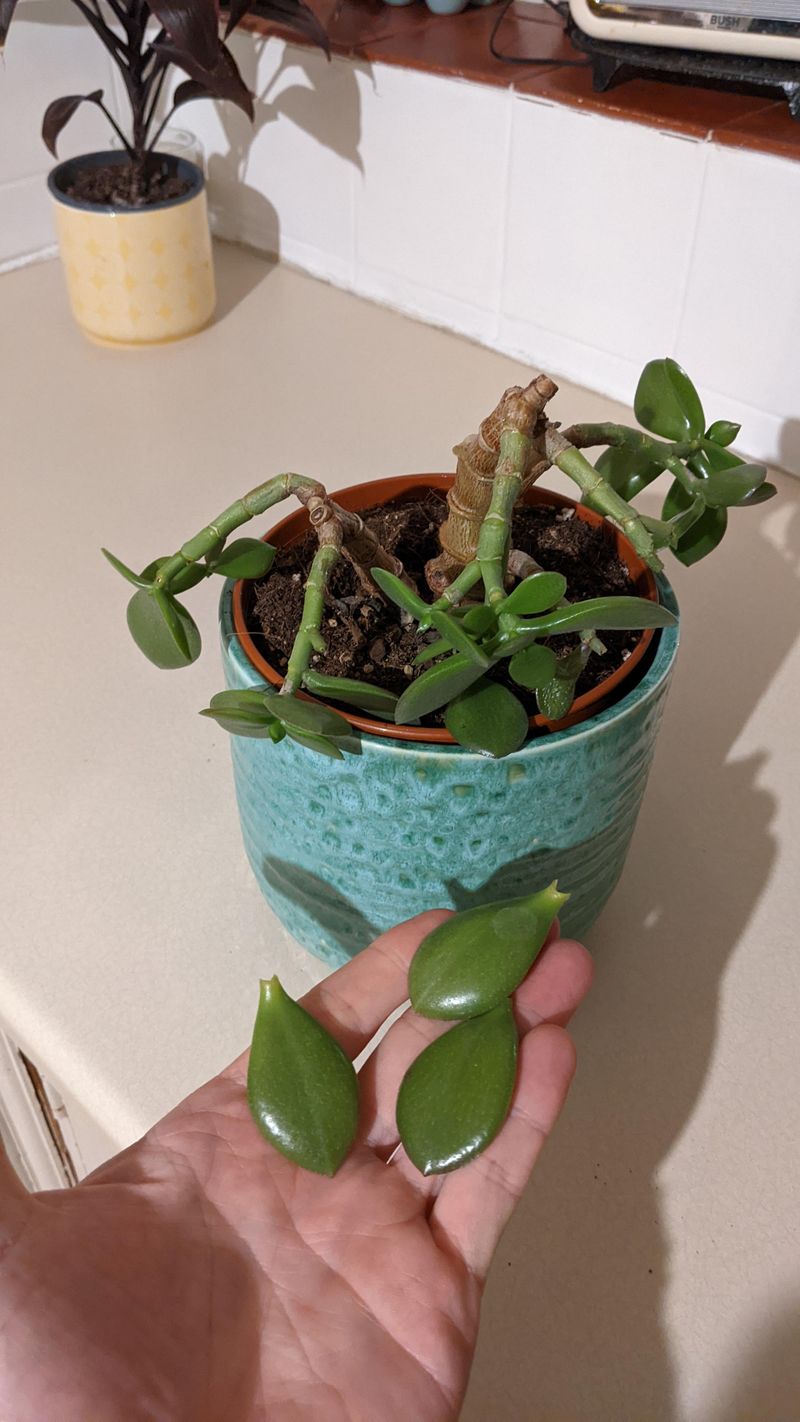
Plants can get homesick too, in their own way. Just like people feel off after moving to a new house, jade plants often react badly to big changes. Leaf drop is one of their favorite ways to complain.
In Texas, air conditioning runs for most of the year. A jade sitting right under a vent gets blasted with dry, cold air over and over. In winter, heating vents do the opposite and blow hot, dry air.
Those quick swings in temperature confuse the plant. It may respond by dropping perfectly green, healthy-looking leaves. That can be puzzling, since nothing else seems wrong.
Take a quick look around your plant. Is it near a vent, a ceiling fan, an exterior door, or a drafty window? If so, move it a few feet away to a calmer spot that still gets plenty of light.
Sudden moves can cause trouble as well. Maybe you just brought your jade home from the nursery. Or maybe you shifted it from one room to another. Different light, temperature, and humidity all add up to stress.
The answer here is patience. Give your plant two to four weeks to settle into its new home. Try not to move it again during that time.
Also avoid repotting or fertilizing a freshly moved plant. Too many changes at once can overwhelm it.
Keep watering on the normal schedule, and let the jade find its footing. Before long, the leaf drop should slow down, and fresh growth will appear at the stem tips.
7. Pests Are Feeding On It
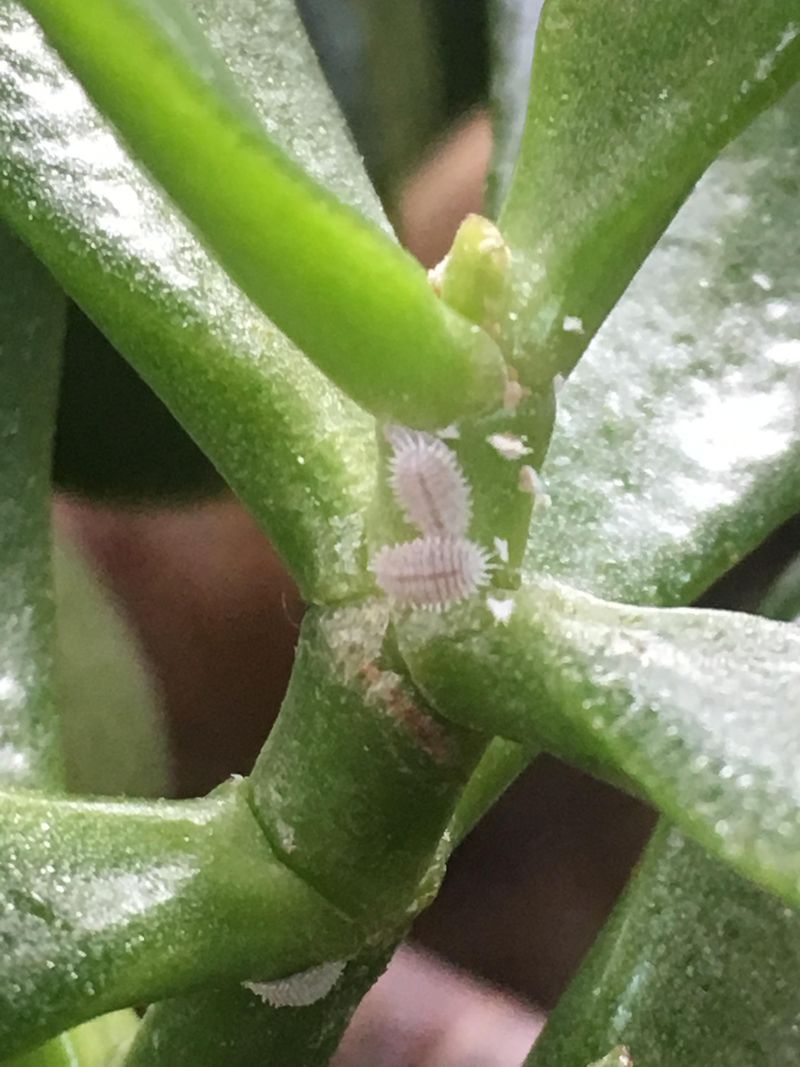
Tiny thieves might be stealing from your jade. Mealybugs and scale insects are small, but they can cause big problems. They poke into the stems and leaves and suck out the plant’s sap.
With its juices drained, the plant grows weak. Leaves may turn yellow, look dull, or simply drop off. Sometimes you will also spot sticky residue on the leaves or the surface below.
Mealybugs are easy to recognize once you know their look. They appear as white, fluffy clusters, almost like tiny bits of cotton. They love to hide where leaves meet the stem and in tight spaces between new growth.
Scale insects are trickier. They look like small brown or tan bumps stuck to stems. Many people mistake them for part of the plant until they scrape one off.
Here is a simple fix that works great. Dip a cotton swab in rubbing alcohol and dab it right onto each bug. The alcohol breaks down their protective coating, and you can wipe them away.
Check your plant again every few days. Pests often hide eggs, so a second or third round is normal. For big outbreaks, spray the plant lightly with a mix of alcohol and water, testing one leaf first.
A smart habit is to isolate any new plant for a couple of weeks before setting it near others. Bugs spread quickly between pots.
A quick inspection during each watering helps you catch trouble early, keeping your jade strong, green, and full of leaves for years to come.