Do This To Your Texas Lavender Before Winter Arrives
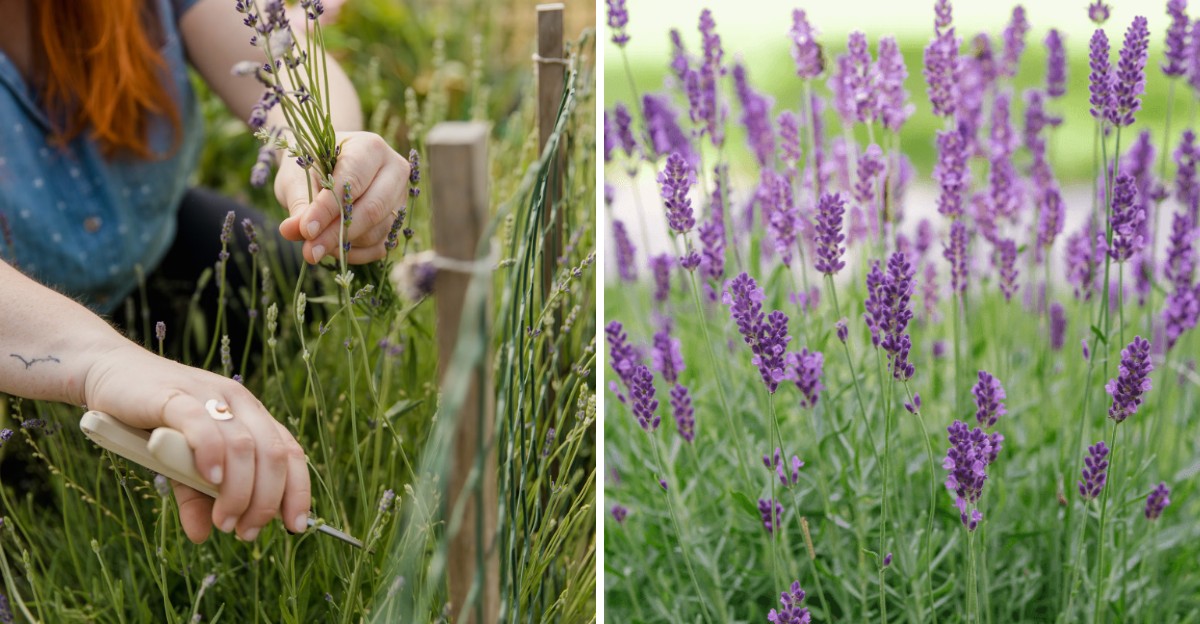
Lavender is one of the easiest herbs to love. It smells amazing, attracts bees and butterflies, and handles Texas heat better than most people expect. Winter is where it often runs into trouble.
Cool, damp weather can leave roots sitting in soggy soil. Sudden hard freezes can damage tender types, especially Spanish and French lavender.
Feeding or trimming at the wrong time can also push out soft new growth that won’t hold up to the cold. Container plants face even more exposure, since their roots aren’t protected by the ground.
A few simple steps before winter can make a real difference. Give your lavender the right setup now, and it’ll be ready to fill your garden with color and fragrance next spring.
1. Stop Fertilizing For The Season
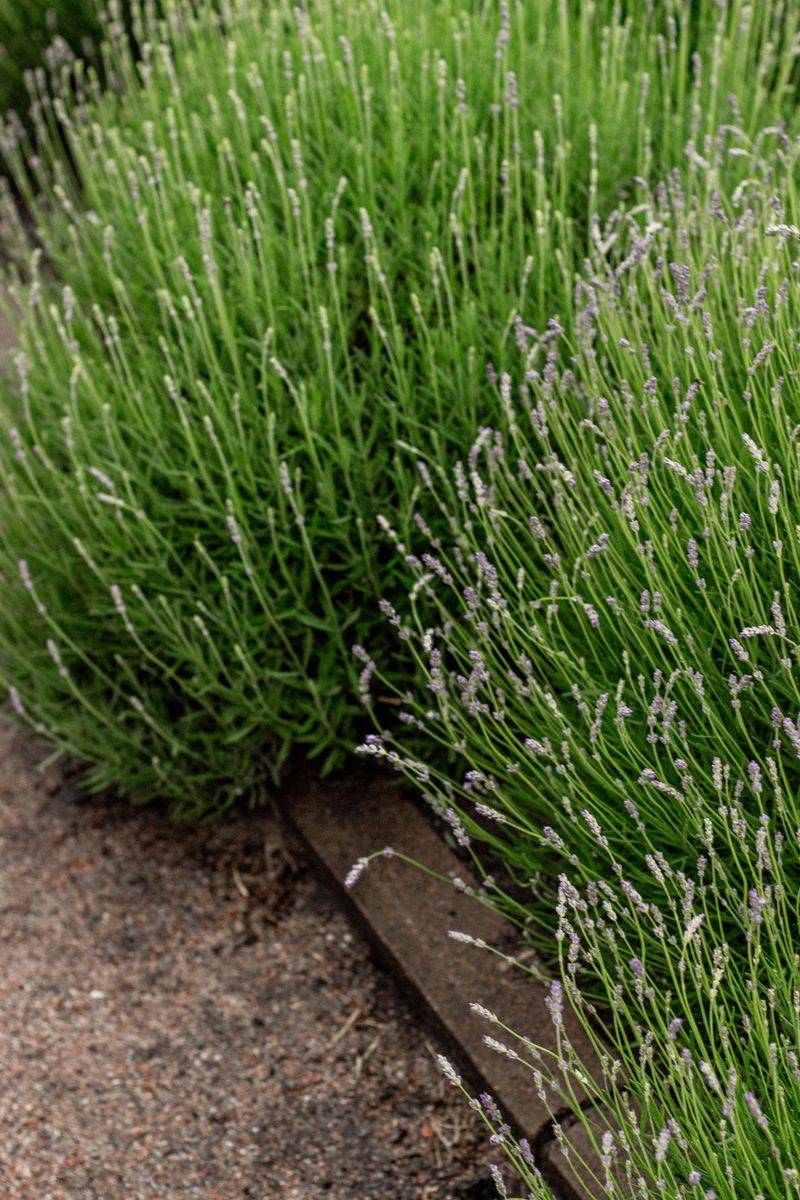
Lavender is a plant that loves tough love. In the wild, it grows on rocky Mediterranean hillsides where the soil is thin and poor. It actually does better with less food, not more.
Many Texas gardeners want to give their plants a boost before winter. That sounds kind, but it can backfire with lavender.
Fertilizer in fall pushes the plant to grow soft, tender new shoots. Those fresh shoots are full of water and have not had time to toughen up.
When a cold snap rolls in, that soft growth is the first thing to get hurt. Frost can turn it brown and mushy. Damaged stems also open the door to disease. So a well-meant feeding can leave your plant weaker heading into the coldest months.
The best plan is simple. Put the fertilizer away by late summer. Let your lavender slow down on its own as days get shorter. A slower plant is a hardier plant, and it will spend its energy on strong roots instead of floppy leaves.
Here is a fun fact. Lavender grown in lean soil often has a stronger scent. The oils that give lavender its smell become more concentrated when the plant is not overfed. Less fertilizer can mean more fragrance next summer.
If you feel the urge to feed, wait until spring. Once you see new green growth in March or April, a light sprinkle of a low-nitrogen fertilizer or a little compost is plenty.
Many Texas lavender plants never need fertilizer at all, especially in alkaline soils. Your plant will thank you for the rest by blooming beautifully when warm weather returns.
2. Give It Only A Light Trim
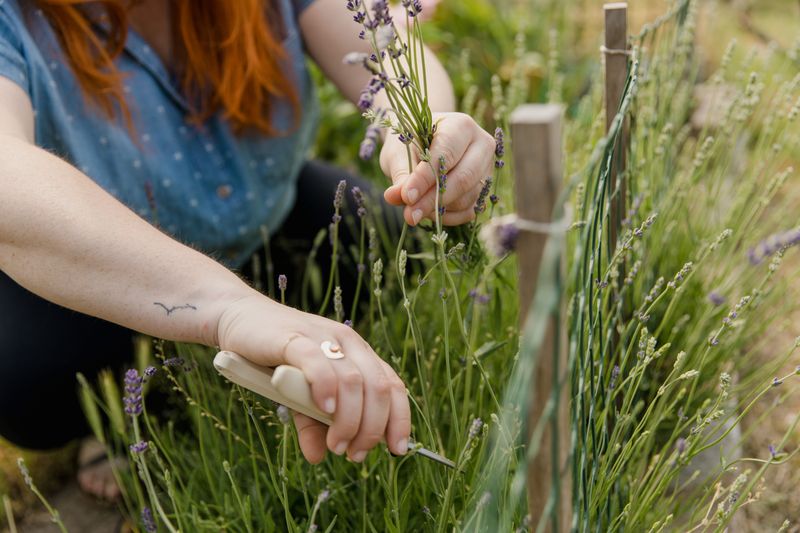
Snip, snip, and stop. That is the motto for fall pruning. A quick tidy-up helps your lavender look neat, but going too far can cause real problems.
After summer blooms fade, you will see dry, brown flower stalks sticking up above the leaves.
Go ahead and cut those off. Trim them just above the leafy part of the plant. This removes clutter and keeps the bush looking clean through winter.
Now here is the big warning. Do not cut back into the old, woody stems near the base. Lavender is not like many shrubs.
Your Texas Garden Changes Every Week. Your Plan Should Too.
Gardening in Texas changes quickly throughout the season. Every Friday you’ll receive a simple weekly plan showing exactly what to plant, prune, fertilize, harvest, and protect so you never miss the right timing.
When you cut into bare wood with no green leaves, it often will not grow back. You could end up with a plant that has ugly bald spots or one that never recovers.
Hard pruning in fall also creates fresh wounds right before cold weather. The plant has no time to heal or grow new cover. Those open cuts can let in rot and freeze damage. A light trim avoids that risk.
Think of it like a haircut before a trip. You want it neat, not shaved. Leaving most of the foliage also gives the plant a little natural protection from wind and frost.
Save the bigger shaping job for spring. Wait until you see new green shoots appearing along the stems.
That tells you where the plant is alive and ready to grow. Then you can cut back about one third of the plant, always staying above some green leaves.
Bonus tip: those dried flower stems you cut in fall are great for sachets. Tuck them in drawers or closets for a sweet smell all winter.
3. Replace Organic Mulch With Gravel
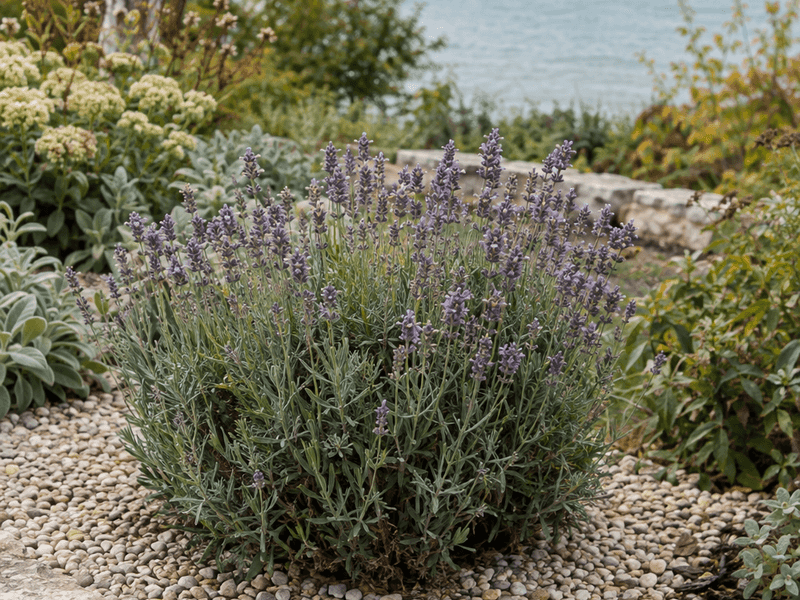
Wood mulch looks tidy and works wonders for many plants. For lavender, though, it can be a sneaky troublemaker. Swapping it out is one of the smartest moves you can make before winter.
Bark and wood chips soak up water like a sponge. After a rain, they stay damp for days. When that wet mulch sits right against the base of your lavender, called the crown, it keeps the area soggy. Lavender hates wet feet, and a damp crown can quickly start to rot.
Texas winters often bring long spells of gray, drizzly weather. Without much sun to dry things out, organic mulch stays wet even longer. That is a recipe for trouble.
Gravel works in a totally different way. Water runs right through it instead of being held in place.
Stones also soak up sunlight during the day and give off a little warmth. That helps keep the soil surface drier and slightly warmer around your plant.
Good choices include pea gravel, decomposed granite, or crushed limestone. Crushed limestone is a great match for lavender because the plant likes slightly alkaline soil. Plus, it looks right at home in a Texas landscape.
To make the switch, gently rake away any wood mulch from around the plant. Then spread a thin layer of gravel, about one inch deep. Keep it a little loose near the crown so air can move.
Fun fact: in southern France, lavender fields often grow in stony ground. The rocks help reflect heat and drain water. You are basically giving your Texas plant a little taste of its old homeland.
4. Check Your Drainage Before The Rains
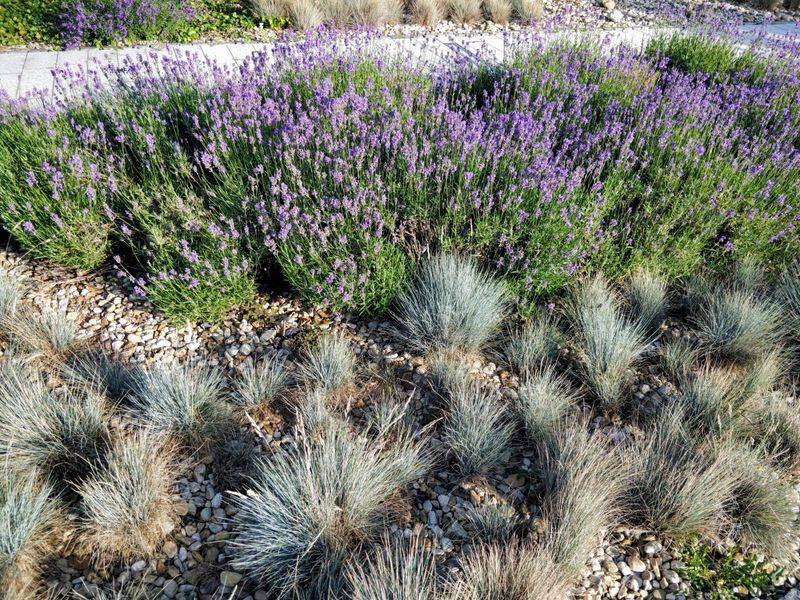
Ask any Texas lavender grower about their biggest enemy, and many will say the same thing. It is not the cold. It is soggy soil.
Lavender roots need air as much as they need water. When soil stays wet for days, the roots cannot breathe.
They start to rot, and the plant slowly falls apart from the bottom up. By the time you see the leaves turn gray or droopy, the damage is often already done.
Heavy clay soil makes this problem worse. Clay is common across much of Texas, from Dallas to Houston. It holds water tightly and drains very slowly. During an El Niño winter, when extra rain is common, clay can stay soaked for weeks.
So how do you check? Wait for the next good rain. Then go outside and look at your lavender. Does water pool around the base? Is the soil still muddy a day or two later? If so, your plant is in a risky spot.
The fix is to lift your lavender up. Raised beds work great. So does building a mound of soil about 8 to 12 inches high. Mix in gravel, coarse sand, or expanded shale to help water drain away fast.
If moving the plant now feels risky, you can dig a shallow trench nearby to carry extra water away. That buys you time until spring, when replanting is easier on the roots.
Potted lavender needs care too. Make sure every pot has holes in the bottom. Raise pots on feet or bricks so water does not sit underneath. A little effort here can save your whole plant.
5. Cut Back On Watering
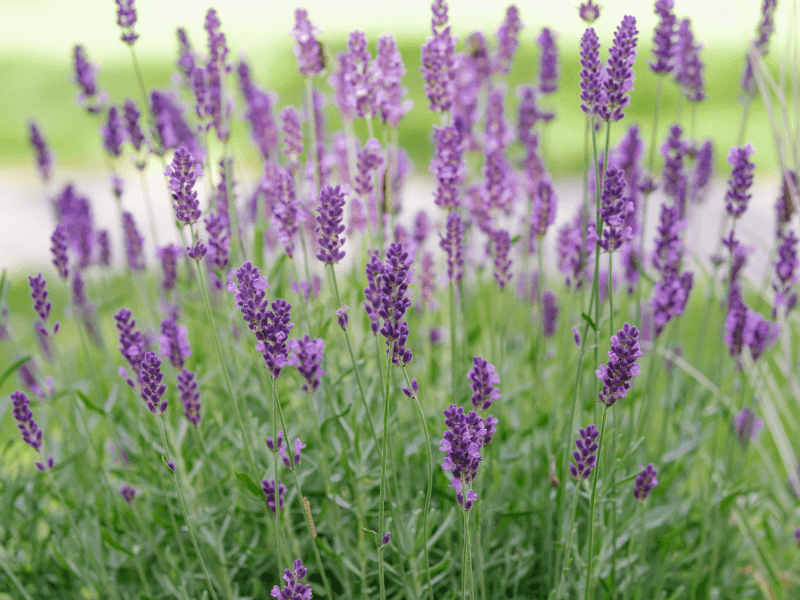
Here is some happy news for busy gardeners. Once the weather cools, your lavender wants you to back off the hose. Less watering means less work and a healthier plant.
In summer, lavender loses water fast through its leaves in the hot Texas sun. In winter, things slow way down. The plant is resting, the days are shorter, and the air is cooler. It simply does not drink much.
Giving it the same amount of water you did in July is a common mistake. Extra water just sits in the soil with nowhere to go. That leads straight to root rot, which is far more harmful than a little dryness.
Let the sky do the job. Winter rain is usually enough for lavender planted in the ground. Only step in if you have gone several weeks with no rain at all and the soil feels dry a few inches down.
Try the finger test. Push your finger into the soil about two inches deep. If it feels dry, a slow drink is fine. If it feels cool and damp, walk away and check again in a week.
When you do water, do it in the morning on a mild day. That gives the plant time to dry off before night. Water the soil, not the leaves.
Potted lavender dries out faster than plants in the ground, so check those a bit more often. Still, they need far less than in summer. A good rule is to water deeply but rarely.
Remember, a slightly thirsty lavender is a tough lavender. It is built for dry places, so trust its natural strength.
6. Improve Airflow Around The Plant
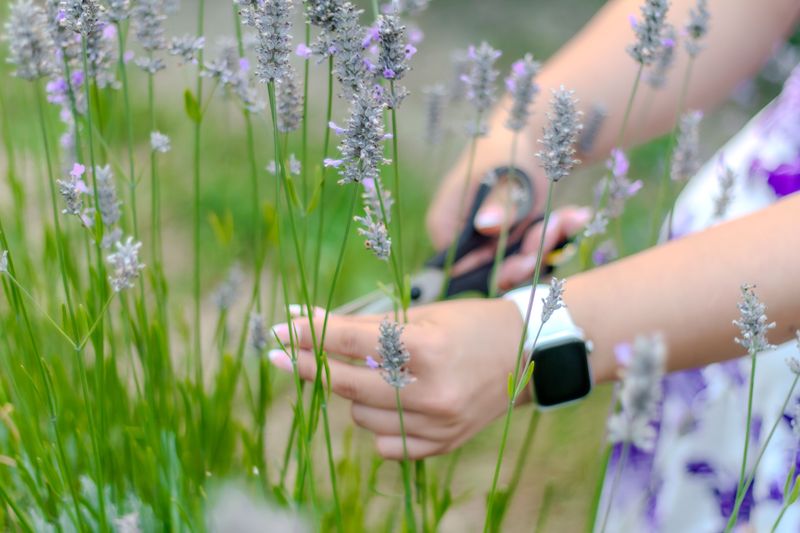
Lavender is a bit like a person on a muggy day. It wants a breeze. Without one, things get sticky and unpleasant fast.
Texas is known for humidity, especially along the coast and in the eastern part of the state. Even in winter, damp air can hang around for days.
When moist air gets trapped inside and around a lavender plant, fungus can move in. Leaf spots, gray patches, and stem rot often follow.
One easy fix is cleaning up. Fall leaves from nearby trees love to pile up around the base of plants. They hold moisture and block air.
Rake or pick them out gently every week or two. Remove any dry lavender leaves or broken stems tucked inside the plant too.
Next, look at spacing. Lavender plants squeezed close together cannot breathe well. Most kinds need about two to three feet between plants. If yours are crowded, mark which ones to move or thin out in spring.
Take a look at nearby plants as well. Tall grasses, spreading groundcovers, or big shrubs can smother lavender. Trim them back so your lavender has open space on all sides.
Here is a quirky bit of history. Long ago, people in Europe dried lavender on open racks and hedges so breezes could pass through. They knew that air kept it fresh and free of mold. The same idea works for living plants.
A little cleanup today can stop fungus from spreading all winter. Plus, a tidy garden bed looks nicer from your window on chilly days. Your lavender gets fresh air, and you get a prettier view.
7. Protect It From Hard Freezes
Remember the big Texas freeze of February 2021? Plenty of gardeners woke up to frozen plants they thought could handle anything. Lavender was no exception, so a little planning goes a long way.
Not all lavender is equally tough. English lavender and many lavandin types, like Provence and Phenomenal, can handle light freezes pretty well.
Spanish lavender is much more sensitive. Young plants in their first year also have weaker roots and less woody growth to protect them.
North Texas and the Panhandle see the hardest freezes, but cold snaps can hit almost anywhere in the state. Keep an eye on the forecast all winter. When temperatures are expected to drop into the low 20s or below, it is time to act.
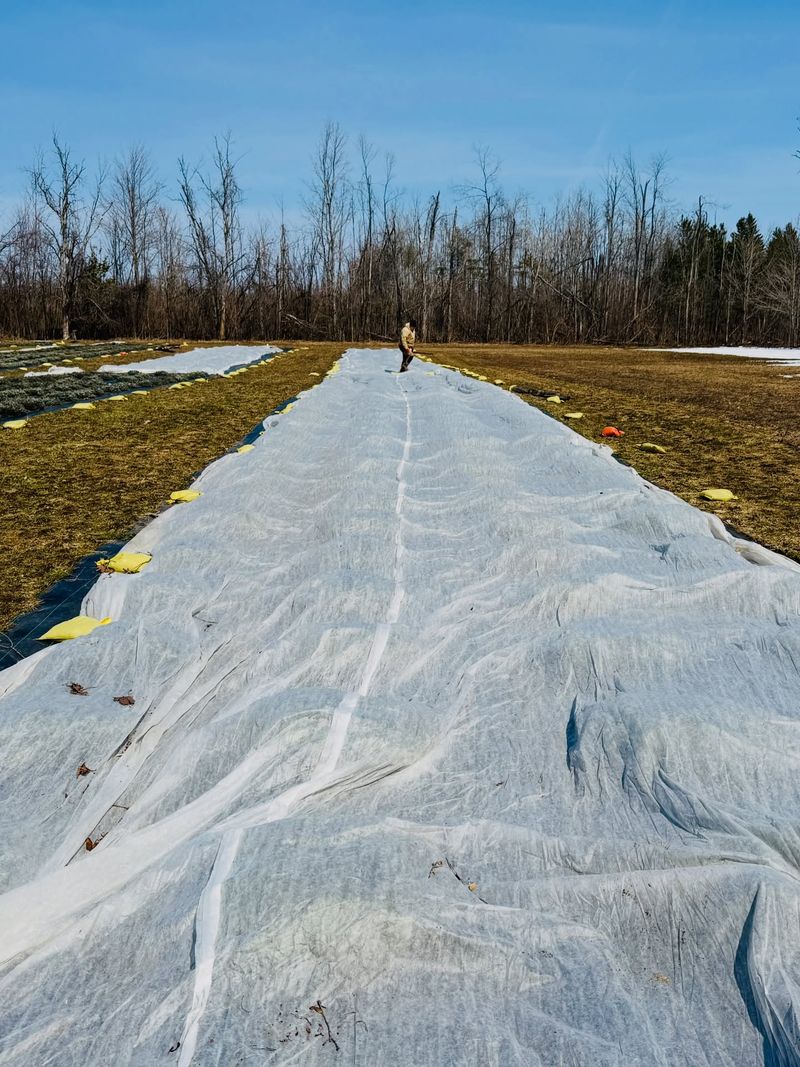
For plants in the ground, use frost cloth. Drape it loosely over the plant so it reaches the ground on all sides.
That traps warmth rising from the soil. Hold the edges down with rocks or bricks. Avoid plastic sheets, since they can trap moisture and actually make freeze damage worse.
Take the cover off once temperatures rise above freezing the next day. Leaving it on too long can make the plant too damp.
Potted lavender is easier to protect. Move it next to a south-facing wall, into a garage, or onto a covered porch during cold snaps. Pots freeze faster than the ground, so roots in containers need extra help.
After a freeze, do not rush to prune. Some stems may look brown but still be alive. Wait until spring growth shows you what made it, then trim carefully.