How To Save Your Texas Geraniums This Fall
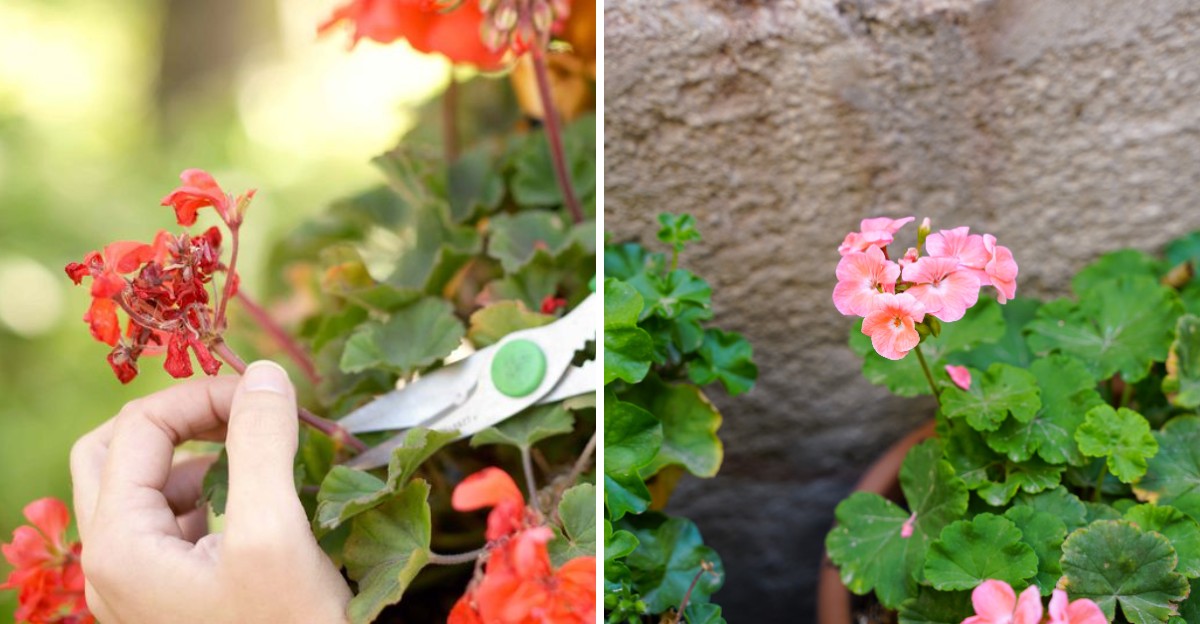
In much of the country, geraniums are summer stars. In Texas, they do things a little backward.
Blazing heat often leaves them leggy, faded, and barely blooming by late summer. Then fall arrives, temperatures ease, and suddenly they perk up with fresh leaves and bright clusters of red, pink, and coral flowers.
For many Texas gardeners, autumn is when geraniums finally look their best. That’s exactly why it’s such a shame to lose them to the first hard freeze.
Geraniums can’t handle much frost, but they don’t have to be treated like disposable annuals.
With a little planning, you can protect them through cold snaps, move them to a sheltered spot, or take cuttings to grow new plants indoors.
Many can keep blooming well into winter and come back strong next spring. A few simple steps this fall can keep your geraniums going for years.
1. Trim Back Heat-Stressed Growth
By the end of August, most Texas geraniums look like they just ran a marathon. Stems stretch out long and thin. Leaves drop from the bottom, leaving bare, knobby stalks.
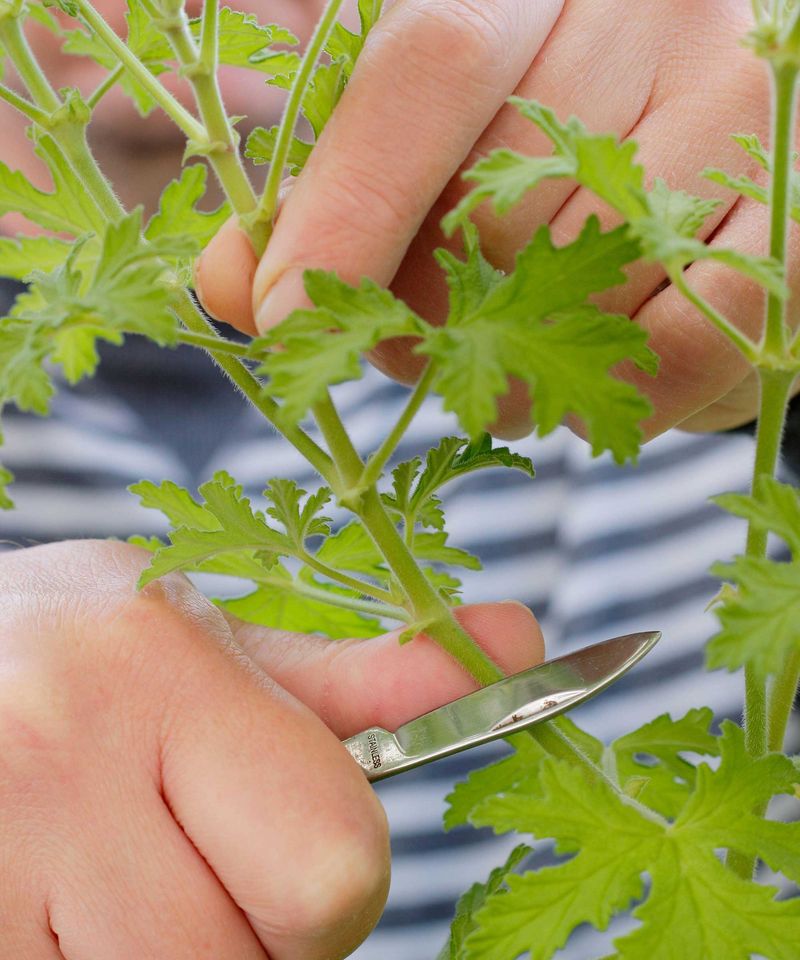
A good haircut fixes that problem fast. Plan to cut each plant back by about one third in early fall. Use clean, sharp pruners so the cuts heal quickly and cleanly.
Look for a leaf node before you snip. A node is the small bump on the stem where a leaf grows.
Cut just above it, about a quarter inch higher. New shoots will sprout right from that spot, making the plant fuller and bushier.
Start with the longest, floppiest stems first. Then step back and look at the shape of the plant. Try to leave a nice rounded mound instead of a lopsided mess. Remove any brown, woody, or broken pieces while you are at it.
Timing matters a lot here. Wait until daytime highs drop below the mid-90s if you can. Trimming during brutal heat adds extra stress to a plant that is already worn out.
Fun fact: the plants most people call geraniums are actually in a group called Pelargonium. They came from South Africa, which explains why they can handle sun but still dislike extreme heat.
After trimming, your plant may look a little bare for a week or two. Do not worry about that. Fresh green growth usually shows up quickly once the weather cools. Within a month, you should see thick leaves and new flower buds forming.
Save the healthiest pieces you cut off. They make great cuttings for growing new plants, which you will learn about later in this list.
2. Give Them A Light Feeding
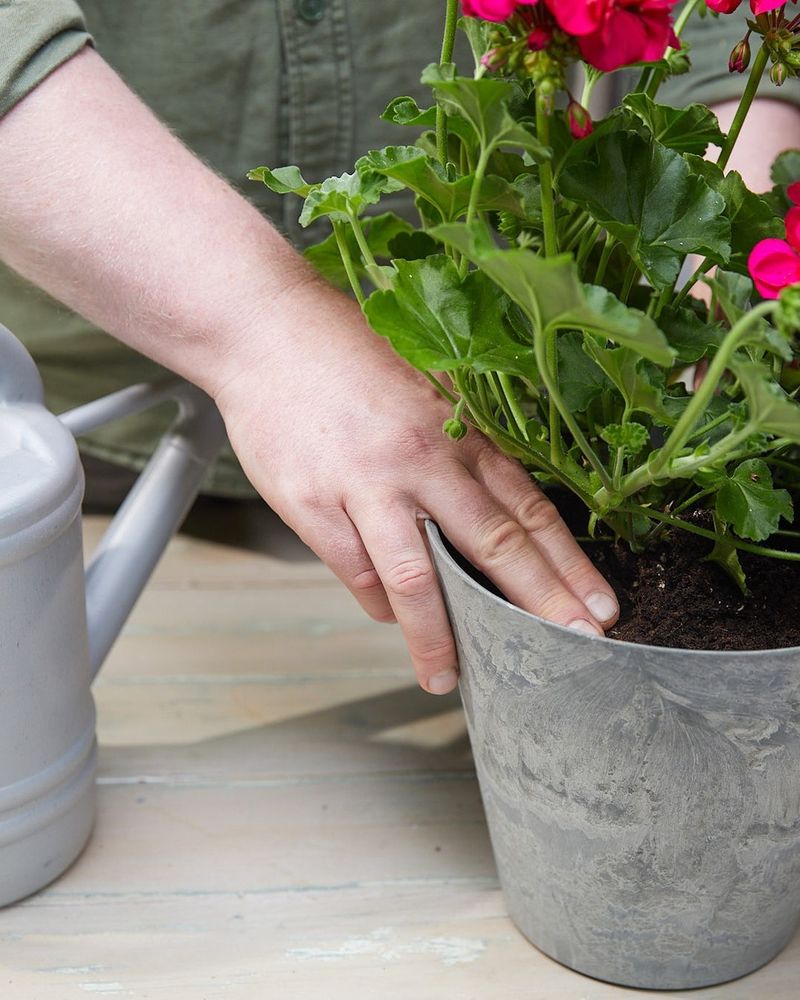
Think of fall fertilizer as a snack, not a feast. Your geraniums just survived months of heat, and they are hungry for a little boost. Too much food, though, can do more harm than good.
Most of Texas sees geraniums perk up once temperatures cool. That is the perfect moment to feed them. A light dose gives them the fuel they need to push out a new wave of blooms.
Your Texas Garden Changes Every Week. Your Plan Should Too.
Gardening in Texas changes quickly throughout the season. Every Friday you’ll receive a simple weekly plan showing exactly what to plant, prune, fertilize, harvest, and protect so you never miss the right timing.
Pick a balanced fertilizer, like one labeled 10-10-10 or 20-20-20. You can also choose a bloom booster with a higher middle number. That middle number stands for phosphorus, which helps flowers form.
Water-soluble fertilizers work well for potted plants. Mix them at half the strength listed on the package. Feed every two to three weeks during fall while the plants are actively growing.
Slow-release pellets are another easy choice. Sprinkle a small amount on the soil and scratch it in gently. They feed the plant little by little for several weeks.
Always water your plants before you fertilize. Feeding dry roots can burn them, leaving brown edges on the leaves. Moist soil helps the nutrients spread evenly.
Keep an eye on how your plants respond. Deep green leaves and fresh buds mean you are doing great. Pale or yellow leaves may signal they need a bit more food. Lots of leaves but few flowers often means too much nitrogen.
Stop feeding once winter arrives and growth slows down. Resting plants cannot use extra nutrients, and leftover fertilizer can build up in the soil. A gentle hand now pays off with a colorful fall show.
3. Move Them Into More Sun
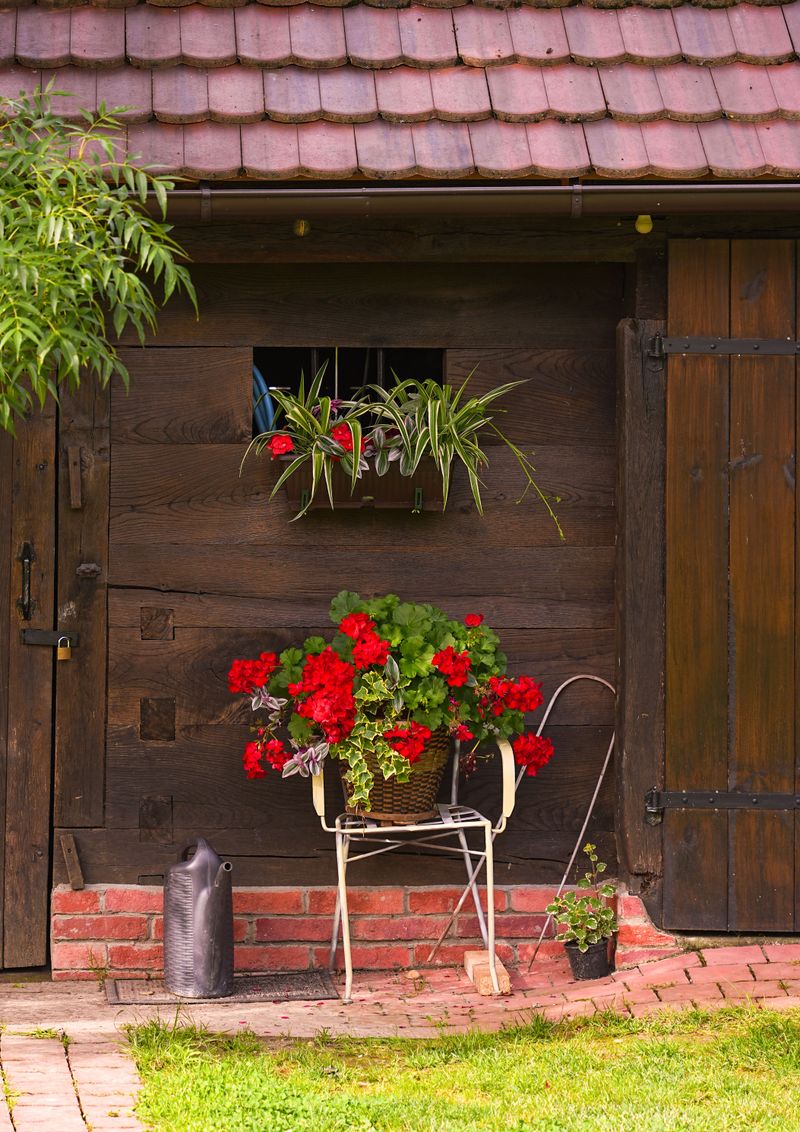
Here is a little secret that many gardeners miss. The shady corner that saved your geraniums in July may be holding them back in October. Once the heat breaks, these plants crave more light.
During a Texas summer, afternoon shade is a lifesaver. Hot sun beating down at 105 degrees can scorch leaves and stop blooming. So many of us tuck our pots under trees or porch roofs to protect them.
Fall changes the rules. The sun sits lower in the sky, and the rays feel much softer. Geraniums love this kind of light and reward you with heavier flowering.
Aim for at least six hours of direct sun each day. Morning sun is great, and in fall even full afternoon sun is usually safe. South-facing spots often get the most light during cooler months.
Make the move slowly if your plants have been in deep shade. Shift them into brighter light for a few hours at first. After a week, leave them in their sunny spot all day. That gradual change keeps leaves from getting sunburned.
Potted geraniums are easy to move, which is a big perk. In-ground plants are harder, but you can trim nearby shrubs or tree branches to open up more light.
Watch for clues that your plants want even more sun. Stretched stems leaning toward the light are a sure sign. Few blooms with lots of leaves can mean the same thing.
Give the pots a quarter turn every week or so. Every side of the plant gets equal light that way, and your geraniums grow nice and even instead of lopsided.
4. Keep Up With Deadheading
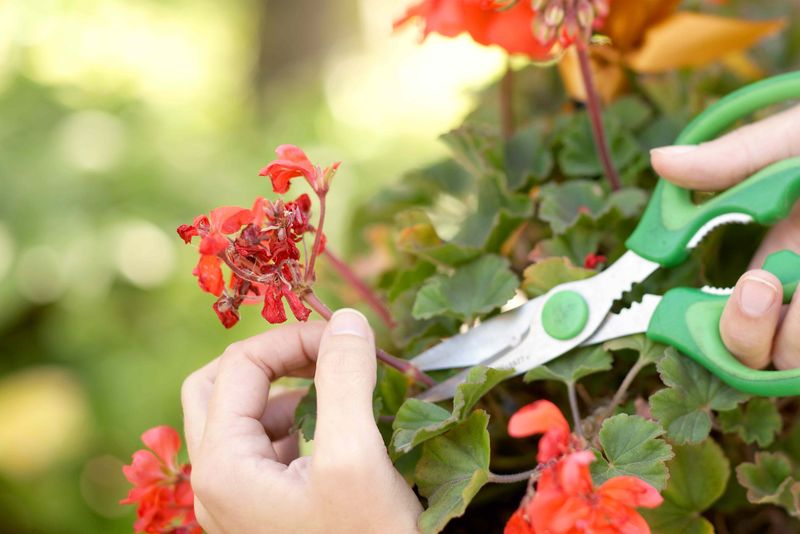
Deadheading might sound spooky, but it is one of the easiest garden chores around. All it means is pinching off old, faded flowers. Five minutes a week can make a huge difference.
When a geranium bloom fades, the plant tries to make seeds. Making seeds uses a lot of energy. Remove the old flower, and the plant sends that energy into new blooms instead.
Follow the flower stem down to where it meets the main stalk. Snap it off with your fingers or snip it with small scissors. Leaving a short bare stem looks messy and can turn brown.
Yellow and brown leaves should go too. Pull them off gently or cut them at the base. Your plant will look fresher right away.
There is another big reason to stay on top of this task. Fall in Texas can be humid and rainy, especially along the coast. Soggy, decaying petals are a perfect home for fungus like botrytis, also called gray mold.
Gray mold shows up as fuzzy gray spots on flowers and leaves. It spreads quickly in damp weather. Clearing away old plant parts helps stop it before it starts.
Do not forget to check the soil surface as well. Fallen petals and leaves pile up in pots and garden beds. Scoop them up and toss them in the trash rather than the compost pile if you see mold.
Make deadheading part of your routine. Some gardeners do it while sipping morning coffee on the porch. Others take care of it each time they water. Either way, your geraniums stay tidy, healthy, and packed with color all season long.
5. Water Carefully
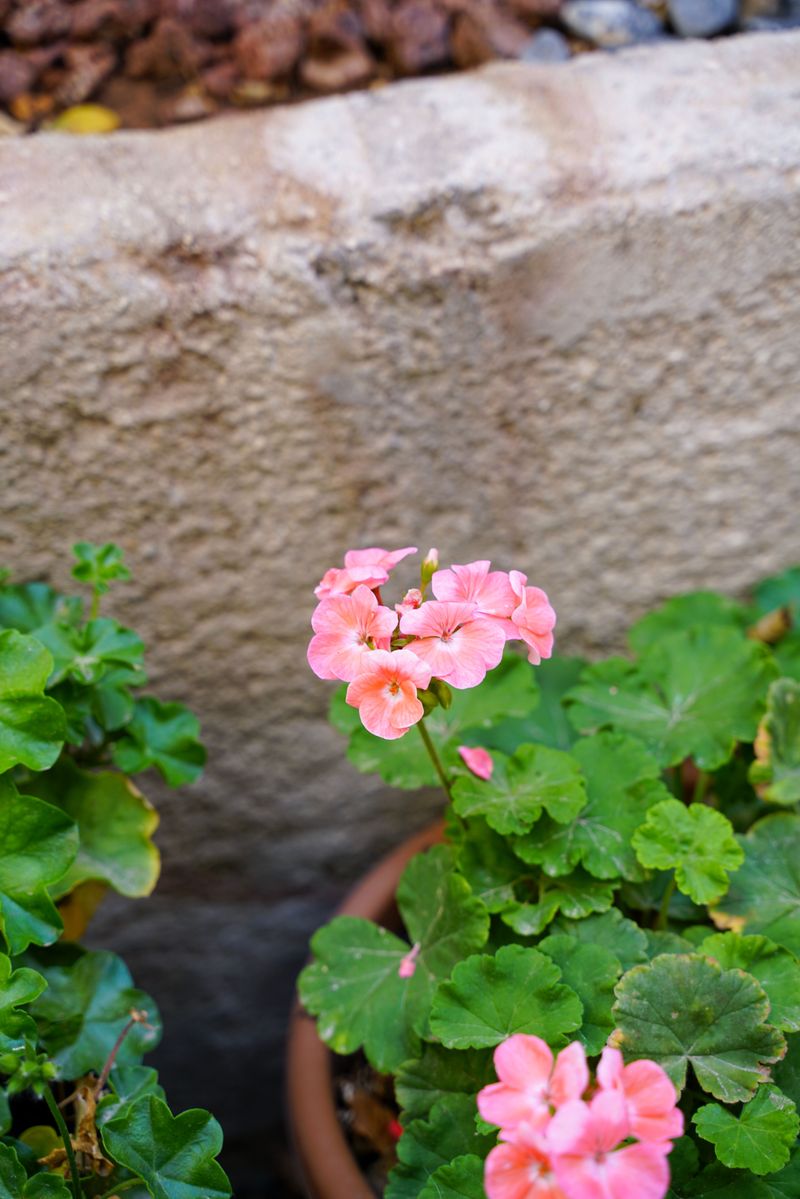
More geraniums are lost to too much water than too little. That surprises a lot of people. These plants actually like their soil to dry out a bit between drinks.
Geranium roots need air as much as moisture. Soil that stays soggy pushes out that air. Over time, roots turn mushy and begin to rot.
Fall and winter in Texas can bring long stretches of rain. Cooler weather also means water dries up more slowly. A watering schedule that worked in August may drown your plants by November.
So how do you know when to water? Stick your finger about an inch into the soil. If it feels dry, go ahead and water. If it still feels damp, wait another day or two.
Aim your watering can or hose at the base of the plant. Try to keep water off the leaves and flowers. Wet foliage invites fungus and leaf spots, especially in humid weather.
Water in the morning whenever possible. Any splashes have time to dry during the day. Evening watering leaves plants damp overnight, which fungus loves.
Drainage is the other half of the story. Every pot needs holes in the bottom. Empty saucers after rain so pots do not sit in puddles. Raising pots on small feet or bricks helps extra water escape.
Terracotta pots are a smart choice for geraniums. The clay breathes and helps soil dry faster. For garden beds, mix in compost to keep heavy clay soil loose.
Warning signs of overwatering include yellow lower leaves and soft, dark stems. Cut back on water right away if you spot them.
6. Protect Them From Frost
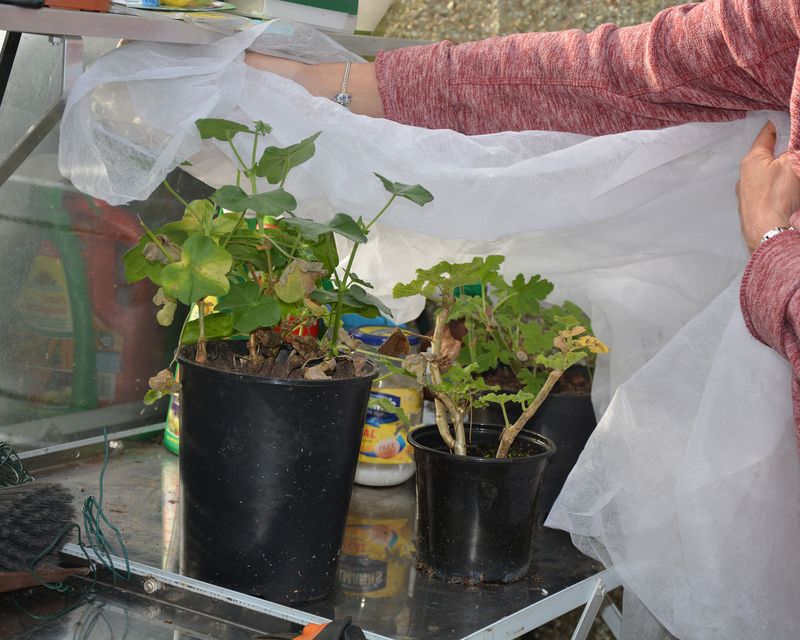
Texas weather loves a plot twist. One day it is 80 degrees, and two days later a blue norther drops temperatures below freezing. Geraniums are not built for that kind of drama.
Frost can turn soft geranium leaves black and mushy overnight. A hard freeze can damage the stems and roots too. A little planning keeps your plants safe when cold weather hits.
Check the weather forecast often once fall arrives. Pay close attention when nighttime lows are expected near 32 degrees. Most of the time, you will get a day or two of warning.
Cover in-ground plants with frost cloth before sunset. Frost cloth is a lightweight fabric sold at garden centers. It traps warmth rising from the ground. Let the cloth reach all the way to the soil, and hold the edges down with rocks or bricks.
Old bedsheets or blankets work in a pinch. Skip plastic, though. Plastic touching leaves can actually make frost damage worse.
Potted geraniums have it easier. Simply carry them into a garage, onto a covered porch, or inside your home. Group them together near a wall for extra warmth.
Remove covers the next morning once temperatures rise above freezing. Plants still need sunlight and fresh air. Leaving covers on for days can cause problems of its own.
Pro tip: water plants a day before a freeze if the soil is dry. Moist soil holds heat better than dry soil.
If frost does nip a few leaves, stay calm. Wait until the danger passes, then trim away damaged parts. Many geraniums bounce back nicely.
7. Take Cuttings As Backup
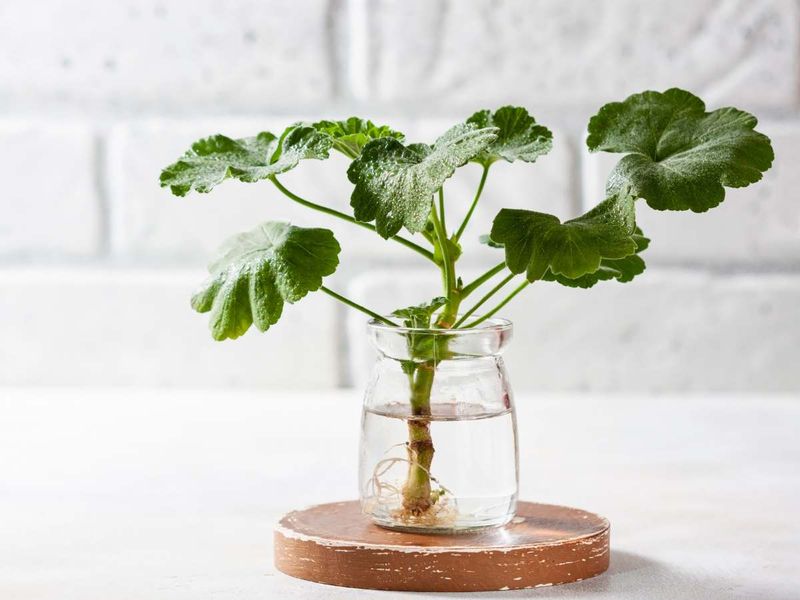
Grandma probably had a windowsill full of little geranium starts every winter. She knew a clever trick. Growing new plants from cuttings is cheap, easy, and a great insurance policy.
Even with the best care, a surprise hard freeze can wipe out outdoor plants. Having a few young geraniums growing inside means you never lose your favorite colors. You can plant them outside again in spring.
Start by choosing healthy, green stems with no flowers. Cut pieces about four to six inches long. Make each cut just below a leaf node, where roots will form.
Pull off the lower leaves, leaving two or three at the top. Remove any flower buds too. The cutting needs its energy for growing roots, not blooms.
Some gardeners let cuttings sit out for a few hours so the cut end dries slightly. Dipping the end in rooting hormone is optional, but it can speed things up.
Fill small pots with moist potting mix. Poke a hole with a pencil, slide the cutting in, and press the soil gently around it. Keep the mix lightly damp, never soaking wet.
Place the pots in a bright spot out of harsh direct sun. A sunny windowsill or a spot under a grow light works great. Roots usually form in three to six weeks.
Give a cutting a very gentle tug to test it. Feeling resistance means roots have grabbed the soil. New leaves are another happy sign.
Label each pot with the flower color. Come spring, you will have a fresh crop of plants ready for another bright Texas season.