10 Holiday Plants Besides Poinsettias That Thrive In Florida Homes
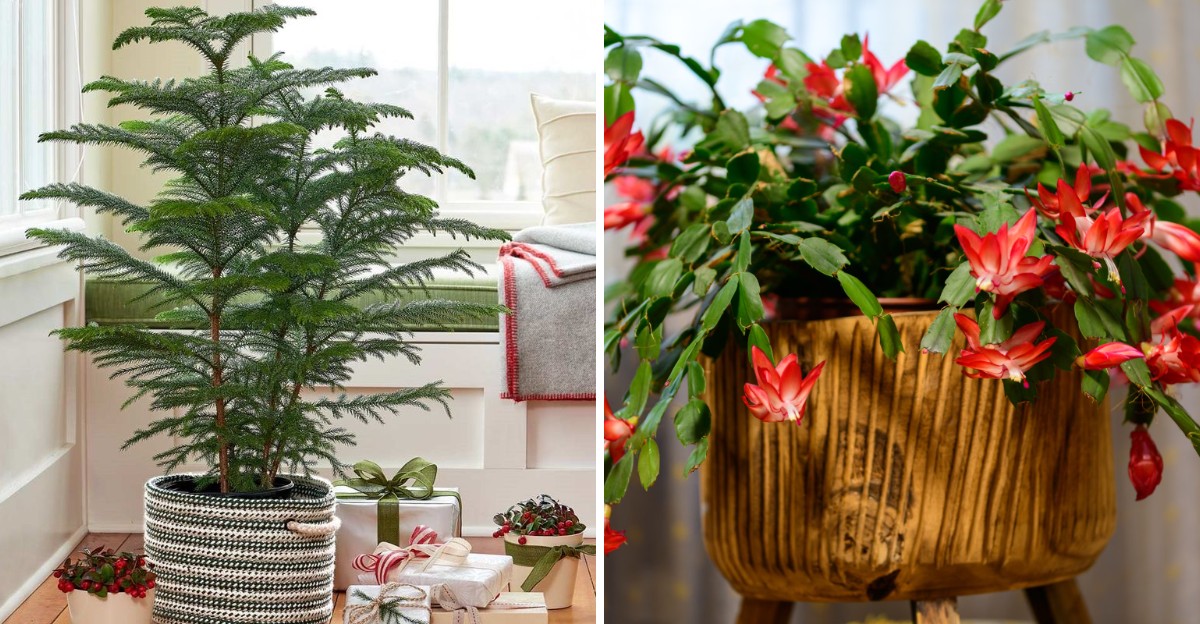
Poinsettias get all the holiday glory, and your Florida living room deserves a little more variety than one red plant on the coffee table.
The usual pick has its fans, but it also has a reputation for sulking in warm, humid homes. Plenty of other plants carry the same festive spirit, with colors, textures, and shapes that fit right into the season.
Some bloom on cue. Others bring a fresh green look that holds up through every party and family visit.
Ten options cover every taste, from sleek and modern to bold and traditional. A few may be sitting at the nursery right now, labeled with something that has nothing to do with Christmas.
Several are easier to keep alive than the poinsettia you’ve been buying for years.
Browse the nursery with this list in mind. Your holiday display is about to get a lot more interesting.
1. Christmas Cactus Blooms Again Around The Holidays
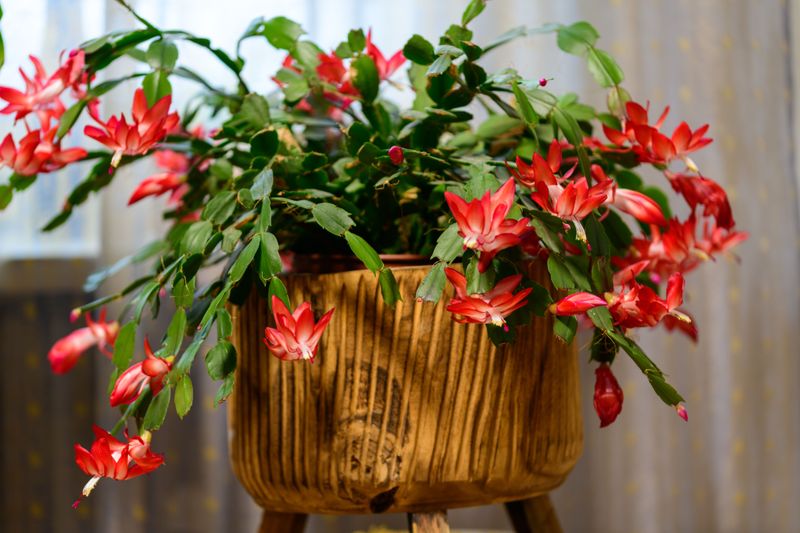
Grandma’s Christmas cactus might be older than you are. These plants can live for decades and get passed down like family recipes.
Here’s a surprise: it isn’t a desert cactus. It comes from tropical forests, so it likes moisture and humidity, which Florida has plenty of.
Set it near an east-facing window with bright, indirect light, since harsh sun can fade or redden the leaves.
Getting it to bloom again takes a little planning. In fall, give it 12 to 14 hours of steady darkness each night for six to eight weeks.
Even a small lamp or porch light can mess up bud formation, so a closet or quiet back room works well.
Cooler temperatures, around 60 to 68 degrees, also help buds form. Once you spot buds, move the plant back to a brighter spot.
Try not to shift it between hot and cold places, because sudden changes can make buds drop.
Water every two to three weeks during the growing season. Let the top inch of soil dry out first, since soggy roots cause trouble.
Pet owners will love this part. The plant is considered non-toxic to cats, dogs, and people, so a curious nibble is no emergency.
2. Amaryllis Can Move Into The Garden Later
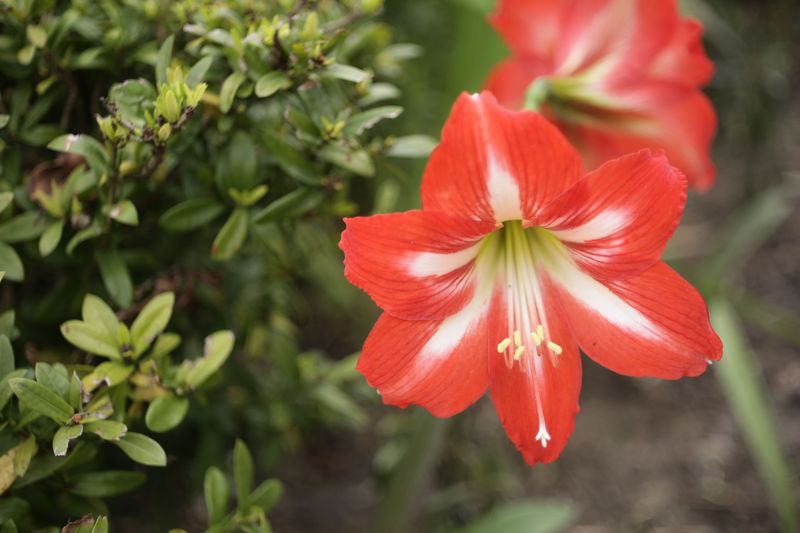
Picture a flower as wide as a dinner plate. Amaryllis blooms can reach up to 12 inches across, in festive red, pink, and white.
Potting one is simple. Choose a container just one or two inches wider than the bulb, and leave the top half of the bulb poking above the soil.
Water well, then set it somewhere warm and sunny, around 70 to 75 degrees.
When the flowers open, move the pot to bright, indirect light. The blooms will last longer that way.
After they fade, snip the stalk near its base but keep the leaves, because they feed the bulb for next year.
Now for the best part for Floridians. Amaryllis is a Florida-Friendly Landscaping plant, so it can head outdoors once frost risk passes.
Dappled shade is a good start, though it can handle full sun after it adjusts.
Your Florida Garden Changes Every Week. Your Plan Should Too.
Gardening in Florida changes quickly throughout the season. Every Friday you’ll receive a simple weekly plan showing exactly what to plant, prune, fertilize, harvest, and protect so you never miss the right timing.
You can also plant it in the ground for good between September and January. Use well-drained soil mixed with compost.
Keep feeding it a balanced, water-soluble fertilizer every two to four weeks during the growing season.
Want holiday blooms again indoors? Stop watering around September, trim withered leaves, and store the bulb somewhere cool and dark, about 50 to 55 degrees, for eight to ten weeks.
3. Kalanchoe Brings Long-Lasting Clusters Of Color
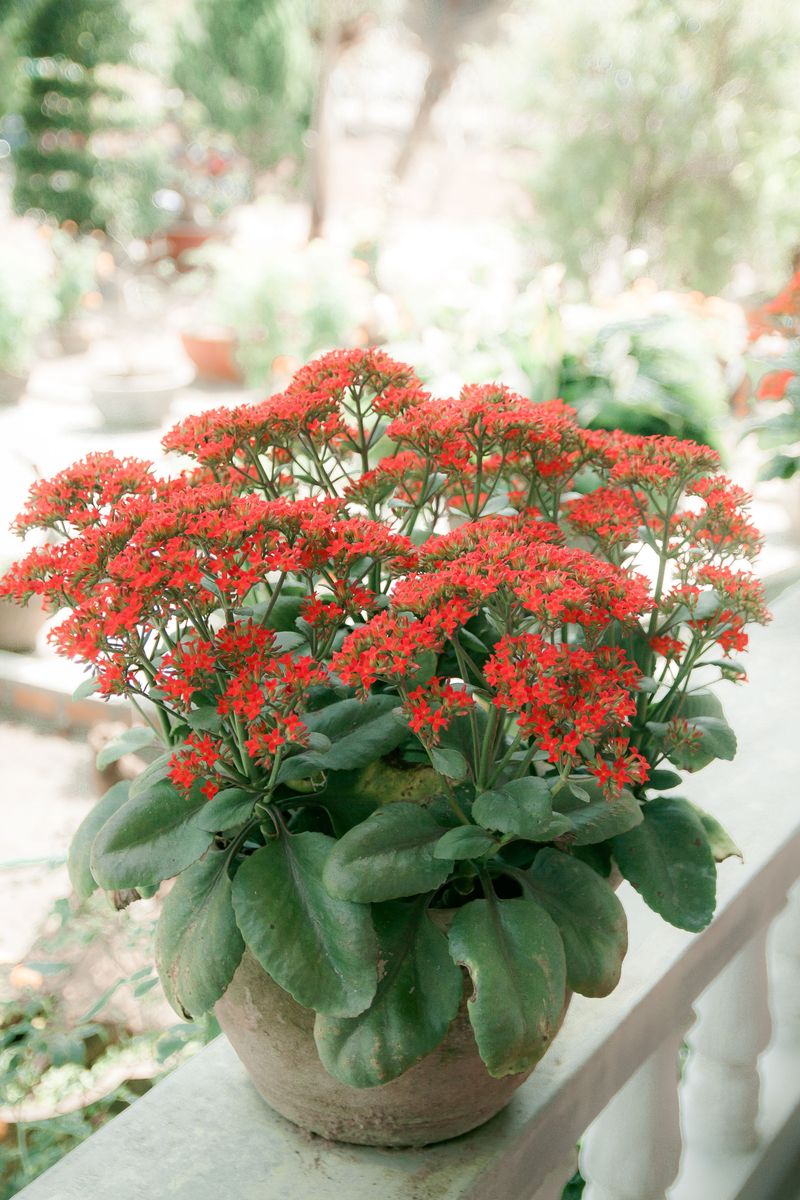
If you tend to forget about watering, meet your new best friend. Kalanchoe is a tough little succulent that shrugs off busy weeks.
Its thick, shiny leaves store water like tiny canteens. That means dry indoor air and skipped waterings don’t bother it much.
Meanwhile, tight bunches of red, orange, pink, yellow, or white flowers stay cheerful for weeks.
Give it bright, indirect light, such as a south or west window. It can take some direct sun, as long as it isn’t scorching.
Water only when the top inch of soil feels dry, since too much water is its biggest weakness.
Comfortable temperatures run from 60 to 85 degrees. Cooler nights near 60 degrees help it set buds.
Low humidity won’t slow it down either.
Fun fact: kalanchoe shares a trick with poinsettias. Both are short-day plants that need long nights to bloom.
Give yours 12 to 14 hours of uninterrupted darkness each evening for three to four weeks, with bright light during the day.
Water a little less during that dark stretch. When flowers fade, cut the stem near its base so energy goes toward new blooms.
In Florida zones 10 through 12, you can even grow kalanchoe outside in the garden.
4. Norfolk Island Pine Makes A Living Tabletop Tree
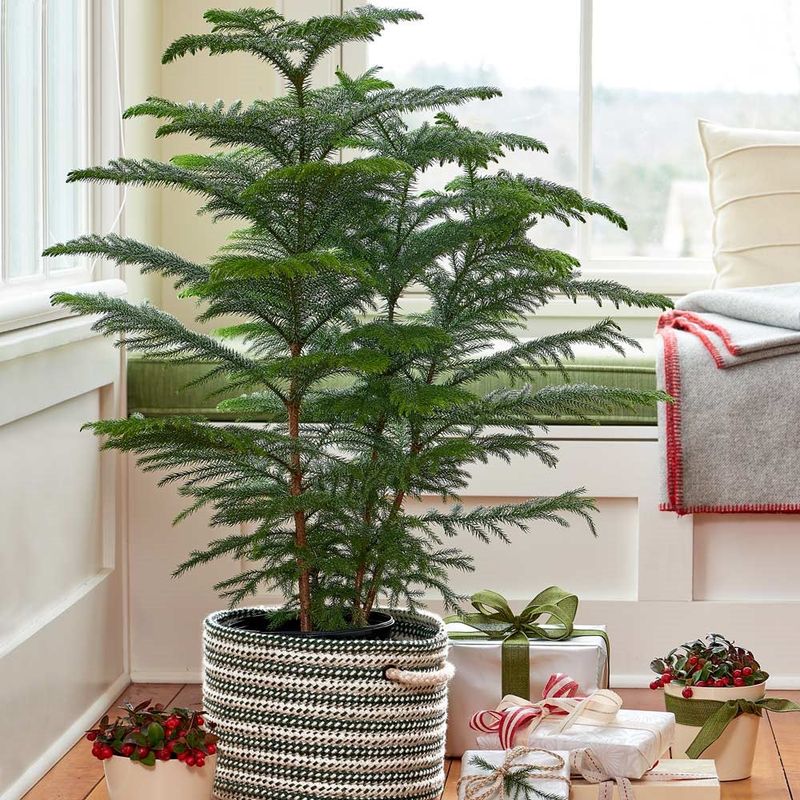
Plot twist: the Norfolk Island pine is not a pine at all. It’s a tropical tree from the South Pacific that just happens to look like a perfect mini Christmas tree.
Its soft needles and neat, layered branches make it ideal for light ornaments. Indoors it grows slowly, usually topping out around six feet.
That makes it easy to keep around for years.
Light matters a lot. A bright window without harsh, direct sun is the sweet spot.
Too much sun browns the needles, while too little makes it stretch and look leggy. It can even manage under fluorescent office lights.
Water when the top one or two inches of soil feel dry. Keep the soil lightly moist but not soggy, and water a bit less in winter.
Overwatering leads to root trouble.
Indoor temperatures between 65 and 75 degrees keep it happy. Place it away from cold drafts, heater vents, and sudden temperature swings.
Humidity is where this tree really shines in Florida. It loves moist air, so misting, a humidifier, or a pebble tray filled with water helps.
South Florida homes suit it well. Just remember it can’t handle freezing weather, so it usually does best as an indoor buddy.
5. Rosemary Topiaries Can Go Outside After The Holidays
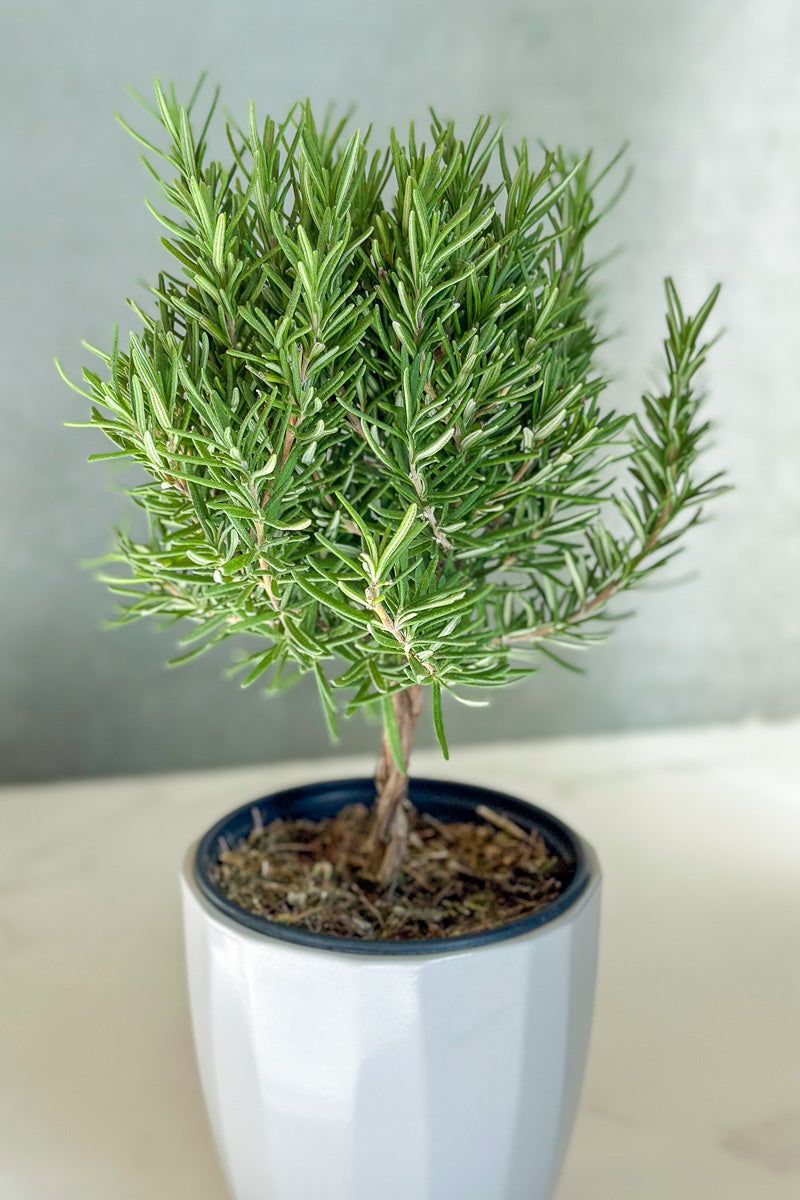
Brush your hand against a rosemary topiary and your kitchen suddenly smells like a holiday roast. Few decorations double as dinner seasoning.
These cone-shaped herbs look like tiny Christmas trees. Rosemary grew up in dry, sunny places, so it likes plenty of light and soil on the drier side.
Indoors, a south-facing window is the best seat in the house.
Turn the pot once a week so every side gets sunshine. Water only when the top inch of soil feels dry, usually about once a week.
Heavy, wet soil can lead to root problems.
Keep it away from fireplaces and heating vents. Hot, dry blasts of air are rough on rosemary, and indoor heat often makes conditions too harsh.
Good news for Floridians: rosemary is a hardy perennial here. After the holidays, it can move outdoors and keep growing for years.
Many gardeners find it simpler to keep healthy outside than inside.
Make the switch slowly over two to three weeks. Start with short visits in filtered shade, then add more sun bit by bit.
Once settled, it becomes a handy garden herb you can snip for chicken, potatoes, or bread whenever you like.
6. Anthuriums Make A Bold Flowering Gift
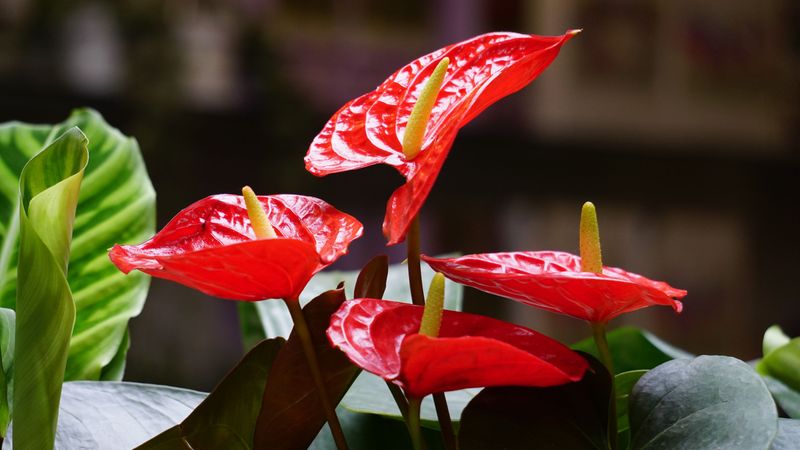
Shiny red hearts that look almost plastic? That’s the anthurium, sometimes called the flamingo flower, and it grabs attention fast.
Those glossy hearts aren’t actually petals. They’re special leaves called spathes, while the real tiny flowers sit on the spike in the center.
On the plant, the color can last up to six weeks.
Anthuriums come from tropical Central and South America, so warm, humid Florida homes feel familiar. Bright, indirect light works best, like an east or west window with a sheer curtain.
Direct sun can scorch or bleach the leaves.
Aim for temperatures between 60 and 85 degrees. Keep the soil evenly moist, but let the top inch dry slightly between drinks.
Soggy soil causes root problems and brown leaves.
Humidity of at least 50 percent keeps them thriving. Misting, a pebble tray, or a humidifier all help.
With good care, many plants bloom on and off all year, taking short breaks between flushes.
Feed with a balanced, water-soluble bloom fertilizer every two weeks in spring and summer. One caution before gifting: anthuriums are toxic if eaten.
Pets or kids who chew them may get mouth irritation and an upset stomach, so place them up high.
7. Bromeliads Add An Outside-The-Box Tropical Touch
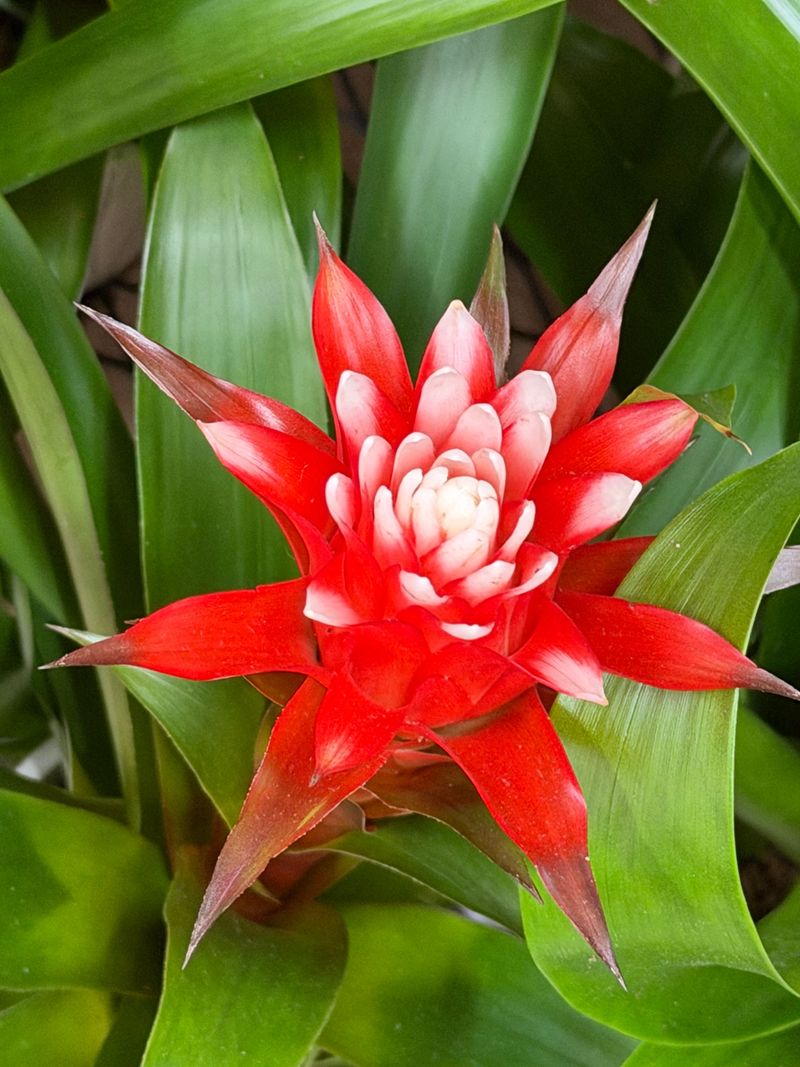
Who says holiday color has to look snowy? Bromeliads bring a beachy, tropical twist that fits a Florida December perfectly.
The bright part that looks like a flower is really a set of colorful leaves called bracts. They can hold their color for months.
Most bromeliads come from Central and South America, and many happily grow outdoors in Florida summers.
Care is refreshingly easy. Many types have a center cup, or tank, that catches water.
Keep it about halfway full and swap in fresh water weekly so it doesn’t turn stale.
Bright, indirect light suits them best, such as a window with filtered sun. Too much direct sun burns the leaves, and too little dulls their colors.
They can even adjust to shady spots or office lighting.
Normal household humidity is usually enough, though a light misting now and then helps. Indoors, they like days around 70 to 75 degrees and nights near 60 to 65.
Their roots are small, so use a light, airy potting mix. Keep it slightly moist but not soggy, since standing water causes trouble.
Fertilizer is rarely needed. If you do feed, use a weak, diluted balanced fertilizer while the plant is actively growing.
8. Orchids Can Bloom For Months With Proper Care
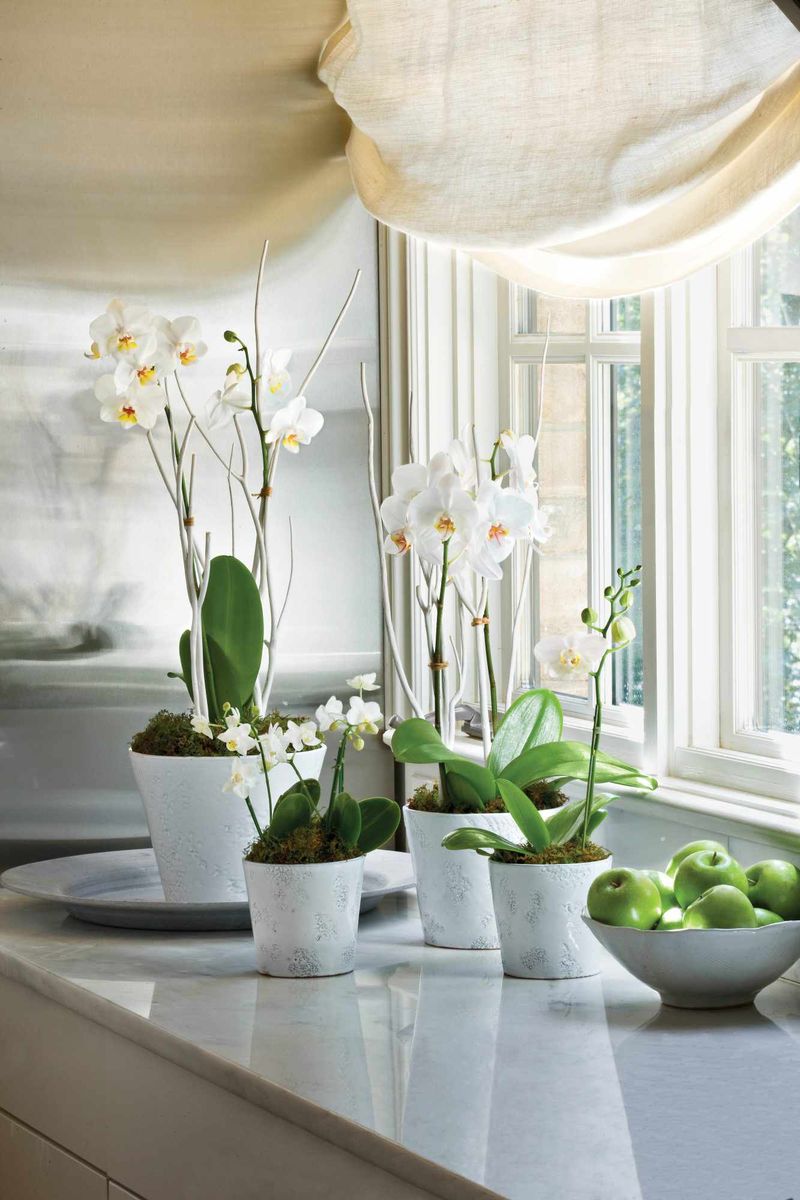
A blooming orchid feels a bit fancy, like a hotel lobby centerpiece. Yet in Florida, these elegant plants are easier to keep happy than many people think.
Moth orchids, also called Phalaenopsis, are great for beginners. Their flowers often last eight to twelve weeks.
Dendrobium orchids can bloom several times a year too.
Our warm temperatures and natural humidity give orchids a head start. They want bright, filtered light, like the dappled shade under a tree.
Shield them from strong afternoon sun.
Leaves offer clues. Yellowish leaves may mean too much light, while very dark green ones suggest they need more.
Most orchids enjoy temperatures from 65 to 75 degrees.
Let the roots dry slightly between waterings, usually every seven to ten days. Water thoroughly and let it drain well, so the pot doesn’t sit in water.
Good airflow matters in humid homes because it helps prevent fungus.
Feed with orchid fertilizer at half strength every two weeks during the growing season, and less in winter. Slightly cooler nights can nudge it to rebloom.
After flowers fade, trim the spike just above a node. Repot every one to two years after blooming, since Florida humidity breaks down potting mix faster.
9. Potted Holly Makes A Miniature Holiday Tree
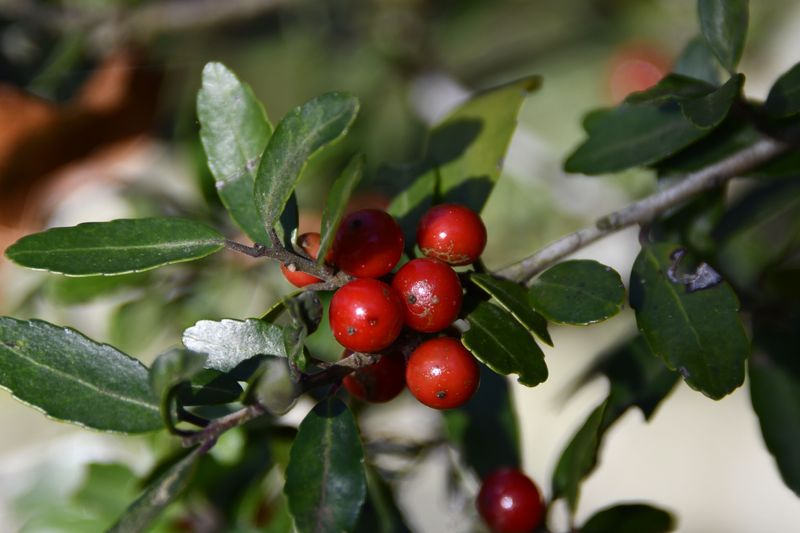
“Deck the halls with boughs of holly” isn’t just a song lyric. Holly has been a holiday symbol for centuries, thanks to its glossy leaves and bright red berries.
Florida even has native hollies, like Dahoon holly and Yaupon holly. Both show off red berries in fall and winter.
They’re mostly outdoor shrubs, but a potted one makes a sweet temporary holiday tree.
Here’s a quirky detail. Holly plants are either male or female, and only females produce berries after pollination.
That’s why buying a plant already covered in berries is the smart move.
Indoors, holly likes bright, indirect light with a little direct sun. Cooler rooms between 60 and 70 degrees suit it best.
Occasional misting or a nearby water tray adds helpful humidity.
Keep the soil moist but not soggy, letting the top inch dry a little between waterings. Use well-draining, slightly acidic soil, mixed with sand or perlite.
Feed every four to six weeks in spring and summer only.
Light trimming keeps the shape tidy and removes yellow leaves. Hollies prefer outdoor living over the long run.
Once the holidays wrap up, plant your native holly in the yard, where birds will thank you for the berries.
10. Cyclamen Brings Color To Cooler Rooms
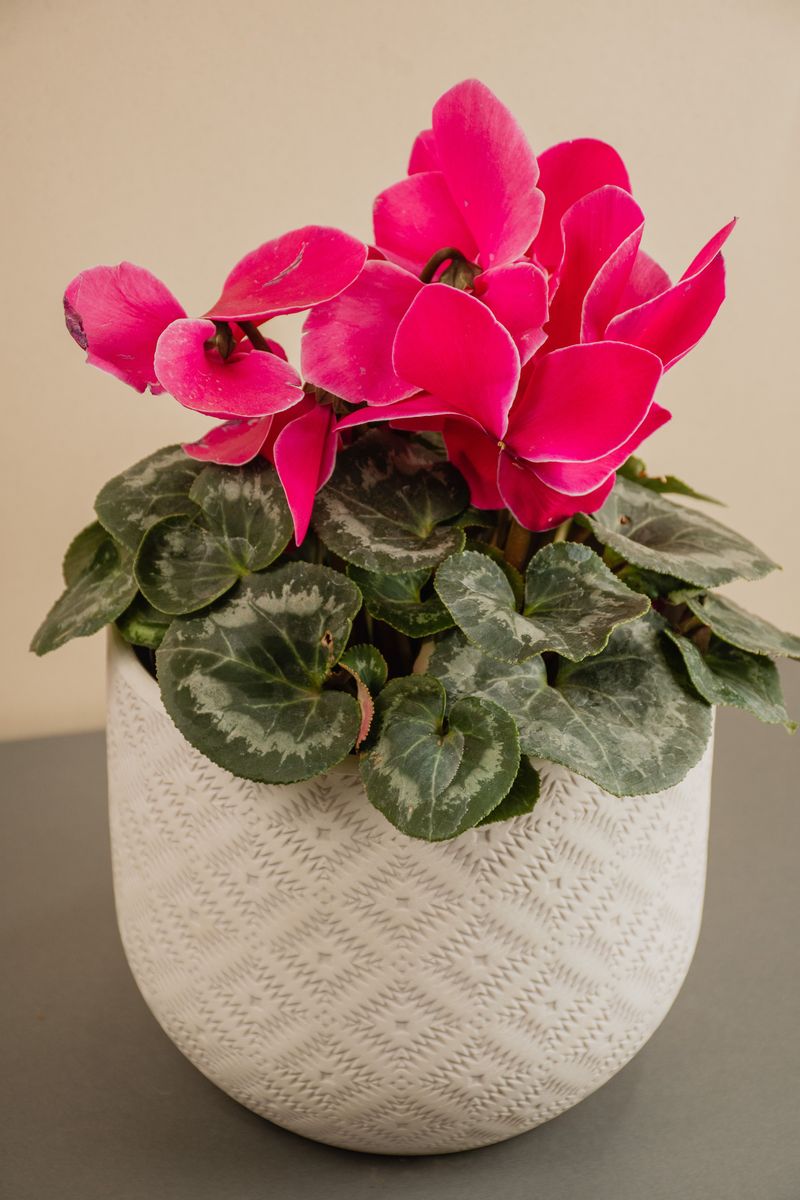
Got a room where the air conditioning runs a little too chilly? Cyclamen will love it there, even if your guests grab a sweater.
Its flowers flutter above heart-shaped leaves like tiny butterflies. The plant prefers cool spaces, around 50 to 65 degrees by day and near 50 at night.
Warmer than 70 degrees, and leaves may yellow while blooms fade quickly.
Bright, indirect light is ideal. Direct sun can scorch the leaves or overheat the plant.
In Florida, a cool, shaded corner with good light makes a great home.
Watering takes a gentle touch. Wait until the soil starts to feel dry.
Many growers water from below by setting the pot in a saucer of water, which keeps the leaves and crown dry and helps prevent rot.
Regular household humidity works fine. Pull off spent flowers close to the base to keep fresh ones coming.
When summer arrives, cyclamen usually goes dormant, and its leaves yellow and dry. Don’t panic, it’s just resting.
Stop watering and move it somewhere cool and fairly dark. Start watering again in early fall to wake it up.
Most problems come from too much water or too much heat.