Should You Take Down Your Bird Feeder This Fall? What Virginia Experts Say
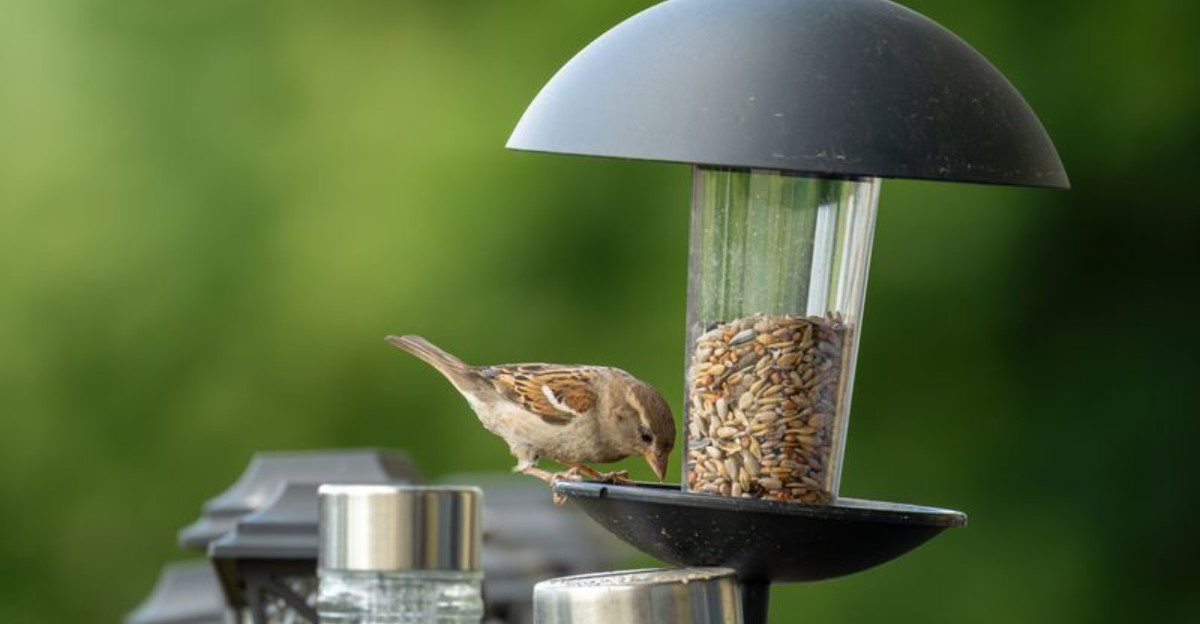
Few things beat a crisp fall morning with a cardinal flashing red at your feeder. Every autumn, though, rumors start circulating that feeders should come down.
Some say feeders confuse migrating birds, while others worry about bears, mice, or sick finches. So who’s actually right?
Wildlife experts in Virginia have clear advice, and much of it might surprise you. The answer depends on where you live, what visits your yard, and how you care for your feeders.
A little know-how can turn your backyard into a safe snack stop instead of a problem spot. Small changes can make a big difference for the birds.
Before you take anything down, it helps to know what really works this season.
Most Virginians Can Keep Feeding Birds
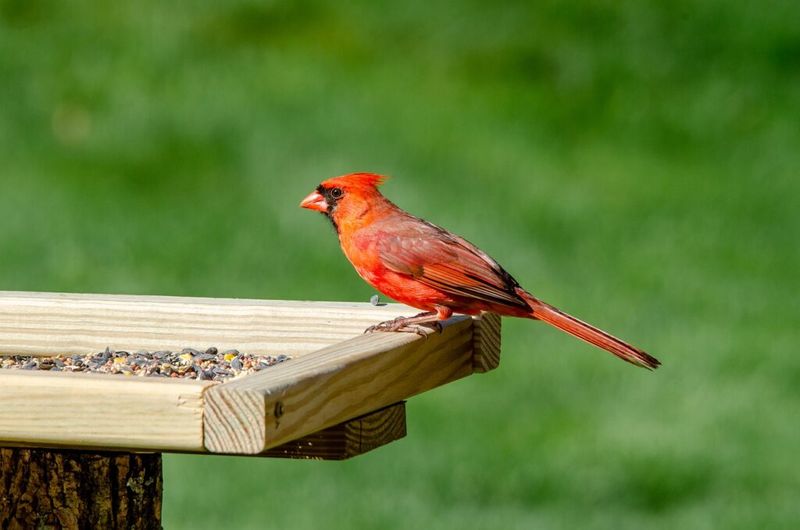
Good news first, so relax and keep that feeder filled. For most backyard birders in Virginia, experts see no reason to stop feeding in fall.
Plenty of people worry that feeders keep birds from flying south. Migration actually runs on instinct, shorter days, and seasonal cues, not on free snacks.
A warbler heading to Central America will leave on schedule, feeder or no feeder. Your yard simply becomes a handy refueling stop along the way.
Travelers passing through the state burn huge amounts of energy each day. A quick meal of seeds can help them rest and push onward stronger.
Year-round residents gain from your efforts too. Chickadees, titmice, and cardinals use fall to bulk up before colder weather settles in.
Autumn can be a tricky season for wild birds. Summer insects fade fast, and many berries and seeds get eaten or drop away.
Your feeder fills that gap while nature shifts gears. Think of it as a friendly diner open during a slow season.
Try placing feeders near shrubs or small trees for quick cover. Birds feel safer when they can dart away from hawks in seconds.
Fun fact: some ruby-throated hummingbirds fuel up in Virginia before crossing the Gulf of Mexico. Leaving a nectar feeder up into early October can help late stragglers.
Change nectar every few days when weather stays warm. Fresh food keeps those tiny travelers healthy and coming back for more.
So unless special problems pop up, your feeder can stay right where it hangs. The next sections cover those special cases.
Bear Country Calls For Extra Caution
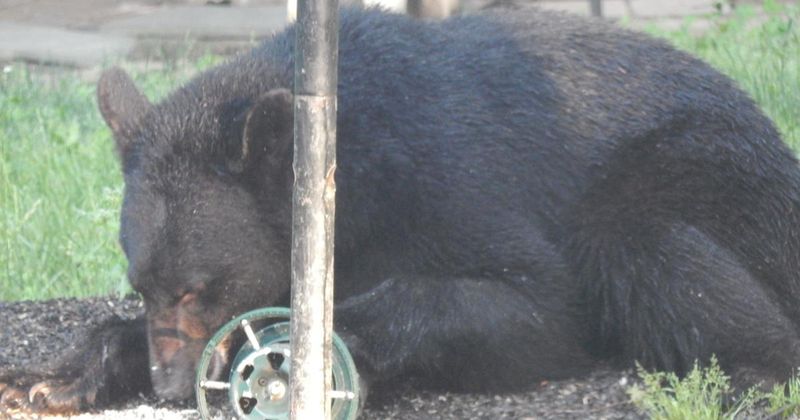
Picture waking up to a bent pole and an empty feeder on the lawn. In western Virginia, a black bear is often the sneaky culprit.
Bears spend fall eating nonstop to prepare for winter dens. Biologists call this frenzy hyperphagia, and bears may eat up to 20,000 calories daily.
A full bird feeder looks like a free buffet to a hungry bear. Once a bear finds easy food, it tends to return again and again.
The Virginia Department of Wildlife Resources advises against feeders in high bear areas during active seasons. Mountain counties and forest edges carry the highest risk.
Late fall through late winter is generally the safer window. Most bears settle down then, though mild weather can keep some moving.
Your Virginia Garden Changes Every Week. Your Plan Should Too.
Gardening in Virginia changes quickly throughout the season. Every Friday you’ll receive a simple weekly plan showing exactly what to plant, prune, fertilize, harvest, and protect so you never miss the right timing.
Suet deserves special attention in bear territory. Store-bought suet cakes smell amazing to mammals, and bears are no exception.
Some folks trust hot pepper suet to solve the problem. Capsaicin may annoy squirrels, but bears seem happy to eat it anyway.
Spot a bear in your yard? Experts suggest removing feeders for at least two weeks until it wanders off.
Talk with neighbors about bear sightings in your area. Shared updates help everyone know when feeding is safer.
Also secure trash cans, grills, and pet food. A bear drawn by garbage may notice your feeder next.
Bears that learn to visit homes can get into serious trouble. Keeping food out of reach protects both your family and the bear.
Spilled Seed Draws Rodents And Deer
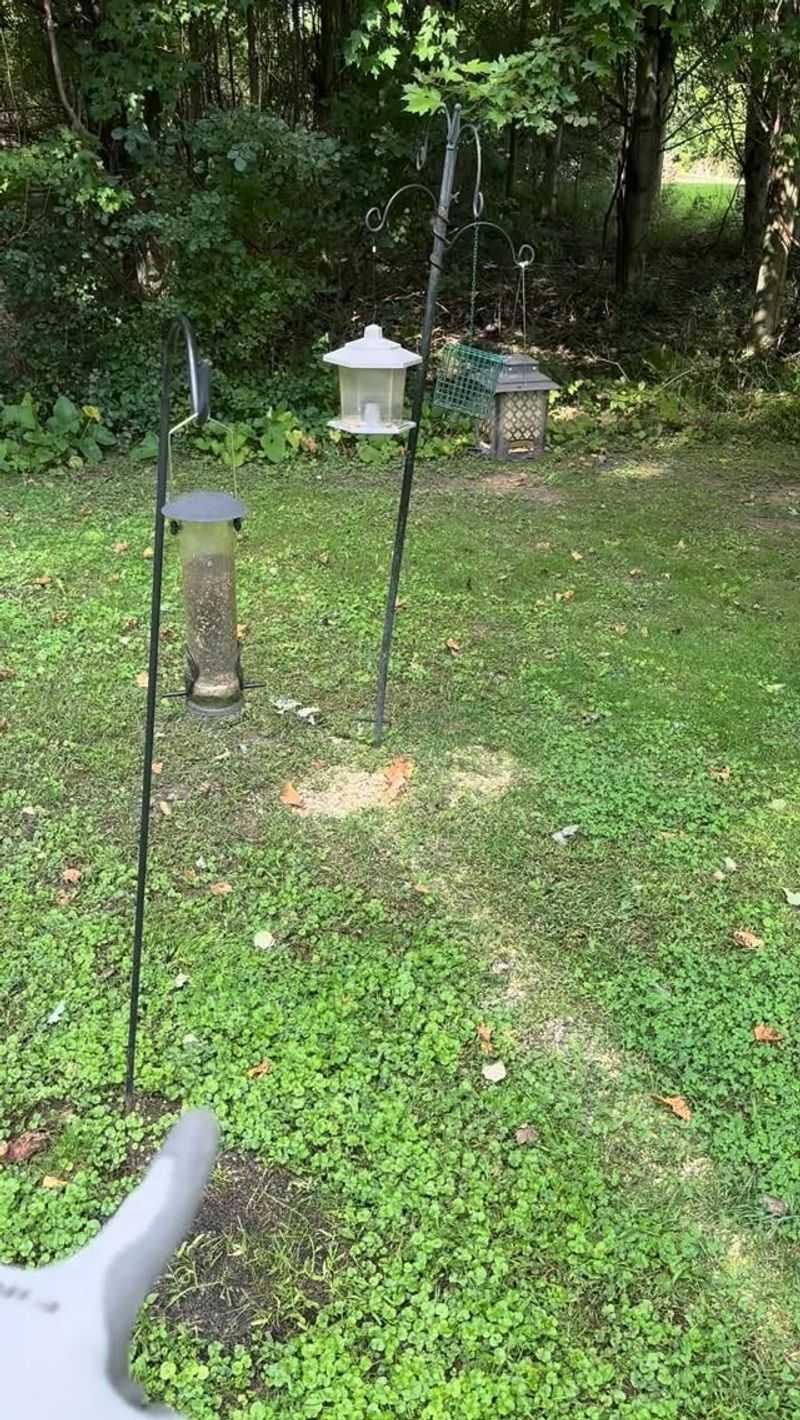
Birds are messy eaters, and they toss seeds like toddlers at dinner. That pile under your feeder can invite guests you never wanted.
Mice, rats, raccoons, and squirrels love free leftovers. White-tailed deer will also stroll over for a nightly snack.
Experts discourage spreading loose seed on decks, patios, or bare ground. Crowds of birds feeding in one dirty spot can spread germs quickly.
Some seed mixes make the mess much worse. Birds often flick away cracked corn and milo to reach the seeds they prefer.
Choose blends with little filler, or try hulled sunflower hearts. Birds eat nearly all of them, leaving far less waste behind.
Peanuts need care too. Unsalted, unsweetened peanuts thrill woodpeckers and jays, but squirrels and other mammals adore them equally.
Here is a detail many residents miss. Feeding deer is illegal statewide from September 1 through the first Saturday in January.
Some areas face year-round bans because of chronic wasting disease. Counties near confirmed cases have stricter rules, so check with wildlife officials.
A seed pile that attracts deer could create legal trouble. It also crowds deer together, which raises disease risk among herds.
A seed tray attached under the feeder catches most falling bits. Rake or sweep the ground every few days for best results.
Bringing in a little less food each day also helps. Offer only what birds can finish before dark, and nighttime visitors lose interest.
Clean Feeders Regularly To Prevent Disease
Would you eat off the same plate for months without washing it? Birds face that problem when feeders stay grimy.
Dirty feeders can spread illnesses fast among visiting flocks. Mycoplasma conjunctivitis and salmonellosis are two common culprits.
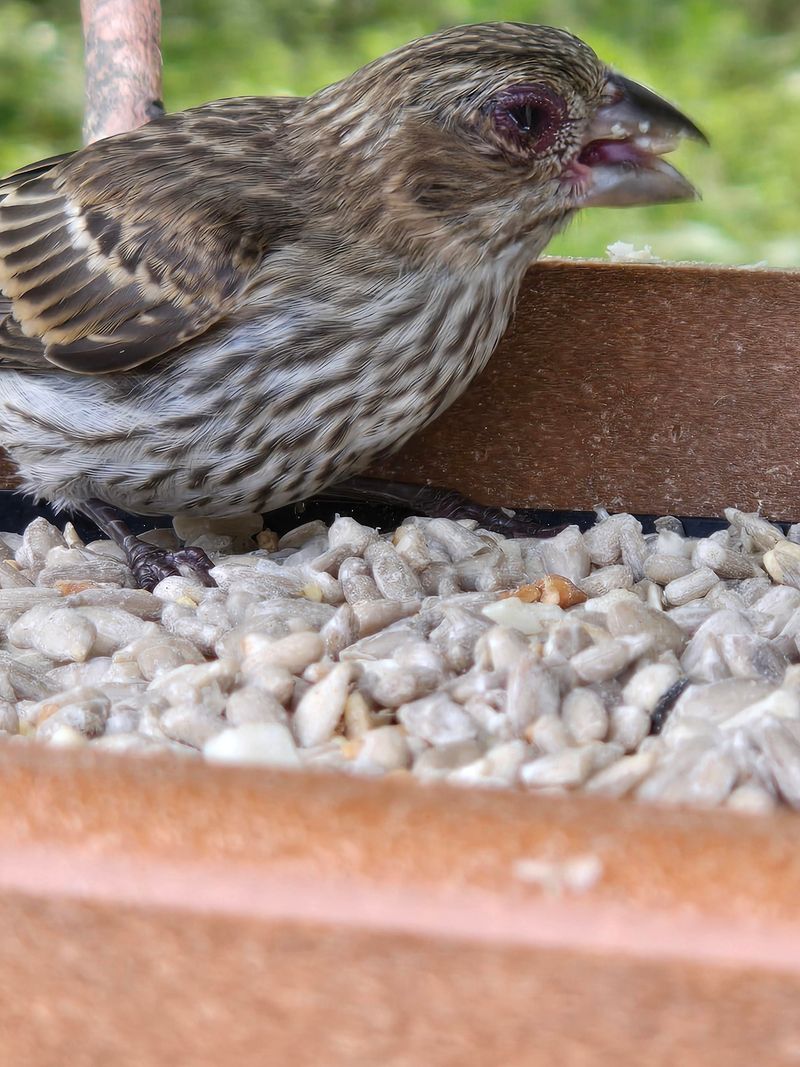
Conjunctivitis often hits house finches, causing red, swollen, crusty eyes. Salmonella can leave birds weak, fluffed up, and sluggish.
Virginia wildlife officials recommend cleaning feeders every two weeks. Busy seasons and damp weather call for more frequent scrubbing.
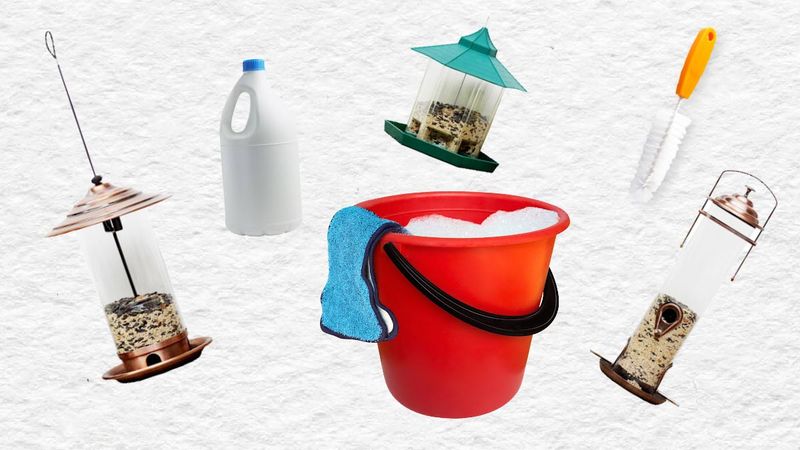
Start by taking the feeder fully apart. Old seed and droppings love to hide in corners and feeding ports.
Scrub every piece with hot, soapy water and a stiff bottle brush. Pipe cleaners work wonders on tiny holes.
Next, soak parts in a 10 percent bleach solution. Mix one part bleach with nine parts water for the right strength.
Rinse everything well so no bleach smell lingers. Then let each piece dry fully before adding fresh seed.
Wet seed grows mold, which can sicken birds too. Sunny afternoons make perfect drying weather.
Owning two feeders makes this chore easier. Hang a clean one while the other dries.
Birdbaths need attention as well. Dump and refill water every few days to stop algae and germs.
Wear gloves and wash your hands afterward. Some bird germs can affect people too.
Fun tip: set a phone reminder every other weekend. A tiny habit keeps your backyard flock healthier all season.
Take Feeders Down If Sick Birds Appear
Sometimes the kindest move feels backward. Pulling down a feeder can protect birds when illness shows up in your yard.
Watch for warning signs during your morning coffee. Puffy eyes, fluffed feathers, or birds that barely move are red flags.
Healthy birds stay alert and fly off when you approach. A sick bird may sit still on the feeder for long stretches.
Experts say to remove feeders right away if you notice these signs. Keep them down for at least two weeks.
Use that break to deep-clean every feeder and birdbath. Toss old seed rather than saving it.
Feeders pull birds close together, which helps germs jump between them. Taking feeders away lets flocks spread out naturally.
Virginia saw this play out in 2021. A mysterious illness affected many songbirds, especially young blue jays, grackles, and starlings.
State wildlife officials asked people in some areas to pause bird feeding. Many residents gladly stored feeders for weeks.
By mid-August, reports of sick birds dropped. Officials then lifted the recommendation, and feeders went back up.
That event showed how much backyard choices matter. Small actions in thousands of yards can help an entire region.
Should you find an ill or injured bird, avoid handling it barehanded. Contact a licensed wildlife rehabilitator for guidance.
Reporting unusual bird losses to wildlife officials also helps. Your report could reveal a larger problem early.
Once two healthy weeks pass, refill with fresh seed. Your flock will find its way back.
Winter Feeding Helps Birds Through Cold Snaps
A chickadee weighs about as much as four pennies. Surviving a frosty night takes serious fuel for such a small body.
Many experts call fall one of the most helpful times to feed birds. Birds are molting new feathers and storing energy for winter.
Growing fresh feathers burns lots of calories. Rich foods give birds the boost they need.
Black oil sunflower seeds top the list for most species. Their thin shells crack easily, and the fat content runs high.
Suet also delivers a big punch of energy. Woodpeckers, nuthatches, and wrens flock to it on chilly days.
Peanuts round out a strong winter menu. Offer them shelled and unsalted for jays, titmice, and woodpeckers.
Those fatty foods help birds build fat reserves. On frigid nights, small birds shiver to stay warm and use those reserves.
Cold snaps and ice storms can bury natural food quickly. A full feeder then becomes a real lifeline.
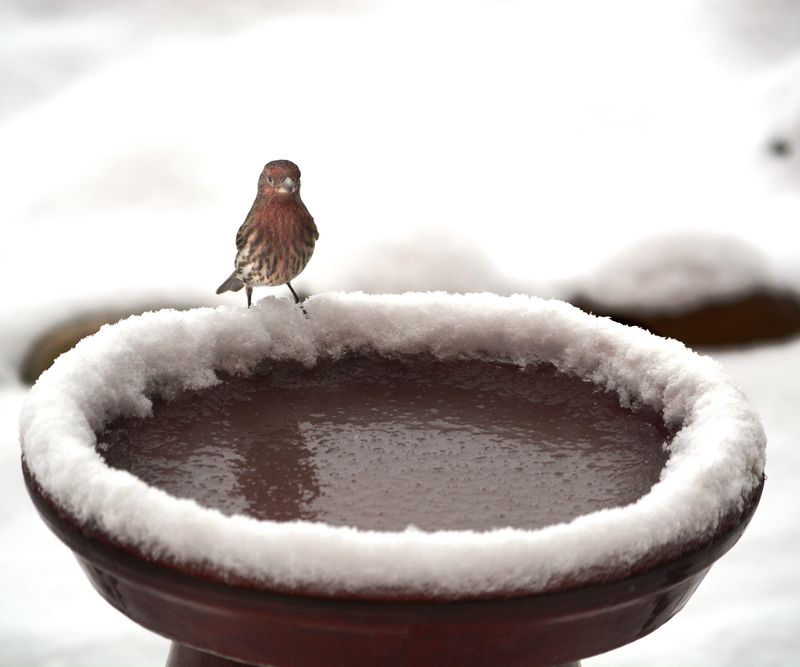
Water matters as much as food in winter. Frozen puddles leave birds searching hard for a drink.
A heated birdbath solves that problem nicely. If you lack one, refill a shallow dish with warm water each morning.
Fill feeders before storms arrive, not after. Birds often eat heavily ahead of bad weather.
Brush snow off feeding ports so seeds stay reachable. Your efforts may help a cardinal greet spring in style.
Native Plants Feed Birds Naturally
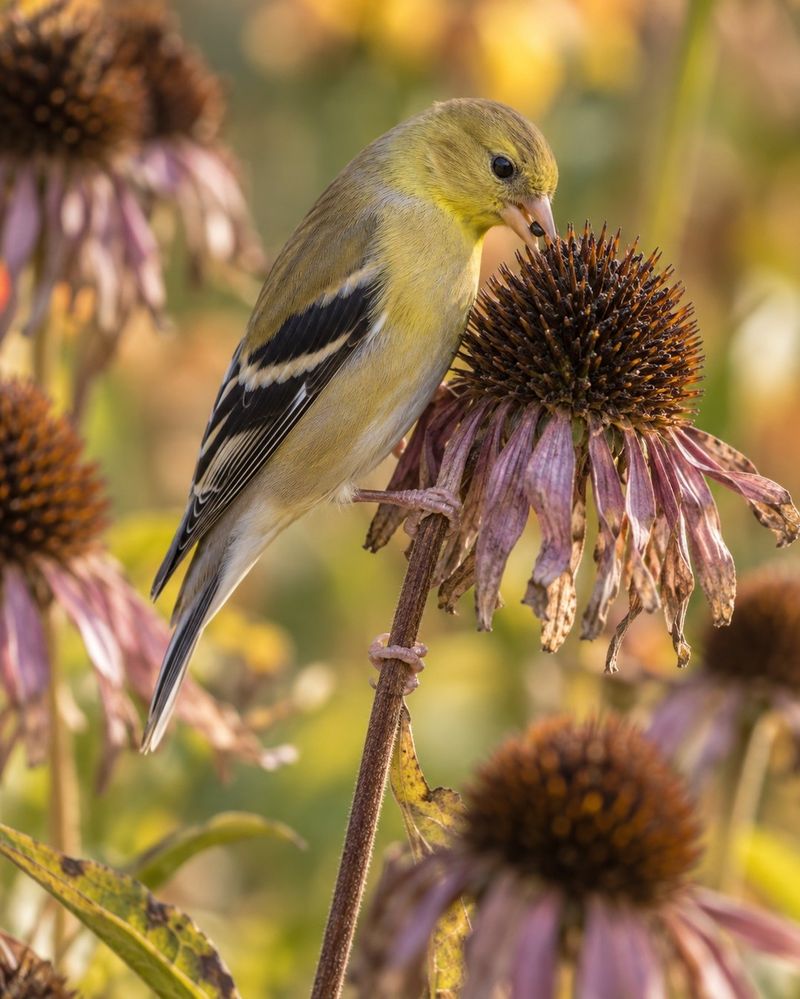
Imagine a feeder that refills itself every year with zero effort. Native plants work exactly like that for Virginia birds.
Feeders help, but natural habitat does the heavy lifting. Native trees, shrubs, and flowers offer food across every season.
Plants also feed insects, which matter more than many people realize. About 96 percent of North American land birds raise their babies on insects.
Oak trees are true superstars here. They host hundreds of caterpillar species that hungry chicks gobble down.
Berry shrubs provide fall and winter snacks. Try winterberry holly, serviceberry, dogwood, or American beautyberry.
Beautyberry bursts with bright purple clusters. Mockingbirds and robins happily strip them clean.
Flowers can be bird feeders too. Leave coneflowers, black-eyed Susans, and sunflowers standing after they fade.
Goldfinches cling to drooping seed heads and pluck out tasty treats. Skipping fall cleanup gives birds a natural buffet.
Leaf piles shelter insects and spiders as well. Towhees and thrushes love scratching through them for bugs.
A native garden keeps birds visiting even without feeders. That makes it a smart backup in bear country.
Start small if a big project feels overwhelming. Swapping one patch of lawn for native plants makes a difference.
Local groups like the Virginia Native Plant Society share plant lists for every region. Many hold fall plant sales, too.
Fall is an excellent planting season. Cooler air and steady rain help roots settle before spring.
Bring Feeders In At Night If Bears Visit
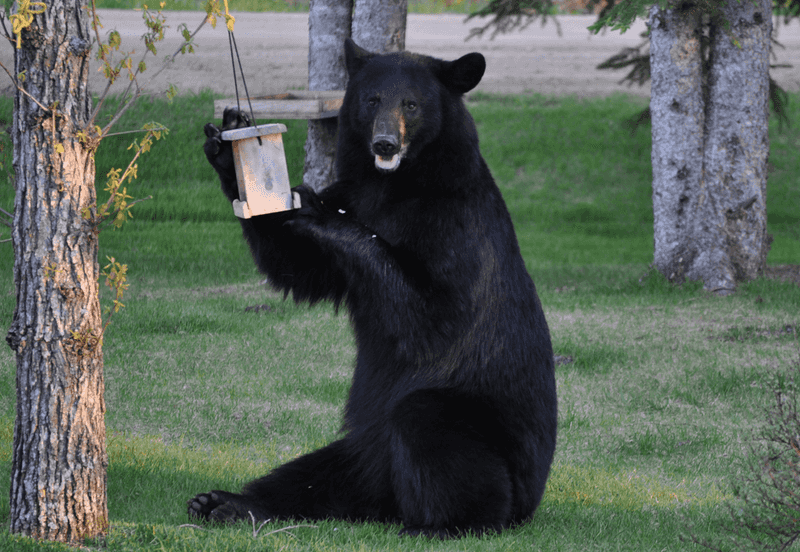
Bringing feeders inside each evening sounds like a clever fix. Bears, however, are smarter and sniffier than most people expect.
A black bear can smell food from more than a mile away. Even a few scattered seeds may keep one poking around.
Nightly removal helps somewhat, since bears often roam after dark. Still, spilled seed on the ground can draw them in.
After any bear sighting, take feeders down promptly. Rake up leftover seed and hulls that same day.
Wipe sticky suet residue from poles and railings too. Lingering smells act like an open invitation.
Store seed bags in a locked shed or garage. A flimsy bin on the porch will not stop a curious bear.
In active bear areas, full removal for a while works best. Experts suggest waiting at least two weeks before rehanging feeders.
That break nudges bears back toward acorns, berries, and other wild foods. A bear that finds nothing tends to move on.
Bear-resistant feeder poles help in some yards. Mount feeders at least ten feet high and four feet from trees.
Neighbors play a big role as well. One yard full of snacks can keep a bear hanging around the whole street.
Many communities share bear sightings through local groups. Staying informed helps you choose safer times for feeding.
With smart habits, birds and bears can both stay wild. Your backyard remains a peaceful place for everyone.