What To Do With Your Pumpkins After Halloween In A California Garden
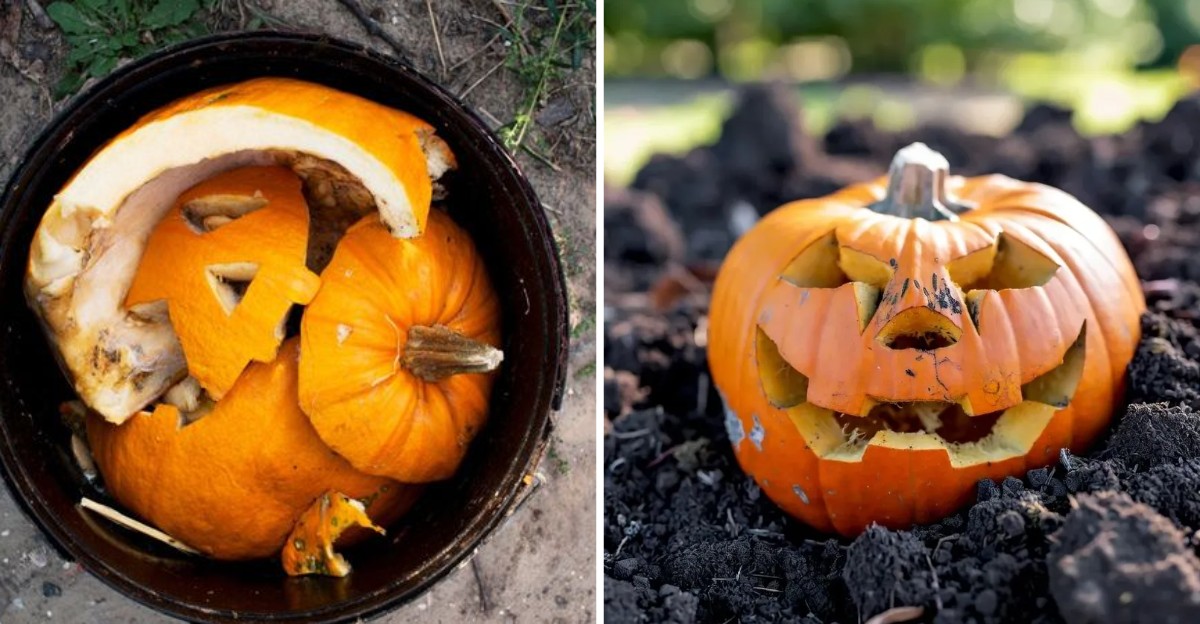
Since 2022, California law has asked most homes to keep food scraps, including old porch decorations, out of the regular trash. Food that rots in landfills releases methane, so many cities now send green bin scraps to compost or energy plants.
Near Half Moon Bay, farms grow giant orange squash that can weigh well over a thousand pounds each October. Even the biggest ones break down into rich soil when you chop them up and mix them into compost.
I love that one fruit holds hundreds of seeds, and many sprout next spring if left behind. You need to decide whether you want surprise vines popping up between your tomatoes and peppers next May.
Your porch display probably looks soft and spotted by now, with a few fruit flies circling the stem. I believe that tired, slumping shape is the start of something useful, so why toss it in the trash?
1. Your Compost Pile Is Hungry For Orange Chunks
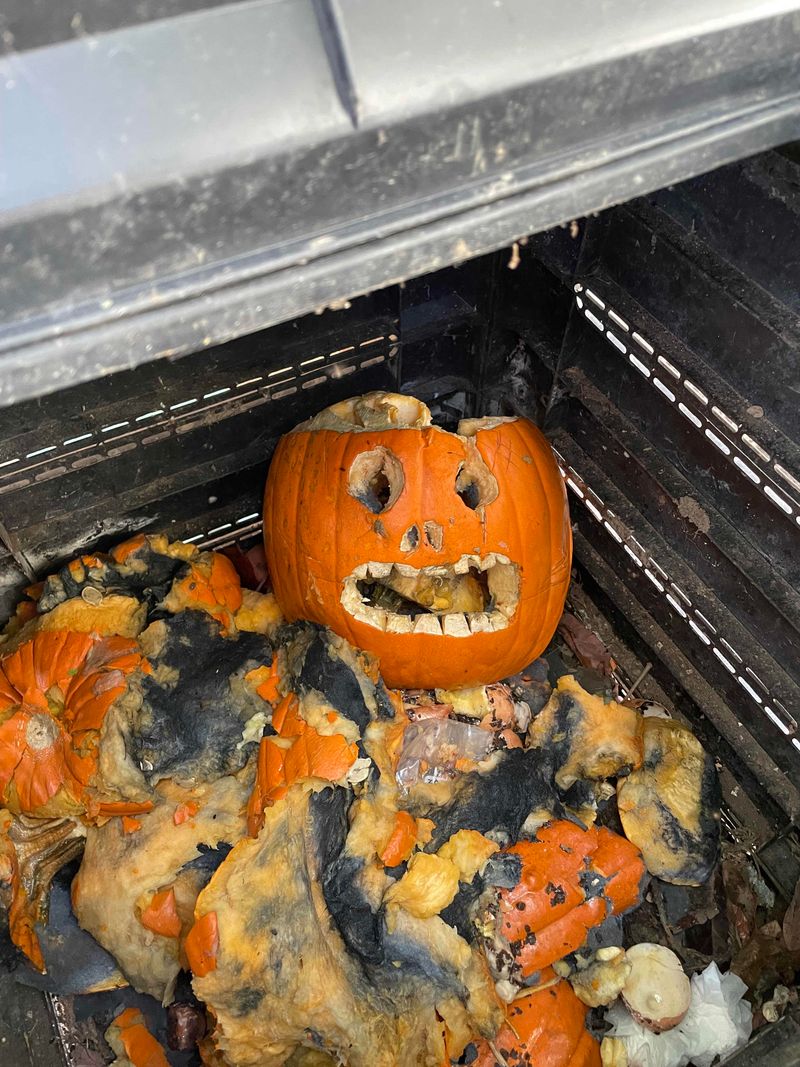
Pumpkins are about ninety percent water, which makes them one of the easiest things you can add to compost. University of California Master Gardeners often suggest composting holiday pumpkins instead of sending them to the landfill this month.
California falls are mostly mild, so compost piles in many valleys and coastal towns stay active well into November. Warm soil and steady microbes help orange flesh soften into dark, crumbly material much faster than in snowy states.
Your pile needs a balance of wet green material and dry brown material to work well for months ahead. Pumpkin counts as green, so pair each chunk with dry leaves, straw, or shredded cardboard from your recycling bin.
A common rule from extension services is roughly two or three parts brown to one part green by volume. Too much pumpkin without enough brown material can turn the pile slimy, smelly, and attractive to flies.
Turning the pile every week or two adds oxygen, which helps the helpful bacteria keep breaking things down steadily. In fall, fallen sycamore, oak, and liquidambar leaves give California gardeners a free supply of brown material nearby.
Finished compost from your pumpkins can be ready by late spring, just in time for summer vegetable planting season. Spread it around tomatoes, peppers, or even next year’s pumpkin patch to return nutrients back into your garden soil.
I like knowing that a porch decoration from October can help feed my garden beds the following year. Pumpkins that already show mold are still fine for compost, though diseased vines are better left out of cool piles.
2. Peel Away The Candle Wax Before Anything Else
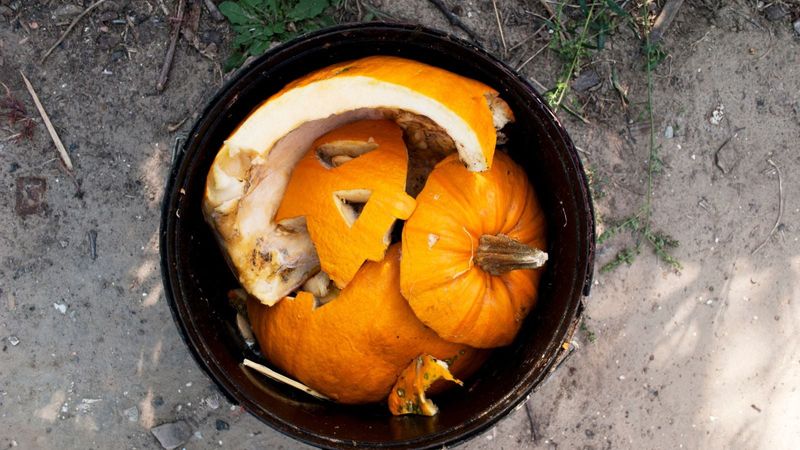
Last year I tossed a carved jack-o’-lantern in my bin and later found a lump of wax waiting. Wax, glitter, paint, and plastic do not break down in compost, so they need to come off first.
Painted pumpkins are tricky, because many craft paints contain plastics or metals that you should keep away from soil. If a pumpkin is heavily painted or covered in glue and glitter, the trash is often the safer choice.
Your California Garden Changes Every Week. Your Plan Should Too.
Gardening in California changes quickly throughout the season. Every Friday you’ll receive a simple weekly plan showing exactly what to plant, prune, fertilize, harvest, and protect so you never miss the right timing.
Carved pumpkins treated with bleach sprays or preservatives should also stay out of your compost or garden beds. Those chemicals can harm earthworms and the tiny soil life that turns scraps into healthy, rich garden compost.
Start by scraping out leftover wax with a spoon and pulling off any stickers, pins, or plastic stems. Battery tea lights and LED strings also hide inside sometimes, so check each pumpkin carefully before chopping it up.
Plain carved pumpkins with only candle soot on the inside are generally fine to compost after a quick cleanup. A little black soot from a cotton wick is mostly carbon, and it usually causes little trouble in compost.
Keep a small bucket nearby while you clean, so wax and trash stay separate from the parts you compost. Kids can help with this step, and it turns cleanup into a quick lesson about what belongs in soil.
Taking five extra minutes now keeps tiny plastic bits from showing up in your vegetable beds next spring and summer. Your future tomatoes will grow in cleaner soil, without any glitter sparkling up from the dirt.
3. Grab A Shovel For Some Quick Chopping
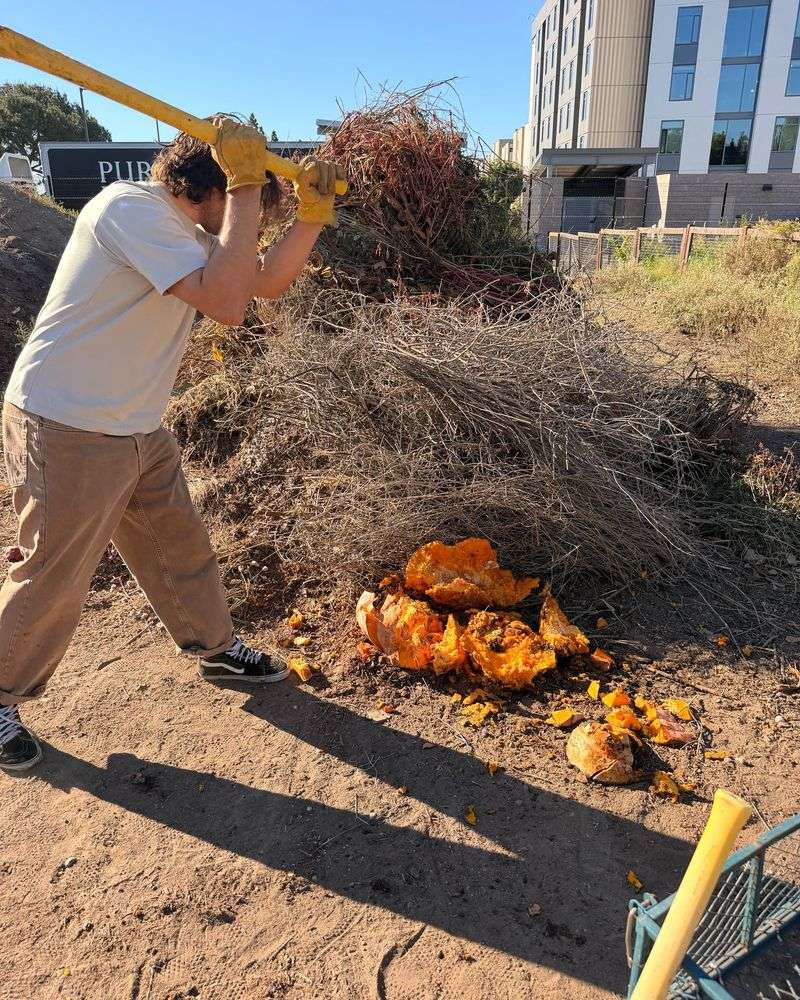
Whole pumpkins are surprisingly tough, with thick rinds that can sit for months before microbes finally break through them. Smashing or chopping them into small pieces gives bacteria and fungi far more surface area to start working on.
A flat garden shovel works great for this job, and many families make a fun event out of it. Some community gardens in California even hold pumpkin smash days in early November to collect everyone’s old pumpkins.
Aim for chunks about the size of your fist, since smaller pieces break down faster than big wedges. Stomping on them in sturdy boots works too, though it can get slippery on a patio or driveway.
Scoop out the seeds first if you want to save or roast them, because chopping scatters them everywhere. Seeds left in compost often survive cool piles and pop up as surprise vines wherever you spread the finished material.
A hot compost pile that reaches around 130 to 160 degrees Fahrenheit can stop many seeds from sprouting later. Most home piles stay cooler than that, so expect a few volunteer seedlings and simply pull the ones you dislike.
Wear gloves while chopping, because rotting pumpkin goo is slippery and sometimes carries mold spores too. People with mold allergies may want to work outside on a breezy afternoon and wash their hands well afterward.
Once everything is chopped, mix the pieces into the pile right away so fruit flies have less to explore. A layer of dry leaves on top hides the chunks and keeps the smell low while nature works.
4. Bury The Pieces Right In Your Empty Beds
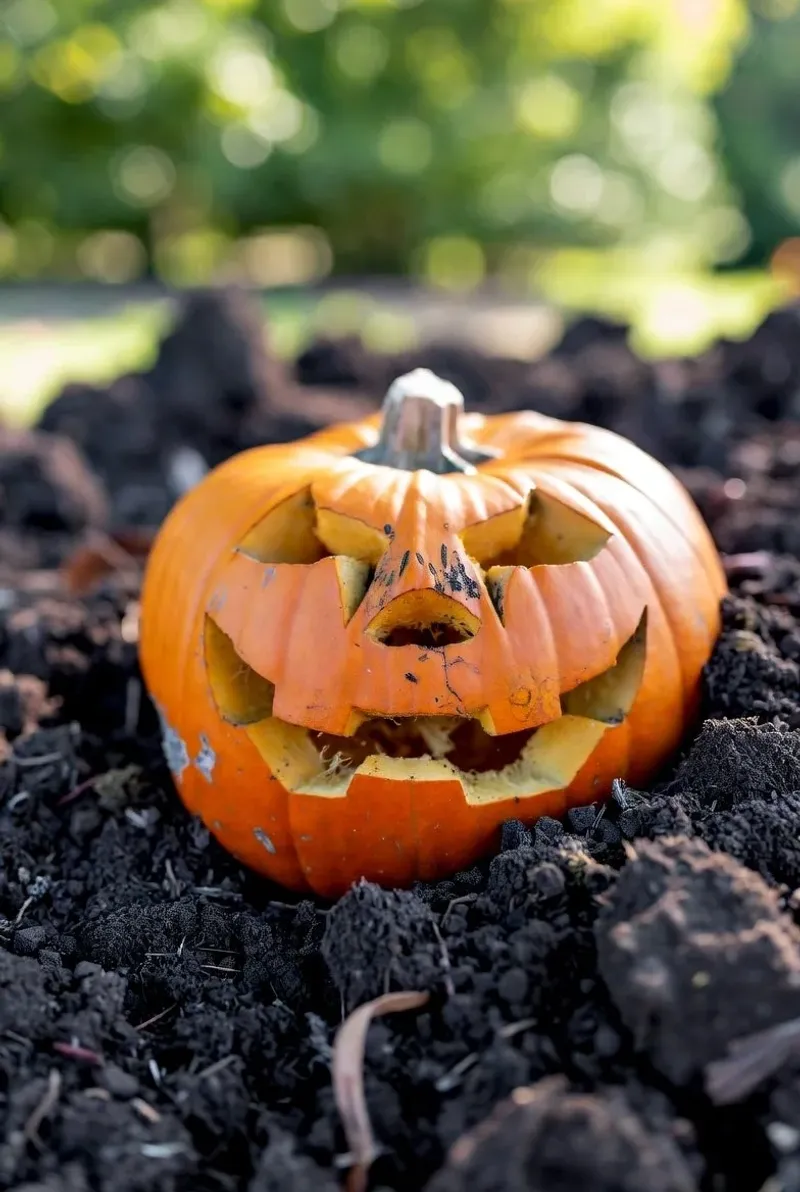
Not everyone has room for a compost bin, so an old method called trench composting helps. You dig a trench in an empty bed, drop in pumpkin pieces, and cover them with soil.
Many extension services recommend burying scraps at least eight to twelve inches deep to discourage digging animals and smells. Deeper burial also hides the food from raccoons, opossums, and neighborhood dogs that roam California backyards at night.
Fall is a smart time for this in California, since many summer vegetable beds sit empty after harvest. Rain usually returns between November and March in much of the state, and moisture helps buried pumpkin break down.
By spring, the pumpkin has mostly turned into soil, ready for new plants to send roots into. Earthworms are drawn to buried food scraps, and their tunnels help water and air move deeper into the ground.
Choose a bed you will not plant for at least a couple of months, so the decay can finish first. Decaying scraps can crowd and stress young roots, so seedlings planted directly on top may struggle at first.
Mark the spot with a stake or a stone, because it is easy to forget where you buried things. I once dug into an old trench by accident and found worms everywhere, which honestly made my whole afternoon.
Rotating your trenches across different beds each year spreads the benefits around the garden instead of one single spot. Over a few seasons, your whole yard gains richer, darker soil from this simple and nearly free habit.
5. Your Green Bin Can Handle The Leftovers
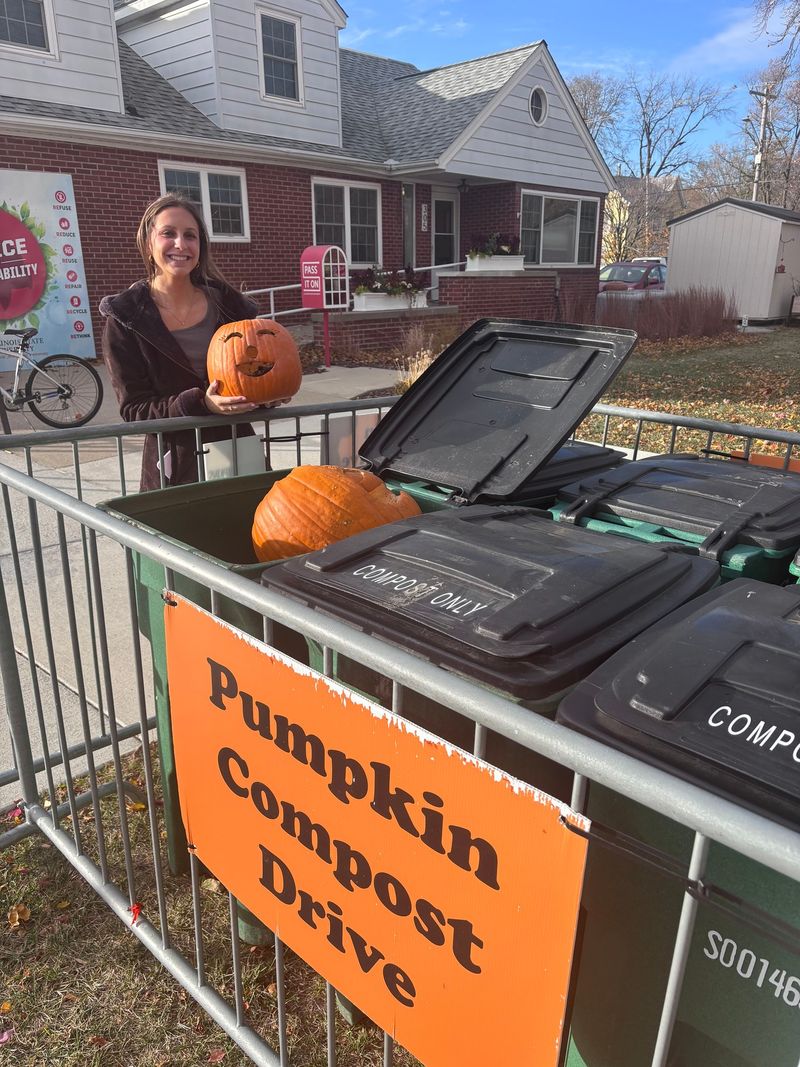
Since January 2022, a California law called SB 1383 has required cities to offer organic waste collection to residents. That means most households can drop old pumpkins into the green yard waste bin instead of the regular trash.
Rules vary by city, so check your local hauler’s website to see whether food scraps belong in green bins. Some areas ask you to remove candles and decorations, while others also accept pumpkins at special drop-off sites.
Pumpkins in landfills rot without oxygen and release methane, a gas that traps far more heat than carbon dioxide. State agencies like CalRecycle say organic waste is one of the largest sources of methane coming from landfills.
Material from green bins often goes to large composting sites or digesters that turn food waste into renewable energy. Some cities then give finished compost back to residents for free, often at yards or events each spring.
This option works well for renters, apartment dwellers, or anyone whose garden is too small for a compost pile. It also helps when a pumpkin has heavy mold or paint you would rather keep out of beds.
Big pumpkins can be heavy, so cut them into halves or quarters before tossing them in the bin. That keeps the lid closing properly and helps the truck tip everything out cleanly on collection day each week.
I like checking my city’s free compost pickup dates, because it feels like getting my pumpkin back as soil. It is a small, easy step that connects your October porch to gardens across your whole neighborhood and town.
6. Tuck Away A Few Seeds For Spring Planting
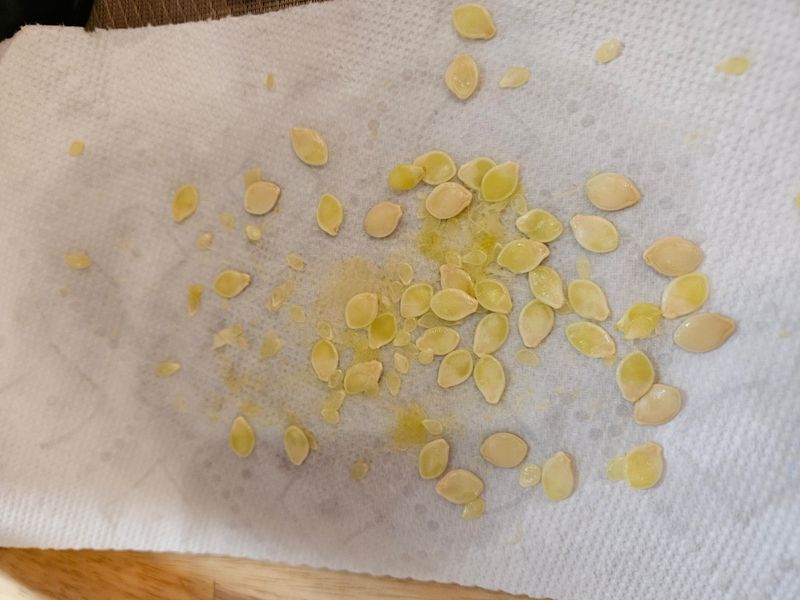
Did you know that a pumpkin from the store might not grow the same kind of pumpkin next year? Many pumpkins sold in October are hybrids, and their seeds often produce plants that look different from the parent.
Pumpkins also cross-pollinate easily with other squash in the same species, which can lead to some odd shaped surprises. Heirloom types such as Connecticut Field or Small Sugar are open-pollinated, so their seeds are more likely to match.
To save seeds, scoop them out, rinse off the stringy pulp, and spread them on a paper towel. Let them dry indoors in a cool, airy spot for two to three weeks, turning them occasionally.
Store dry seeds in a paper envelope or glass jar in a cool, dark cabinet until spring. Label the envelope with the variety and the year, since seeds can stay viable for several years if stored well.
In most of California, pumpkin seeds go into warm soil from late April through June, after frost risk passes. Soil temperatures around 70 degrees help seeds sprout quickly, and young plants need full sun and plenty of space.
Carved pumpkins left on a porch for weeks often have moldy seeds, so pick fresh fruit for seed saving instead. Seeds that feel soft, slimy, or discolored are unlikely to sprout and are better added to your compost pile.
Planting saved seeds is a little like opening a gift, because you rarely know exactly what will grow. Kids especially love watching for the first round leaves to push up through the soil in late spring.
7. Uncarved Pumpkins Can Still Land On Your Dinner Table
My grandmother roasted every uncarved porch pumpkin she could find, and her November soups tasted like a warm hug. Uncarved pumpkins can often be eaten if they stayed firm, cool, and free of soft spots or mold.
Carved pumpkins are a different story, because the open flesh picks up bacteria, dust, and mold within days. Food safety experts at many extension services advise against eating jack-o’-lanterns that sat outside for days after carving.
Large carving pumpkins are edible, but their flesh is stringy and watery compared to smaller pie pumpkins grown for cooking. Sugar Pie and Long Island Cheese pumpkins have sweeter, smoother flesh that works well for baking and soups.
Wash the outside well, cut it open, and check that the inside smells fresh and looks bright orange. Roast halves at around 375 degrees until a fork slides in easily, then scoop and mash the soft flesh.
Cooked pumpkin freezes well for several months, so you can portion it into bags for muffins or pancakes later. Extension food safety guides recommend freezing or refrigerating pumpkin puree rather than canning it at home.
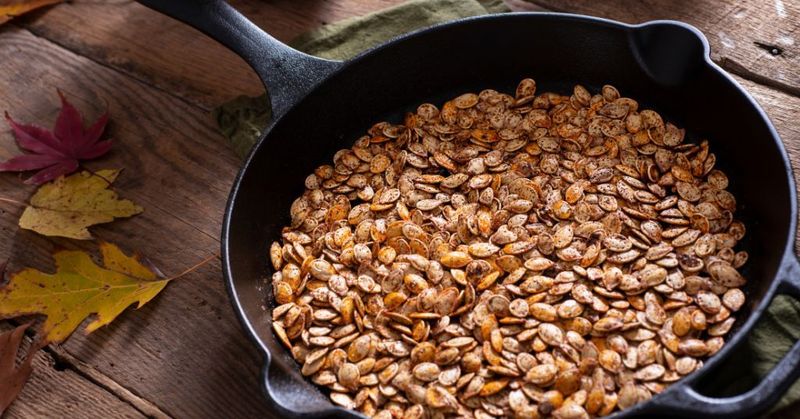
Seeds from any fresh pumpkin can be rinsed, tossed with oil and salt, and roasted into a crunchy snack. Bake them at about 300 degrees for roughly forty-five minutes, stirring occasionally until they turn golden brown.
Painted, sprayed, or waxed pumpkins should stay out of the kitchen, even if they look perfectly firm outside. When in doubt, send questionable pumpkins to compost and save your cooking for fruit you feel confident about.
8. Keep Hungry Critters From Turning Your Yard Into A Snack Bar
Leaving a pumpkin out for deer might sound kind, but wildlife experts usually ask people to skip it. The California Department of Fish and Wildlife discourages feeding wild animals, since it can change their natural behavior.
Food piles can draw deer, raccoons, and rats close to homes, which raises the chance of conflicts and spreading disease. Some areas of the state also have bears, and any easy food source near a house can attract them.
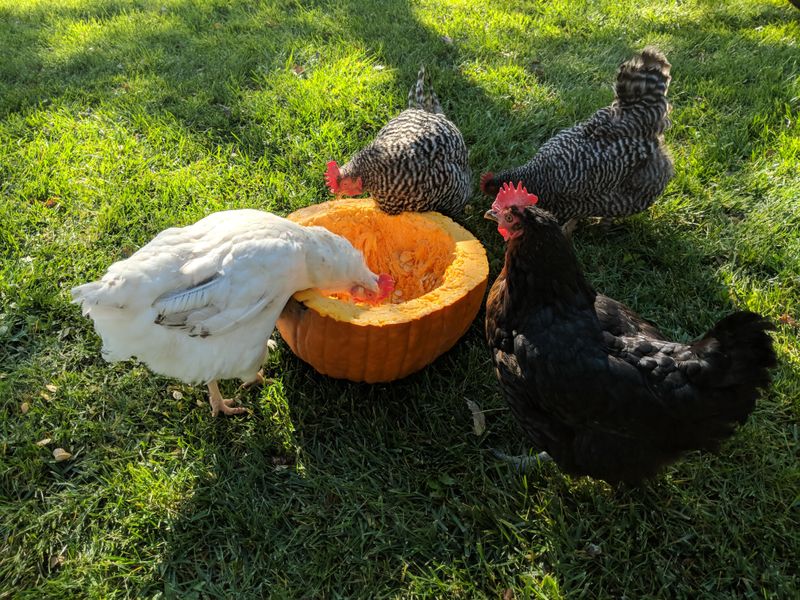
Backyard chickens are a different matter, and many flocks happily peck at fresh pumpkin as an occasional treat. Offer small amounts of clean, unpainted, mold-free pumpkin, and remove leftovers within a day to avoid attracting rodents.
Moldy pumpkin should stay away from chickens, because some molds produce toxins that can make birds sick. Goats and pigs may enjoy pumpkin too, but check with a vet before adding new foods to their diets.
If you compost, a closed bin with a lid or a buried trench keeps curious animals from raiding your scraps. Hardware cloth under an open pile is another simple barrier that blocks rats from tunneling up from below.
A mild California fall means animals stay active, so quick cleanup of porch pumpkins makes a real difference. Move soft pumpkins off steps and walkways before they collapse, since rotting fruit draws fruit flies and ants fast.
I like to finish every November with clean steps, a busy compost bin, and a jar of saved seeds. Next October, you will be ready to enjoy pumpkins again, knowing exactly where every leftover piece will go.