The Defensible Space Checklist Every California Homeowner Should Finish Before Wind Season
Wind season in California has a way of sneaking up on you. One day the air is calm, and the next there is a warm, dry breeze rattling through the hills and sending leaves scooting across the driveway like they are late for something.
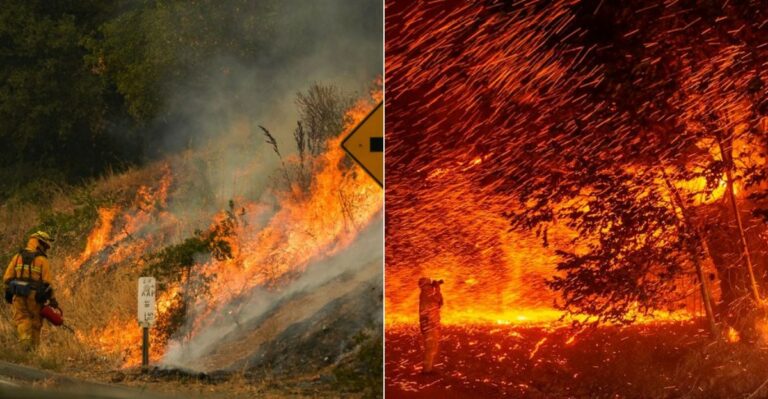
Most of us shrug it off and keep sipping our coffee. Fire officials, on the other hand, know that same breeze can carry glowing embers a mile or more ahead of a fire.
The encouraging part is that a few focused weekends of yard work can improve your home’s chances in a meaningful way. Firefighters even have a name for the protective zone you build around your house.
Gloves on, rake ready, and maybe bribe a friend with a truck. Let’s get started.
1. Clear The First Five Feet Around Your Home

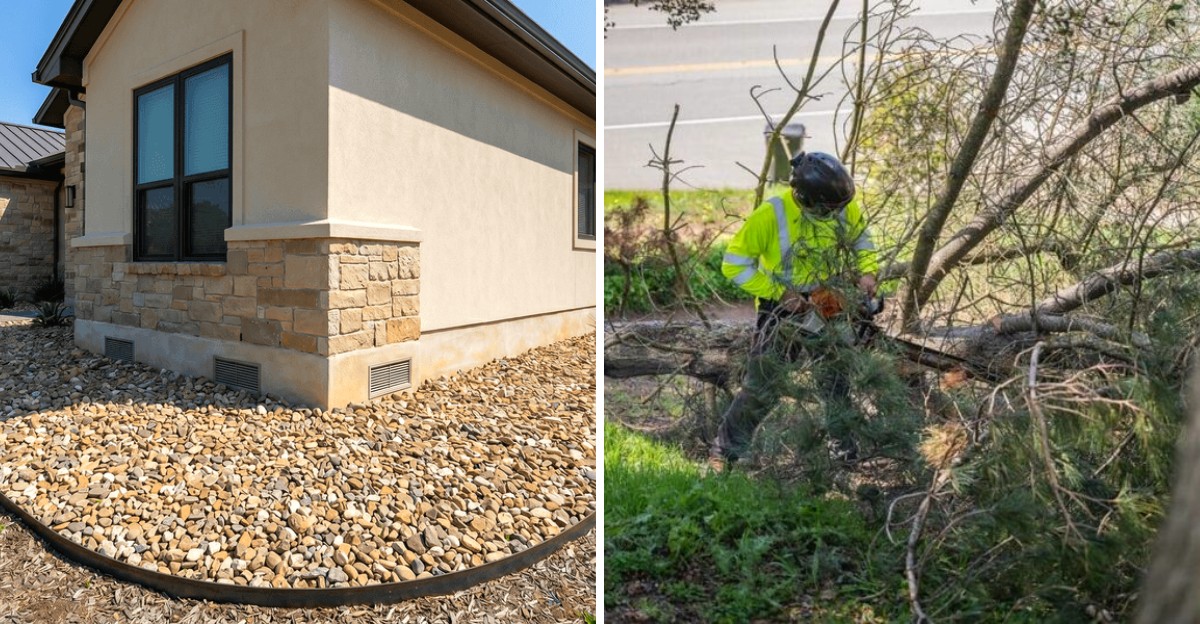
Firefighters call it the ember-resistant zone, and it might be the most important strip of dirt you own. Studies after recent California fires found that many homes caught fire from embers landing right next to the walls.
Start by pulling out wood chip mulch, dry shrubs, and anything that burns within five feet of your house. Swap that bark for gravel, pavers, decomposed granite, or bare soil.
Low, well-watered plants like small succulents can stay, but keep them spaced apart.
Next, look for hidden fuel. Doormats made of coir, stacks of cardboard boxes, plastic trash bins, and wicker chairs all count.
Move those items away or store them inside the garage when winds pick up.
Wooden fences that touch the house act like a fuse leading straight to your walls. Replace the last five feet of fence with metal or masonry if you can.
Even a short metal gate section makes a real difference.
California has been developing new Zone 0 rules for high-risk areas, and the timeline and final requirements have shifted along the way. Check the current status with CAL FIRE or the Board of Forestry, and use this step as a head start either way.
Walk around your home slowly with a notepad and write down every item that could catch a spark.
You may be surprised how much stuff collects in that narrow band over a single summer.
2. Scrub Out Your Roof And Rain Gutters
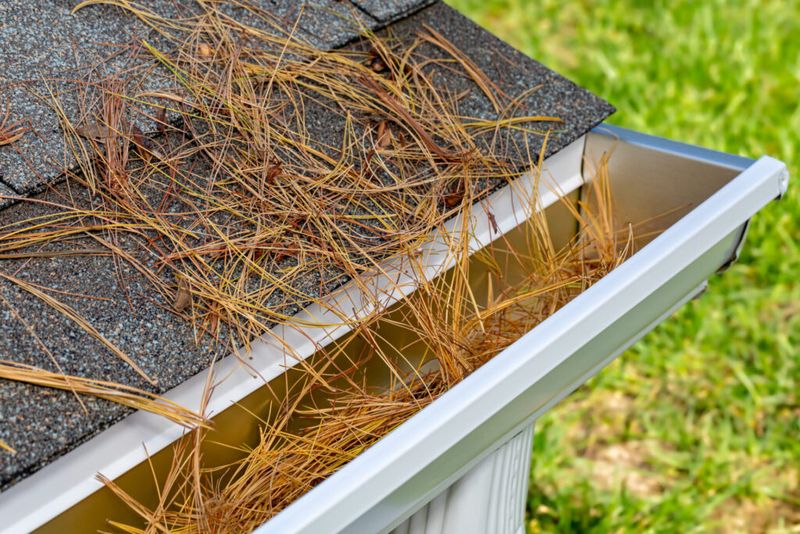
Ask any veteran firefighter where homes ignite, and the roof usually comes up fast. Pine needles and oak leaves pile up in gutters like a ready-made campfire waiting for one stray ember.
Plan to clean your gutters at least twice before fall, since trees keep dropping debris through late summer. Use a sturdy ladder, gloves, and a small plastic scoop.
A leaf blower can help on flat sections, but stay safe and have someone hold the ladder.
Check the roof valleys too, where two slopes meet. Leaves love to collect there and stay hidden from the ground.
Tile roofs can trap debris under the curved edges, so peek beneath them with a flashlight.
Many California homeowners install metal gutter guards to cut down on cleanup. Pick noncombustible metal versions rather than plastic ones, which can melt and drop burning pieces.
Your California Garden Changes Every Week. Your Plan Should Too.
Gardening in California changes quickly throughout the season. Every Friday you’ll receive a simple weekly plan showing exactly what to plant, prune, fertilize, harvest, and protect so you never miss the right timing.
Guards still need a quick brush now and then.
While you are up there, look for loose shingles, cracked tiles, or gaps along the edges. Embers can slip into small openings and reach the wood underneath.
A roofer can seal those spots with bird stops or metal flashing for a fairly small cost.
Set a reminder on your phone for September and again in October. Those dates line up nicely with the start of the strongest offshore winds.
3. Cover Every Vent On Your House With Fine Mesh
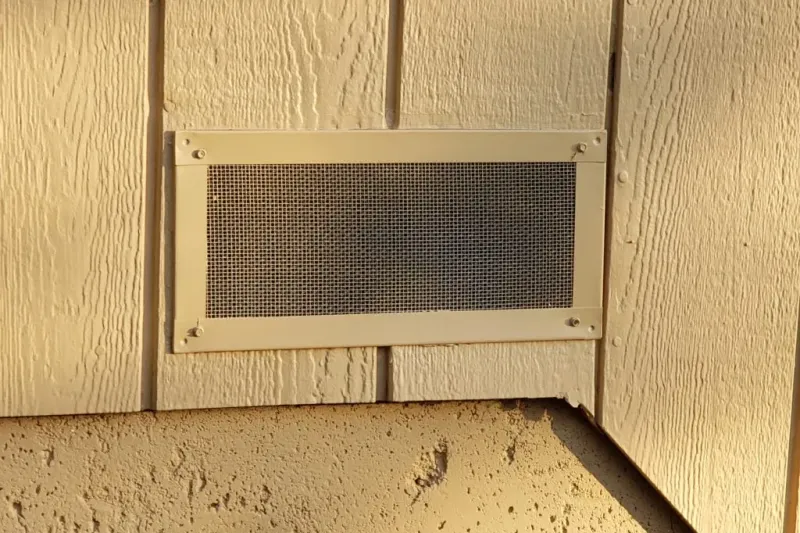
Tiny openings cause big trouble. During wind-driven fires, embers can get sucked through attic and crawlspace vents and land on dusty insulation inside your home.
Walk around the outside of the house and count every vent you can find. Look under the eaves, along the foundation, on gable ends near the roofline, and at dryer exhaust points.
Many older homes have screens with holes large enough for a pencil to pass through.
California building code for fire zones calls for metal mesh no larger than one-eighth inch. Some experts now suggest one-sixteenth inch for even better protection.
Hardware stores sell rolls of stainless or galvanized mesh that you can cut with tin snips and attach with screws or staples.
Another option is buying ready-made ember-resistant vents. They cost more but are designed to block sparks while still letting air move, which helps keep your attic from getting moldy.
Here is an optional idea some homeowners use. They keep pre-cut pieces of plywood or metal sheet labeled for each vent in the garage, so they can cover vents quickly if a warning comes.
This is a homeowner tip rather than official CAL FIRE guidance, and it should not delay your evacuation in any way. If time is short, leaving early is the priority.
Do not forget the chimney. A spark arrester cap with half-inch mesh stops embers from flying out of your own fireplace and helps keep outside sparks from dropping in.
It is a cheap and simple fix that pays off.
4. Trim Trees Away From Your Roofline
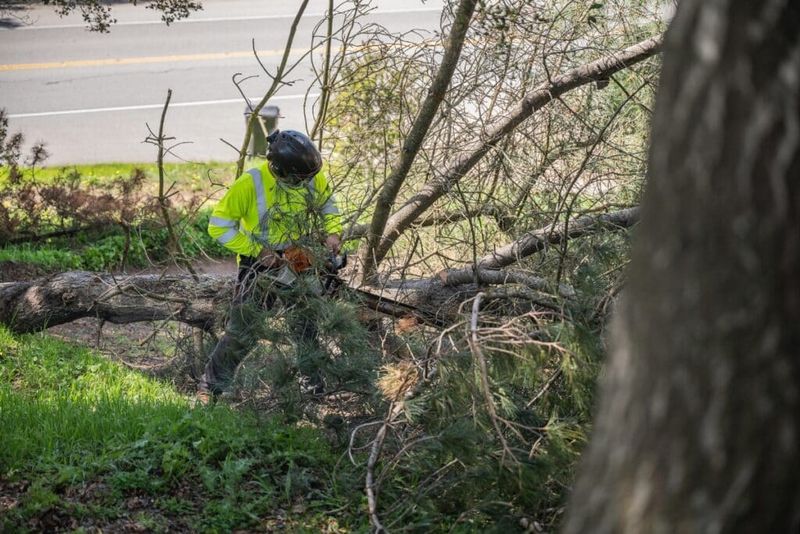
Branches hanging over your roof look charming in a photo. In a windstorm, they become a bridge that carries flames right onto your shingles and drops leaves into gutters all year.
Cal Fire recommends keeping branches at least ten feet away from your chimney and trimming any limbs that hang over the roof. Give trees some breathing room from each other as well, so fire cannot jump easily from crown to crown.
Look at the lower branches too. Fire experts suggest limbing up trees about six feet from the ground, or roughly one-third of the tree height for smaller trees.
Grass fires can climb low branches like a ladder, which is why people call these ladder fuels.
Small branches are a fine weekend project with a pole saw. Larger limbs near power lines or over the house belong to a certified arborist.
The cost is worth it compared to a damaged roof or an injury.
Timing matters in California. Some birds nest in spring, so late summer and early fall are often better for heavy pruning.
Check local rules too, since certain cities protect native oaks and require a permit.
Once trimming is done, haul away or chip the cuttings right away. A pile of fresh branches dries out quickly and turns into perfect fuel.
5. Mow Dry Grass Across Your Yard To Four Inches
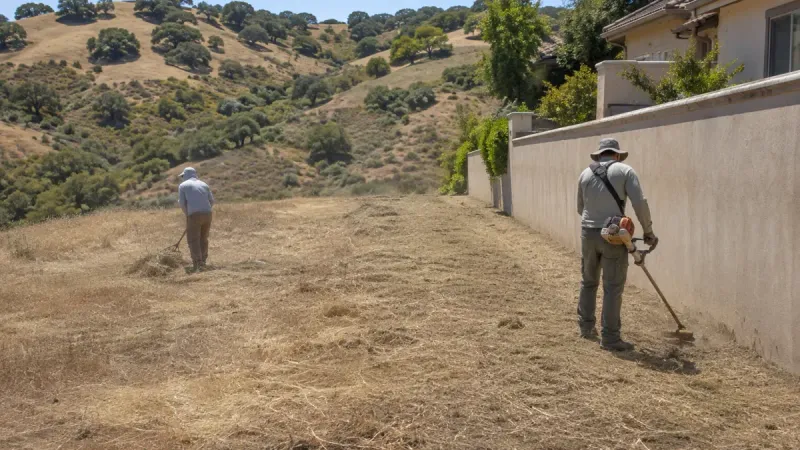
Golden hills are one of the most famous sights in the state. Up close, that tall dry grass burns fast and hot, especially when pushed by strong wind.
Cal Fire guidelines say annual grasses within 100 feet of your home should be cut to four inches or shorter. That zone gives firefighters space to work and slows flames before they reach your walls.
Timing is the tricky part. Mow early in the morning when the air is cooler and damp, and finish before ten a.m.
Metal blades striking rocks can throw sparks, so string trimmers are often a safer choice on rocky ground.
Keep a hose or fire extinguisher close while you work. Many California fires each year start from mowers and other equipment, and a quick spray can stop a tiny flame from growing.
Rake the clippings and bag them, or spread them thin so they do not form a thick mat. Large piles of dry cuttings can be just as risky as standing grass.
If your property sits on a steep slope, flames move uphill much faster. You may want to extend your mowed area farther downhill.
Goats are a popular choice in some neighborhoods for big, rough lots, and they are honestly pretty fun to watch.
6. Relocate Firewood And Clutter Around Your Property
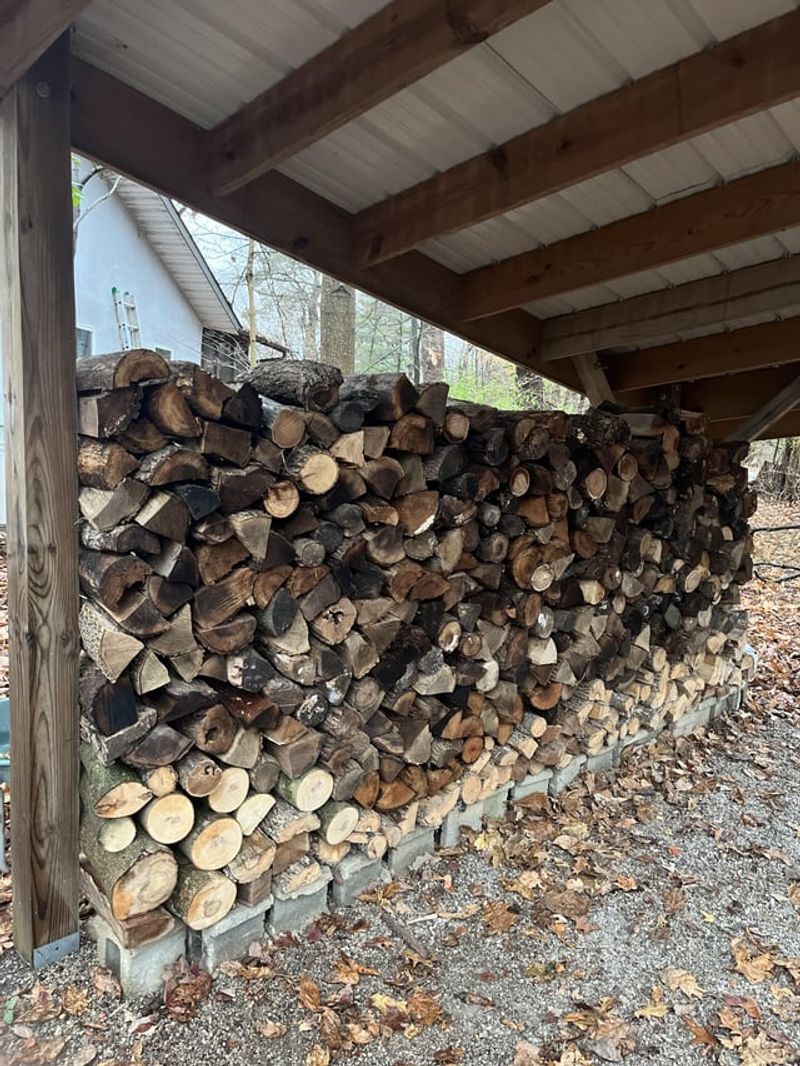
Cozy winter fires are lovely, but a firewood stack against the garage wall is a gift to embers. Wood piles hold heat, catch sparks easily, and burn for hours.
Move firewood and lumber at least 30 feet from your home and any wooden deck. Clear a ten-foot space of bare ground around the pile so grass cannot carry flames to it.
If moving it is tough, store wood in a metal shed or covered metal container until the rainy season.
Now take a hard look at everything else outside. Old patio furniture, propane tanks, kids’ plastic toys, bags of potting soil, and tarps all burn.
Many of us have a forgotten corner behind the shed that holds years of stuff.
California fire inspectors often point to under-deck storage as a big problem. Embers blow under decks and land on cushions, paint cans, or boxes.
Clear that area and consider enclosing the space with metal mesh or solid noncombustible panels.
Propane tanks for grills should sit away from the house with clear ground around them. Keep the valve closed when not in use.
Turn decluttering into a family challenge with a donation run at the end. You will gain extra yard space and peace of mind at the same time.
7. Choose Fire Resistant Plants For Your Garden

Gardeners love a lush yard, and good news, you do not have to give one up. The secret lies in picking plants that hold moisture and spacing them smartly.
Some common landscape plants act like torches. Juniper, rosemary, pampas grass, and certain eucalyptus varieties contain oils that make them burn hot.
If you have these within 30 feet of the house, think about swapping them out over time.
Plants with soft, moist leaves resist fire much better. Good choices for many California yards include succulents, aloe, California fuchsia, coffeeberry, lavender kept well trimmed, and deciduous trees like redbud.
Your local nursery or UC Master Gardener program can suggest options that fit your climate.
Spacing is just as important as the type of plant. Leave gaps between shrubs so flames cannot leap from one to another.
On flat ground, keep shrubs about twice their height apart. On slopes, give them even more room.
No plant is truly fireproof, so care matters. A drought-stressed plant full of dry twigs will ignite easily no matter its label.
Prune out brittle growth and remove fallen leaves underneath.
Think of your yard like rooms with hallways. Groups of plants, then open paths of gravel or lawn, then another group.
That pattern looks great and slows fire too.
8. Set Up Hoses And Water Access At Your Home
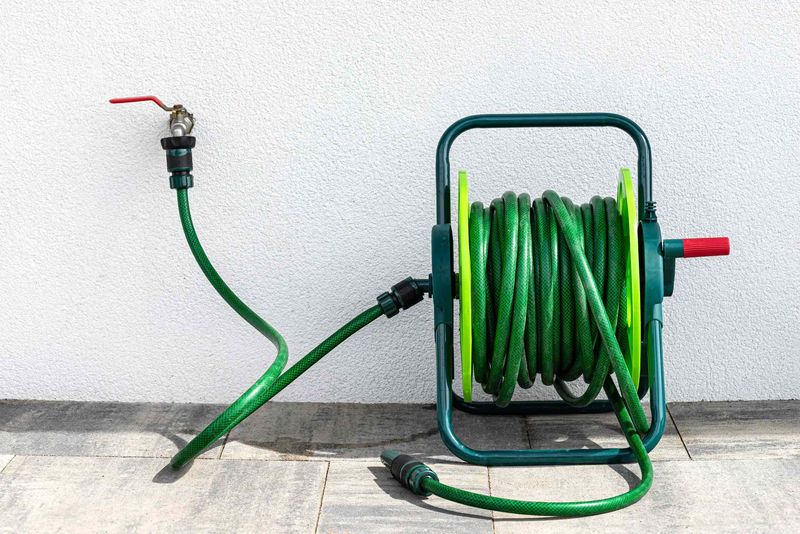
When smoke appears on the horizon, fumbling for a hose that only reaches halfway across the yard feels awful. A little prep work now makes your water ready for action.
Get hoses long enough to reach every side of the house, plus the roof edges. Attach a good spray nozzle to each one and store them on metal reels near outdoor spigots.
Plastic reels and hoses left in the sun can crack, so check them every few months.
Keep a sturdy ladder stored where you can grab it quickly. Firefighters sometimes need roof access, and a visible ladder helps them work faster.
Some homeowners in rural parts of California add a pool pump, a water tank, or a portable gas pump for extra supply. Water pressure can drop when many neighbors use hoses at the same time.
If you have a pool or tank, a clear sign that says where it is helps crews find it.
Make sure your house number shows clearly from the street, ideally with reflective numbers at least four inches tall. Dark smoke and night conditions make addresses hard to read.
Here is one rule to follow. Do not leave sprinklers running when you evacuate.
They lower water pressure that fire crews need for hydrants nearby.
9. Team Up With Neighbors Across Your Street
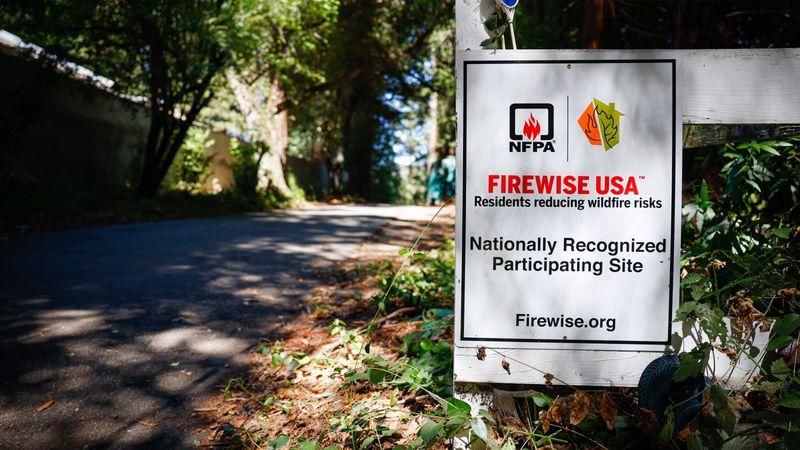
Your yard might look perfect, but embers do not care about property lines. If the house next door has a wood pile against the fence, your risk goes up too.
Fire scientists have found that homes survive better when whole neighborhoods prepare together. Houses in many California communities sit close enough that one burning home can ignite the next.
Teamwork really does matter here.
Start small with a friendly chat or a flyer for a weekend cleanup day. Share tools, split the cost of a dumpster, and help older neighbors who cannot climb ladders.
Coffee and donuts tend to bring out more volunteers than you would expect.
Look into the Firewise USA program, which helps communities organize and track their efforts. Some local fire safe councils offer free chipping services, where a crew comes by and grinds up branches you stack at the curb.
A few insurance companies even give discounts to Firewise neighborhoods.
Talk about evacuation plans as a group as well. Who has pets or horses that need extra time?
Who works late and might need someone to grab a pet carrier? A shared group text keeps everyone informed when alerts go out.
Sign up for your county emergency alert system too. Knowing early gives families precious extra minutes to leave safely.