How To Test And Improve Drainage In A Florida Yard After Heavy Rain
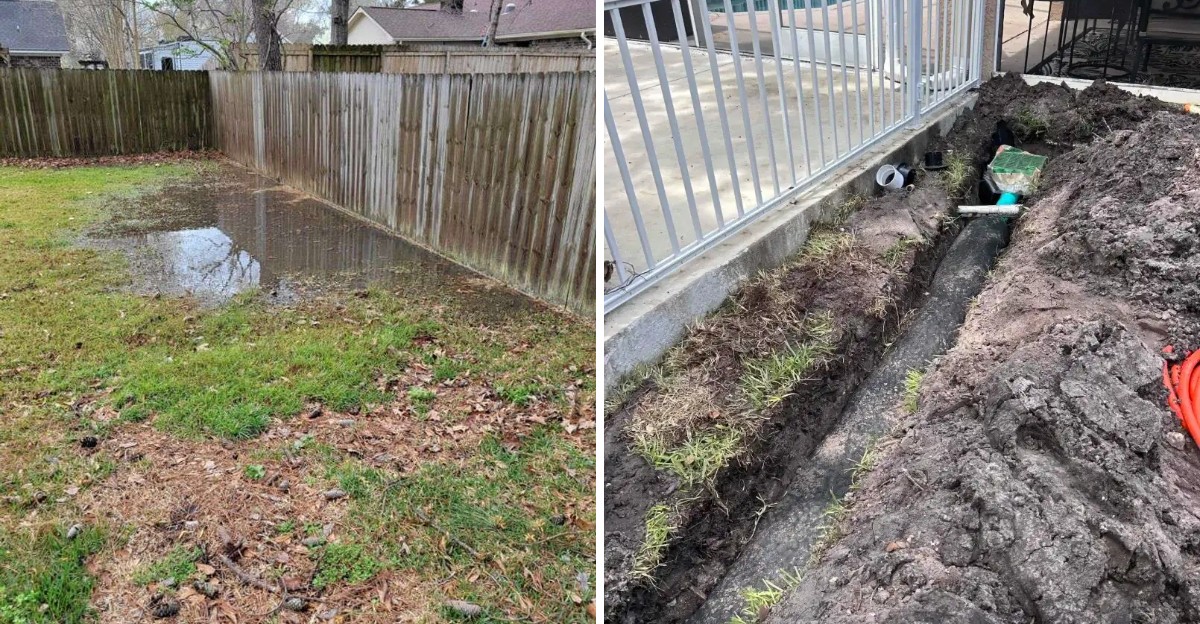
Water sits on your lawn long after the storm moves on, and the puddles have a way of making you feel like you bought a pond.
Florida yards have two kinds of problems when it rains. Some soak up water like a sponge.
Others hold it like a bathtub. Both look fine on a dry day and tell a very different story once the clouds pass.
A simple test shows which type you have, and it takes less time than watching a TV show. The results change what you should do next, because a fix for one yard can make the other worse.
Small tweaks, done in the right order, can turn a soggy mess into a lawn that dries out on schedule.
Grab a shovel and a bucket before the next downpour. The answer is waiting underground.
1. Wait Until The Soil Isn’t Soggy Before Testing
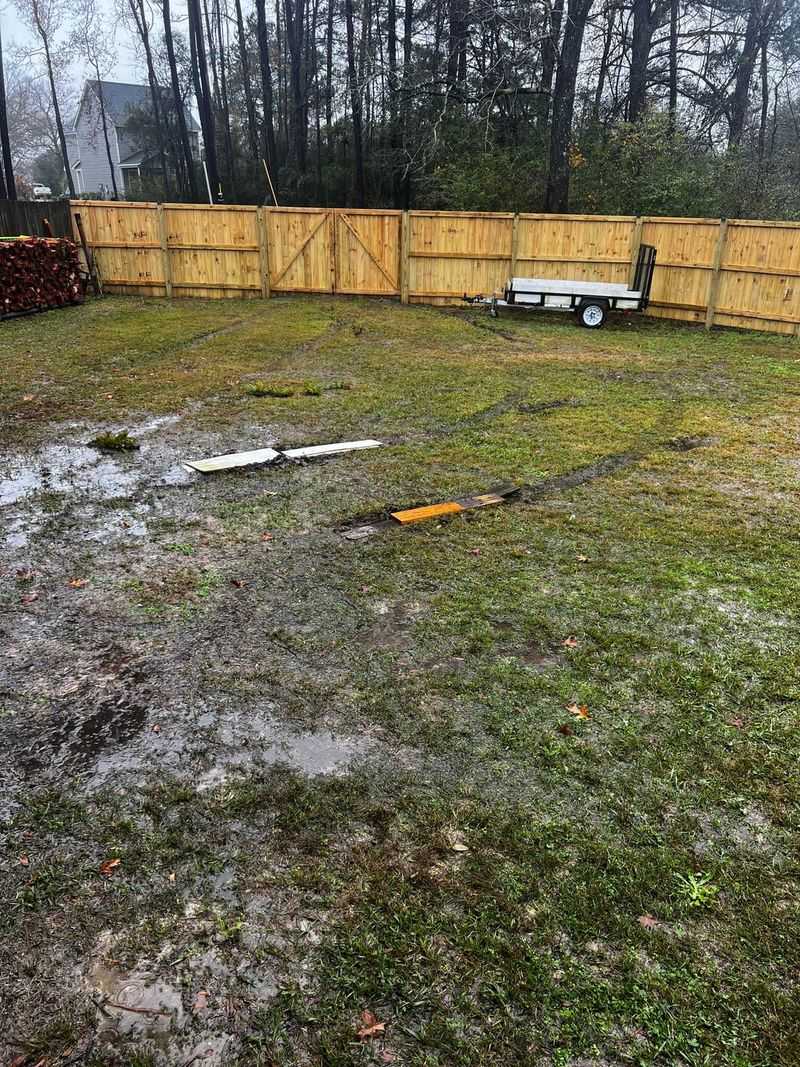
Patience is the first tool in your kit, and it costs nothing. Testing right after a storm is like checking a sponge while it still drips.
Soaked ground gives you false results because every tiny space between soil grains is already full of water. You want to learn how your yard handles water on a normal day, not just in the middle of a flood.
Give the ground at least two or three dry days before you grab the shovel.
Staying off wet grass helps, too. Mowers, cars, and even heavy foot traffic can squish soggy soil and leave ruts.
Packed-down soil drains more slowly, so you could create the very problem you hope to fix.
How can you tell the ground is ready? Squeeze a handful of soil from a few inches down.
If water drips out, wait longer, but if it feels damp and crumbly, you are good to go.
One more trick makes your results more trustworthy. When you do run the test, you will fill each hole once and let it drain before timing anything.
That first round wets the nearby soil evenly, so your timed numbers reflect real conditions.
Jot down the date of the last big rain in a notebook. That small note helps you compare results later in the season.
2. Dig Several 18-Inch Holes Around The Yard
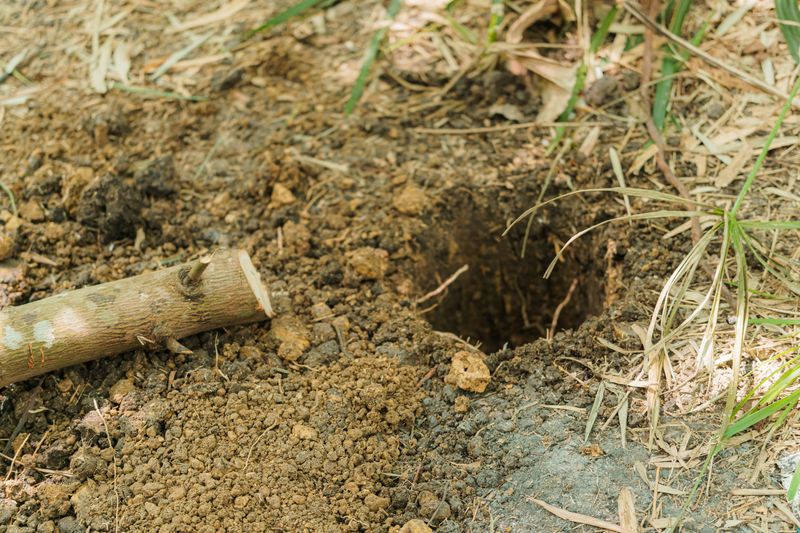
Grab a shovel or a post hole digger and get ready to play detective. One hole tells you about one spot, but several holes paint a picture of your whole yard.
Pick at least three or four places to test. Choose the soggy corner, the spot near your garden, and somewhere that seems to dry quickly for comparison.
Mark each one with a small flag or a stick so you remember where they are.
Aim for holes about 18 inches deep and roughly 6 to 12 inches wide. Many garden guides suggest 12 inches, but going a bit deeper in Florida helps.
Hidden layers often sit just below that line, and a deeper hole gives you a better chance of finding them.
Keep the sides of each hole as straight as you can. Scoop out loose crumbs from the bottom, since loose dirt can clog things and slow the water.
Your Florida Garden Changes Every Week. Your Plan Should Too.
Gardening in Florida changes quickly throughout the season. Every Friday you’ll receive a simple weekly plan showing exactly what to plant, prune, fertilize, harvest, and protect so you never miss the right timing.
A clean hole gives you a fair, honest reading.
While you dig, pay attention to what comes out. Is it light gray sand, dark sticky soil, or a firm layer that fights your shovel?
Each layer is a clue worth writing down.
Call 811 before you dig anywhere near buried lines. It is a free service in the state and keeps your test safe.
3. Fill Them With Water And Time How Long They Take To Drain
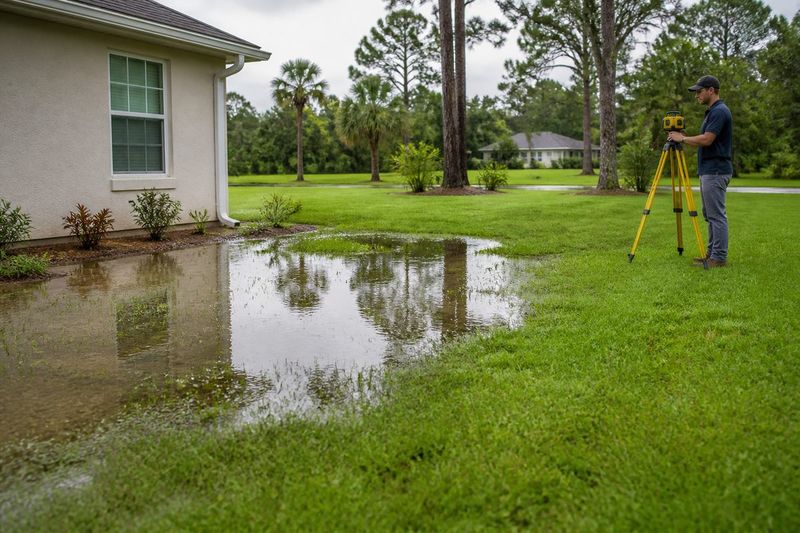
Now comes the fun part, and it feels a bit like a science fair project. Drag out the garden hose, a ruler, and a timer on your phone.
Fill each hole to the top with water and let it drain all the way out. Do not start timing yet.
That first fill soaks the surrounding soil so your results match what happens after a real storm.
Once the hole empties, fill it again. Stand a ruler or yardstick inside so you can read the water level easily.
Write down the starting depth and the exact time.
Check back every 15 to 30 minutes at first. If things move slowly, hourly checks work fine.
Each time, note how many inches the water has dropped since your last look.
Your goal is to figure out a drainage rate, usually measured in inches per hour. For example, if the water falls 2 inches in one hour, your rate is 2 inches per hour.
Simple math, but it reveals a lot.
Compare the numbers from every hole. You might find that one corner drains like a dream while another barely budges.
Those differences show you exactly where to focus your energy.
A sketch of your yard with each rate labeled makes a handy map for future projects.
4. A Drop Of 1 To 3 Inches Per Hour Means Good Drainage
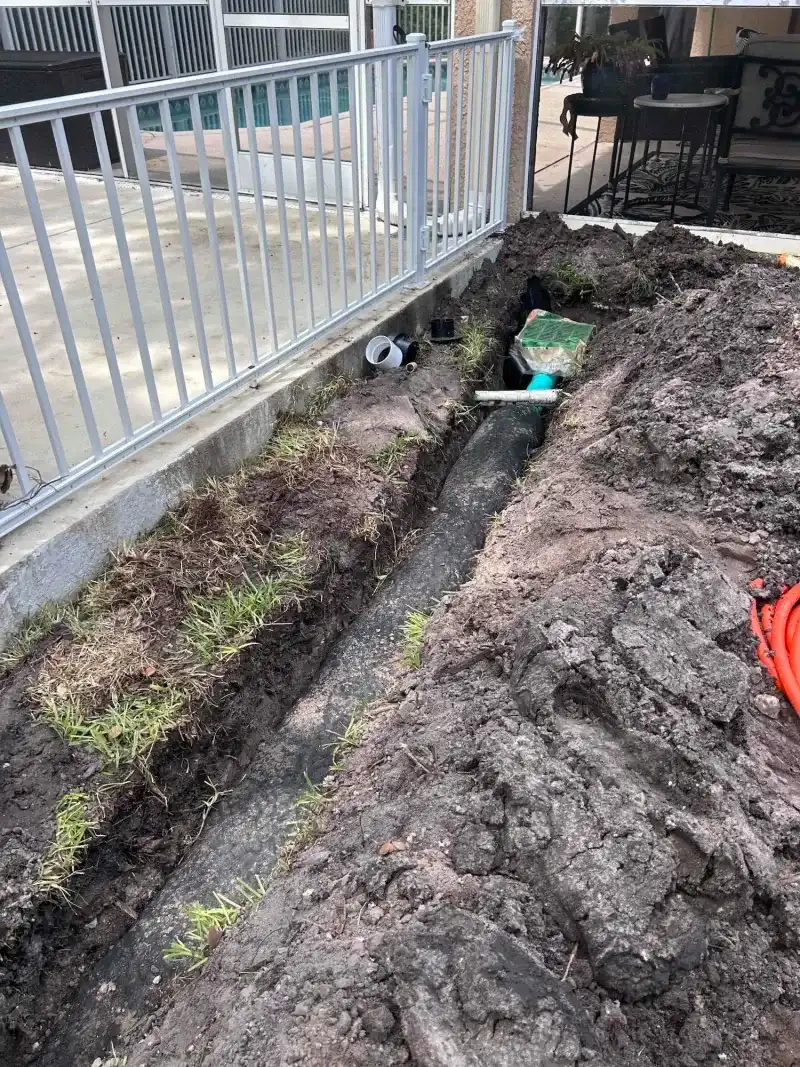
Picture this: you check your ruler after an hour and the water has dropped an inch or two. Go ahead and do a little happy dance, because your soil is doing its job well.
Most garden experts say a rate between 1 and 3 inches per hour is a sweet spot. Water soaks in, roots get a good drink, and air can still slip into the tiny spaces between soil grains.
Roots need that air just as much as they need water.
Florida yards often fall into this happy range thanks to all that sand. Some sandy spots drain even faster, sometimes up to 8 inches per hour.
That sounds great, but super speedy drainage can bring its own headache.
When water races through too quickly, plants may not get enough to drink. Nutrients from fertilizer can rinse away before roots grab them.
You might notice thirsty lawns that turn crispy just days after a soaking rain.
So a fast result is mostly good news with a small footnote. If your yard drains in minutes, adding organic matter can help it hold moisture a little longer.
Fun fact: Our state has more than 300 named soil types. Your neighbor across the street could have different results than you, so test your own ground before copying anyone else.
5. Water Standing After A Day Points To Poor Drainage Or A High Water Table
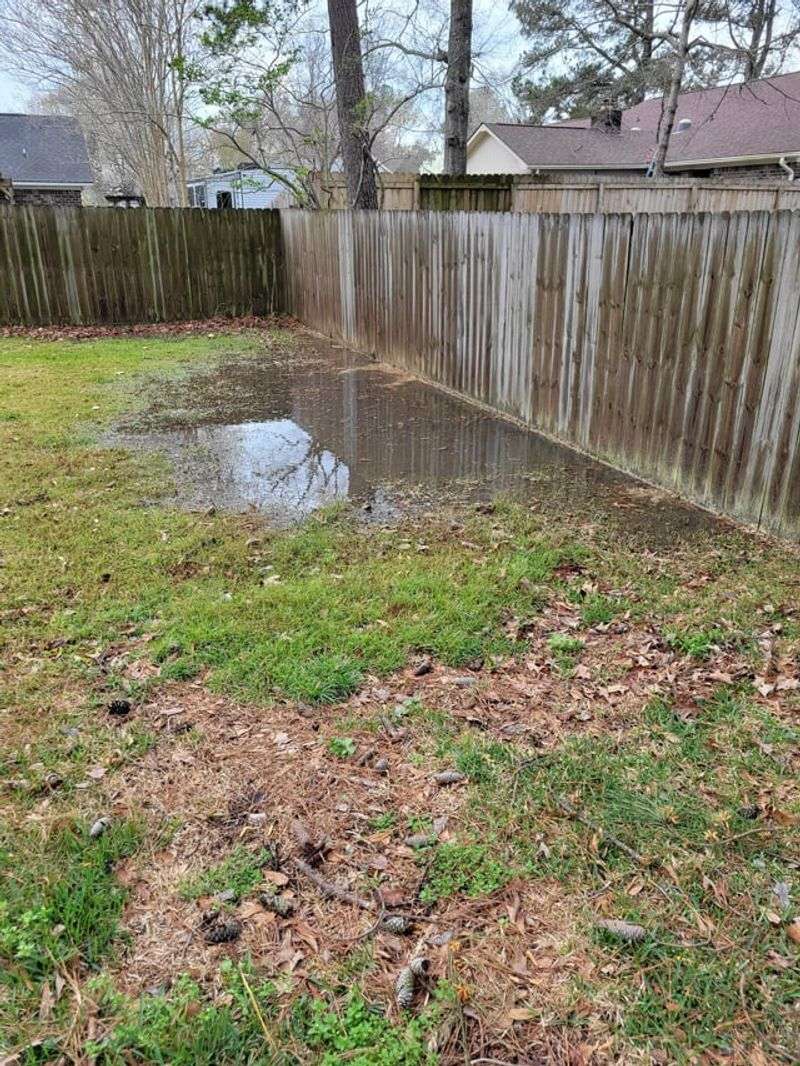
Uh oh. You peek into your test hole the next morning, and water is still sitting there like a tiny pond.
That is a clear signal something is slowing things down. Water standing for 24 hours or more points to poor drainage, and anything past 72 hours is a bigger concern.
Drainage slower than half an inch per hour often leads to weak turf and unhappy roots.
In Florida, the culprit is often the water table. That is the level underground where soil stays full of water.
In parts of South Florida, it can sit just 2 to 4 feet below the surface, and heavy summer rains push it even higher.
When the water table rises, rain has nowhere to go. It simply waits on top until the ground below catches up.
Your hole may even refill from the bottom.
Look for other hints around the yard as well. Spongy grass, mushrooms popping up, moss, and puddles that return to the same spot after every storm all tell the same story.
Here is the bright side. Knowing the cause helps you choose the right fix instead of guessing.
Some yards need better soil, while others need plants lifted above the wet zone.
6. Florida Flatwoods Soils Often Hide A Hardpan Layer
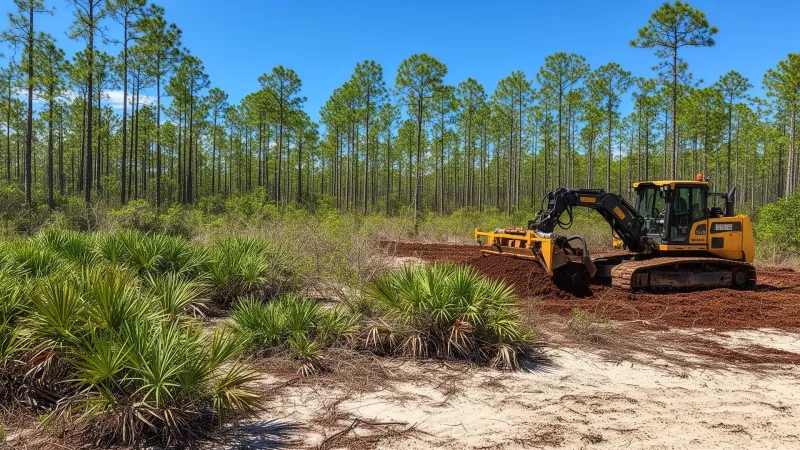
Imagine a secret floor buried under your lawn. In much of central and southern region, that is exactly what you might find.
Flatwoods soils are common across the state, especially where slash pines and saw palmettos once grew wild. On top, you get loose, light gray sand.
Below that, there is often a dark brown or black layer called a hardpan, made of organic material cemented together over time.
The hardpan can sit anywhere from about 12 to 40 inches down. Sometimes it is as shallow as 18 inches, which is why your test holes go that deep.
If your shovel hits something firm and dark, you may have found it.
Water hits this layer and stalls. It spreads sideways instead of soaking down, so the sand above stays soggy after storms.
Roots struggle too, since they cannot push through the tough layer easily.
Breaking up a hardpan across a whole yard is hard work and often not practical. A small spot can sometimes be punched through with an auger to let water escape.
For bigger areas, building up rather than digging down usually works better.
Curious about your soil type? The free USDA Web Soil Survey lets you look up your address online in minutes.
7. Mix In Compost, Not Sand
It seems logical to toss sand on a soggy spot, right? Sand drains, so more sand should mean better drainage.
Sadly, it rarely works that way in the ground.
In big garden beds, added sand blends with existing soil and can form dense clumps. Florida yards already have plenty of sand, so piling on more does little.
Sand works best in small pots or containers, not wide-open beds.
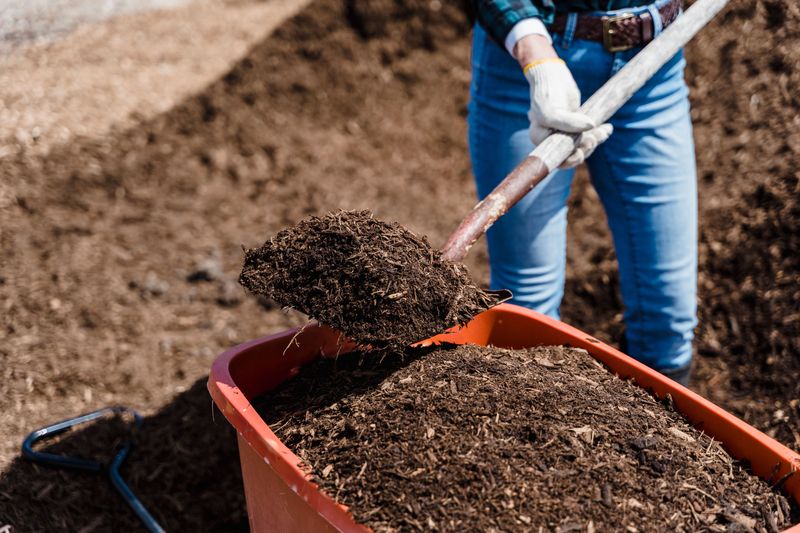
Compost is the real hero here. It acts like a sponge full of tiny tunnels, holding moisture where roots can reach it while letting extra water move along.
It also feeds helpful soil critters like earthworms, which dig channels that improve drainage naturally.
Research shows that every 1 percent boost in organic matter can raise sandy soil’s water-holding ability by about 2.3 percent. That is a big win for very little effort.
Leaf mold and aged mulch help in a similar way.
Spread 2 to 3 inches of compost and work it into the top 6 to 8 inches of soil. A garden fork makes the job easier on your back.
Plan to repeat this every year or so. The state heat breaks down organic matter fast, so your soil gets hungry again sooner than gardens up north.
8. Build Raised Beds Above The Wet Zone
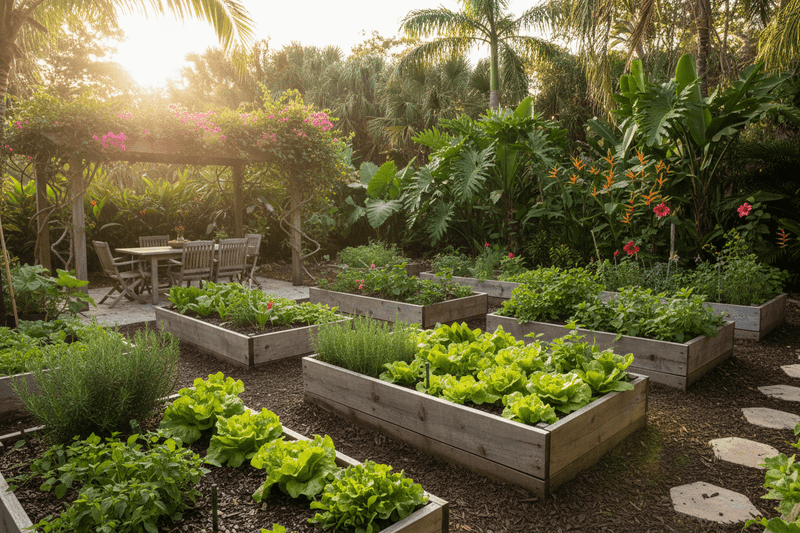
If the water will not go down, bring your plants up. Raised beds are one of the simplest ways to beat a soggy Florida yard.
Think about it like building a little island. The roots sit above the wet zone, so heavy summer rains do not leave them sitting in a soggy mess.
Citrus growers in flatwoods areas have used this idea for years, planting trees on raised rows.
Height matters. Aim for at least 12 to 16 inches deep, and go 18 to 24 inches for veggies or shrubs with longer roots.
Taller beds also save your knees when it is time to weed or harvest.
Fill them with a custom mix instead of plain yard sand. A popular recipe uses one-third compost, one-third coconut coir or peat moss, and one-third coarse sand or perlite.
This blend holds moisture yet drains nicely after a downpour.
Wood, metal, stone, or concrete blocks all work for the sides. Cedar and untreated pine are budget-friendly picks, though they will wear out faster in humid weather.
Bonus perks come along too. Raised beds reduce soil packing from feet and can lessen trouble from nematodes, those tiny worms that love to nibble on roots in sandy Florida ground.
9. Turn Low Spots Into A Rain Garden
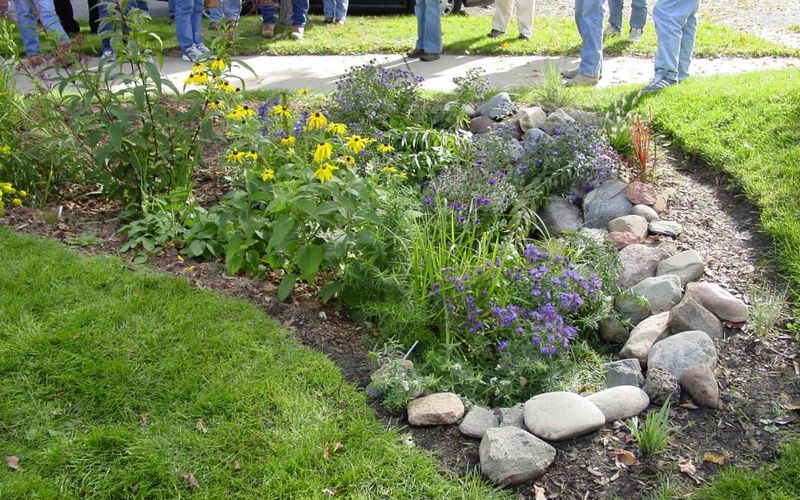
Why fight that dip in your lawn when you could make it the star of the show? A rain garden turns a trouble spot into a lively, colorful pocket of nature.
Basically, a rain garden is a shallow bowl planted with tough native plants. It catches rainwater for a short time, filters out dirt and pollution, and lets the water slowly soak into the ground.
Florida’s aquifer, the underground source of much of our drinking water, benefits from that cleaner water.
Location is key. Pick a low area or the end of a downspout, at least 10 feet from your house foundation.
Keep it 25 feet or more away from any septic tank or well.
Choose a spot that drains within a day or so after a big storm. A place that holds water for days is better suited to raised beds.
Keep the bowl about 4 to 8 inches deep so water does not linger too long.
For plants, look for natives that handle both wet and dry spells. Muhly grass, blue flag iris, swamp milkweed, and Florida anise are great picks.
Soon you will spot butterflies, bees, and birds stopping by. Not bad for a patch that used to be a mud puddle.