Stop Buying These Fall Lawn Products. Your New York Lawn Doesn’t Need Them
Walk into any garden center in fall, and the shelves practically shout at you. Bright bags promise greener grass, fewer weeds, and a lawn the neighbors will envy.
In New York, plenty of those products end up as wasted cash sitting on your grass. Some arrive too late to work, while others are restricted by state law.
A few can even undo the seeding you just finished. That’s money and effort down the drain.
Smart lawn care is less about buying more and more about timing, testing, and knowing what your soil really wants. A few simple changes can keep your wallet a little fuller this autumn.
Before you load up the cart, it pays to know which products your yard can happily skip this season.
Crabgrass Preventer Is Wasted In Fall
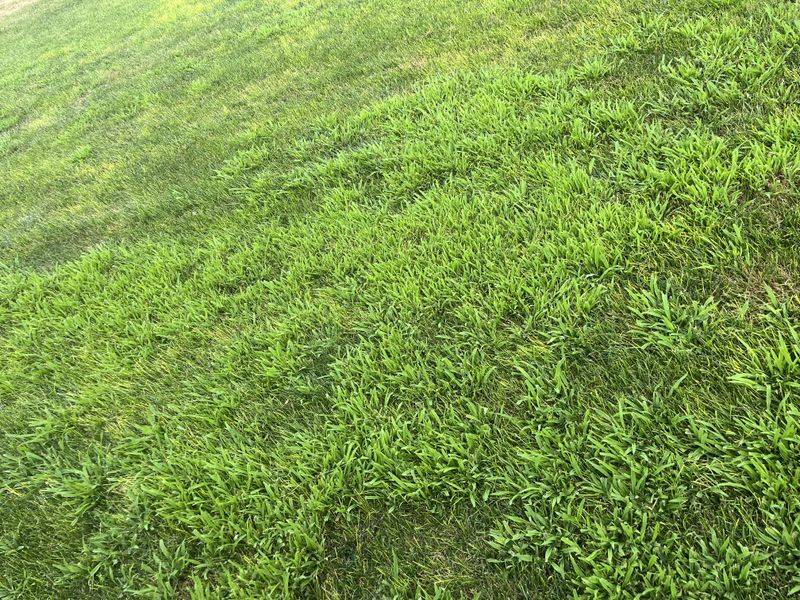
Picture spreading a pricey bag of crabgrass preventer in October and feeling proud. Sadly, the crabgrass already finished its life cycle weeks earlier.
Crabgrass is a summer annual weed with a short, fast life. It sprouts in spring and fades away once the ground freezes in late fall.
Preventers work by forming a barrier that stops seeds from sprouting. Once those seeds have already grown, the barrier has nothing left to block.
Timing matters more than the calendar here. Crabgrass seeds wake up when soil two inches deep stays near 55 degrees for several days.
In most of the state, that window opens from mid-April to early May. Long Island and New York City may warm a bit sooner than upstate towns near the Adirondacks.
A cheap soil thermometer can guide you better than any date on a bag. Push it two inches down in the morning and check readings for a week.
Fall applications also waste chemicals that may wash toward storm drains. Your money and the local streams both deserve better than that.
So what should you do about crabgrass in autumn? Focus on thickening your turf, because dense grass shades out weed seeds naturally.
Mow a little higher, around three inches, and fill bare spots with seed. A crowded lawn leaves crabgrass very little room to move in next summer.
Save that preventer bag in a cool, dry spot. Come early spring, it will finally have a real job to do.
Late Grub Treatments Often Miss Their Target
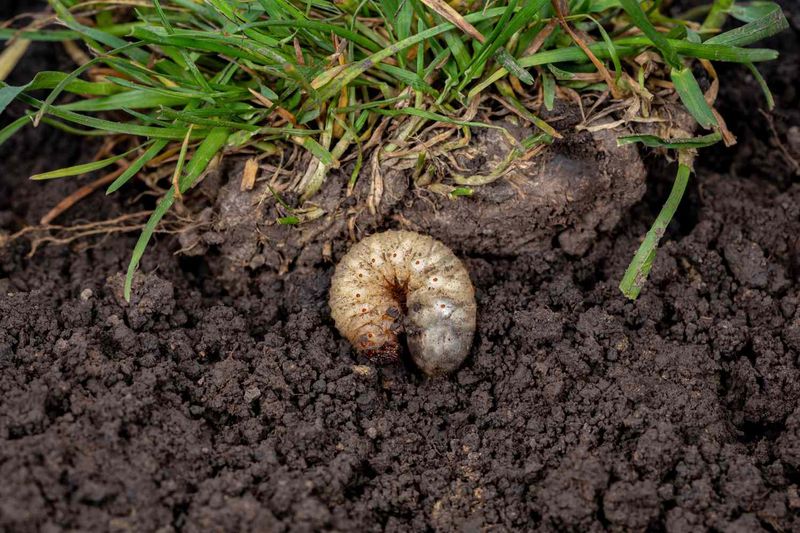
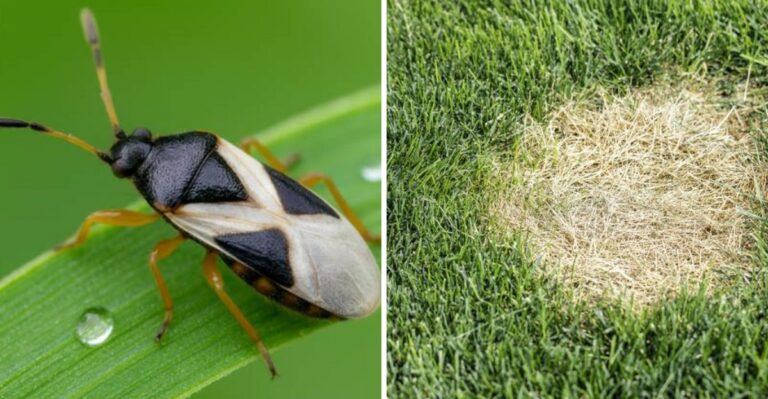
Grubs are sneaky little lawn wreckers. These chubby, C-shaped beetle larvae chew grass roots below the surface where you can’t see them.
Brown patches that peel back like a loose carpet often point to grubs. By the time you notice, the timing for most products has already slipped by.
Preventive grub products use ingredients like imidacloprid or chlorantraniliprole. They work best when applied before eggs hatch, usually late May through July.
Heads-up: starting in 2027, New York bans imidacloprid on lawns, so chlorantraniliprole products are the way to go.
In the Northeast, the sweet spot often lands in June or early July. Soil temperatures around 65 to 70 degrees signal the right moment.
Applying preventive products in August or later usually misses the small-grub stage. Bigger grubs shrug off treatments that would have stopped them earlier.
Already seeing damage? Curative products like trichlorfon, sold as Dylox, work in August and September while grubs feed near the surface.
Once October arrives, grubs start burrowing deeper for winter. Products sprinkled on top have a hard time reaching them down there.
Here’s a handy trick before buying anything. Cut and lift a one-foot square of sod in a few spots and count the grubs.
Finding fewer than five or so per square foot usually means no treatment is needed. Healthy lawns can handle a small grub crowd without trouble.
Fun fact: skunks and raccoons love grubs. If critters are tearing up your lawn at night, they may be hunting dinner for you.
Lime Is Pointless Without A Soil Test
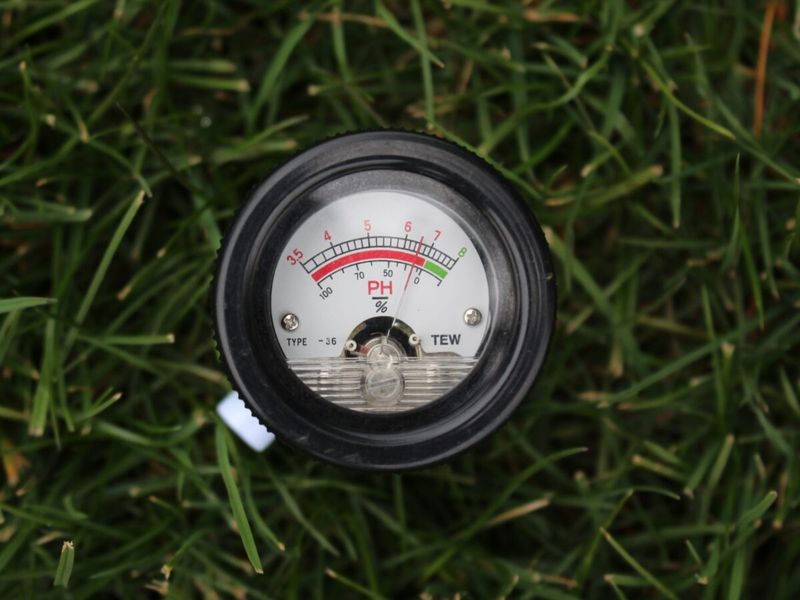
Lime has a reputation as the fall fix-all. Many folks toss it down every autumn simply because their parents did.
Here’s the catch, though. Lime only helps when your soil is too acidic, and guessing can backfire.
Soil pH controls how well grass roots grab nutrients. Cool-season grasses grown across the state prefer a range between 6.0 and 7.5.
Many lawn pros consider 6.5 to 6.8 the sweet spot. Inside that range, nitrogen, phosphorus, and potassium stay easy for roots to use.
Stray too far either way, and nutrients get locked up. Your grass can go hungry even when the soil is full of food.
Western New York often leans acidic because of steady rainfall. Still, your yard might differ from your neighbor’s, especially near new construction or old gardens.
Adding lime to soil that is already balanced pushes pH too high. Grass may turn pale and weak, and fixing that problem is slow.
Lawn experts generally recommend keeping soil within that 6.0 to 7.5 range. A soil test is the only reliable way to know where you stand.
Lime also works slowly, often taking months to change pH. Applying the wrong amount means waiting a long time to see if it helped.
Think of lime like medicine. You wouldn’t take a prescription without a checkup, and your lawn deserves the same courtesy.
Grass Seed Struggles After Mid-October
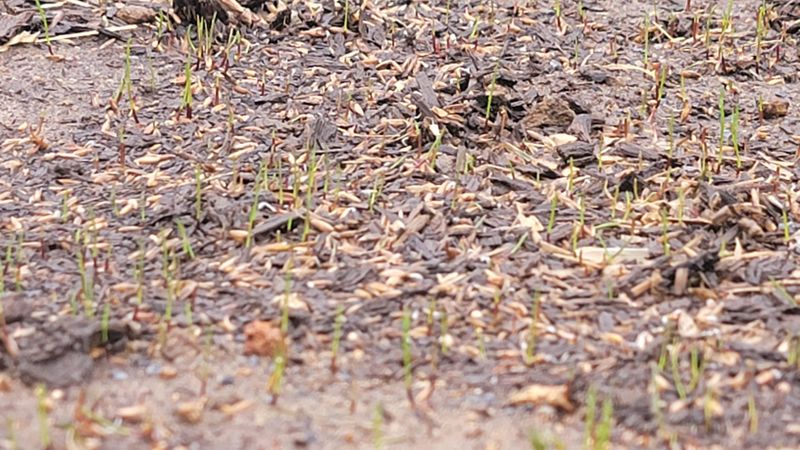
Late October can feel like a perfect seeding day. The air is cool, the sky is blue, and the bare patch is staring right at you.
Unfortunately, the soil tells a different story. Cool-season grass seed sprouts best when soil stays between 50 and 65 degrees.
The prime planting window in New York runs from mid-August to mid-September. Warm soil and cooler air give young grass a strong head start.
Weeds also slow down during that stretch. Less competition means more room for your new grass to settle in.
Southeastern spots like Long Island can sometimes stretch seeding into early October. Even there, success drops quickly as the weeks roll on.
In New York City, recommended seeding usually wraps up by mid-October. New grass needs six to eight weeks to root before the ground freezes.
Seed planted after that often sprouts weakly or sits there doing nothing. Tiny seedlings with shallow roots struggle through freezing nights and winter heaving.
Birds may also snack on seeds that refuse to sprout. You end up feeding the sparrows instead of growing a lawn.
Missed the window this year? Mark your calendar for next August, or try a spring seeding from late April to early June.
Spring brings more weeds and summer heat, so water carefully. Another option is dormant seeding in late November, letting seed rest until spring warmth arrives.
Weed And Feed Can Harm New Seedlings
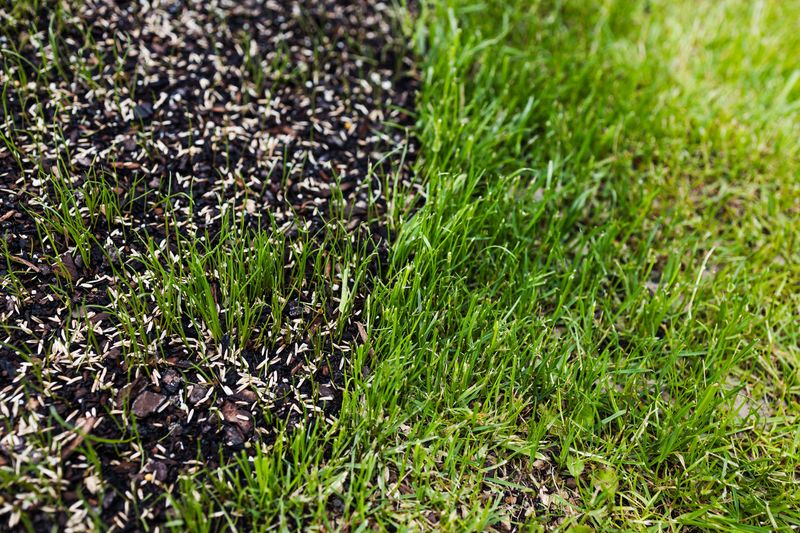
Weed and feed sounds like a clever two-for-one deal. One bag, one trip with the spreader, and your chores are done.
For fall overseeding, though, it can turn into a costly mistake. Many of these blends contain herbicides that block seed sprouting.
Pre-emergent herbicides create a chemical shield in the soil. That shield stops weed seeds from growing, but it doesn’t pick favorites.
Your fresh grass seed gets blocked too. All that careful raking and watering ends with bare dirt and frustration.
Lawn experts suggest skipping pre-emergents entirely while new grass is getting established. Patience pays off far more than shortcuts here.
Wait until new grass has been mowed three or four times. After that, the young plants are sturdy enough to handle weed treatments.
Got dandelions or clover popping up this fall? Spot-treat them with a targeted post-emergent product while they’re actively growing.
Autumn is actually a great time for that. Broadleaf weeds pull nutrients down to their roots, carrying the treatment along with them.
Read labels closely before buying any combination product. Words like prevents or pre-emergent are a red flag if you plan to seed.
Fertilizer alone, without herbicide, works well for new seedlings. Choose a starter-friendly product and let your baby grass grow without chemical roadblocks.
Phosphorus Fertilizer Is Restricted In New York
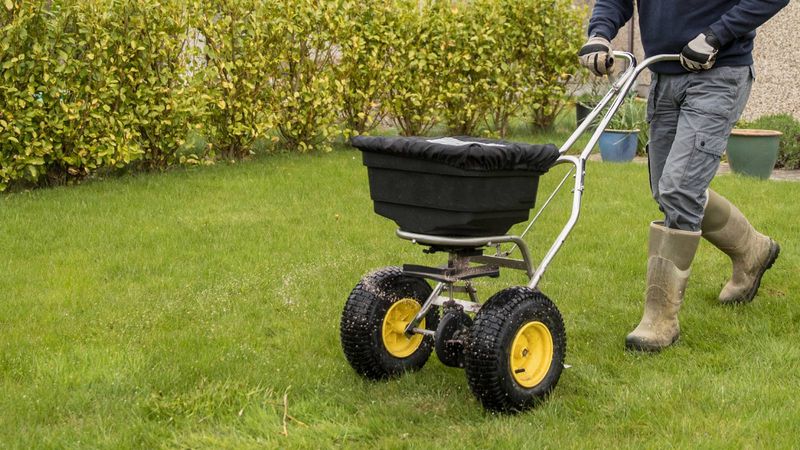
Flip over a fertilizer bag and look for three numbers. The middle one shows phosphorus, and New York has strict rules about it.
A 2012 state law limits phosphorus fertilizer on residential lawns. You can only use it if a soil test shows a real shortage.
One exception exists for brand-new lawns. Phosphorus is allowed during a new lawn’s first growing season to help roots develop.
Why the fuss? Many New York soils already hold plenty of phosphorus, so adding more does little for grass.
Extra phosphorus washes into lakes and streams after rain. There it feeds algae blooms that lower oxygen and hurt fish and drinking water.
Products with a middle number of 0.67 percent or lower aren’t restricted. Look for labels like 0 in the middle, such as 24-0-6.
The law covers more than phosphorus, too. No fertilizer can go within 20 feet of a water body.
That drops to 10 feet if a natural plant buffer lines the shore. Fertilizer on sidewalks or driveways is also off-limits, so sweep spills back onto grass.
Timing has rules as well. Lawn fertilizing is banned each year between December 1 and April 1.
So that late-November feeding should wrap up before December. Following these rules protects local water while saving money on nutrients your grass won’t use.
Leaf Bags Are Optional When You Can Mulch Leaves
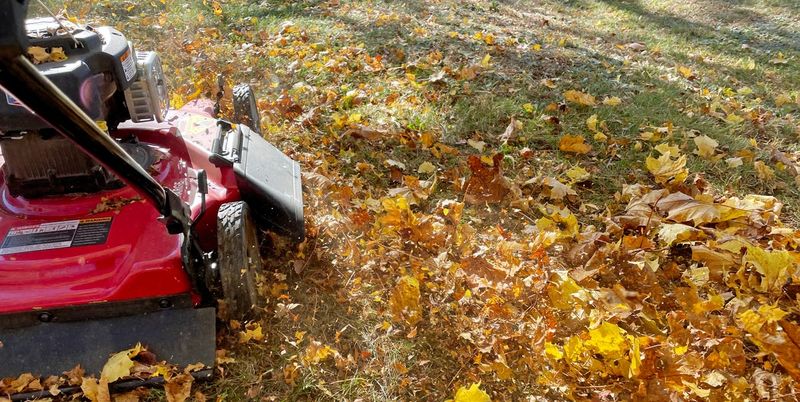
Remember spending whole Saturdays raking, bagging, and dragging leaves to the curb? Your back might be glad to hear there’s an easier path.
Fallen leaves are free lawn food, not trash. Running your mower over them chops them into tiny flakes that sink into the grass.
As those bits break down, they return nitrogen, phosphorus, and potassium to the soil. Earthworms, fungi, and microbes feast on them too.
Better soil structure follows naturally. Drainage improves, and the ground holds water better during dry spells next summer.
Mulched leaves can even help block weeds. The shredded layer shades out sunlight that weed seeds need to sprout.
Keep the layer thin, around three-quarters of an inch or less. You should still see grass blades poking through the leaf bits.
Heavy leaf piles are a different story. Thick mats can smother grass, so mow more often or bag only the extra.
NYC Parks and the New York Botanical Garden both encourage leaving shredded leaves in place. Fewer leaves mean less landfill waste and fewer clogged storm drains.
Most standard mowers work fine for this job. A mulching blade helps, but a couple of passes usually does the trick.
Over a few seasons, you may need less fertilizer overall. Paper leaf bags can stay on the store shelf this year.
A Soil Test Tells You What You Actually Need
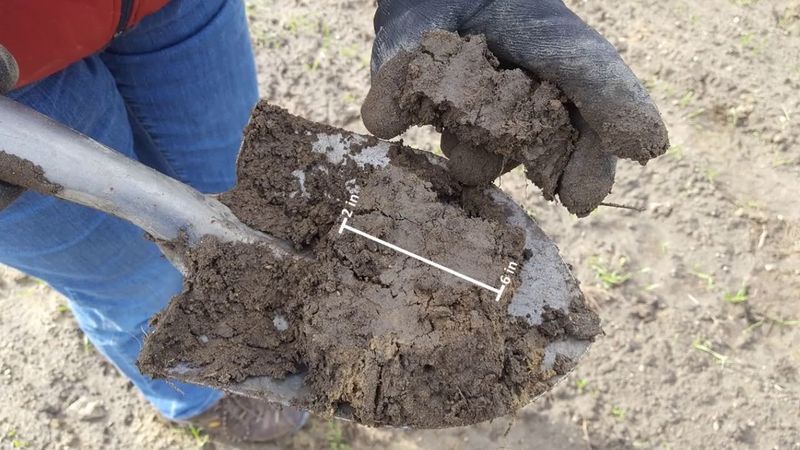
Ten dollars or so can save you hundreds. That’s roughly what a lab soil test costs, and it may be the smartest lawn purchase you make.
A soil test ends the guessing game. It shows which nutrients your yard lacks and which ones it already has in abundance.
You’ll learn your exact pH level as well. That number decides whether lime makes sense or would just waste money.
Results come with a tailored plan for your lawn. Instead of buying five products, you might only need one.
Cornell Cooperative Extension recommends lab testing over cheap home kits. Lab results are more accurate and include clear application advice.
Many county extension offices across the state accept samples or point you to a trusted lab. Call your local office to learn the process.
Collecting samples is simple. Grab small scoops from 10 to 15 spots, about four inches deep, and mix them in a clean bucket.
Skip areas near driveways, compost piles, or spots where fertilizer spilled. Those can throw off results and lead to bad advice.
Fall is a great season for testing, since labs are less busy. You’ll have answers in time to plan next spring’s care.
Soil changes slowly, so testing every few years usually works well. Test sooner if grass looks stressed despite good care.