Hang An Owl Box In Your Virginia Yard Now, And You Could Have Tenants By Spring
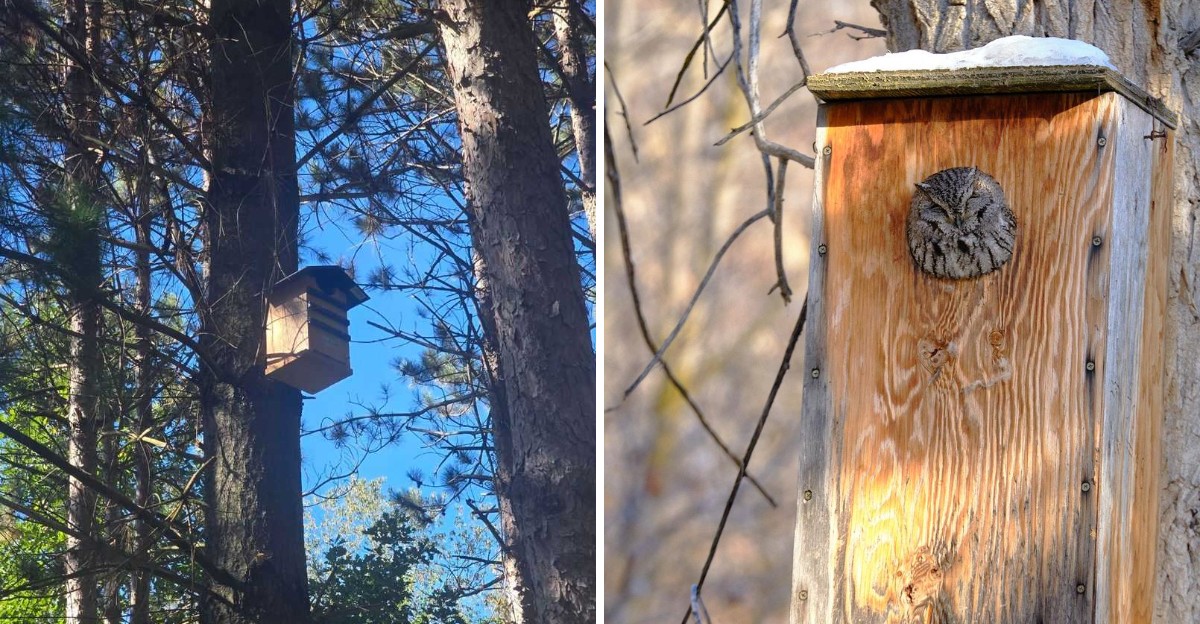
A soft, shivering trill drifting through the backyard on a frosty night can send a little chill down your spine. That eerie sound often belongs to an eastern screech owl, a tiny hunter about the size of a robin.
These feathered neighbors live in Virginia year-round, and they happily move into wooden boxes built just for them. The catch is timing, since owls start shopping for homes long before spring flowers appear.
Hang a box now, and you might spot a fluffy gray or rusty red face peeking out by March. Owls also make terrific pest control, gobbling up mice, insects, and other critters that pester gardens.
Getting the details right matters, from height and direction to what goes inside. A few smart choices can turn an empty box into a busy nursery.
Your yard could soon have its very own night shift. A little planning now is all it takes to welcome owl tenants.
1. Fall And Early Winter Are Ideal For Hanging Boxes
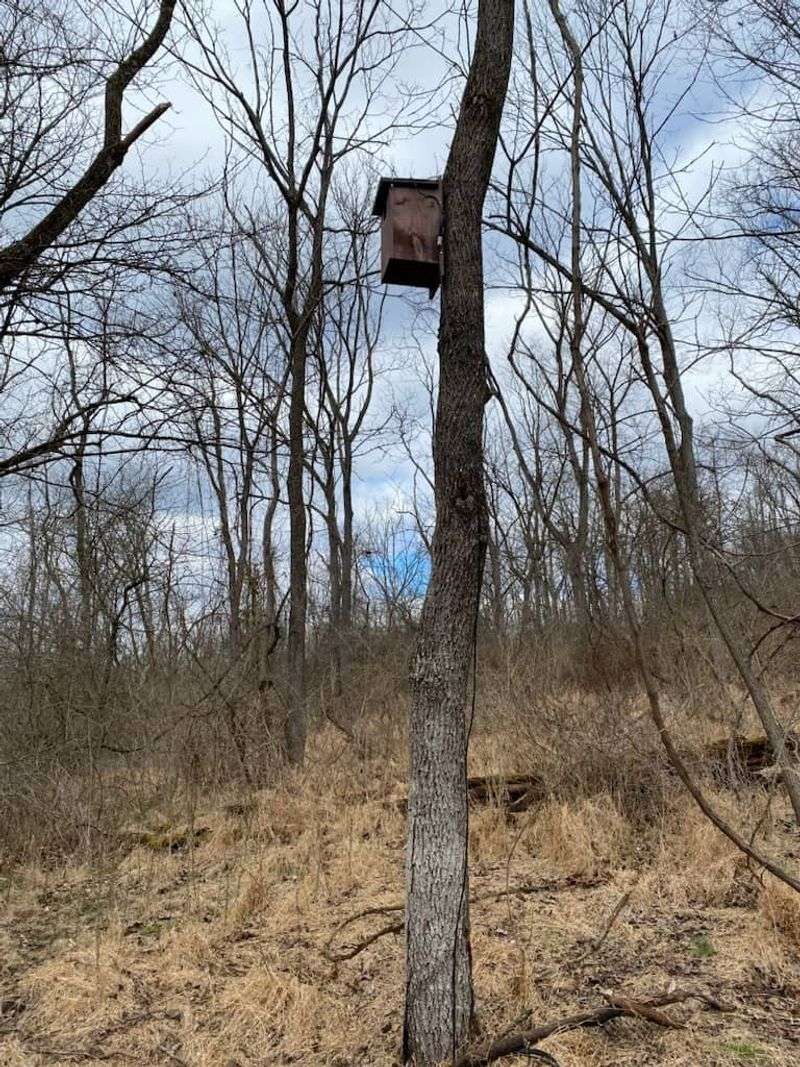
Think of owl house hunting like apartment shopping in a busy city. The best spots get claimed early, so late movers end up with leftovers.
Eastern Screech Owls search for safe cavities throughout the year. Fall gives them months to find your box and feel comfortable before nesting starts.
Experts in Virginia suggest getting boxes up by mid-January at the latest. Earlier is better, since owls often test a spot as a winter roost first.
A snug box offers real comfort during chilly months. It shields owls from icy rain, biting wind, and hungry predators on long nights.
Many owls that roost in a box over winter decide to stay. That cozy shelter can turn into a nursery once February and March arrive.
Fall chores also make installation easier for you. Leaves are dropping, so you can see branches clearly and plan a clean flight path.
Pick a mild, dry weekend for the job. Wet bark and frozen ground make ladders slippery, and safety should come first.
Here is a handy tip for busy homeowners. Mark your calendar for October and hang the box alongside other fall yard projects.
Got a box already from last year? Fall is a great time to check screws, patch cracks, and clear out old debris.
Patience pays off with these quiet birds. Some boxes fill in the first season, while others take a year or two to catch on.
2. Screech Owls Start Scouting Nest Sites In Winter
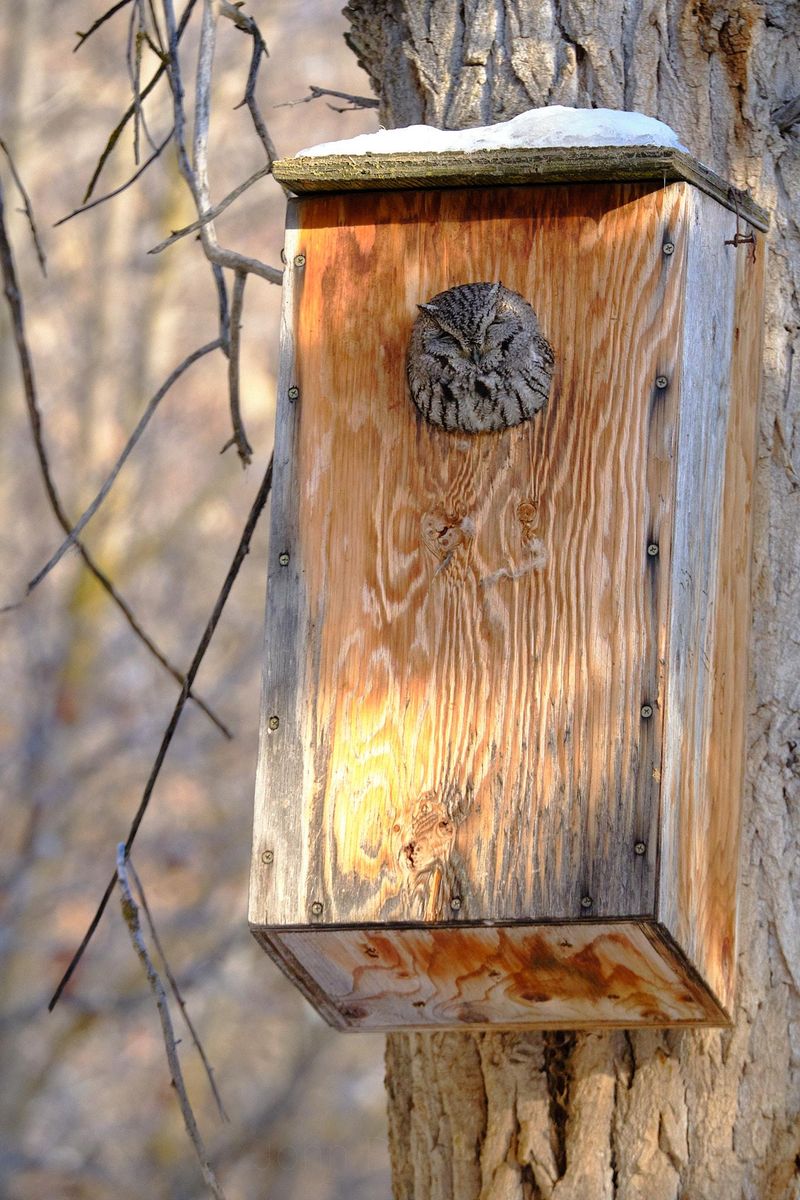
Here is a fun fact to share at dinner. Screech owls often start laying eggs right around the first official days of spring.
Courtship heats up during the coldest stretch of winter. Pairs form bonds and pick a home mostly in February and March.
Listen closely on calm winter evenings in Virginia. You may hear a steady whinny or a soft trill as mates call to each other.
Those sounds are a great clue that owls are nearby. A box already hanging gives them an easy choice when they start scouting.
Egg laying usually runs from mid-March into early summer. A typical clutch holds four to six round, white eggs.
Mom sits on the eggs for about 27 to 34 days. Meanwhile, Dad delivers moths, mice, and beetles to keep her fed.
Owlets leave the box at roughly four weeks old. Their parents then guide them for another eight to ten weeks.
Good news gets better, too. Screech owls often return to a successful nest site year after year.
Want a peek without causing stress? Try watching from a window at dusk, when owls often sit in the doorway before hunting.
Please avoid opening the box during nesting season. Disturbing the family can cause parents to abandon eggs or chicks.
Keep notes on what you hear and see. Your record may help you plan next year’s setup even better.
3. Mount Boxes 10 To 30 Feet High
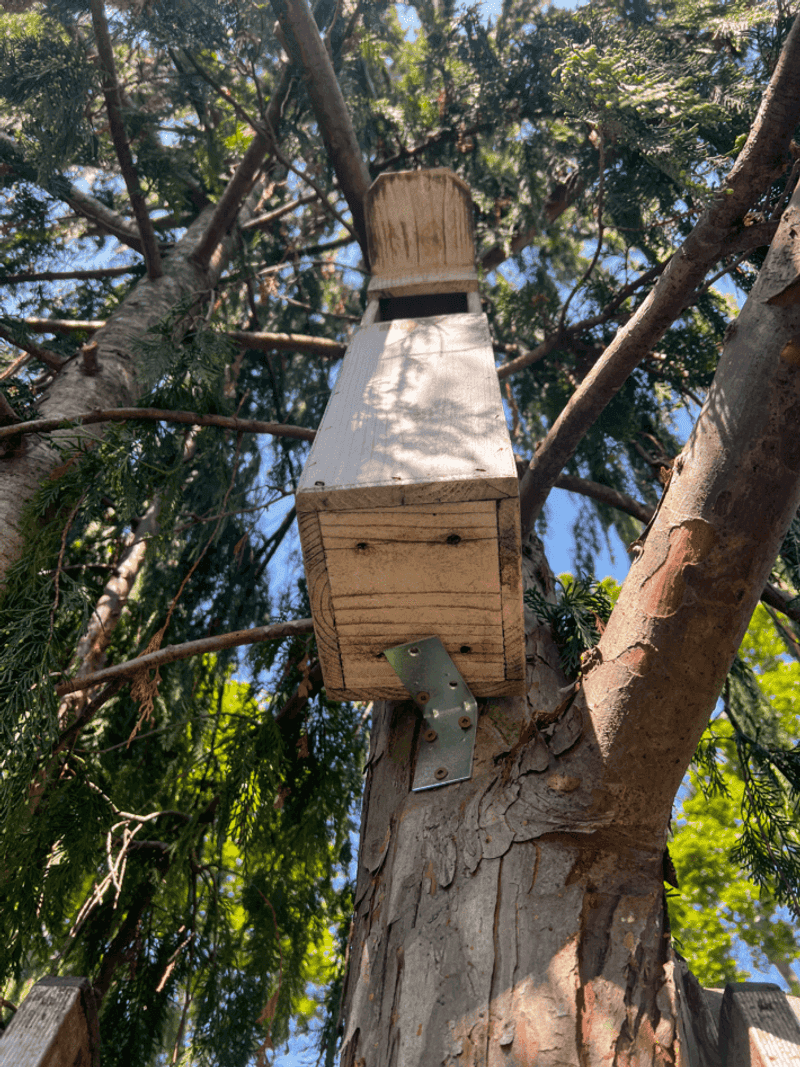
Height can make or break your owl rental. Too low, and curious raccoons or cats may come knocking.
Wildlife groups recommend hanging screech owl boxes between 10 and 30 feet up. Many backyard fans find success right around 10 to 15 feet.
Lower placements are easier for you to reach. You can clean and check the box without hauling out a giant ladder.
Higher spots add extra protection from ground prowlers. Weigh what works best for your trees and your comfort level.
A sturdy tree trunk works great as a mount. Use galvanized screws or lag bolts, which hold tight and resist rust.
No good trees nearby? A metal or wooden pole set firmly in the ground can do the job well.
Poles have a bonus advantage, too. You can add a cone-shaped baffle below the box to block climbing predators.
Clear the approach to the entrance. Owls need an open path, so trim twigs or leafy branches that crowd the hole.
Safety matters as much as owl comfort. Bring a helper to steady the ladder and hand up tools.
Here is a smart trick for Virginia trees that keep growing. Attach the box with a loose strap or spacer so bark can expand without cracking wood.
Check the mount each fall. A wobbly box can scare off picky owls before they settle in.
4. Choose A Tree Near Open Hunting Ground
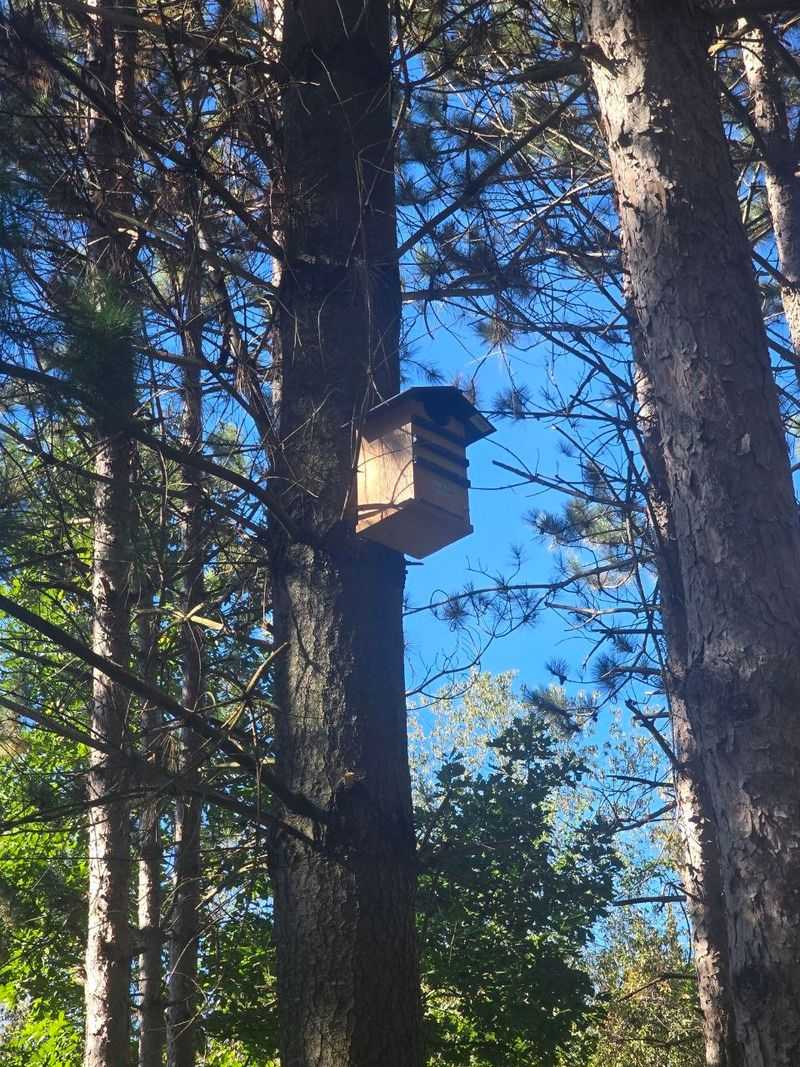
Imagine living right next door to your favorite grocery store. Screech owls want the same kind of easy shopping trip.
These little hunters love edges where trees meet open space. Lawns, meadows, and clearings make great places to snag mice and crickets.
Place your box along the border of a wooded area. A tree overlooking a field or big backyard is often a winning pick.
Water nearby can sweeten the deal. Streams, ponds, and marshes attract frogs, crayfish, and insects that owls happily eat.
Skip the middle of deep, thick forest. Dense woods attract squirrels that may steal the box and larger owls that hunt screech owls.
Great Horned Owls and Barred Owls both live in Virginia. Giving your small tenants some distance from heavy woods helps keep them safer.
Noise matters too. Choose a spot away from busy roads, where owls may get hit while swooping low after prey.
Suburban yards can work surprisingly well. Many Virginia neighborhoods with mature trees and wide lawns host screech owls without anyone noticing.
Want an easy test? Stand at your chosen tree at twilight and look for open ground within a short glide.
A quiet corner also gives you better viewing. Pick a tree you can see from a window, and enjoy the show at dusk.
5. Face The Entrance Away From Prevailing Winds
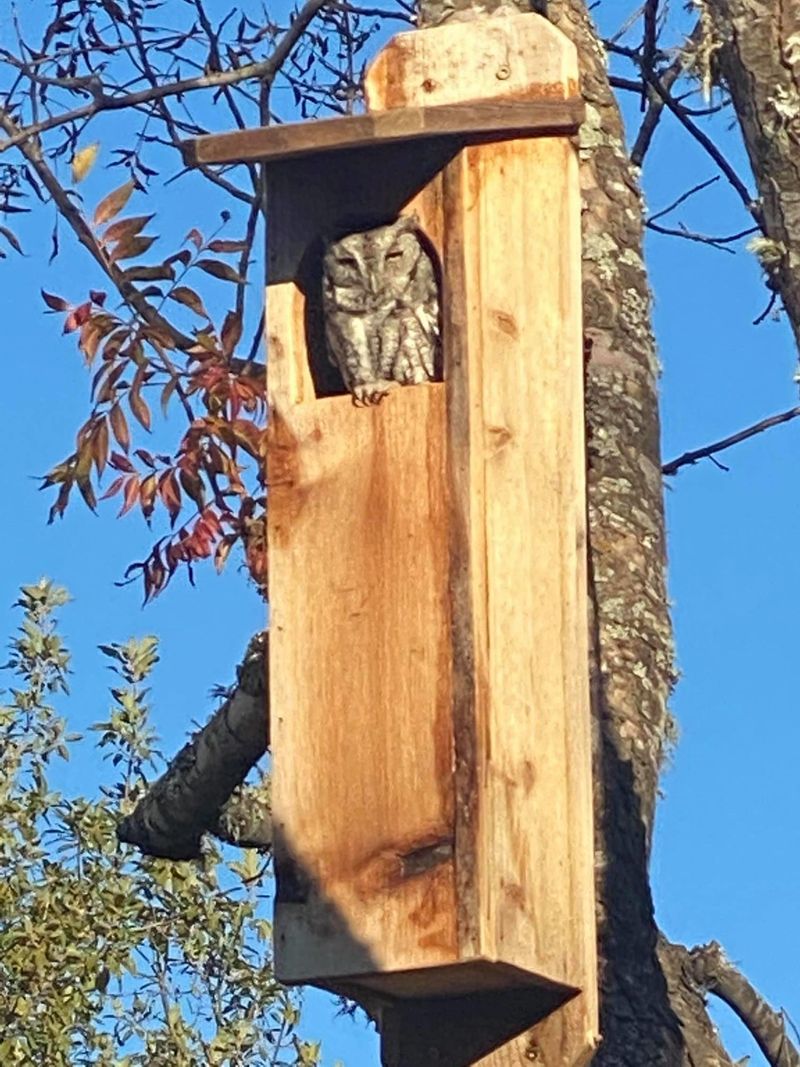
Nobody enjoys a drafty bedroom with rain blowing through the window. Owls feel the same way about their homes.
Turn the entrance hole away from the usual wind direction in your area. Doing so keeps stormy gusts and driving rain out of the nest.
East or southeast is a sweet spot for most boxes. Morning sun warms the front and helps dry any dampness from the night.
Most guides suggest avoiding a north-facing hole. Cold winter blasts often come from that direction and can chill eggs or young owlets.
Not sure which way the wind blows? Watch flags, wind chimes, or snowdrifts during a few winter storms.
Local weather apps also help in Virginia. Many show wind direction, so you can spot patterns over a couple of weeks.
Shade is worth a thought, too. Too much afternoon sun in summer can overheat a box, so a little leafy cover is welcome.
A slight forward tilt adds bonus protection. Rainwater then runs off the roof and away from the entrance instead of dripping inside.
Small drainage holes in the floor help as well. Any water that sneaks in can trickle out instead of soaking the bedding.
Think of these steps as cheap insurance. A dry, cozy box gives eggs and chicks a much better start.
6. Add Wood Shavings To The Bottom
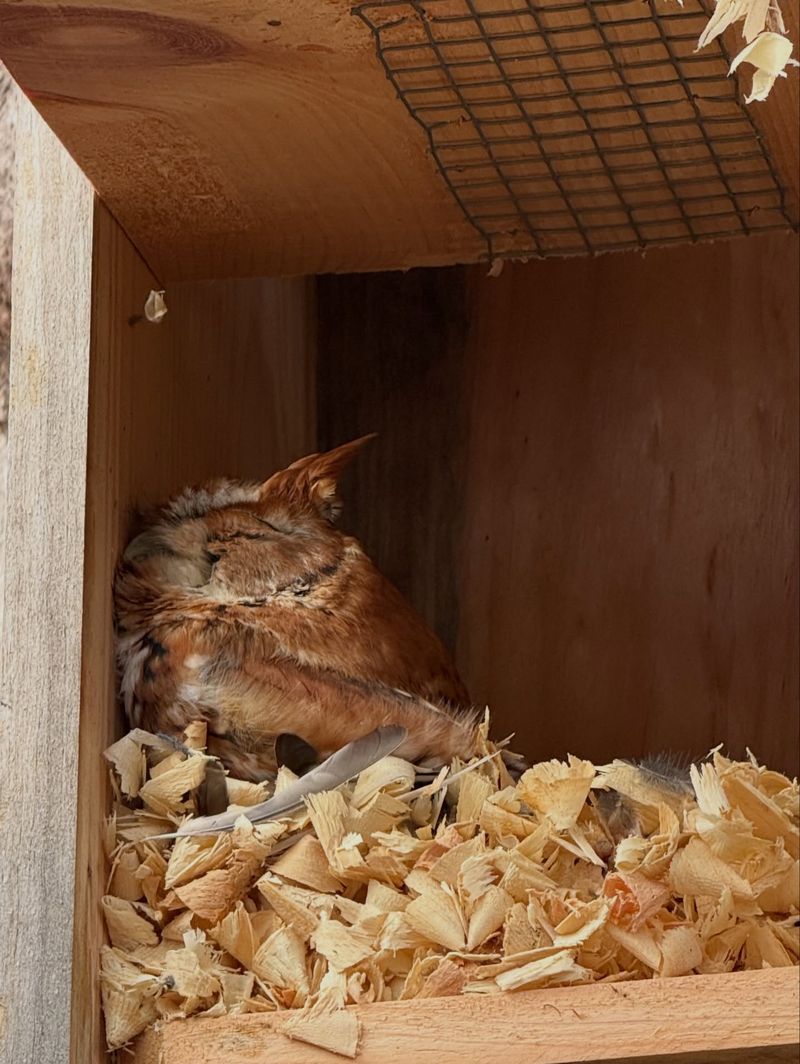
Screech owls are terrible interior decorators. Unlike robins, they gather zero twigs, grass, or fluff for their nests.
Instead, mom lays her eggs right on whatever sits on the floor. A bare wooden bottom leaves eggs rolling around on a hard surface.
Fix that problem with two to three inches of wood shavings. The soft layer cradles eggs and keeps them from drifting into corners.
Untreated pine or aspen shavings work great. Pet stores and farm supply shops in Virginia often sell big bags for just a few dollars.
Skip fresh cedar chips, though. Their strong oils can give off fumes that may irritate young owls.
Sawdust is another poor pick. It packs down, holds moisture, and can stay soggy after rainy spells.
Shavings bring a hidden perk, too. They add insulation, holding warmth on frosty nights in late winter.
Here is a sneaky tip from experienced owl landlords. Pack the shavings loosely, since owls like to scrape a shallow bowl before laying.
Refresh the bedding each fall before nesting season. Wear gloves, toss out old material, and add a clean new layer.
Check for squatters while you clean. Squirrels or wasps sometimes move in, and clearing them out early leaves room for owls.
7. Skip The Perch To Keep Predators Out
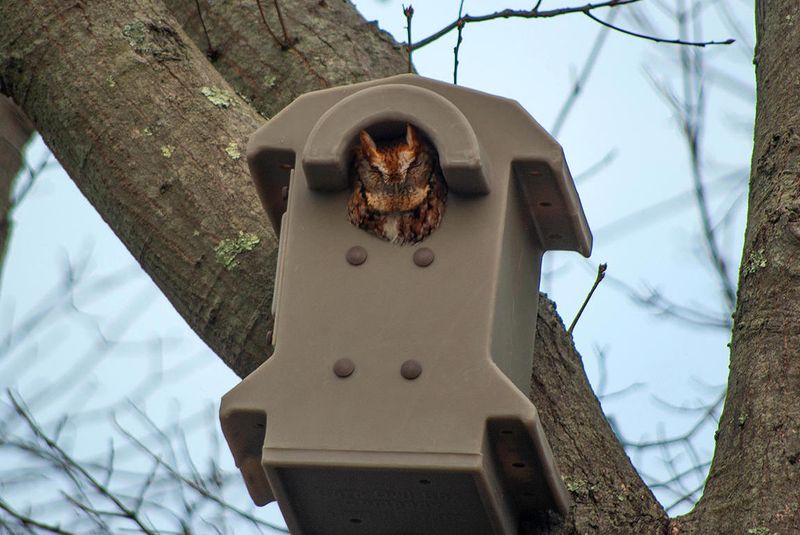
Many store-bought birdhouses come with a cute little peg below the hole. For owl boxes, that handy-looking stick can cause big trouble.
An outside perch gives predators a convenient place to stand. Raccoons can grip it while reaching inside for eggs or chicks.
Other birds may hang around a perch, too. Starlings and similar visitors can pester owls or try to claim the space.
Screech owls do just fine without one. They fly straight into the hole and land neatly inside.
Raccoons, snakes, and Great Horned Owls all hunt in Virginia. Removing easy footholds makes their job much harder.
Already own a box with a perch? Saw it off flush with the front, then sand any rough edges smooth.
Young owls still need a way to climb out. Cut shallow horizontal grooves on the inside wall below the hole to act as a ladder.
Some builders add a small inside perch a few inches below the entrance. Owlets can use it as a step on their big day.
A nearby branch makes a fine landing pad after fledging. Just make sure it sits several feet away and does not block the doorway.
Small design choices like these add up. Fewer predator visits mean more owlets reaching adulthood in your yard.
8. Avoid Rodent Poisons That Can Harm Owls
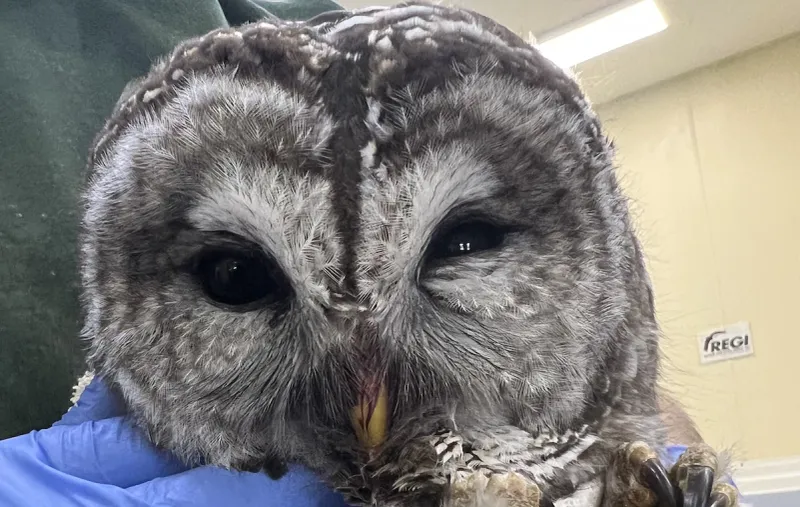
Your new owl tenants come with free pest control. A single screech owl can snatch several mice and insects in one night.
Rodent poison can undo that teamwork fast. Owls that eat poisoned mice often become very sick or perish.
Experts call the problem secondary poisoning. The toxin passes from the mouse into the owl that catches it.
Many baits use anticoagulants that stop blood from clotting. The chemicals can linger in animal bodies for long stretches.
Second-generation anticoagulants carry the highest risk. Check labels for names like brodifacoum or bromadiolone, and pass on those products.
Owls face extra danger because rodents fill much of their menu. Hawks, foxes, and even pets can be harmed as well.
Safer options work well around Virginia homes. Seal cracks and gaps, store birdseed in metal bins, and pick up fallen fruit.
Snap traps placed inside sheds or garages also do the job. Set them in covered spots so curious wildlife and pets stay safe.
Talk with neighbors about the plan. Owls hunt over several yards, so community choices matter.
Leaving owls to handle rodents creates a healthier backyard. Everyone wins when nature’s night patrol stays on duty.