Check Before You Pull Desert Globemallow in Your Arizona Yard, Because It May Not Be a Weed
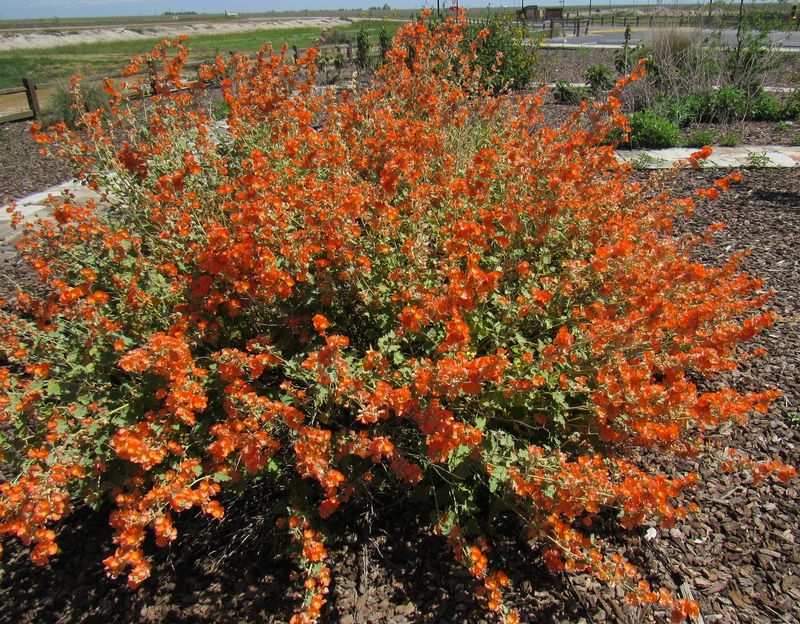
That scrappy plant with orange blooms popping up in your Arizona yard might be a native that quietly asks for very little. Before you grab the shovel, it helps to know what you are looking at.
Desert globemallow can offer pollinator habitat and handle our dry climate. It can also pop up in places you do not want it, so a quick check can save you a decision you regret.
Check the plant before you pull it
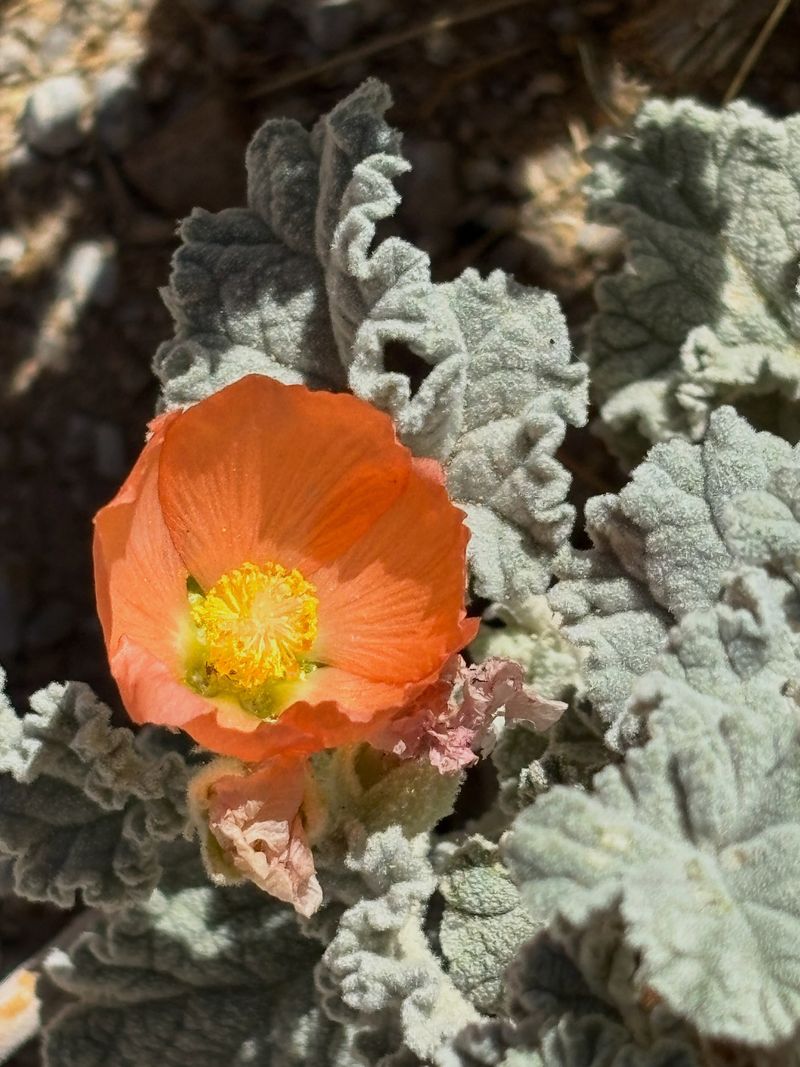
Walk out to the volunteer and look past the flower color. “Globemallow” covers several related plants, and Arizona has more than one of them, so orange petals alone cannot confirm what you have.
Desert globemallow usually has gray-green, hairy leaves and flowers in shades from orange to apricot, though colors can vary. USDA’s plant guide describes the species this way.
Leaf shape matters too. A cousin such as spear globemallow, covered in a University of Arizona Yavapai County profile, has leaves that look different from desert globemallow.
Treat these clues as a starting point, not a final answer. Snap photos of the leaves, stems, and flowers, and compare them with a trusted local plant guide or a nursery that sells native plants before you decide.
Native does not mean right for every bed
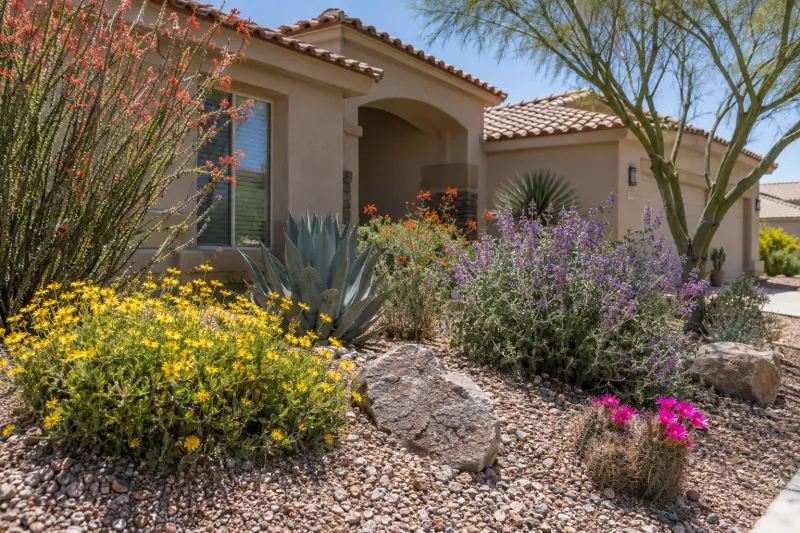
Once you are confident you have desert globemallow, you can call it a native plant. That label is good news, but it does not settle whether you want it growing right there.
USDA says the species may become weedy or invasive in some regions or habitats, and that it reseeds readily. In a tidy bed with careful spacing, that habit can become a chore.
Arizona’s official noxious weed list does not name it, but that is not a promise it will behave in your yard. A plant can be native, useful, and still unwanted in a particular spot.
Think about the space. A wild corner or a bare rocky slope may welcome a self-sowing perennial, while a narrow border beside a walkway may not.
It can offer forage and habitat to pollinators
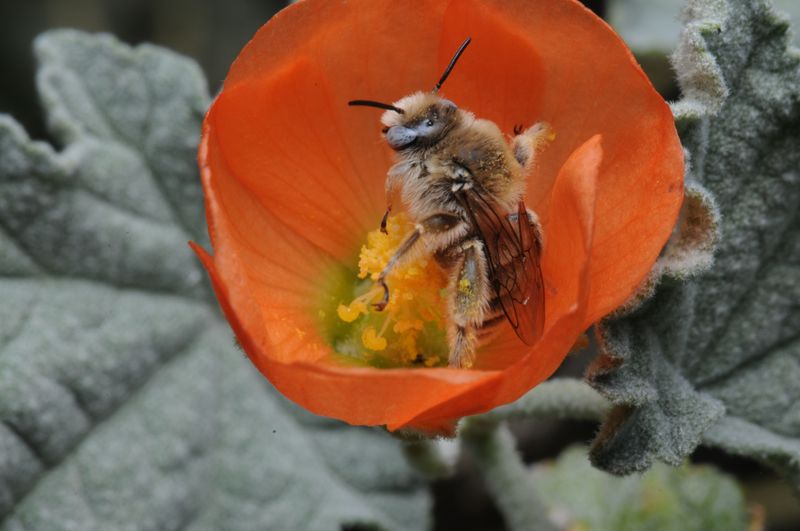
If your yard is meant to work for wildlife, this plant has a real role to play. USDA’s guide lists desert globemallow as habitat for native bees and common checkered skipper butterflies.
That makes it a candidate for a pollinator-minded planting in the low desert. Still, one plant cannot feed a whole neighborhood of insects, and visits are never guaranteed.
Pollinators do best with variety, so mix it with other regionally suited plants that bloom at different times. A University of Arizona pollinator publication is a handy place to find companions.
Watch the flowers on a calm morning. If small bees are working the blooms, you have a good sign that the plant is earning its spot.
Spring is usually its strongest bloom season
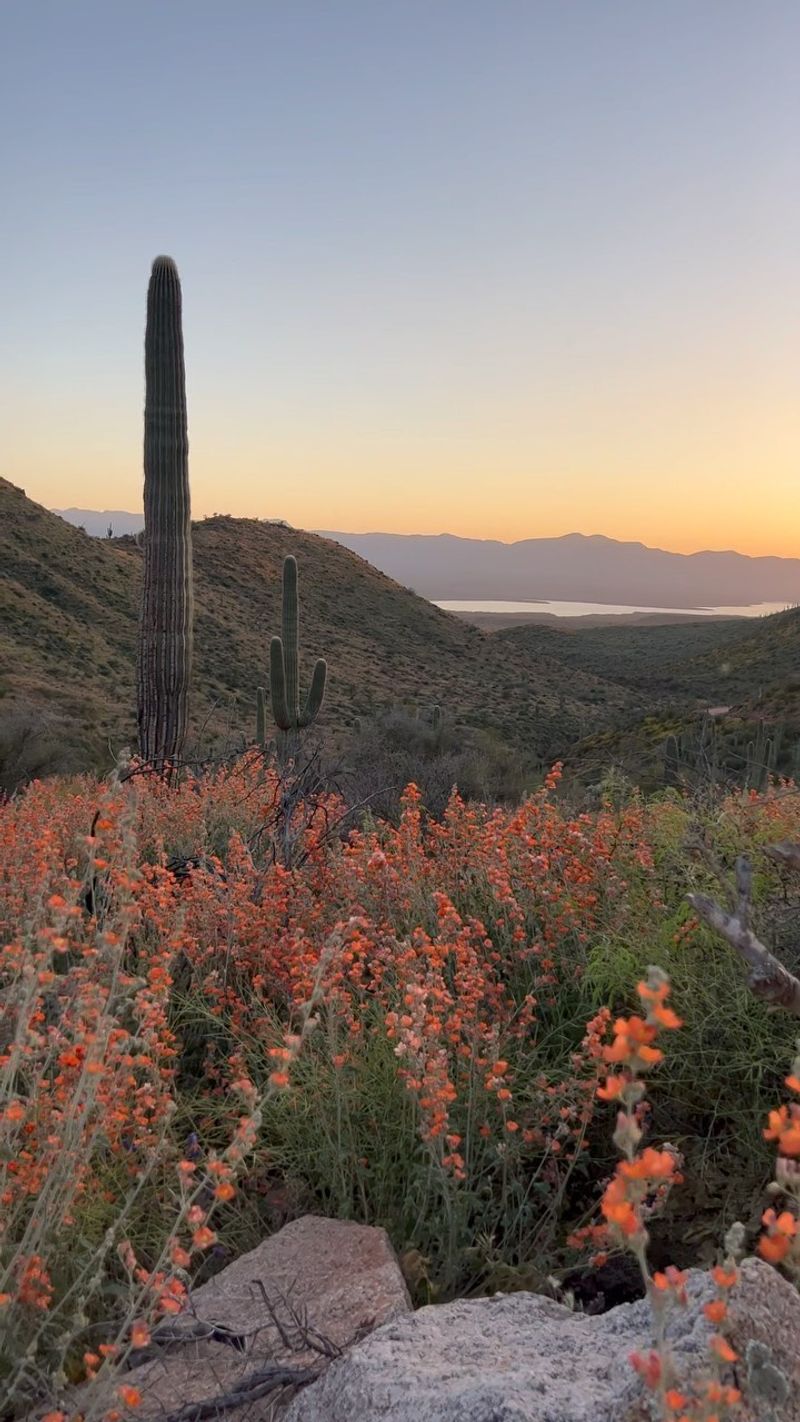
Expect the biggest show in spring. USDA notes that desert globemallow flowers most heavily then, and rainfall can trigger more blooms later.
The Arizona-Sonora Desert Museum says flowering after summer rains tends to be lighter than the spring display. So do not plan on flowers for months on end.
Your Arizona Garden Changes Every Week. Your Plan Should Too.
Gardening in Arizona changes quickly throughout the season. Every Friday you’ll receive a simple weekly plan showing exactly what to plant, prune, fertilize, harvest, and protect so you never miss the right timing.
Timing shifts with weather, exposure, and elevation, as covered in the University of Arizona pollinator guide. A sunny Phoenix yard may peak earlier than a cooler higher-elevation one.
Between flushes, the gray-green foliage carries the plant. If you want color year-round, pair it with other desert-adapted plants that bloom in other seasons.
Established plants can thrive on little supplemental water
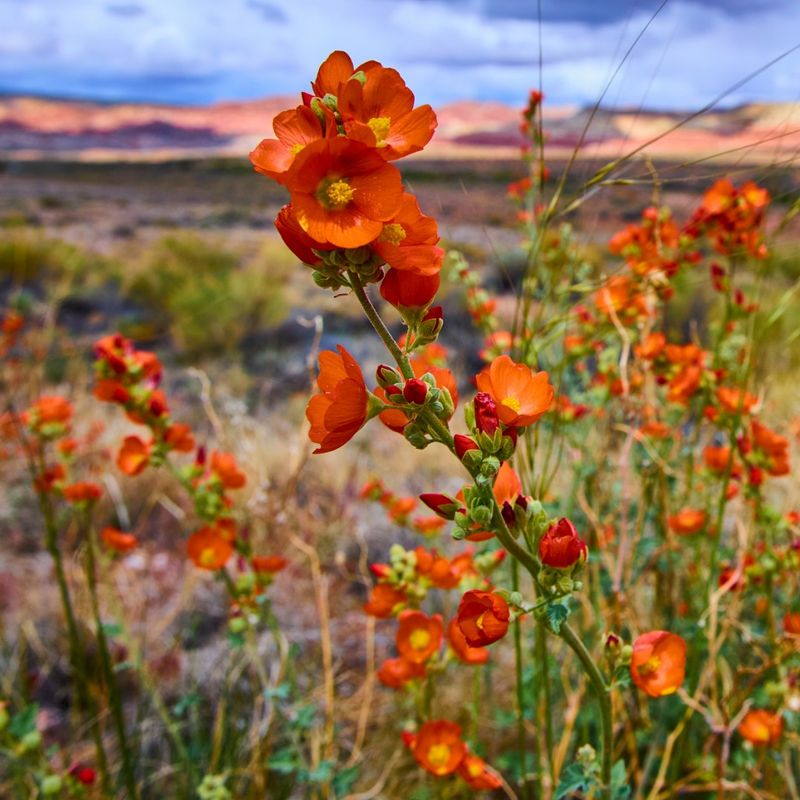
Water is where this plant earns its reputation. According to USDA, it can live on natural rainfall, which suits a water-wise yard.
The Desert Museum adds that established plants generally need no irrigation except in the driest years. Note the word established.
Young seedlings still need help getting rooted.
Extra water in spring may stretch the bloom by a few weeks, but that is optional. Overdoing it is not the goal for a plant built for dry ground.
If a dry year leaves leaves limp, a deep soak can help. Check your own conditions, since soil, sun, and rainfall vary across the low desert.
Plan for seedlings where you want to keep it
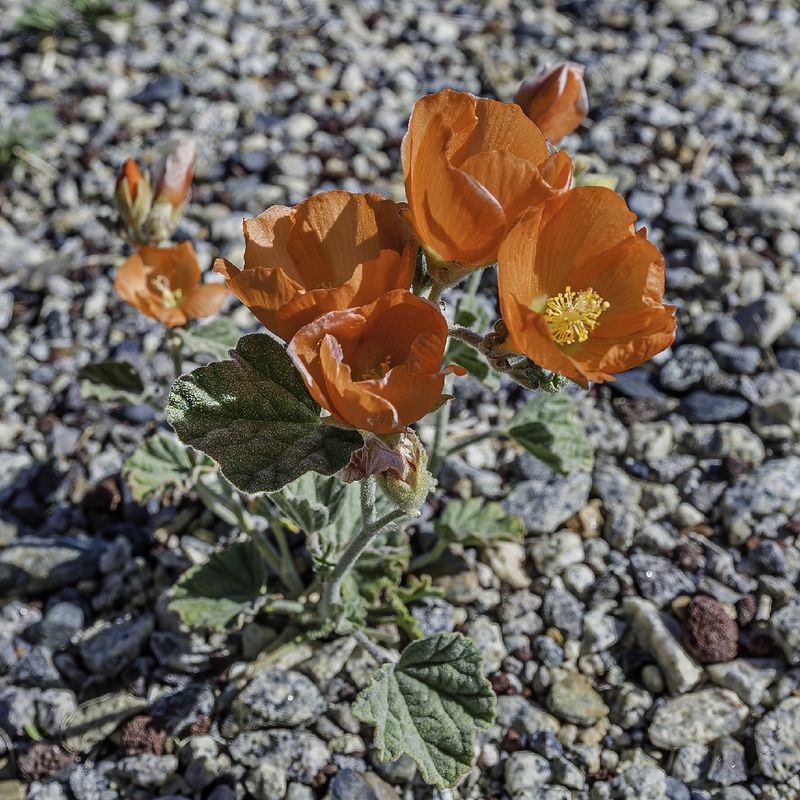
Reseeding is the plant’s way of continuing, and it is also your cue to manage. USDA describes the species as easy to grow from seed and likely to reseed.
Pick the spots where you will let it grow and give each one some elbow room, since it has a loose, spreading habit. Exact mature size varies, so leave a little extra space.
Seedlings that show up in pavers, narrow borders, or beds meant for something else can be pulled while they are small. Young plants come out far more easily than big ones.
This is selective management, not a rule to keep every volunteer or remove every one. You are simply choosing where it fits.
Handle it safely and decide whether it fits
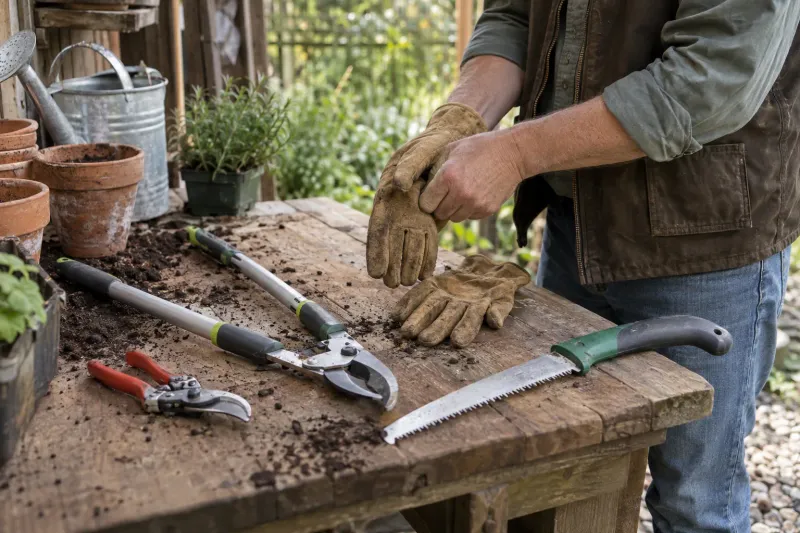
Put on gloves first. Fine hairs on the leaves and stems can irritate skin or eyes, which is noted in USDA’s plant guide and by the Arizona Municipal Water Users Association.
Avoid touching your face while you prune or pull, and wash up afterward. Long sleeves help if you are clearing a big plant.
Then make the call. Confirm the identity, weigh its habitat value and low water needs against its reseeding and the demands of that bed.
Keeping a confirmed desert globemallow is reasonable, and so is removing one that crowds a space. A plant earns its place by fitting the yard, not just by being native.