Before You Burn Arizona Brush, Rule Out Poison Ivy Hiding In The Pile
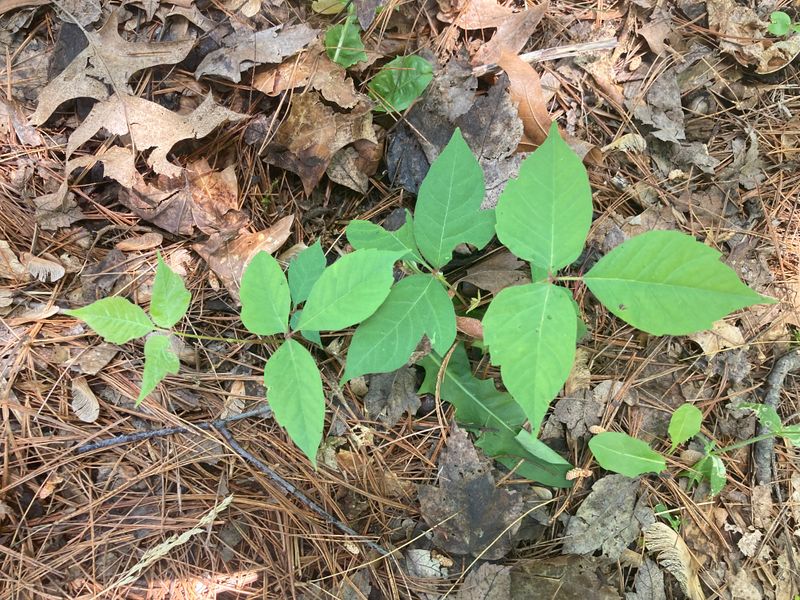
Fall cleanup often ends with a pile of sticks and a match. But a bare stem can hide an oil that causes trouble when it goes up in smoke.
Poison ivy grows in parts of Arizona, and it is easy to miss once the leaves drop. A little caution now can spare you a serious health scare.
Poison ivy is a plant to rule out
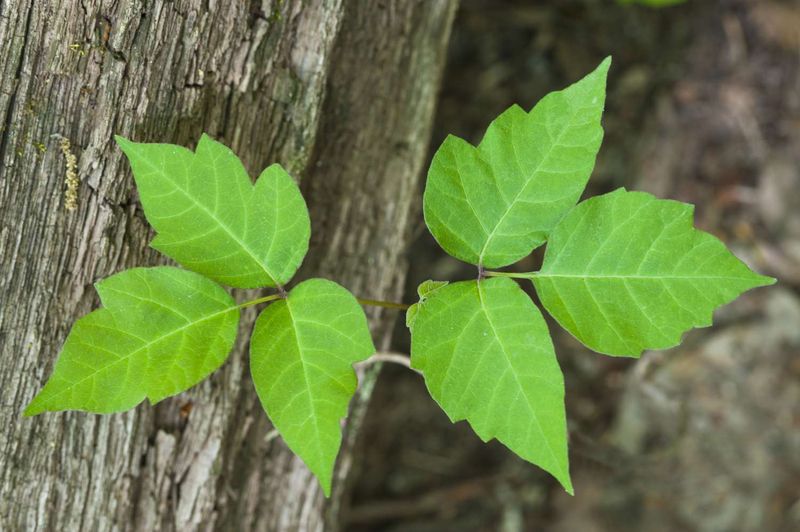
Poison ivy belongs on your list of plants to rule out before any brush hits a fire. Two kinds are documented in the state, according to U.S.
Forest Service species records. Eastern poison ivy shows up in southeastern Arizona, and western poison ivy is found in Arizona too.
The two forms grow differently. Eastern poison ivy can climb trees, fences, and walls as a vine.
Western poison ivy is a low shrub that does not climb, so looking for a vine will not catch it.
None of this means poison ivy is common in every yard. Those records do not show it is widespread across the low-desert cities like Phoenix or Tucson.
The point is simple: if you cannot tell what a stick is, it is wise to keep it away from the flames.
A bare stem cannot pass the three-leaf test
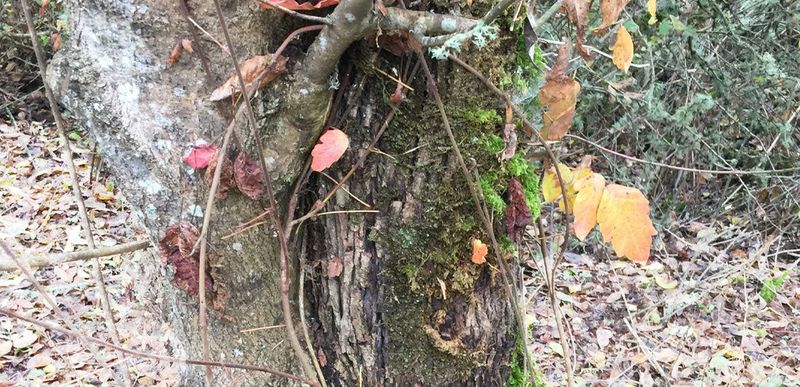
“Leaves of three” is a handy rhyme when foliage is on the plant. Once fall strips the leaves away, that clue is gone, and a naked stick gives you very little to go on.
Even with leaves, CDC guidance notes that poison ivy looks different by species, place, and season. Harmless lookalikes also have clusters of three leaflets, as Missouri Extension identification tips point out.
So do not try to name a plant from one bare stem. If you are unsure where a piece of brush came from or what it was, treat it with care and keep it out of the burn pile.
Urushiol can remain on brush for years
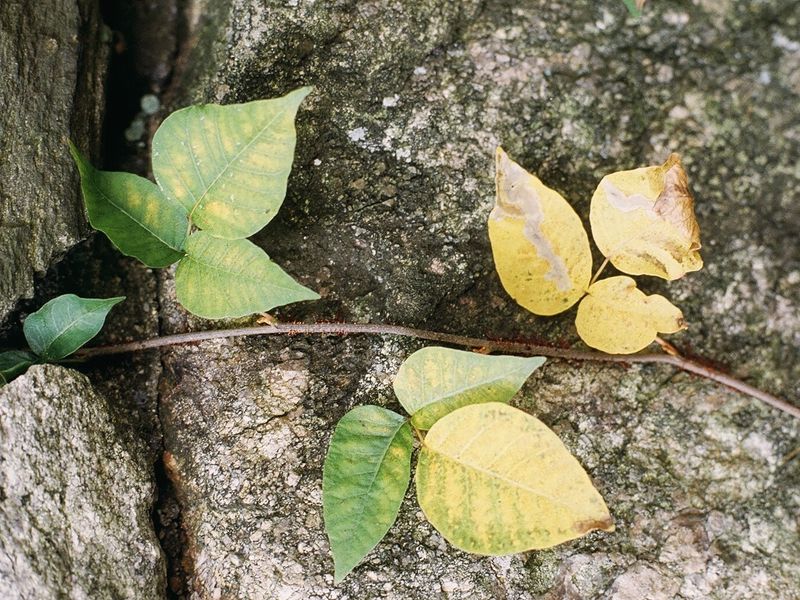
Urushiol is the oil in poison ivy that causes the itchy rash. It does not vanish when a plant loses its leaves or turns brown and brittle.
CDC says urushiol can stay active on objects for up to five years. Extension guidance also warns that old poison ivy material can still hold the oil.
That means a dry, gray stick is not automatically safe. Age and appearance tell you very little.
Drying out a plant or letting it sit through a hot summer is not a way to make it fine to handle or burn.
Smoke can carry urushiol into the lungs
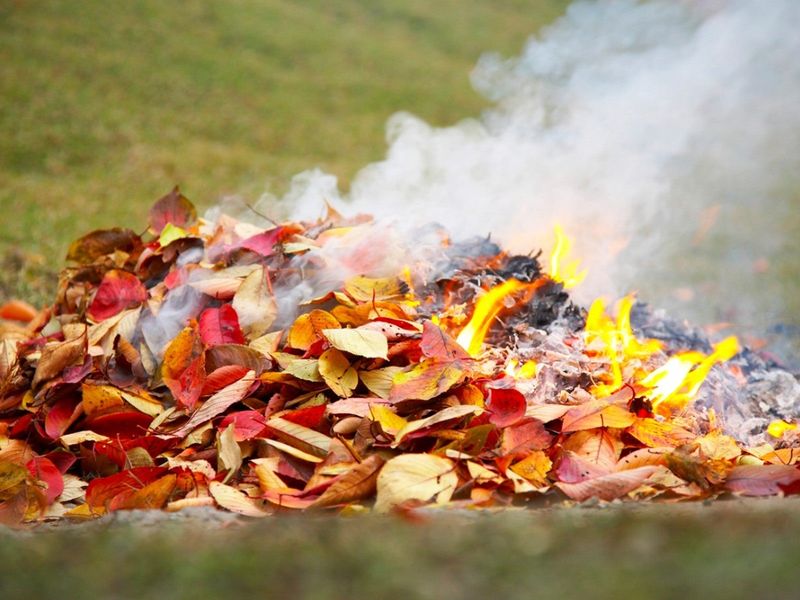
Smoke from any fire can make you cough. Burning plants that contain urushiol adds a different concern.
According to CDC and NIOSH, smoke from burning poison ivy can carry urushiol-containing particles. Breathing them in can irritate the lungs or cause severe allergic respiratory problems.
Not everyone who is near such smoke will be hurt, and the reaction varies from person to person. But the possibility is serious enough that suspect brush should stay out of the fire.
Your Arizona Garden Changes Every Week. Your Plan Should Too.
Gardening in Arizona changes quickly throughout the season. Every Friday you’ll receive a simple weekly plan showing exactly what to plant, prune, fertilize, harvest, and protect so you never miss the right timing.
This is a particle-and-allergy problem, not just ordinary smoke.
Keep suspect brush out of the burn pile
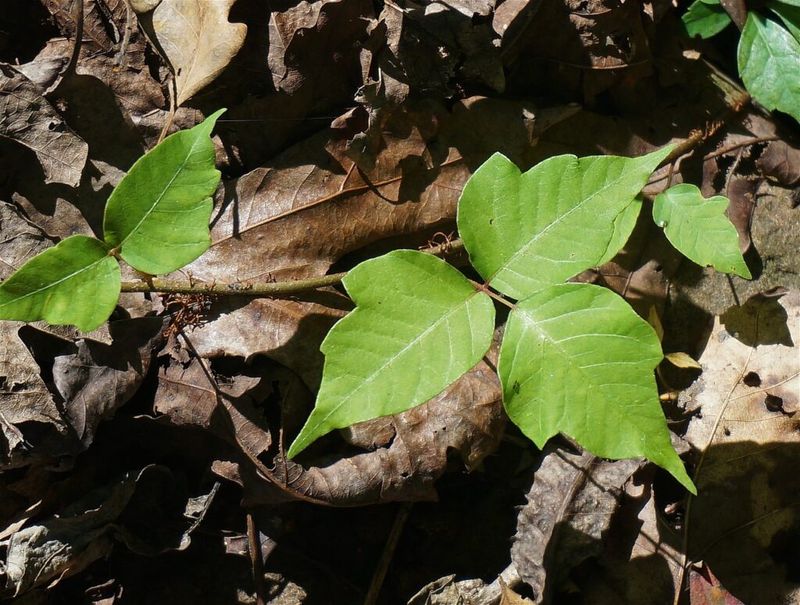
The safest move is to avoid touching questionable plants at all. Do not burn them, and do not add them to a compost pile.
Check your city or county rules for how to dispose of yard waste.
If you must handle the material, CDC advice is to cover your skin and wear gloves. Wash exposed clothes separately from other laundry.
Tools can carry the oil too, so clean them afterward. Many gardeners follow Iowa State Extension tips for careful removal.
A household mask is not a safe way to burn this material, so skip the fire entirely.
A burn permit is not a safety clearance
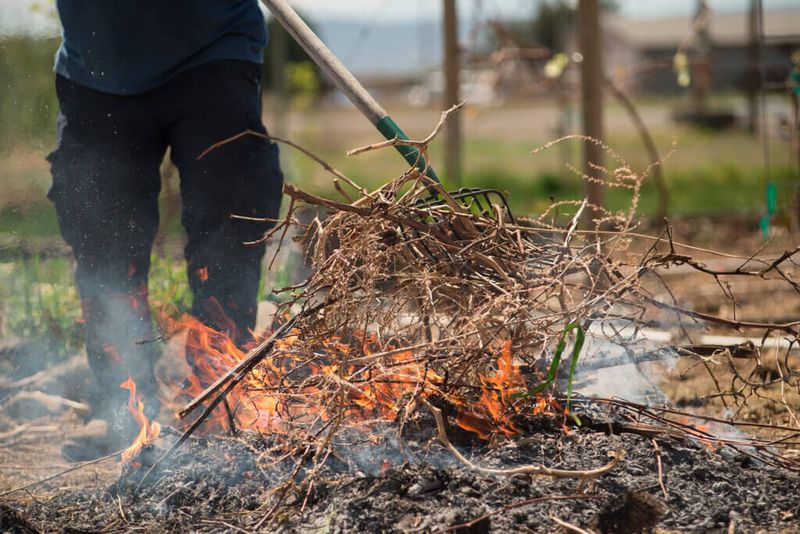
Arizona requires an open-burn permit for outdoor fires used for weed abatement or fire-hazard prevention. In Maricopa, Pima, and Pinal Counties, the permits are issued by the county.
A permit answers a legal question: may you burn? It does not answer a health question: is this material safe to burn?
A stack of brush that may hold urushiol is still a concern, with or without paperwork. Keep suspect plants out of the fire no matter what your permit says.
Breathing trouble after exposure needs urgent care

If you have been near smoke from suspect brush and have trouble breathing, get help right away. The same goes for a severe allergic reaction.
A stick is easy to set aside, but lungs are not.