Is Your North Carolina Garden Soil Safe to Grow Food In After Flooding?
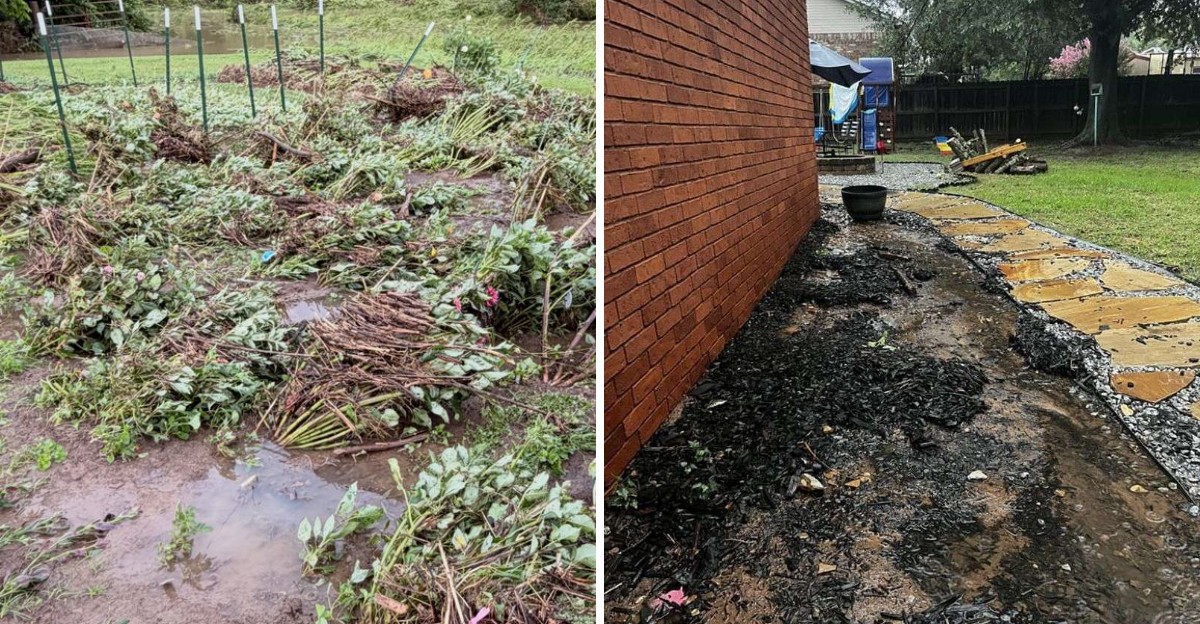
Floodwater can leave bacteria like E. coli in your garden soil for months. That clean-looking dirt might not be as friendly as it seems.
NC State Extension experts urge caution after a flood. Rivers and creeks can carry sewage, fuel, and farm runoff. All of it can settle right into your vegetable beds.
I love North Carolina gardens, from mountain plots to coastal backyards. I also know how hard it feels to wait. You want fresh tomatoes and greens again soon.
So how long should you really hold off? The answer surprised me more than I expected.
1. Something You Cannot See May Be Sitting in Your Beds
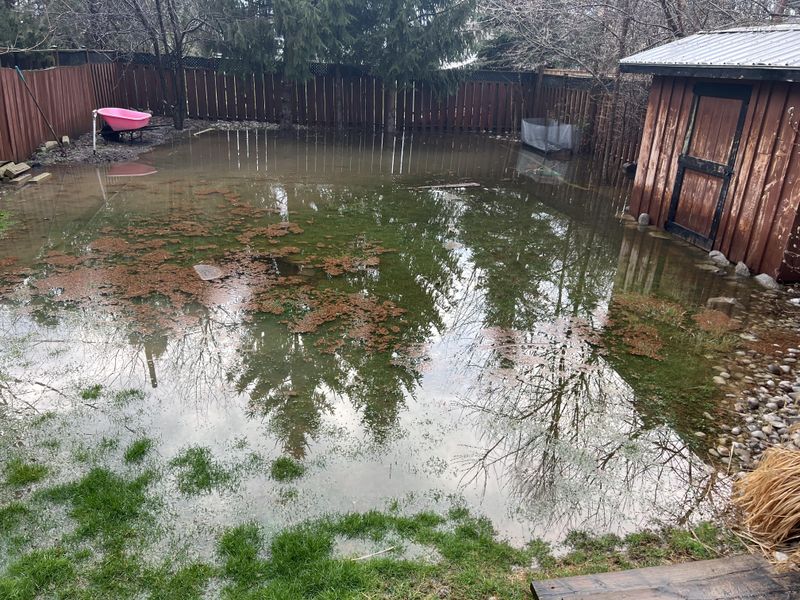
Mud looks like mud. Sadly, floodwater often hides a messy mix you cannot spot with your eyes. When rivers and streams rise, they pick up whatever is nearby.
That can include sewage from overflowing septic systems, animal waste from farms, fuel, oil, pesticides, and household chemicals. As the water slows down, it drops silt and these extras right onto your garden.
Germs like E. coli, Salmonella, and hepatitis A can hang around in soil for weeks or even months. Some chemicals and heavy metals, like lead, may stick around even longer. They cling to soil bits and can splash onto leaves or get absorbed by plants.
Gardeners in eastern North Carolina know this risk well. Big storms like Hurricane Florence pushed water through hog farms, towns, and industrial sites. Western counties saw similar mess after Helene.
So the first step is honest thinking. Did water from a creek or river cover your garden, or did rain just puddle for a day? Moving floodwater carries far more risk than simple rain pooling.
Knowing the source helps you decide your next move with a clear head and a careful plan.
2. Some of Your Harvest Has to Go, Even If It Looks Fine
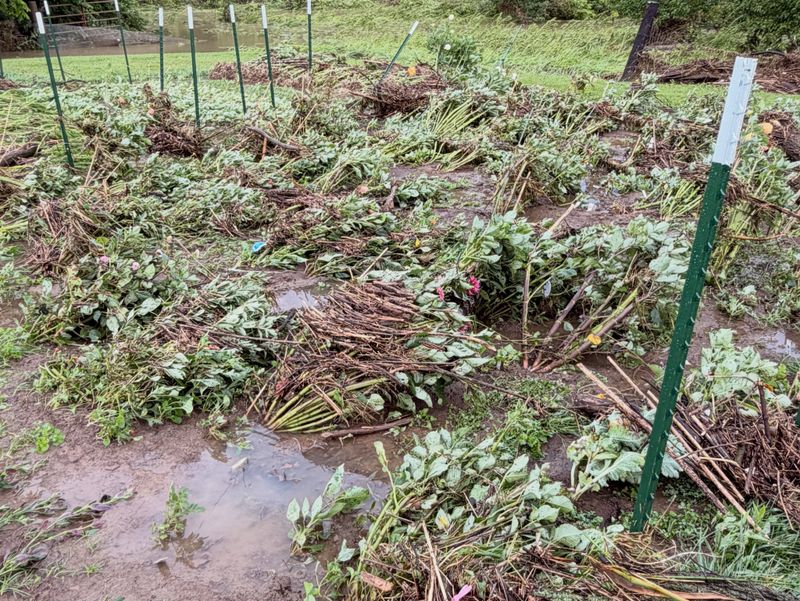
Tossing a perfect-looking zucchini hurts. I have felt that sting myself, and it is no fun at all.
Still, NC State Extension advises throwing out any produce that touched floodwater. Washing will not reliably remove germs that cling to skins or sneak into tiny cracks. Cooking helps a little, but experts still say the risk is too high.
Leafy greens top the list. Lettuce, spinach, kale, collards, and herbs have lots of folds and wrinkles. Germs hide there easily, so these crops should go in the trash.
Soft fruits like strawberries and tomatoes also need to go if water reached them. Root crops sitting in soaked soil, like carrots, potatoes, and beets, belong in the discard pile too.
What about produce that hung high above the waterline? Fruits on tall plants that stayed dry may be okay. Many experts still suggest caution if mud splashed on them.
A simple rule helps here. When in doubt, throw it out. Wear gloves while you clean up, and bag the produce instead of tossing it into your compost pile.
3. Patience Is Your Best Tool Before Replanting
Waiting is the hardest part of gardening. After a flood, though, time does real cleanup work for you.
Your North Carolina Garden Changes Every Week. Your Plan Should Too.
Gardening in North Carolina changes quickly throughout the season. Every Friday you’ll receive a simple weekly plan showing exactly what to plant, prune, fertilize, harvest, and protect so you never miss the right timing.
Sunlight, drying, and natural soil life help break down many germs. That process takes a while. NC State Extension and other university experts suggest waiting at least 90 to 120 days after floodwater recedes before harvesting crops grown in that soil.
Some sources offer a simple guide. Wait about 60 days before planting crops that grow above ground, like beans or peppers. For crops that grow in or touch the soil, like carrots, radishes, or lettuce, hold off around 100 to 120 days.
This timing matters a lot in North Carolina. Many floods arrive with late summer and fall hurricanes. By the time your waiting period ends, cool weather may have arrived.
That can work in your favor. Use the downtime to plan a strong spring garden instead of rushing a fall crop.
Keep in mind that chemical spills follow different rules. Time helps with germs, but it does little for fuel or heavy metals. Those cases may need testing first.
4. Cleaning Up Gently Keeps Your Soil From Getting Worse
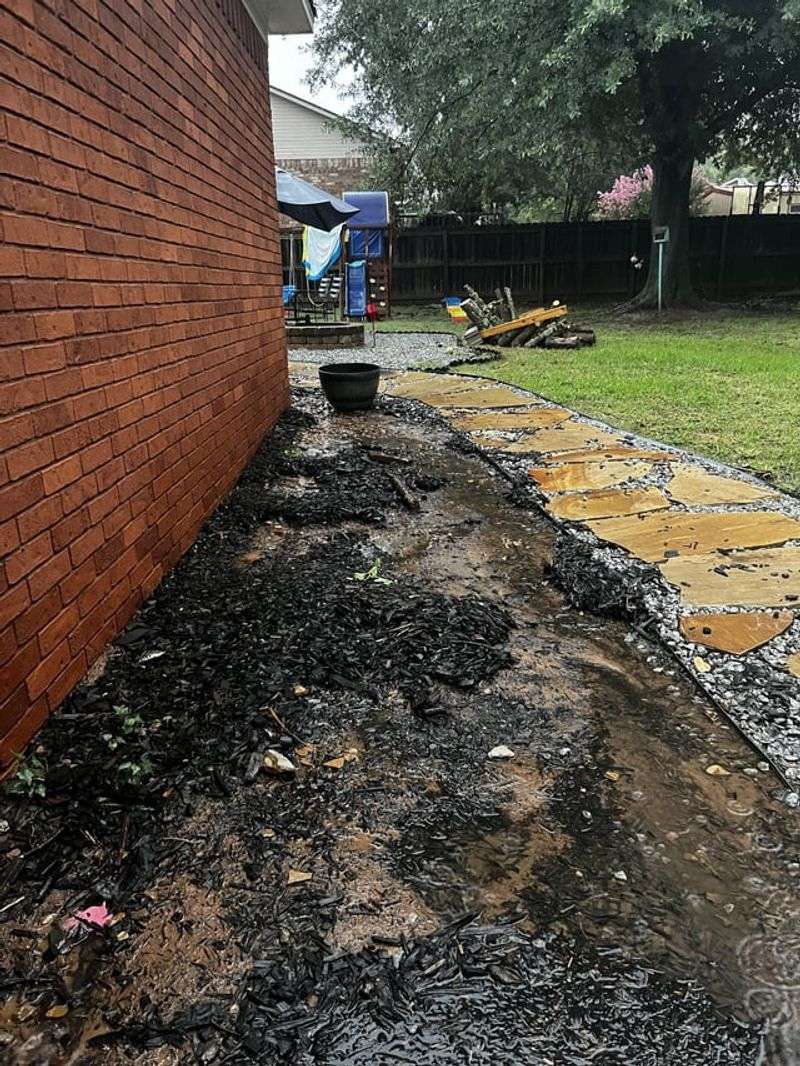
Grabbing a shovel right away feels natural. Wet soil, however, is fragile and easy to harm.
Stay off soggy beds as much as you can. Walking or digging in wet ground squeezes out air pockets. That compaction makes it tough for roots and water to move later on.
Wait until the soil crumbles in your hand instead of forming a sticky ball. Then start removing debris. Pick up trash, broken branches, plastic, and anything that floated in.
Protect yourself while you work. Wear waterproof boots, thick gloves, long sleeves, and eye protection. A simple mask helps if the mud has dried into dust.
Wash your hands often and clean tools with soap and water afterward. A diluted bleach rinse works well for shovels and pruners too.
Watch for odd smells, oily sheens, or strange containers. Those may signal chemical spills, so do not handle them yourself. Contact your county or local emergency office for help.
Thick silt layers deserve attention too. If more than a few inches settled on your beds, scraping some off may help before mixing anything in.
5. Healthy Soil Bounces Back With a Little Help From You
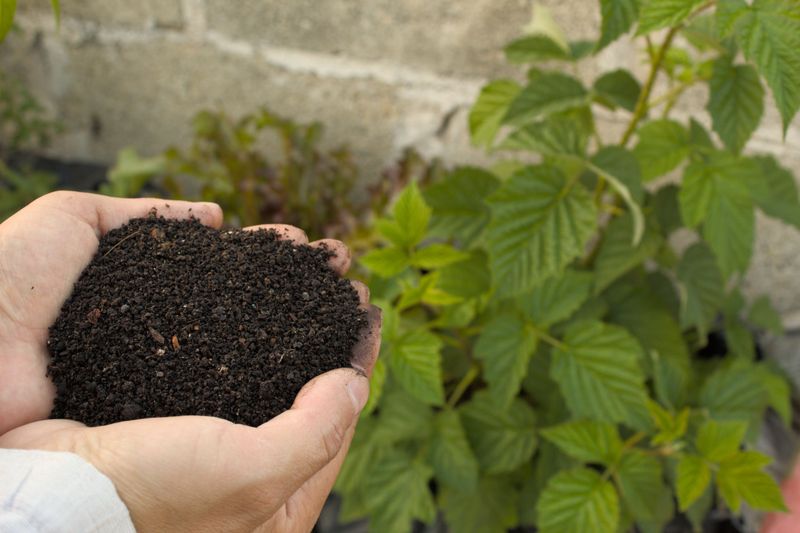
Soil is alive, and it loves good food. Flooding can wash away nutrients and upset the tiny helpers living underground.
Compost is one of your best friends here. Adding a few inches of well-aged compost boosts helpful microbes. Those microbes help break down some leftover germs and rebuild healthy soil structure.
Cover crops are another smart choice during your waiting period. In North Carolina, fall options like cereal rye, crimson clover, and hairy vetch grow well through cool months.
Their roots loosen soil, hold it in place, and add organic matter when you turn them under in spring. Do not eat anything from those cover crops, though. They are there to work, not to feed you.
Flooding can also shift your soil pH and nutrient levels. Silt from rivers may change how your soil behaves. Adding fertilizer or lime blindly could cause new problems.
A basic soil test tells you what your soil really needs. Then you can feed it the right way. Give your soil a season to rest and recover. Your future plants will thank you with stronger growth.
6. A Soil Test Can Answer Questions Your Eyes Cannot
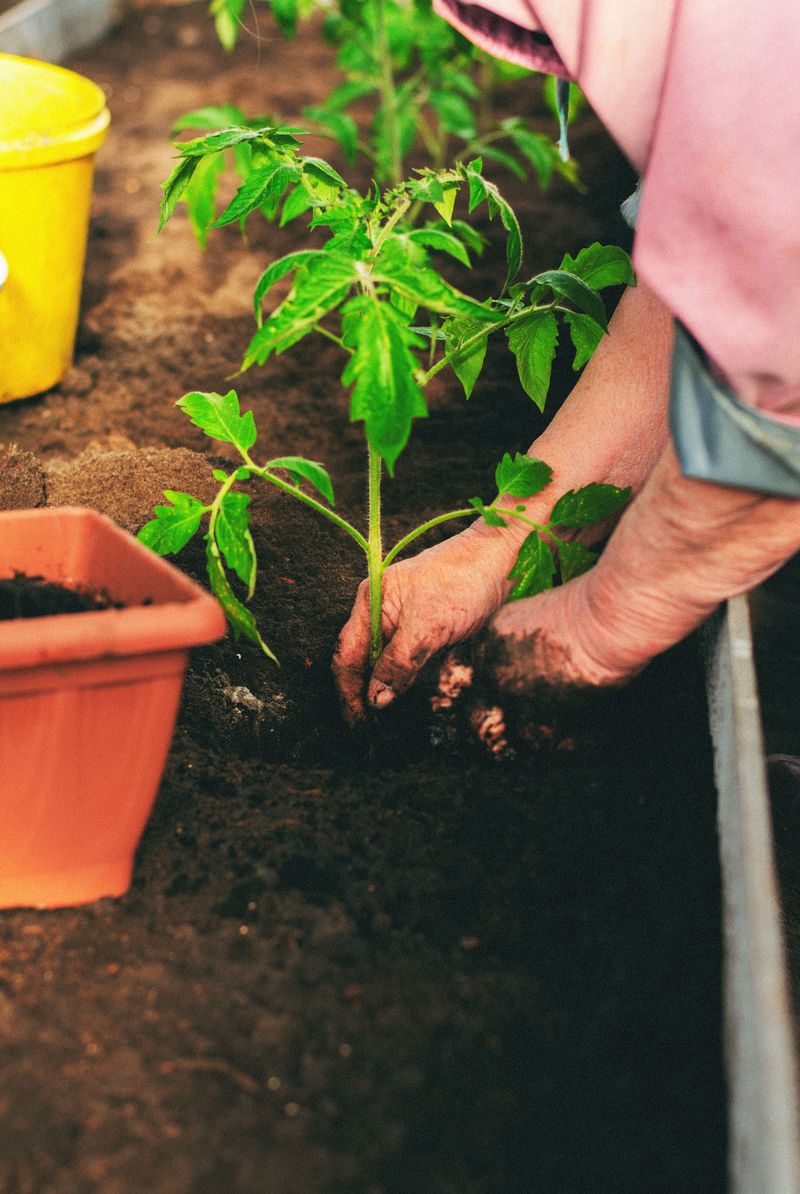
Fun fact: the North Carolina Department of Agriculture runs one of the busiest soil testing labs in the country. Gardeners have used it for decades.
That standard test checks pH and nutrients like phosphorus and potassium. It is very helpful for rebuilding your soil after a flood. Boxes and forms are often available at your county Cooperative Extension office.
There is a catch, though. Routine tests do not check for bacteria or most chemical contaminants. NC State Extension notes that home gardeners usually need a private lab for those tests.
So when should you pay for extra testing? Consider it if your garden sat near a gas station, factory, junkyard, or flooded storage area. Oily films, odd smells, or chemical containers nearby are other warning signs.
Heavy metals like lead and arsenic are common worries. Some private labs offer metal panels at a reasonable price.
Your local Extension agent can help you decide what makes sense. They know the area, the flood history, and which labs are trusted.
A quick phone call may save you stress. It can also give you real peace of mind before planting.
7. Smart Changes Now Can Protect Next Year’s Garden
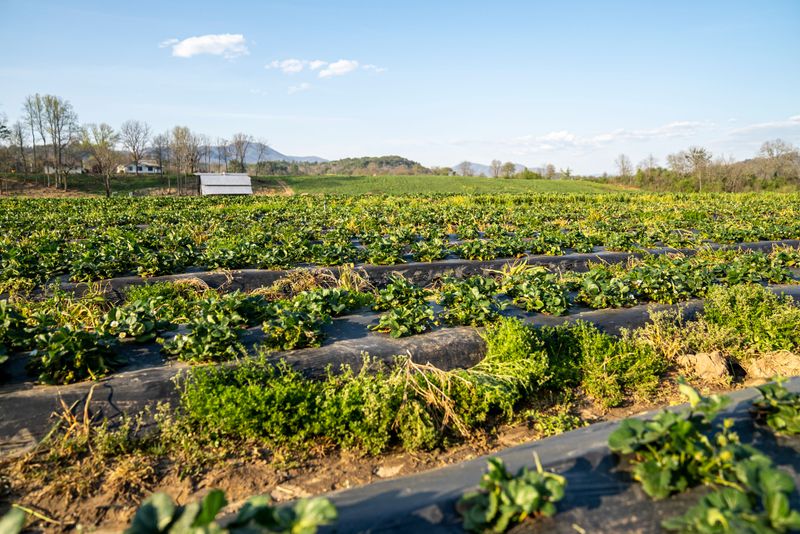
Floods will likely return someday. Hurricanes and heavy storms are part of life in many parts of North Carolina.
The upside is that a few smart changes can lower your risk a lot. Start by watching where water flows and pools on your property. Higher, well-drained spots make better homes for vegetables.
Raised beds are a popular fix. Taller beds, around 12 to 18 inches or more, keep roots above shallow standing water. Filling them with fresh, clean soil and compost also gives you a safer start.
Keep beds away from creeks, ditches, and low corners. Also avoid planting downhill from septic systems or animal pens.
Containers offer another option. Pots on patios or decks can be moved before a big storm arrives. Mulch helps too. A layer of straw or shredded leaves reduces mud splashing onto plants during heavy rain.
Finally, keep your county Extension office contact handy. They share flood updates, safety tips, and planting advice each season.
A little planning today means less worry later. Your garden can stay a happy, healthy place to grow food for your family.