What Texas Palms Need In October Before Growth Slows Down
Unlike most trees, a palm grows from just one spot. Every new frond comes from a single bud hidden at the very top of the trunk.
Protect that bud, and the palm keeps thriving. Damage it, and there’s no backup plan. That’s what makes fall care so important.
As temperatures cool in October, Texas palms begin to slow their growth for the year. Before they do, they need to store enough energy and nutrients to carry them through winter.
A hungry palm often shows it with yellowing, spotted, or frizzled fronds. Many homeowners make things worse by trimming off too many green fronds, which the tree uses for food and protection.
A few smart steps now can help your palms stay strong through cold snaps and come back lush and healthy next spring. The window to act won’t stay open long.
1. A Final Feeding With Palm Fertilizer
Think of October as the last big meal before a long road trip. Your palms are about to slow down, and they need a full tank of nutrients to get through the cooler months. A final fertilizer application in early fall gives them that boost.
Not just any fertilizer will do. Palms have special needs, and regular lawn food can actually cause problems.
Many lawn fertilizers are packed with nitrogen, which can throw off the balance of other nutrients in palm trees.
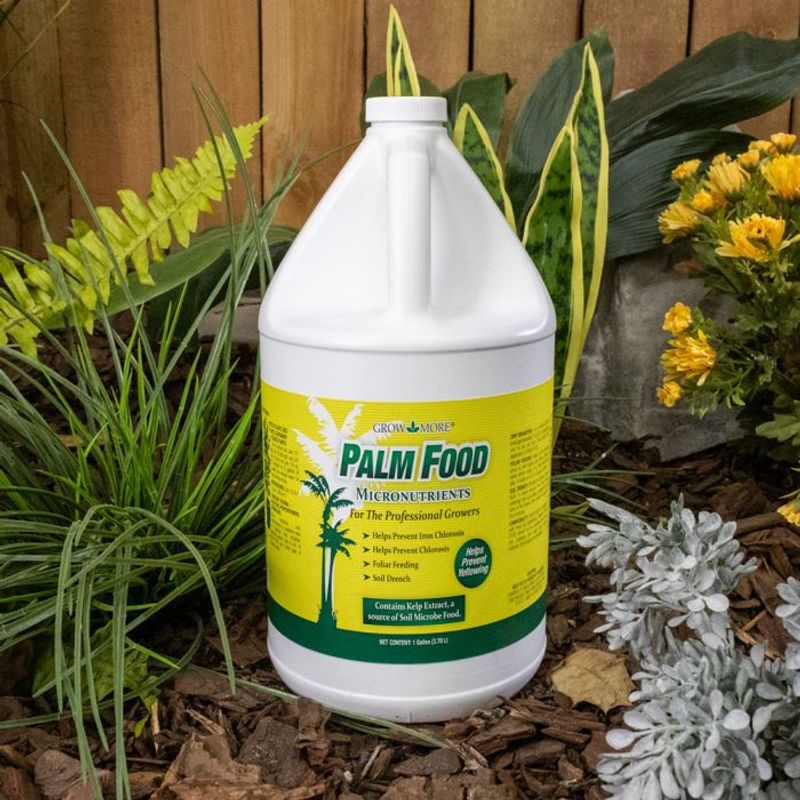
Look for a slow-release palm fertilizer instead. A good one will list potassium and magnesium on the label, along with smaller amounts of nitrogen. Potassium helps palms handle stress, and magnesium keeps fronds green and strong.
Slow-release formulas are a smart pick because they feed the tree a little at a time. That steady supply means less waste and less risk of burning the roots. It also keeps nutrients in the soil longer, even after heavy fall rains.
Spread the fertilizer evenly under the canopy of the palm. Stay a foot or two away from the trunk, since the feeder roots spread out wide. Water the area well after you apply it so the nutrients can soak into the soil.
Timing matters here. Try to feed your palms by early or mid October. Feeding too late in the year can push tender new growth that might get damaged by a freeze.
Here is a fun fact. Palms are not true trees at all. They are more closely related to grasses, which helps explain why their nutrient needs are so different from an oak or a maple. Always read the bag for exact amounts.
2. Deep Watering During Dry Spells
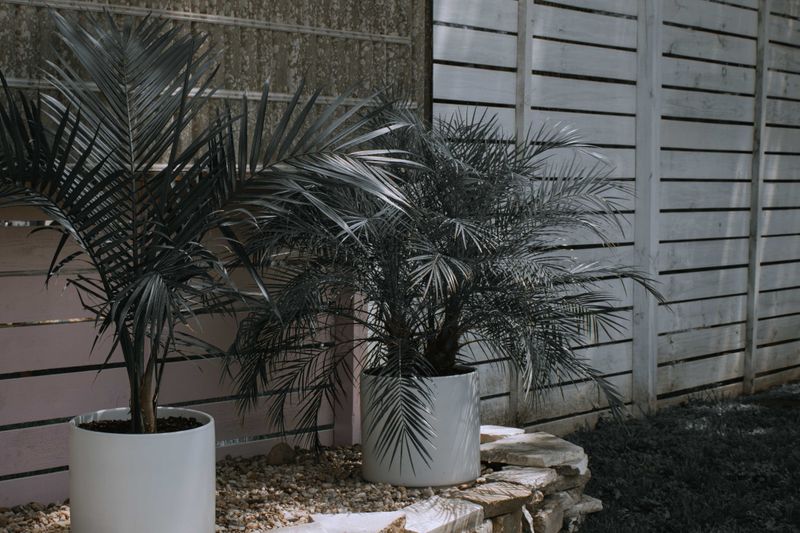
Cooler weather can fool you. The thermometer drops, the sun feels softer, and it seems like your palms should be fine on their own. Texas falls are often dry, though, and many areas go weeks without a good rain.
Palms still need water in October. Young palms and those planted in the last year or two need it most. Their roots have not spread far yet, so they cannot reach deep moisture the way older palms can.
Your Texas Garden Changes Every Week. Your Plan Should Too.
Gardening in Texas changes quickly throughout the season. Every Friday you’ll receive a simple weekly plan showing exactly what to plant, prune, fertilize, harvest, and protect so you never miss the right timing.
The trick is to water deeply but not too often. A quick sprinkle only wets the top inch of soil. Deep watering sends moisture down where the roots live and encourages them to grow longer and stronger.
A soaker hose or a slow trickle from a garden hose works well. Let the water run for a while so it soaks in instead of running off. For a young palm, aim to wet the soil about 12 to 18 inches down.
So how often should you water? During dry stretches, once a week is usually plenty for most palms. Check the soil first by pushing a finger or a screwdriver a few inches into the ground. If it feels dry, it is time to water.
Be careful not to go overboard. Soggy soil can lead to root rot, which is a real headache to fix. Palms like moisture, but they do not like to sit in a puddle.
A well hydrated palm handles cold much better than a thirsty one. Moist soil actually holds heat better than dry soil, which gives roots a little extra protection on chilly nights. That is a simple win for very little work.
3. Only Light Pruning
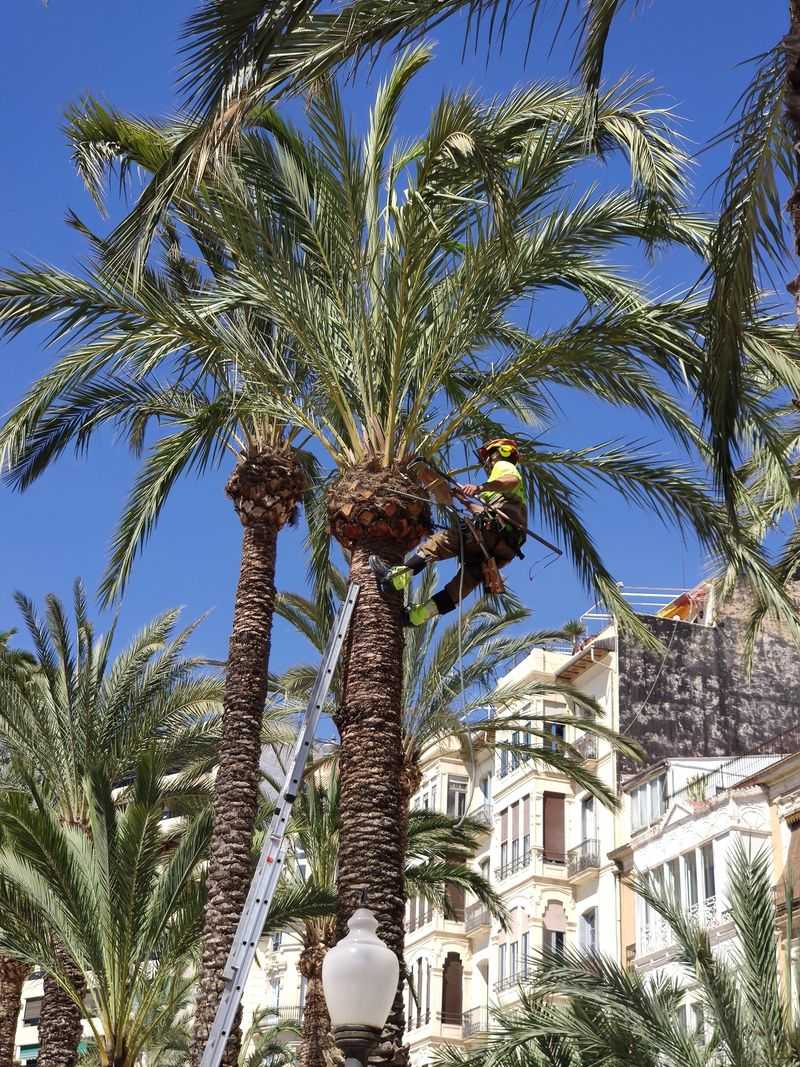
Ever seen a palm trimmed so hard it looks like a feather duster on a stick? Folks sometimes call that a hurricane cut. It might look tidy, but it does real harm, especially right before winter.
Green fronds are the palm’s kitchen. They soak up sunlight and turn it into food the tree needs to stay healthy. Every green frond you cut off takes away part of that food supply.
Fronds also act like a cozy blanket. They wrap around the growing point at the top of the palm, also called the bud or heart. That bud is where all new growth comes from, and it needs protection when cold air rolls in.
So what should you remove? Only fronds that are completely brown and dry. Those are done helping the tree and can safely go.
Leave green fronds alone. Partly yellow fronds should stay too. Palms pull nutrients like potassium out of older fronds before they fade, so cutting them early robs the tree of stored food.
When you do prune, use clean, sharp tools. Cut close to the trunk without nicking it, since wounds can let in pests and disease. Wiping your blades with rubbing alcohol between trees is a smart habit.
Seed stalks and flower clusters can come off if you want. Removing them saves the palm some energy and keeps messy fruit off your patio.
A good rule of thumb is to never cut fronds above the imaginary line of a clock showing nine and three. If you picture the palm as a clock face, keep everything from the sides upward. Your palm will thank you come spring.
4. A Layer Of Mulch Over The Roots
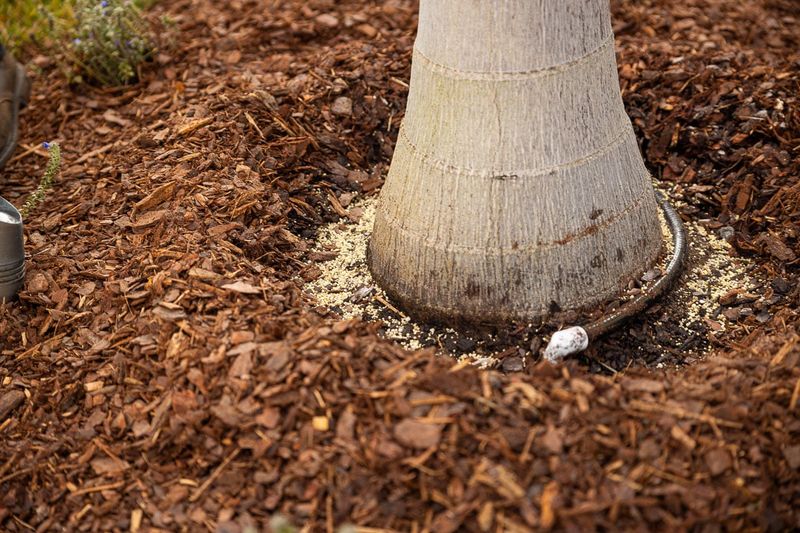
Mulch is one of the cheapest tricks in the garden, and palms love it. A simple layer spread over the roots can do the work of a sweater, a water bottle, and a weed fighter all at once.
As temperatures drop, soil can swing from warm afternoons to cold nights. Those big swings stress roots. Mulch acts like insulation and helps keep soil temperatures more even.
It also locks in moisture. After you give your palm a deep drink, a mulch layer slows down how fast that water dries up. You end up watering less, and your palm stays happier.
Aim for about two to four inches of mulch. Spread it in a wide circle under the canopy, since that is where most feeder roots live. Bigger is usually better as long as you keep it even.
Good choices include shredded hardwood, pine bark, or pine straw. These break down slowly and add a little organic matter to the soil over time. Skip rocks right around palms, since they can trap heat in summer.
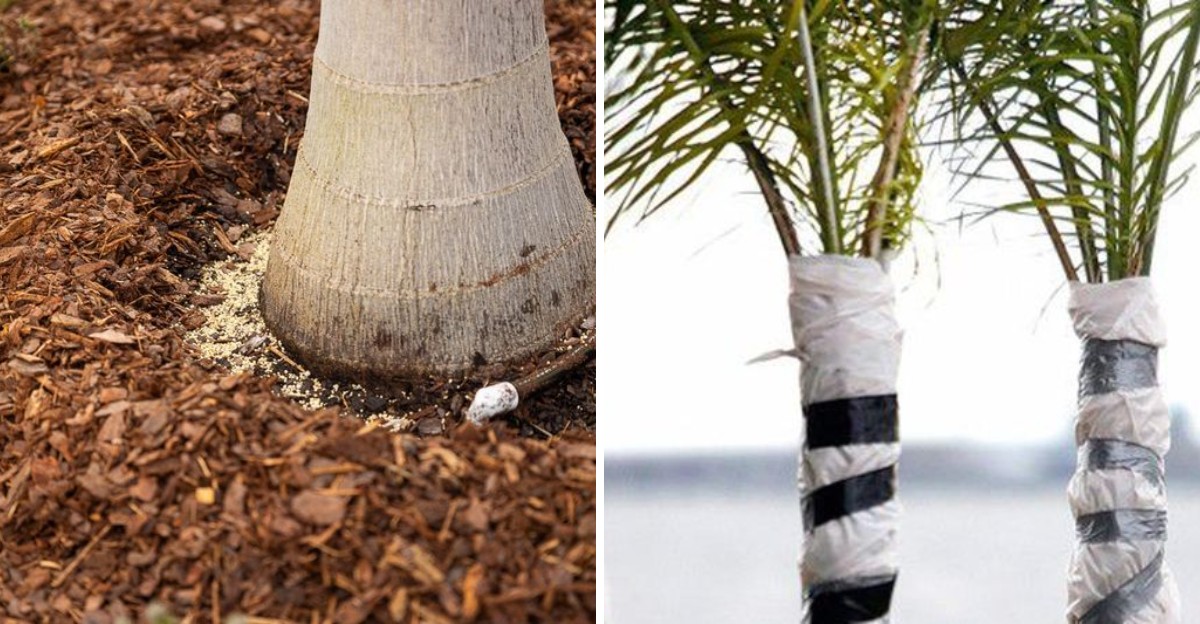
Now for the most important part. Keep the mulch several inches away from the trunk. Piling it up against the bark creates a damp hiding spot for rot, fungus, and bugs.
Some people call that mistake a mulch volcano. It looks neat, but it can quietly damage the base of the tree. Instead, picture a flat donut with a hole in the middle.
Check your mulch every few months. Rake it gently to keep it fluffy and add more as it breaks down. A fresh layer in October sets your palm up for a calmer winter.
5. A Check For Nutrient Problems And Disease
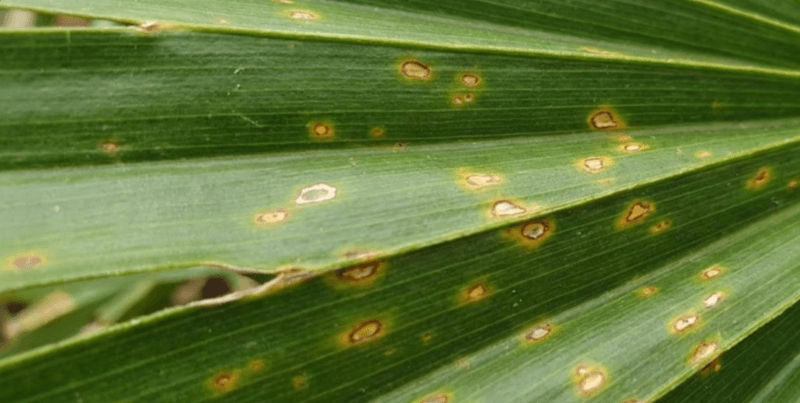
Palms are quiet, but they do send signals. You just have to know how to read them. October is a great time for a slow walk around the yard to give each palm a careful look.
Start with the oldest fronds near the bottom. Yellow tips, orange or see-through spots, or brittle edges often point to a potassium shortage. That problem is very common in Texas, especially in sandy or alkaline soils.
A different pattern can show magnesium trouble. Look for a wide yellow band along the outer edges of older fronds while the center stays green. Gardeners sometimes describe it as a green stripe down the middle.
Both problems can be fixed over time with the right palm fertilizer. Keep in mind that damaged fronds will not turn green again. Healthy new growth is the real sign that your efforts are working.
Now for something more serious. Watch for fronds turning bronze or reddish-brown, starting at the bottom and moving upward. That can be a sign of lethal bronzing, a disease that has shown up in many parts of Texas.
Tiny insects called planthoppers spread it from palm to palm. Once the spear leaf in the center turns brown, the disease has usually gone too far. Catching it early gives you the best chance to protect nearby palms.
If you notice bronzing, call a certified arborist right away. They can test the tree and suggest treatments for healthy palms close by.
Snap a few photos each fall. Comparing them year to year makes it much easier to spot changes before they become big problems.
6. Freeze Protection Supplies On Hand
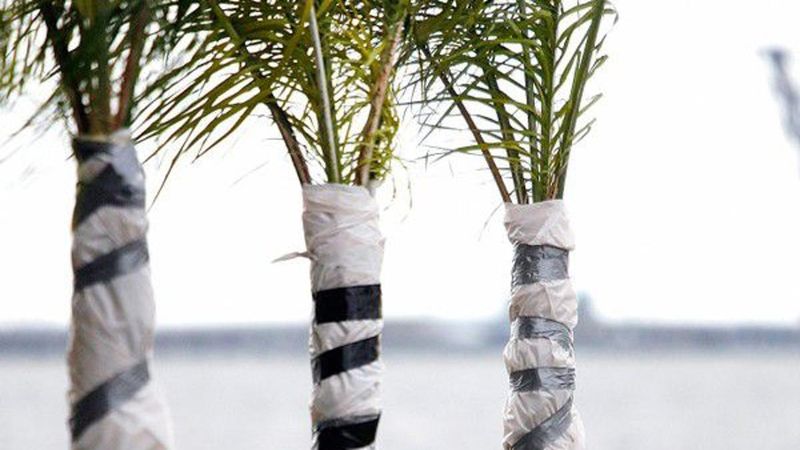
Texans remember the big freeze of February 2021. Palms that had stood strong for years suddenly looked burnt and sad. Many homeowners learned the hard way that cold snaps can come fast and hit hard.
That is why October is the time to get ready. Waiting until the weather report shows a hard freeze often means empty store shelves. Stocking up early saves stress and money.
Frost cloth is the top item on the list. It lets light and air through while trapping warmth from the ground. Buy enough to cover small palms completely or wrap the top of medium ones.
Trunk wraps help too. Burlap or special tree wrap can be wound around the trunk to block wind. Some gardeners also wrap old-style incandescent string lights around the trunk for a little extra heat.
Grab some rope, zip ties, and clips so you can secure everything quickly. A sturdy step ladder is handy for reaching the top. Keep it all in one bin so you can grab it in a hurry.
Focus on the growing point at the crown. If that bud stays safe, a palm can often regrow fronds even after heavy leaf damage. Gently tying fronds upward around the bud adds another layer of shelter.
Young palms need the most help, since they have less stored energy. Less cold-hardy types like queen palms, Mexican fan palms, and Canary Island date palms are also at higher risk.
Tough species like sabal palms and windmill palms handle cold better. Even so, a little backup never hurts when an arctic front sweeps across Texas.