The Garden Cleanup Mistake That Harms Birds In New Jersey
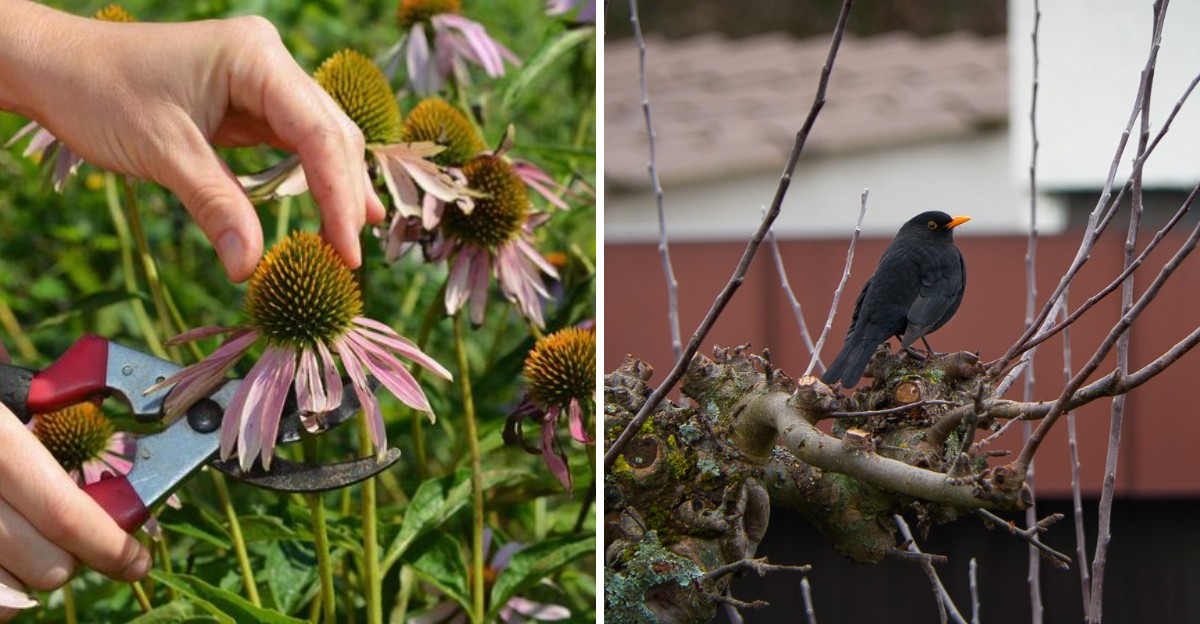
Put the clippers down before you disturb an overwintering bee. Hollow stems in your New Jersey garden shelter some native bees through winter.
Fallen leaves hide luna moth cocoons and firefly larvae you want next summer. Bagging them removes those insects from your garden.
Spent coneflower heads hold seeds that goldfinches feed on in fall. Juncos scratch through your leaf litter hunting insects and fallen seed.
You can still trim walkways and pull invasive weeds. Across New Jersey, goldfinches and sparrows rely on standing seed through January.
Leave stalks standing tall so stem-nesting bees can shelter inside them. Rake leaves into loose piles beneath shrubs instead of bagging them.
Many pollinators emerge once spring warmth holds steady, so timing matters. Birds may visit your shaggy beds throughout the winter. A reliable rule of thumb tells you when cutting becomes safer.
Spent Stalks Are A Winter Pantry For Birds
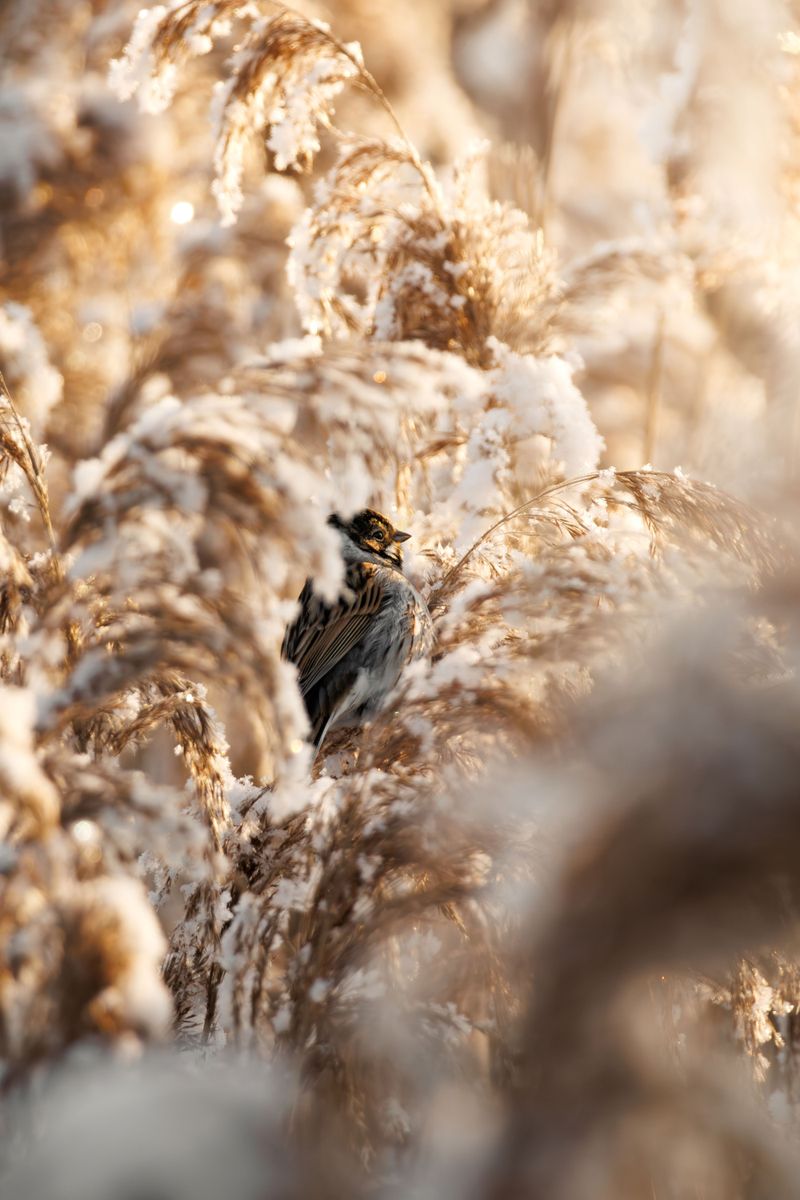
Picture a goldfinch clinging to a brown coneflower, plucking seeds like popcorn at a movie. That scene plays out each fall in many New Jersey gardens left a little wild.
Cutting back all spent flowers and stalks during an October cleanup can remove food birds count on. Those faded plants still hold seed that birds need when cold weather arrives.
Seeds from coneflowers, black-eyed Susans, asters, and sunflowers feed many hungry winter birds. Juncos, sparrows, cardinals, and finches all pick through standing stems for a quick meal.
Hollow stalks matter too, because tiny insects tuck themselves inside to wait out winter. Wrens and chickadees poke at those stems, hunting for small protein-packed snacks.
When you cut everything back, that food source is removed all at once. Birds then have to fly farther and burn more energy just to find enough to eat.
Winter days in New Jersey are short, and nights can drop well below freezing. A small bird must eat a lot during daylight to stay warm until morning.
A chickadee can lose a noticeable chunk of its body weight overnight just keeping warm. Seed heads left standing can help it refuel the next morning.
Many native plants also hold their seeds tightly, releasing them slowly over the winter. That slow release means birds find food in January, not just in October.
So that scruffy flower bed is not just lazy gardening. It is a free bird feeder that produces new seed each year.
Seeds And Shelter Hidden In Old Flower Heads
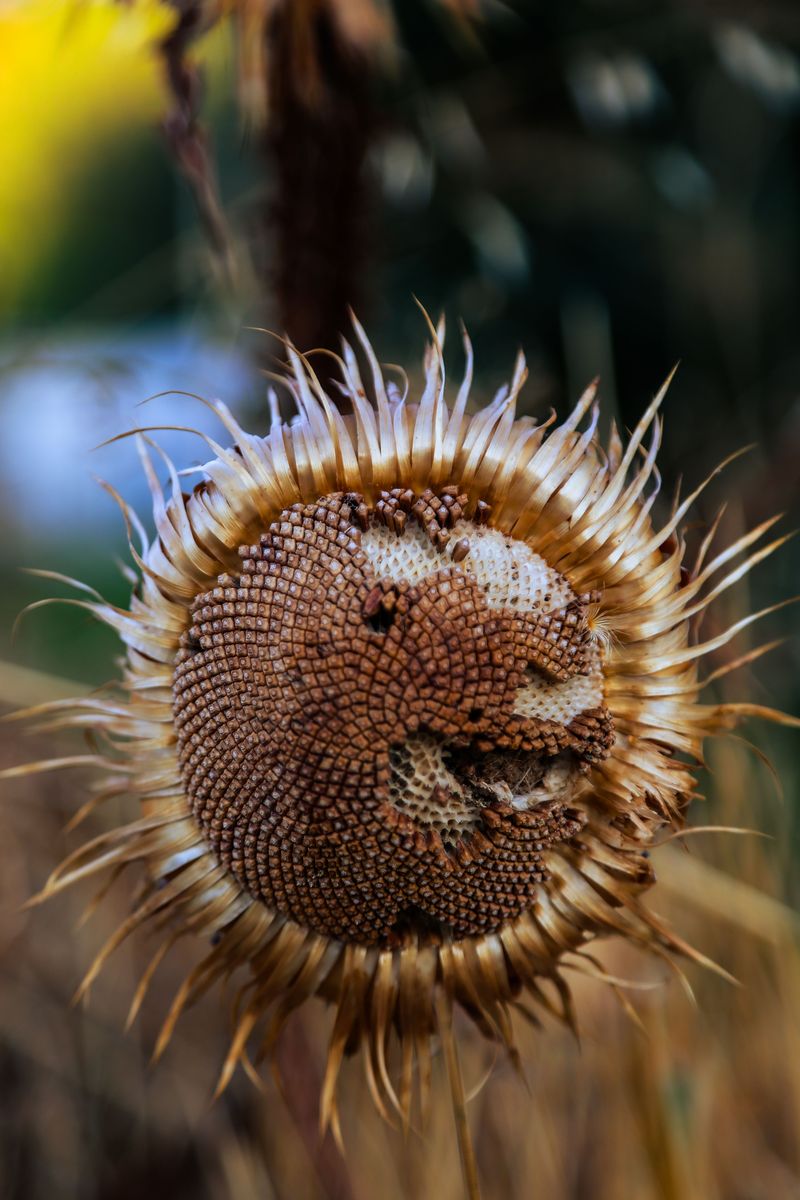
Think of a dried flower head as a tiny apartment building with a snack bar. Birds see food, insects see a bedroom, and everyone benefits from the setup.
Goldenrod is a great example found all over New Jersey fields and yards. Small round swellings on its stems, called galls, hold fly larvae that downy woodpeckers love.
Woodpeckers and chickadees peck open those galls in midwinter for a juicy treat. Cut the goldenrod in October, and that hidden meal is removed with it.
Native bees also use hollow stems as nurseries, and their young overwinter inside. Those bees emerge the following spring or summer to pollinate your flowers.
Your New Jersey Garden Changes Every Week. Your Plan Should Too.
Gardening in New Jersey changes quickly throughout the season. Every Friday you’ll receive a simple weekly plan showing exactly what to plant, prune, fertilize, harvest, and protect so you never miss the right timing.
Standing plants offer shelter as well as food on rough winter days. Sparrows dart into thick clumps of stalks to hide from hawks and icy wind.
Cooper’s hawks hunt backyard birds all winter in New Jersey suburbs. A tangle of brown stems gives small birds a quick escape route close to the ground.
Fallen leaves and plant debris at the base add another layer of life. Caterpillars, beetles, and spiders hide there, and birds like juncos and sparrows scratch through it for food.
Scientists call this whole system a food web, and your garden is one strand. Pull out too many strands at once, and the web starts to sag.
Some caterpillars spend winter tucked into leaf litter, and nesting birds feed on caterpillars in spring. Leaving that cozy mess now supports the insects nestlings eat later.
October Timing And The Urge To Tidy Up
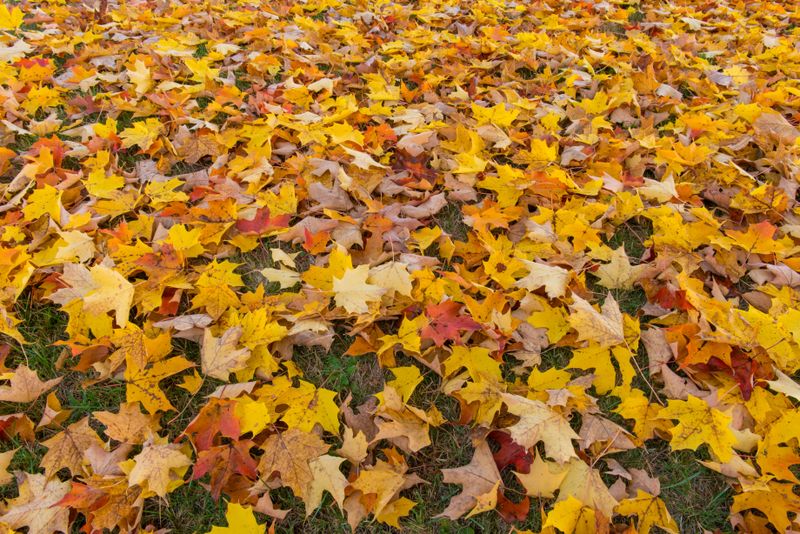
October makes many people want to tidy up the garden. Maybe it is the cool air, or maybe it is the neighbor with the perfect lawn.
Old gardening advice told us to cut everything back in fall to prevent pests. Many people still follow that habit without stopping to ask whether it helps anything.
The trouble is that migrating birds arrive in October, and seed heads stay useful all winter. Migrating sparrows and juncos arrive in New Jersey looking for fuel after their journey south.
Dark-eyed juncos, often called snowbirds, show up from northern forests around mid-October. White-throated sparrows join them, singing a sweet whistle that sounds a bit sleepy.
Those hungry visitors search low garden beds for fallen and standing seeds. A freshly cleared yard looks like a closed restaurant with the lights turned off.
Many birds also stay here all winter, including cardinals, blue jays, and Carolina wrens. They rely on whatever your garden holds from now until early spring.
Your urge to clean up is not wrong, so please do not feel guilty. It just needs better timing and a little restraint with the pruners this month.
Raking leaves off the lawn and pulling sick plants are fine fall chores. Save the stalk chopping for spring, when birds have finished snacking.
Think of it as giving your garden a long winter nap instead of a buzz cut. Your feathered neighbors may reward you with more birdsong.
Why A Cut-Back Fall Garden Offers Birds Less
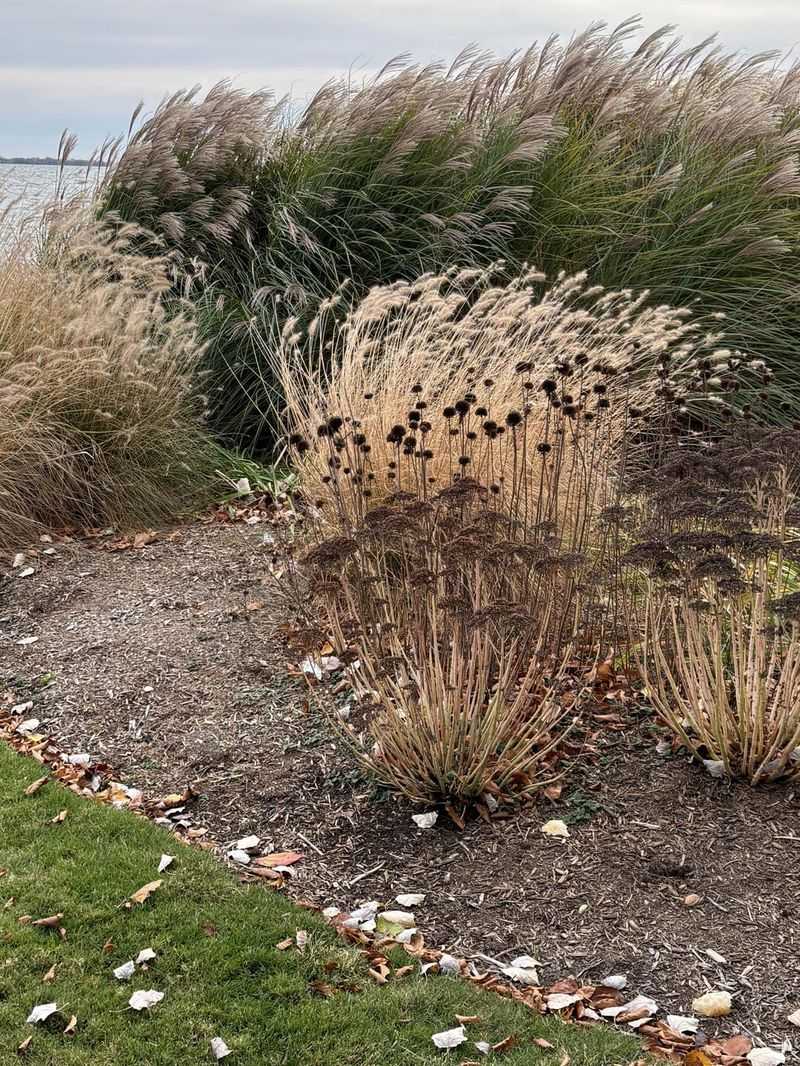
A cut-back garden in November can look clean, but it offers wildlife little. There is less to eat, fewer places to hide, and less reason for birds to stay.
North America has lost nearly three billion birds since 1970, according to a 2019 study in Science. The study did not test causes, but habitat loss is widely cited, and common birds like sparrows and finches were among the hardest hit.
New Jersey is the most densely populated state in the country. Our yards, added together, can offer birds meaningful green space.
When many homeowners cut back their gardens each fall, neighborhoods can lose winter habitat. Birds have fewer options when nearby yards look the same.
Fully bare soil can cause other problems. Without plant cover, rain can wash away topsoil, and frost heaves can push young roots out of the ground.
Weeds can take over an open patch of dirt in early spring. Leaf litter acts like a blanket, keeping some weed seeds from sprouting.
Beneficial insects like ladybugs and lacewings also overwinter in garden debris. Remove their hiding spots, and fewer helpers show up to eat aphids next year.
So a spotless fall garden can sometimes mean more work and fewer helpful insects later. The tidiest yard on the block is not always the easiest to maintain.
Small changes in one yard can add up. A single patch of standing flowers can draw many bird visits on a snowy day.
A Smarter Fall Cleanup Plan For New Jersey Yards
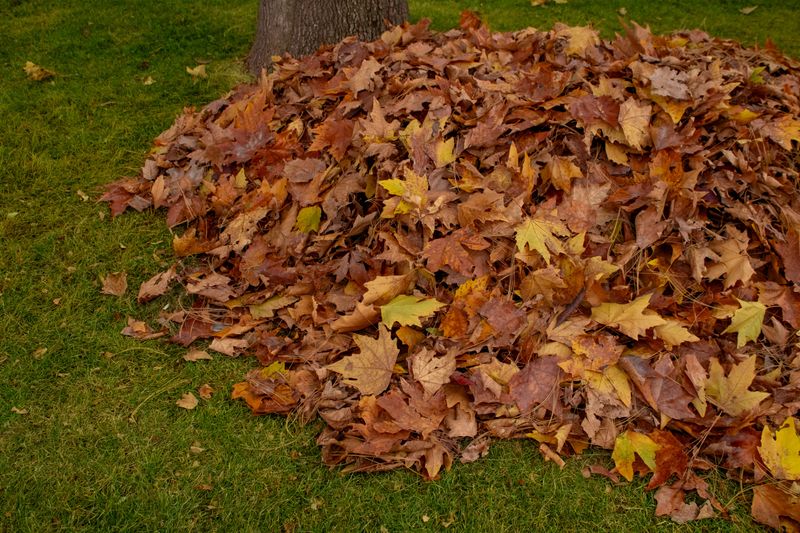
Nobody is asking you to let your whole yard turn into a jungle. A smart plan keeps the bird benefits while still looking neat and cared for.
Start by walking your garden and spotting plants with sturdy seed heads. Coneflowers, rudbeckia, asters, bee balm, and native grasses are all worth leaving tall through winter.
Plants that flop into mush, like hostas and daylilies, can be cut back now. Those soggy leaves offer birds very little and can look messy by December.
Remove any plants showing disease, such as peonies with fungal spots or mildewed phlox. Bag those instead of composting them, so problems do not spread next season.
Keep a tidy edge along sidewalks and lawns to show the mess is on purpose. A crisp border makes a wild flower bed look planned, not forgotten.
Rake leaves off the lawn, then spread them under shrubs and around perennials, away from walkways and play areas to limit ticks. Those leaves become mulch, insect shelter, and a scratching ground for hungry juncos.
Some towns in New Jersey have rules about yard appearance, so check local codes. A small sign saying the garden supports wildlife can also calm curious neighbors.
Programs like the National Wildlife Federation offer certified wildlife habitat signs for home gardens. Hanging one turns your scruffy bed into a proud neighborhood conversation starter.
Finally, leave a few brush piles in a back corner, away from play areas, for extra shelter. Sparrows and wrens will treat that pile like a cozy little winter cabin.
Spring Rewards Of A Messier Garden
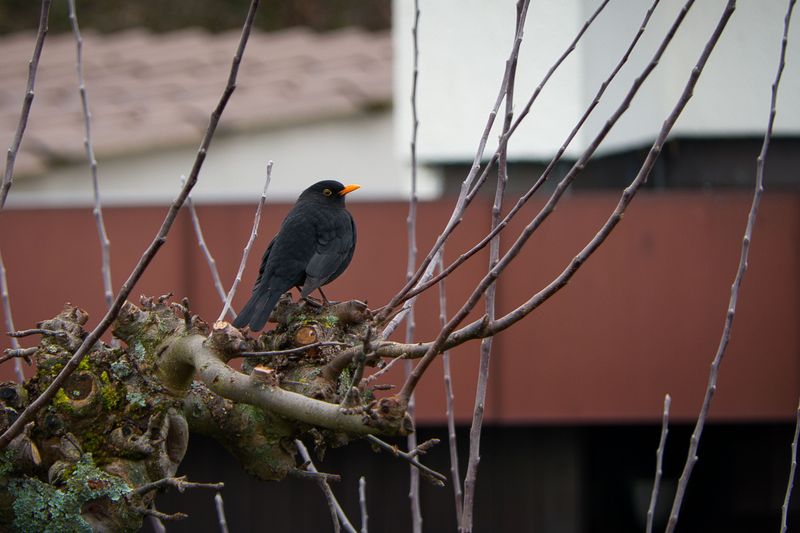
Fast forward to a chilly March morning, coffee in hand, as you step outside. A song sparrow is belting out its tune from the top of last year’s aster stalk.
That moment is the payoff for a little patience last fall. Resident birds that found food in your yard all winter may stay to nest nearby.
Old stems and fibers help with nest building as spring warms up. Robins and cardinals gather dry grass and bark strips, while goldfinches use plant down later in summer.
Wait until daytime temperatures stay above 50 degrees for about a week before cutting stalks. That gives many sleeping bees and other insects time to wake up and leave their stems.
In New Jersey, that window usually lands sometime in April, so check your local forecast. Southern counties near Cape May often warm up a bit sooner than Sussex County.
When you finally cut, try leaving stems 12 to 18 inches tall. New green growth hides them quickly, and bees may nest in the hollow stubs.
Chopped stalks can go straight onto the bed as a light mulch. They break down over summer and feed the soil without any extra effort from you.
Some gardeners also notice fewer aphid outbreaks once ladybugs and lacewings have a winter home. Birds feeding caterpillars to their babies help control garden pests as well.
Your garden may end up healthier, livelier, and fuller of birdsong. Not bad for a fall chore you got to skip.