Parry’s Penstemon: A Low-Desert Arizona Native That Hummingbirds May Visit
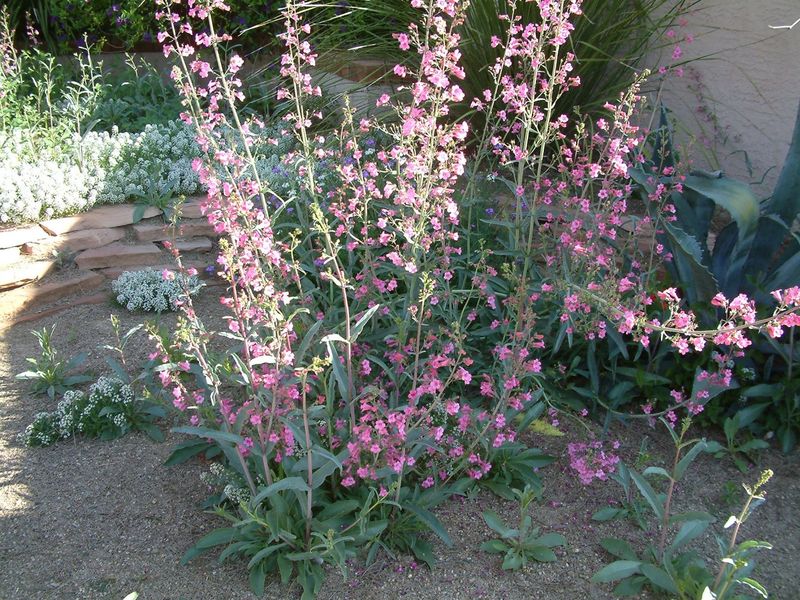
Spring in the low desert can bring a burst of pink flowers on tall, slender stalks. Parry’s penstemon is a native perennial that fits Phoenix and Tucson yards and sips water once it settles in.
Hummingbirds are linked to this plant, though no flower can promise a visit. Here is how to grow it well and what to expect.
Parry’s penstemon fits the low-desert spring
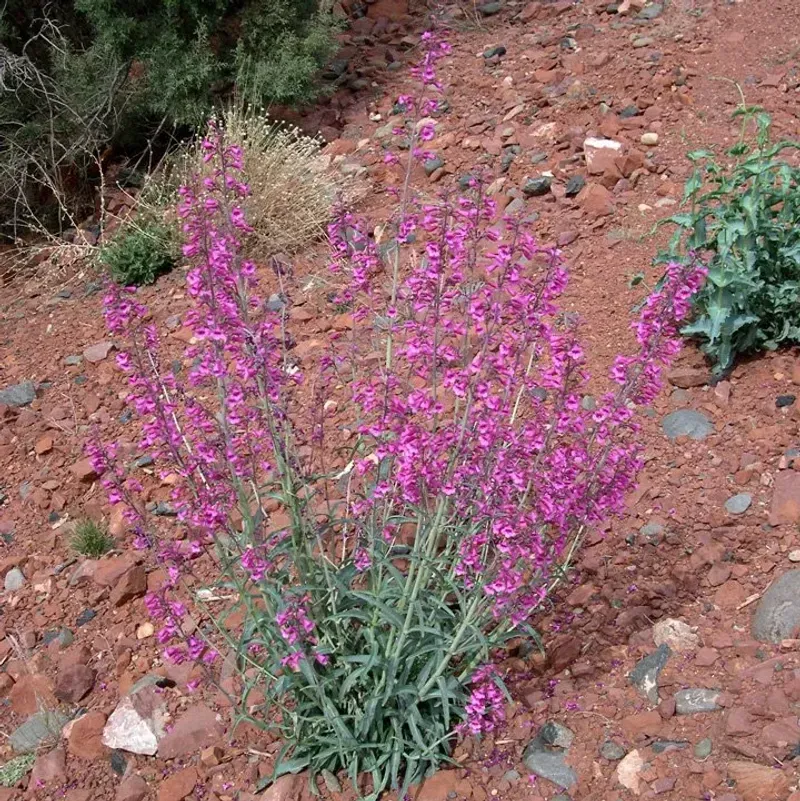
Parry’s penstemon (Penstemon parryi) is a perennial native to Arizona’s lower deserts, which makes it especially relevant to Phoenix and Tucson area gardens. It forms a low rosette of foliage at ground level, then sends up upright flower stalks that can reach about 4 feet tall.
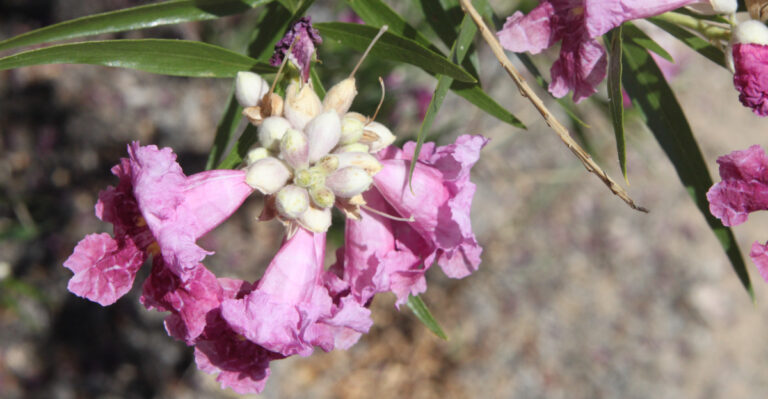
The blooms are pink to white and show up in spring, as described in University of Arizona Extension guidance on penstemons.
Keep the climate in mind. This is a lower-desert plant, so it is not a match for every elevation or climate in the state.
If your yard sits in the Valley or the Tucson basin, though, it deserves a spot on your shortlist. Bloom timing shifts with the weather, so expect a spring show rather than the same display on the same dates each year.
Hummingbird visits are possible, not promised
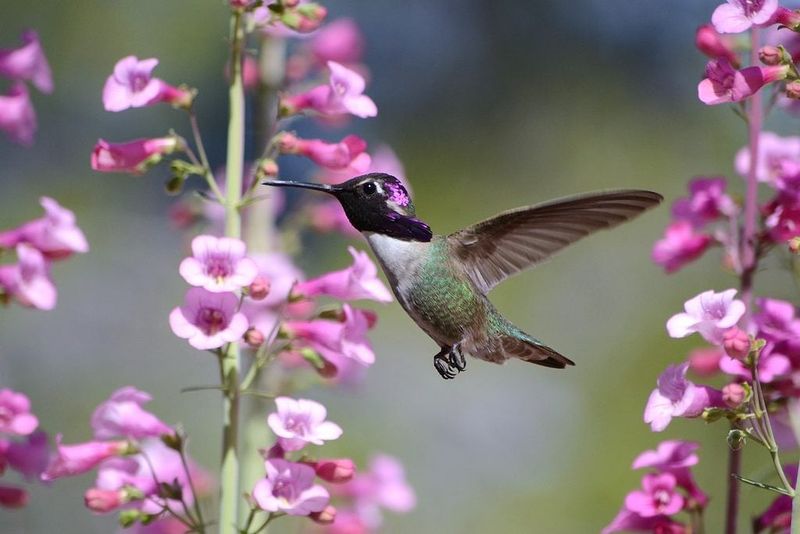
Hummingbirds are among the wildlife associated with this plant, according to the Arizona Municipal Water Users Association plant listing. That is a good sign, but it is not a guarantee.
Whether a bird shows up depends on what lives in your neighborhood and what else your yard offers.
Tube-shaped flowers draw attention, and color is only part of the story. Hummingbirds are known to favor red, yet they feed on other colors too, so do not worry if your penstemon is pale pink or white.
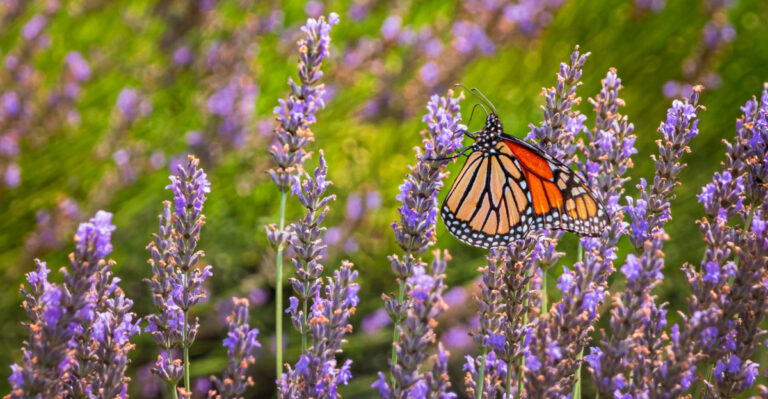
A hummingbird-friendly yard works best with variety. Audubon suggests mixing flowering plants, adding perches, offering water, and leaving habitat for insects, which hummingbirds also eat.
Pair the penstemon with other native bloomers that flower at different times, and add a twiggy shrub for resting spots.
Choose sun and drainage over constant moisture
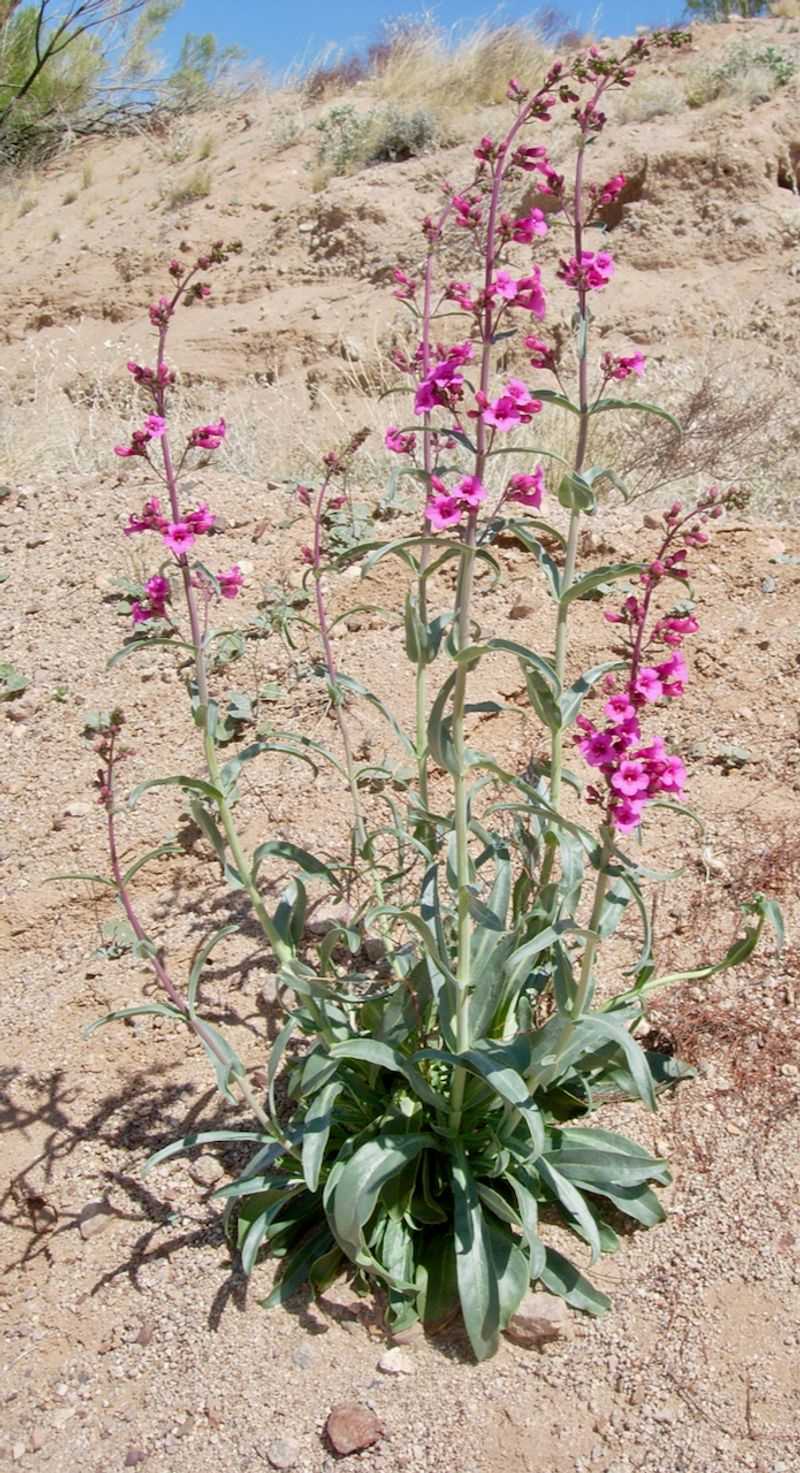
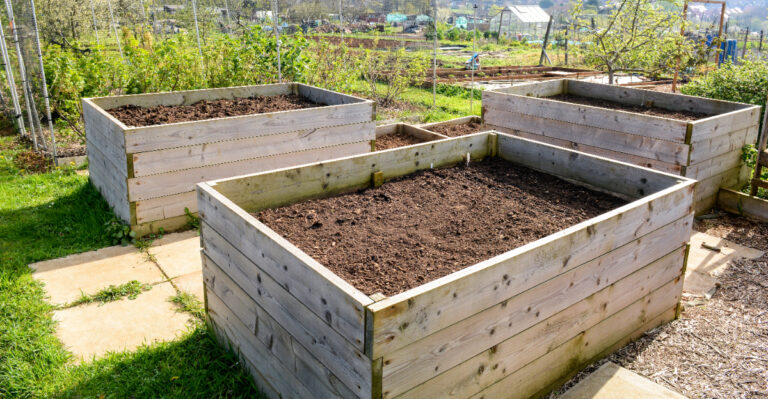
Pick a spot that gets full sun or part sun, and make sure water drains away quickly. A gentle slope, a raised bed, or a gravelly area works well.
Avoid low corners where water pools after a storm or irrigation cycle.
A low-water reputation does not mean the plant ignores drainage. The University of Arizona arboretum entry notes that it prefers good drainage and can be overwatered.
Here is a quick clue for trouble: if leaves turn yellow or the base looks soggy, the soil is probably staying wet too long. Do not put it on the same drip line as thirsty lawn or tropical-style plants.
Give it its own zone, or place it with other desert natives that like drying out between drinks.
Low water use begins after establishment
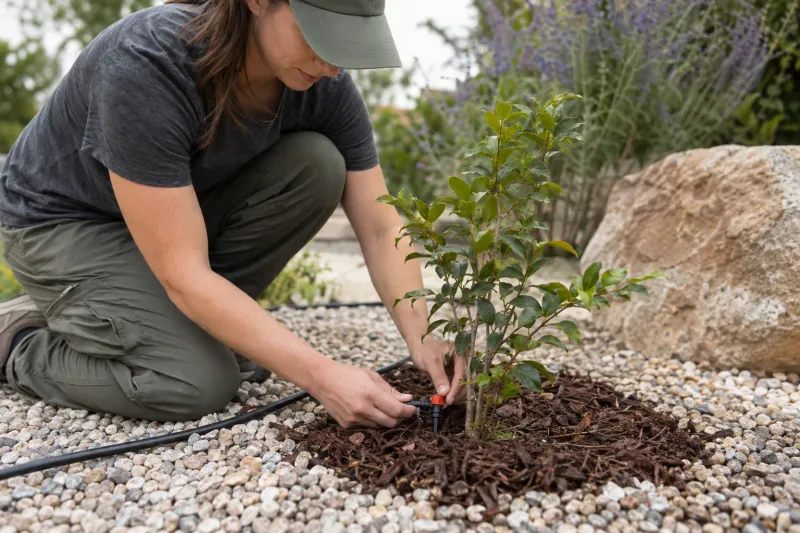
Low water use describes an established plant, not a brand-new one. The listing from the Arizona Municipal Water Users Association rates it as low water, and that applies once roots have settled in.
Your Arizona Garden Changes Every Week. Your Plan Should Too.
Gardening in Arizona changes quickly throughout the season. Every Friday you’ll receive a simple weekly plan showing exactly what to plant, prune, fertilize, harvest, and protect so you never miss the right timing.
Until then, plan on supplemental irrigation. As University of Arizona xeriscape guidance explains, desert-adapted plants usually need extra water while they get established.
How often depends on your soil, the weather, the location, and how far the roots have spread.
Instead of following a fixed schedule, check the soil a few inches down before watering. If it is still damp, wait.
Once the plant is growing well on its own, you can ease off, and watch it for signs of stress. There is no reliable number for how much water you will save, because every yard and irrigation setup is different.
Fall planting can prepare a spring display
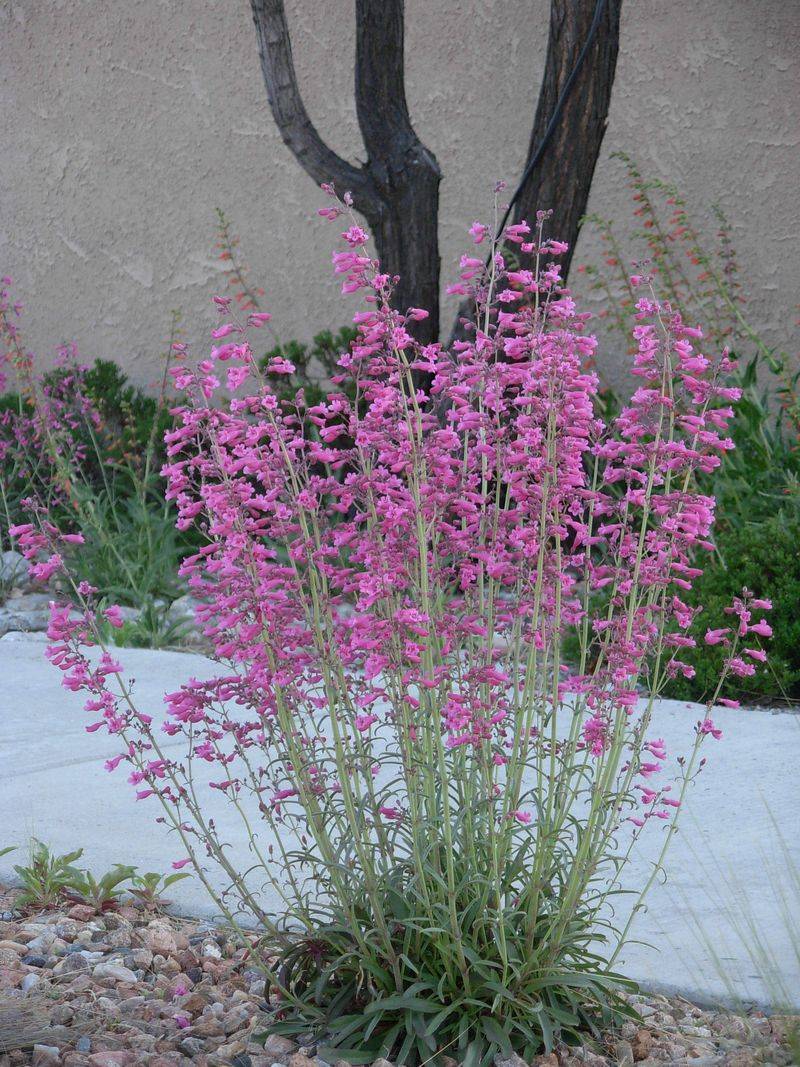
Fall is the recommended planting time, according to the Arizona Municipal Water Users Association. Cooler months give roots time to grow before the heat arrives, and that head start can set up spring flowers.
Exact bloom dates will vary from year to year.
Expect some change over time. The plant reseeds readily, so you may find seedlings popping up in other parts of the yard.
Some gardeners enjoy these volunteers, and others pull the extras.
Do not count on any single plant lasting forever. The University of Arizona arboretum notes summer dieback and a short life span.
Letting a few seedlings grow is an easy way to keep the patch going. Colder sites should also know that flowers can be damaged when temperatures fall below 15°F.
A strong option for the right Arizona garden
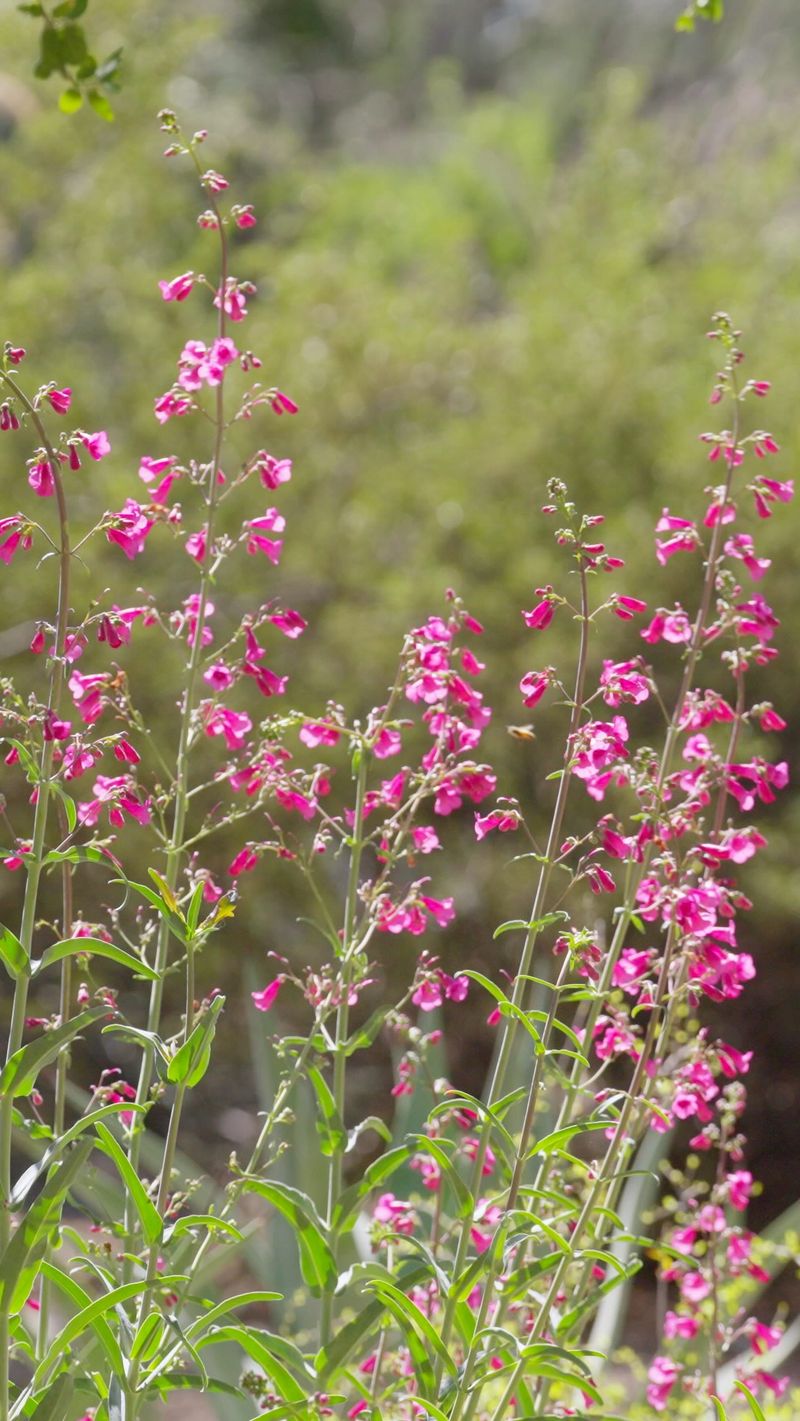
For sunny, well-drained low-desert yards, Parry’s penstemon is worth serious thought. It offers spring color on tall stalks, a link to hummingbirds, and low water use after establishment.
Keep in mind that it suits lower elevations best, and a bird visit is never certain.
Plant it where it can reseed, and enjoy the show while it lasts.