That Alien-Looking Bug You Dug Up In Your Arizona Garden Bed Has A Name
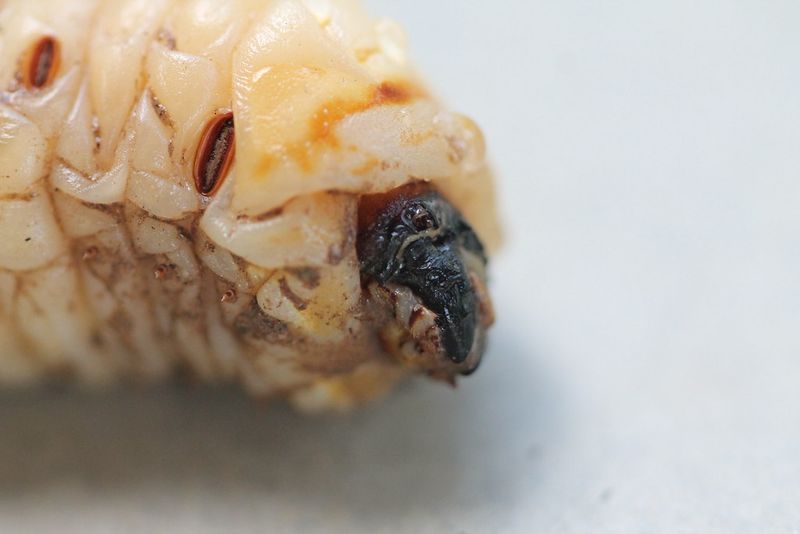
Few things stop a gardener mid-shovel like a pale, plump, oversized grub staring up from the soil. In Arizona, a find like that has a good chance of being a palo verde root borer larva, though a description alone cannot settle it.
Knowing what to look for, and what to leave alone, can spare you worry and wasted effort. Here is how to read the clues in your own dirt.
Where you found it matters as much as how it looks
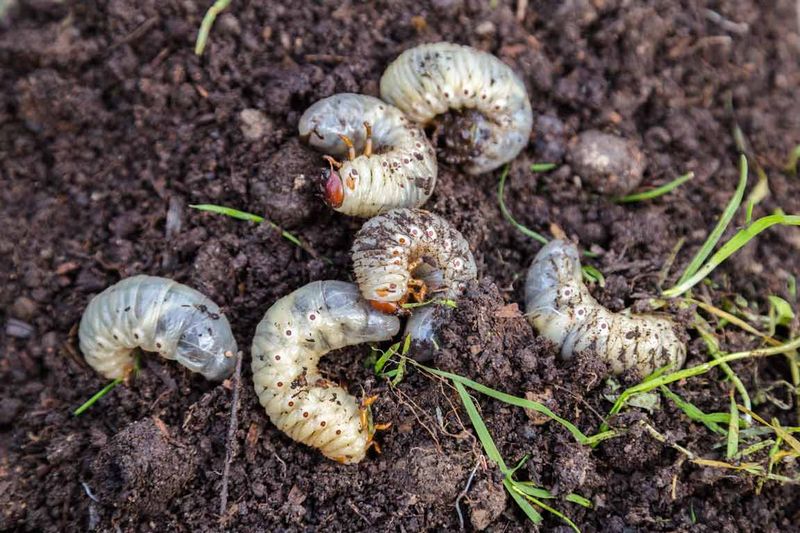
Gardeners use the word grub for many beetle larvae, not for one single species. Arizona has several kinds of white grubs, and they do not all behave alike.
Arizona Extension notes that some feed on plant roots, while others live in compost and feed on decaying organic matter, and those can even be helpful.
So start with the setting. A very large, pale grub turned up next to thick, woody roots points toward a palo verde root borer, a big longhorn beetle larva that feeds in the roots of palo verde and other landscape trees, as University of Arizona guidance describes.
A grub pulled from a compost pile or a bag of manure is a different story, and it could be another beetle larva entirely. Location narrows the list, but it cannot name the insect on its own.
Finding any grub in a bed also does not prove it is eating your plants.
What a palo verde root borer larva may look like
The leading candidate has a cream-colored body and a dark head. Full-grown larvae can reach roughly 4 to 5 inches, which is enormous next to the grubs most people expect.
University of Arizona sources describe them living and feeding in tree roots.
If your find matches that picture, a palo verde root borer is a reasonable first guess. An Arizona Extension newsletter also lists several trees and shrubs besides palo verde as hosts, so the roots nearby do not have to be a palo verde.
Still, a quick description is only a starting point. Without a clear photo, a measurement, and a precise spot where it turned up, nobody can confirm the identification.
Treat size, color, head, and nearby woody roots as clues that fit together, not as proof.
A fall discovery does not mean a fall infestation
Autumn is prime digging season in the low desert, which is why so many of these finds happen in October and November. The grub’s timing, though, has little to do with your calendar.
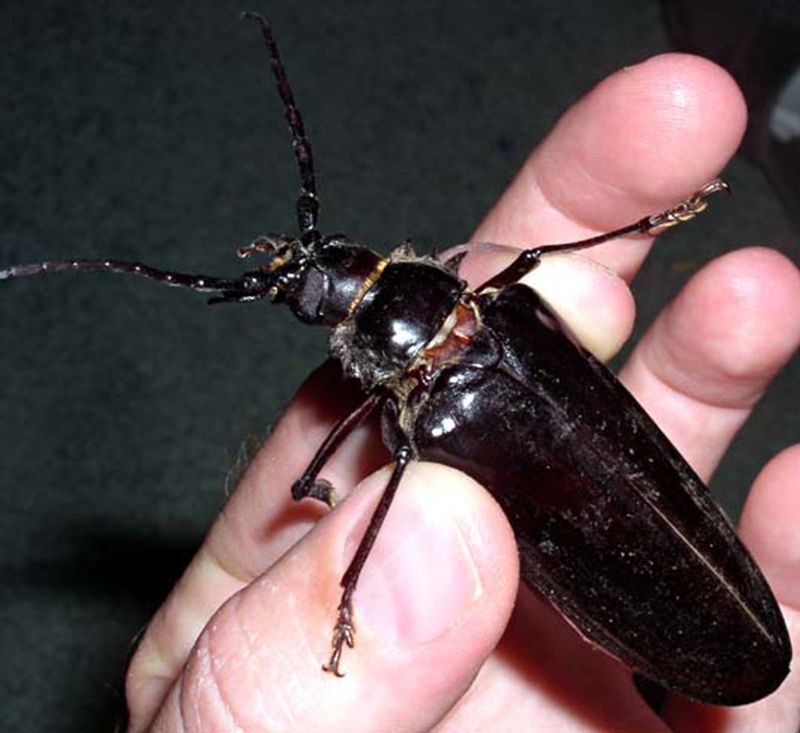
Arizona Extension reports that the larvae spend multiple years developing in roots, and adults emerge in summer, often around monsoon season.
Picture it like this: the larva you uncovered has likely been in the soil for a long stretch, well before you picked up a shovel. Seeing it in fall says when you dug, not when it began.
That means a fall find is not a sign of a brand-new problem, and it is not evidence that roots were damaged this autumn. It is simply a glimpse of a slow, hidden life cycle that ends with a big beetle climbing out when the summer storms arrive.
Your Arizona Garden Changes Every Week. Your Plan Should Too.
Gardening in Arizona changes quickly throughout the season. Every Friday you’ll receive a simple weekly plan showing exactly what to plant, prune, fertilize, harvest, and protect so you never miss the right timing.
Arizona sources differ on the beetle’s scientific name
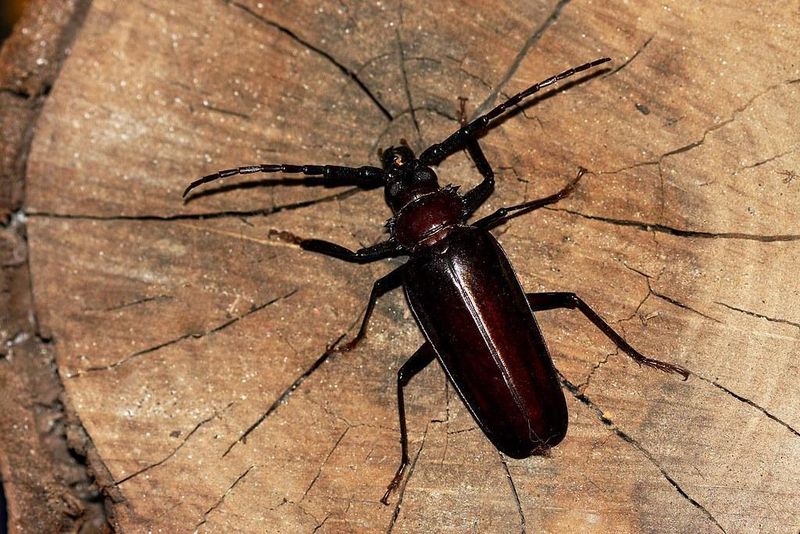
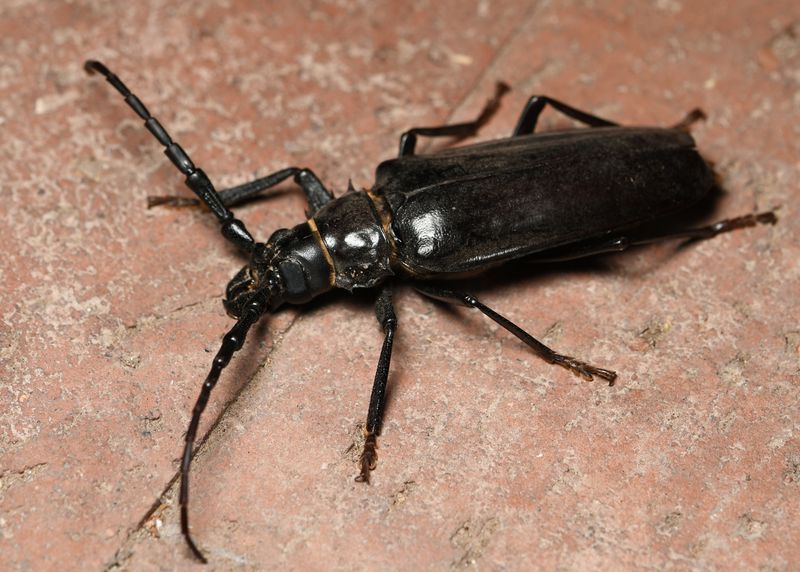
If you look the beetle up, you may run into two names. Many Arizona references use Derobrachus geminatus, and you can see that in University of Arizona tree guidance and similar regional writing.
A 2007 taxonomic revision by Antonio Santos-Silva, however, says the southwestern species once placed under that name is Derobrachus hovorei. Older regional sources may simply keep the earlier name, so neither label should be treated as the settled final word.
For a gardener, the practical takeaway is small. The name mix-up does not change what the grub looks like or how to respond to it.
And since the description here comes with no photo or specimen, it cannot support a species-level identification. Calling it a palo verde root borer larva is as far as the clues reasonably go.
One grub does not prove a tree is in danger
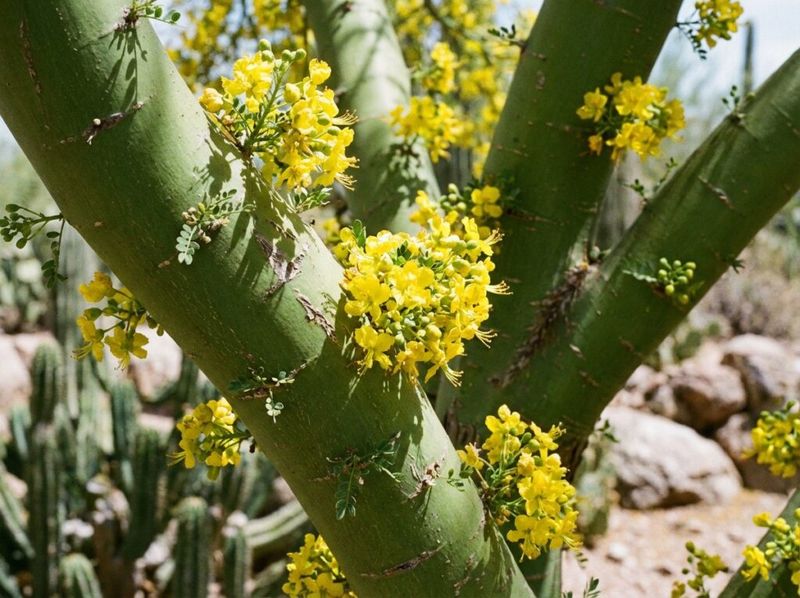
Spotting a giant larva near a tree can feel alarming, but one grub is just one grub. According to University of Arizona guidance, a healthy tree may offset root damage from these larvae.
Trouble becomes more likely when many larvae are feeding or when a tree is already stressed. In those cases, severe root damage can be linked to branch dieback.
Even then, the grub is only one possible factor among several.
A practical example: a vigorous palo verde with full green canopy and a single larva nearby shows no sign of a problem. A tree with thinning limbs deserves a closer look at its watering, soil, and overall condition, not just the insect.
Either way, a single find does not predict what will happen to the tree.
Photograph it and do not treat it on sight
The safest next step is a camera, not a sprayer. Snap clear photos, ideally with a coin or ruler for scale, and jot down whether the grub came from near woody roots or from compost or manure.
Those two notes will help anyone you ask for a second opinion.
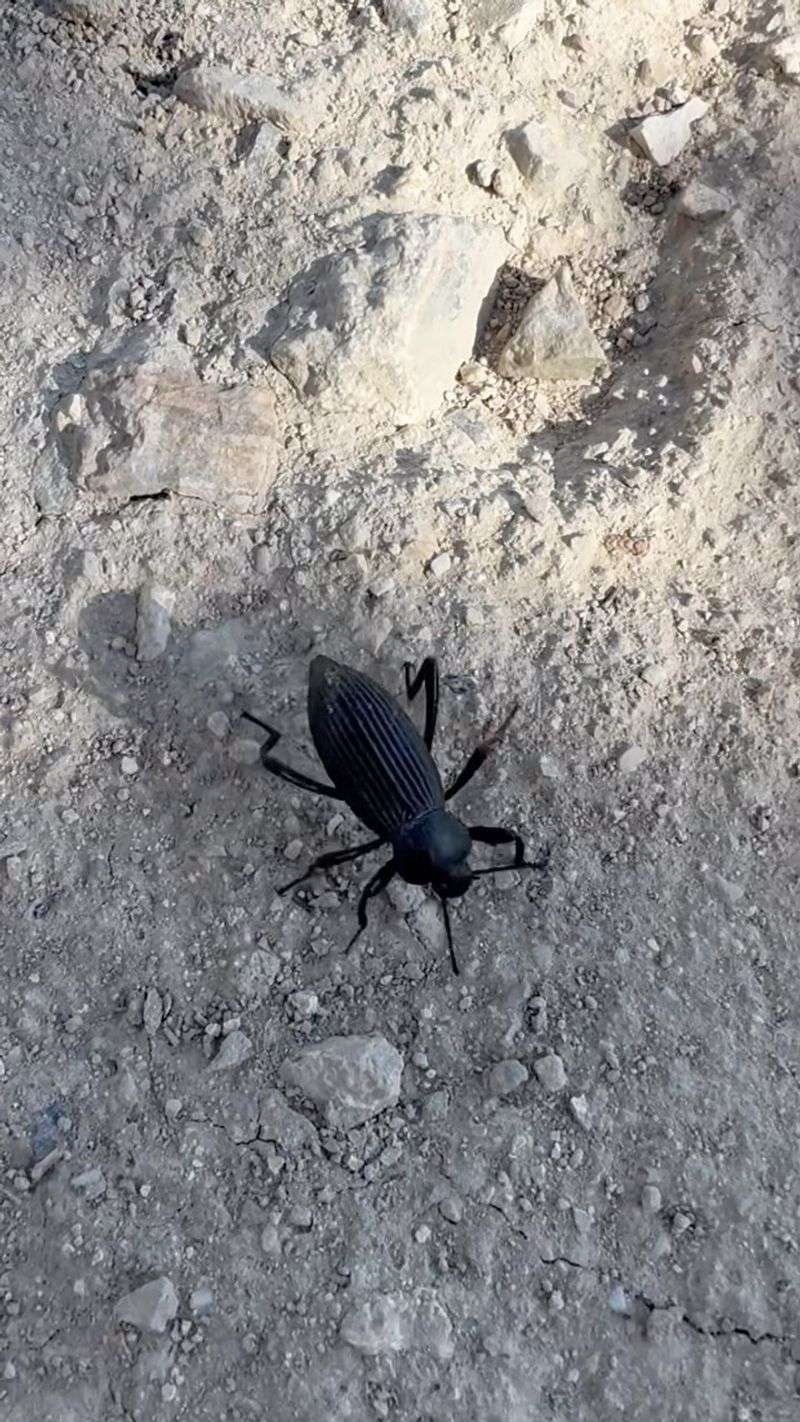
Keep handling gentle and minimal. An Arizona pest guide says adult beetles are not pests of people but may bite in self-defense if roughly handled.
That warning is about adults, not the grub.
Skip pesticides based on a guess. University of Arizona guidance does not recommend control measures for palo verde root borers, and available insecticides are reported to be ineffective once larvae are inside roots.
A compost grub may even be helpful.
For now, a big pale grub with a dark head near woody roots is a palo verde root borer candidate, nothing more certain than that. Sometimes the best garden move is to look closely, take notes, and let it be.