The Most Famous Pomegranate Variety Performs Poorly In Georgia Backyards
Pomegranates might seem like an easy choice for a sunny backyard, especially when one famous variety dominates grocery store shelves. But popularity doesn’t always translate into reliable fruit production at home.
The variety you recognize from the supermarket may not be the one best suited to your growing conditions.
Georgia’s humidity and summer rainfall can create challenges for pomegranate trees, particularly when fruit begins developing and ripening.
A tree can grow vigorously and produce attractive flowers without delivering the harvest you expected. Fruit quality and disease resistance vary between varieties, making the choice more important than many gardeners realize.
Before buying a young tree, consider whether it has a good track record in your region.
There are other pomegranate varieties worth considering, and understanding their differences can help you avoid spending years waiting for disappointing fruit.
1. That Familiar Grocery Store Pomegranate Often Struggles In Humid Yards
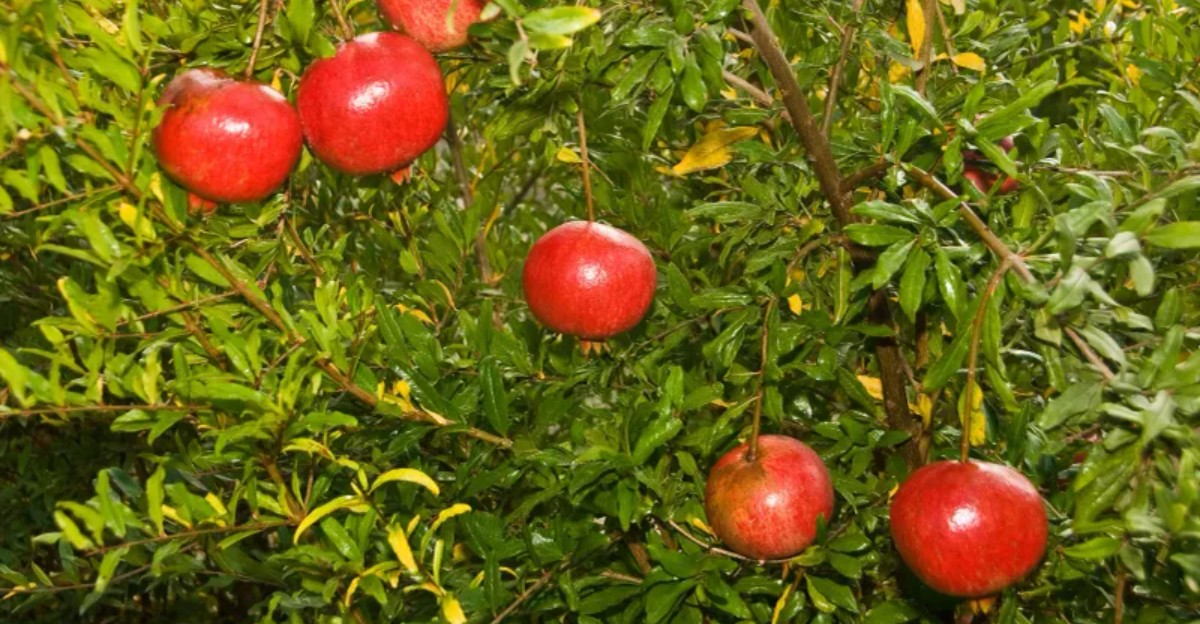
Name recognition does not equal backyard success. Most pomegranates sold in American grocery stores are a variety called ‘Wonderful,’ the main commercial type grown in California.
Its big, glossy fruit and deep red arils made it a store favorite for decades.
Gardeners in Georgia often see that familiar name on nursery tags and assume it will thrive here too. Sadly, that assumption tends to lead to frustration a few seasons later.
Humid summers create ideal conditions for fungal leaf spot and fruit rot, and ‘Wonderful’ has shown real trouble with both in Southern conditions.
Leaves may develop dark spots and drop early, which weakens the plant over time. Fruit can crack or rot on the branch before it finishes ripening.
Nothing about this means the variety is bad. It simply was selected and grown in a climate that looks very different from ours.
Before buying, read the tag closely and ask the nursery where the plant came from and how it handles humidity.
Local Extension offices can also point you toward types that have done better in nearby trial plots. A quick phone call or website visit takes far less time than waiting years on a tree that produces poorly.
Your own results may vary with soil, sun, and weather, so treat any variety as a starting point rather than a promise.
2. Trials Here Have Recorded Low Yields From This Variety
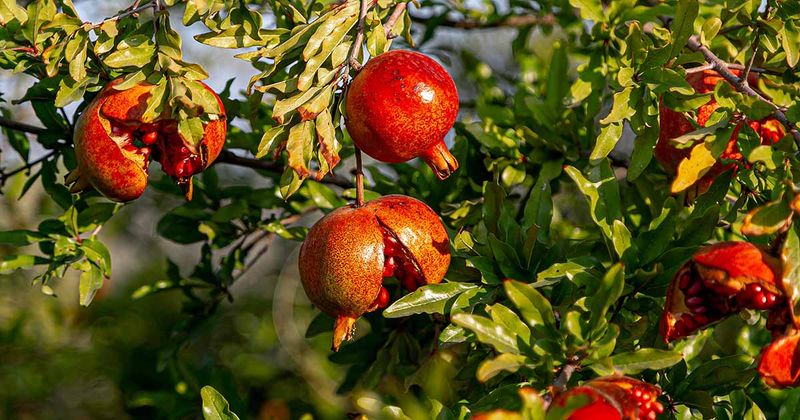
Numbers from real plots tell a clearer story than any nursery label. University of Georgia researchers have grown many pomegranate varieties side by side, and ‘Wonderful’ landed among the weaker producers.
Low fruit counts showed up across seasons, not just in one bad year.
Trial work like this matters because every plant gets similar soil, spacing, and care. When one variety lags behind others in that setting, the gap usually reflects the plant itself.
Fungal problems likely played a role, since diseased leaves and rotting fruit cut down on what reaches harvest.
Fruit splitting after heavy rain also reduces how much usable fruit you actually pick. Pomegranates often crack when a dry spell is followed by a soaking storm.
Your backyard will not match a research plot exactly. Drainage, sunlight, and how often you water can push results up or down.
Still, these trials give Georgia homeowners a useful head start. If a variety struggled under careful management, it probably will not perform better with casual care at home.
Keep notes on your own trees each year, including bloom time, fruit set, and any spots on leaves.
Over a few seasons, those records help you decide whether a plant deserves its space or should make room for something more productive. Sharing what you see with your county Extension office can help other local growers, too.
3. Dry Summers Out West Suit It Far Better Than Humid Ones
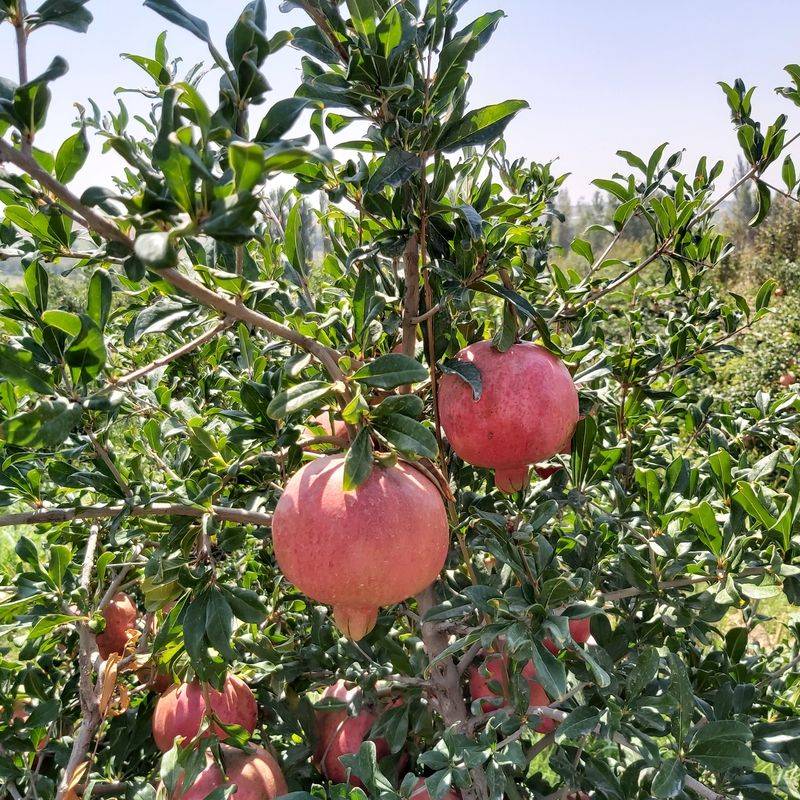
Picture California’s San Joaquin Valley in July, with dry air, cloudless skies, and very little summer rain. Pomegranates from the Mediterranean region and Central Asia feel right at home in that kind of setting.
Growers there water through irrigation, so they control exactly how much moisture each tree gets.
Steady watering helps keep fruit from splitting, and dry leaves give fungal diseases fewer chances to spread.
Southeastern summers work very differently. Thunderstorms roll through often, humidity stays high, and leaves can stay damp for hours.
Those wet conditions favor the leaf spot and fruit rot organisms that trouble pomegranates in the region. Sudden downpours after dry stretches can also trigger cracking right before harvest.
Gardeners in Georgia cannot change the weather, but they can tilt the odds a little.
Plant in full sun with good airflow so leaves dry quickly after rain or dew. Avoid crowding the shrub against fences or other plants.
Water deeply but evenly during dry spells, rather than letting soil swing from bone dry to soaked. Mulch can help hold moisture more steadily.
Overhead sprinklers keep foliage wet, so drip lines or soaker hoses usually make a better choice.
None of these steps fully erases the climate gap. Choosing a variety that handles humidity on its own remains the strongest move you can make.
4. Two Varieties Stand Out For Backyard Growers Here
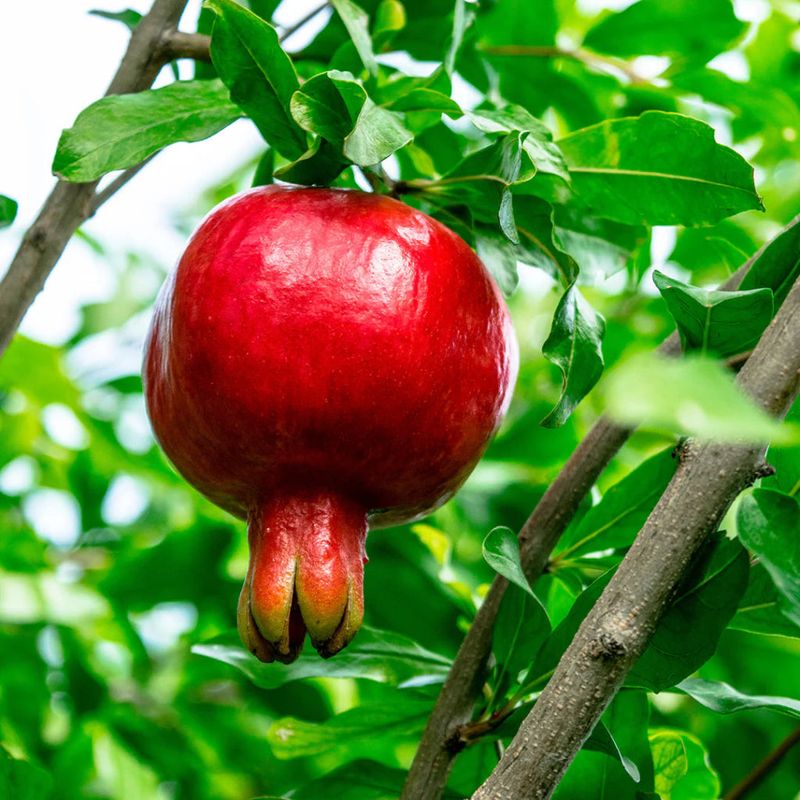
So what should you plant instead? University of Georgia evaluations have highlighted ‘Nikitski Ranni’ and ‘Cranberry’ as promising choices for home gardens.
Both earned attention for performing well where many others struggled.
Neither name shows up much in grocery stores, which may explain why so few gardeners know about them. You may need to search specialty nurseries or online sellers that focus on fruit trees.
Availability can change from year to year, so start looking well before planting season.
Late winter to early spring is a common planting window across Georgia, once the hardest freezes have passed. Container plants can go in at other times with careful watering.
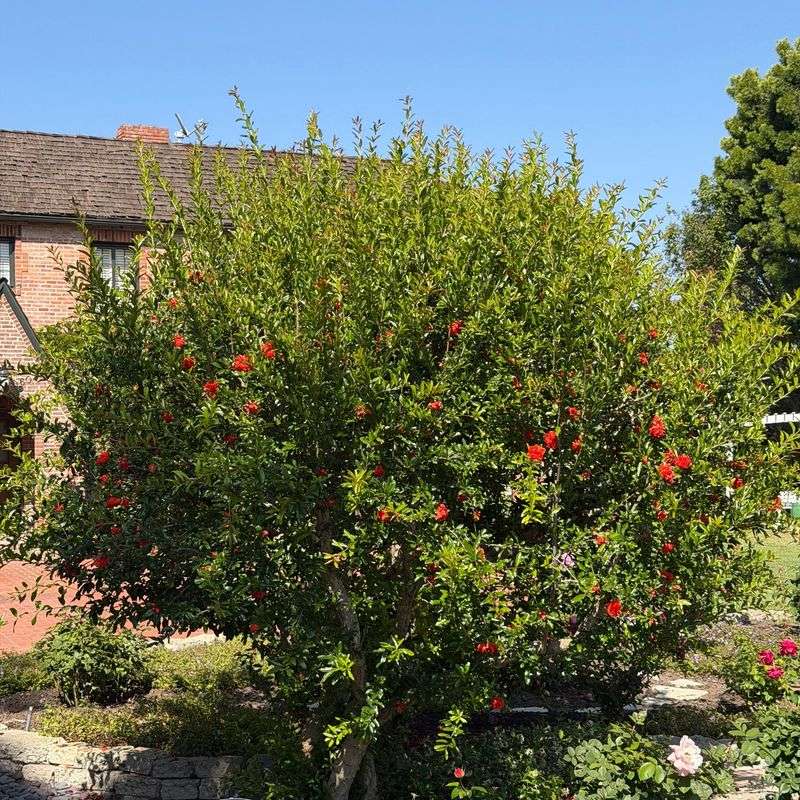
Give your new shrub a sunny spot with well-drained soil. Pomegranates handle many soil types, but standing water around the roots causes trouble.
Patience helps, too. Young plants often need a few years to settle in before fruiting well.
Cold tolerance also matters in the northern part of the state and the mountains, where winters run colder than in the south. Pomegranates can suffer freeze damage in harsh winters, so a sheltered, sunny location makes sense in those areas.
Even strong varieties can face leaf spot or splitting in a very wet year.
Treat these picks as better odds, not a sure thing, and pair them with good airflow and steady watering for the best chance at a healthy harvest.
5. Nikitski Ranni Bears Bright Red Fruit Suited To Local Conditions
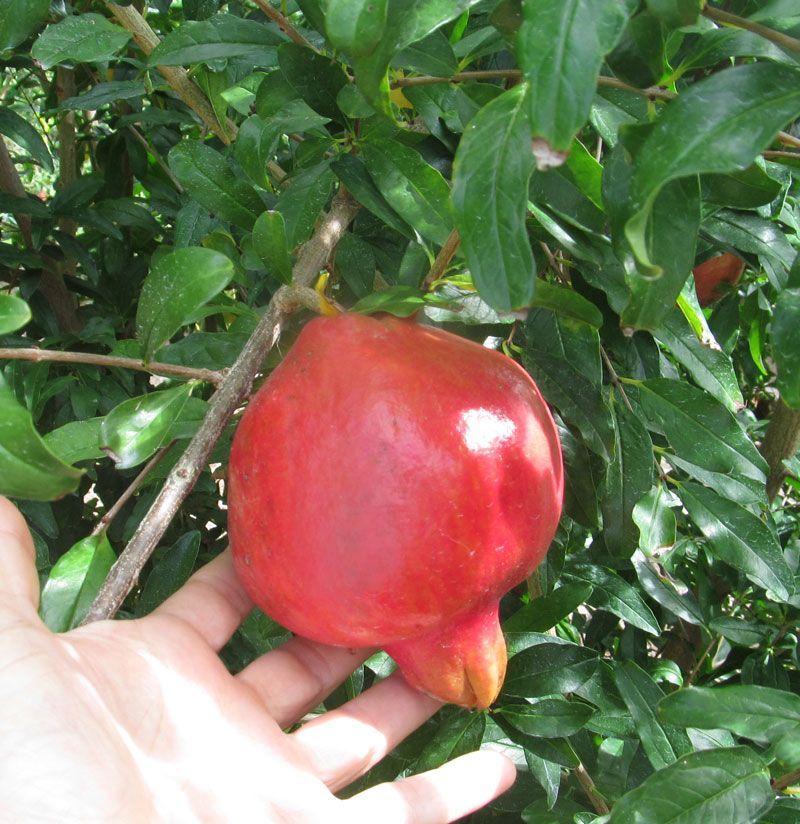
Bright red fruit hanging against glossy green leaves makes ‘Nikitski Ranni’ easy to spot in a garden. Its name points to the Nikitsky Botanical Garden on the Crimean Peninsula, where many pomegranate selections were developed.
In University of Georgia evaluations, it stood out as one of the better performers for home growers.
That reputation matters in a region where so many fruit trees battle summer humidity. A variety that holds up decently here gives you more to harvest and less to worry about.
Like other pomegranates, it ripens in fall. Watch for full color and a slight flattening of the rounded sides before picking.
Clip fruit from the branch with pruners instead of pulling, which helps avoid tearing stems.
Ripe pomegranates can split if heavy rain arrives while they hang on the tree. Checking your plant often in early fall lets you pick before a storm causes damage.
Pruning lightly in late winter can open the center and improve airflow. Removing suckers from the base keeps energy focused on main stems.
Disease pressure still varies from yard to yard. A shady, crowded spot may cause more leaf spot than open, sunny ground would.
Gardeners in Georgia who want a reliable red pomegranate will likely find this one worth tracking down, especially when paired with full sun and good drainage.
6. Cranberry Offers Slightly Darker Red Fruit And Strong Performance
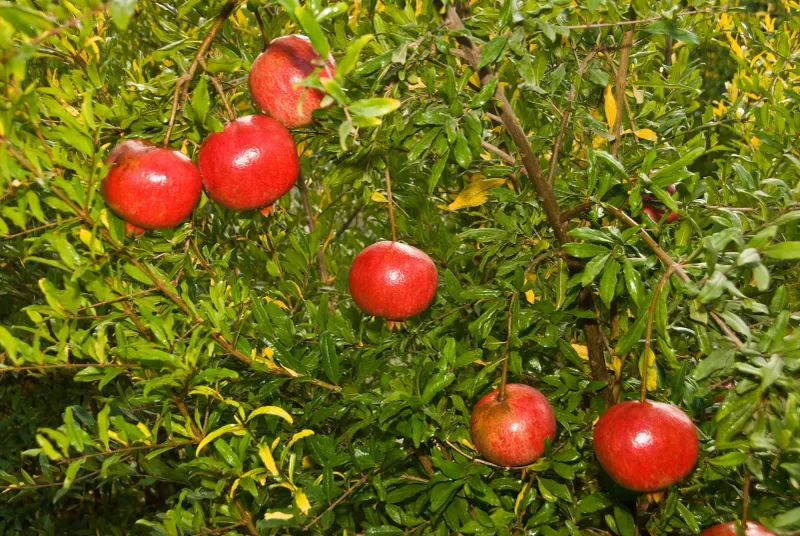
Deep color is often the first thing people notice about ‘Cranberry.’ Its fruit tends to run a shade darker red than ‘Nikitski Ranni,’ giving it a rich look on the branch.
Looks are nice, but performance is what earned this variety its spot on the University of Georgia list.
Strong results in local trials suggest it copes with Southern conditions better than many other options. That makes it a solid partner or alternative to ‘Nikitski Ranni’ in a home planting.
Growing two varieties can spread out your risk if one has a rough year.
Pomegranates are generally considered self-fruitful, so you do not need two plants to get fruit. Some growers find a second variety nearby may still help with fruit set, though results vary.
Flavor and seed hardness differ among pomegranates, and taste is personal. Try a few fruits before deciding how many plants you want.
Spacing matters with any shrub that grows wide. Leave room for sunlight and air to reach all sides, which helps leaves dry after summer storms.
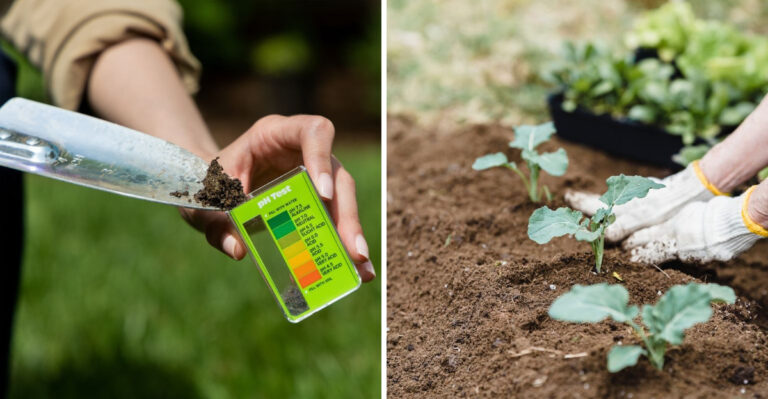
Fertilizer needs are usually modest. A soil test through your county Extension office in Georgia can show whether anything is actually lacking.
Overfeeding with nitrogen often pushes leafy growth at the expense of fruit, so less tends to work better than more with these plants.
7. Vegetatively Propagated Named Varieties Stay True To Type Unlike Seedlings
Planting a seed from a store-bought pomegranate sounds fun, and it can be. Just know the plant that grows will probably not match its parent fruit.
Seeds carry mixed genetics, so each seedling can turn out differently in fruit size, color, flavor, and disease resistance.
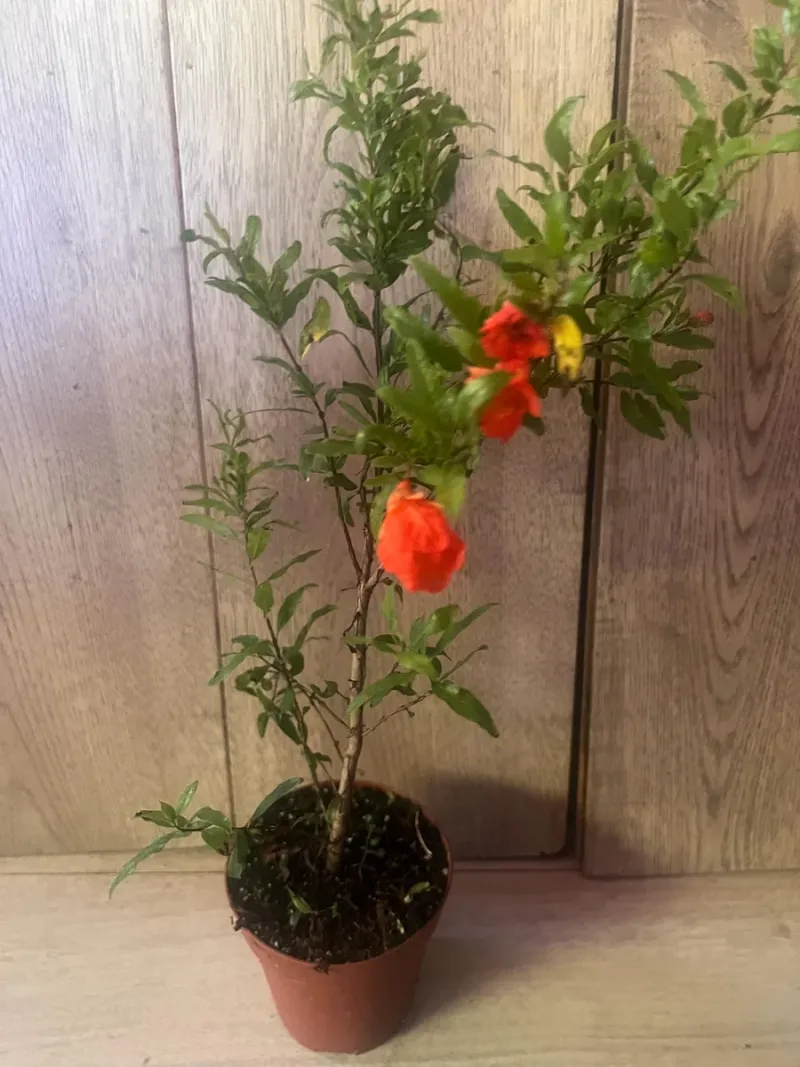
Named varieties stay consistent because nurseries grow them vegetatively. Cuttings from a known plant are rooted, creating new plants that are genetic copies.
That is how a ‘Cranberry’ pomegranate from one nursery should match a ‘Cranberry’ from another.
Seedlings also tend to take longer to begin fruiting than rooted cuttings. You might wait several years only to find the fruit is small or sour.
Buying a properly labeled, cutting-grown plant is the safest way to get the traits trial results describe.
Pomegranates root fairly easily from hardwood cuttings, which many gardeners take in late winter while plants are dormant. A friend with a proven tree in Georgia may be happy to share a few pieces.
Keep cuttings moist in a well-drained mix and give them time. Not every piece will root, so start with extras.
Labels matter, too. Mark each pot with the variety name so you do not lose track later.
Growing from seed can still be a rewarding experiment, but for dependable fruit, a named variety gives you far better odds.