Can You Still Plant Tulips In Ohio In November? Here’s The Real Cutoff Date
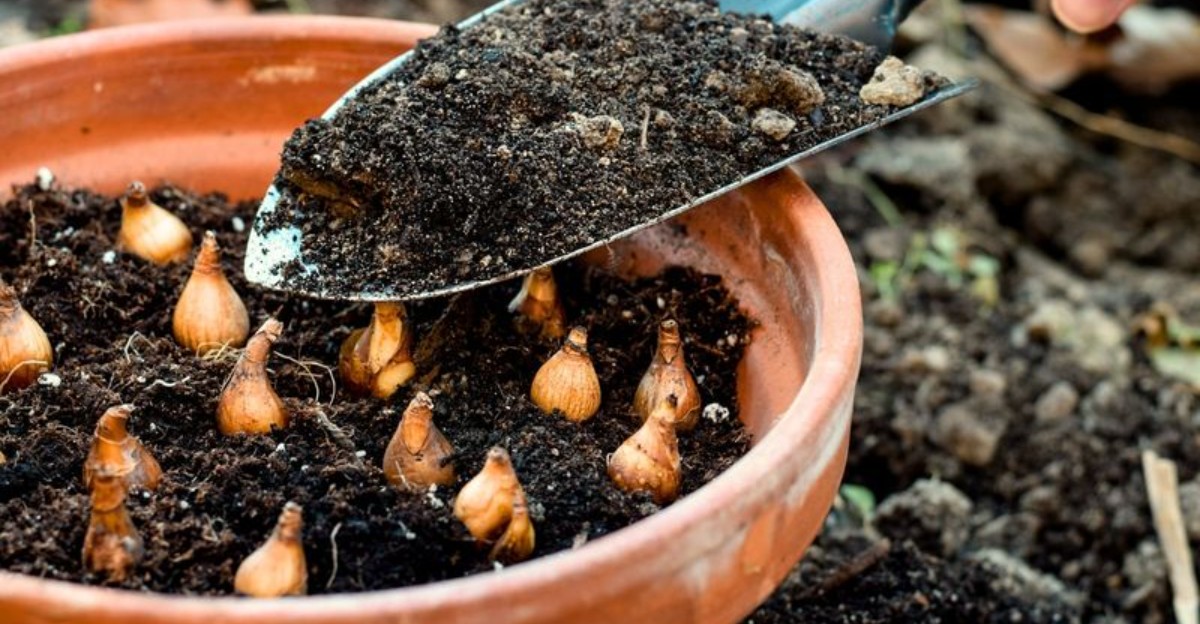
November does not automatically mean tulip planting season is over. If you still have a bag of bulbs waiting in the garage, there may be time to get them into the ground.
The important thing is what is happening beneath the soil surface, not the date printed on your calendar.
Tulips need a period of cold weather to bloom properly, but they also benefit from developing roots before the ground freezes.
In Ohio, November conditions can vary considerably from one year to another. Some gardeners can keep planting well into the month, while others face frozen soil much earlier.
Don’t leave healthy bulbs sitting around simply because October has passed.
Check whether your soil is still workable before deciding what to do next. Planting late comes with a few considerations, but waiting until spring is not necessarily the better choice.
1. November Is Often Still A Workable Window For Tulips
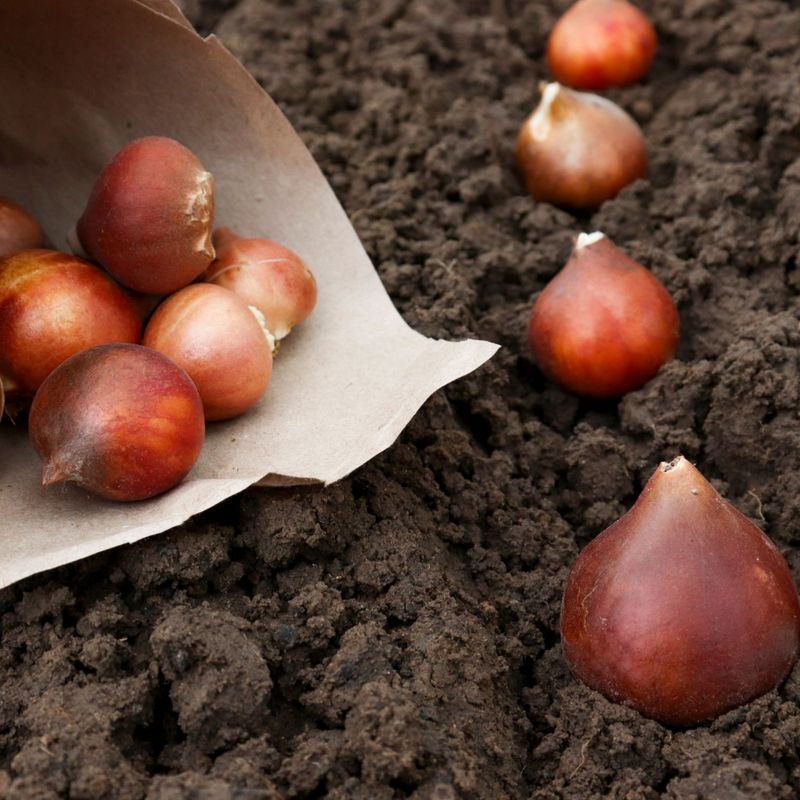
Good news first. If your soil is still soft enough to dig, your tulips probably still have a shot at blooming next spring.
Tulips are usually planted in fall once soil temperatures cool down, which often happens around October in Ohio.
That cool soil signals bulbs to start rooting instead of sprouting leaves. November ground is often still cool and workable, which suits tulips fairly well.
Southern parts of the state tend to stay workable longer than areas near Cleveland or Toledo. Even so, a mild northern fall can leave plenty of digging time.
Weather changes every year, so treat any date you hear as a rough guide rather than a firm rule.
Before you grab the shovel, push a trowel into your bed. If it slides in without a fight, you can likely plant that week.
Aim for a sunny spot with soil that drains well, since soggy ground can cause bulbs to rot over winter.
Plant each bulb pointy side up, roughly three times as deep as the bulb is tall. Six to eight inches deep is a common target for most standard tulips.
Water the bed once after planting if the soil feels dry. That single soaking helps settle soil around the bulbs and gets rooting started.
Planting a little late is usually far better than leaving bulbs unplanted until spring.
2. Frozen Ground Rather Than A Calendar Date Marks The Real Cutoff
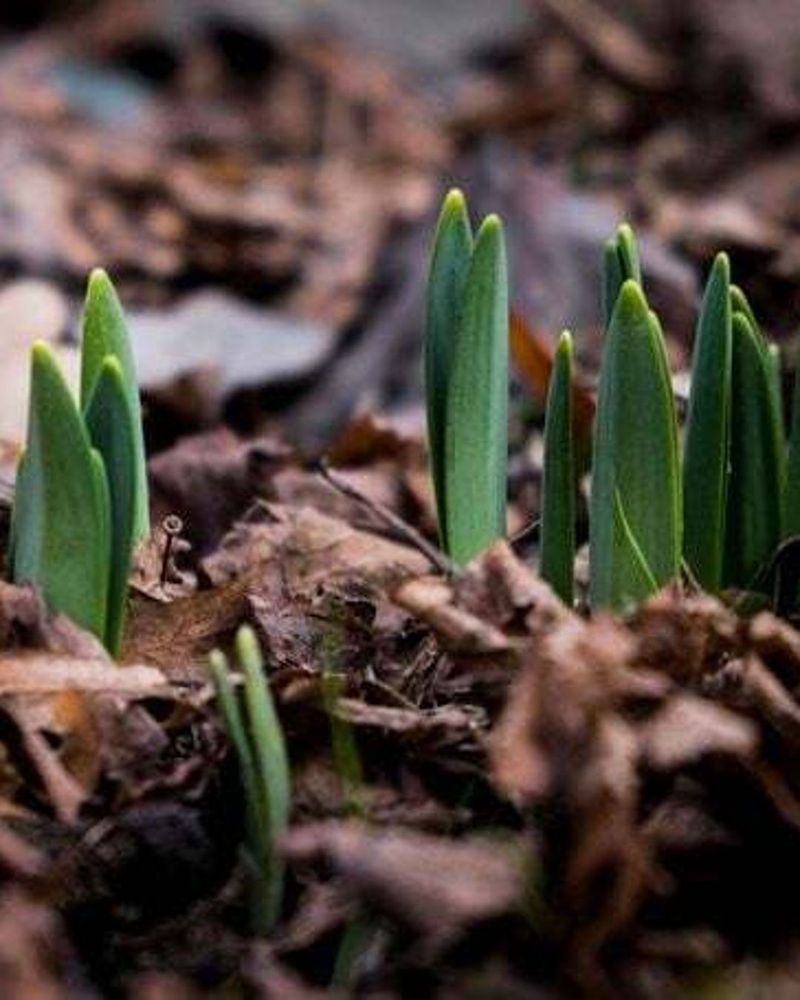
Forget circling a single day on the calendar. Your real stopping point shows up when the shovel hits hard, frozen soil.
Gardeners often ask for one exact date, but soil does not follow a schedule.
A frosty morning is not the same as frozen ground. Light frost can whiten the lawn while the soil just a few inches down stays soft and diggable.
Deep freezing usually takes a stretch of steady cold, not one chilly night.
In some Ohio years, beds stay workable into December. In others, an early cold snap locks the soil up much sooner, especially in the snowbelt areas east of Cleveland.
Try a simple test each time you plan to plant. Dig a small hole about eight inches deep and see how the soil behaves.
Your Ohio Garden Changes Every Week. Your Plan Should Too.
Gardening in Ohio changes quickly throughout the season. Every Friday you’ll receive a simple weekly plan showing exactly what to plant, prune, fertilize, harvest, and protect so you never miss the right timing.
Crumbly, cool soil means you’re fine. Chunky, icy clods that won’t break apart mean conditions are getting rough.
Sometimes the top inch freezes overnight and thaws by afternoon, so check again later in the day before giving up.
Raised beds and spots against a house foundation may stay soft a bit longer than open lawn areas. Low, shaded corners tend to freeze earlier.
Watching your own yard closely will tell you more than any chart. Local soil, slope, and sun exposure all shape when your personal cutoff arrives.
3. Roots Need A Few Weeks In Unfrozen Soil To Get Established
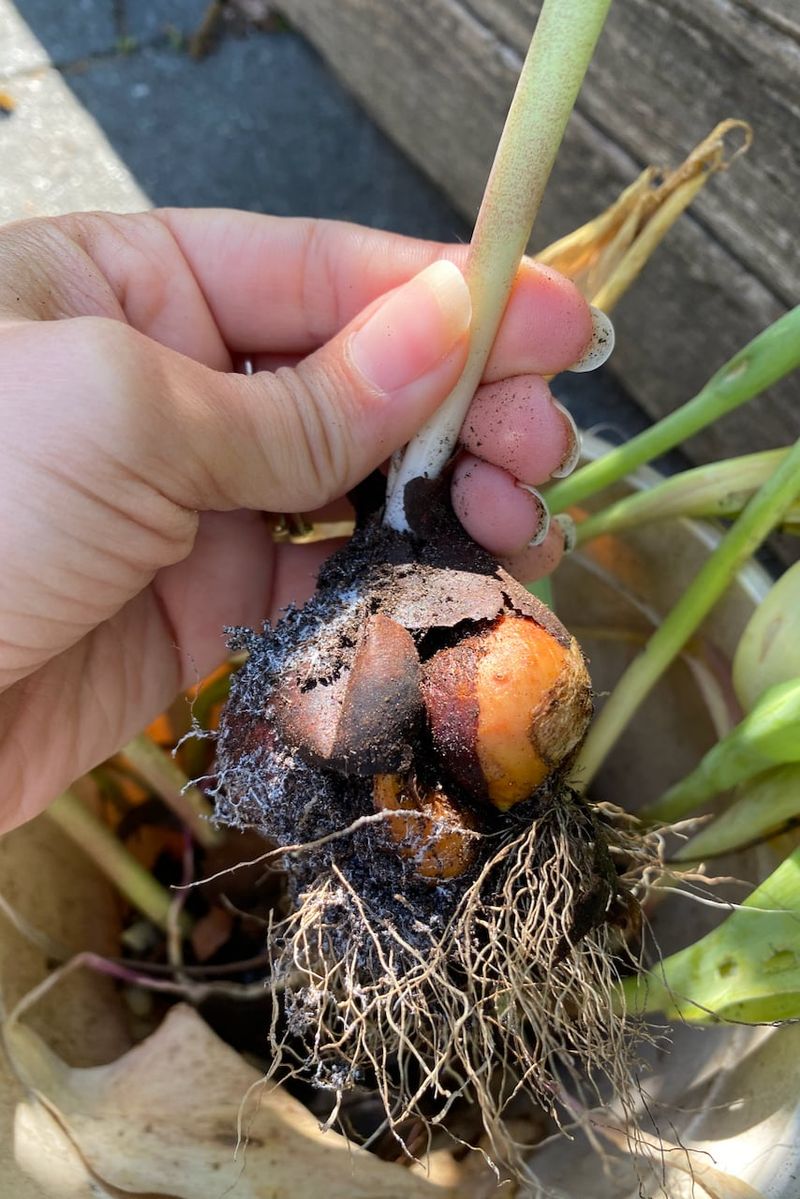
Below the surface, the real work happens in fall. Tulip bulbs spend those cool weeks growing roots, even though you see nothing above ground.
Those roots anchor the bulb and help it take up water and nutrients when spring growth begins.
Extension guides commonly suggest planting bulbs early enough to allow several weeks of rooting before the ground freezes hard. That’s a general goal, not an exact count every bulb needs.
Root growth slows as soil gets colder, so earlier planting usually gives bulbs more time to settle.
Across Ohio, soil often stays above freezing well after air temperatures dip. That gap can give November bulbs a useful head start before deep winter arrives.
You can help roots along with a few simple steps.
Loosen the soil several inches below where the bulb will sit, so new roots can spread easily. Heavy clay is common in many yards, and mixing in compost may improve drainage.
Water once after planting if the ground is dry, but skip it if the soil is already damp.
Once planted, spread a few inches of shredded leaves or mulch over the bed. A layer like that can keep soil temperatures steadier and may slow freezing a little.
Results still depend on weather and soil type, so even well-planted bulbs can vary in how quickly they root.
4. Bulbs Left In The Bag All Winter Can Dry Out And Weaken
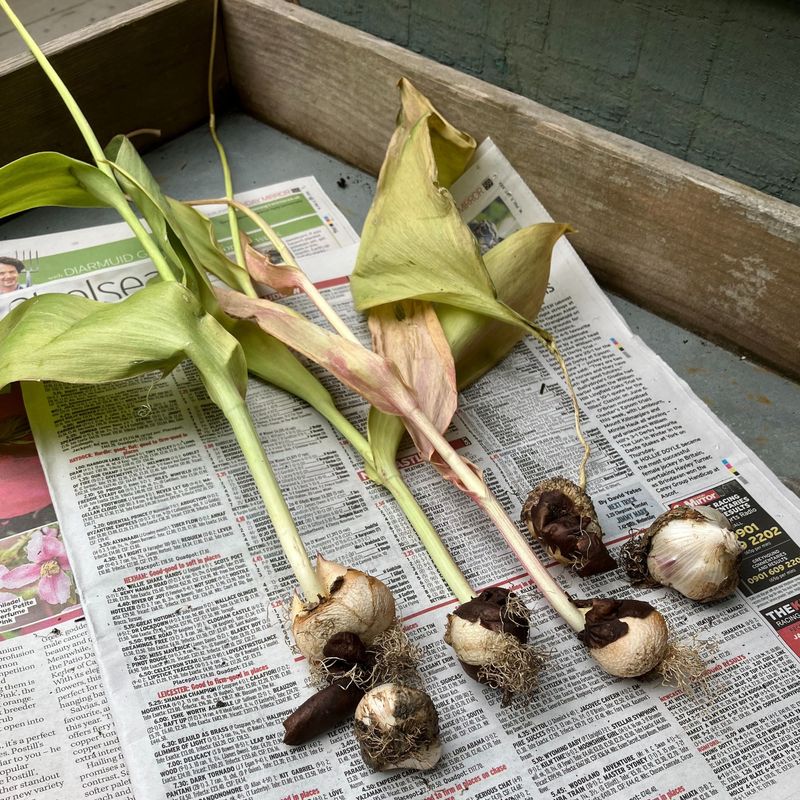
A bag of bulbs in the garage looks harmless. Left there until spring, though, those bulbs may slowly lose moisture and strength.
Tulip bulbs are living plants that store food and water inside their layers.
Without soil around them, they can shrivel over time. A dry garage or warm basement may speed up that process.
Tulips also need a long cold period to bloom well, and a bag on a shelf often misses that chilling in a natural way.
Gardeners around Ohio sometimes plant forgotten bulbs in spring anyway. Results vary a lot, and many produce weak flowers or only leaves that first year.
So the smart move is to plant them this fall whenever the ground allows.
Short on time? Store bulbs in a cool, dry place with good airflow until planting day.
Keep them away from ripening fruit, since apples give off ethylene gas that can harm flower buds inside bulbs.
Paper bags or mesh bags work better than sealed plastic, which can trap moisture and invite mold.
Check stored bulbs every week or so. Toss any that turn moldy or mushy so problems don’t spread to healthy ones.
Getting bulbs into the ground, even a bit late, usually gives them a better chance than another few months indoors.
5. Late Planting Can Delay Root Establishment Before Spring
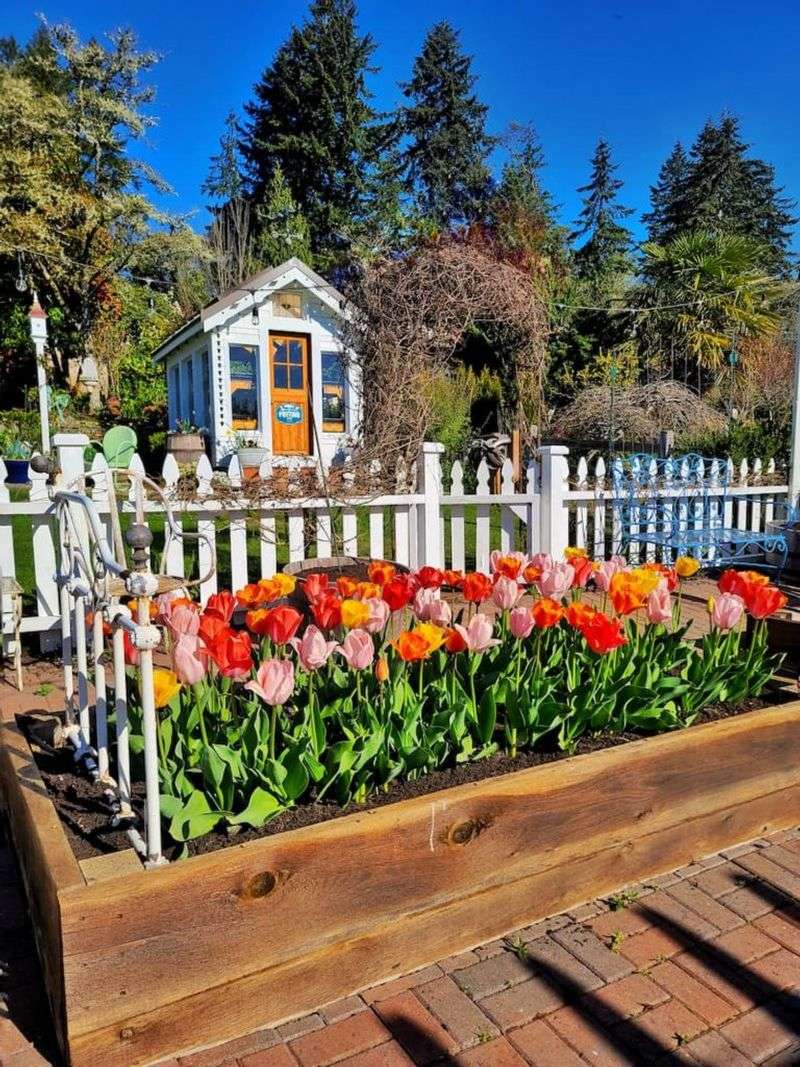
Planting late is not a disaster, but it does come with trade-offs. Bulbs that go in just before a freeze have less time to grow roots before winter.
Some may finish rooting during mild spells or once soil warms in early spring.
That catch-up time can lead to slightly later blooms or shorter stems in some gardens. Other times, late bulbs flower almost the same as those planted in October.
Honestly, it depends on weather, soil, and the health of the bulbs themselves.
Ohio winters often bring freeze and thaw cycles, especially in central and southern counties. Shifting soil can push shallow bulbs upward, so proper planting depth helps keep them in place.
Mulch is your friend here.
A layer of shredded leaves or straw over the bed may reduce temperature swings and limit heaving. Pull it back gently in early spring once shoots appear, so leaves can reach sunlight.
Skip heavy fertilizer at planting time if your soil is decent. A light bulb fertilizer or compost is usually enough for the first season.
Keep expectations realistic for late bulbs. If the first spring show is a little smaller, that doesn’t always mean something went wrong, since timing simply gave them a slower start.
6. Firm Plump Bulbs Still Have Good Potential While Soft Ones Do Not
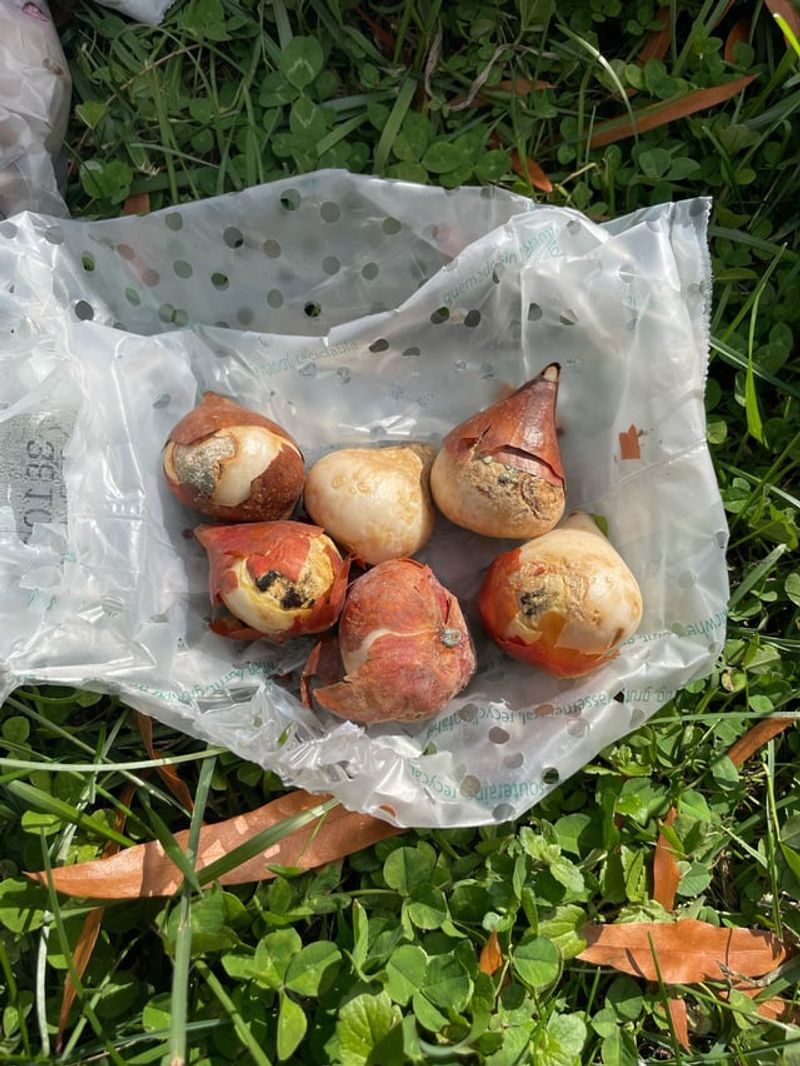
Give each bulb a gentle squeeze before planting. That quick test can tell you a lot about what’s inside.
Healthy tulip bulbs feel firm and solid, a bit like a small onion from the store.
Loose, papery outer skin is normal and nothing to worry about. Some bulbs even lose most of that tunic in the bag, and they can still grow fine.
Soft, squishy, or hollow bulbs are another story.
Bulbs with those signs have often rotted or dried past the point of recovery, and they’re best thrown away. Planting them takes up space and may invite disease into your bed.
Look closely for mold too. A little light surface mold can sometimes be wiped off, but deep fuzzy patches or dark sunken spots are warning signs.
Size plays a role as well. Larger bulbs generally hold more stored food and tend to produce stronger flowers, though small ones may still bloom.
If you bought bulbs on clearance late in the season, sort them carefully. Garden centers across Ohio often discount leftovers in November, and plenty are still good buys.
Choose the firmest ones and skip any that feel light or shriveled.
Sorting first takes only a few minutes and helps your planting effort go toward bulbs with the best chance of success.
7. Containers In A Sheltered Cold Spot Offer A Backup When Beds Freeze
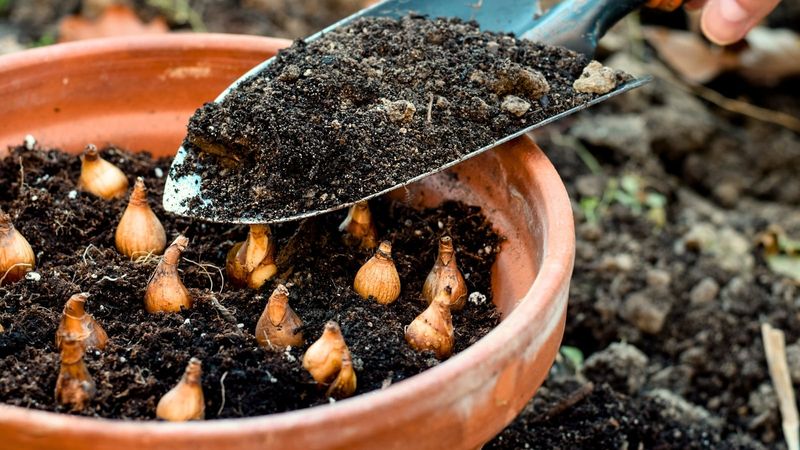
Frozen beds don’t have to end your tulip plans. Pots can step in when the ground won’t cooperate.
Fill a container with good potting mix and plant bulbs closer together than you would in the garden.
Pick a pot with drainage holes, since soggy mix can rot bulbs. Bigger pots hold more soil and protect bulbs better from cold swings.
Here’s the tricky part. Soil in pots freezes much faster and harder than ground soil, which can harm bulbs left exposed.
An unheated garage, shed, or cold porch often works well in Ohio winters. Bulbs still need chilling, so a warm house is not a good choice.
Water the pot lightly after planting, then check it every few weeks. Damp, not wet, is the goal.
Some gardeners bury pots in a mulch pile or group them against a wall for extra shelter. Covering them with leaves or burlap can add another layer of protection.
Watch for hungry mice and voles, since stored pots can attract them. Wire mesh over the top may help keep them out.
Move containers outside once early spring growth appears and hard freezes ease. Results vary with storage temperatures, but potted bulbs often bloom nicely and give you a colorful backup plan.