The Native Ohio Shrub That Blooms In November When Everything Else Is Done
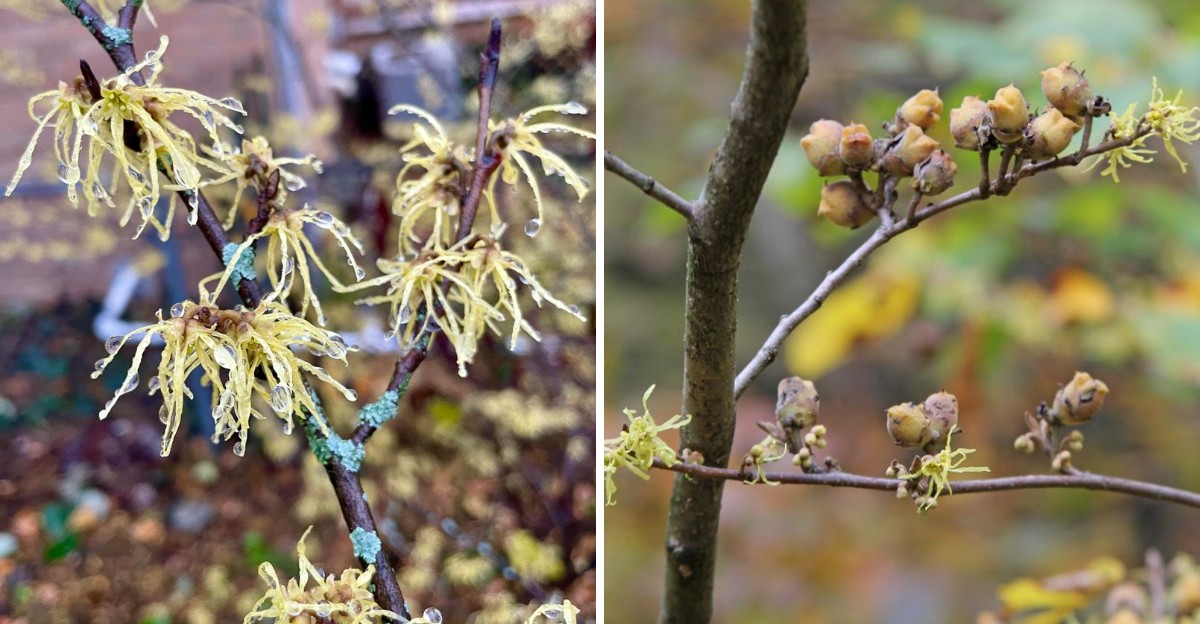
Bare branches lit up with spidery yellow flowers are the last thing most gardeners expect in November. By then, perennials have collapsed and most shrubs have dropped their leaves.
One native shrub waits until much of the landscape has gone quiet before it puts on its show.
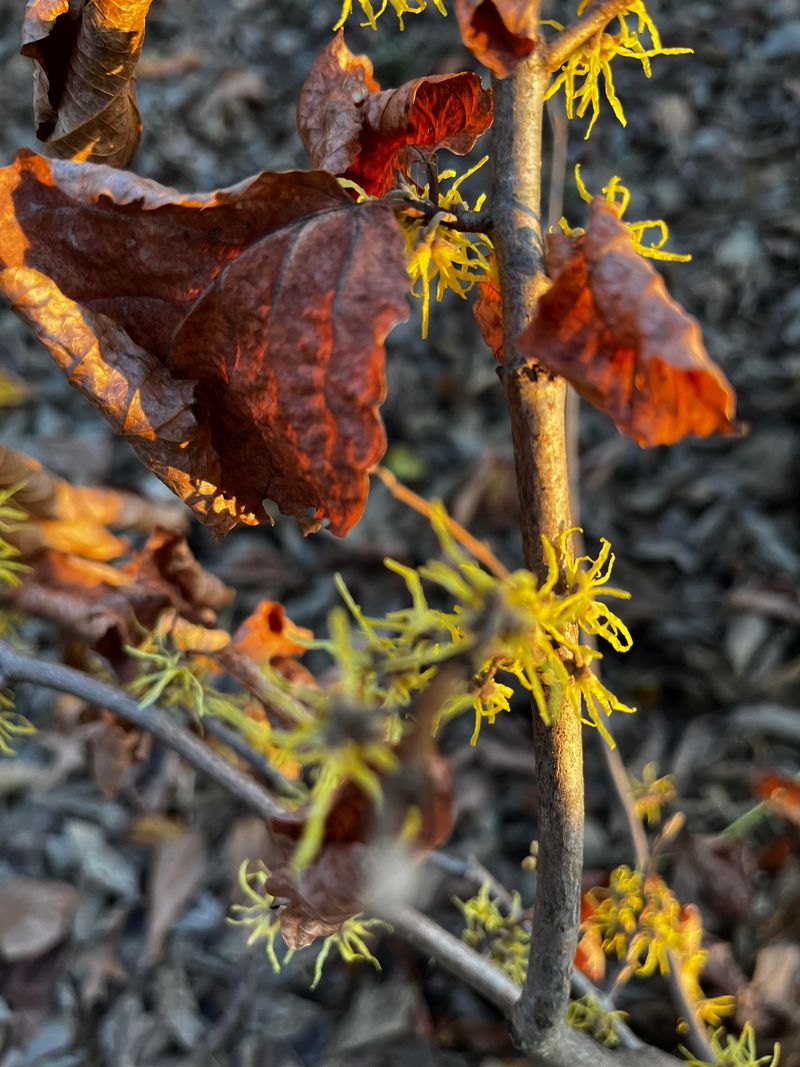
Its flowers have thin, ribbon-like petals that can curl up on cold nights and open again on milder afternoons.
Few insects are still active this late, yet some flies and moths find the blooms on warmer days. Such late timing gives the plant a pollination window with little competition.
It grows wild along woodland edges in much of Ohio and handles partial shade better than many flowering shrubs.
Walk past a wooded edge on a mild November afternoon, and you may notice a faint scent before spotting the flowers.
1. Spidery Yellow Flowers Appear Just As The Garden Goes Quiet
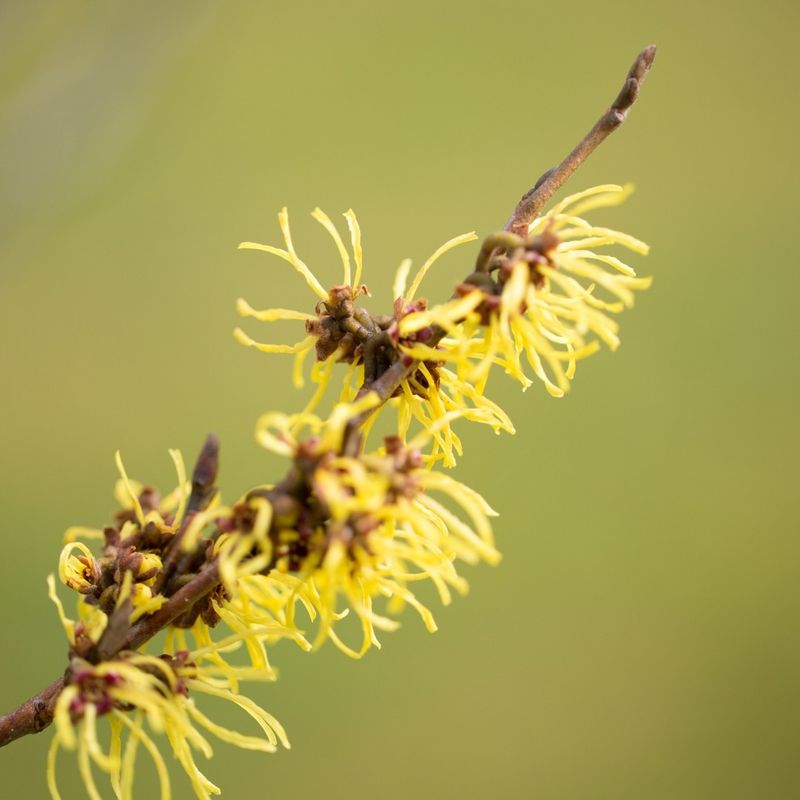
Bare branches and bright yellow threads make an odd pair, but that is exactly what you may find in late fall. The shrub behind this show is common witch hazel, known to botanists as Hamamelis virginiana.
It grows wild across much of Ohio, from southern hill country to northern woodlots.
Bloom timing varies from year to year and from place to place. In many areas, flowers open sometime between October and early December, depending on weather and the individual plant.
Up close, each cluster looks a bit like tiny yellow fireworks frozen in place.
Most plants grow as large shrubs or small trees, often reaching around 15 to 20 feet with time. Older specimens tend to have several trunks and a loose, spreading shape.
Gardeners sometimes mix it up with Chinese or vernal witch hazels, which are sold at nurseries. Those relatives usually bloom in late winter or early spring instead of fall.
Checking the plant tag is the simplest way to be sure you are buying the native fall-blooming type.
A faint, mild scent comes from the flowers on some plants, though not everyone notices it. You will likely have better luck smelling it on a calm, mild afternoon.
Planting one near a window or path lets you enjoy the flowers when you are not spending much time outdoors anymore.
2. Blooms Often Open While The Leaves Are Turning Or Falling
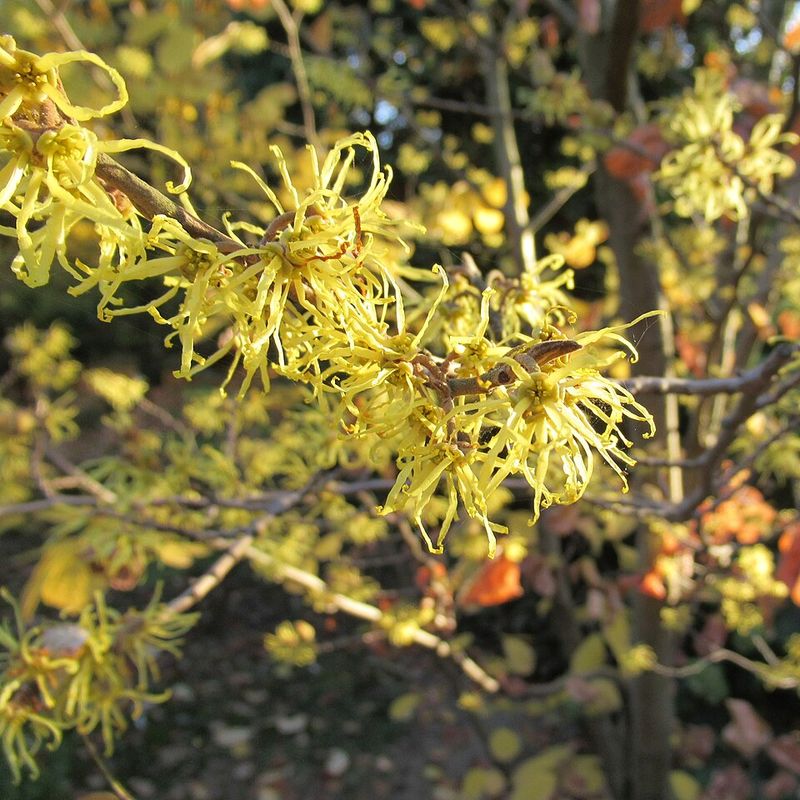
Yellow on yellow can make the flowers hard to see at first. Witch hazel leaves usually turn a warm gold in fall, and the blooms frequently open right in the middle of that color change.
You might walk past a plant several times before realizing it is flowering.
Once the leaves drop, the flowers become much easier to spot against gray branches. Timing really depends on the season, so some years the leaves fall early and other years they hang on.
A sharp frost can also shift things, knocking leaves down quickly in a single week.
Plants in sunnier spots tend to show stronger fall leaf color than those in deep shade. Soil moisture and late summer weather may also affect how bright the foliage gets.
Your Ohio Garden Changes Every Week. Your Plan Should Too.
Gardening in Ohio changes quickly throughout the season. Every Friday you’ll receive a simple weekly plan showing exactly what to plant, prune, fertilize, harvest, and protect so you never miss the right timing.
In northern Ohio near Lake Erie, fall weather can run a little different than in the southern counties, so bloom and leaf drop may not line up the same way.
Want the best view? Check your plant every week or so from mid-October through November.
Raking is one small chore to rethink here. Leaving fallen leaves under the shrub gives the roots a natural mulch and helps protect overwintering insects.
Keep a phone handy, because a sunny afternoon with gold leaves and fresh flowers makes for a lovely photo.
3. Each Flower Has Four Narrow Ribbon-Like Petals
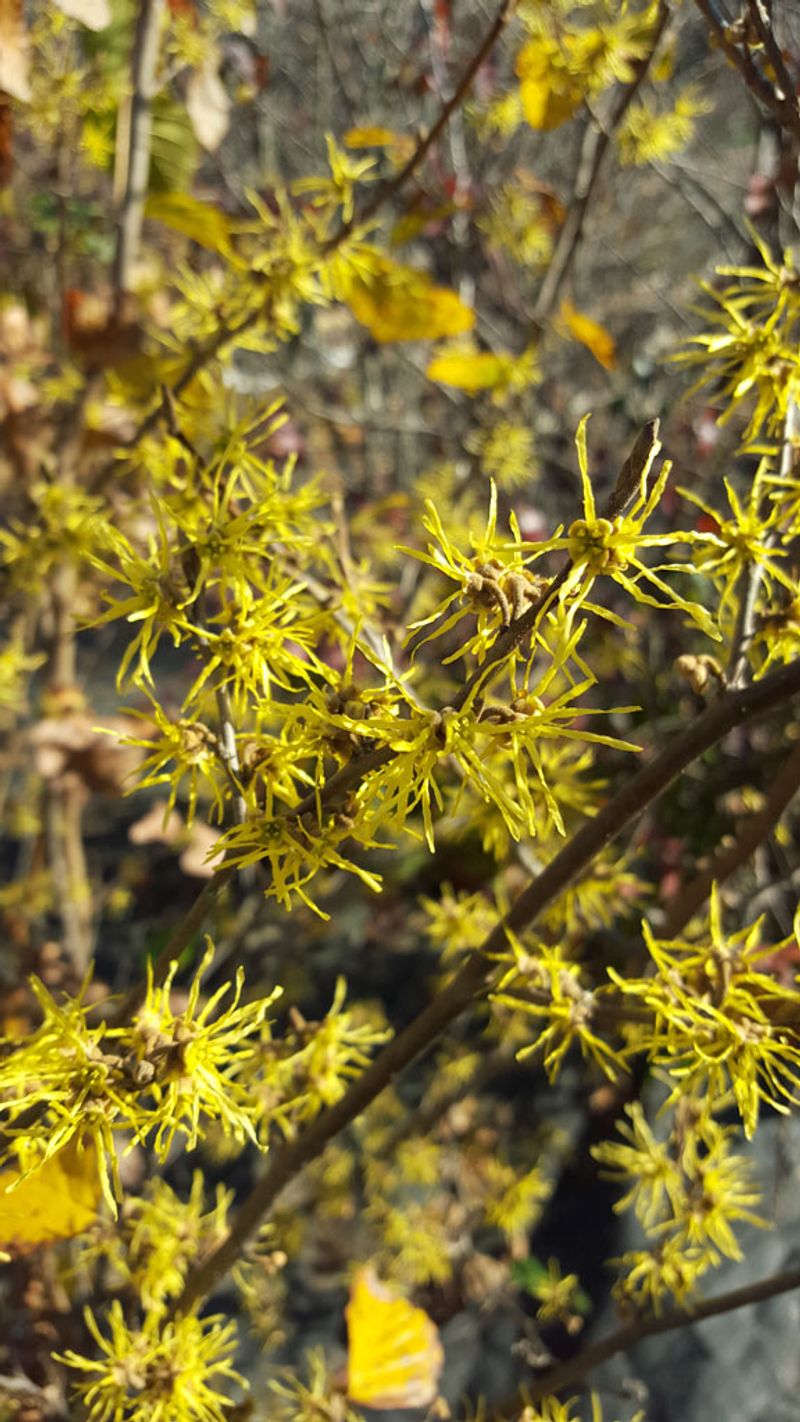
Count the petals on one bloom and you will usually get four. Each one is long, skinny, and slightly wavy, almost like a strip of yellow paper that got twisted.
Botanists call them strap-shaped petals, which fits them well.
Flowers tend to grow in small clusters, often three together, tucked close to the twig. Because the petals are so thin, a branch in bloom looks airy rather than heavy with color.
Look closely at the base of each flower and you will see a small cup, which is the calyx.
On cold days, the petals may curl up somewhat. Then, when temperatures warm again, they can stretch back out, which may help the flowers last through changing fall weather.
Kids especially enjoy this detail, so it makes a fun thing to point out on a nature walk in an Ohio park.
Bringing a hand lens along helps a lot. The petals are only about half an inch to an inch long, so the fine wrinkles are easier to appreciate when magnified.
Cutting a short branch for a vase is another way to study the blooms indoors. Take just a small piece from the back of the shrub so the plant keeps its natural shape.
4. Late-Season Moths And Other Insects Can Pollinate The Flowers
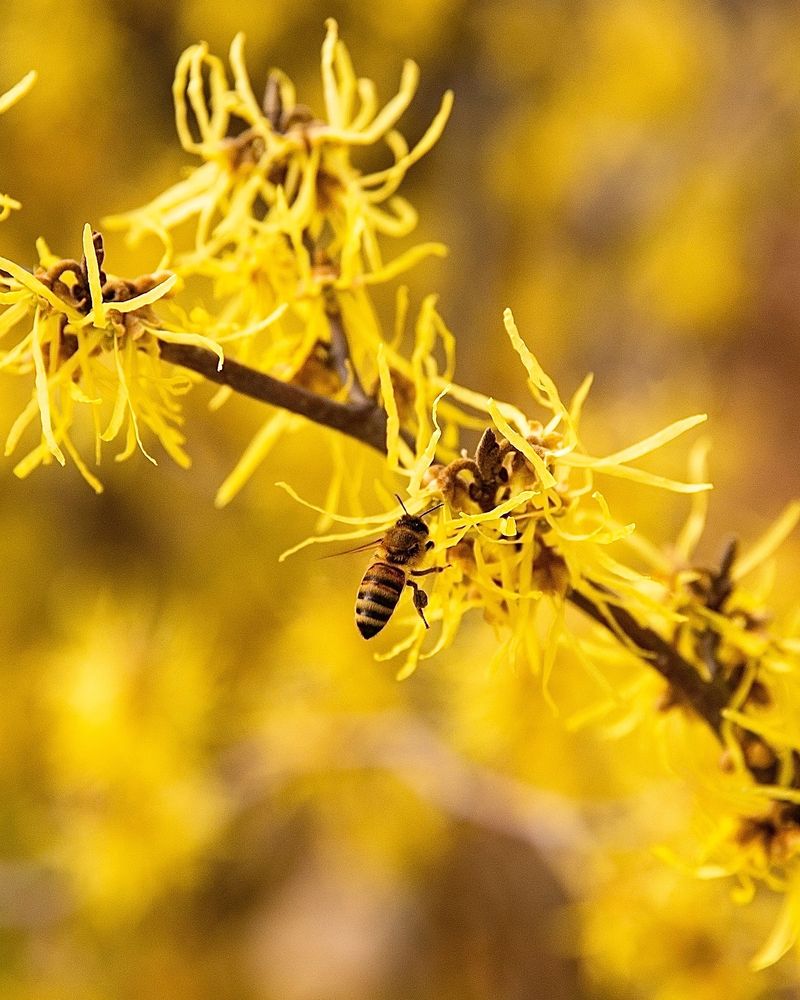
Cold nights do not stop every insect. Certain owlet moths are known to stay active in late fall, and they are often named as important visitors to witch hazel flowers.
Some of these moths can warm their flight muscles by shivering, which lets them move on chilly evenings.
Small flies, gnats, and the occasional bee may also stop by on warmer days. Even so, insect activity in November is usually light, so pollination can be uneven from year to year.
That is part of why seed set on witch hazel may vary quite a bit between plants.
If you want to support these visitors, skip insecticide sprays on and around the shrub. Leaving some leaf litter in place also gives many moths and other insects a spot to spend the winter.
Outdoor lights can matter too. Turning off bright porch lights at night may reduce the chance of drawing moths away from flowers and natural areas.
Across Ohio, very few plants offer flowers this late, so even a modest number of visitors makes the shrub useful.
Try taking a flashlight out on a mild evening and checking the blooms. You may not see anything, but spotting a moth feeding gives a real sense of how this native plant fits into the season.
5. Last Year’s Seed Pods Can Shoot Seeds Several Feet Away
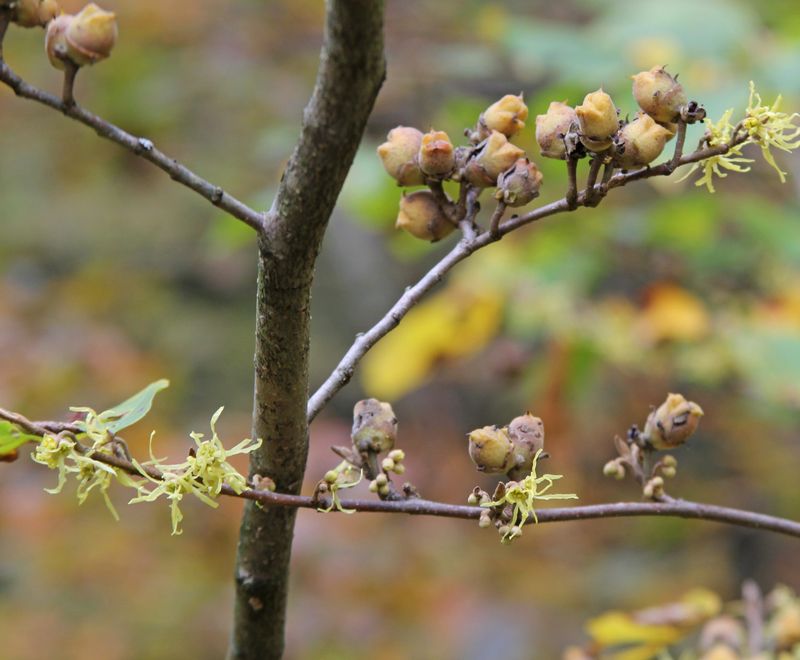
A soft snapping sound in the woods might come from a witch hazel. Its seed capsules are woody and hard, and when they dry and split, they can launch shiny black seeds into the air.
Sources often describe seeds flying several feet, and some report distances even farther.
Here is the odd part. Flowers pollinated in fall usually do not ripen into seeds right away, so the pods you see popping were often formed from the previous year’s blooms.
That means old pods and new flowers can share a branch at the same time.
Pods tend to open in fall as they dry. If you bring a few ripe capsules indoors and set them in a paper bag, you may hear them crack open after a while.
Gardeners hoping to grow new plants from seed should know it takes patience. Witch hazel seeds usually need a long period of warm and then cold conditions before sprouting, and some may wait more than a year.
Sowing seeds outdoors in fall in a protected, marked spot is one simple approach in Ohio.
Some birds and small mammals, such as wild turkeys and squirrels, may eat the seeds. So, do not be surprised if a few go missing before you collect them.
6. Woodland Edges With Partial Shade Suit It Well
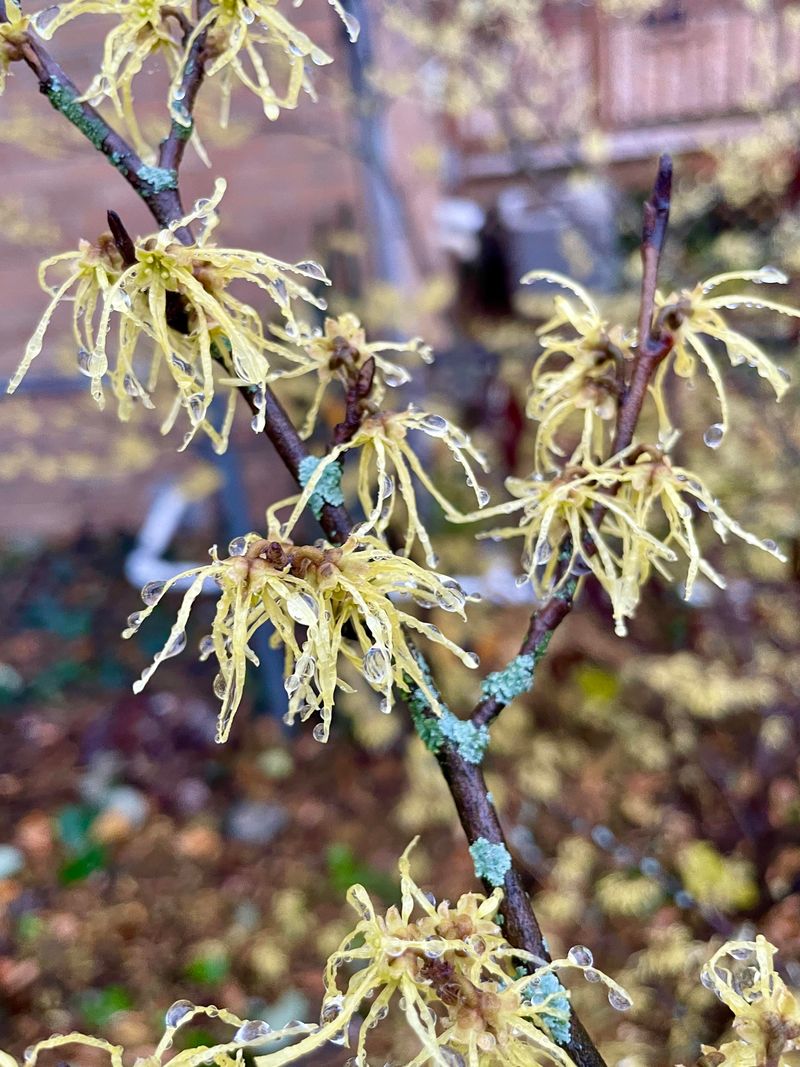
Picture the spot where a lawn meets a line of trees. Witch hazel tends to feel right at home in places like that, where it gets some sun but also a break from harsh afternoon heat.
In the wild, it often grows in the understory of forests and along stream banks.
Partial shade generally works well. More sun can mean more flowers and better leaf color, as long as the soil does not dry out too much in summer.
Moist, well-drained soil with plenty of organic matter is ideal, though the plant adapts to a fairly wide range.
Heavy clay, common in many Ohio yards, may be fine if it drains reasonably well. Spots where water sits for long periods are best avoided.
Fall and early spring are good times to plant, when cooler weather reduces stress on young roots. Water new shrubs regularly during their first dry summer, since establishment depends heavily on rainfall and soil.
Give it room to spread, often 15 feet or more across over many years.
Pruning needs are usually light. If shaping is needed, many gardeners trim after flowering or in late winter, removing crossing or damaged branches while keeping the natural form.
7. Witch Hazel Extracts Are Traditionally Made From Its Bark And Leaves
That bottle in your bathroom cabinet may trace back to this very shrub. Witch hazel extract is traditionally made from the bark, twigs, and leaves of Hamamelis virginiana.
Native American peoples used the plant in various ways long before it became a drugstore product.
Early settlers learned from those uses, and commercial production grew in the 1800s. Today, the product is commonly used on skin as a mild astringent.
Most store-bought versions are made through distillation, which is quite different from simply soaking bark at home.
Homemade versions are not recommended without careful guidance. Strength and purity can vary a lot, and some people may react to plant extracts on their skin.
Talking with a doctor or pharmacist is wise before using any herbal remedy for a health concern, especially for children or sensitive skin.
As for the name, one common explanation links it to an old word meaning bendable, along with the forked branches once used for dowsing.
Wild-growing shrubs in Ohio state parks and nature preserves should be left alone, since collecting plant material there is generally not allowed. If you grow your own, simply enjoy it as a fall-blooming native, and let the commercial producers handle the extract.