How Texas Gardeners Fill A Truck Bed With Free Mulch Before Winter Arrives
Your pickup bed could save you real money before Thanksgiving. Texas garden centers sell bagged mulch at prices that add up over time.
Arborists need places to drop fresh wood chips, and you can take them free. Tree crews haul truckloads of shredded branches past your street on weekdays.
Ask politely, and a crew may unload a full pile at your curb. Leaves bagged by city residents sit curbside, and you can grab those too.
Local stables give away used bedding that is rich in nitrogen. You can fill a truck bed in under an hour.
Many Texas clay soils hold onto moisture beneath a thick layer of chips. Weeds struggle to sprout, and your water bill may drop.
Some gardeners skip checkout lines and spend that cash on seeds. Free piles wait nearby, and a call can reserve yours.
1. Check With Your City Compost And Mulch Yard
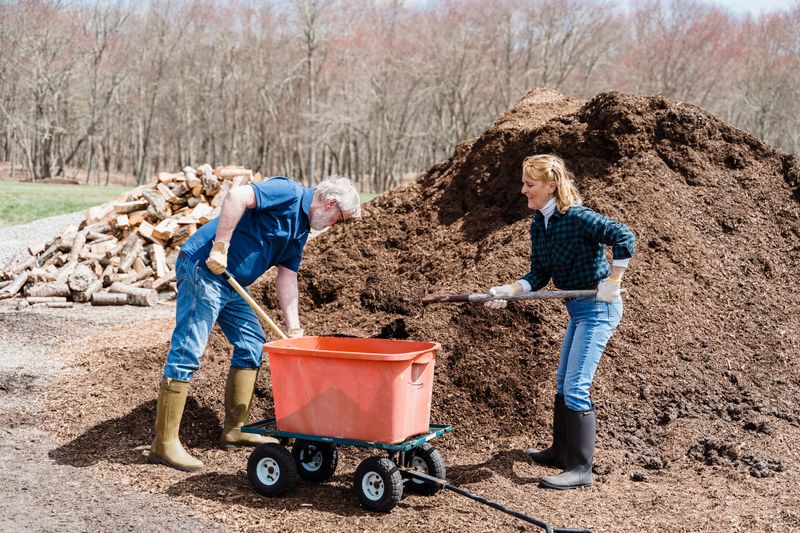
San Antonio and Fort Worth offer free mulch to residents, and Austin does too at its Recycle and Reuse Center. Expect to show proof of address, and Austin asks you to book an appointment.
These yards collect tree limbs, brush, and storm debris from curbside pickup throughout the year. Big machines chop the material into coarse mulch that works great around shrubs and trees.
Fall is a great time to visit because seasonal cleanup keeps the piles well stocked. You may find fresh loads arriving regularly through October and November.
Bring your own shovel, tarp, and sturdy containers before you head out. Many yards do not load small vehicles, so plan for some honest arm work.
Call ahead or check your city website for hours and resident rules. Some places limit how much you can take, while others let you fill a whole truck.
City mulch can contain bits of plastic, bark, and leaves mixed together. Pick out any litter before spreading it on your vegetable beds or flower borders.
Fresh chips can be warm and steamy inside the pile, which is quite normal. That heat comes from tiny microbes breaking down the wood into rich material.
Spread it about three inches deep, keeping it a few inches away from tree trunks. Your plants will stay cozy through winter, and your budget will benefit too.
Ask the yard staff which pile is freshest on the day you visit. A friendly question can point you toward finer chips that spread easily and settle neatly around your plants.
2. Call Local Tree Trimming Crews
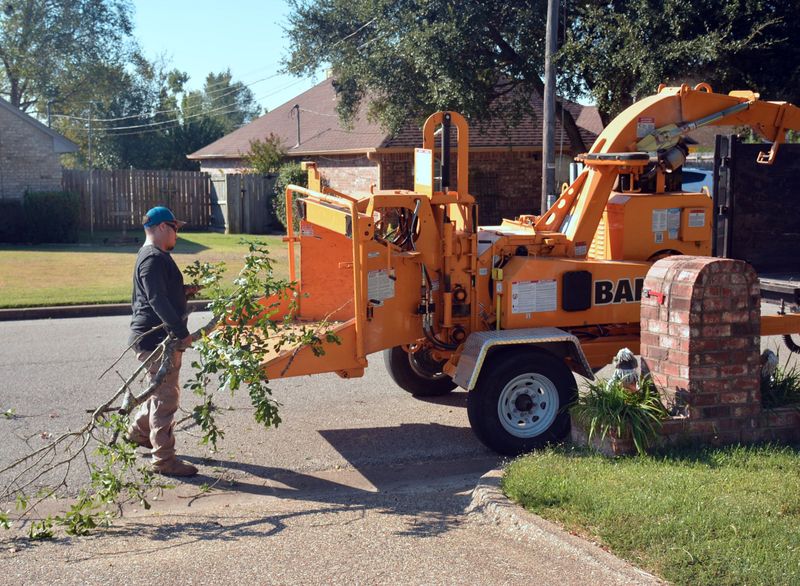
Picture a big orange chipper truck rumbling down your street on a cool October morning. Those crews often need somewhere to unload their chips before heading to the next job.
Tree services pay fees to unload at landfills or recycling centers. Dropping a load in your driveway saves them money, time, and a long drive across town.
Ask a crew working nearby if they ever deliver chips to homeowners. Many will happily say yes and take down your phone number on the spot.
Your Texas Garden Changes Every Week. Your Plan Should Too.
Gardening in Texas changes quickly throughout the season. Every Friday you’ll receive a simple weekly plan showing exactly what to plant, prune, fertilize, harvest, and protect so you never miss the right timing.
Websites like ChipDrop connect gardeners with arborists, and joining is free for gardeners. Offering a small optional payment can speed up delivery, though a delivery date is not promised.
Be ready for a serious pile when that truck finally shows up. A single drop can hold ten to twenty cubic yards of fresh, chunky mulch.
Pick a flat spot near your garden where the pile will not block cars. A tarp underneath makes cleanup easier once you have spread much of it.
Arborist chips mix leaves, twigs, and wood, which makes them effective for soil life. Fungi and earthworms love this blend and get to work quickly.
Share extra mulch with neighbors if your pile turns out bigger than expected. You might gain some new garden friends along with an attractive yard.
Offer a clear spot and easy access so the crew can unload quickly. Crews often return to neighborhoods where they know a friendly driveway waits.
3. Collect Neighborhood Leaf Bags On The Curb
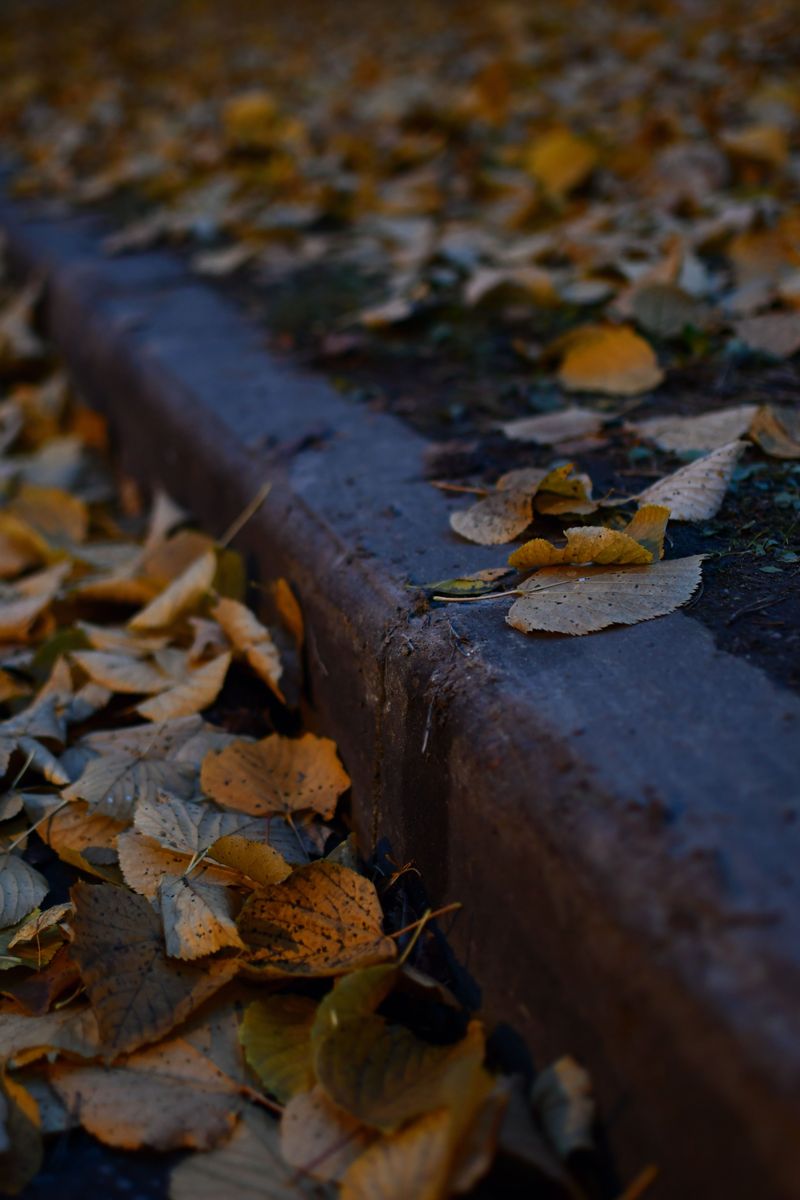
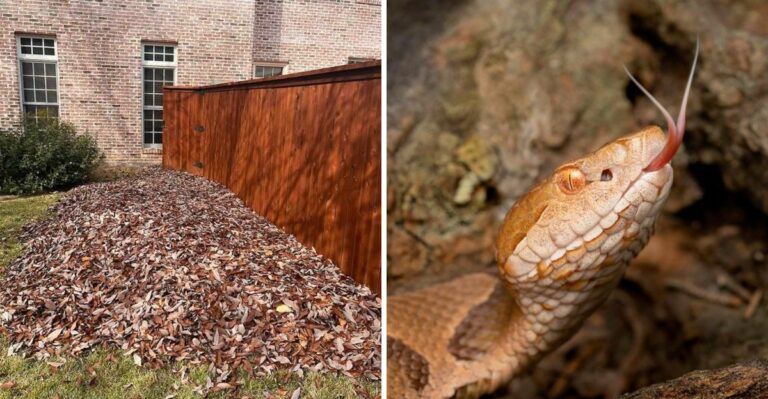
Plenty of useful garden material in Texas sits in brown bags beside the bins. Neighbors rake up leaves and leave them for pickup without a second thought.
Those leaves hold trace minerals and organic matter that trees drew from the soil. Shredded leaves make a soft, earthy mulch that breaks down into dark, crumbly humus.
Late October and November bring big leaf drops across much of the state. Live oaks drop leaves in spring, but pecans, elms, and red oaks shed in fall.
Drive around on collection morning and look for full bags at the curb. Politely ask the homeowner first and check local rules about taking set-out bags.
Skip bags that look like they hold household refuse, pet leftovers, or chemically treated grass. A quick peek inside helps you avoid unwanted materials later in your garden.
Run the leaves over with a lawn mower to chop them into smaller pieces. Whole leaves can mat together and block water from reaching plant roots.
Store extra bags behind the shed for spring mulching or compost. Dry leaves keep well and balance kitchen scraps when you build a compost pile.
Kids usually love helping with this job, especially the crunching part. Turn it into a family outing and reward helpers with hot cocoa afterward.
Bring a few sturdy bags of your own and tie them tightly before loading. Wet leaves get heavy, so a dry afternoon makes the job easier.
4. Ask Coffee Shops For Spent Grounds
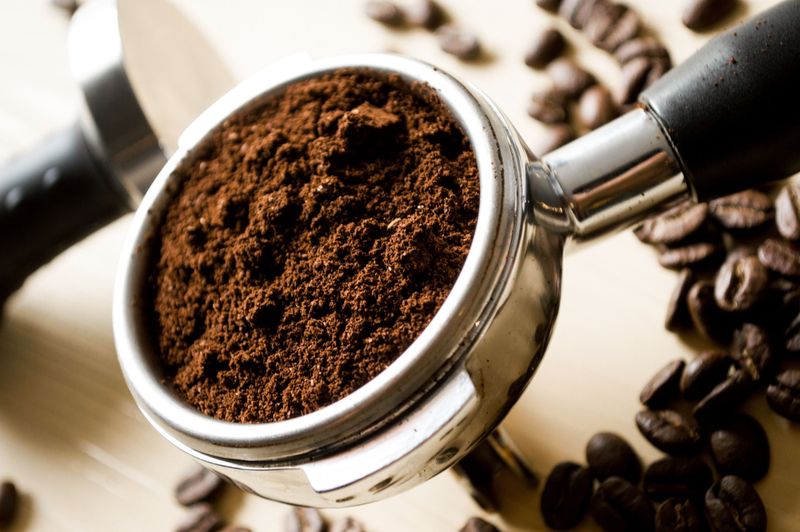
Here is a sweet-smelling tip that local baristas know well. Coffee shops set aside pounds of used grounds daily, and many love giving them away.
Spent coffee grounds add organic matter and a little nitrogen to garden soil. They work best mixed with leaves or wood chips rather than spread thick alone.
Starbucks has offered a Grounds for Your Garden program at some locations, so ask first. Some small local cafes may help gardeners too.
Visit during a slow afternoon and kindly ask the staff about saving grounds. Bringing a clean bucket with a lid shows you are serious and makes handoffs easy.
Pick them up regularly so the grounds do not turn musty at the shop. A reliable schedule turns a one-time favor into a steady garden supply.
Sprinkle a thin layer under shrubs, roses, or around fall vegetables like kale. Too thick a layer can form a crust that sheds water instead of absorbing it.
Worms seem to adore coffee grounds, so your compost bin will buzz with life. Add them slowly and mix them well with drier browns like shredded paper.
Tip your barista or buy a cookie now and then as a thank-you. Good relationships keep the free grounds coming season after season.
Rinse your bucket between pickups to keep odors low. A tidy container makes baristas more willing to set grounds aside for you each week.
5. Visit Stables And Farms For Old Hay
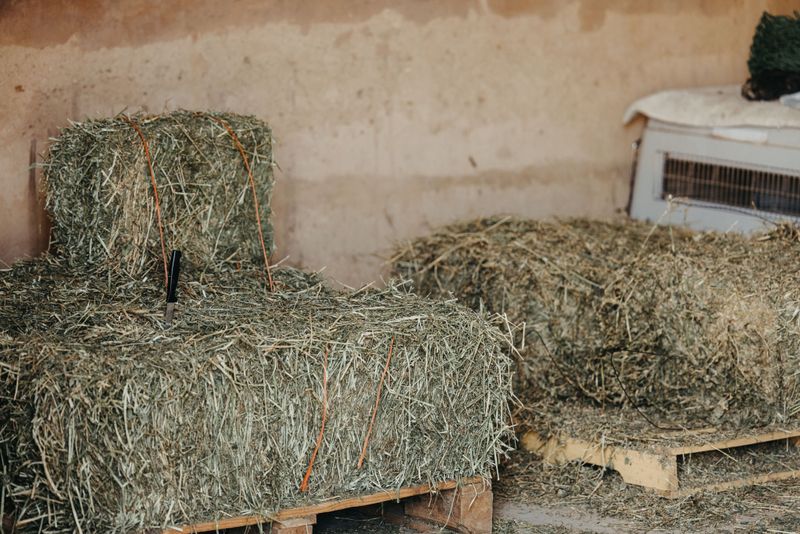
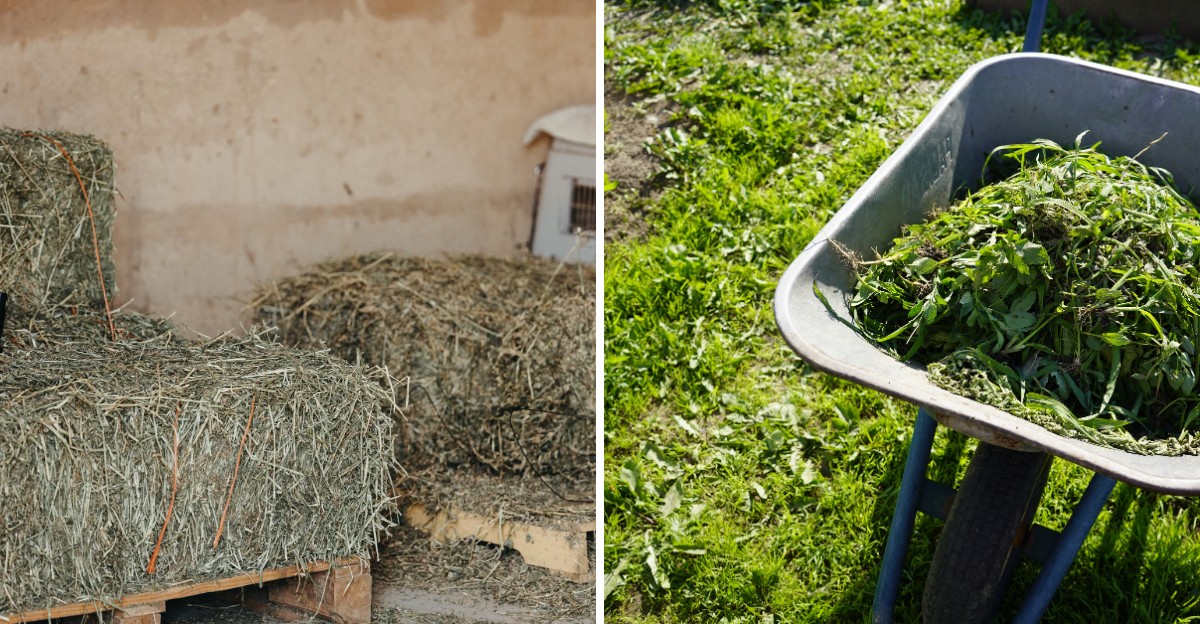
Texas ranch country holds a useful resource in barns and pastures. Old, weathered hay that animals will not eat makes effective mulch for gardens.
Farmers often have weathered bales that got rained on or sat too long. Horses and cattle turn their noses up at it, but your soil will gladly welcome it.
Fall is when some ranchers clear barns before storing fresh hay for winter. That timing makes October a smart month to start asking around rural areas.
Check local farm groups on Facebook or bulletin boards at feed stores. Some owners offer extra hay just to get it hauled away.
Ask whether the field was sprayed with long-lasting weed products. Some herbicides linger in hay and can affect tomatoes, beans, and other sensitive crops.
Straw has fewer seeds than hay, so it creates less extra weeding. Even weedy hay works well when layered thick under cardboard in pathways.
Bring gloves, long sleeves, and a tarp to keep your car clean. Hay can be dusty, itchy, and surprisingly heavy when it is soaked with rain.
Many stables also give away aged manure mixed with bedding. Ask about herbicides here too, and let it rest a few months before use.
Offer to help load the bales when you visit. Ranch owners remember friendly visitors and often call again when another batch needs a new home.
6. Plan Ahead For Christmas Tree Recycling Events

October might feel early to think about holiday trees, but smart planning pays off. Many Texas cities run tree recycling drives right after the holidays.
Workers grind thousands of undecorated Christmas trees into fragrant evergreen mulch. San Antonio, Austin, and Fort Worth give residents free mulch from collected trees, often in January while supplies last.
Mark your calendar now so you do not miss the announcements later. Check the San Antonio, Austin, and Fort Worth websites in December for exact dates.
Pine and fir mulch smells pleasant and looks tidy in garden beds. Spreading it feels like bringing a little bit of the holiday forest home.
Some folks worry that pine needles make soil too acidic. Research shows the effect is small, so many plants handle it just fine.
In the meantime, save your fall leaves to cover beds until winter arrives. Pairing autumn leaves with winter pine chips gives year-round protection.
Bring bins with handles because tree mulch can be quite sticky. A pair of old gloves helps keep your hands free of sap.
Neighborhood groups and scout troops sometimes host smaller chipping events too. Supporting these drives keeps trees out of landfills and helps the whole community.
Pile the mulch in a shady corner if you collect it early. A loose layer of leaves on top helps it stay moist until planting time.
7. Browse Online Groups And Free Listings
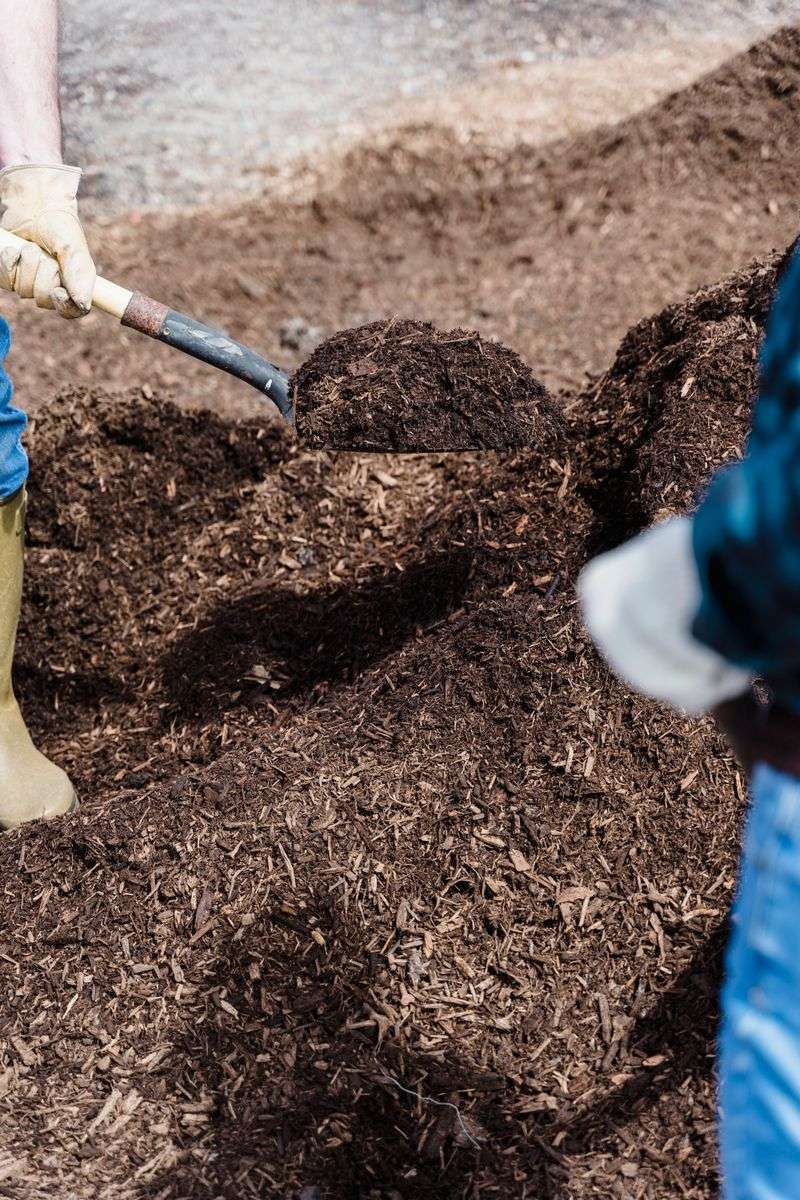
Scrolling your phone can feel like idle time until free mulch pops up. Online groups are full of neighbors trying to give away yard material.
Facebook Marketplace, Craigslist, and Nextdoor have free sections worth checking often. Search words like wood chips, leaves, compost, or mulch several times weekly.
Buy Nothing groups have grown popular in many Texas towns and suburbs. Members share items from leaf bags to leftover landscape bark.
Act fast when you spot a good post, because free items disappear quickly. A friendly, clear message with your pickup time helps you stand out.
Landscapers sometimes post extra material left from finished jobs. They may offer partly used pallets of bagged mulch at no cost.
Meet in safe, public spaces or bring a friend when picking up. Safety matters more than any pile of wood chips could.
Ask questions about where the material came from before loading it up. Knowing the source helps you avoid unhealthy wood or treated lumber scraps.
Post your own request too, since many people do not think to list mulch. A simple message saying you want leaves might fill your yard by weekend.
Keep a short list of search terms saved on your phone. A quick check each morning helps you spot listings before other gardeners do.
8. Make Your Own From Yard Clippings
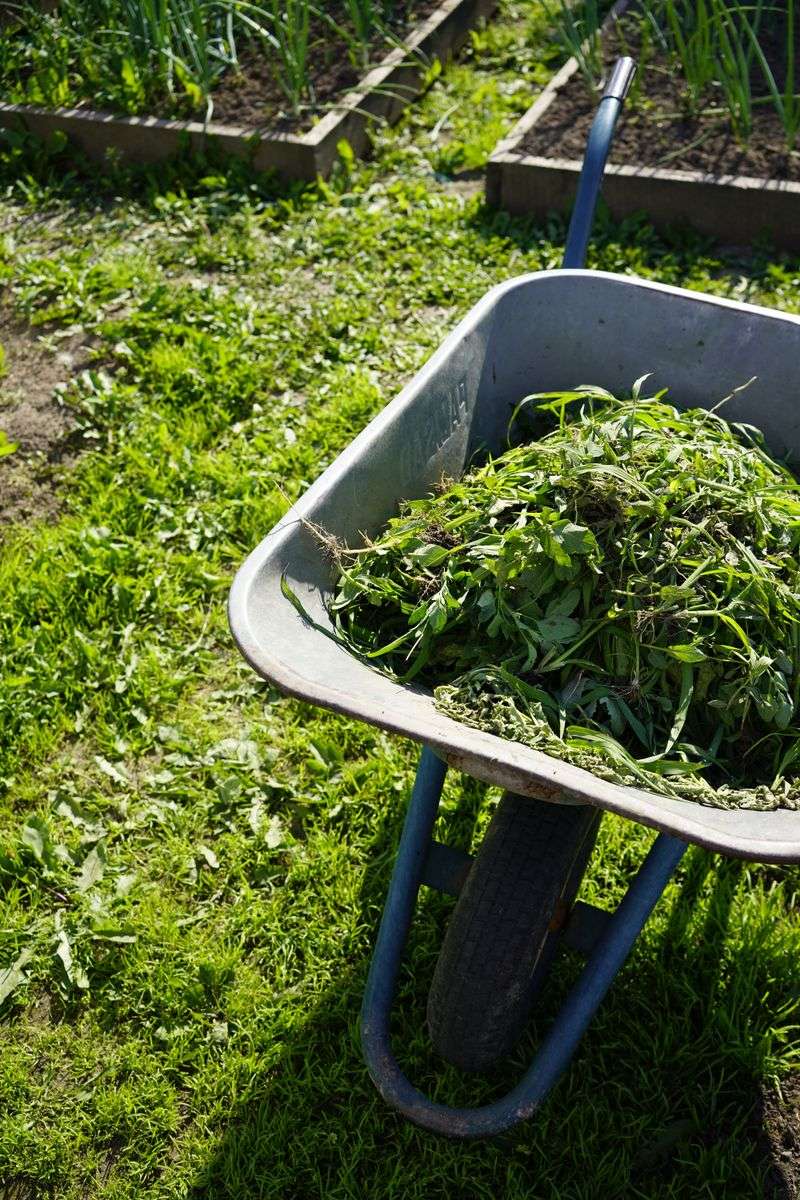
Sometimes a handy free mulch has been waiting in your own backyard already. Grass clippings, leaves, and small branches can turn into useful garden cover.
Fall mowing creates piles of fine clippings that dry quickly in Texas sun. Spread them thinly so they do not clump into a soggy mat.
Fallen leaves from your trees work well when shredded with a mower. Bag attachments collect them neatly while chopping them into smaller bits.
Pruned branches from crape myrtles or shrubs can be chopped with loppers. Larger limbs can go to a rented chipper shared among a few neighbors.
Pine needles from your yard make light, airy mulch for paths and beds. They stay in place well and let rainwater soak through easily.
Skip clippings from lawns treated with weed products. Those products can affect vegetables and young flowers in your garden.
Keep a simple pile behind the garage to store extra material for spring. Turning it now and then helps it break down into rich, dark compost.
Making mulch at home saves trips, gas, and real money. It also gives you pride knowing your garden feeds itself with what it already grows.
Mix green clippings with dry leaves to balance the pile. A blend of both breaks down evenly and gives you softer mulch by spring.