Mushrooms Popping Up in North Carolina Yards After the Floods Are Telling You Something
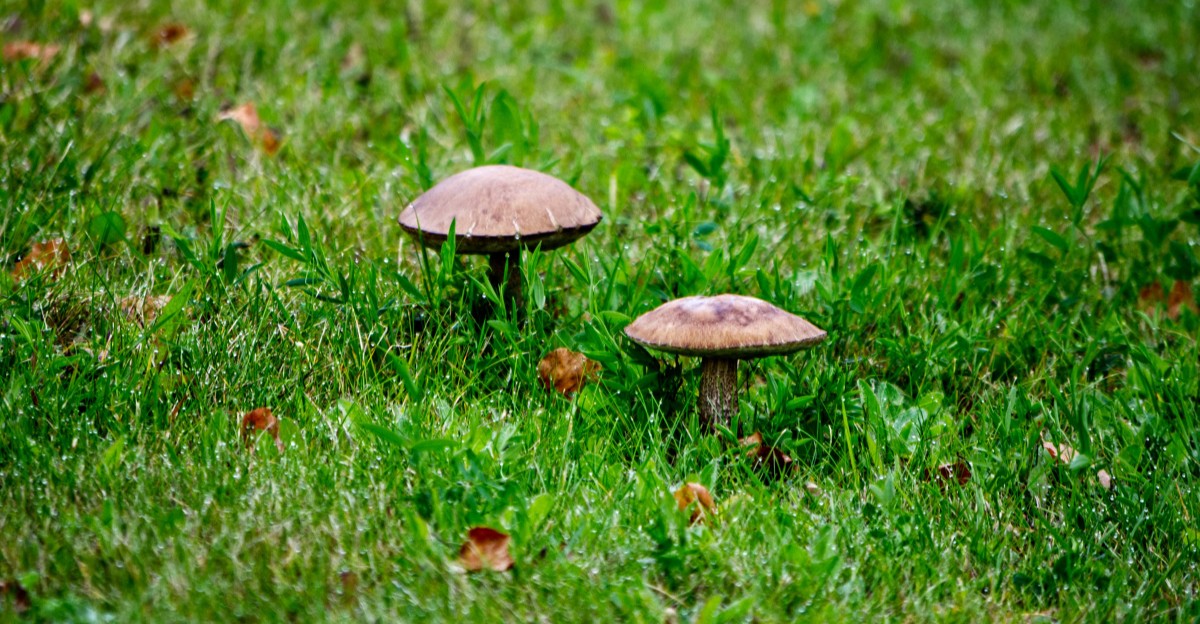
A single handful of yard soil can hold miles of tiny fungal threads you will rarely ever see. After a soaking rain, those hidden threads can push caps above the grass in just one night.
The recent North Carolina floods left lawns soggy, and now strange little umbrellas are popping up everywhere. I spotted a ring of pale caps by my oak stump this morning, glistening with cold dew.
I love how fast they appear, but I also wondered what they were trying to tell me. Your soil is sending a message, and it says more about the ground than you might expect.
Some of that message is cheerful news for your grass, while another part calls for real caution. So the question is: what exactly is happening under your feet right now, while the October air turns crisp?
1. Your Soil Is Quietly Throwing A Feast Underground
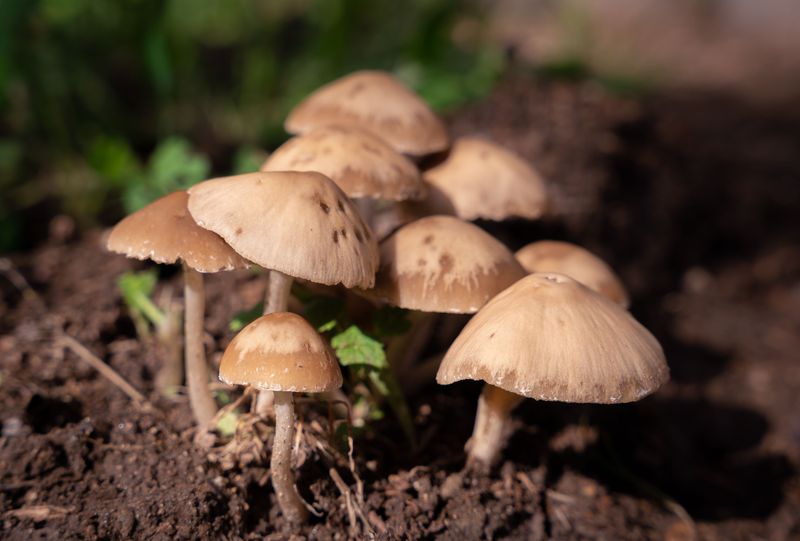
Underneath every cluster of caps sits a busy crew of fungi, breaking down old roots, buried bark, and grass clippings. Mushrooms are simply the fruit of that crew, showing up when conditions turn wet enough after storms for reproduction.
Think of the network below as a recycling plant that runs quietly beneath your lawn all year long. As fungi digest woody scraps, they release nitrogen, phosphorus, and other nutrients your grass roots can use right away.
Experts at NC State Extension in Raleigh note that most lawn mushrooms point to soil rich in organic matter. That usually means earthworms, helpful microbes, and fungi are working together to keep your ground loose, soft, and spongy.
Many yards in North Carolina sit on old forest land, so buried stumps and roots feed fungi for years. If caps keep appearing in one spot, a hidden piece of decaying wood is often sitting just below.
I like to poke around those spots with a small garden trowel, and I usually find soft, crumbly wood underneath. Your yard is not sick, it is digesting its past, one soggy root at a time this early fall.
2. Those Overnight Caps Have Been Waiting Below For Months
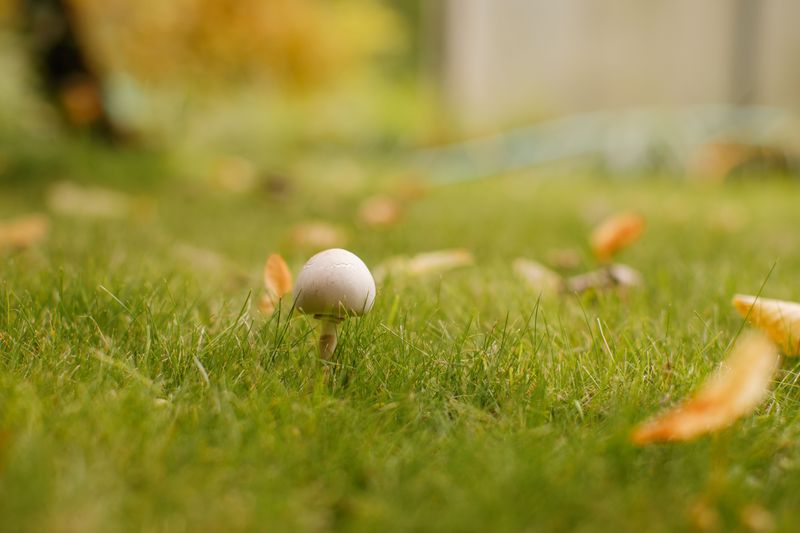
Those caps did not arrive with the floodwater, even though it sure feels like they sprang from nowhere overnight. The fungus was already living in your soil, spreading as thin white threads called mycelium for months or years.
Mycelium soaks up water surprisingly fast, and a heavy rain gives it the exact push it needs to fruit. Within just a day or two, folded caps inflate like tiny balloons and break through the damp, springy grass.
Early October is prime time for this show, since nights are cooler and the shaded ground stays moist longer. Shorter days mean less evaporation, so soaked lawns across North Carolina can hold water for a week or more.
Fun fact for your next backyard chat, the mushroom you see is mostly water, often around ninety percent by weight. That explains why many caps slump, blacken, or melt into goo within just a few bright, sunny days.
Your North Carolina Garden Changes Every Week. Your Plan Should Too.
Gardening in North Carolina changes quickly throughout the season. Every Friday you’ll receive a simple weekly plan showing exactly what to plant, prune, fertilize, harvest, and protect so you never miss the right timing.
You can expect fresh flushes of caps after each new soaking rain, then a quiet stretch once the soil dries. Keep a little garden notebook, and you may notice the same spots fruiting again every single autumn like clockwork.
3. Your Grass Is Safer Than You Think
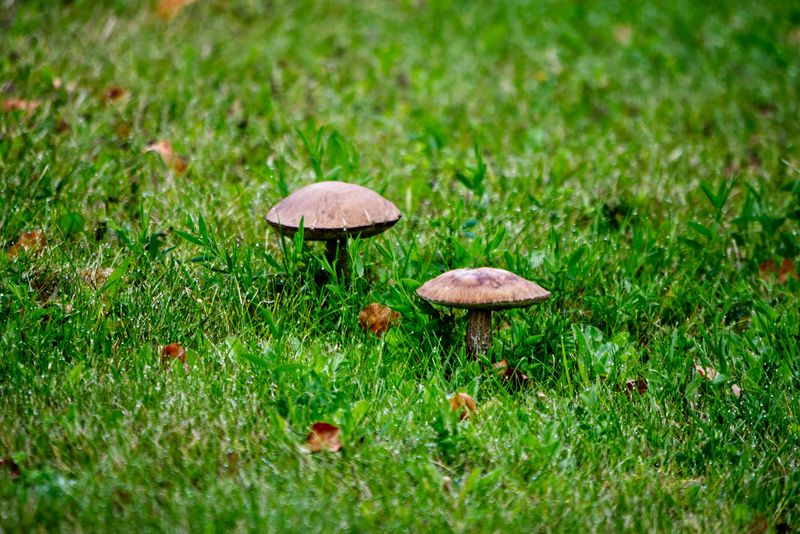
Relax for a moment, because those caps are not feeding on your living grass blades or healthy green roots. Most yard mushrooms eat decaying material only, so your turf usually carries on as if nothing ever happened.
Lawn pros often call them a cosmetic issue, meaning they bother our eyes far more than they bother our grass. Within a week of dry, breezy weather, many patches shrivel up and vanish without any help at all from you.
Fairy rings are the one exception worth watching, since they can form dark green circles or thin brown bands. The fungus below can make soil repel water, often leaving thirsty grass inside the ring looking tired and thin.
Fescue lawns across the Piedmont are waking up for fall growth, so a few caps will not slow them. Warm-season grasses like Bermuda are heading toward dormancy, and they shrug off most fungi just as easily this season.
I used to panic when a new cluster showed up near my porch steps after a long stormy weekend. Now I simply watch them fade, and my grass looks just as lush once the whole yard dries out.
4. Little Hands Or Curious Paws Need Your Full Attention
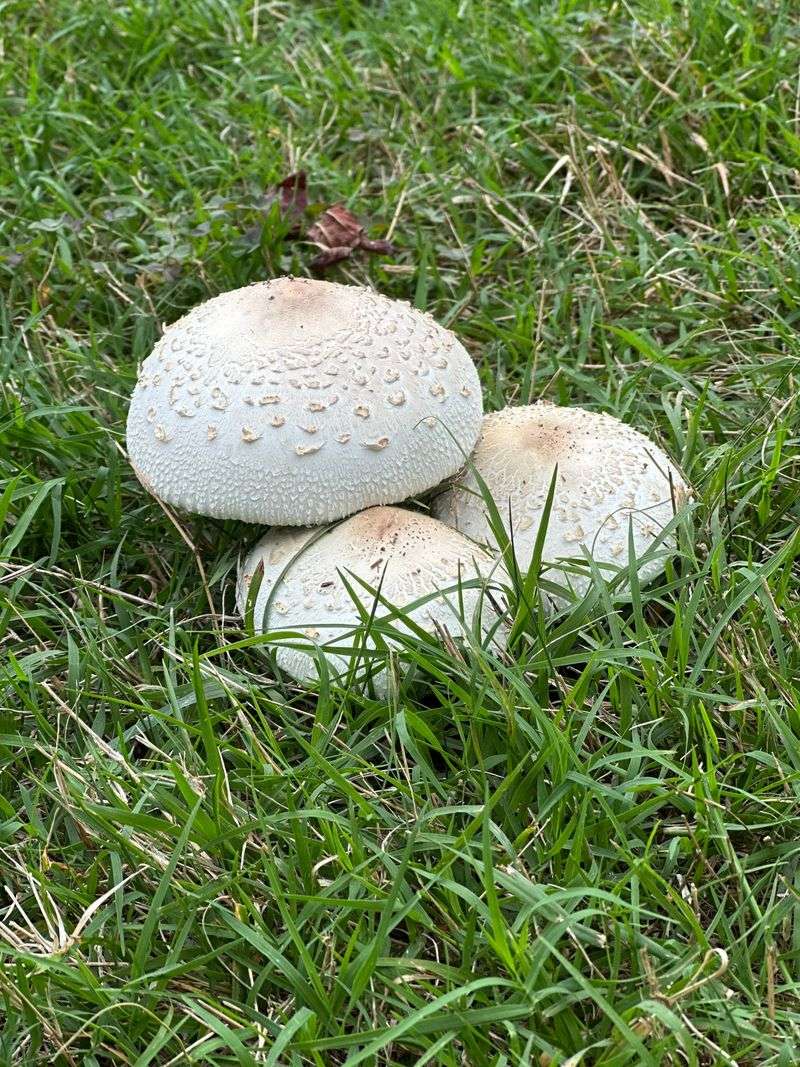
Every fall, poison control centers field calls about toddlers and dogs who nibbled something odd in the grassy backyard. Wild mushrooms are hard to identify, and a few common lawn species can make pets or children very sick.
North Carolina is home to toxic types like the green-spored parasol, which loves sunny, freshly watered suburban lawns. Its big white caps look harmless, even tasty, yet it causes more stomach poisonings than almost any other wild mushroom.
Amanita species also pop up near oaks and tall pines, and some of them are seriously dangerous to eat. Even experienced foragers use spore prints and careful study, so guessing from a photo app is truly risky.
You need a simple house rule, which is that nobody touches or tastes yard fungi without an adult nearby. Walk the lawn each morning before letting the dog out, and scoop up fresh caps with a gloved hand.
If someone does eat a mushroom, call Poison Control at 1-800-222-1222 right away and save a sample for them. Pop the piece in a paper bag, not plastic, since that helps experts figure out what was swallowed much faster.
5. Your Best Move Is A Gentle Cleanup
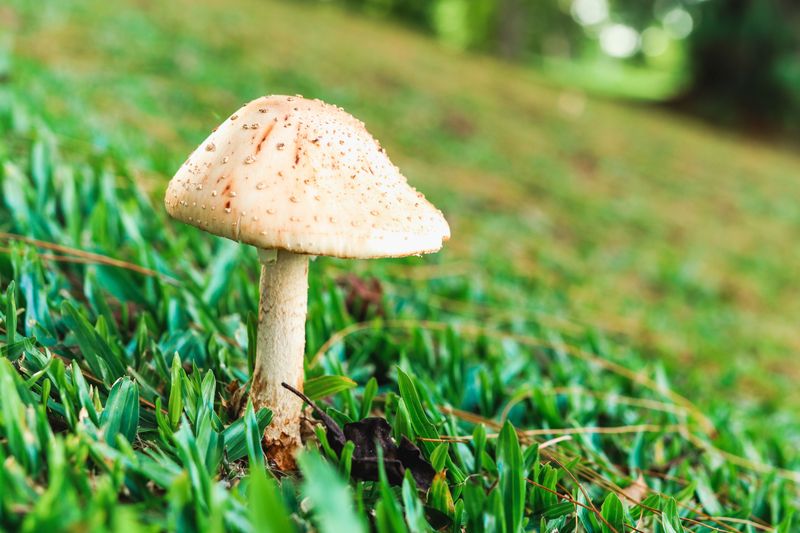
Grab a pair of garden gloves and a plastic grocery bag, because hand-picking beats fancy sprays on most days. Fungicides rarely help with lawn mushrooms, since the real fungus lives deep below where sprays simply cannot reach.
Pluck caps at the base, drop them straight into the bag, and tie it before tossing it in the trash. Bagging them keeps spores from drifting around, and it stops curious pets from finding the leftovers later on.
Mowing over them feels faster, but the spinning blades can scatter millions of spores across the whole front lawn. Pick first, then mow, and your yard will look tidy without inviting a bigger crop of caps next week.
Some gardeners in North Carolina rake the area lightly afterward to fluff matted grass and let air reach the soil. A quick sprinkle of nitrogen fertilizer can also speed up decay of the organic matter fungi feed on.
Personally, I treat cleanup like a five-minute coffee break ritual, just me, my gloves, and the chirping morning birds. It feels oddly satisfying, and the yard looks neat and fresh again before the neighbors even notice anything unusual.
6. A Drier Yard Brings Fewer Surprise Visitors Next Fall
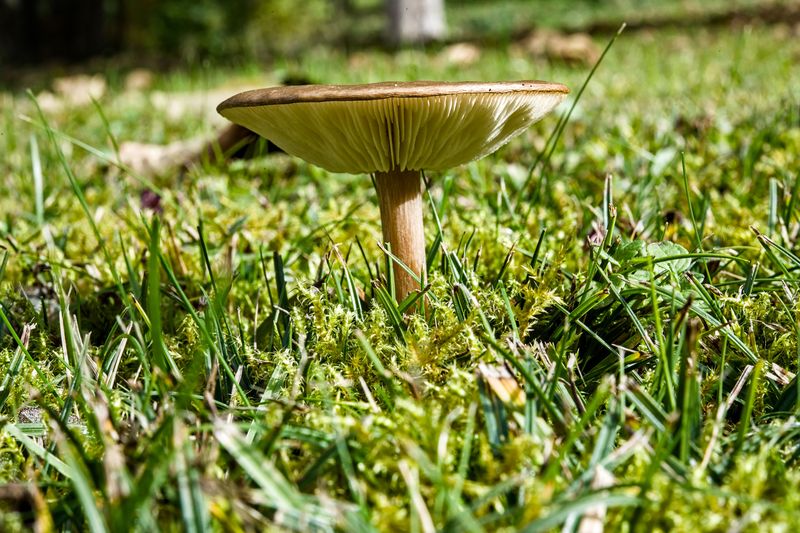
Fungi need three things to fruit, which are moisture, shade, and buried food, so take just one away. Removing even a single piece of that puzzle can mean far fewer surprise caps when next autumn rolls around.
Core aeration in early fall is perfect timing for cool-season lawns across North Carolina, especially after this year’s heavy flooding. Pulling small plugs of soil loosens compacted ground, so rainwater drains down instead of sitting stubbornly near the surface.
Thick thatch acts like a soggy sponge, so dethatch any spongy layer deeper than half an inch this month. Rake up fallen leaves often too, since piles left on wet grass feed fungi through the whole long winter.
Shady corners stay damp the longest, so trimming low tree limbs lets sunlight and breezes dry the ground faster. Grinding out old stumps also removes a favorite buffet, though roots below may feed fungi for several more seasons.
Water your lawn deeply but less often, ideally in the early morning so the blades dry well before evening. I believe a few caps still belong in a healthy yard, since they show the soil is alive underneath.