Popular Foods You May Not Be Allowed To Grow In Your Michigan Backyard

Growing your own food sounds like the simplest right in the world. In Michigan, it mostly is.
No state law bans a backyard vegetable garden. Still, a few edible plants come with rules most gardeners never hear about until a nursery says no. Some limits come from the state, which regulates crops like hemp and cannabis.
Others come from city ordinances that decide what you can plant in a front yard, how tall it can grow, or whether you can keep bees or chickens. Homeowners associations add a third layer, often stricter than both.
The rules also change, so last year’s answer may not hold today. A few minutes of checking before you buy seeds can keep a good idea from becoming a fine or a forced removal.
1. Vegetables In Your Front Yard
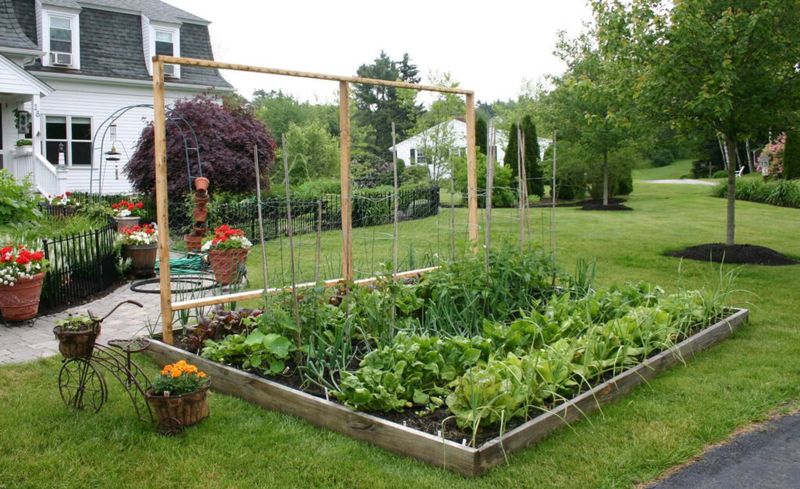
Back in 2011, an Oak Park woman named Julie Bass planted vegetables in raised beds in her front yard. The city charged her over it, and her story spread across the country.
The charge was eventually dropped, but the case showed how local rules can shape what grows in plain view of the street.
Michigan has no statewide law that guarantees your right to grow food in your front yard. Instead, many cities, townships, and homeowners associations set their own rules.
Some limit what can be planted near the street, while others require yards to look a certain way, often with grass or decorative plants.
So what should a hopeful front yard gardener do first? Look up your local zoning code, which you can usually find on your city or township website.
If you live in a neighborhood with an HOA, read their rules too, since they can be stricter than the city. A quick phone call to the zoning office can also clear up any confusing wording.
Once you know the rules, a smart design goes a long way. Attractive raised beds made of wood or stone look tidy and planned.
Mixing vegetables with flowers like marigolds, zinnias, or nasturtiums makes the space feel like a cheerful garden rather than a farm field.
Neatness matters just as much as design. Pull weeds often, trim plants that sprawl onto sidewalks, and clear out old stalks at the end of the season. Neighbors are far less likely to complain about a garden that looks cared for.
More Michigan homeowners are turning sunny front lawns into food gardens to make the most of their space. With a little homework and good planning, your front yard can feed your family and still win compliments.
2. Eggs From Backyard Chickens
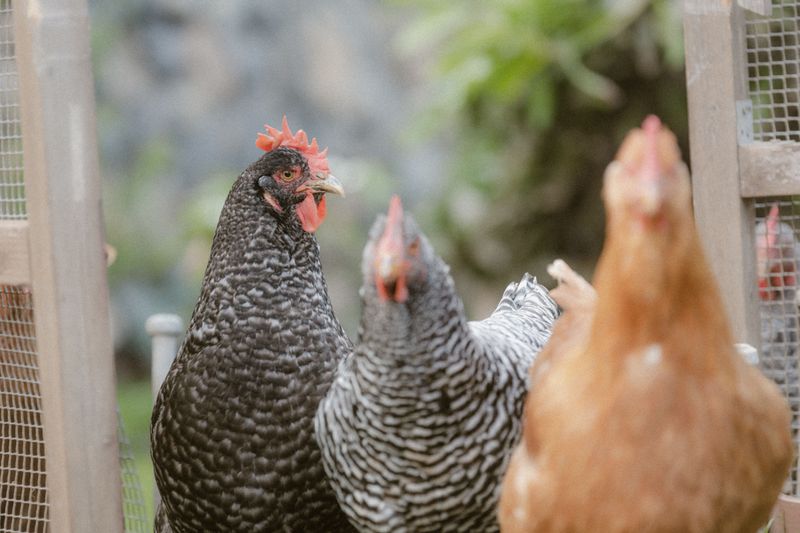
Few breakfasts beat a golden yolk from a hen you raised yourself. Backyard chickens have become a favorite hobby across Michigan, from Ann Arbor to small towns up north. Still, whether you can keep them depends a lot on where you live.
Many people believe Michigan’s Right to Farm Act protects their flock. In reality, the state changed its guidelines in 2014, and the act generally does not cover livestock like chickens in mainly residential areas.
Your Michigan Garden Changes Every Week. Your Plan Should Too.
Gardening in Michigan changes quickly throughout the season. Every Friday you’ll receive a simple weekly plan showing exactly what to plant, prune, fertilize, harvest, and protect so you never miss the right timing.
That means your local city or township ordinance is the rule that counts. Those ordinances can look very different from one place to the next. Some towns allow a handful of hens with no fuss.
Others limit the number of birds, ban roosters because of noise, or require a permit before your first chick arrives.
Coop placement is another common rule. Many communities set distances, called setbacks, between the coop and property lines or neighboring homes.
Some also have sanitation rules about keeping the coop clean, storing feed safely, and handling manure so it does not attract pests or create smells.
Before you buy chicks at the farm store, call your city or township office and ask exactly what is allowed. Check your HOA rules too, since some associations ban poultry even when the city permits it.
Then sketch out a coop plan that meets every setback and gives your hens shelter from harsh Michigan winters.
A little paperwork now can protect your flock later. Once you have the green light, you can enjoy fresh eggs, happy clucking, and a fun lesson in responsibility for the whole family.
3. Honey From Backyard Beehives
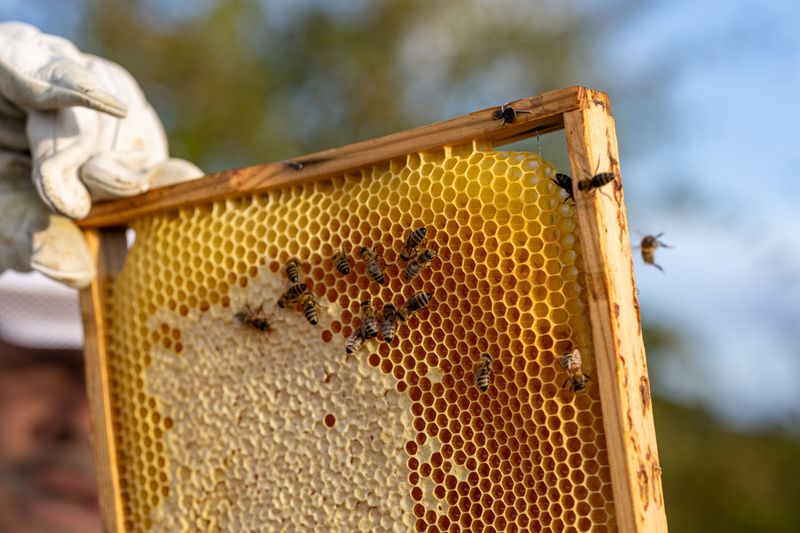
A single honeybee makes only about one twelfth of a teaspoon of honey in its whole lifetime. Multiply that by thousands of busy workers, and a healthy backyard hive can fill many jars in a good year.
No wonder so many Michigan gardeners dream of keeping bees. Local rules, however, can stand between you and that sweet harvest. Some Michigan communities allow beekeeping with very few limits.
Others restrict where hives can sit, cap the number of colonies on a lot, or require features that keep bees from bothering the folks next door.
Common requirements include a fresh water source near the hives. Without one, thirsty bees may visit a neighbor’s pool or birdbath instead.
Some towns also ask for a fence, hedge, or solid barrier that pushes bees to fly up high, well above people’s heads.
Start by reading your local ordinance and any HOA rules before ordering equipment. When you pick a spot, place hives away from property lines, sidewalks, and spots where kids play.
A sunny corner with the hive entrance facing away from busy areas works well. Talking with your neighbors is one of the smartest moves a new beekeeper can make. Let them know your plans, answer their questions, and maybe share a jar of honey later.
Friendly neighbors are less likely to worry or complain. Joining a local group like the Michigan Beekeepers Association can also help you learn the ropes.
Backyard bees pollinate gardens, fruit trees, and wildflowers all around your home, so doing it the right way benefits everyone nearby.
4. Hemp For Seeds And Hemp Hearts

Hemp hearts have become a pantry superstar. People sprinkle them on yogurt, blend them into smoothies, and toss them on salads for a nutty crunch and a boost of protein. With that kind of popularity, it might seem natural to grow a few plants yourself.
Here is the catch: in Michigan, hemp is treated as a regulated agricultural crop, not a casual garden plant. Anyone who wants to grow it must get a grower registration from the Michigan Department of Agriculture and Rural Development, often called MDARD.
The process takes real effort. Applicants go through a fingerprint-based criminal history check, pay fees, and follow strict crop testing rules.
Hemp plants must be tested to show they stay under the legal limit for THC, the compound that separates hemp from marijuana. If a crop tests too high, it may have to be destroyed.
For most homeowners, that is a lot of work for a small handful of seeds. It also means you cannot simply drop hemp seeds into a backyard bed and call it a hobby.
Federal hemp laws are changing too, which can affect state programs over time. If you are curious about growing hemp on a larger scale, visit MDARD’s industrial hemp program page for the latest rules and deadlines.
For everyday cooking, the easiest path is buying hemp seeds and hemp hearts from a grocery store or trusted online seller. They come cleaned, shelled, and ready to eat.
You get all the nutrition with none of the paperwork, and your garden space stays open for tomatoes and beans.
5. Milk And Meat From Goats Or Rabbits

Nigerian Dwarf goats are small enough to fit in a large backyard, yet a good doe can give a quart or more of creamy milk a day. Meat rabbits are even more compact and grow fast. For families who want more homegrown food, both animals sound like a clever idea.
Many local codes, however, see goats and meat rabbits the same way they see chickens: as livestock. Some Michigan cities and townships do not allow livestock on residential lots at all.
Others permit them only on larger parcels or limit how many animals you can keep. Where you live makes a huge difference. A rural township might welcome a small herd, while a nearby suburb may say no to even one goat.
City rules can be the strictest of all, especially on small lots with close neighbors. Before bringing any animal home, check your local zoning rules carefully. Ask specifically about goats or rabbits raised for food, since pet rabbits are sometimes treated differently.
Your HOA, if you have one, may add its own limits. Space and comfort come next. Goats are herd animals, so they need at least one buddy, plus sturdy fencing because they love to climb and escape.
Rabbits need secure hutches that protect them from predators, heat, and Michigan’s icy winters. Processing animals at home is another topic to research.
Local rules and health codes may limit where and how it can be done, and selling meat or raw milk carries even more regulations. Planning ahead helps your small farm dream grow smoothly and legally.
6. Cannabis For Homemade Edibles Comes With Strict Limits

Michigan voters made history in 2018 when they approved recreational cannabis for adults. Since then, plenty of residents have tried growing their own plants to make homemade brownies, gummies, and other edibles.
Legal, though, does not mean anything goes. The law allows adults 21 and older to grow cannabis at home for personal use. Each household is limited to 12 plants total, no matter how many adults live there.
Two roommates cannot each grow 12, so planning matters. Plants must also be kept in an enclosed, locked area. Many growers use a locked grow tent, closet, or room.
Outdoor plants are tricky, because state law says they cannot be visible from a public place, like a street or sidewalk.
Renters and HOA members have extra homework. Landlords can ban growing cannabis on their property, and many leases say so clearly.
Some homeowners associations have rules too, so read every document before planting a single seed.
Safety is a big deal once you harvest. Homemade edibles can look just like regular treats, which makes them tempting to curious kids and hungry pets. Store everything in locked containers, label it clearly, and keep it high and out of reach.
Following the rules protects your family and keeps your hobby worry free. Count your plants often, keep the grow area secure, and stay updated on any changes to Michigan law.
A careful approach lets adults enjoy this legal option responsibly while staying on the right side of both state law and the neighbors next door.