Those Bright Red Bushes In New Jersey Yards Look Stunning But One Is Quietly Spreading
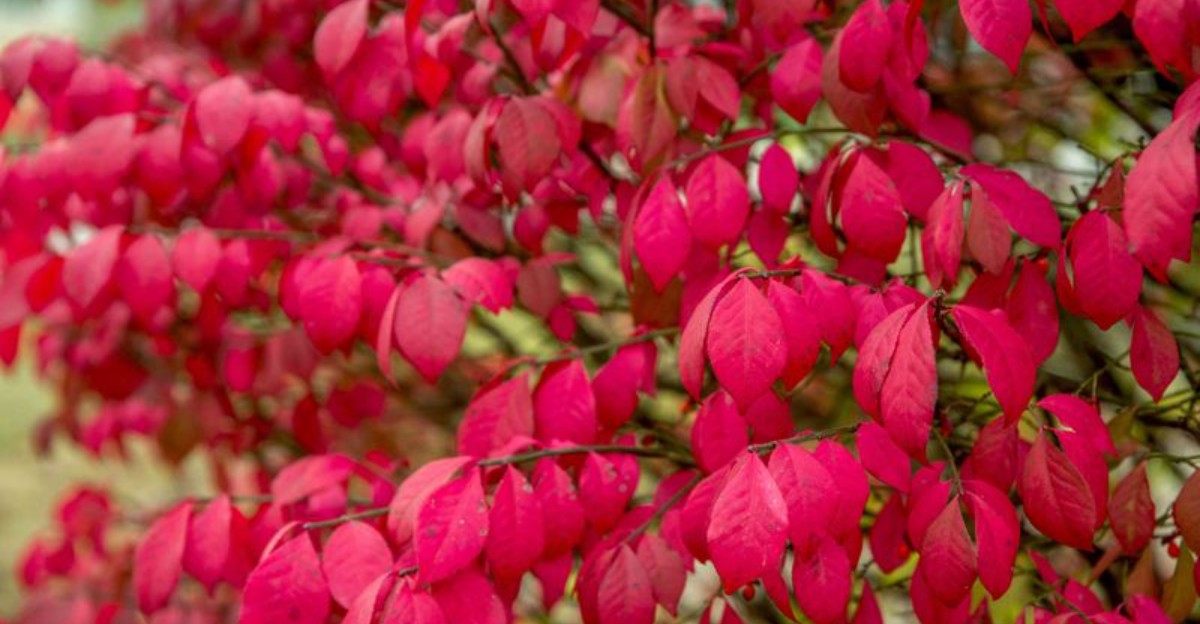
Cars crawl past a glowing shrub, and you are helping it spread. This shrub turns New Jersey crimson each October, and you admire it from your car.
Nurseries imported it from northeastern Asia long ago, and you may have planted it. Birds feast on its berries, then drop the seeds deep inside forests you hike.
Seedlings sprout in woodlots miles from any porch while you admire the foliage. Ecologists flag it as invasive across New Jersey forests, and you can spot the damage.
Corky ridges lining its twigs help you identify it, even in winter. Thickets cast shade so dense that native seedlings stall, and you lose habitat.
Deer often avoid it, which gives it an edge you cannot see from the curb. You hold the fix. Virginia sweetspire matches that scarlet glow, and you can plant it this month.
The Fiery Shrub Is Burning Bush
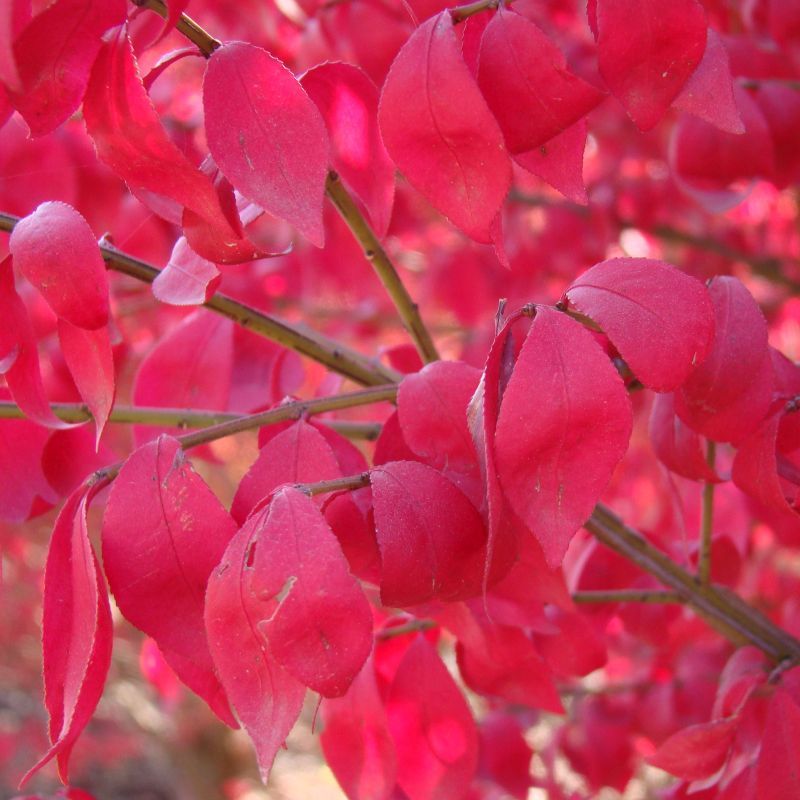
Picture a shrub so red it looks plugged into an outlet. That glowing bush is burning bush, known to scientists as Euonymus alatus.
Homeowners across New Jersey planted it for decades because it looked striking each fall. Garden centers sold it widely, and few people questioned it.
The plant came from northeastern Asia in the 1860s. Gardeners loved how it handled poor soil, shade, and salt, and deer tend to avoid it.
Look closely at the branches and you may spot odd corky ridges. Those flat little wings earned it another name, winged euonymus.
In summer, the leaves stay a plain medium green. Few people notice it until October arrives and the shrub turns scarlet.
New Jersey law now restricts burning bush as an invasive plant. That means it spreads beyond yards and crowds out the native plants that wildlife needs.
Many people do not realize the bush they inherited with their house is a problem. It simply looks like part of the normal suburban scenery.
The berries can upset stomachs if eaten. Kids and pets should not snack on any part of it. So this showy shrub has two sides. It is striking for a few weeks, then quietly spreads the rest of the year.
Knowing its name is the first step toward smarter yard choices. Once you learn it, you will start spotting it on many streets.
Tiny Orange Berries And Hungry Birds
Birds are the main seed carriers behind this spread. They do not mean any harm, but they spread seeds everywhere.
After the leaves turn red, small capsules split open on the branches. Inside sit bright orange-red berries that catch a bird’s eye fast.
Robins, starlings, and other birds eat them during fall and winter. Then they fly off and drop the seeds miles away.
Those seeds land in forests, parks, and stream banks. Many sprout the next spring, and the young shrubs grow quickly in shade.
Those berries have a less obvious downside. They offer birds a snack that is lower in the fat they need for migration.
Native berries, like those from dogwood or spicebush, pack much more energy. Birds filling up on burning bush berries are eating lower-energy food.
Your New Jersey Garden Changes Every Week. Your Plan Should Too.
Gardening in New Jersey changes quickly throughout the season. Every Friday you’ll receive a simple weekly plan showing exactly what to plant, prune, fertilize, harvest, and protect so you never miss the right timing.
One mature shrub can produce a large number of seeds each year. Multiply that across a block of yards, and the numbers add up quickly. Burning bush spreads mainly by seed.
Dense thickets of it can form in woodlands. In some spots, the forest floor looks like a dense carpet of seedlings.
Next time you see a robin perched on those red branches, smile but stay alert. That bird might be carrying seeds from your shrub into nearby woods.
October Is A Good Time To Spot It
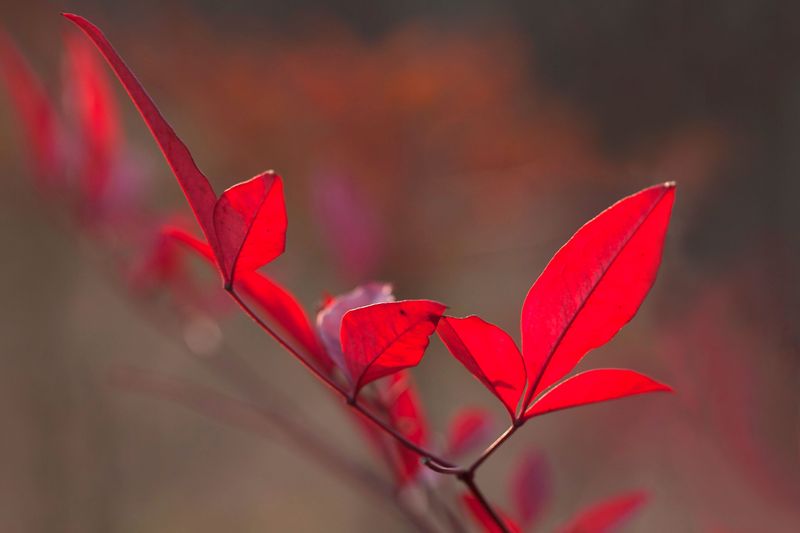
Right now is the easiest time of year to spot this shrub. Its bold color makes it stand out. During October, many native shrubs turn yellow, orange, or soft brown. Burning bush goes for loud pinkish red, which is hard to miss.
Take a walk around your yard and neighborhood this month. Look under trees, along fences, and near the edges of woods.
Small red seedlings often pop up far from the parent plant. You may find several hiding under your oak or behind the shed.
Bring your phone and snap photos of anything unfamiliar. Plant apps or your county extension office can help confirm what you found.
Check the stems for those corky ridges along the twigs. That feature helps separate it from other look-alike shrubs.
Mark each plant with a ribbon or garden flag. Once the leaves fall in November, finding them gets much trickier.
Local parks and trails are worth a look too. Some New Jersey volunteer groups map invasive plants during fall hikes.
Turning this into a family scavenger hunt can actually be fun. Kids love being the first to shout out a red bush sighting.
A little searching now saves hours of work later. The bright color makes it easy to find, so take advantage.
Pruning Mistakes That Do Not Stop Its Spread
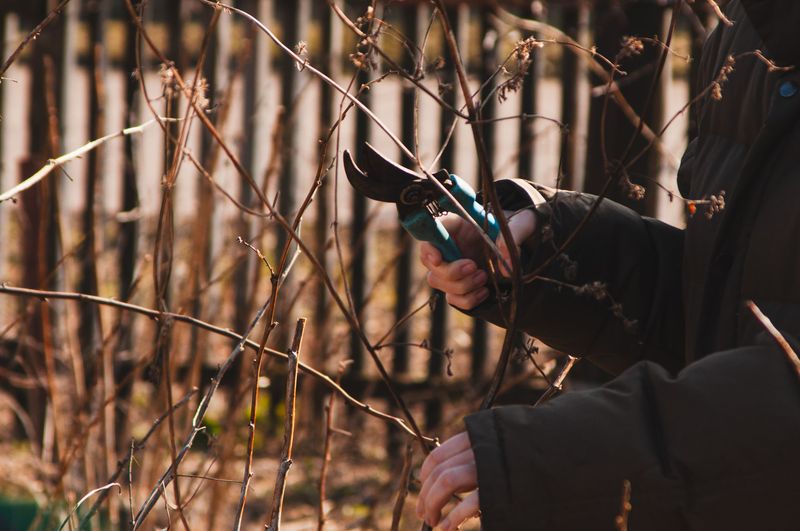
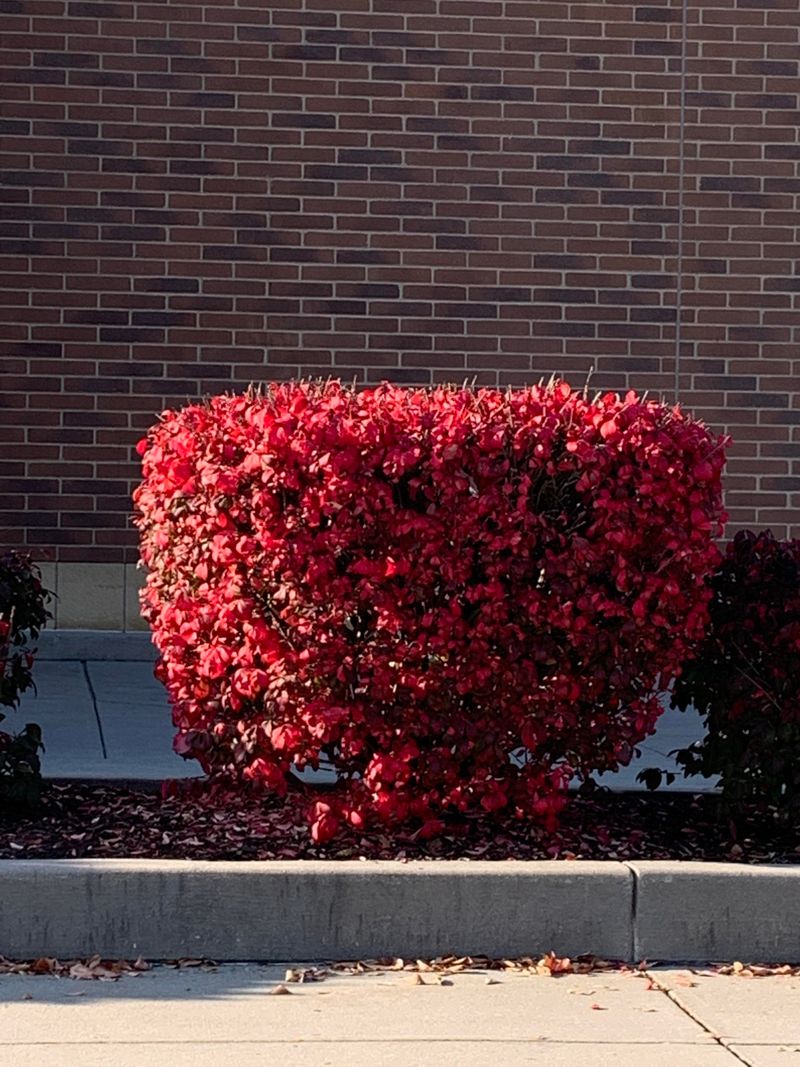
One homeowner trimmed a burning bush into a perfect red ball. It looked neat, but the shrub still made berries most years.
Plenty of people think shaping the plant solves the problem. Sadly, a haircut does not stop it from spreading.
Pruning only changes the shape, while flowers and fruit keep forming each season.
Light trimming often leaves plenty of flowering branches behind. Those branches still make fruit, and birds still carry seeds away.
Another common mistake is cutting it to the ground and walking away. Burning bush resprouts vigorously from the stump.
Within one season, you may see a bushier plant than before. Cutting often triggers a burst of new growth. Digging out the roots stops the regrowth, so plan to remove them fully.
Some folks also toss trimmings with berries into the woods. That simply plants a new crop in the spot you least want it.
Bag any branches with berries and put them out with trash. Do not add berry-covered clippings to your compost pile either. Wash your tools afterward so stray seeds do not travel to other parts of your property.
Wear gloves while handling the plant, especially around kids. Its berries can upset stomachs if eaten.
Another slip is buying cultivars labeled as compact or dwarf. Some of these still produce seeds, even if fewer than older types.
The goal is not to give the shrub a nicer look. The real aim is getting it out of your yard and replaced with something better.
Removal Methods That Work
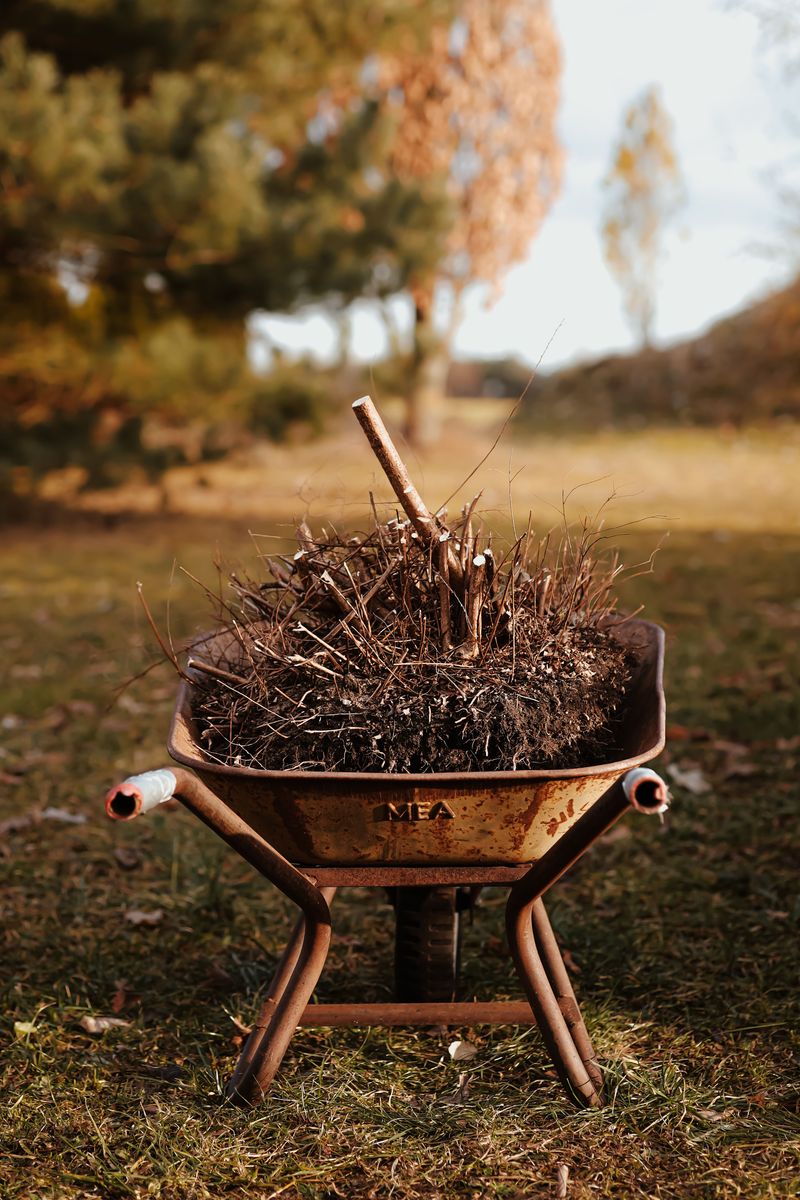
Good news for your back: small plants come out pretty easily. Grab them near the base after a rain and pull steadily.
Moist soil lets the roots slide out more easily. Try to remove the whole root so nothing regrows next spring.
For medium shrubs, a tool called a weed wrench helps a lot. It grips the trunk and uses leverage to pop the roots loose.
Bigger shrubs usually need a shovel and some patience. Dig around the root ball, cut stubborn roots, and rock the plant out.
Really large or old bushes may call for professional help. Tree services and landscapers in New Jersey handle these jobs often.
Some people cut the stem and treat the stump with herbicide. If you choose that route, follow the label exactly and protect nearby plants.
Fall is a smart time to tackle removal. The ground is still soft, and the red leaves show exactly where to work.
Watch the spot for new sprouts over the next year. Pull any shoots quickly before they settle in.
Dispose of everything in yard waste bags or trash. Leaving piles with berries can restart the cycle.
Think of this as a weekend project with a big payoff. Your yard gets a fresh start, and the nearby woods get a break.
Native Red Replacements For Next Fall
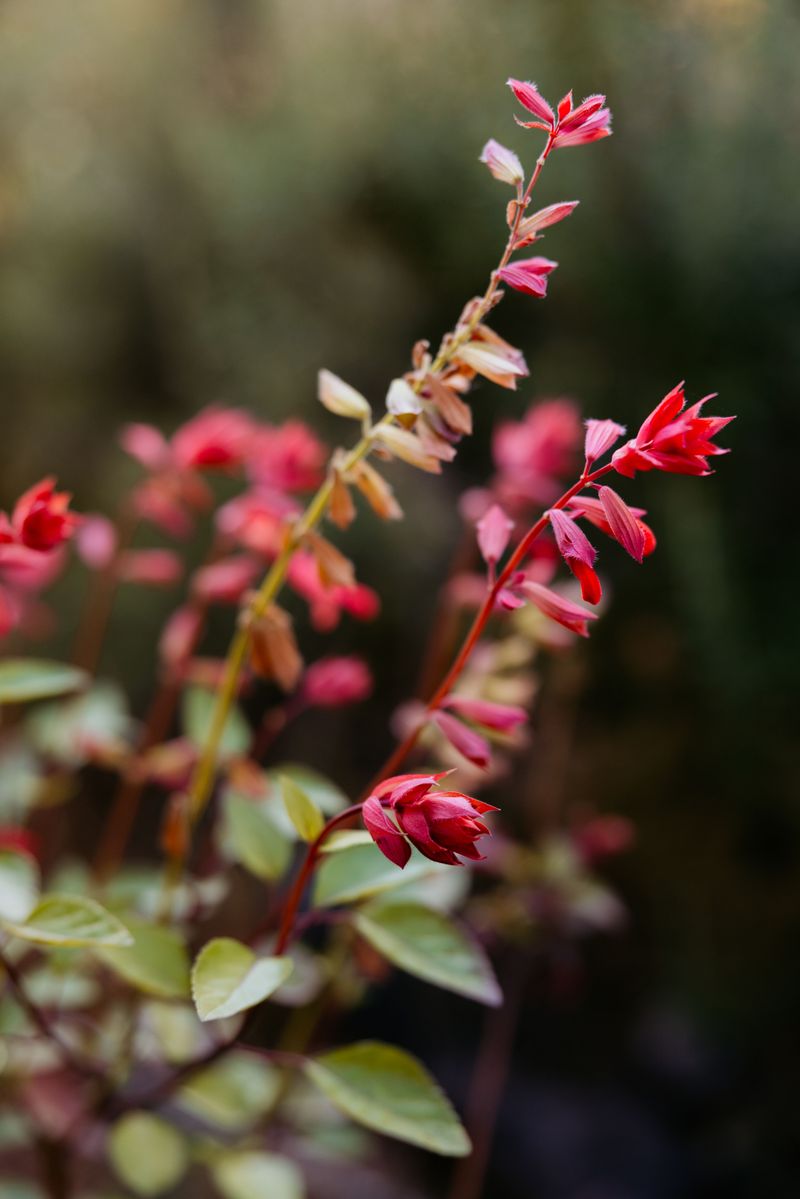
Saying goodbye to that red glow does not mean a dull October. Native shrubs can light up your yard just as brightly.
Red chokeberry is a good swap. Its leaves turn rich red in fall, and its berries feed birds through winter.
Highbush blueberry is another good choice for New Jersey yards. You get sweet summer fruit plus fiery orange and red autumn leaves.
Virginia sweetspire offers deep burgundy color that lasts for weeks. It handles wet spots well, which many yards have.
Fragrant sumac turns orange and scarlet and grows low and wide. It works nicely on slopes where mowing feels like a workout.
Flowering dogwood adds red leaves and shiny red berries. Birds love those berries because they are packed with healthy fat.
Native plants support local caterpillars, bees, and songbirds. Native oaks as a group host hundreds of caterpillar species, which feed baby birds.
Visit a native plant nursery this fall, or check a local plant sale next spring. Rutgers Cooperative Extension also shares helpful lists for New Jersey gardeners.
Plant replacements where the old burning bush stood. That fills the empty space before other invasive plants take hold.
Next October, your yard can still turn heads on the street. Only this time, the show supports local wildlife instead of quietly spreading.