Kansas City Gardeners Can Still Catch A Free Garden Steward Bootcamp This November
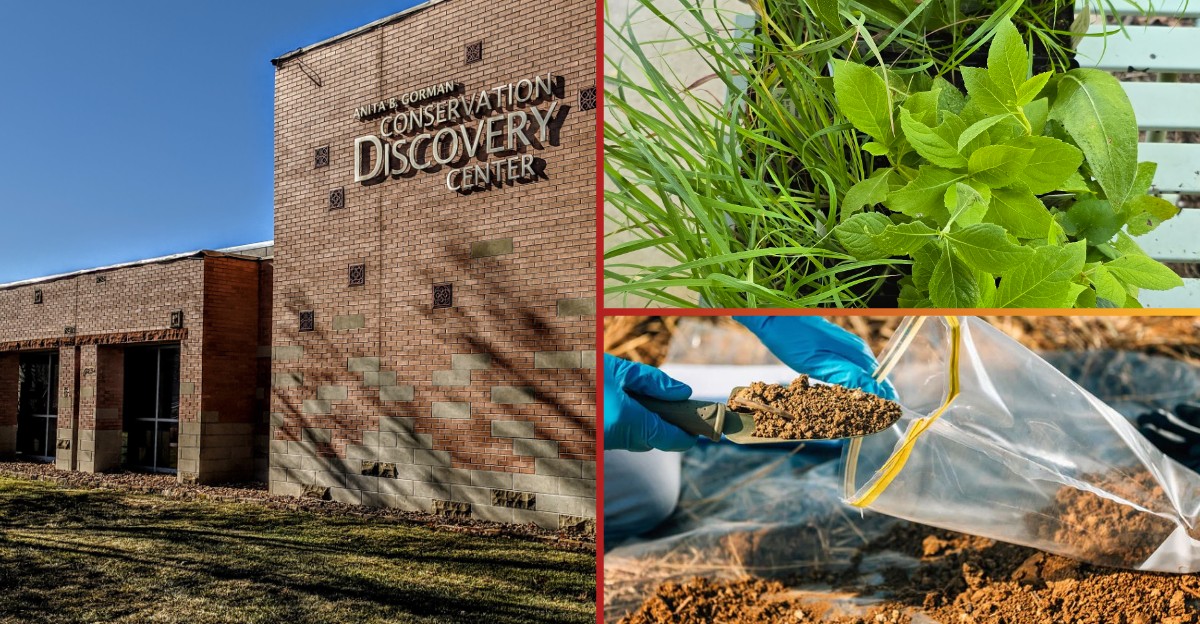
A full Saturday of gardening classes in Kansas City this November will cost you nothing except a little time. The free session is planned at a conservation nature center on Troost Avenue near Brush Creek.
I like that the day blends classroom talks with practical lessons on soil, plants, and helpful insects. University of Missouri Extension experts lead the sessions, so the advice fits the clay soils common in Missouri.
You also get a reason to volunteer, because the program hopes graduates will share skills in community gardens. Older volunteers may even walk away with a handy extra that gardeners usually pay a small fee for.
October is a fine month to plan ahead, since your beds are winding down and your notebook is open. Who knew one quiet November Saturday could clear up so many garden questions?
Your Free Saturday Seat Waits At Anita B. Gorman Discovery Center
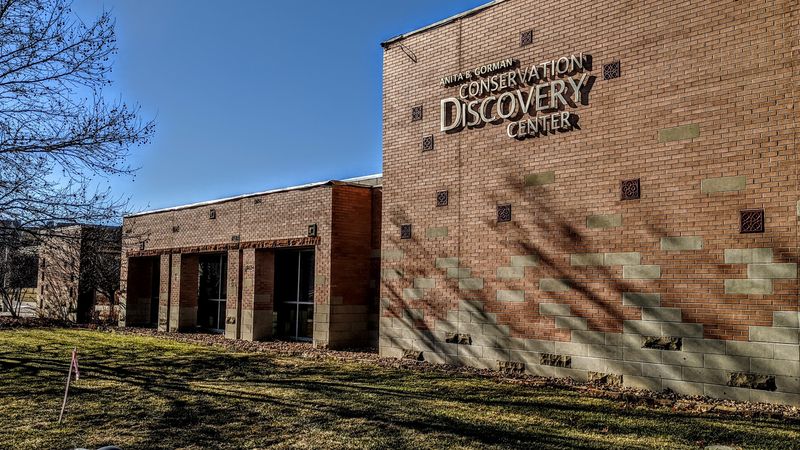
Tucked beside Brush Creek, the Anita B. Gorman Conservation Discovery Center feels like a small forest inside the city. MU Extension has chosen this Missouri Department of Conservation site for its free Garden Steward Bootcamp this November.
The class runs on a Saturday, which makes it easier for working gardeners and retirees to attend together. Exact dates and times can shift, so check the MU Extension Jackson County website before you plan your day.
The center sits at 4750 Troost Avenue, close to the Country Club Plaza and several city bus routes. Free parking is available on site, and the building has classrooms, restrooms, and accessible paths for visitors.
Outside, the grounds include native plant gardens, a wetland area, and walking trails that show conservation ideas in action. You can stroll those beds during a break and see how prairie plants look after their fall seed heads form.
Bring a light jacket, since classrooms can feel cool and you may step outdoors for part of the lessons. A notebook and pen also help, because speakers often share plant names, websites, and local resources you will want.
Lunch details vary from year to year, so read the registration page to learn whether you should pack food. Many attendees bring a refillable water bottle and a small snack to stay focused through the afternoon sessions.
Seats are usually limited by room size, which means early registration gives you the best chance at a spot. Signing up in October leaves you plenty of time to arrange rides and clear your calendar before the class.
MU Extension Teams Up With AmeriCorps Seniors
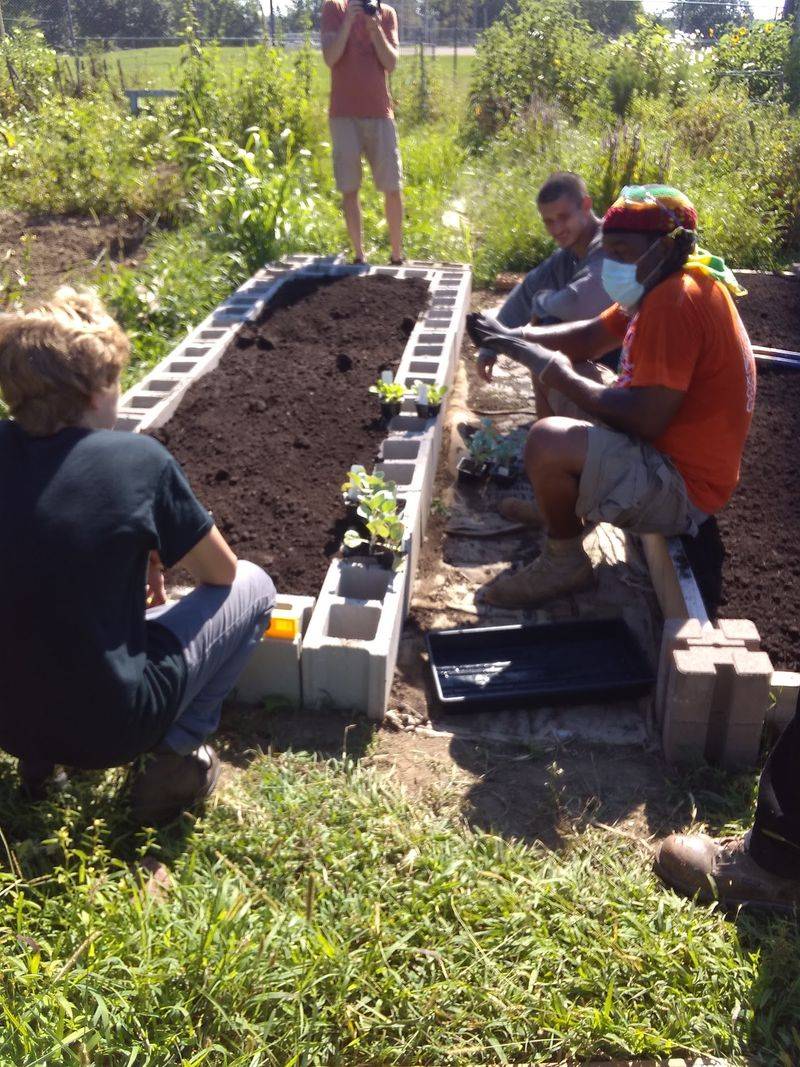
Teamwork sits at the heart of this bootcamp, and the partners behind it bring very different strengths to the table. University of Missouri Extension supplies the research-based gardening lessons, while AmeriCorps Seniors helps connect older adults with volunteer roles.
AmeriCorps Seniors is a federal program that supports volunteers aged 55 and older through several national service programs. One of those, the RSVP program, matches older adults with local nonprofits, schools, food pantries, and community gardens.
Your Missouri Garden Changes Every Week. Your Plan Should Too.
Gardening in Missouri changes quickly throughout the season. Every Friday you’ll receive a simple weekly plan showing exactly what to plant, prune, fertilize, harvest, and protect so you never miss the right timing.
The bootcamp gives those volunteers a fast, practical foundation, so they feel ready to help in public garden spaces. Volunteers of any age can still learn a lot, since the material covers basics every home gardener uses.
Graduates are often encouraged to share their skills at community gardens, school plots, and food pantry growing projects. That kind of service helps Kansas City neighborhoods grow more fresh vegetables and keep shared green spaces tidy.
MU Extension has a long history of training volunteers, including the well-known Missouri Master Gardener program across the state. The bootcamp is shorter than Master Gardener training, yet it offers a helpful taste of that same learning style.
The class is listed as free for attendees, and the extension office can explain how the program is funded. Specific funding details are not always listed, so contact the local extension office if you want to know more.
I believe the best part is meeting other people who care about gardens as much as you do. Those friendships can turn into carpools, seed swaps, and helping hands on busy workdays at your community plot.
Six Hours Cover The Garden Basics You Need
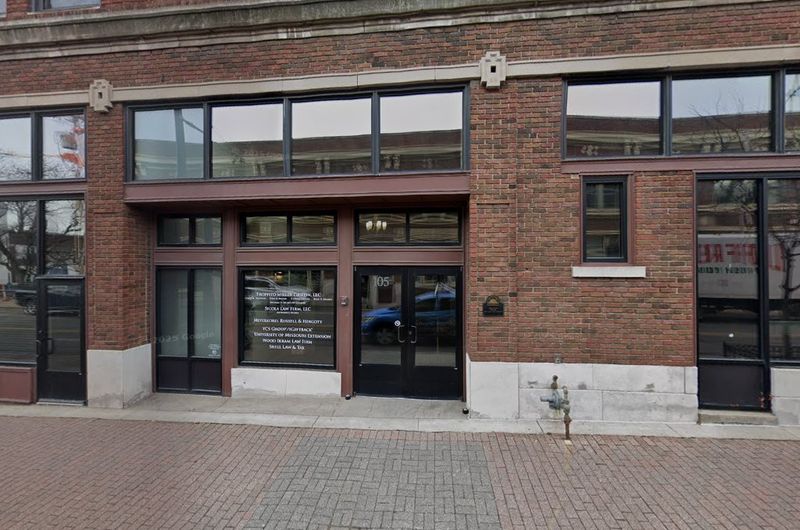
Six hours sounds like a long stretch, yet the time moves quickly when every session covers something you can use. Past bootcamp outlines have included soil health, plant care, watering, and basic garden planning for beginners and returning gardeners.
Soil lessons usually come first, because healthy soil supports strong roots, steady growth, and fewer problems with plant stress. Kansas City gardens often sit on heavy clay, so speakers may explain how compost and mulch improve drainage over time.
Plant care talks often cover choosing the right plant for each spot, based on sunlight, moisture, and mature size. That simple habit reduces wasted money and helps beds look full without constant replanting or heavy watering each summer.
Watering advice matters in Missouri, where hot summers and dry spells can stress vegetables, shrubs, and young trees. Instructors may share tips on deep, less frequent watering, which encourages roots to grow downward into cooler soil.
Fall timing also gives the lessons a practical edge, since autumn is a smart season for planting trees and perennials. You can leave class with ideas for spreading mulch, collecting leaves for compost, and planning next spring’s vegetable rows.
Breaks between sessions give you time to ask questions, compare notes, and chat with extension staff about your yard. Bring photos of tricky plants on your phone, since a quick picture often helps an expert identify the issue.
Exact topics can change slightly each year, so review the agenda on the registration page before you attend. Knowing the schedule ahead lets you plan breaks, lunch, and any questions you want answered during the day.
Insect Lessons Put Pollinators In Your Spotlight
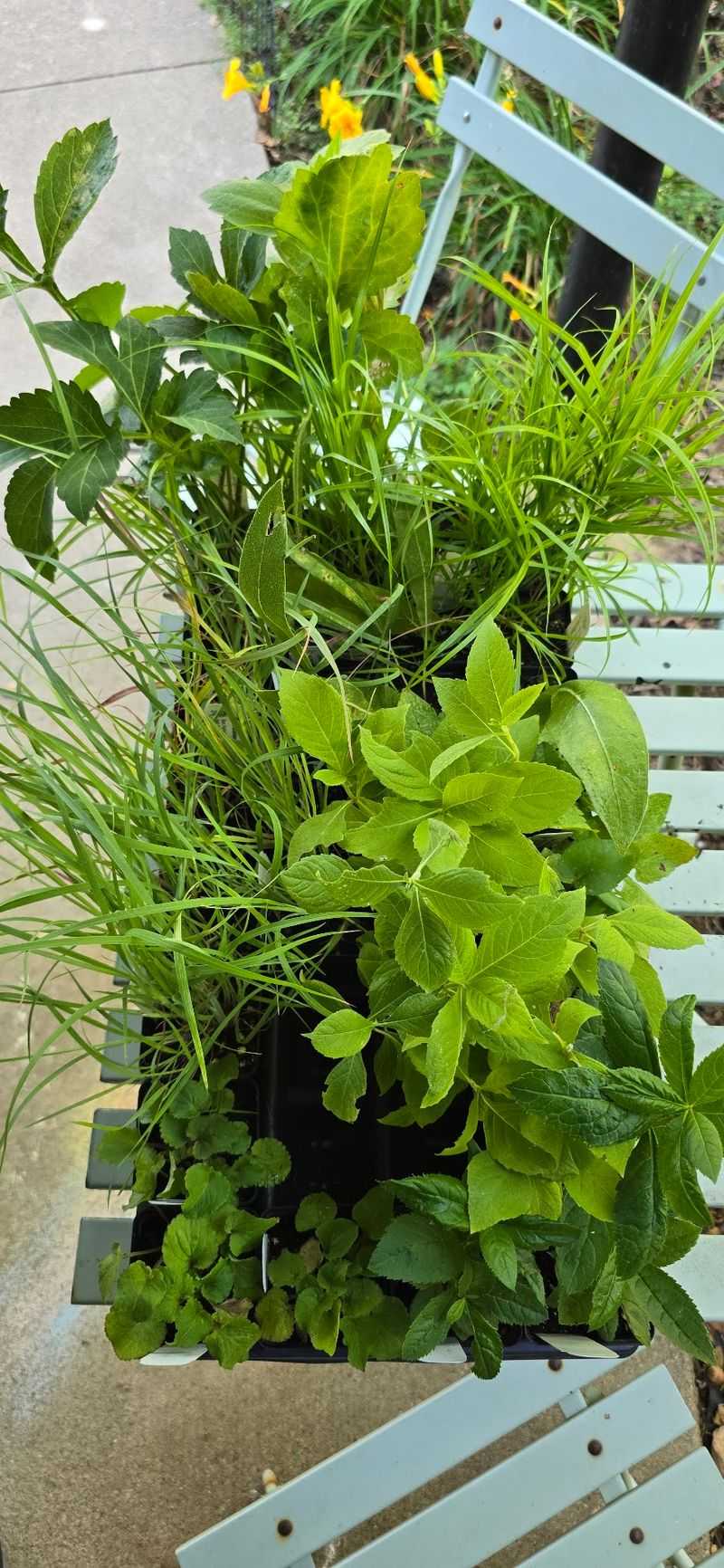
Fuzzy bumble bees and tiny sweat bees may not seem like classroom topics, but they earn plenty of attention here. The bootcamp includes insect lessons that focus on pollinators and the helpful bugs that keep gardens in better balance.
Missouri is home to hundreds of native bee species, according to the Missouri Department of Conservation and university researchers. Many of those bees nest in bare soil or hollow plant stems, which surprises gardeners who expect beehives everywhere.
Instructors often explain how to tell helpful insects from pests, so you avoid spraying creatures that protect your plants. Lady beetles, lacewings, and small parasitic wasps all help keep aphids and caterpillars in check, which can cut down on the need for sprays.
Fall is a great time to put these lessons to work, since many pollinators spend winter inside garden debris. Leaving some hollow stems standing until spring can give native bees a safe place to rest through cold months.
Native plants like asters and goldenrod feed late-season pollinators, including migrating monarch butterflies passing through Kansas City each fall. Planting a few of these in October gives roots time to settle before next year’s busy growing season arrives.
Speakers may also discuss integrated pest management, a step-by-step approach that uses chemicals only when other methods fall short. That approach protects bees, saves money, and keeps your yard friendlier for birds, toads, and other garden visitors.
I find these talks change the way people look at bugs, turning fear into curiosity almost overnight. You might leave class eager to watch flowers for visitors instead of reaching for a spray bottle right away.
Three Counties Anchor The Volunteer Program
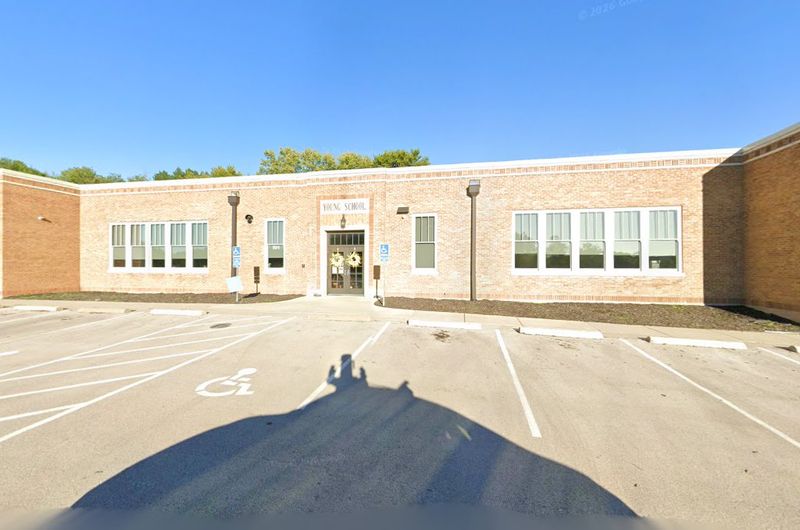
Living in the right county matters if you want to volunteer through the program, since AmeriCorps Seniors RSVP serves three Kansas City area counties. Program materials list Jackson, Clay, and Platte counties for volunteers aged 55 and older, while the class itself is listed as free.
These counties cover much of the Missouri side of the metro, including Kansas City, Independence, Liberty, and Parkville. The class listing does not mention a county requirement for attendees, so check the registration page if you live outside those counties.
Registration usually happens through the MU Extension website, where you fill out a short form with your contact details. Some years the office also accepts phone sign-ups, which helps older gardeners who prefer talking to a real person.
Because the class is free, seats can fill quickly once local garden clubs and volunteer groups share the news. Signing up in October gives you the best chance, especially if you plan to attend with a friend.
Kansas residents across the state line have their own extension programs through K-State Research and Extension. Those offices run separate classes, so Kansas gardeners should check with them for similar fall and winter learning opportunities.
Keep your confirmation email handy, since it often includes parking tips, start times, and any items you should bring. Adding the date to your phone calendar right away helps you remember, even during busy holiday planning in November.
Free training like this is a real gift for gardeners who want expert advice without paying hefty fees. Telling a neighbor about the class helps more people in your county take advantage of it.
Senior Volunteers Can Take Home A Soil Sample Bonus

Soil tests are one of the cheapest ways to stop guessing in the garden, and senior volunteers may get one free. MU Extension has offered a free soil sample analysis as a bonus for AmeriCorps Seniors volunteers who complete the bootcamp.
The University of Missouri Soil and Plant Testing Laboratory checks pH, phosphorus, potassium, calcium, magnesium, and organic matter levels. Results come with fertilizer and lime suggestions based on what you plan to grow, such as lawns or vegetables.
Fall is an excellent time to collect soil, since beds are mostly empty and the lab is less busy. Testing now gives you time to add lime or compost over winter, so changes are ready by spring planting.
To gather a sample, use a clean trowel to take small slices of soil about six inches deep. Collect from ten or more spots in the same bed, mix them in a bucket, and keep about two cups.
Avoid sampling right after adding fertilizer, since fresh nutrients can make results look higher than they really are. Label each bag clearly, especially if you test a vegetable garden and a front lawn at the same time.
Bonus details may change from year to year, so ask the extension staff how to claim the free test. Gardeners who do not qualify can still buy a routine soil test through local extension offices for a modest fee.
I believe a soil report is the best roadmap a gardener can own, and it often saves money on fertilizer. Plenty of yards already have enough phosphorus, so a test may show you can skip buying extra bags next season.